Attractions and Places To See around Le Boulay - Top 7
Best attractions and places to see around Le Boulay, a commune in the Indre-et-Loire department of France, offers a blend of historical sites and natural landscapes. The area is characterized by its rural setting, with the Glaise River forming part of its northern boundary. Visitors can explore local heritage within the village and discover a variety of attractions in the broader region, including castles and religious buildings.
Best attractions and places to see around Le Boulay
- The most popular attractions…
Last updated: August 30, 2026
Château-Renault
Highlight • Castle
Translated by Google •
Tip by

Château de Beauregard
Highlight • Castle
Translated by Google •
Tip by

Sign up now to discover places like this
Get recommendations on the best single tracks, peaks, & plenty of other exciting outdoor places.
Sign up for free
Church of Saint Vincent and Saint Gilles of Villedômer
Highlight • Religious Site
Translated by Google •
Tip by

Grottes troglodytes en pleine forêt
Highlight • Structure
Translated by Google •
Tip by

Moulin de perchêne
Highlight • Other
Translated by Google •
Tip by
Sign up for free to discover even more attractions around Le Boulay.
Sign up for free
Already have an account?
Start today with a free account
Your next adventure awaits.
Login or Signup




Tips from the Community


This small fortified town has its origins in the middle of the 11th century. It was at this time that the castle was built. It will be reworked several times thereafter, notably during the Hundred Years War. The town thus developed over the centuries. It experienced strong development in the 19th century thanks to the tannery industry, making Château-Renault the city of leather. Since then, the old industries have been converted. The city has a rich medieval and industrial heritage to discover by admiring its castle and visiting the tannery museum.
0
0

Nice and unexpected surprise in the middle of the forest
0
0

This castle is located in the heart of 53 hectares of woods and fields, on the outskirts of the village of Villedômer. The owners have created a campsite "L'Orangerie de Beauregard" to accommodate people with hearing, motor, mental and visual disabilities.
2
0
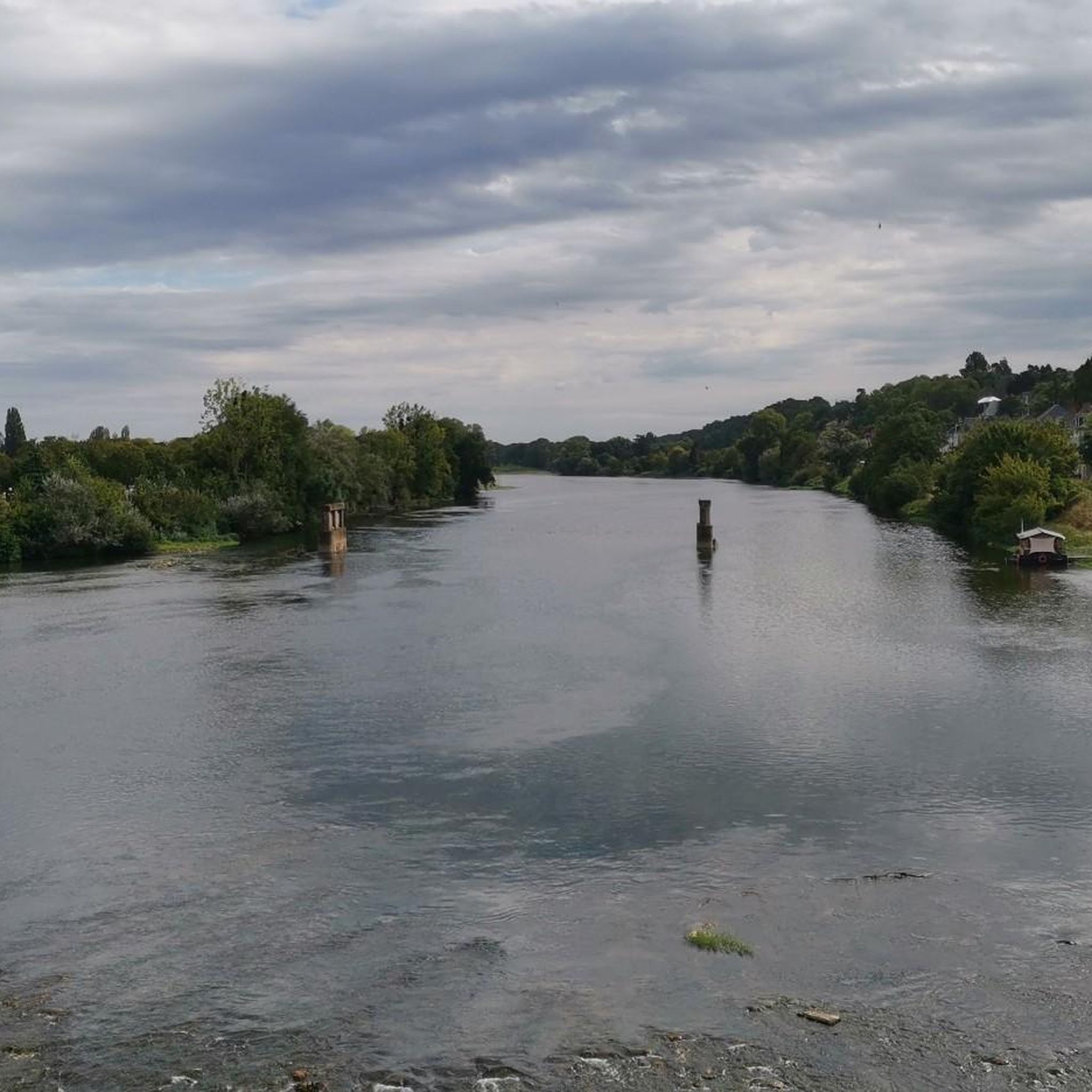
This is an 11th century mill. Originally a wheat mill, it was used as a tan mill in the 19th century for tanneries.
2
0

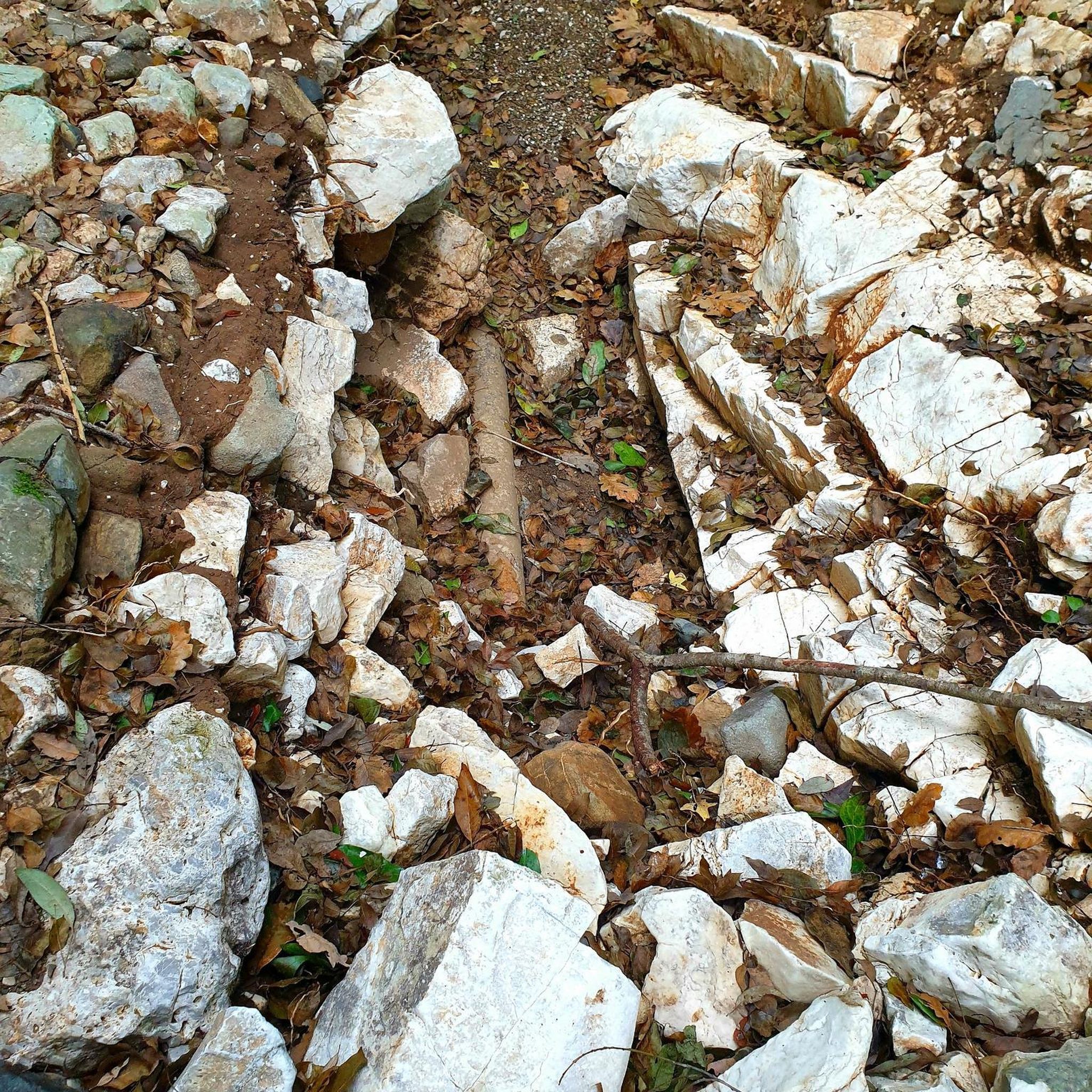
How old are these man-made troglodyte shelters?
0
0

In Villedômer lies this church, on the Way of St. James. My hosts got the key to the church and gave me a small private tour. My host also regularly gives concerts in the church. A beautiful place. The pictures speak for themselves.
2
0
Frequently Asked Questions
What historical sites can I visit in Le Boulay itself?
In Le Boulay, you can explore the historic Saint-Sulpice Church, which was once part of a 12th-century Benedictine priory. The former priory building also houses the current Town Hall, featuring architecture from the 16th century. For more local information, you can visit the Le Boulay tourism page.
Are there any natural features or outdoor areas to enjoy around Le Boulay?
Yes, the Glaise River forms part of Le Boulay's northern and northeastern communal boundary, offering opportunities to enjoy the natural landscape. You can also discover the unique Grottes troglodytes en pleine forêt, ancient man-made troglodyte shelters hidden within the forest, providing an unexpected natural and historical experience.
What kind of outdoor activities can I do near Le Boulay?
The area around Le Boulay offers various outdoor activities. You can find numerous routes for hiking, running, and road cycling. These routes vary in difficulty, from easy walks to more challenging trails, allowing you to explore the local landscapes and historical sites.
Are there any family-friendly attractions near Le Boulay?
Absolutely. The fortified town of Château-Renault is considered family-friendly, offering a rich medieval and industrial heritage to explore, including its castle and a tannery museum. Additionally, the estate of Château de Beauregard includes a campsite, "L'Orangerie de Beauregard," which is adapted for guests with disabilities, making it accessible for many families.
What historical castles or châteaux are in the vicinity of Le Boulay?
Beyond the local priory, you can visit Château de Beauregard near Villedômer, set within 53 hectares of woodlands. The nearby town of Château-Renault also boasts a historic castle, dating back to the 11th century, which was reworked multiple times throughout history, including during the Hundred Years' War. Le Boulay's location also places it within reasonable distance of renowned Loire Valley châteaux like Chenonceau and Amboise Royal Castle.
Can I find any religious or spiritual sites nearby?
Yes, the Church of Saint Vincent and Saint Gilles of Villedômer is a notable religious site located on the Way of St. James. It's known for its beautiful setting and occasionally hosts concerts. Within Le Boulay, the Saint-Sulpice Church, originally a 12th-century Benedictine priory chapel, also offers historical and spiritual interest.
What is the history behind Moulin de perchêne?
The Moulin de perchêne is an 11th-century mill with a rich history. Initially, it served as a wheat mill. In the 19th century, it was repurposed as a tan mill, supporting the region's burgeoning tannery industry, particularly in nearby Château-Renault, known as the 'city of leather'.
Are there any attractions accessible for visitors with disabilities?
Yes, Château de Beauregard is particularly noteworthy. Its estate includes a campsite, "L'Orangerie de Beauregard," which has been specifically adapted to accommodate guests with hearing, motor, mental, and visual disabilities, making the castle and its grounds more accessible.
What is the best time to visit Le Boulay for outdoor activities?
While specific seasonal tips are not available, the region's rural setting and natural features like the Glaise River suggest that spring and autumn would be ideal for outdoor activities such as hiking, running, and cycling, offering pleasant temperatures and scenic landscapes. Summer can also be enjoyable, though it might be warmer.
What do visitors enjoy most about the attractions around Le Boulay?
Visitors particularly appreciate the unexpected discoveries, such as the Grottes troglodytes en pleine forêt, which are described as a 'nice and unexpected surprise'. The historical depth of sites like the Church of Saint Vincent and Saint Gilles of Villedômer and the medieval heritage of Château-Renault are also highly valued.
Are there any long-distance hiking trails or significant routes nearby?
Yes, you can explore the Brenne Valley Trail, which is a moderate 13.2 km hiking route. For more options, including various difficulties and distances, refer to the hiking guide for Le Boulay.
Most popular routes around Le Boulay

Get inspired with the komoot mobile app


Explore more
Still not found the Highlight you’re looking for? See guides of the top attractions in other regions:
