Attractions and Places To See around Forstheim - Top 20
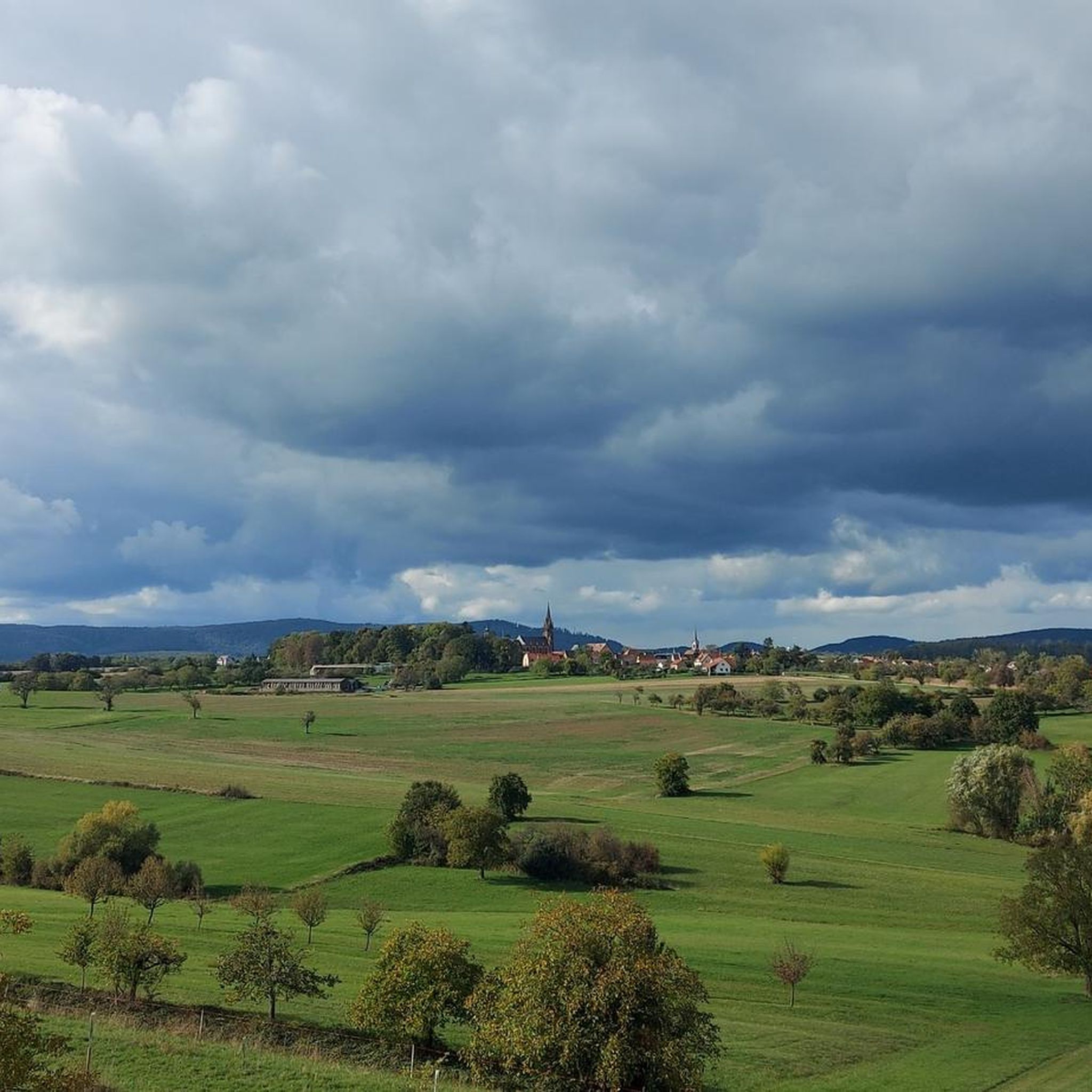
Best attractions and places to see around Forstheim, a commune in the Bas-Rhin department of France, offers a tranquil, rural setting within the Grand Est region. This area is characterized by woodlands and arable farmland, and is situated within the Northern Vosges Regional Nature Park. Forstheim village attractions include the historical Église Saint-Nicolas and an old well in the center. The commune serves as a convenient base for exploring the rich historical and natural attractions of the broader Alsace region.
…Last updated: May 9, 2026
Wasenbourg Castle
Highlight • Historical Site
Translated by Google •
Tip by

New Windstein Castle
Highlight • Castle
You can climb up the castle's interior via newly installed metal stairs. However, if you're afraid of heights, don't look down... the …
Translated by Google •
Tip by

Sign up now to discover places like this
Get recommendations on the best single tracks, peaks, & plenty of other exciting outdoor places.
Sign up for free
Mercury Rock Temple
Highlight • Religious Site
Translated by Google •
Tip by

Jaegerthal
Highlight • Settlement
Translated by Google •
Tip by

Ruins of the Jaegerthal forge
Highlight • Monument
Relics of the De Dietrich family around 1890.
Translated by Google •
Tip by

Sign up for free to discover even more attractions around Forstheim.
Sign up for free
Already have an account?
Start today with a free account
Your next adventure awaits.
Login or Signup

Tips from the Community

It's incredible that the gable walls and columns from the 16th century are still standing today.
1
0

The Temple of Mercury is carved into a rock; you can only see the portal from the front; if you walk around the rock, you get the impression it's just a rock. Fascinating.
0
0

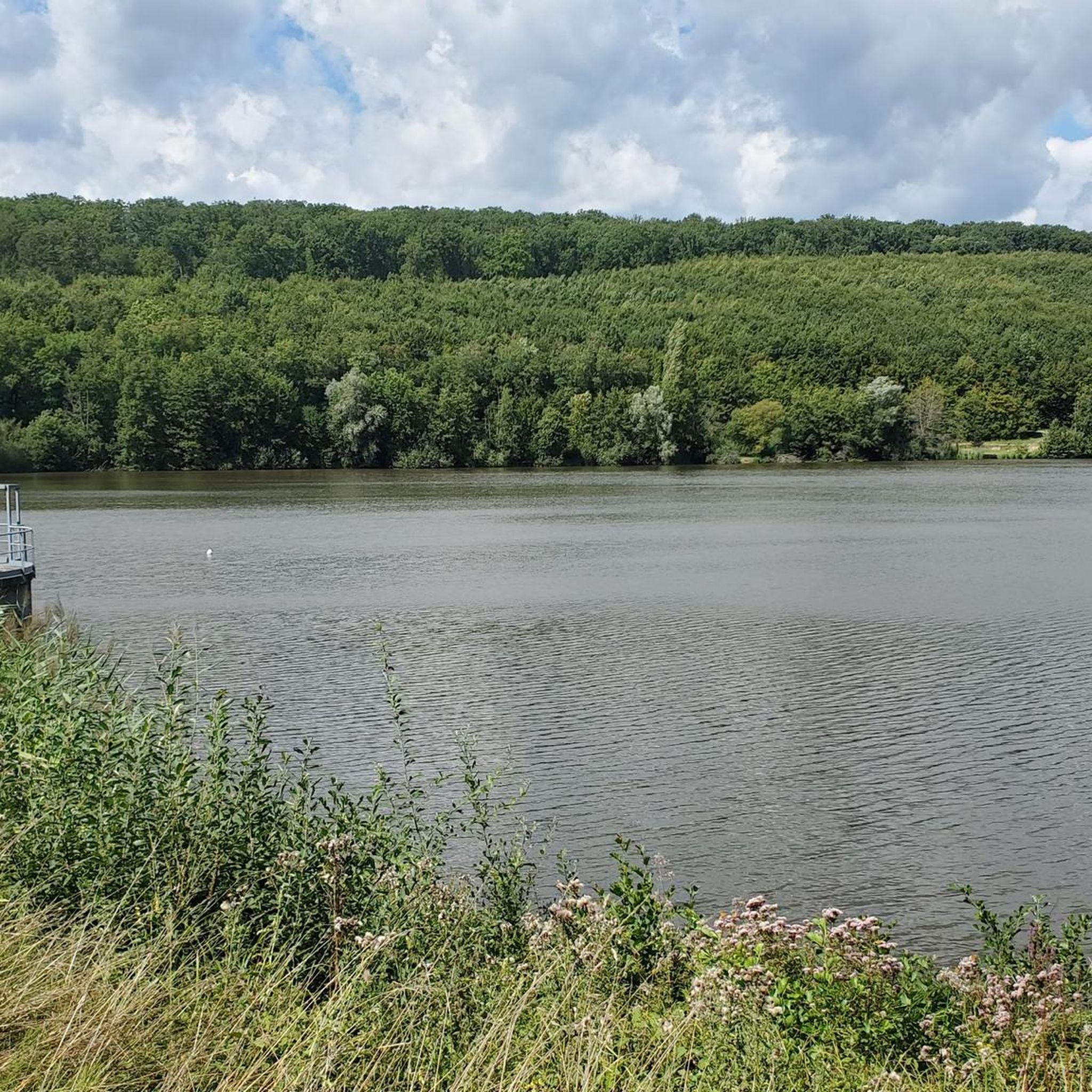
Impressive ruins right next to the road, plus a pretty reservoir surrounded by forest.
1
0

On this hiking highlight, we encounter the remains of a temple dedicated to MERCURY (Latin: MERCURIUS). Dating back to pre-Christian times, the deities of Roman and Greek mythology in particular have been preserved in the collective memory of people in Europe to this day. MERCURY is the "messenger of the gods" in Roman mythology; his counterpart in Greek mythology is Hermes. Both have the interesting combination of being gods of trade and merchants, but also of thieves.
0
0

Beautiful small reservoir with the ruins
1
0

On the site of the ruins of Wasenburg Castle, there are the remains of a much older building: a Roman sanctuary dedicated to Mercury. Parts of the temple were rebuilt in the 19th century.
0
0

Jaegerthal is the home of the famous French industrialist family de Dietrich, who acquired the iron hammer in 1684. A stream there - the Schwarzbach - triggered a major industrialization. In Jaegerthal in the Northern Vosges, the ruins of the first iron forges of de Dietrich are a reminder of the industrial development.
0
0

Where the Wasenburg ruins stand today, there once stood a Roman sanctuary dedicated to Mercury and a specula nearby. Parts of the temple were rebuilt in the 19th century. Parts of the Roman Temple of Mercury from the 2nd to 3rd centuries AD are still preserved on the Wachtfelsen (watch rock), not far from the Wasenburg ruins. Information board at the site: Take a look at the Wachtfelsen (watch rock), which was used by the Romans as a "specula," an observation post. Archaeological finds also testify to a temple dedicated to Mercury on this site. But make no mistake, the extension to the rock is a reconstruction from the 20th century (1913). It commemorates the remains of the temple and the Gallo-Roman settlement of this place long before the construction of the listed Wasenburg, which was finally destroyed by the troops of Louis XIV in 1677.
1
0
Frequently Asked Questions
What historical sites can I explore near Forstheim?
The region around Forstheim is rich in history. You can visit the impressive ruins of Wasenbourg Castle, known for its eventful past and views. Another significant ruin is New Windstein Castle, which offers restored structures and panoramic vistas. Don't miss the Mercury Rock Temple, a Roman sanctuary with parts rebuilt in the 19th century. Further afield, the Château de Fleckenstein and the Maginot Line forts (Schoenenbourg and Four-a-Chaux) provide deeper insights into the area's heritage.
Are there any natural attractions or gardens to visit near Forstheim?
Yes, the area boasts several beautiful natural spots and gardens. The Forêt de Haguenau, encircling nearby Mertzwiller, offers extensive forested areas for exploration. For garden enthusiasts, options include the Jardin de la ferme bleue (just 4 km away), Jardin de l'Escalier, and the larger Jardin botanique du col de Saverne. You can also find the Jardin botanique de l'université de Strasbourg and the Jardin du château de Kolbsheim a bit further out.
What cultural experiences are available in the towns surrounding Forstheim?
The surrounding towns offer a rich cultural tapestry. Hunspach, recognized as a 'Most Beautiful Village,' is known for its distinctive white houses and vibrant flowers. Wissembourg, near the German border, presents numerous sites of interest. Neuwiller-lès-Saverne features charming half-timbered houses. For a unique local experience, consider visiting La Fabrique à Bretzels.
What kind of outdoor activities can I do near Forstheim?
Forstheim is an excellent base for outdoor activities. You can find numerous routes for hiking, cycling, and gravel biking. For hiking, explore trails like the 'View of Woerth – Elsasshausen Memorial Tower loop' or the 'Hegeney loop.' Cyclists can enjoy routes such as the 'Moder Valley Cycle Route' or the 'Fleckenstein Pond – Sauer River Path loop.' For more challenging rides, consider gravel biking routes like the 'Jaegerthal Ironworks Ruins loop.' You can find more details on these activities in the dedicated guides for hiking, cycling, and gravel biking around Forstheim.
Are there family-friendly attractions or activities for children near Forstheim?
While Forstheim itself is tranquil, the broader region offers family-friendly options. Didiland is an amusement park that provides entertainment for children. Many of the natural areas, such as the Forêt de Haguenau, are suitable for family walks and picnics. Exploring castle ruins like New Windstein Castle can also be an engaging adventure for older children.
What is there to see in Jaegerthal?
Jaegerthal has significant industrial heritage. You can explore the ruins of the first ironworks, which date back to 1602 and were later acquired by the famous De Dietrich family. These remains evoke the metallurgical activity that shaped the area's past. The small castle, once the summer residence of the De Dietrichs, is privately owned and cannot be visited.
What do visitors enjoy most about the attractions around Forstheim?
Visitors particularly appreciate the historical depth and scenic views offered by the castle ruins. For instance, Wasenbourg Castle is noted for its beautiful views from the top and its eventful history. New Windstein Castle is praised for its magnificent views and the unique experience of climbing its restored interior via metal stairs. The blend of history and nature is a recurring highlight.
Can I find religious or spiritual sites near Forstheim?
Yes, the region includes several religious sites. The Mercury Rock Temple, a Roman sanctuary, offers a glimpse into ancient spiritual practices. In Niederbronn-les-Bains, you can visit the Saint John Protestant Church, which is part of a town known for its mineral springs and historical significance. Further away, the Cathédrale Notre Dame de Strasbourg is a major landmark.
Are there any towns nearby with unique architecture or charm?
Absolutely. Hunspach is famous for its well-maintained old houses, all painted white, and beautiful flowers, earning it the title of a 'Most Beautiful Village.' Neuwiller-lès-Saverne is another town noted for its beautiful half-timbered houses and prominent town center, offering a picturesque experience.
What is the best time to visit the attractions around Forstheim?
The region around Forstheim is enjoyable throughout much of the year. Spring and summer are ideal for exploring the gardens and natural features, with pleasant weather for hiking and cycling. Autumn offers beautiful foliage, especially in forested areas like the Forêt de Haguenau. Historical sites and cultural towns can be visited year-round, though some outdoor activities might be limited in winter.
Where can I find cafes or restaurants near the attractions?
While Forstheim itself is a smaller locality, nearby towns like Haguenau and Niederbronn-les-Bains offer a variety of cafes and restaurants. Niederbronn-les-Bains, where the Saint John Protestant Church is located, is described as a pretty seaside resort that invites strolling and has good cafes. Haguenau also provides numerous options for dining and refreshments.
Most popular routes around Forstheim
Most popular attractions around Forstheim

Get inspired with the komoot mobile app


Explore more
Still not found the Highlight you’re looking for? See guides of the top attractions in other regions:
