Attractions and Places To See around Grézillac - Top 20
Best attractions and places to see around Grézillac include a blend of historical landmarks, cultural sites, and natural beauty. This charming village in the Gironde department of southwestern France is characterized by its rich viticultural landscape. The area features ancient Romanesque churches, historic châteaux, and extensive vineyards, reflecting its deep history and local character. Grézillac offers opportunities to explore its past, from Gallo-Roman occupation to its medieval development, alongside its prominent wine-growing identity.
Best attractions and places to see around…
Last updated: August 30, 2026
Espiet tunnel
Highlight (Segment) • Other
Translated by Google •
Tip by

Roger Lapébie Cycle Path: Créon to Dardenac
Highlight (Segment) • Cycleway
Translated by Google •
Tip by

Sign up now to discover places like this
Get recommendations on the best single tracks, peaks, & plenty of other exciting outdoor places.
Sign up for free
Saint-Émilion Village
Highlight • Settlement
Translated by Google •
Tip by

Cordeliers' Cloister
Highlight • Religious Site
Translated by Google •
Tip by

Château Angélus
Highlight • Historical Site
Translated by Google •
Tip by

Sign up for free to discover even more attractions around Grézillac.
Sign up for free
Already have an account?
Start today with a free account
Your next adventure awaits.
Login or Signup



Other adventures around Grézillac

Tips from the Community

The TV series – available only in German – »Schätze der Welt – Erbe der Menschheit« documents in short episodes, each lasting a quarter of an hour, important places that have been honored as World Heritage Sites by UNESCO. The accompanying text states: "Saint- Emilion is one of the most romantic wine towns in the world. The small town lies on a limestone plateau, framed by vineyards where the grapes for the famous 'grands crus' grow. With this important wine-growing region in southwestern France, UNESCO has also declared wine a World Heritage Site. Rightly so, because Saint- Emilion represents the perfection of wine." Follow this link to the film =>> https://www.ardmediathek.de/video/schaetze-der-welt/saint-emilion-frankreich-folge-226/swr/Y3JpZDovL3N3ci5kZS83Nzg1MTUw
0
0

Superb property of great classified growths.
1
1

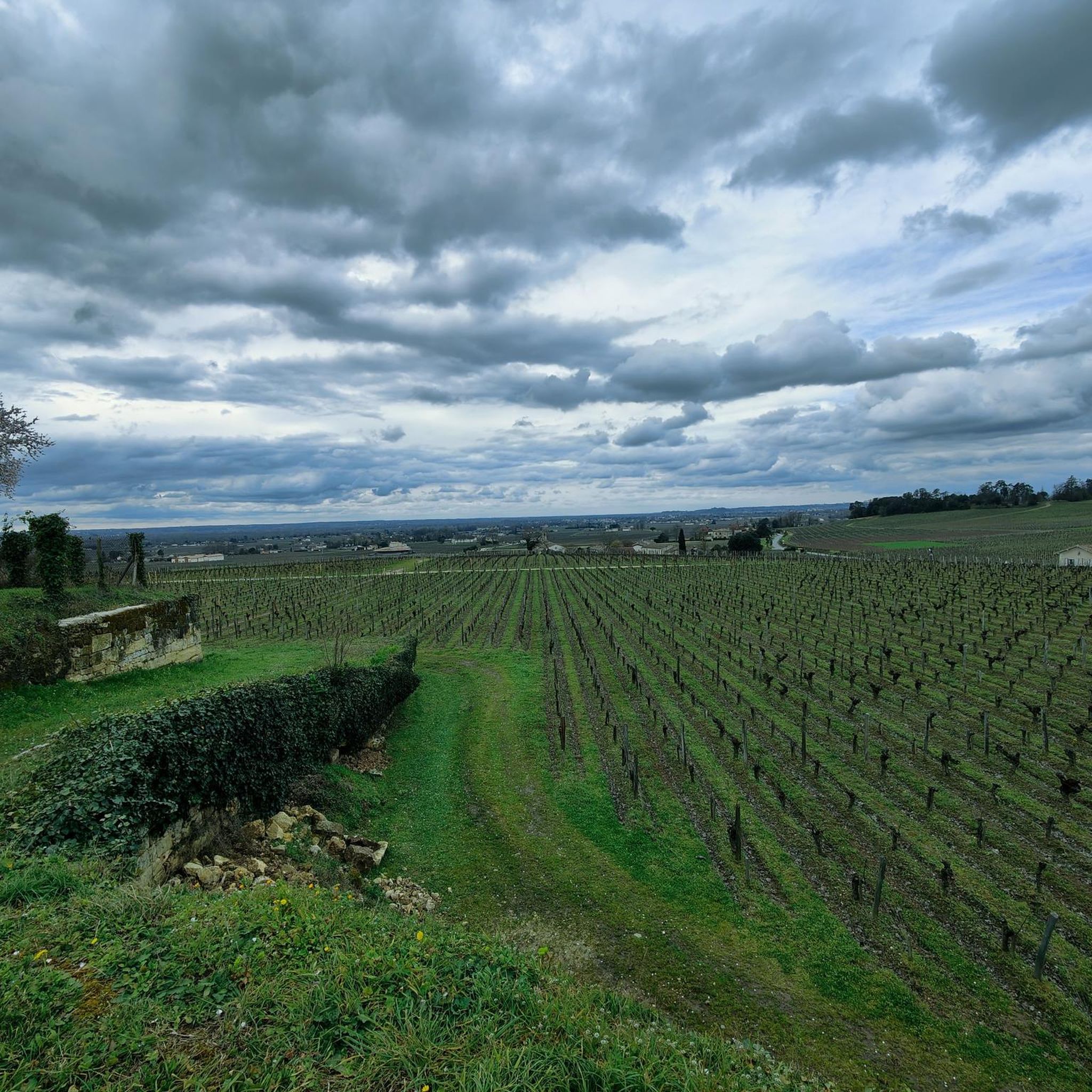
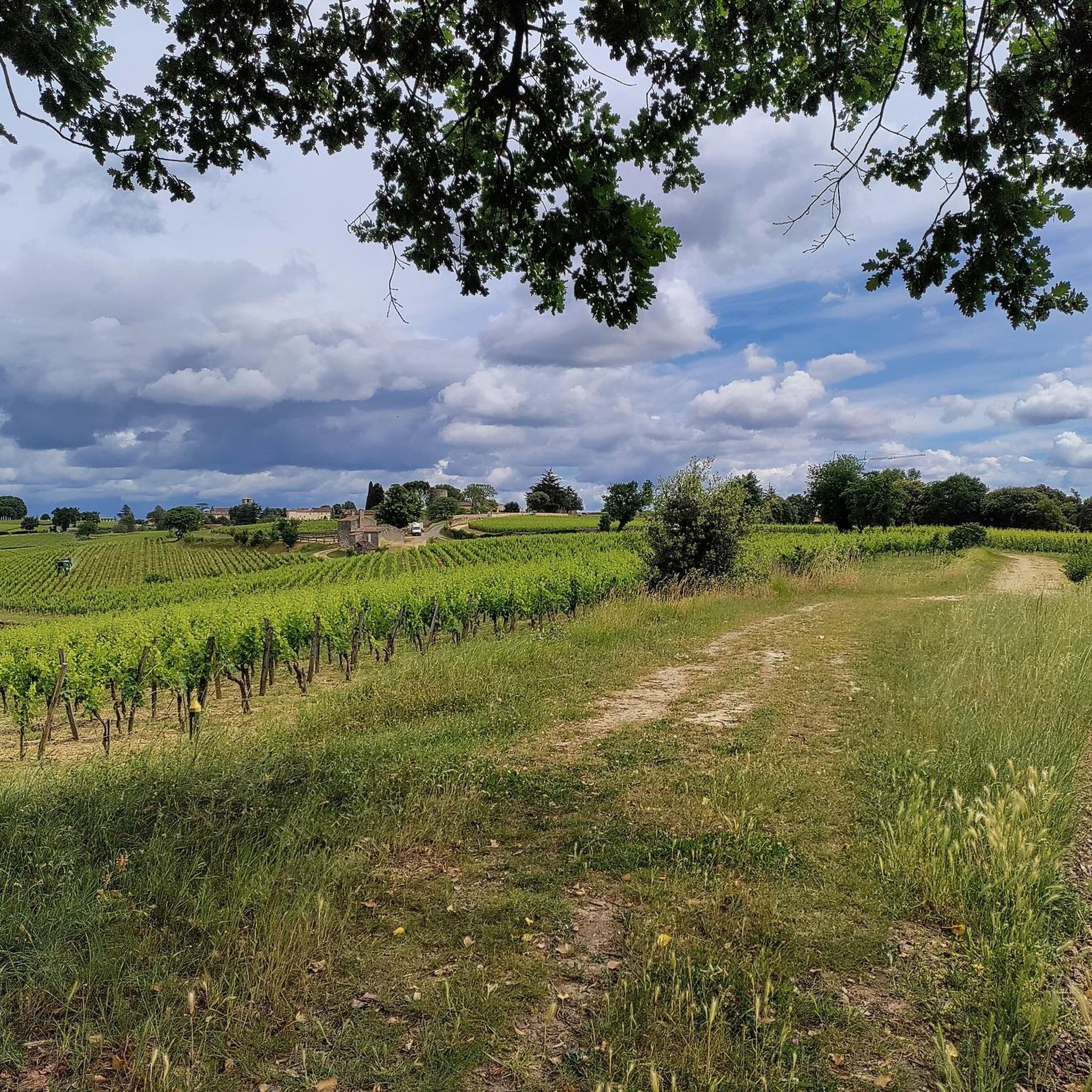
Château Angélus, located in the heart of the prestigious Saint-Émilion vineyard, is a renowned wine estate that combines tradition and modernity. Surrounded by perfectly maintained vines, this iconic château offers a sumptuous setting where you can discover the art of winemaking for its Grands Crus Classés. The view of the vineyard from the château is simply magnificent, with its rows of vines stretching as far as the eye can see. Wine lovers will appreciate the guided tours and tastings.
2
0
Château Angélus, located in the heart of the prestigious Saint-Émilion vineyard, is one of the most famous Grands Crus Classés of Bordeaux. Nestled in the middle of perfectly maintained vines, a visit to the château allows you to discover the wine history of the region, its impressive cellars and its ultra-modern winery. Wine lovers will appreciate tastings of the refined vintages.
1
0

It's impressive when you suddenly enter a rather long railway tunnel, it's pleasantly fresh there and I think there are some lamps installed, I didn't like the cycle path although the quality of the cycle path itself is rather basic (French), the road crossings are quite dangerous and in some areas the path is quite narrow for 2 bikes next to each other
4
0

Former monastery. Today a department store for everything related to wine. Nice restaurant in the old cross-gate and monastery garden. Various paid tours can be booked.
0
0


Perched on a rocky promontory and surrounded by the famous vineyard of the same name, Saint-Émilion is a magnificent village. Very popular with tourists and wine lovers, it is crowded in summer and I recommend that you come and discover it out of season. The medieval city is a UNESCO World Heritage Site and many cycling events take place there, in the small, steep, cobbled streets.
2
0
Frequently Asked Questions
What historical sites can I explore in Grézillac?
Grézillac is rich in history. You can visit the Église Notre-Dame de Grézillac, a Romanesque church with a 12th-century fortified bell tower and a magnificent cupola. The church also features a remarkable altar of the Virgin and vestiges of a Gallo-Roman villa have been discovered on its square. Additionally, the village is home to historic châteaux like Château de Mouchac and Château de Franquinotte, both recognized as historical monuments. An old Roman road also crosses the village, reminding visitors of its ancient roots.
Are there any unique natural features or landscapes to see around Grézillac?
Grézillac is defined by its vast wine-growing landscape, offering picturesque views of extensive vineyards. The Dordogne River borders the region to the northeast, providing scenic views. You can also discover historical sites related to the region's past, such as the ventilation chimneys from old limestone quarries, particularly visible on the 'Circuit des vignobles' route towards Daignac.
What cycling opportunities are available near Grézillac?
The area around Grézillac is excellent for cycling. A highlight is the Roger Lapébie Cycle Path: Créon to Dardenac, a greenway built on an old railway line, featuring old stations, water points, and occasional bar/restaurant services. You can also pass through the impressive Espiet tunnel, an old railway tunnel converted for the cycle path, offering a refreshing passage in summer. For more routes, check out the Cycling around Grézillac guide.
Can I rent a bike in the Grézillac area?
Yes, you can rent bikes nearby. The Créon Bike Station, located directly on the Roger Lapébie track in the old Créon station, offers bike rentals. It's open between May and November and has been welcoming cyclists for over 20 years.
What is there to do in the famous Saint-Émilion Village?
Saint-Émilion Village is a magnificent UNESCO World Heritage Site perched on a rocky promontory and surrounded by vineyards. It's known for its unique rock church, historical architecture, and charming medieval streets. It's a popular destination for tourists and wine lovers, though it can get crowded in summer.
Are there any specific vineyard tours or wine-related activities in Grézillac?
Viticulture is central to Grézillac's identity. The area offers vineyard tours, such as the 'Circuit des vignobles,' which allows you to explore the wine-growing landscape and discover old feudal mansions, charterhouses, and bourgeois houses from the 13th century built of freestone. Many châteaux in the region also offer tastings and tours.
What kind of architecture can I expect to see in Grézillac?
Grézillac showcases a blend of architectural styles reflecting its long history. You'll find Romanesque elements in the Église Notre-Dame de Grézillac, with its 12th-century bell tower and 13th/15th-century additions in flamboyant Gothic style. The region also features historic châteaux, old feudal mansions, beautiful charterhouses, and bourgeois houses from the 13th century, often built with local freestone.
Are there places to enjoy a picnic in Grézillac?
Yes, Grézillac provides designated picnic areas for visitors. These spots offer a chance to relax and enjoy the local environment, often amidst the scenic vineyards or near the Dordogne River.
What are some lesser-known historical points of interest in Grézillac?
Beyond the main churches and châteaux, Grézillac has several intriguing historical points. You can find the Mill of La Bourgade, a reminder of the village's past economic activities. The area also has a history of limestone quarry exploitation, and you can still see ventilation chimneys from old quarries, particularly on routes towards Daignac, offering a glimpse into its industrial heritage.
What do visitors enjoy most about the attractions around Grézillac?
Visitors particularly enjoy the blend of historical charm and natural beauty. The Espiet tunnel is appreciated for its refreshing coolness in summer and impressive structure. The Roger Lapébie Cycle Path is loved for its pleasant, car-free cycling experience through scenic landscapes. The medieval charm and unique architecture of Saint-Émilion Village also receive high praise, especially its rock church.
Are there options for gravel biking around Grézillac?
Yes, the region offers several gravel biking routes. You can explore trails like 'From Saint-Émilion to Bordeaux' or loops around Château de Rauzan and Abbaye de Blasimon. These routes often take you through diverse landscapes including vineyards and forests. For detailed routes, refer to the Gravel biking around Grézillac guide.
What is the significance of the Dordogne River to Grézillac?
The Dordogne River, bordering Grézillac to the northeast, has historically played a significant role in the region. It was crucial for transporting goods, including stone from local quarries and wine from the vineyards. Today, it offers scenic views and contributes to the natural beauty of the area, providing a tranquil backdrop to the viticultural landscape.
Most popular routes around Grézillac

Get inspired with the komoot mobile app


Explore more
Still not found the Highlight you’re looking for? See guides of the top attractions in other regions:
