The best walks and hikes around Luc-En-Diois
4.6
(252)
1,549
hikers
70
hikes
Hiking around Luc-En-Diois offers diverse terrain within the Préalpes region of southeastern France, characterized by a unique blend of Alpine and Provençal environments. The landscape features dramatic geological formations, including limestone cliffs and boulder fields, alongside the Drôme River valley. Hikers can explore varied ecosystems ranging from dense forests to marshlands and high-altitude areas. This region provides a range of elevation changes suitable for different hiking experiences.
Best hiking trails around Luc-En-Diois
- The most popular hiking route is Luc Peak…
Last updated: July 9, 2026
4.4
(30)
95
hikers
7.25km
02:02
150m
150m
Moderate hike. Good fitness required. Easily-accessible paths. Suitable for all skill levels.
4.8
(6)
35
hikers
7.71km
03:11
440m
440m
Moderate hike. Good fitness required. Mostly accessible paths. Sure-footedness required.

Sign up for free
4.5
(8)
27
hikers
10.6km
03:04
260m
260m
Moderate hike. Good fitness required. Mostly accessible paths. Sure-footedness required.
5.0
(2)
20
hikers
6.04km
02:39
370m
370m
Moderate hike. Good fitness required. Mostly accessible paths. Sure-footedness required.
4.0
(1)
20
hikers
13.6km
04:26
600m
600m
Moderate hike. Good fitness required. Mostly accessible paths. Sure-footedness required.
Get access to more routes and recommendations from other explorers.
Sign up for free
Already have an account?
Our route recommendations are based on thousands of hikes, rides, and runs completed by other people on komoot.
Start today with a free account
Your next adventure awaits.
Login or Signup

Tips from the Community

Feeling a little thirsty? Luckily, the fountain bar is here to help.
0
0

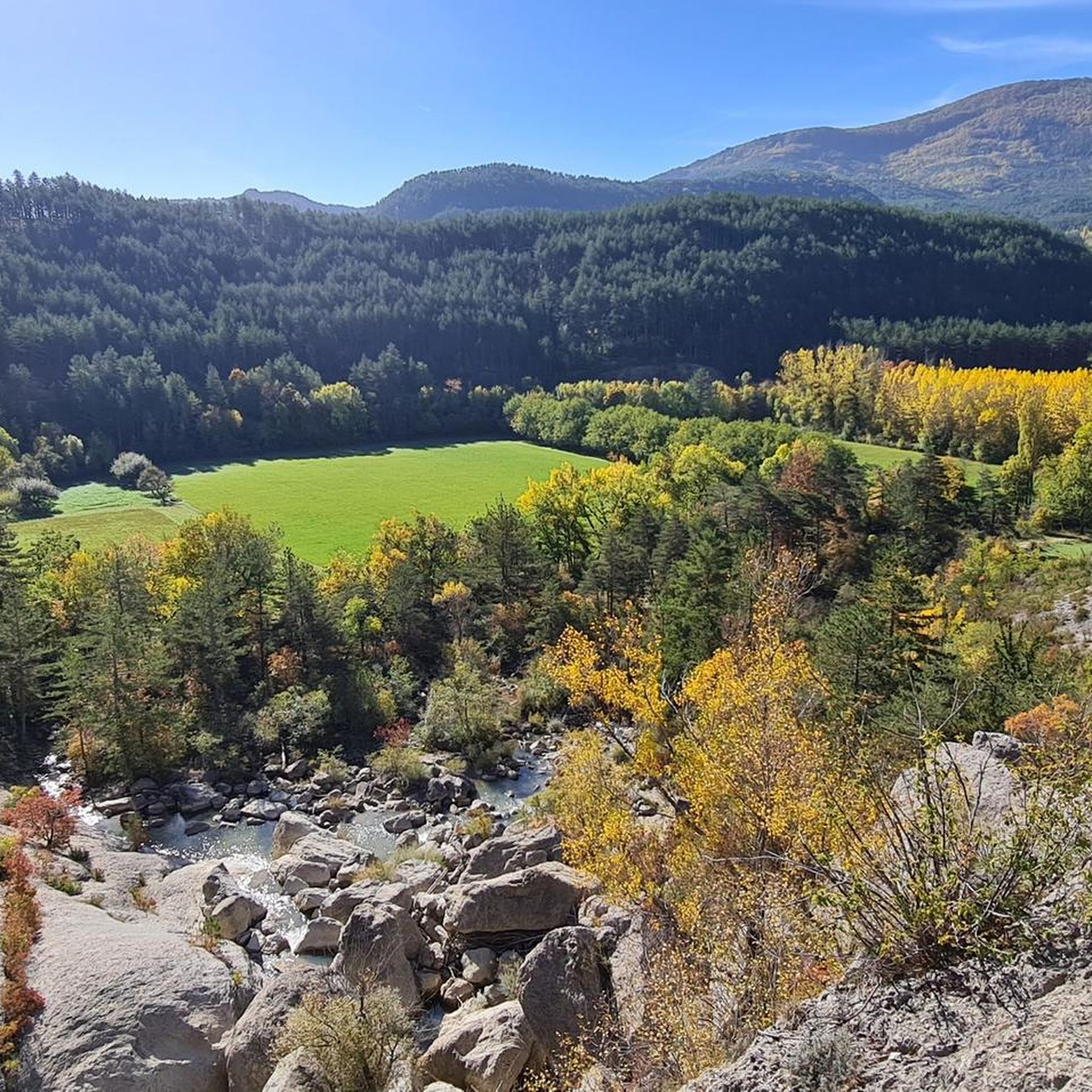
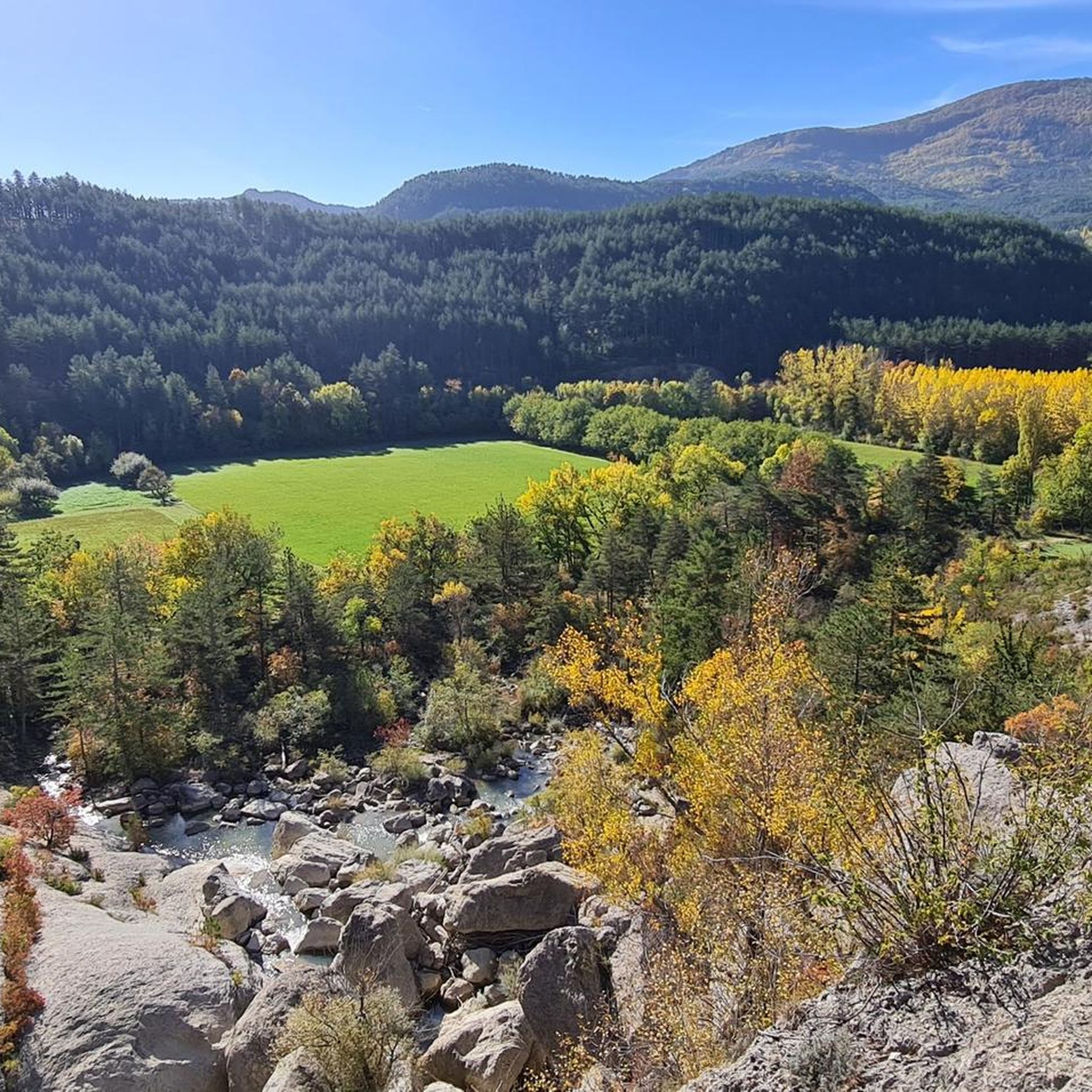
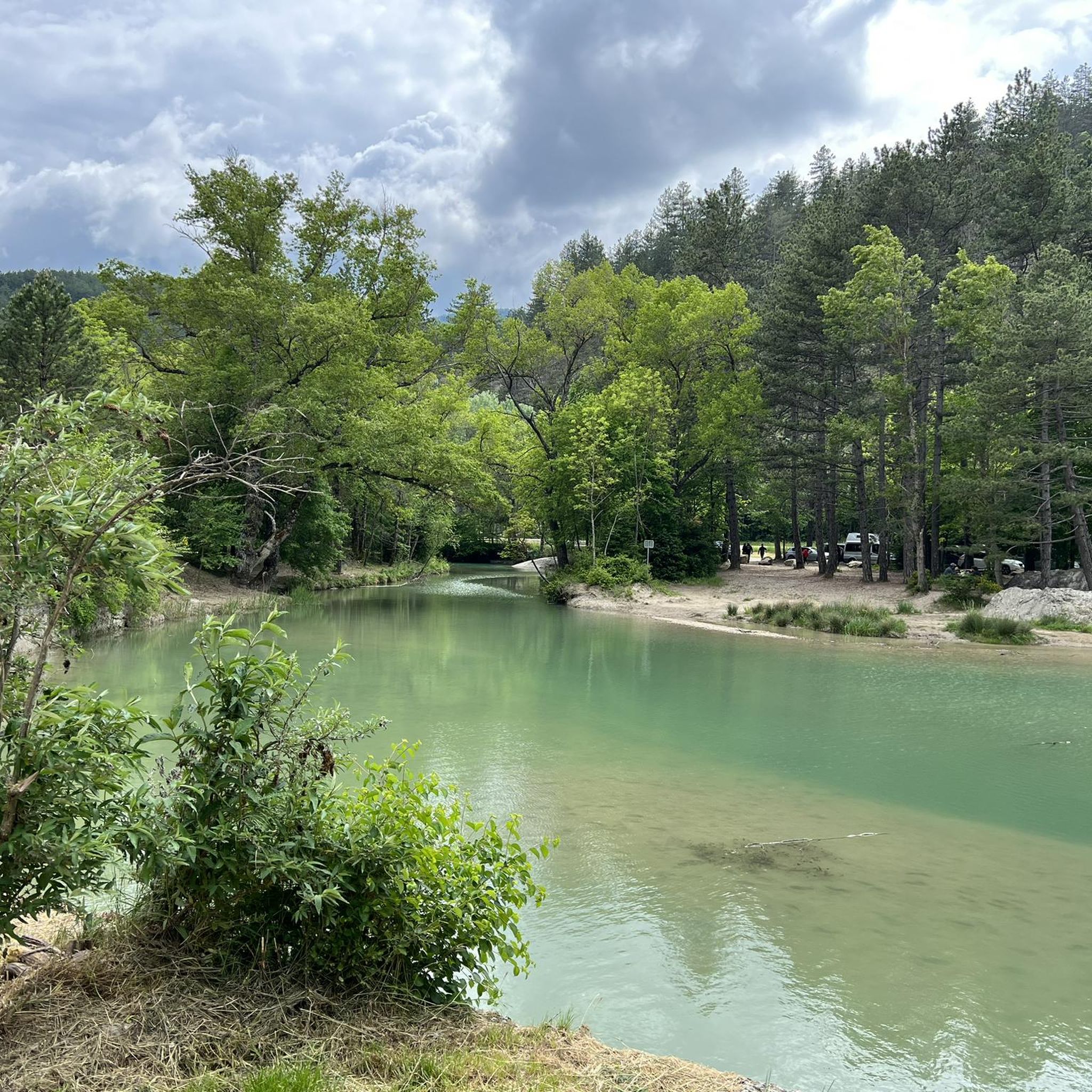
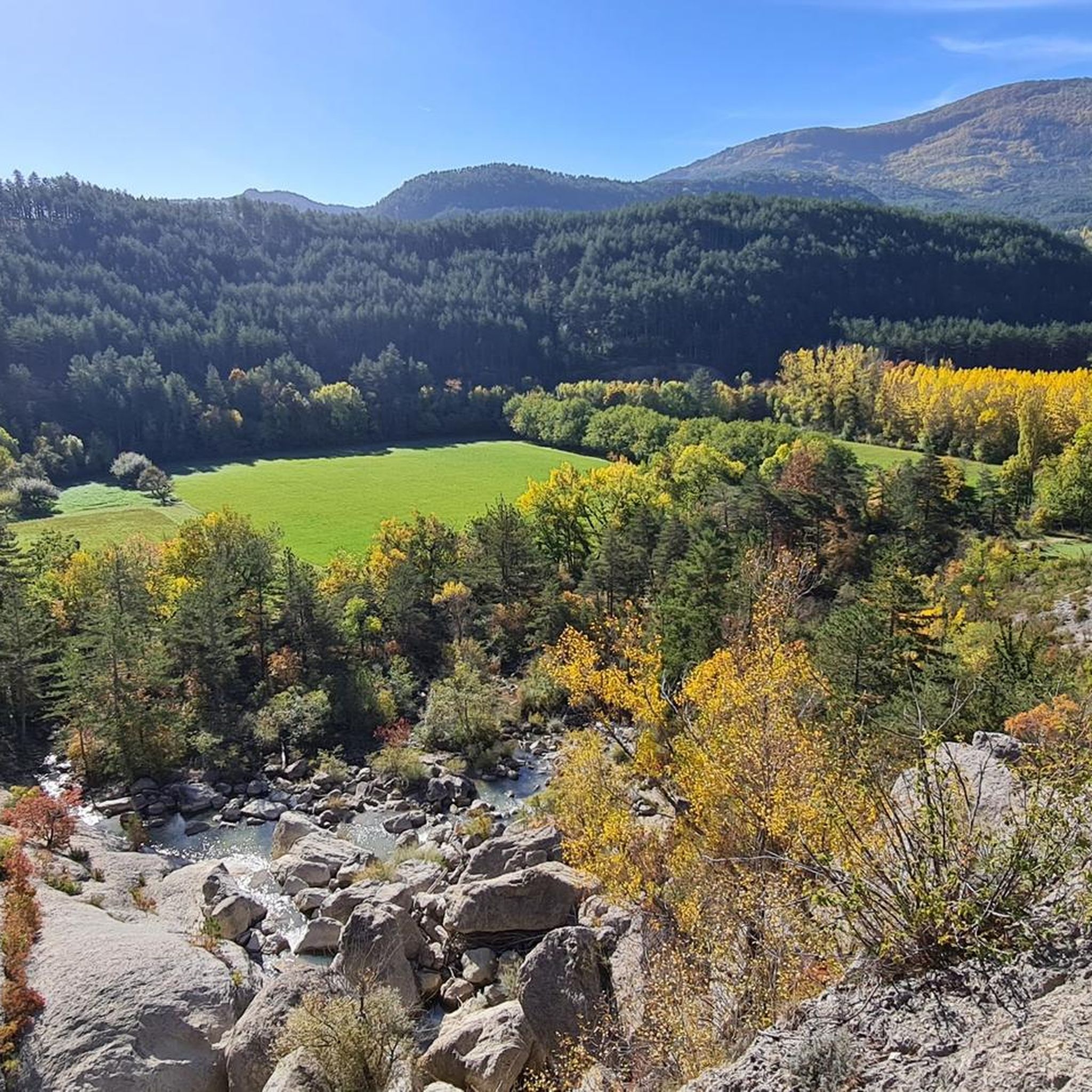
It all began in 1442 when a foundation broke away from the southern flank of Pic de Luc. As it slid, it hit a limestone spur, divided, broke into enormous blocks and blocked the Drôme at two points... thus two lakes were formed: the Petit downstream and the Grand upstream. The “Grand Lac” is 5 km long and arouses envy because it is full of fish. In 1561 it thus became the property of the Carthusians of Durban, monks to whom meat was forbidden. It was only in 1804 that a huge block, the “dad”, was pierced to let the water flow at the location of the current Saut de la Drôme. This vast dry body of water now gives way to an agricultural plain (ruined Bouligons farm and its formerly cultivated terraces) and the Bouligons marsh, the last vestige of the disappeared lake. The need to avoid the Claps during the construction of the “Briançonnais” railway line at the beginning of the 20th century also gave the site a magnificent viaduct, 244 m long and 44 m high.
1
0
Typical village of Haut-Diois, former Roman capital of the region. There you will find water at the fountain, public toilets and above all a superb organic grocery store La Milpa, just opposite the bakery. It is the last village before Claps, and probably the last shops you will find before going to the other side of the Col de Cabre.
0
0

Beautiful and impressive site.
0
0

It's a pretty little village where you will find a few bars and a small supermarket to stock up on supplies.
1
0

Is there a place on the way to put a bivouac?
0
0

Nice little place, nice church and some bars. Next to the church a small super. On the Drôme also a nice campsite.
0
0

The La Drôme jump is impressive and definitely worth the detour. The so-called Claps is a spectacular collapse of part of the mountain, overlooking the river. We can still clearly see the geological accident and the sliding of this enormous rock mass. This grandiose place is also a reservoir in summer where you can cool off in the shade of the pine trees and see the Drôme waterfall. It’s also an ideal climbing site: more than 120 routes for all levels and a via ferrata.
1
0
Frequently Asked Questions
How many hiking trails are available around Luc-en-Diois?
There are over 10 marked hiking trails around Luc-en-Diois, catering to various skill levels. The komoot community has explored these routes over 1300 times, with an average rating of 4.6 stars.
Are there any easy hiking trails suitable for beginners or families?
Yes, Luc-en-Diois offers several easy trails. For a pleasant stroll, consider the Hiking loop from Luc-en-Diois, which is 6.3 km long and takes about 2 hours to complete. The Marais des Bouligons also features a discovery trail, offering a serene, easy experience suitable for families.
What are the most notable natural features or landmarks to see while hiking in Luc-en-Diois?
The most striking natural feature is Saut de la Drôme and the Claps, a spectacular geological formation where the Drôme River flows through massive limestone boulders. The Luc Peak loop from Luc-en-Diois offers panoramic views of the Drôme Valley and the Claps from its summit. You can also explore the marshland ecosystem of the Marais des Bouligons.
Are there any circular hiking routes in the area?
Yes, many trails around Luc-en-Diois are designed as loops. For instance, the Saut de la Drôme and the Claps loop from Luc-en-Diois is a moderate 13.6 km route that takes about 4.5 hours, allowing you to experience the dramatic landscape of Le Claps.
What is the best time of year to go hiking in Luc-en-Diois?
The region is ideal for hiking from spring through autumn. Summers are generally warm and dry, perfect for exploring the trails and enjoying activities like swimming in the pools at Le Claps. While winters can be rigorous, hinting at potential for winter sports in higher elevations, the main hiking season is outside of these colder months.
Are there opportunities for wild swimming along the hiking trails?
Yes, the spectacular geological site of Le Claps, where the Drôme River rushes through rocky chaos, creates impressive cascades and pools that are suitable for swimming in summer. Several hiking routes, such as the Saut de la Drôme and the Claps – Luc-en-Diois loop from Luc-en-Diois, pass by this area.
What kind of terrain and elevation changes can I expect on hikes in Luc-en-Diois?
Hiking in Luc-en-Diois offers diverse terrain, from riverside paths along the Drôme to more challenging ascents up limestone cliffs. You can expect varied elevation changes, with some moderate routes like the Luc Peak loop from Rif de Miscon featuring over 370 meters of ascent, providing rewarding views.
Are there any specific recommendations for parking when accessing trailheads?
While specific parking areas for each trailhead are not detailed here, Luc-en-Diois is a small village, and parking is generally available within or on the outskirts of the village, often near popular starting points for trails. It's advisable to check local signage upon arrival.
What other outdoor activities are available in Luc-en-Diois besides hiking?
Beyond hiking, Luc-en-Diois is a hub for various outdoor pursuits. Le Claps is a renowned climbing site with over 120 routes and a via ferrata. Paragliding is popular from the Clamontard site, offering aerial views. The region also provides numerous trails for cycling, including scenic routes along the Drôme River, and unique guided hikes with donkeys for a family-friendly option.
Where can I find more information about the broader Pays Diois region?
Luc-en-Diois serves as a gateway to the broader Pays Diois region, which bridges the Vercors and Baronnies Provençales Regional Parks. For more information on walks and hikes in the wider area, you can visit the official tourism website: diois-tourisme.com.
What kind of wildlife or plant life might I encounter on the trails?
The diverse ecosystems around Luc-en-Diois, ranging from forests to marshlands, support rich biodiversity. The Marais des Bouligons, in particular, is a sensitive natural area known for its variety of plant and animal species, including butterflies, dragonflies, and reptiles. The broader Vercors Regional Natural Park is also home to reintroduced vultures.
Most popular routes around Luc-En-Diois
Most popular attractions around Luc-En-Diois

Get inspired with the komoot mobile app


Explore more
Browse the best Hikes in other regions.
