Attractions and Places To See around Raon-L'Étape - Top 20
Best attractions and places to see around Raon-L'Étape. Situated at the confluence of the Meurthe and Plaine rivers, Raon-L'Étape serves as a gateway to the Vosges mountains. The area features a blend of historical sites, natural landscapes, and cultural points of interest. Visitors can explore diverse attractions, from ancient fortifications to modern dams and scenic viewpoints.
Best attractions and places to see around Raon-L'Étape
- The most popular attractions is La Bure Celtic Camp, a historical site and natural monument. This fortified plateau has been inhabited since the Neolithic period and was intensively used by Celts and Romans. It is classified as a Historical Monument and offers insights into ancient civilizations.
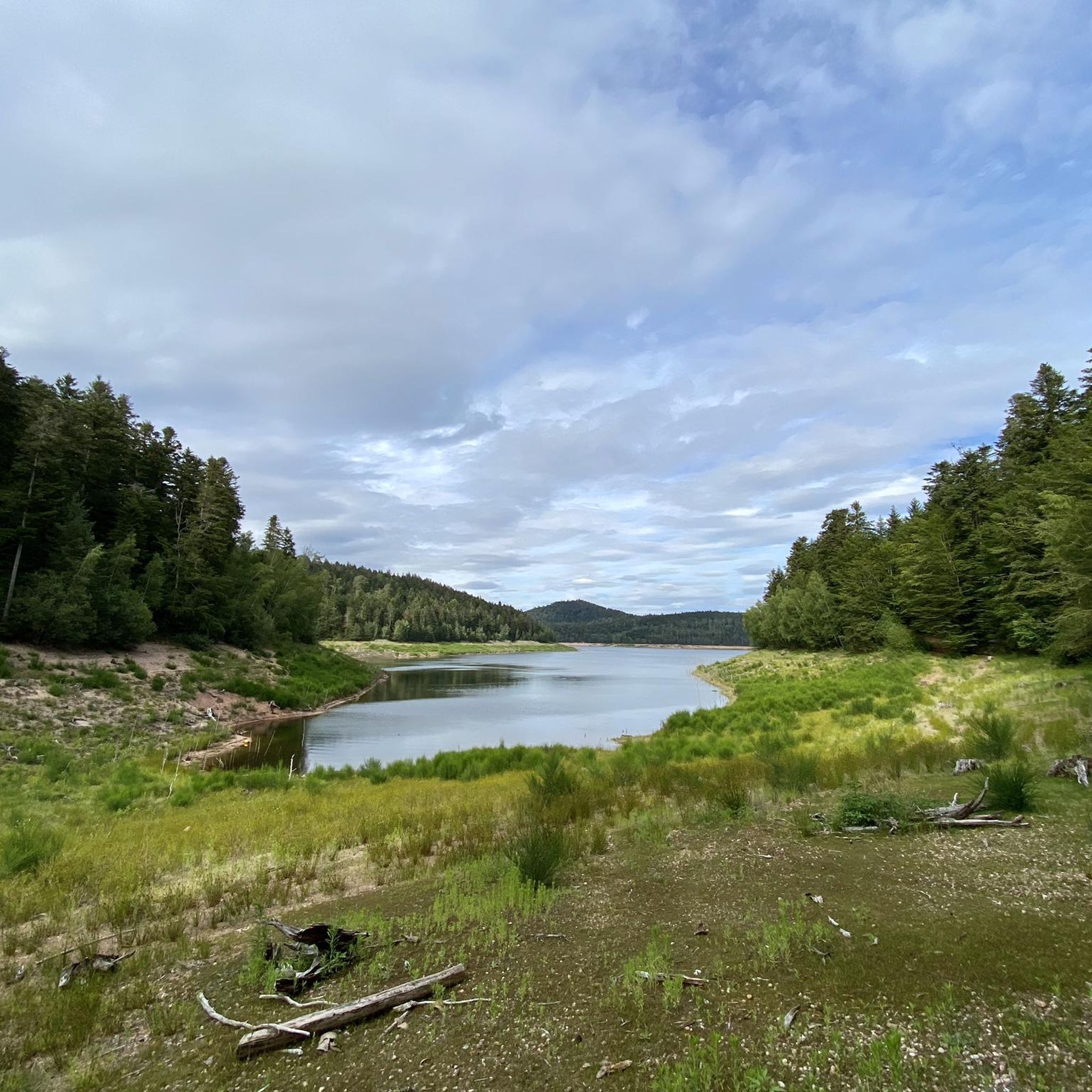
- Another must-see spot is Vieux-Pré Dam, an EDF dam built in the 1980s. It provides beautiful views of the lake and the Vosges mountains, serving as a starting point for various hikes.
- Visitors also love Roche Mère Henry, a former World War I fortress. This site features a rock head with a viewing platform, expanded by German troops, and offers an interesting vantage point connected by a bridge.
- Raon-L'Étape is known for its historical sites, natural features, and cultural points of interest. The region offers a variety of attractions to see and explore, including ancient ruins, scenic dams, and significant WWI battlefields.
- The attractions around Raon-L'Étape are appreciated by the komoot community, with over 60 upvotes and 60 photos shared.
Last updated: July 7, 2026
Roche Mère Henry
Highlight • Other
The rock head with viewing platform was massively expanded by German troops and was fiercely contested for years. Underground passages of both German and French troops ran on different levels through the hill and through the various blasts he was named "Pelé" - the scalped.
Today, the two rocks, which are accessible by a staircase and connected by a bridge, offer an interesting vantage point.
Translated by Google •
Tip by

Trail of the Hamlets Fallen for France – La Fontenelle
Highlight • Historical Site
Here are buried some French soldiers who lost their lives on the battlefield of Hill 627, as the military name goes, defending France against the German invaders in the First World War.
There are several paths here, including around the old battlefield. The shortest way is about 600 meters long and also suitable for wheelchairs. There are some information boards with photos from the period 1914/15, when a cruel trench warfare took place here, which also killed three hamlets that were never rebuilt. At the car park there are large information boards in three languages (French, English and German).
Ancient trenches and fortified positions can still be found throughout the area. Unfortunately, also ammunition that did not detonate and can therefore pose a great danger to the curious person. Take care of your children and leave any finds lying around.
Here is some information in German: de.wikipedia.org/wiki/La_Fontenelle
Translated by Google •
Tip by

Sign up now to discover places like this
Get recommendations on the best single tracks, peaks, & plenty of other exciting outdoor places.
Sign up for free
Pierre-Percée
Highlight • Settlement
Translated by Google •
Tip by

La Bure Celtic Camp
Highlight • Historical Site
The site has been inhabited since at least the Neolithic period. Then used intensively by the Celts and later by the Romans. There is a lot to see from that time, also because there have not been any settlement activities worth mentioning for a long time.
More information e.g. here: fr.wikipedia.org/wiki/Camp_celtique_de_la_Bure
Translated by Google •
Tip by
Vieux-Pré Dam
Highlight • Other
Translated by Google •
Tip by

Sign up for free to discover even more attractions around Raon-L'Étape.
Sign up for free
Already have an account?
Start today with a free account
Your next adventure awaits.
Login or Signup

Tips from the Community

Camp accessible to mountain bikes but next to the bike
0
0

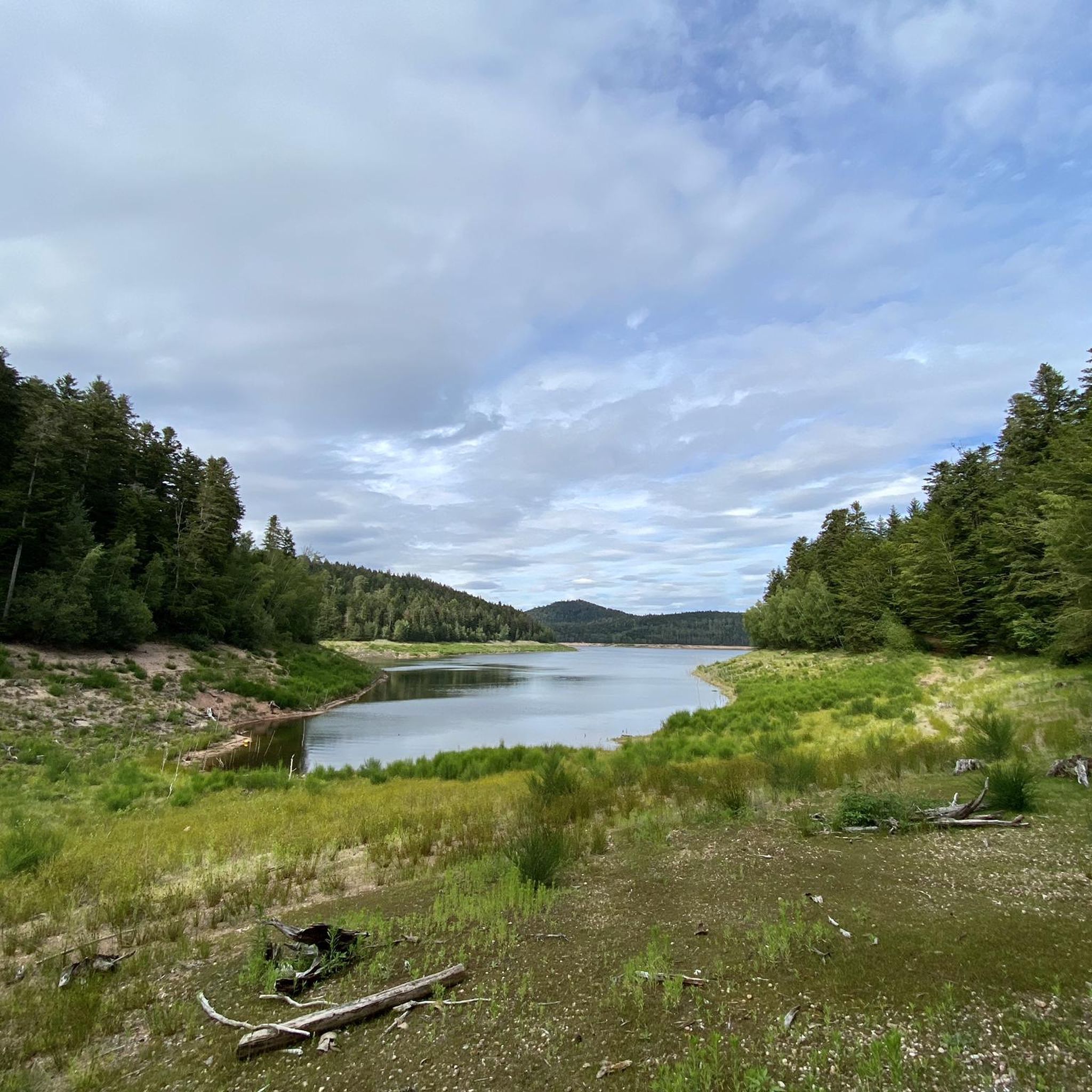
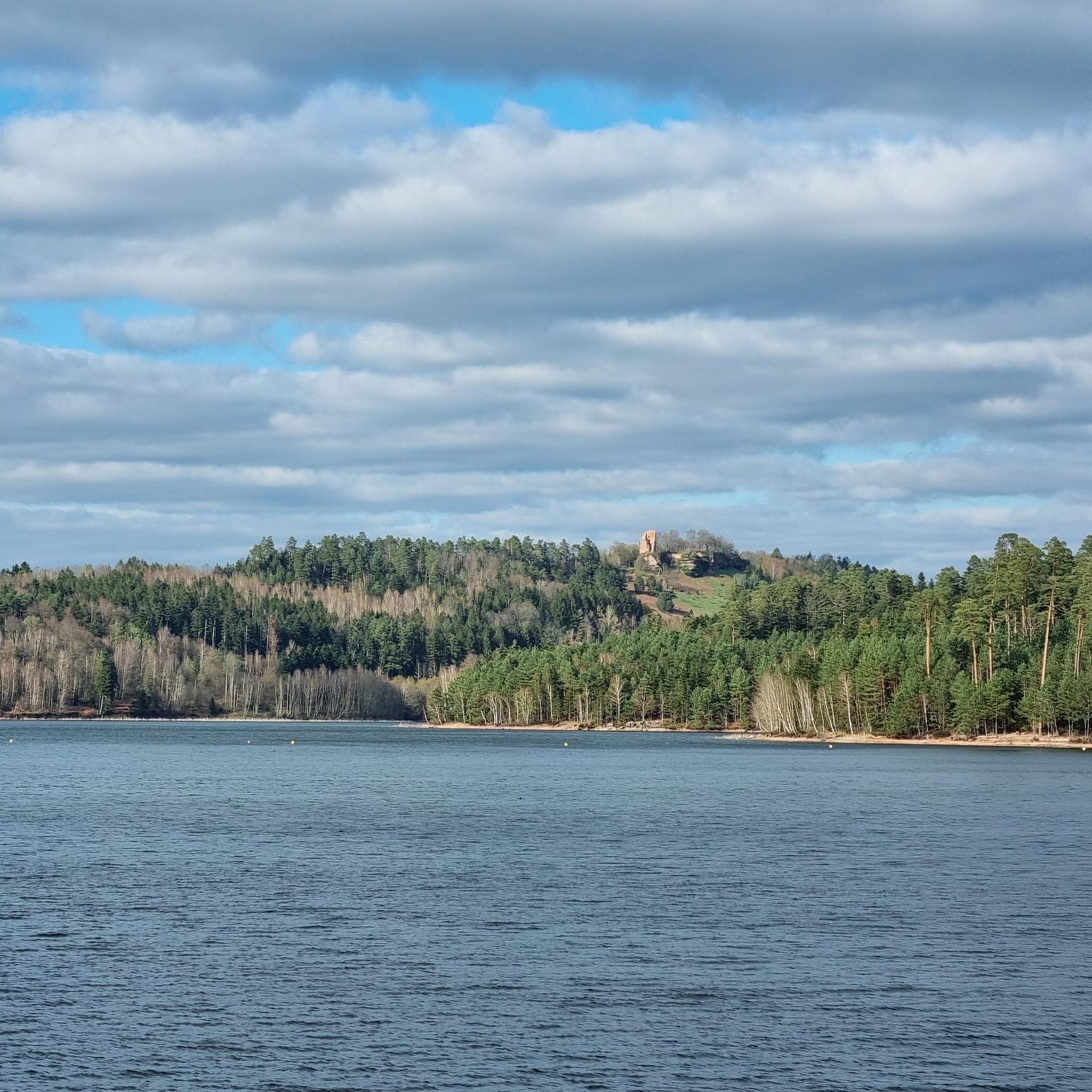
Pierre-Percée is a small mountain village in the east of the Meurthe-et-Moselle department, on the edge of the Vosges Mountains. With fewer than 100 inhabitants, it is one of the smallest communes in the region. Situated on the edge of the Plaine Valley, the village is built at the foot of the ruins of the medieval Château de Pierre-Percée, which once belonged to the Counts of Salm. The village's name refers to a 33-meter-deep well carved into the rock beneath the castle. During the Thirty Years' War, the village, like the castle, was largely destroyed. In the 20th century, Pierre-Percée regained significance with the construction of the EDF reservoir and the creation of a recreation area, which today attracts tourists for hiking, water sports, and nature experiences.
9
0

This memorial commemorates the dead of the First World War as well as the citizens of Pierre-Percée who died in other wars.
1
0

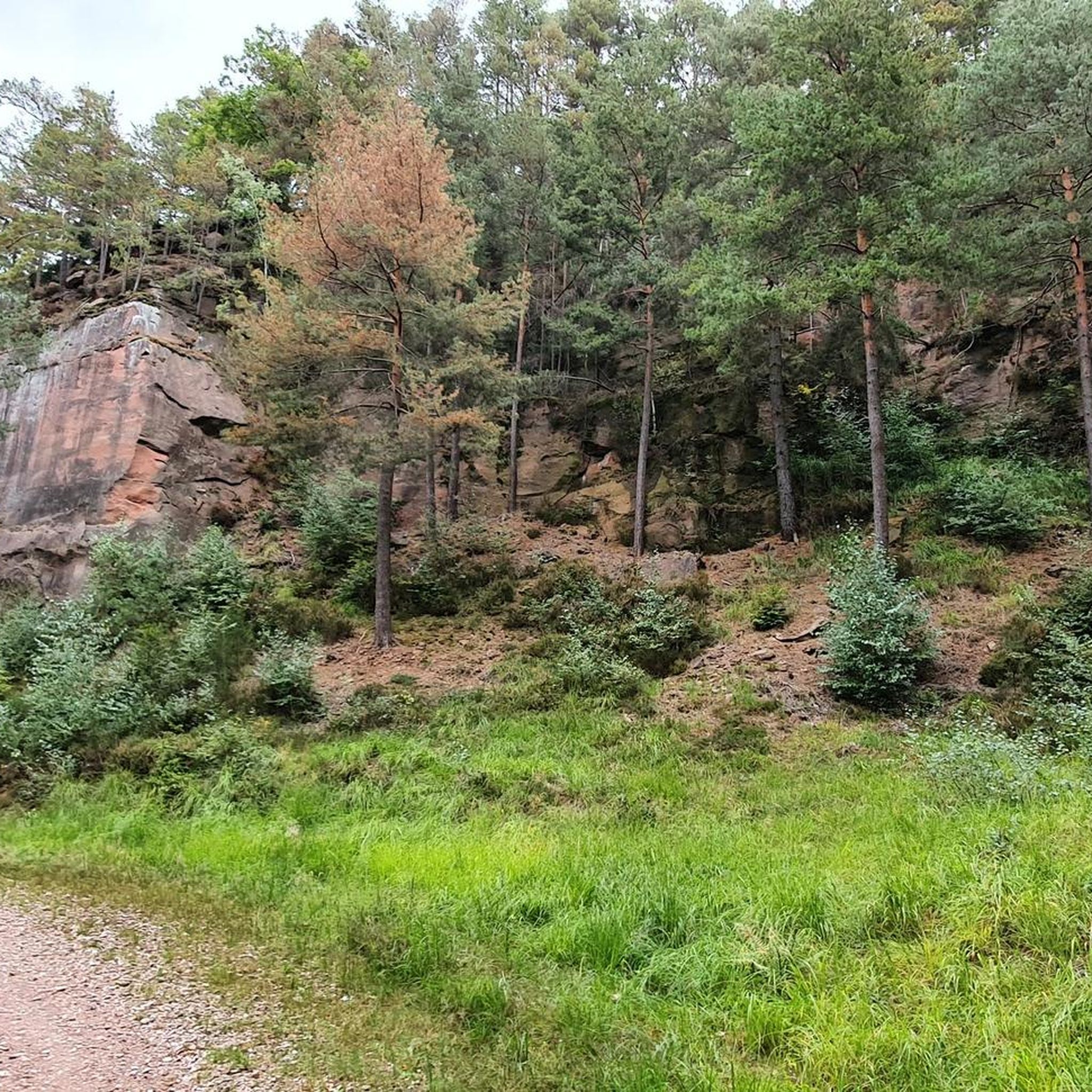
Two prominent rocks form a great viewing point here. They are connected by a bridge and can be reached via a staircase. On the first rock you will find a panoramic map on the brick parapet. There is a natural bench under this rock. The German command post for this section of the front during the First World War is also located here. It was fortified with reinforced concrete in 1916.
2
1
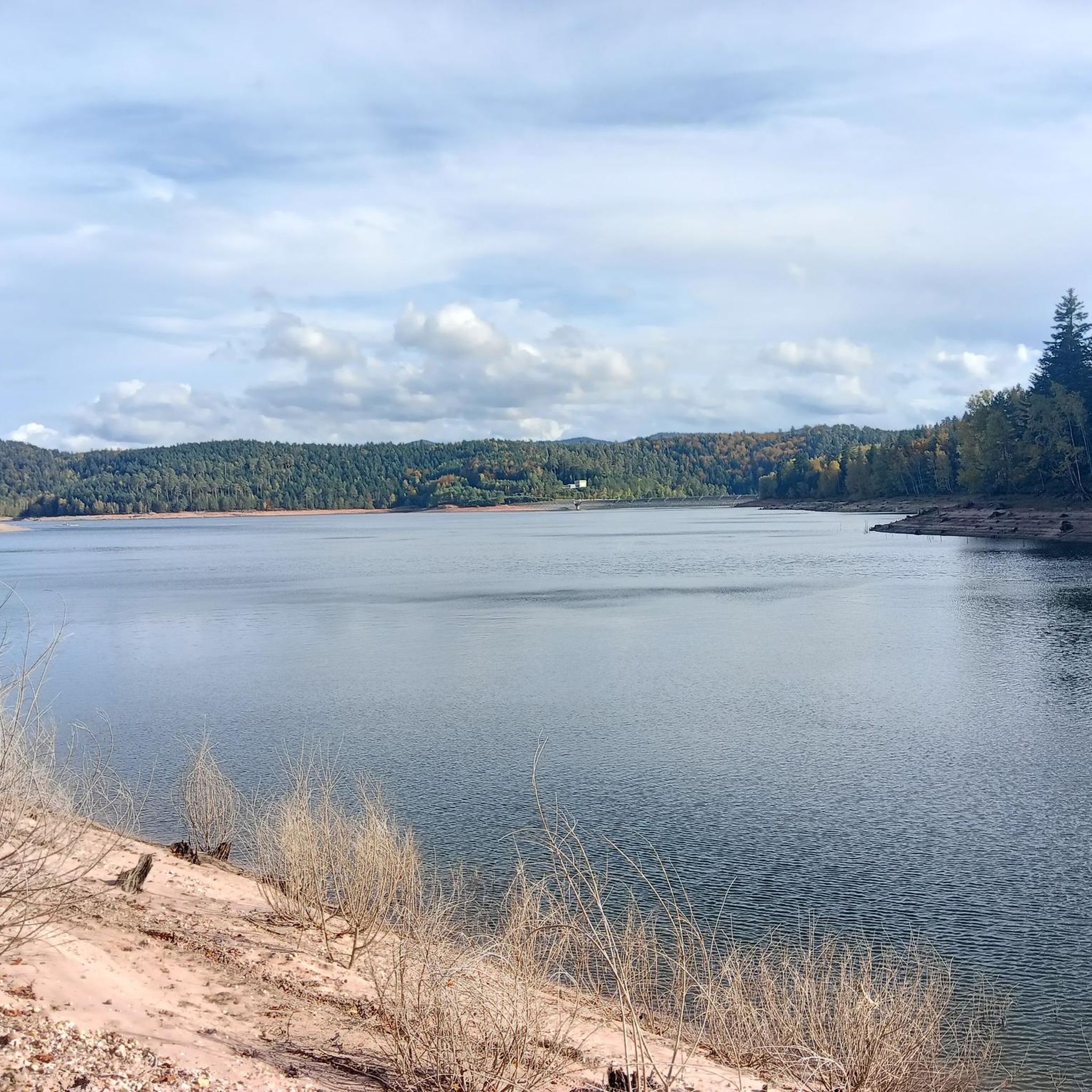
Very beautiful overall views of the lake from the dam, especially in autumn. Beautiful view also of the rear of the dam with the Vosges in the background. The adjoining parking lot allows you to start the hike from this point as well. Under a large shelter next to it, information on large panels tells the history of the dam.
1
0

EDF dam built in the 1980s. The lake supplies the Meurthe then the Moselle in order to compensate for the water needs of the Cattenom power station.
1
0

The Celtic camp of the Bure is a fortified plateau bordering the Haute-Meurthe valley in the Grand-East of France. The plateau, now wooded, lies between the communes of Saint-Dié-des-Vosges and that of Hurbache, at the western end of the Ormont massif. This site, known for 23 years of archaeological research from 1964 to 1986, has been classified as a Historical Monument since August 6, 1982. The site has been inhabited since at least the Neolithic period. Then used intensively by the Celts and later by the Romans. There is a lot to see from that time, also because there have not been any settlement activities worth mentioning for a long time. More information e.g. here: https://fr.wikipedia.org/wiki/Camp_celtique_de_la_Bure
6
0
Frequently Asked Questions
What historical sites can I visit in Raon-L'Étape?
Raon-L'Étape offers a rich historical experience. You can explore the ancient fortifications of La Bure Celtic Camp, a site inhabited since the Neolithic period and extensively used by Celts and Romans. Another significant location is Roche Mère Henry, a former World War I fortress with a viewing platform. The Trail of the Hamlets Fallen for France – La Fontenelle provides insights into WWI trench warfare and includes a military cemetery. Within the town, the 18th-century Hôtel de Ville and the Halle aux Blés, rebuilt after WWI, also showcase the region's history.
What natural features and viewpoints are there around Raon-L'Étape?
The area boasts several natural attractions and scenic viewpoints. The Vieux-Pré Dam offers beautiful views of the lake and the Vosges mountains, especially in autumn. You can also visit the La Bure Celtic Camp, which is also a natural monument. For unique geological sights, explore the viewpoint overlooking the Carrière de Trapp, a volcanic stone quarry, or discover the sandstone rock formations at Roche des Pingouins in the La-Côte-de-Répy national forest.
Are there family-friendly activities or attractions in the Raon-L'Étape area?
Yes, there are several options for families. The village of Pierre-Percée, with its medieval castle ruins and the nearby EDF reservoir, offers a leisure area for hiking, water sports, and nature discovery. The Trail of the Hamlets Fallen for France – La Fontenelle has a shorter, wheelchair-accessible path with information boards suitable for all ages. For a fun-filled day, Fraispertuis City, a Far West-themed amusement park, is located nearby in Jeanménil.
Can I go cycling around Raon-L'Étape?
Absolutely! Raon-L'Étape is surrounded by a generous natural landscape with numerous cycling opportunities. You can find various routes for different cycling styles. For road cycling, explore options like the 'Le Col du Hantz — loop from Raon-l'Étape' or 'Lac de la Plaine – La Plaine Lake loop from Raon-l'Étape'. If you prefer touring, consider routes such as 'Lac de la Plaine – Lac de la Plaine loop from Raon-l'Étape'. You can find more details and routes on the Road Cycling Routes around Raon-L'Étape and Cycling around Raon-L'Étape guide pages.
Where can I find mountain biking trails near Raon-L'Étape?
The region around Raon-L'Étape is excellent for mountain biking, including over 150 kilometers of VTT circuits. You can find challenging gravel biking routes such as 'Rascal's Head – Tête du Coquin Summit loop from Senones' or 'Lake Maix – Prayé Forest Road loop from Raon-l'Étape'. For more options and detailed routes, check out the Gravel biking around Raon-L'Étape guide page.
Are there hiking opportunities near Raon-L'Étape?
Yes, Raon-L'Étape is an ideal starting point for hiking, with many trails available. The Vieux-Pré Dam is a popular starting point for various hikes, with informational panels detailing its history. The area around the Pierre-Percée lakes also offers scenic natural features and recreational opportunities for hikers. You can explore trails that lead to historical sites like La Bure Celtic Camp or through the national forests.
What is the significance of the 12 Fountains in Raon-L'Étape?
The 12 Fountains are a distinctive feature of Raon-L'Étape's historical center. Many are classified as historical monuments and are inspired by the Greco-Roman era. They reflect the town's rich heritage and provide an interesting walking tour to discover their history and significance, including the notable 'Fontaine des Quatre Lions'.
When is the best time to visit Raon-L'Étape for outdoor activities?
The region around Raon-L'Étape is beautiful throughout the year, but autumn is particularly recommended for outdoor activities. The views of the lake from the Vieux-Pré Dam are especially stunning with the changing fall foliage. Spring and summer also offer pleasant weather for hiking, cycling, and exploring the natural landscapes.
Are there any accessible attractions for visitors with mobility challenges?
Yes, the Trail of the Hamlets Fallen for France – La Fontenelle offers a shorter path, approximately 600 meters long, that is suitable for wheelchairs. This trail includes information boards about the history of the area during World War I, making it an accessible and informative experience.
What unique cultural or historical artifacts can I find in Raon-L'Étape?
Beyond the main historical sites, Raon-L'Étape holds unique cultural treasures. The Salon d'Honneur within the Hôtel de Ville displays a collection of 12 paintings from the 18th century, illustrating the historical activity of wood floating. You can also visit the Conservatory of Mineralogy, which houses a collection of minerals and fossils from the region and around the world, including many from the local trapp quarry. Additionally, the Menhir (Pierre Borne), a regular monolithic pink granite stone rising over 3 meters, is a fascinating ancient landmark.
What do visitors particularly enjoy about the attractions around Raon-L'Étape?
Visitors appreciate the blend of historical depth and natural beauty. Many enjoy the historical insights offered by sites like La Bure Celtic Camp and the WWI fortifications at Roche Mère Henry. The scenic views from the Vieux-Pré Dam and the diverse hiking and cycling opportunities are also highly valued. The community has shared over 60 photos and given more than 60 upvotes, highlighting the region's appeal for outdoor enthusiasts and history buffs alike.
Most popular routes around Raon-L'Étape
Most popular attractions around Raon-L'Étape

Get inspired with the komoot mobile app


Explore more
Still not found the Highlight you’re looking for? See guides of the top attractions in other regions:
