Top 4 Castles around Vallet
Best castles around Vallet, a commune in the Loire-Atlantique department of France, offer a glimpse into the region's history and architectural heritage. Located within the Vignoble Nantais, the area is characterized by its wine-growing landscape and historical sites. While distinct from the grander Loire Valley castles, those in and around Vallet provide a more intimate experience. The region features a mix of private châteaux and medieval fortresses.
Best castles around Vallet
- The most popular castles is Château de Clisson,…
Last updated: June 24, 2026
Château de Clisson
Highlight • Castle
Translated by Google •
Tip by

Picture frame by Emmanuel Ritz
Highlight • Viewpoint
Translated by Google •
Tip by

Sign up now to discover places like this
Get recommendations on the best single tracks, peaks, & plenty of other exciting outdoor places.
Sign up for free
La Berrière Castle
Highlight • Castle
Translated by Google •
Tip by

Château de la Noé de Bel-Air in Vallet
Highlight • Castle
Translated by Google •
Tip by

Start today with a free account
Your next adventure awaits.
Login or Signup
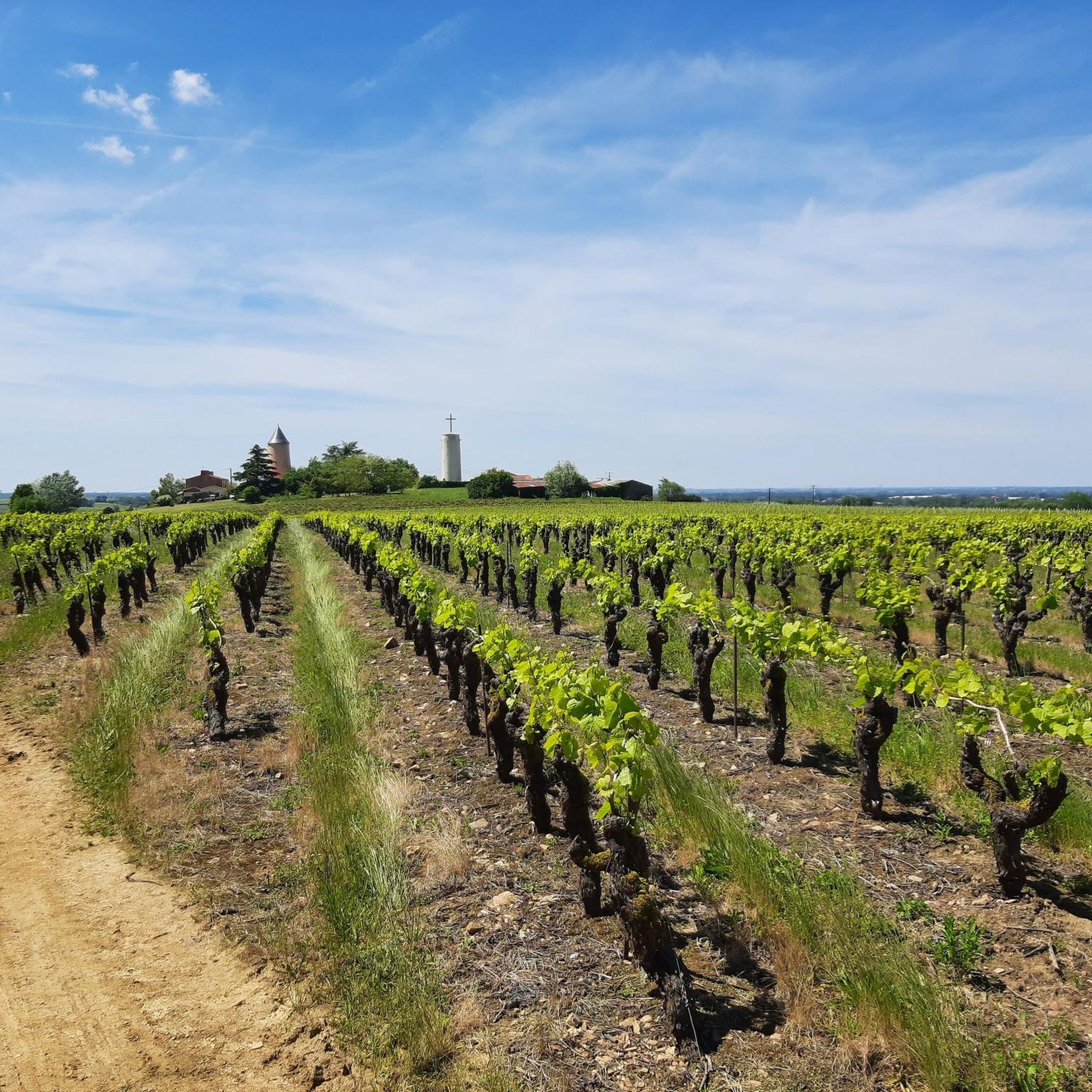
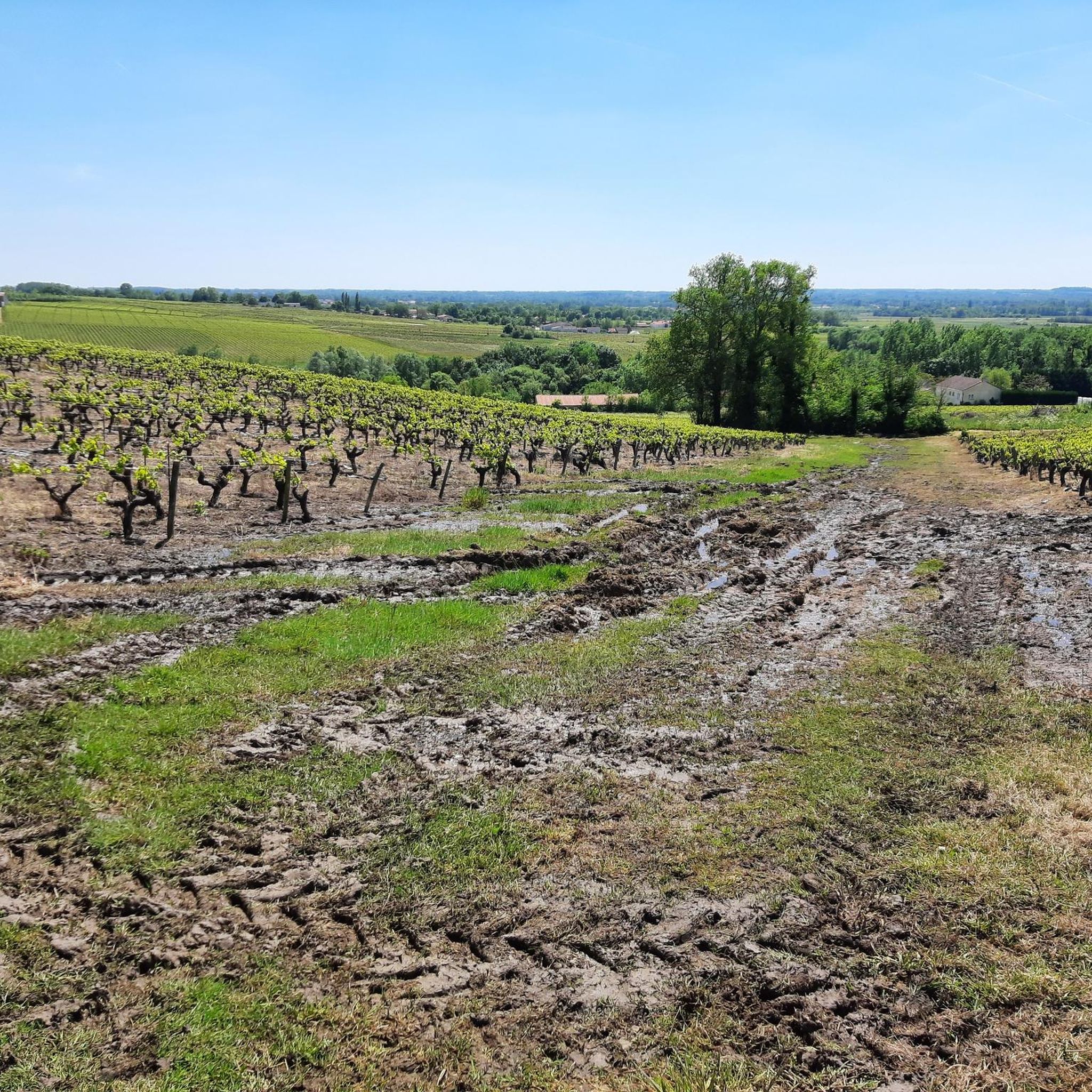
Tips from the Community

Clisson Castle has quite a story to tell: first an impregnable fortress overlooking the Sèvre, then a ducal residence, and finally a romantic ruin. In the 12th century, the powerful lordship of Clisson built this stone castle with highly elaborate defensive architectural systems: arrow slits, gun ports, and slits. A strategic point protecting the border of the Duchy of Brittany in the 15th century, it was abandoned by its owners from the second half of the 17th century onward before being burned down by Republican troops in 1793. But, beyond its grand history, this castle also has a more historic significance! In 1807, François-Frédéric Lemot, creator of the Garenne Lemot estate (a picturesque landscape located on the other side of the river), was captivated by these ruins and purchased it to turn it into an ornamental factory. The château was declared a historic monument in 1924, before being acquired by the Loire-Atlantique department in 1962. Today, visitors can visit it, take a guided tour, or simply experience its history. A stop on the Journey through the Vineyard, it's a stopover during the wine tourism tour of Nantes' wine country, featuring natural sites, heritage features, characterful villages, and unique cellars.
1
0

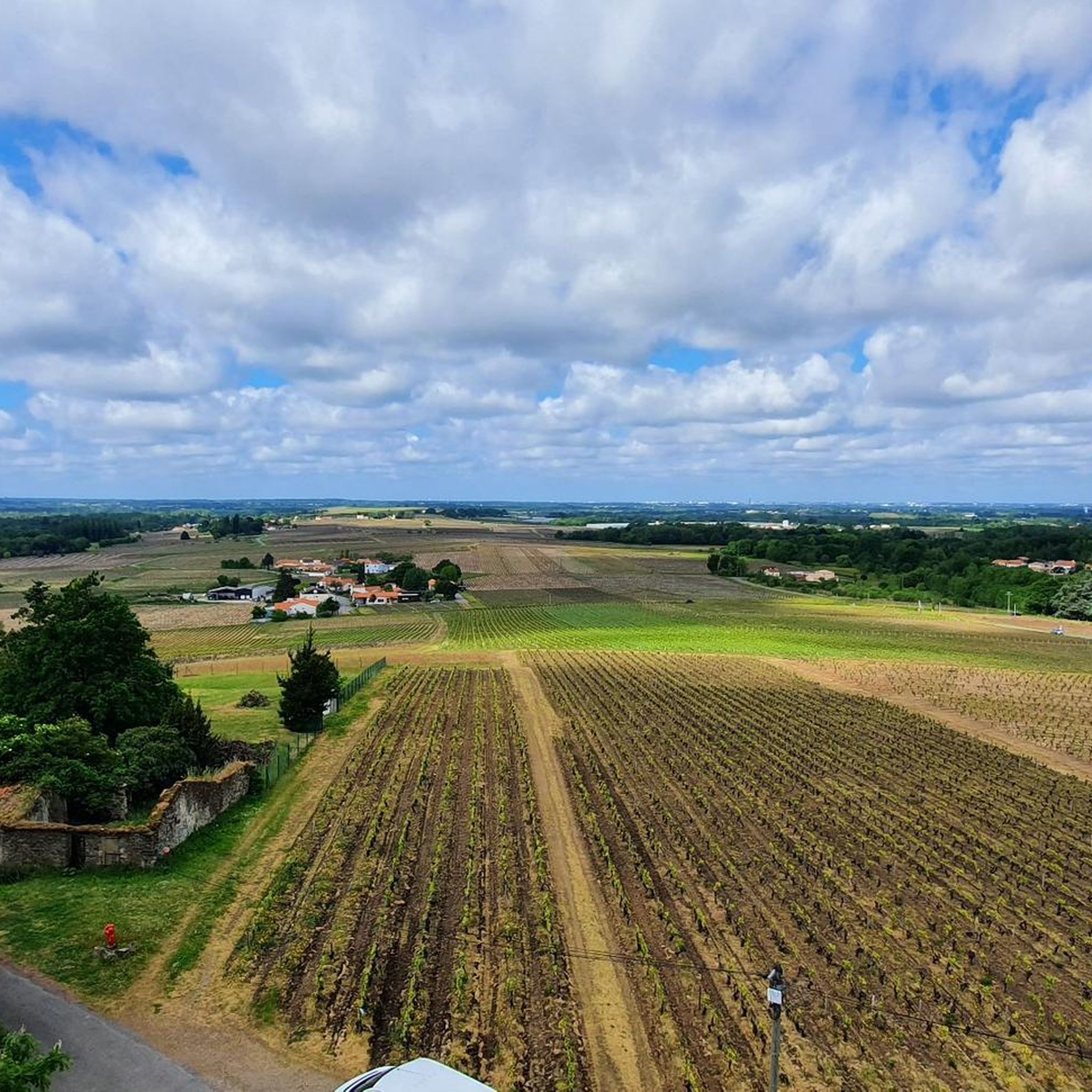
A viewpoint as astonishing as it is impressive stands out from the cliff 30 meters above the Pont Caffino leisure center. Put your feet on the ground to discover the magnificent panorama of the vineyards and the Maine valley.
1
0

After admiring the multicultural site of Pont Caffino, go back to the village of Château-Thébaud to contemplate the aerial view of this site from the magnificent belvedere
1
0
Long an impregnable fortress, Clisson Castle is a model of a fortified castle. Built by the powerful Clisson family from the 12th century, this castle became a strategic point protecting the border of the Duchy of Brittany in the 15th century. In 1793, during the Vendée War, the fortress was burned and partially destroyed. Today, Clisson Castle still offers many examples of defensive architecture: archers, gunboats, stunners, etc. Ref: enpaysdeloire.com
0
0

The view is worth it, you still need to have a little leg to get there
0
0

Long an impregnable fortress, Clisson Castle is a model of a fortified castle. Built by the powerful Clisson family from the 12th century, this castle became a strategic point protecting the border of the Duchy of Brittany in the 15th century. In 1793, during the Vendée War, the fortress was burned and partially destroyed. Today, the Château de Clisson still offers many examples of defensive architecture: archers, gunboats, stunners…|
0
0

The castle is an 18th century construction, partially rebuilt around 1800 with high quality interior decorations, in particular a set of woodwork with ornamental decorations in neo-classical style in the large living room and the library. It is a very complete state-owned complex made up of common wings, a farmyard with outbuildings, a barn (17th or 18th century), a woodshed, a bakery oven and a dovecote. The park, redeveloped at the beginning of the 19th century, includes land to the north of the castle with a fishpond. It is delimited by partly preserved portals and a wall. We also note the presence of a masonry pediluvre. A 15th century stately chapel preserves reused 16th century stained glass windows. https://fr.wikipedia.org/wiki/Ch%C3%A2teau_de_la_Berri%C3%A8re
2
0

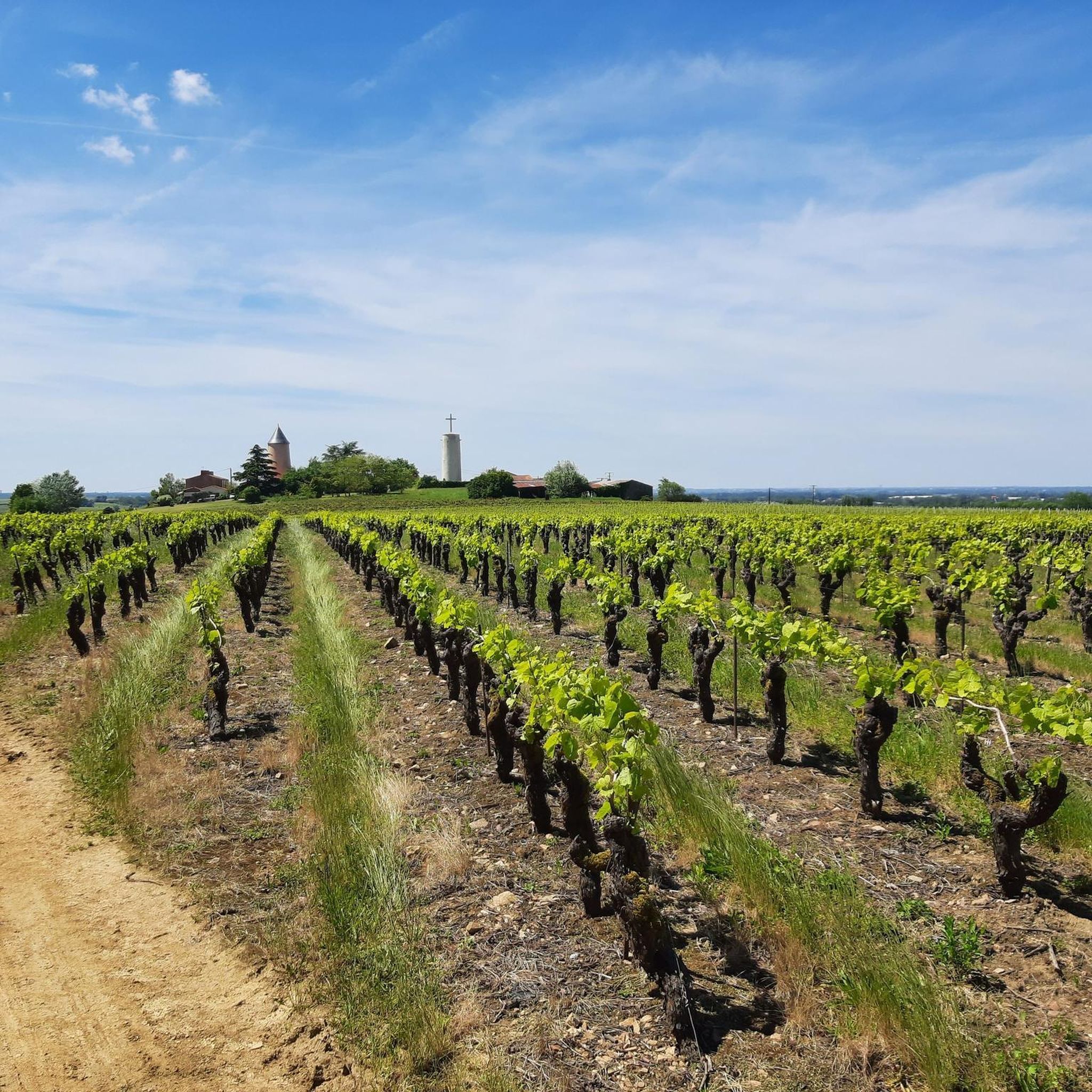
19th century Italianate style castle, built by a student of Lemot, the famous architect from Clisson.
1
0
Frequently Asked Questions
Which castles can I visit near Vallet?
While Vallet itself features private châteaux, the broader region offers publicly accessible historical sites. The most prominent is Château de Clisson, a medieval fortress dating from the 11th century, located a short distance from Vallet. Further afield, in Nantes, you can visit the significant Château des Ducs de Bretagne, which serves as a museum.
What makes the castles around Vallet unique?
The castles around Vallet offer a more intimate and distinct visiting experience compared to the grander, more famous Loire Valley castles. They provide glimpses into the region's rich history and architectural heritage, often with a focus on local significance rather than royal connections. For example, Château de la Noë de Bel-Air in Vallet showcases a unique 19th-century Italianate style.
Are there any private châteaux in Vallet worth noting?
Yes, Vallet is home to several private châteaux. The Château de la Noë de Bel-Air is a notable 19th-century Italianate style castle, visible from certain vantage points. Another is the Château de la Ferté, primarily known as a venue for events, indicating well-maintained grounds and charming architecture.
What outdoor activities can I do near these castles?
The Vallet region, particularly the Vignoble Nantais, is excellent for outdoor activities. You can find numerous routes for cycling, gravel biking, and running. For instance, you can explore routes like the 'Cleray Castle loop' for running or the 'Cleray Castle – Logne Greenway loop' for gravel biking. You can find more details on these and other routes in the Gravel biking around Vallet, Cycling around Vallet, and Running Trails around Vallet guides.
Are there family-friendly castles or activities in the Vallet area?
Yes, Château de Clisson is considered family-friendly and offers a historical experience. Additionally, the region's natural beauty provides opportunities for family outings, such as visiting the Picture frame by Emmanuel Ritz viewpoint, which offers an exceptional panorama of the Pont Caffino valley.
What natural features can I explore in the Vallet region?
The Vallet region is part of the Vignoble Nantais, characterized by its wine-growing landscape. You can explore the Sèvre river near Château de Clisson and enjoy the magnificent valley of Pont Caffino from the Picture frame by Emmanuel Ritz viewpoint. The area also features vineyards and rolling hills, perfect for scenic walks and rides.
What is the best time to visit the castles around Vallet?
The best time to visit the castles and explore the Vallet region is generally during the spring and autumn months. The weather is pleasant for outdoor activities like hiking and cycling, and the vineyards are particularly picturesque. Summer can also be enjoyable, though it can be warmer.
Are there any viewpoints near the castles in Vallet?
Yes, the Picture frame by Emmanuel Ritz is a notable viewpoint near Vallet. It offers an exhilarating experience with a footbridge extending over the void, providing an exceptional panorama of the magnificent valley of Pont Caffino. You can also get great views of Château de Clisson from the bridge leading into the town.
What do visitors enjoy most about the castles and area around Vallet?
Visitors appreciate the historical significance and architectural beauty of sites like Château de Clisson, noting its resilience and commanding presence. The unique Italianate style of Château de la Noë de Bel-Air also draws interest. Beyond the castles, the stunning natural panoramas, such as those from the Picture frame by Emmanuel Ritz, are highly praised.
Can I find cafes or restaurants near the castles?
While specific cafes directly adjacent to private châteaux like Château de la Noë de Bel-Air might be limited, the nearby towns offer various options. Clisson, for example, has a charming center with cafes and restaurants, especially around Château de Clisson. Vallet itself also provides dining choices.
Is there parking available for visiting castles in the Vallet area?
For publicly accessible sites like Château de Clisson, parking is generally available in the town of Clisson. For private châteaux, parking access might be restricted or limited to event attendees. It's advisable to check local information for specific parking details if planning to view private properties from public vantage points.
Are there any hidden gem castles or historical sites near Vallet?
Beyond the more prominent sites, the region is dotted with smaller, often private, historical estates. While not always open to the public, their exteriors contribute to the historical charm of the landscape. Château du Coing de Saint Fiacre, known for its wine estate, is an example of a less-publicized but historically significant location in the area.
Most popular attractions around Vallet

Get inspired with the komoot mobile app


Explore more
Looking for the best castles somewhere else? Discover other guides around Vallet:
