Attractions and Places To See around Le Beulay - Top 20
Best attractions and places to see around Le Beulay include a variety of historical sites, natural features, and cultural landmarks. The region offers opportunities for easy walks near Le Beulay and exploring historical battlefields. Visitors can discover more than 20 hidden gems, ranging from ancient Celtic settlements to significant World War I memorials. This area provides diverse experiences for those interested in history and outdoor exploration.
Best attractions and places to see around Le Beulay
- The most popular attractions is…
Last updated: October 10, 2026
Trail of the Hamlets Fallen for France – La Fontenelle
Highlight • Historical Site
Here are buried some French soldiers who lost their lives on the battlefield of Hill 627, as the military name goes, defending France …
Translated by Google •
Tip by

La Bure Celtic Camp
Highlight • Historical Site
Translated by Google •
Tip by
Sign up now to discover places like this
Get recommendations on the best single tracks, peaks, & plenty of other exciting outdoor places.
Saint-Dié Cathedral
Highlight • Religious Site
Translated by Google •
Tip by
Franco-German Military Cemetery Bertrimoutier
Highlight • Historical Site
Translated by Google •
Tip by

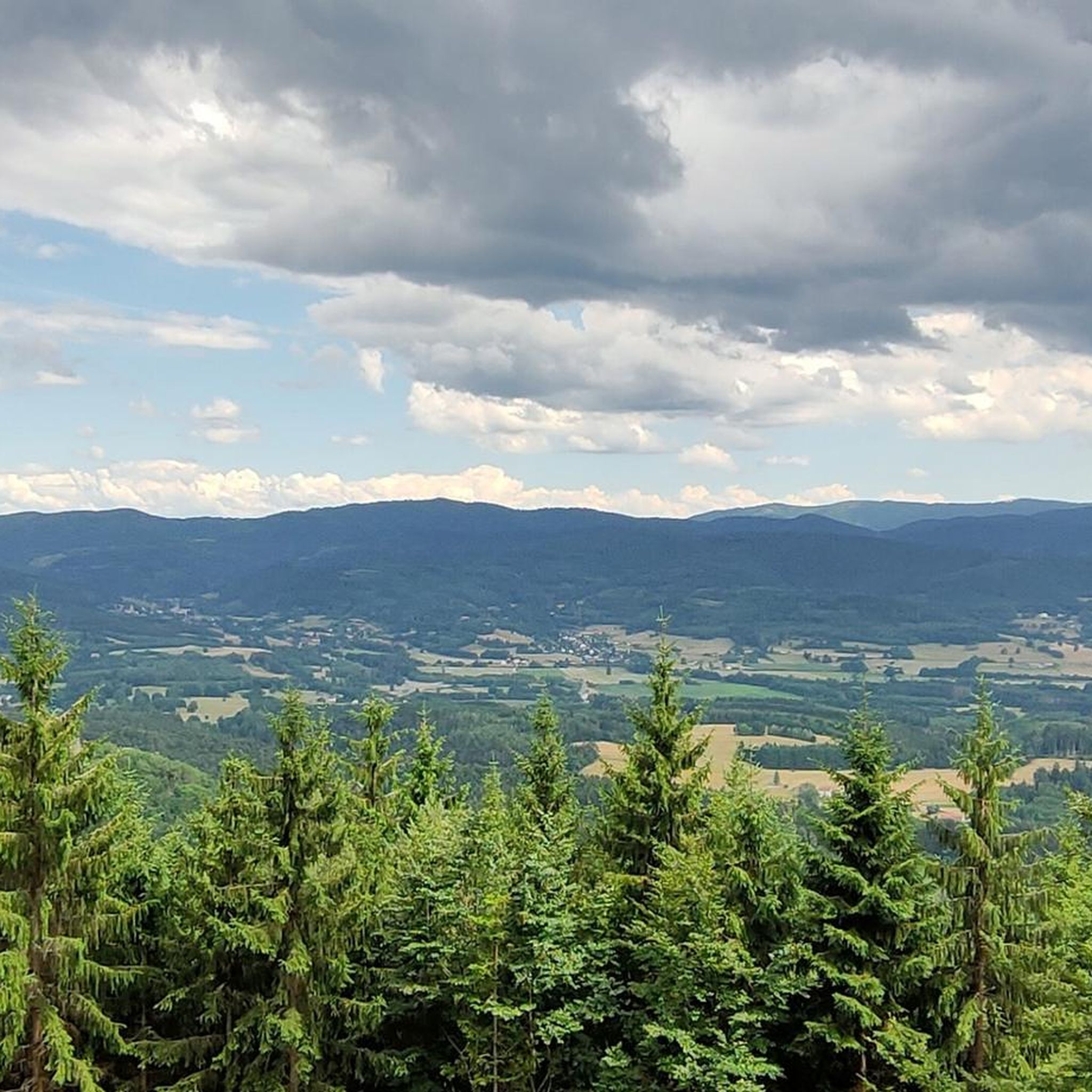
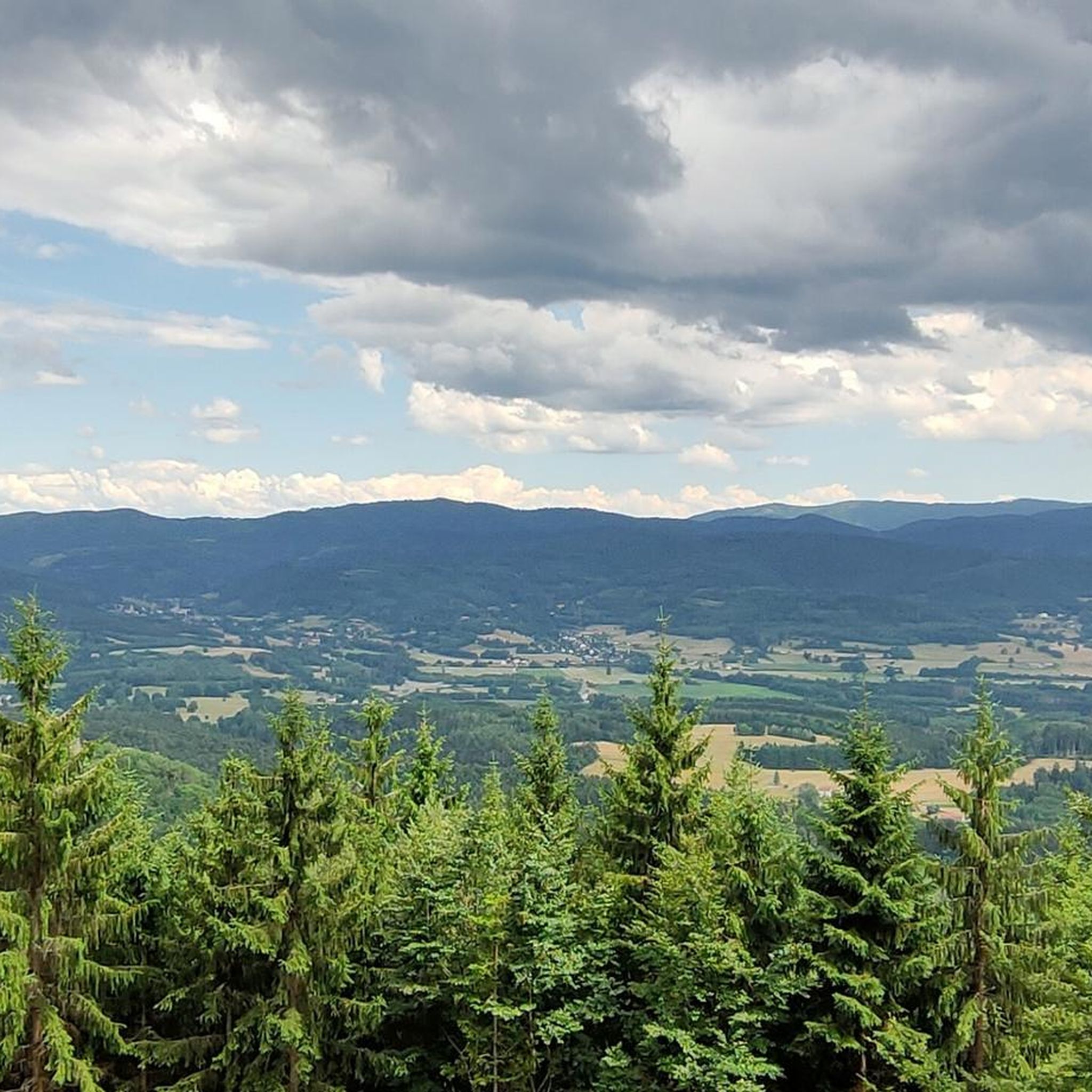
View from La Fontenelle
Highlight • Viewpoint
It's hard to believe that brutal trench warfare took place here in 1914/15.
Today, the landscape offers a peaceful view of meadows and forests.
Translated by Google •
Tip by
Sign up for free to discover even more attractions around Le Beulay.
Already have an account?
Start today with a free account
Your next adventure awaits.


Tips from the Community

Camp accessible to mountain bikes but next to the bike
0
0

This impressive First World War cemetery is located in the hamlet of Aux Zières de la Vigne near Bertrimoutier (Vosges). It consists of two parts: a French national necropolis with 966 individual graves, including 12 Russian and 1 Romanian soldier, and a German military cemetery with 6,749 dead, more than 4,000 of whom are buried in ossuaries. The site was created between 1921 and 1924 and has become a symbol of shared remembrance. The German graves are marked with simple metal crosses; the names of the unknown are on bronze plaques. Most of the dead fell during the Battle of Lorraine in August 1914 or during trench warfare in the years that followed.
9
0
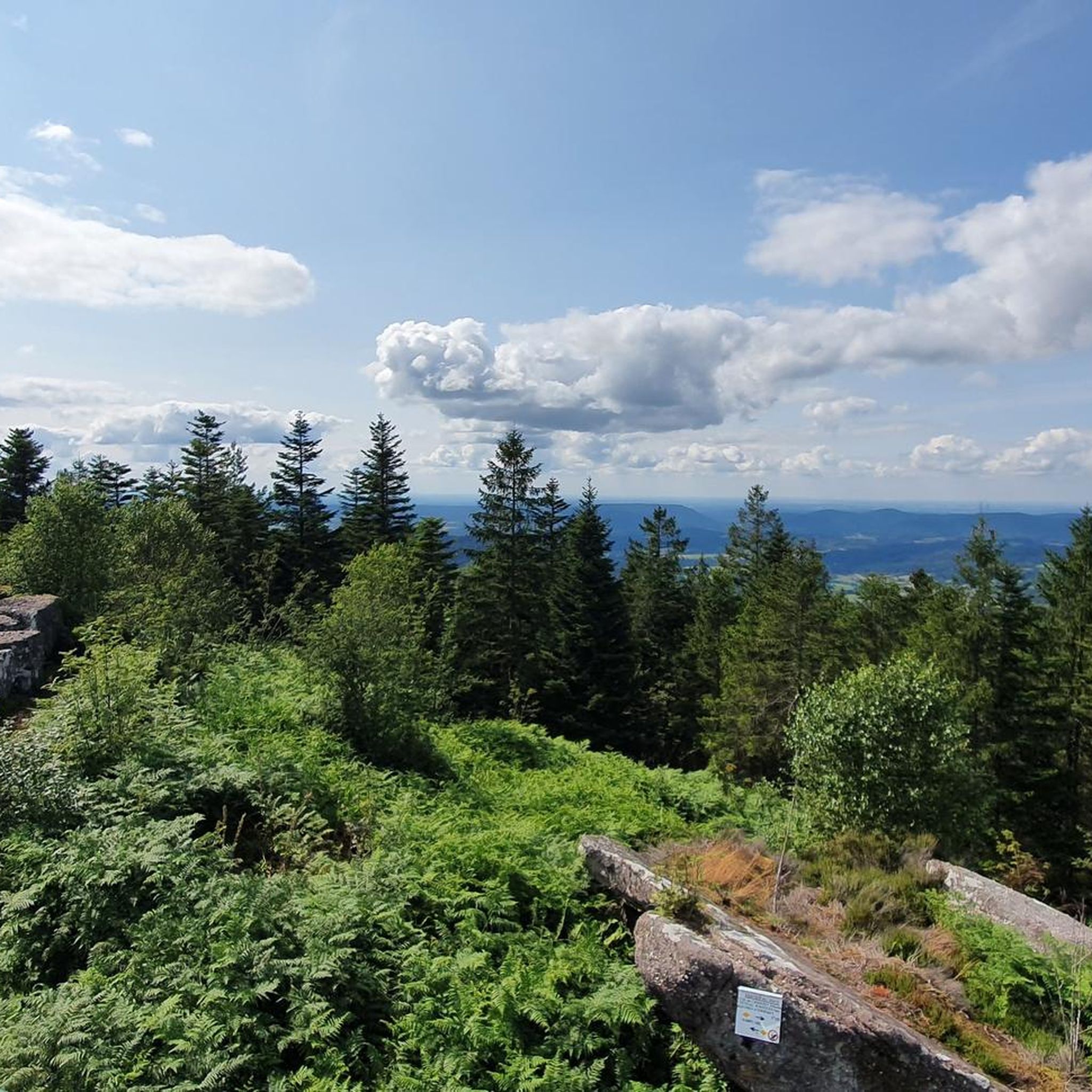
La Fontenelle (hill 627) forms a remarkable “balcony” overlooking the Rabodeau and Hure valleys. This strategic location, initially held by the French, was captured by the Germans on 22 June 1915. After a perfectly coordinated attack, the French recaptured the site on 8 and 9 July 1915 and held it until the end of the war. La Fontenelle was also the scene of a short mine warfare.
1
0


The Celtic camp of the Bure is a fortified plateau bordering the Haute-Meurthe valley in the Grand-East of France. The plateau, now wooded, lies between the communes of Saint-Dié-des-Vosges and that of Hurbache, at the western end of the Ormont massif. This site, known for 23 years of archaeological research from 1964 to 1986, has been classified as a Historical Monument since August 6, 1982. The site has been inhabited since at least the Neolithic period. Then used intensively by the Celts and later by the Romans. There is a lot to see from that time, also because there have not been any settlement activities worth mentioning for a long time. More information e.g. here: https://fr.wikipedia.org/wiki/Camp_celtique_de_la_Bure
6
0
At this viewpoint stands a steel observation capsule from the First World War. It's hard to believe that brutal trench warfare took place here in 1914/15. Today, the landscape offers a peaceful view of meadows and forests.
4
0
La Fontanelle - military cemetery and battlefield Here are buried some French soldiers who lost their lives on the battlefield of Hill 627, as the military name goes, defending France against the German invaders in the First World War. There are several paths here, including around the old battlefield. The shortest way is about 600 meters long and also suitable for wheelchairs. There are some information boards with photos from the period 1914/15, when a cruel trench warfare took place here, which also killed three hamlets that were never rebuilt. At the car park there are large information boards in three languages (French, English and German). Ancient trenches and fortified positions can still be found throughout the area. Unfortunately, also ammunition that did not detonate and can therefore pose a great danger to the curious person. Take care of your children and leave any finds lying around. Here is some information in German: https://de.wikipedia.org/wiki/La_Fontenelle
2
0
As early as the 7th century, Deodatus (French Dieudonné), who was revered by the people as a saint, is said to have founded a monastery here, from which a community of canons then developed in the 10th century. At that time the church wore the patron saint of St. Mauritius. The diocese of Saint-Dié was only established in 1777 by Pope Pius VI. († 1799) built. The church building, which was built in different architectural styles, was blown up by the Germans in 1944, destroying the entire nave and the choir area along with their vaults. The reconstruction lasted until 1974; in this year the church was newly consecrated. Most of the stained glass windows were made and inserted in the 1980s. https://en.wikipedia.org/wiki/Cathedral_of_Saint-Di%C3%A9
3
0
Frequently Asked Questions
Are there family-friendly attractions around Le Beulay?
Yes, several attractions are suitable for families. The Molières Waterfall offers a pleasant spot with a gazebo and an old fish farm, perfect for a break during a walk. The Saint-Dié Cathedral is also considered family-friendly, offering a glimpse into the region's history and architecture. Additionally, the Franco-German Military Cemetery Bertrimoutier provides a poignant historical experience for older children and adults.
What historical sites can I visit near Le Beulay?
The region is rich in history. You can explore the ancient La Bure Celtic Camp, a fortified plateau with evidence of Celtic and Roman habitation. For World War I history, visit the Trail of the Hamlets Fallen for France – La Fontenelle, a battlefield and military cemetery with informative panels. The Franco-German Military Cemetery Bertrimoutier also commemorates the fallen of WWI.
Are there any wheelchair-accessible attractions in the Le Beulay area?
Yes, the Trail of the Hamlets Fallen for France – La Fontenelle offers a 600-meter path that is suitable for wheelchairs, allowing visitors to explore the historical battlefield and military cemetery.
What natural features or viewpoints are there to see?
The Molières Waterfall is a charming artificial waterfall with a gazebo, offering a scenic spot. The La Bure Celtic Camp, while primarily a historical site, is situated on a fortified plateau that also provides viewpoints over the Haute-Meurthe valley.
What kind of outdoor activities can I do around Le Beulay?
Le Beulay is a great base for outdoor activities. You can find numerous routes for mountain biking, running, and gravel biking. Explore detailed routes and guides such as MTB Trails around Le Beulay, Running Trails around Le Beulay, and Gravel biking around Le Beulay.
Are there easy walks or short hikes available near Le Beulay?
Yes, the region offers options for easy walks and short hikes. The area around Molières Waterfall is ideal for a leisurely stroll. Additionally, the Trail of the Hamlets Fallen for France – La Fontenelle has a 600-meter path that is easily accessible. Many of the nearby routes for running or mountain biking also include shorter, less strenuous sections suitable for walking.
What is the best time to visit Le Beulay attractions?
The region's attractions, particularly the historical sites and natural features, are generally enjoyable throughout the warmer months, from spring to autumn. This period offers pleasant weather for exploring outdoor sites like the La Bure Celtic Camp and the Molières Waterfall, as well as for engaging in outdoor sports.
How long should I plan to spend at the attractions?
For sites like the La Bure Celtic Camp or the Trail of the Hamlets Fallen for France – La Fontenelle, you might spend 1-2 hours exploring the historical context and walking the paths. A visit to the Molières Waterfall could be a shorter stop, perhaps 30-60 minutes, especially if combined with a longer hike. The Saint-Dié Cathedral might take 45 minutes to an hour to appreciate its architecture and history.
What do visitors enjoy most about the attractions around Le Beulay?
Visitors appreciate the blend of history and nature. The historical depth of sites like the La Bure Celtic Camp and the poignant WWI memorials are highly valued. The tranquility and scenic beauty of places like the Molières Waterfall also receive positive feedback, often highlighted as perfect spots for a break during a hike.
Are there any less crowded places to visit around Le Beulay?
While popular sites can attract visitors, exploring the various historical sites like the Franco-German Military Cemetery Bertrimoutier or the extensive grounds of the La Bure Celtic Camp often allows for a more solitary experience, especially outside of peak tourist hours. Many of the smaller trails and natural spots also offer a sense of quiet discovery.
Where can I find routes for mountain biking near Le Beulay?
For mountain biking enthusiasts, there's a dedicated guide titled MTB Trails around Le Beulay. This guide features various routes, including challenging ones like the 'Roche des Abris – Tough climb loop from Provenchères-sur-Fave' and moderate options such as the 'Pépinière du Paradis – Cascade des Molières loop from Robache'.
Are there any running trails in the Le Beulay area?
Yes, you can find several running trails around Le Beulay. The Running Trails around Le Beulay guide provides options like the 'Voyemont loop from Provenchères-et-Colroy' for a more difficult run, or moderate loops starting from Provenchères-sur-Fave or Lusse.
Most popular routes around Le Beulay
Most popular attractions around Le Beulay

Get inspired with the komoot mobile app


Explore more
Still not found the Highlight you’re looking for? See guides of the top attractions in other regions:
