The best road cycling routes around Heiligenstein
4.4
(448)
10,508
riders
235
rides
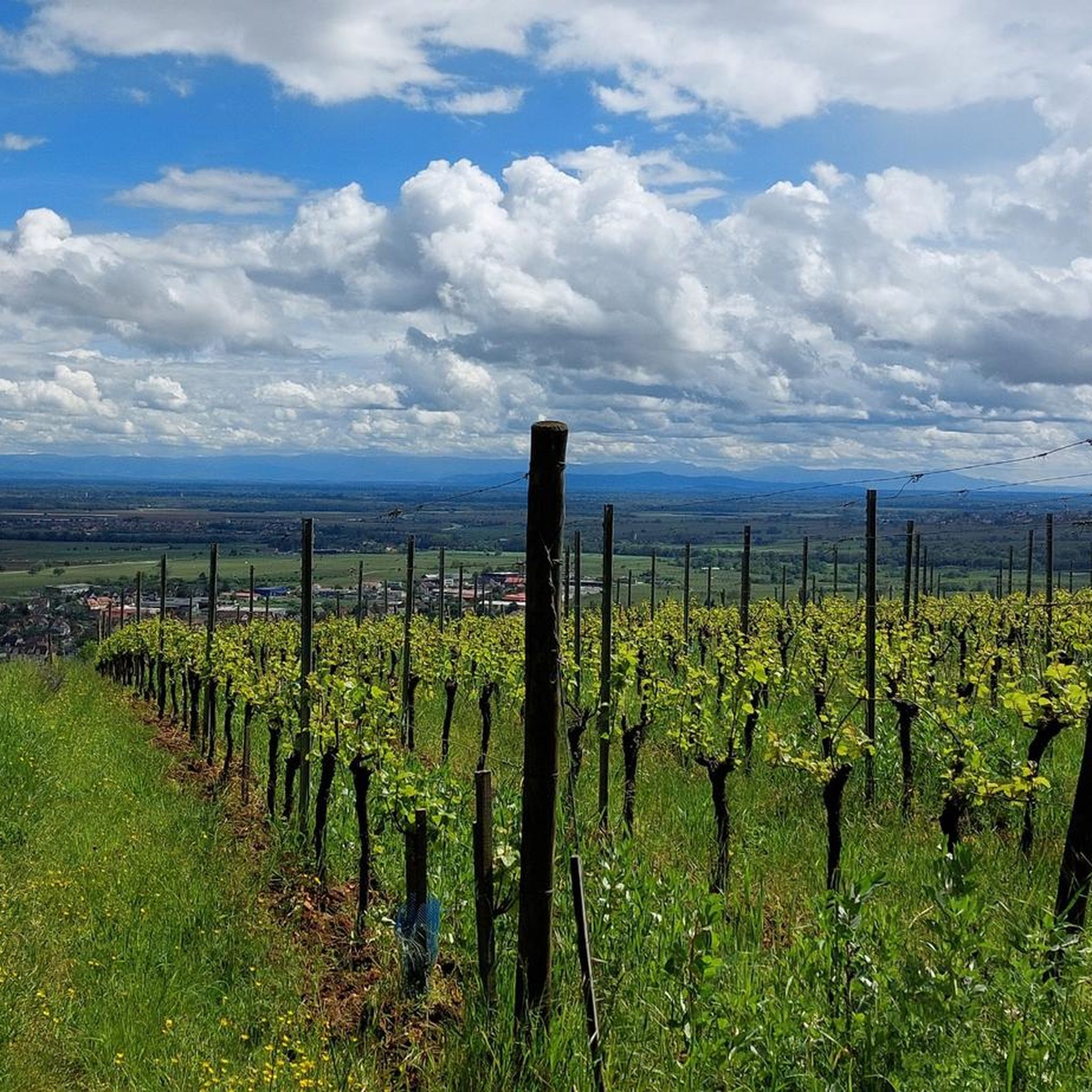
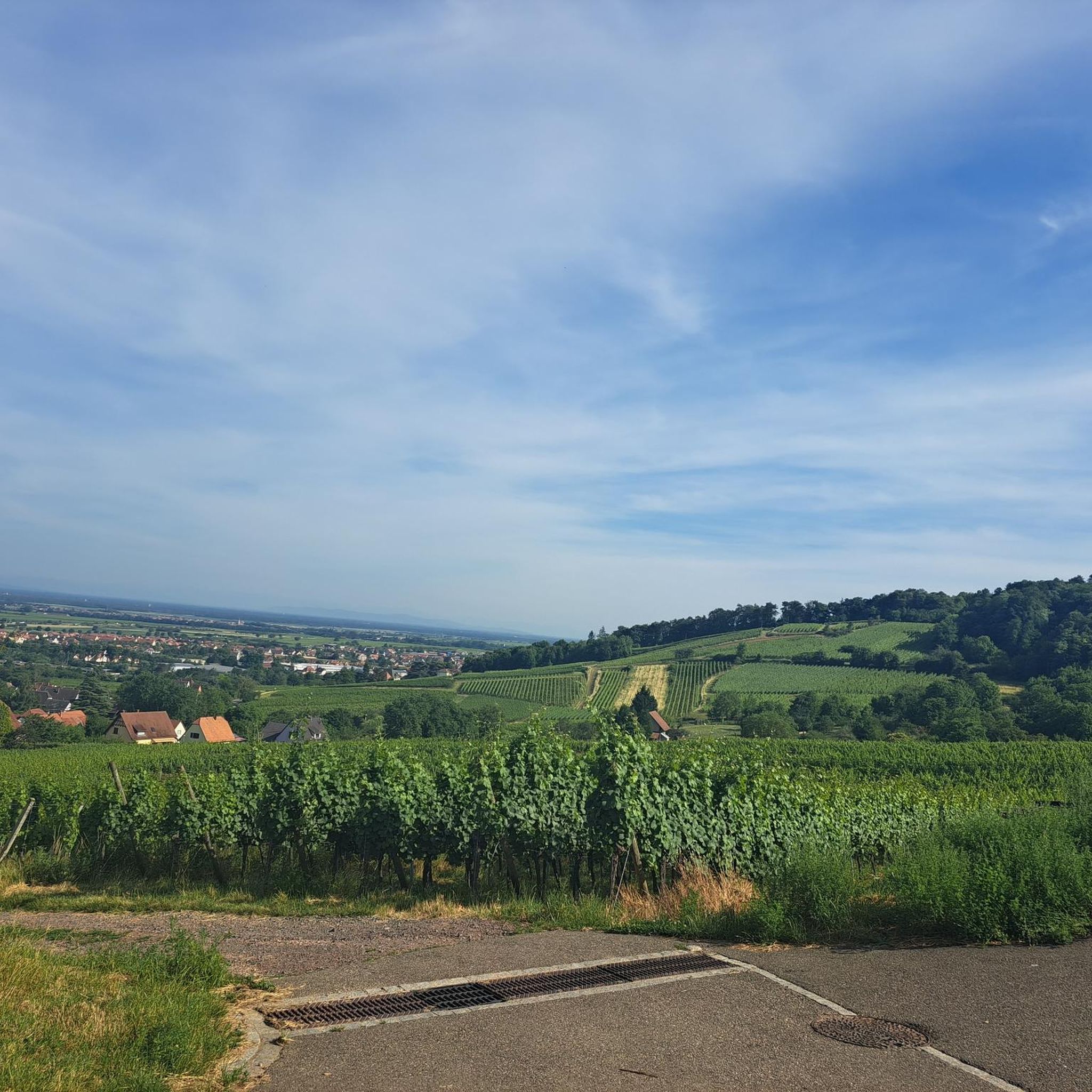
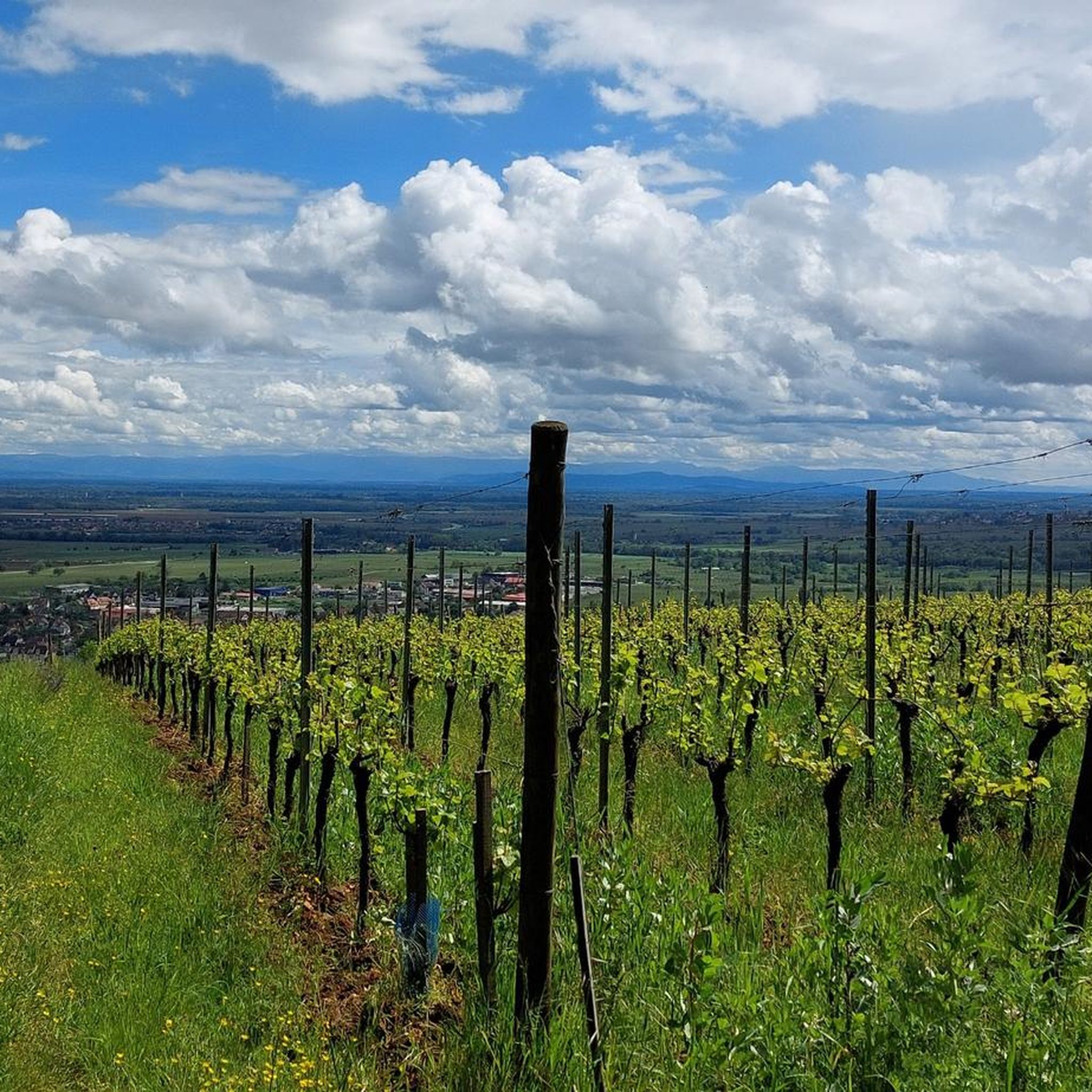
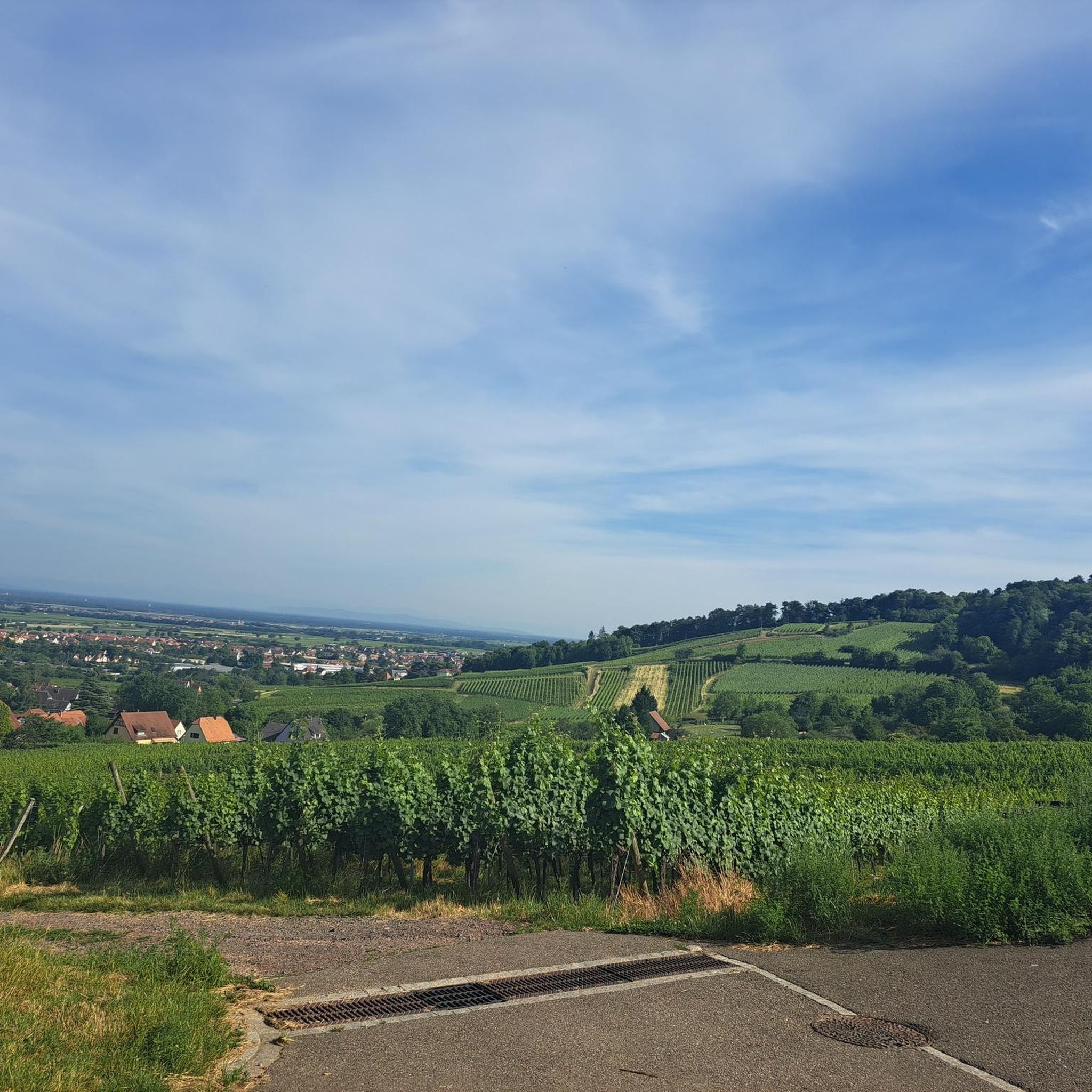
Road cycling routes around Heiligenstein navigate the scenic Alsace Wine Route region, featuring extensive vineyards and historic villages. The terrain includes both undulating agricultural landscapes and more significant ascents into the foothills of the Vosges mountains, notably around areas like Champ du Feu. This varied topography provides a range of road cycling experiences, from routes through vineyard landscapes to challenging climbs.
Best road cycling routes around Heiligenstein
- The most popular road cycling route is Kreuzweg Pass – Alsace Wine Route…
Last updated: October 7, 2026
4.4
(12)
283
riders
57.5km
02:57
800m
800m
Moderate road ride. Good fitness required. Some segments of this route may be unpaved and difficult to ride.
4.7
(16)
222
riders
74.1km
03:13
550m
550m
Moderate road ride. Good fitness required. Mostly well-paved surfaces and easy to ride.

3.0
(2)
92
riders
89.8km
05:12
2,140m
2,140m
Hard road ride. Very good fitness required. Mostly well-paved surfaces and easy to ride.
4.5
(2)
76
riders
28.6km
01:48
670m
670m
Moderate road ride. Good fitness required. Some segments of this route may be unpaved and difficult to ride.
4.0
(1)
69
riders
106km
05:20
1,370m
1,370m
Hard road ride. Very good fitness required. Some segments of this route may be unpaved and difficult to ride.
Get access to more routes and recommendations from other explorers.
Already have an account?
Our route recommendations are based on thousands of hikes, rides, and runs completed by other people on komoot.
Start today with a free account
Your next adventure awaits.

Tips from the Community

The Odilienberg (763 m) in Alsace is the most important spiritual center of the region. Founded around 690 by Saint Odilia, the monastery attracts hundreds of thousands of pilgrims annually. The centerpiece of the complex is the Basilica of the Assumption of Mary (1687–1692) with the burial chapel, where the relics of the patron saint rest in an 8th-century sandstone sarcophagus. Directly on the panoramic terrace are the Chapel of Tears and the Chapel of Angels (12th century), known for their luminous gold mosaics from 1935. Inside the basilica, there is also a fine wooden inlaid Way of the Cross by Charles Spindler. Below the monastery rocks runs a magnificent hiking trail. It leads past the monumental, colorful ceramic Way of the Cross (14 stations) and the Lourdes Grotto, both integrated directly into the red sandstone by Léon Elchinger in the 1930s. About a 15-minute walk further down, the Odilien spring emerges in the forest, its water traditionally sought for eye ailments. The entire mountain plateau is enclosed by the Heidenmauer, a mysterious, 11-kilometer-long prehistoric defensive wall. Following the hiking trails further south, you reach the Maennelstein (817 m), the highest point of the ridge, which offers a wide panoramic view over the Rhine plain to the Black Forest. The monastery grounds are open all year round and admission is free. Would you like to use this short text for a brochure or are you still looking for information on how to get there for your tour? AI answers may contain errors. For legal advice, you should consult an expert. More information
0
1
The monumental ceramic Way of the Cross on Mont Sainte-Odile (French: Chemin de Croix du Mont Sainte-Odile) was created between 1933 and 1935 by the renowned Alsatian artist and master ceramicist Léon Elchinger (1871–1942). From an art historical perspective, it is considered one of the most significant and ambitious masterpieces of sacred ceramic art in Alsace.
0
0
The Heidenmauer (French: Mur Païen) is a monumental, eleven-kilometer-long fortification from the early Middle Ages that encloses the high plateau of Mont Sainte-Odile in Alsace. For centuries, the imposing structure has fascinated archaeologists and visitors alike with its sheer dimension and construction method. Around 300,000 irregularly hewn sandstone blocks were stacked without mortar to form a dry-stone wall up to two meters wide. To give the huge blocks stability, the builders connected them with swallowtail-shaped wooden clamps made of oak. This extraordinary technique secured the structure against the shifting of stones on the steep forest terrain. For a long time, the facility was surrounded by great mystery. Due to the name Pope Leo IX gave the wall in the 11th century, its origin was suspected to be prehistoric, Celtic, or Roman times. Modern scientific investigations finally brought clarity: using dendrochronology (tree-ring analysis), the wooden connecting wedges could be precisely dated to the late 7th or early 8th century AD. The wall thus originated in the Merovingian era. To this day, research puzzles over the exact purpose of this gigantic facility. The most likely theory is that the wall served as a mighty refuge for the population in times of political unrest. At the same time, the monumental structure demonstrated the claim to power and prestige of the then Dukes of Alsace, to whose family Saint Odilia also belonged. Today, the Heidenmauer is a protected cultural monument and a popular destination for hikers. A well-signposted circular trail leads in the shade of the trees directly along the historical remains and connects the ruins with mystical places such as the Druid's Grotto and the monastery on the mountain summit.
0
0

This beautiful, idyllic spot in Blienschwiller (formerly Blienschweiler) is located in the town center on the Route des Vins or the Euro Vélo 5 or EV5, which runs here along the D35. According to the 2023 census, about 300 inhabitants live in Blienschwiller. The town is located at the eastern foot of the Northern Vosges in the Bas Rhin department in the arrondissement of Sélestat-Erstein. The main economic sector of the town is arable and wine farming.
1
0

There are freshly squeezed juices, cakes, coffee. Perfect for a short break.
0
0

A place with a very special atmosphere.
0
0

Very nice place with running water
0
0
abandoned road with beautiful view.
0
0
Frequently Asked Questions
How many road cycling routes are available around Heiligenstein?
There are over 240 road cycling routes around Heiligenstein, providing a diverse range of options for cyclists of all abilities.
Are there easy road cycling routes suitable for beginners in Heiligenstein?
Yes, Heiligenstein offers a good selection of routes for beginners. You'll find over 50 easy road cycling routes, many of which traverse the gentler vineyard landscapes of the Alsace Wine Route, perfect for those new to road cycling.
What options are there for advanced road cyclists seeking a challenge?
For advanced road cyclists, Heiligenstein provides challenging routes, particularly those venturing into the Vosges foothills. There are over 60 difficult routes available, such as the Au Champ du Feu – Champ du Feu loop from Barr, which features significant ascents and mountainous terrain.
Can families enjoy road cycling around Heiligenstein?
While specific family-friendly routes are not explicitly categorized, many of the easier routes through the vineyards offer relatively flat and scenic paths that could be suitable for families with older children or those comfortable with moderate distances. Always check the route details for elevation and distance before setting out.
Are there road cycling routes that offer scenic viewpoints?
Absolutely. The region is known for its scenic beauty. Routes often provide stunning views of the vineyards and the Vosges mountains. For panoramic vistas, consider routes that pass near highlights like Heidenkopf or Hering Tower on Ungersberg.
Are there circular road cycling routes around Heiligenstein?
Yes, many of the road cycling routes around Heiligenstein are designed as loops, allowing you to start and finish in the same location. Examples include the popular Kreuzweg Pass – Alsace Wine Route Vineyards loop from Barr and the Alsace Wine Route Vineyards – Vineyard landscape loop from Gertwiller.
What kind of landscapes can I expect to see on road cycling routes near Heiligenstein?
Road cycling around Heiligenstein offers a diverse landscape. You'll primarily experience the rolling vineyards of the Alsace Wine Route, charming historic villages, and agricultural plains. For more challenging rides, routes ascend into the picturesque foothills of the Vosges mountains, providing a mix of terrain and scenery.
What are some interesting places or landmarks to see along the road cycling routes?
The region is rich in history and natural beauty. Along your rides, you might encounter historic sites like Andlau Castle or Rathsamhausen Castle. The iconic Mount Sainte-Odile is also a prominent landmark, and the charming town of Obernai is often part of longer routes, such as the Saverne – Obernai Old Town loop from Barr.
When is the best time of year for road cycling in Heiligenstein?
The spring and autumn months are generally ideal for road cycling in Heiligenstein. Spring brings blooming vineyards and mild temperatures, while autumn offers vibrant fall foliage and the grape harvest season. Summers can be warm, especially in the vineyards, and winters may present colder temperatures and potential for snow in higher elevations.
Are there road cycling routes that pass by cafes or places to stop for refreshments?
Given the region's focus on wine and tourism, many routes will naturally pass through or near villages and towns where you can find cafes, bakeries, and restaurants. The Alsace Wine Route is dotted with charming establishments perfect for a refreshment stop. For example, the Rothlach Inn is a notable stop in the higher elevations.
What do other road cyclists say about the routes in Heiligenstein?
The road cycling routes around Heiligenstein are highly rated by the komoot community, with an average score of 4.5 stars from over 350 reviews. Cyclists often praise the well-maintained roads, the stunning vineyard scenery, and the variety of terrain that caters to different fitness levels.
Is it possible to find parking near the starting points of road cycling routes?
Yes, many of the towns and villages that serve as starting points for road cycling routes, such as Barr or Gertwiller, offer public parking facilities. It's advisable to check local parking options in advance, especially during peak season, to ensure a smooth start to your ride.
Most popular routes around Heiligenstein
Most popular attractions around Heiligenstein

Get inspired with the komoot mobile app


Explore more
Browse the best Road cycling routes in other regions.
