Top 12 Castles around Zell
Best castles around Zell are found in a region known for its historical significance and diverse landscapes. This area features a mix of medieval ruins and well-preserved structures, often set amidst scenic natural surroundings. The castles provide insights into centuries of history, from ancient fortifications to noble residences. Many sites offer panoramic views of the surrounding valleys and vineyards.
Best castles around Zell
- The most popular castles is Kaysersberg, a settlement with a historic center and castle ruins high…
Last updated: May 9, 2026
Kaysersberg
Highlight • Settlement
Translated by Google •
Tip by

The Three Castles of Eguisheim
Highlight • Castle
Translated by Google •
Tip by

Sign up now to discover places like this
Get recommendations on the best single tracks, peaks, & plenty of other exciting outdoor places.
Sign up for free
Kaysersberg Castle
Highlight • Castle
Tip by

Hohlandsbourg Castle
Highlight • Castle
Translated by Google •
Tip by

Saint Leo IX Chapel (Chapelle Saint-Léon IX), Éguisheim
Highlight • Religious Site
Translated by Google •
Tip by

Sign up for free to discover even more castles around Zell.
Sign up for free
Already have an account?
Start today with a free account
Your next adventure awaits.
Login or Signup


Tips from the Community

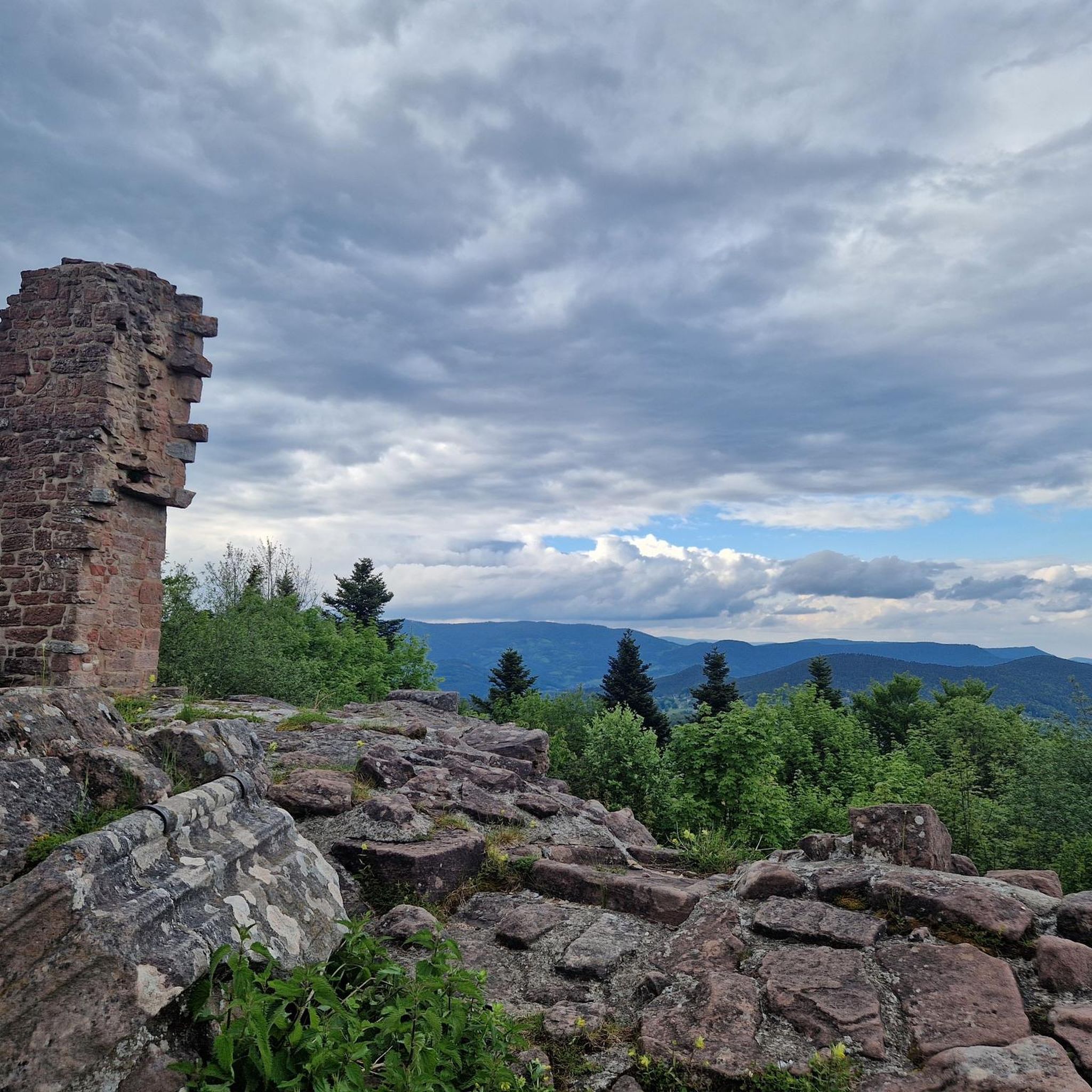
As a former Free Imperial City, Kaysersberg boasts its imperial castle. Built around 1200 to block the roads coming from Lorraine, it was a strategically important location in the war between the Holy Roman Empire and the Dukes of Lorraine. A massive cylindrical keep, one of the oldest round keeps in Alsace, with walls over 4 meters thick, is a sight to behold in itself. Within these walls and under the keep's protection, you can also admire the lord's residence with its pointed-arch windows! But above all, don't miss the magnificent view: Climb the 122 steps to the top of the keep and enjoy a breathtaking panorama of Kaysersberg, the valley entrance on the mountainside, the vineyards, and, on a clear day, even the Black Forest in Germany. From the old town, two staircases and a path through the vineyards lead to the castle ruins.
8
0
The Saint Leo Chapel was built in the Romanesque Revival style on the site where the keep once stood. It was consecrated in 1894 and dedicated to Saint Leo. Inside, Martin painted medallions on the vault in the 11th-century style, depicting seven scenes from the life of Saint Leo. The windows, dating from 1895, depict the saints of Alsace, many of whom were members of the Counts of Eguisheim.
7
0

The so-called “palace of the lords of Eguisheim” refers to the original castle of Eguisheim, which was built in the 8th century by Eberhard, Duke of Alsace and nephew of Saint Odilia 1. This castle formed the centre of the village and gave rise to the unique concentric urban structure of Eguisheim, with the houses and streets built in circles around the castle. Although the original castle has largely disappeared, its remains are integrated into the Chapelle Saint-Léon, which was built on the site of the old keep. This chapel and the surrounding Place du Château Saint-Léon today form the symbolic heart of the village. Here you will also find the statue of Pope Leo IX, who was born in this castle in 1002.
6
0

A magnificent castle! The walk along the castle walls offers beautiful views over the Alsatian wine-growing villages and towns... and especially the Vosges Mountains.
2
0

Beautiful view, entrance to the castle 10 euros.
2
0

Current entrance fee 10€ adult
3
0

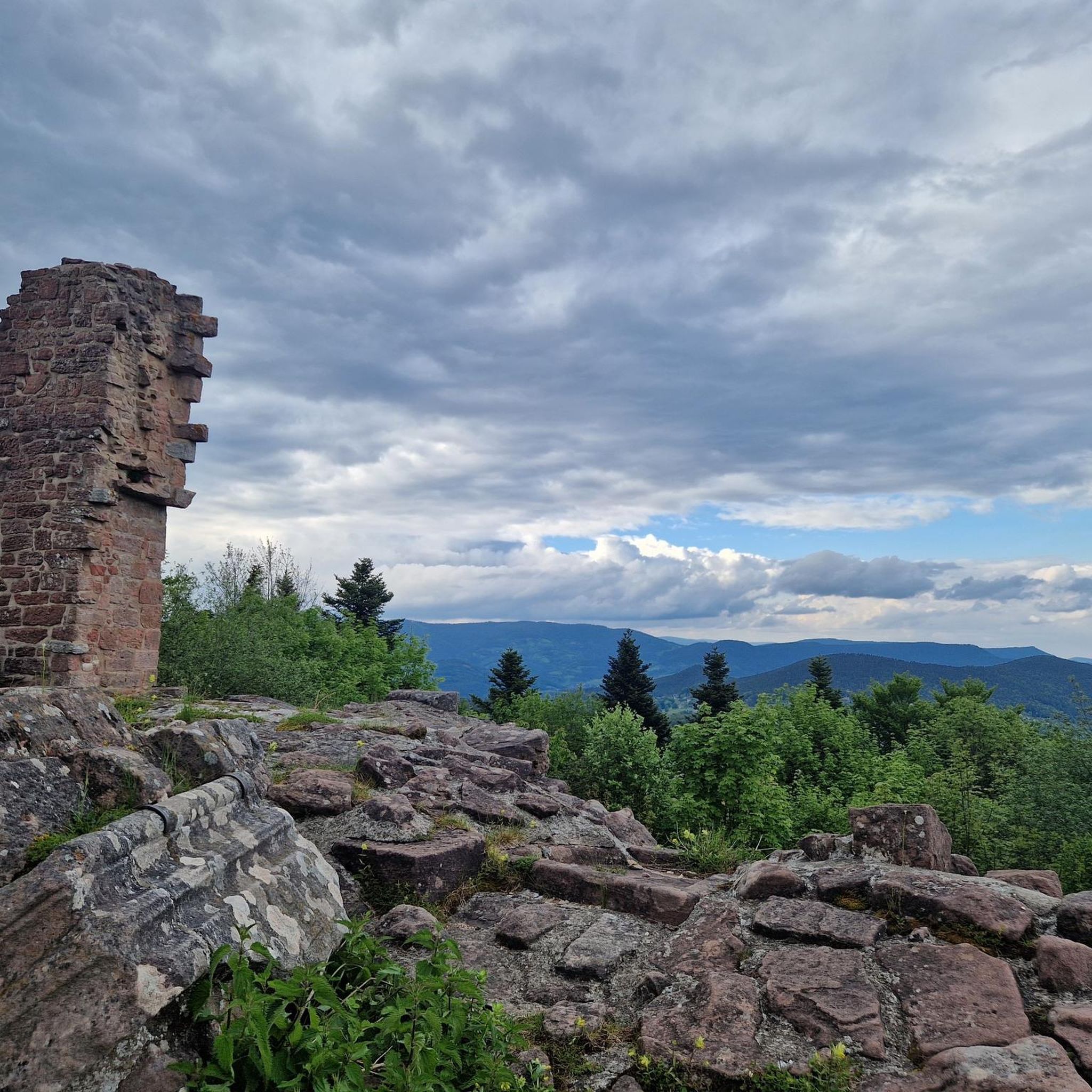
The view from the tower is excellent. The climb up the tower is in complete darkness in some places. At least the steps are even and there is a railing.
3
0
Be sure to take a walk along the fortress wall.
3
0
Frequently Asked Questions
What are some of the most popular castles to visit around Zell?
Among the most popular castles, you'll find Kaysersberg, known for its historic center and castle ruins high above the city, and The Three Castles of Eguisheim, a complex with three watchtowers offering panoramic views. Another favorite is View of Les Trois Châteaux, which provides a stunning perspective of the three keep castles on the Schlossberg.
Are there family-friendly castles to visit in the Zell region?
Yes, several castles are suitable for families. Kaysersberg is considered family-friendly, offering a charming village experience alongside its castle ruins. Hohlandsbourg Castle is also a great option, with visitors noting it's a lot of fun for the whole family. Additionally, the medieval festivals at Kaprun Castle in Austria, near Zell am See, are very popular with families.
What is the best time of year to visit the castles around Zell?
The best time to visit depends on the region. For Zell an der Mosel in Germany, spring and autumn offer pleasant weather for exploring the castles and surrounding vineyards. For Zell am See in Austria, summer is ideal for enjoying the lake and mountain views alongside castle visits, while winter offers a unique snowy backdrop, though some outdoor areas or specific castle features might be less accessible.
Do any of the castles offer exceptional viewpoints?
Absolutely. The Three Castles of Eguisheim and View of Les Trois Châteaux both provide panoramic views over the plain from their elevated positions. In Zell an der Mosel, Germany, Marienburg Castle offers fantastic panoramic views over the Moselle valley and surrounding wine towns from its unique ridge location. Hohlandsbourg Castle also boasts spectacular views of Colmar, the Vosges, and the Rhine plain to the Black Forest.
Can I find historical castles with unique architectural features?
Yes, the region offers castles with distinct architectural styles. Schloss Zell in Germany is an impressive Baroque building with striking round towers and a beautiful exterior, largely surviving for seven centuries. Marienburg Castle, also in Germany, showcases a blend of 12th-century country house, late Gothic choir, and 18th-century Baroque reconstruction. In Austria, Rosenberg Castle in Zell am See features characteristic Salzburg residence architecture with four corner towers and a central tower, while Kaprun Castle is a medieval fortress built with Roman masonry principles.
Are there hiking or walking trails near the castles?
Yes, the area around Zell offers numerous opportunities for hiking and walking. For example, you can find routes like 'Hohnack Castle – Le Linge loop' or 'Hohnack Castle – The tops of Labaroche loop' which incorporate castle views. You can explore various MTB Trails around Zell, Cycling around Zell, or Gravel biking around Zell, many of which pass by or offer views of historical sites and castles.
What kind of outdoor activities can I do near the castles?
Beyond castle exploration, the region provides diverse outdoor activities. You can find mountain biking trails like 'Hohnack Castle – Krappenfels viewpoint loop', cycling routes such as 'De Linge – Wettstein Pass loop', and gravel biking adventures like 'Kaysersberg – Kaysersberg loop'. These routes often combine scenic landscapes with historical landmarks. For more details, refer to the MTB Trails around Zell, Cycling around Zell, and Gravel biking around Zell guides.
Are there any castles that have been repurposed or offer unique experiences?
Yes, some castles have found new life. Schloss Zell in Germany now houses a hotel and offers gastronomic experiences in its 'Schlosskeller'. Marienburg Castle, also in Germany, functions as a youth education facility. In Zell am See, Austria, Schloss am See (Schloss Prielau) has been restored into a hotel by the Porsche family, offering gardens, architectural tours, and cultural events. Rosenberg Castle serves as the town hall of Zell am See, with its garden open to the public and upper floors hosting exhibitions. Kaprun Castle is a cultural venue hosting weddings, concerts, and annual medieval festivals.
What are some of the historical highlights near Zell?
The region is rich in history. Besides the castles, you can explore the historic center of Kaysersberg with its half-timbered houses. The Saint Leo IX Chapel (Chapelle Saint-Léon IX) in Éguisheim, built on the foundations of a castle dungeon, is another significant historical site. The castles themselves, like the 11th-12th century structures of Les Trois Châteaux, offer deep insights into medieval history.
How much time should I plan for visiting the castles?
The time required varies by castle. For smaller ruins or viewpoints like View of Les Trois Châteaux, an hour or two might suffice. Larger sites like Hohlandsbourg Castle or those with additional attractions like Schloss Zell (hotel/gastronomy) or Kaprun Castle (festivals, tours) could easily fill half a day or more, especially if you combine it with exploring the surrounding towns or trails.
Are there options for dining or refreshments near the castles?
Yes, many castles are located near towns or have facilities on-site. Schloss Zell in Germany, for instance, houses a hotel with gastronomic experiences. In Zell am See, Austria, Schloss am See (Schloss Prielau) is a hotel with dining options. The towns themselves, such as Kaysersberg or Zell an der Mosel, offer various cafes and pubs where you can enjoy local cuisine and refreshments after your castle visit.
Can I visit the castles with my dog?
While many outdoor areas and trails around castles are dog-friendly, access to the interior of castles or specific historical buildings can be restricted for pets. It's always best to check the specific castle's policy beforehand. For example, the natural trails around Les Trois Châteaux are generally suitable for walks with dogs, but entry into any preserved structures might not be permitted.
Most popular routes around Zell
Most popular attractions around Zell

Get inspired with the komoot mobile app


Explore more
Looking for the best castles somewhere else? Discover other guides around Zell:
