The best cycling routes around Liebensweiler
4.6
(367)
4,515
riders
210
rides
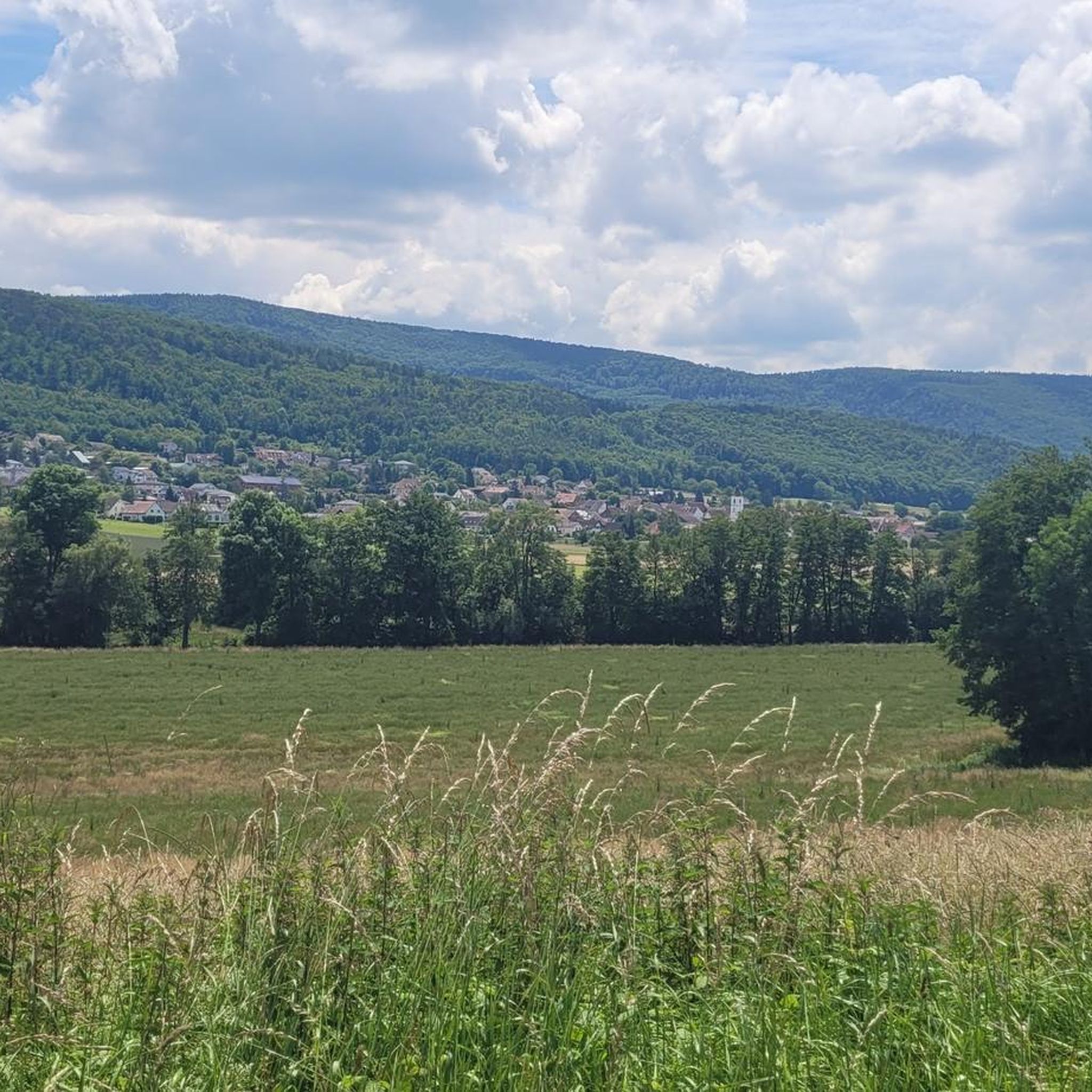
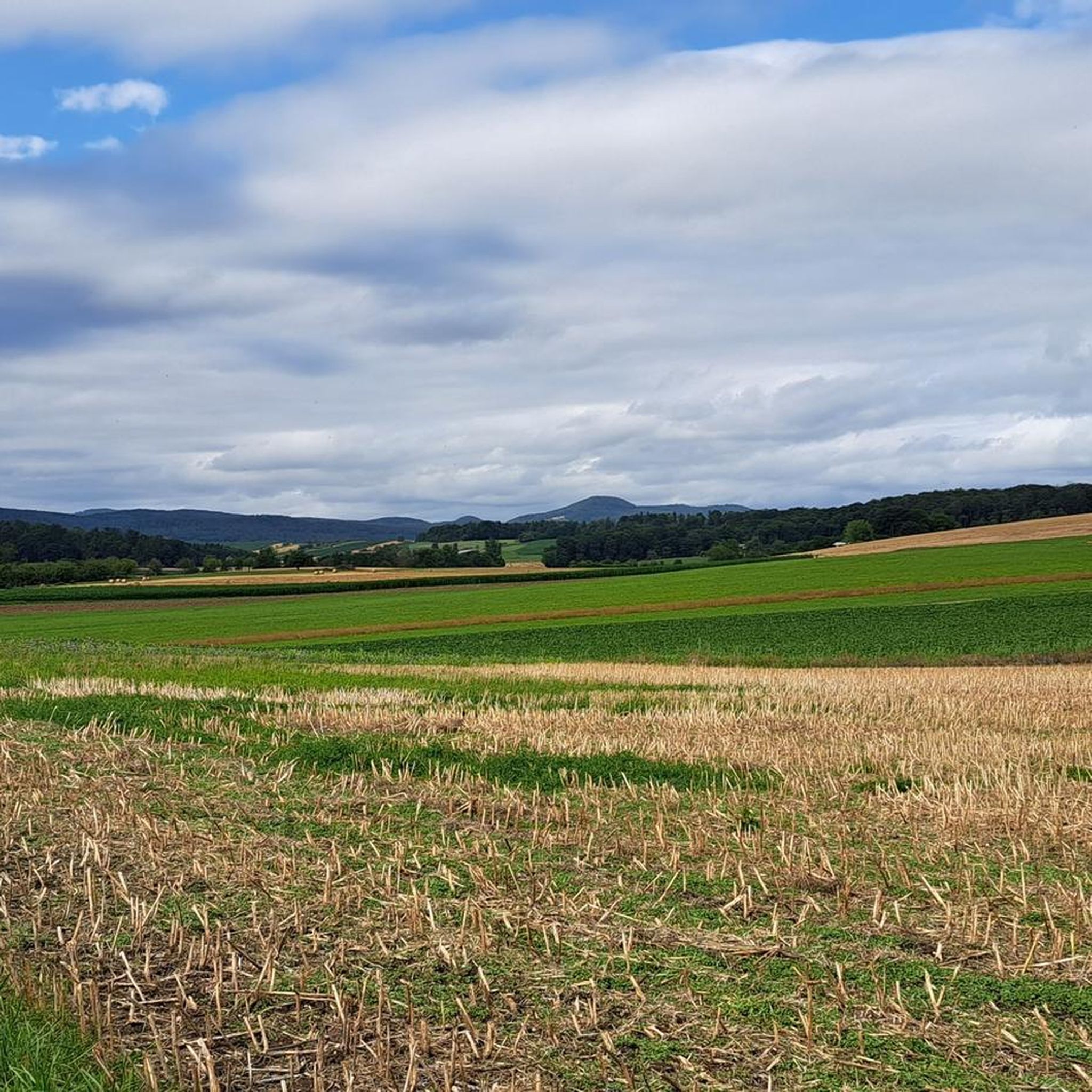
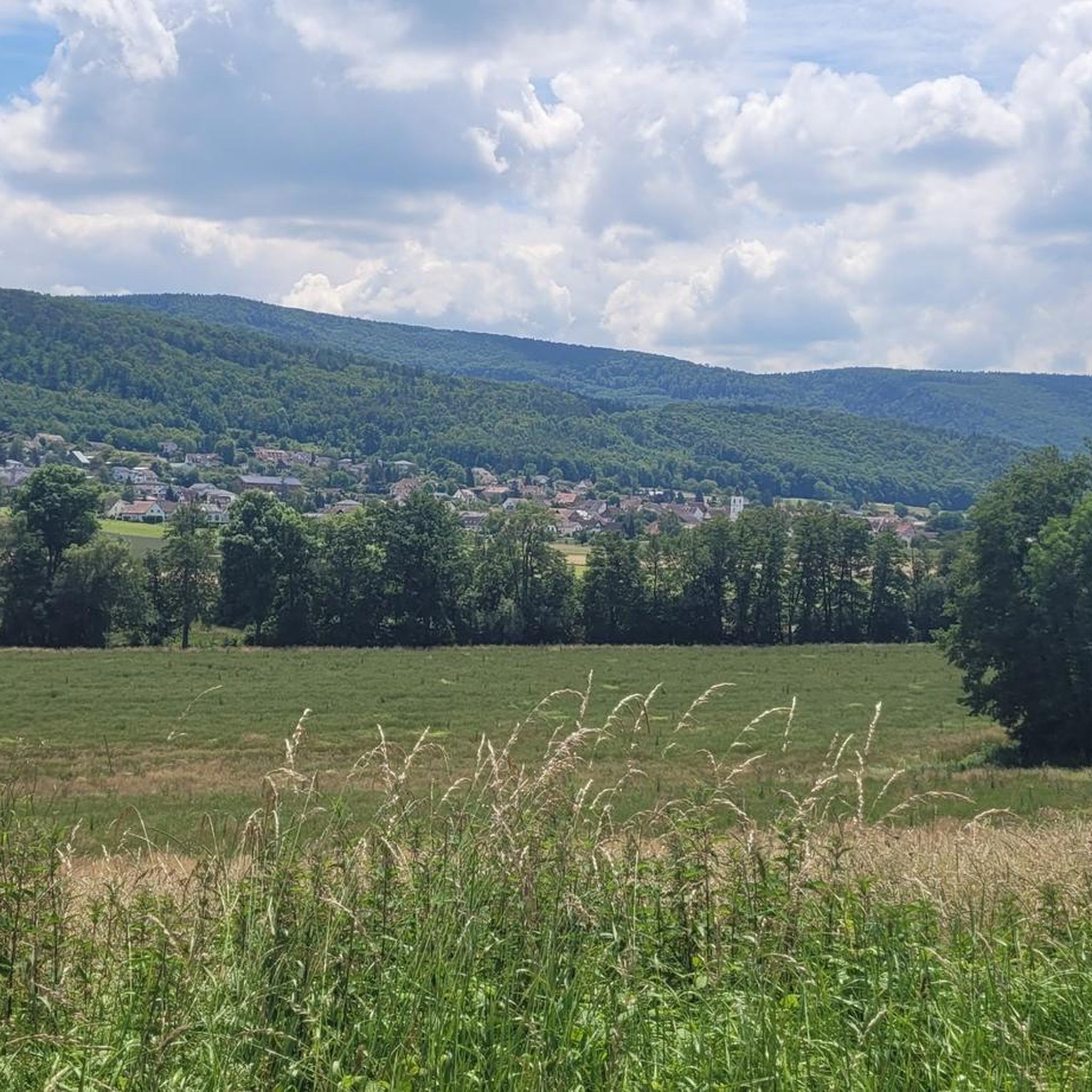
Touring cycling around Liebensweiler offers routes through the rolling hills and rural landscapes of the Sundgau region, bordering France and Switzerland. The area is characterized by a mix of agricultural land, small villages, and forested sections. Elevations vary, providing options from gentler paths along valleys to more challenging routes with notable ascents. The terrain is suitable for touring cyclists seeking varied experiences across a picturesque countryside.
Best touring cycling routes around Liebensweiler
- The most popular touring cycling route is Sundgau…
Last updated: July 10, 2026
4.5
(2)
8
riders
45.3km
03:01
530m
530m
Hard bike ride. Very good fitness required. Some segments of this route may be unpaved and difficult to ride.
4.0
(2)
19
riders
56.8km
03:31
460m
460m
Hard bike ride. Very good fitness required. Mostly paved surfaces. Suitable for all skill levels.

Sign up for free
18
riders
29.2km
01:52
190m
190m
Moderate bike ride. Good fitness required. Mostly paved surfaces. Suitable for all skill levels.
17
riders
Moderate bike ride. Good fitness required. Mostly paved surfaces. Suitable for all skill levels.
16
riders
Moderate bike ride. Good fitness required. Mostly paved surfaces. Suitable for all skill levels.
Get access to more routes and recommendations from other explorers.
Sign up for free
Already have an account?
Our route recommendations are based on thousands of hikes, rides, and runs completed by other people on komoot.
Start today with a free account
Your next adventure awaits.
Login or Signup
Tips from the Community

Quiet path between gardens, bushes and trees.
8
0
A new relatively short stretch of cycle path from Flüh to Leymen. It runs along the tram line. Together with the cycle path from Biel-Benken to Flüh there is a slightly higher alternative, but without traffic instead of the main road down by the riding school. And the view is more beautiful here anyway...
7
1
Schloss Binningen is a former moated castle from the 13th century, located on the southern edge of Binningen near Basel. The castle was destroyed several times by earthquakes, fire and war, and largely acquired its present form in the 17th and 18th centuries. In 1772, the moat was filled in and the building was adapted into a representative country house. Since 1960, it has been owned by the municipality and today houses a restaurant and hotel. The inner courtyard and the surrounding park make it an attractive stop on a tour of the region.
9
0
This well-preserved moated castle, one of the few remaining moated castles in Switzerland, dates back to the 13th century and was converted into an elegant Baroque country house in the 18th century with Rococo details, including stucco work in the Steinsaal. The castle is set in park-like surroundings, is completely surrounded by a moat and has a square plan with corner towers.
6
0
This former mother church of Oltingue and three disappeared villages dates from the 13th and 14th centuries. The location is idyllic: surrounded by fields, an old cemetery and often with storks on the roof in the spring. Inside you will discover surprisingly well (?) preserved wall paintings, including a rare representation of the sacrifice of Melchisedech and a Last Supper from 1741. In the choir you will also find a wall tabernacle and a niche for liturgical objects, silent witnesses of medieval rituals. The Gothic arched windows and the neo-Gothic vault are reminders of later restorations, while archaeological excavations in 1989 revealed traces of older sanctuaries and tombs from the early Middle Ages. simple but full of character.
11
0
Raedersdorf is located in the southernmost part of Alsace, in the hilly landscape of the Sundgau, close to the Swiss border. The village is surrounded by forests, springs and hiking trails leading to heritage sites such as the Église Saint-Étienne with its baroque interior and Callinet organ, and the Mariabrunn chapel in the forest. Its location between French-speaking and German-speaking Switzerland makes Raedersdorf a place where cultures come together.
8
0
The church of Raedersdorf was built in its present form between 1807 and 1811, on the foundations of an older church, the tower of which has been partly preserved. The interior was richly decorated in 1811 by sculptor Joseph Antoine Feuerstein, with a harmonious baroque ensemble. The organ was also built in the same year by Jean Frantz. The church was finally consecrated in 1851. It is located in the centre of the village, close to the town hall, and is a silent witness to religious art and village history in the south of Alsace.
10
0

Frequently Asked Questions
How many touring cycling routes are available around Liebensweiler?
There are over 200 touring cycling routes in the Liebensweiler area, offering a wide variety of experiences through the Sundgau region. These routes cater to different skill levels, from easy paths to more challenging ascents.
What is the best time of year for touring cycling in Liebensweiler?
The most popular months for touring cycling in the broader region are June and August, when the weather is generally favorable. However, spring and autumn also offer pleasant conditions with milder temperatures and beautiful scenery, especially through the rural landscapes and forested sections.
Are there easy touring cycling routes suitable for beginners or families?
Yes, Liebensweiler offers 39 easy touring cycling routes. These paths are generally flatter and shorter, making them ideal for beginners or families cycling with children. Look for routes with lower elevation gains for a more relaxed experience.
Are there any circular touring cycling routes around Liebensweiler?
Many of the touring cycling routes in Liebensweiler are designed as loops, allowing you to start and finish at the same point. This is convenient for those who prefer not to arrange transport back to their starting location. For example, the Allschwil Village Square – Binningen Castle loop from Leymen is a moderate circular route through charming villages.
What kind of terrain can I expect on the touring cycling routes?
The terrain around Liebensweiler is characterized by rolling hills, rural landscapes, and forested sections within the Sundgau region. You'll find a mix of agricultural land and small villages. While some routes offer gentler paths along valleys, others feature notable ascents, providing varied experiences for touring cyclists.
What are some notable natural attractions I can see while cycling?
While cycling around Liebensweiler, you can explore several natural monuments and features. Consider visiting the Allschwiler Wald for a forested experience, or discover unique geological formations like the Dwarves' Grotto or Schalberg Cave. The region also features impressive trees such as the Le Gros Chêne de Sondersdorf.
Are there historical landmarks or castles to visit along the routes?
Yes, the area around Liebensweiler is rich in history and features several castles and ruins. You might encounter the impressive Landskron Castle, the historic Ferrette Castle, or the ruins of Schalberg Castle. These offer interesting stops and scenic viewpoints during your ride.
Can I find places to eat or stay along the cycling routes?
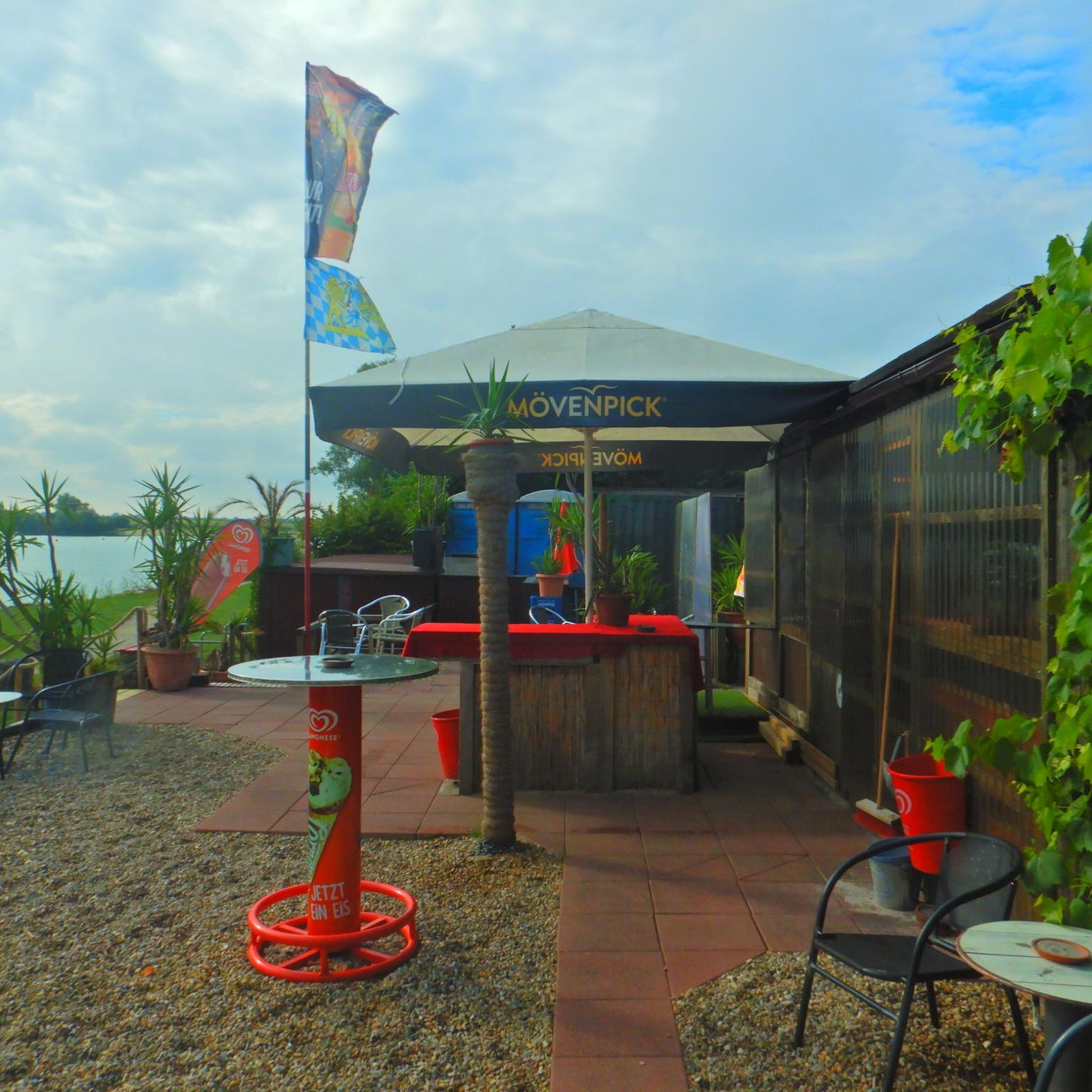
The touring cycling routes often pass through charming small villages. Many of these villages provide opportunities to stop for refreshments at local cafes or pubs, and some may offer accommodation options, making them convenient for longer tours.
Is it possible to bring my dog on the touring cycling routes?
While specific regulations for dogs on cycling paths can vary, generally, dogs are welcome on many outdoor trails in the region, provided they are kept on a leash and you clean up after them. It's always advisable to check local signage or specific route descriptions for any restrictions.
What do other touring cyclists say about the routes in Liebensweiler?
The touring cycling routes around Liebensweiler are highly rated by the komoot community, with an average score of 4.6 stars from over 350 reviews. Cyclists often praise the varied terrain, the picturesque countryside of the Sundgau region, and the charming villages encountered along the way.
How can I find parking near the trailheads?
Many villages and popular starting points for cycling routes in the Sundgau region offer public parking facilities. It's recommended to check the specific route details on komoot, as users often share information about convenient parking spots near the trailheads.
Are there any particularly challenging routes for experienced touring cyclists?
Yes, for experienced touring cyclists seeking a challenge, there are 57 difficult routes around Liebensweiler. These routes feature significant elevation gains and longer distances. An example is the Sundgau Bike Tour, a 45.3 km trail with over 500 meters of ascent, exploring the characteristic rolling terrain of the region.
Can I access the cycling routes using public transport?
Public transport options, such as regional buses or trains, may provide access to some of the villages and towns near the cycling routes. However, the extent of public transport integration with specific trailheads can vary. It's best to research local transport schedules and routes in advance if you plan to use public transport to reach your starting point.
Most popular routes around Liebensweiler
Most popular attractions around Liebensweiler

Get inspired with the komoot mobile app


Explore more
Browse the best Cycling routes in other regions.
