Top 18 Castles around Hausen
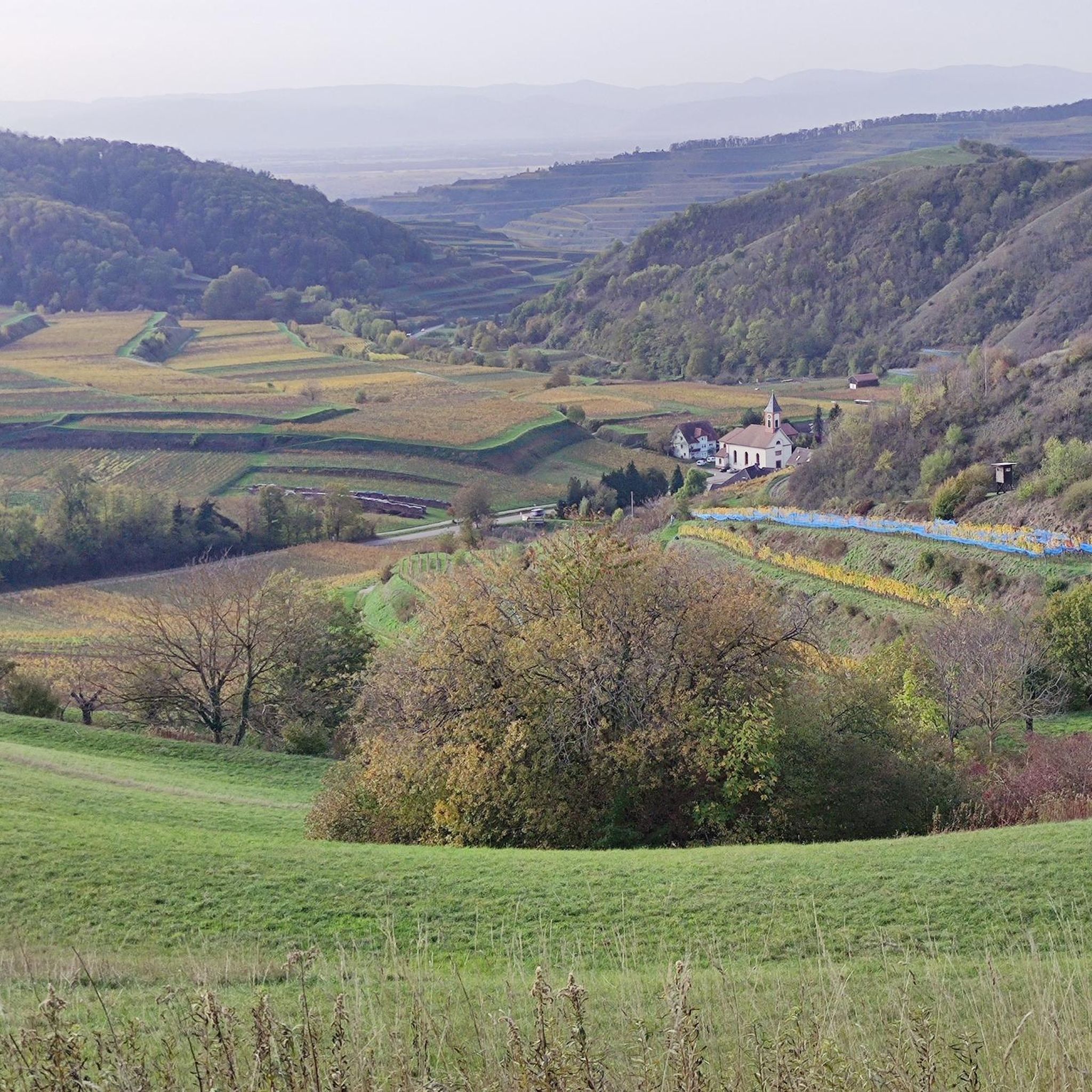
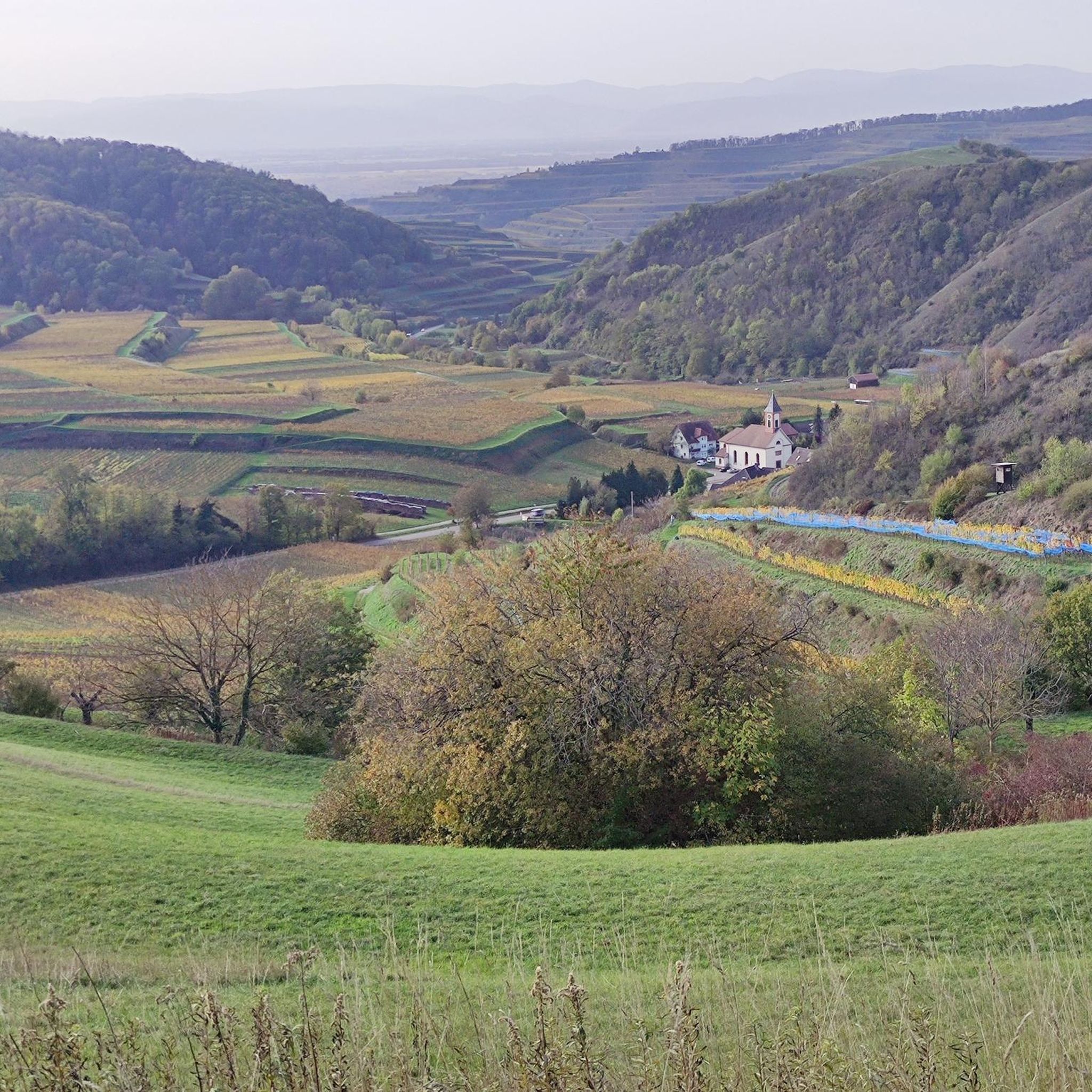
Best castles around Hausen offers a selection of 18 historical sites, primarily located in the Alsace region of France. This area is characterized by its vineyards, medieval towns, and strategic mountainous terrain, which historically necessitated numerous fortifications. The castles often sit on rocky outcrops, providing views of the surrounding valleys and plains. Visitors can explore a range of castle types, from well-preserved structures to ancient ruins.
Best castles around Hausen
- The most popular castles is Saint-Ulrich Castle, a castle…
Last updated: July 6, 2026
Saint-Ulrich Castle
Highlight • Castle
Translated by Google •
Tip by

Girsberg Castle
Highlight • Castle
Translated by Google •
Tip by

Sign up now to discover places like this
Get recommendations on the best single tracks, peaks, & plenty of other exciting outdoor places.
Sign up for free
Haut-Ribeaupierre Castle
Highlight • Castle
Translated by Google •
Tip by
Kaysersberg
Highlight • Settlement
The fortified Weissbrücke was built in 1514 from red …
Translated by Google •
Tip by

Kaysersberg Castle
Highlight • Castle
Tip by

Sign up for free to discover even more castles around Hausen.
Sign up for free
Already have an account?
Start today with a free account
Your next adventure awaits.
Login or Signup
Tips from the Community

The large wall at the rear of the ruins has been reinforced. The keep is also now dilapidated. To prevent anyone from climbing the tower, the lower staircase has been removed.
7
1
Saunt Ulric Castle is the largest of the three ruins. It is currently undergoing partial renovation. A small section is cordoned off, and caution is advised in other areas. However, the keep is accessible.
6
0

The castle of Haut-Ribeaupierre (Hohrappoltstein) was probably built during the turmoil of the Interregnum around the mid-13th century. It served as an outpost at a time when the King of France was planning to invade Alsace. Later, it served as an observation tower for early warning of forest fires. The entire castle complex is dominated by an imposing circular keep, which offers a magnificent view of the Alsatian plain and the surrounding mountain ridges.
6
1
As a former Free Imperial City, Kaysersberg boasts its imperial castle. Built around 1200 to block the roads coming from Lorraine, it was a strategically important location in the war between the Holy Roman Empire and the Dukes of Lorraine. A massive cylindrical keep, one of the oldest round keeps in Alsace, with walls over 4 meters thick, is a sight to behold in itself. Within these walls and under the keep's protection, you can also admire the lord's residence with its pointed-arch windows! But above all, don't miss the magnificent view: Climb the 122 steps to the top of the keep and enjoy a breathtaking panorama of Kaysersberg, the valley entrance on the mountainside, the vineyards, and, on a clear day, even the Black Forest in Germany. From the old town, two staircases and a path through the vineyards lead to the castle ruins.
8
0

Ulrichsburg is the most impressive and best-preserved of the three castles. It was built on the rocky promontory around the mid-13th century. Until the 15th century, it was the residence of the Rappoltstein family and therefore has little military significance. Remains still visible today include: - the square keep and the main building (12th century), - the knights' hall and the large residential tower (13th century), - the barbican in front of the entrance and the outer wall (14th century), - the Chapel of Saint Ulrich (15th century). Girsberg Castle, built around 1250 opposite Ulrichsburg, was intended to strengthen its defenses.
6
0

The view from the tower is excellent. The climb up the tower is in complete darkness in some places. At least the steps are even and there is a railing.
3
0

Among the four ruins that dominate Ribeauvillé, Saint Ulrich seems undoubtedly one of the most fascinating castle complexes in the Haute- Alsace. It used to control the strategic road that connected the Alsace plain with the upper Lièpvre valley. Witness to the power of the lords of Ribeaupierre, it was their main residence until its final abandonment in the 16th century. It has different architectural styles: Romanesque parts are combined with Gothic and even Renaissance elements. Not far away, Girsberg Castle was built in the 13th century to house a new branch of the Ribeaupierre family: the house is still clearly visible there. Haut-Ribeaupierre was certainly built during the troubled period of the Great Interregnum, around the middle of the 13th century. on the site of a first castle, probably from the 10th century: it will serve as an advance post during the planned invasion of Alsace by the King of France, and then as a watchtower intended to prevent forest fires. The entire building is dominated by an imposing circular keep that offers beautiful views of the Alsace plain and the adjacent mountain ridges. A fourth castle was recently discovered under Saint Ulrich. Source: https://www.chateauxfortsalsace.com/fr/chateau/le-chateau-du-girsberg/
5
0

The Alsatian town of Kaysersberg, with the castle of the same name, is a historic specialist workshop that invites you to take a leisurely walk. There are numerous beautiful photo opportunities here, and there are also cozy places to stop for refreshments.
5
0
Frequently Asked Questions
Which 'Hausen' does this guide refer to?
This guide focuses on castles located around Hausen in the Alsace region of France, particularly near the towns of Ribeauvillé and Eguisheim. This area is known for its vineyards, medieval towns, and numerous historical fortifications.
What are some of the most impressive castles to explore around Hausen?
Among the most popular are Saint-Ulrich Castle, which is the largest and best-preserved of the three castles of Ribeauvillé, and Haut-Ribeaupierre Castle, an imposing fortified ruin with extensive remains. Girsberg Castle is another picturesque ruin offering great views.
Are there family-friendly castles or historical sites in the area?
Yes, the town of Kaysersberg is highly recommended for families, with its charming half-timbered houses and castle ruins above the city. The Saint Leo IX Chapel in Eguisheim is also listed as family-friendly and offers historical insights.
What kind of views can I expect from these castles?
Many castles, especially those perched on rocky outcrops like Saint-Ulrich Castle and Haut-Ribeaupierre Castle, offer breathtaking panoramic views of the surrounding vineyards, the Rhine plain, and even the Black Forest on clear days.
What outdoor activities can I do near these castles?
The region around Hausen offers a variety of outdoor activities. You can find numerous hiking trails, including easy loops like 'Little Venice, Colmar – Poissonnerie district' or more moderate ones like 'Riquewihr – Superb homes'. There are also MTB trails and gravel biking routes through the vineyards and forests.
Are there easy walking routes to reach the castles?
While many castles are on hills, the paths leading to them vary in difficulty. For example, Saint-Ulrich Castle is part of a popular destination, and while it involves some ascent, it's generally accessible. The town of Kaysersberg offers charming walks within the historic center and up to its castle ruins.
What do visitors enjoy most about the castles around Hausen?
Visitors frequently praise the well-preserved nature of some ruins, the extensive areas available for exploration, and the stunning views. The romantic charm of medieval architecture and the historical context provided by the ruins are also highly appreciated.
Can I visit the interior of the castles?
The accessibility varies by castle. For instance, the keep at Saint-Ulrich Castle is accessible, allowing for extensive exploration. Other ruins, like Haut-Ribeaupierre Castle, may have impressive remains of walls and gates, but their towers might no longer be climbable.
Are there any historical settlements with castle elements nearby?
Yes, the area is rich in historical settlements. Kaysersberg is a prime example, with its medieval center, half-timbered houses, and castle ruins overlooking the town. The fortified Weissbrücke bridge in Kaysersberg, built in 1514, also adds to its historical charm.
What is the best season to visit the castles around Hausen?
While the guide doesn't specify a 'best' season, the Alsace region is beautiful year-round. Spring and autumn offer pleasant temperatures for hiking and exploring, with vineyards in bloom or displaying vibrant fall colors. Visiting during the week might offer a less crowded experience, as some popular sites can get busy on weekends.
Are there cafes or pubs near the castles?
The castles are often located near or above charming towns like Ribeauvillé and Kaysersberg, which are well-equipped with cafes, restaurants, and local pubs where you can enjoy Alsatian cuisine and wines after your exploration.
Most popular attractions around Hausen

Get inspired with the komoot mobile app


Explore more
Looking for the best castles somewhere else? Discover other guides around Hausen:
