Attractions and Places To See around Urbach Bei Kaysersberg - Top 20
Attractions and places to see around Urbach Bei Kaysersberg are situated in the Kaysersberg Valley in Alsace, France, nestled between the Alsace Wine Route and the Vosges Massif. The region features historical landmarks, natural landscapes, and cultural sites. It offers a variety of experiences for those interested in history, nature, and local culture.
Best attractions and places to see around Urbach Bei Kaysersberg
- The most popular attractions is Saint-Ulrich Castle, a castle that is the largest and best preserved…
Last updated: May 9, 2026
Saint-Ulrich Castle
Highlight • Castle
Translated by Google •
Tip by

Riquewihr
Highlight • Settlement
Translated by Google •
Tip by

Sign up now to discover places like this
Get recommendations on the best single tracks, peaks, & plenty of other exciting outdoor places.
Sign up for free
Ribeauvillé
Highlight • Settlement
Translated by Google •
Tip by

Girsberg Castle
Highlight • Castle
Translated by Google •
Tip by

Lac Blanc
Highlight • Lake
Translated by Google •
Tip by

Sign up for free to discover even more attractions around Urbach Bei Kaysersberg.
Sign up for free
Already have an account?
Start today with a free account
Your next adventure awaits.
Login or Signup
Popular around Urbach Bei Kaysersberg
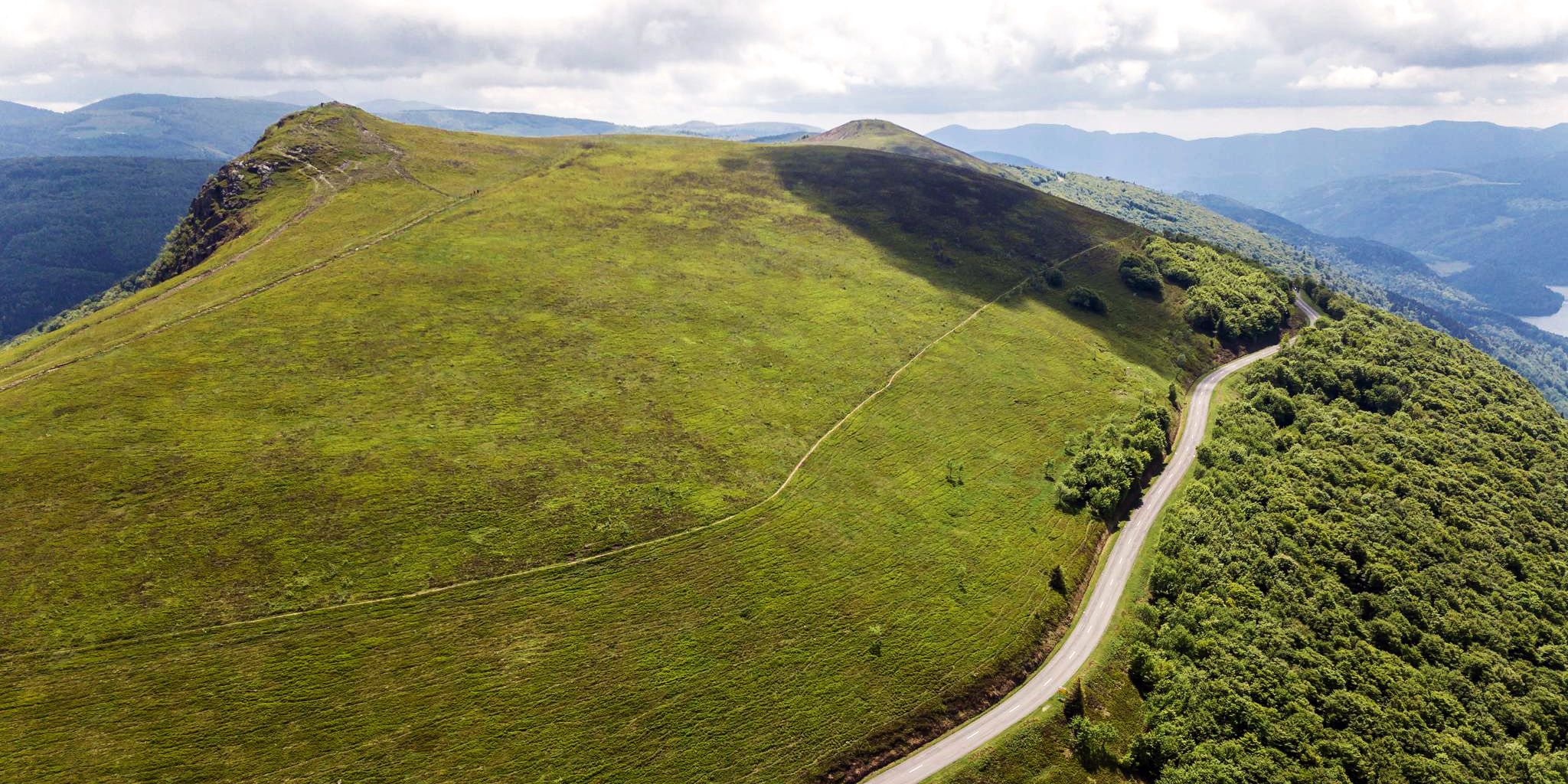
Beautiful passes In the Vosges Mountains
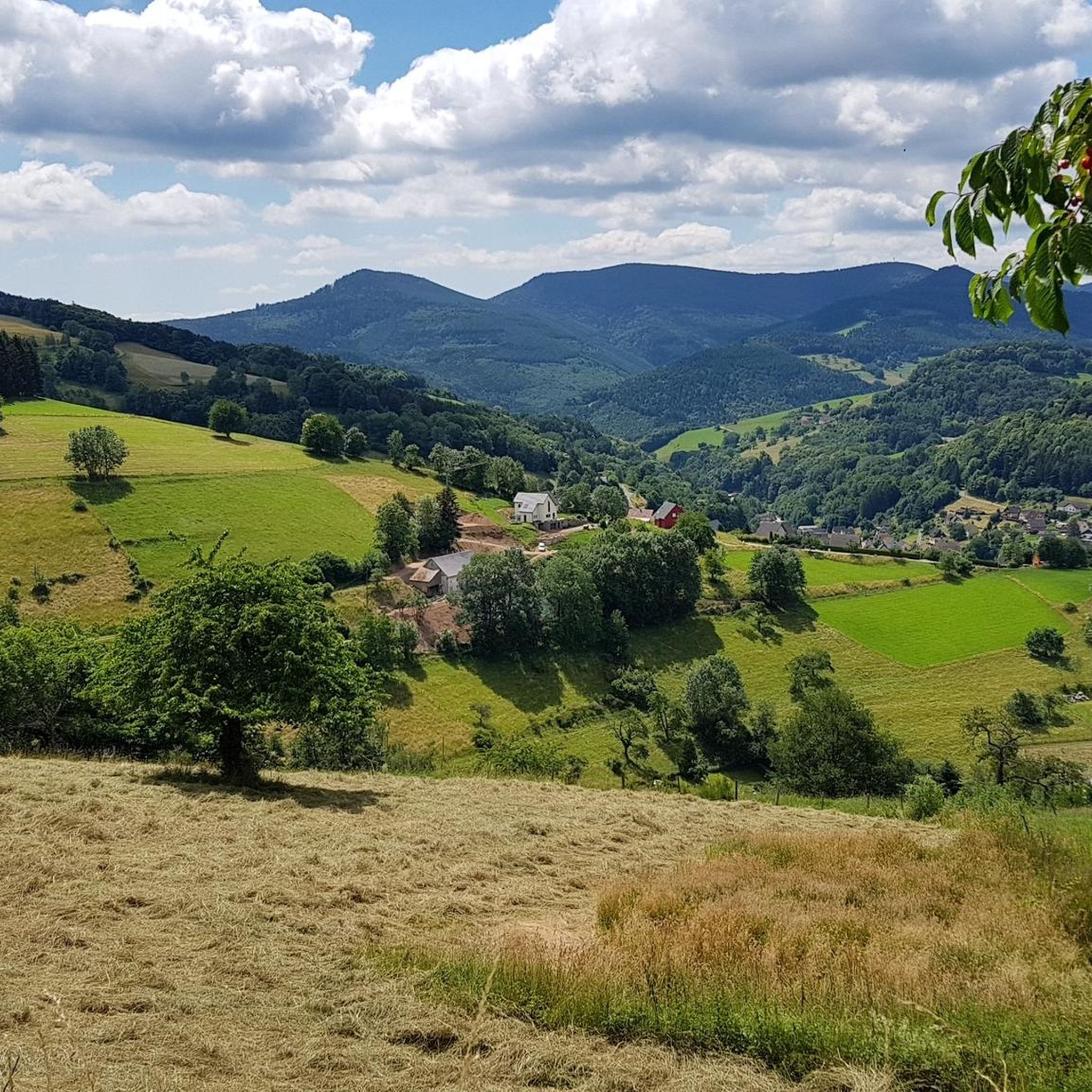
Cycling around Urbach Bei Kaysersberg
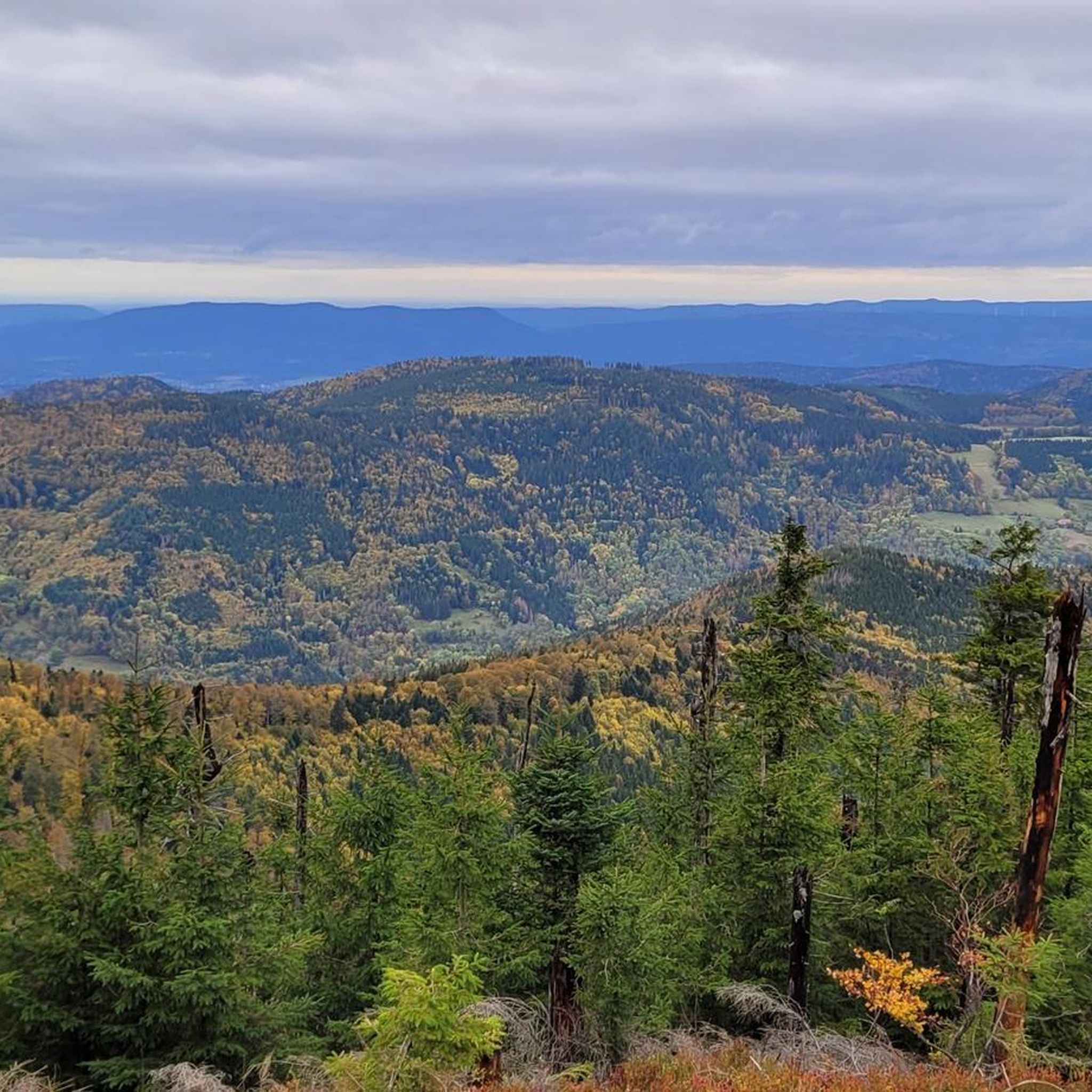
Hiking around Urbach Bei Kaysersberg
Road Cycling Routes around Urbach Bei Kaysersberg

Gravel biking around Urbach Bei Kaysersberg
Running Trails around Urbach Bei Kaysersberg
MTB Trails around Urbach Bei Kaysersberg

Mountain Hikes around Urbach Bei Kaysersberg
Other adventures around Urbach Bei Kaysersberg

Tips from the Community

Saunt Ulric Castle is the largest of the three ruins. It is currently undergoing partial renovation. A small section is cordoned off, and caution is advised in other areas. However, the keep is accessible.
6
0
A charming Alsatian village with approximately 4,700 inhabitants. The old town is well worth seeing with its colorful houses. Ribeauvillé is also very popular because of the hike to its three castle ruins that overlook the town.
9
0

Ulrichsburg is the most impressive and best-preserved of the three castles. It was built on the rocky promontory around the mid-13th century. Until the 15th century, it was the residence of the Rappoltstein family and therefore has little military significance. Remains still visible today include: - the square keep and the main building (12th century), - the knights' hall and the large residential tower (13th century), - the barbican in front of the entrance and the outer wall (14th century), - the Chapel of Saint Ulrich (15th century). Girsberg Castle, built around 1250 opposite Ulrichsburg, was intended to strengthen its defenses.
6
0

Among the four ruins that dominate Ribeauvillé, Saint Ulrich seems undoubtedly one of the most fascinating castle complexes in the Haute- Alsace. It used to control the strategic road that connected the Alsace plain with the upper Lièpvre valley. Witness to the power of the lords of Ribeaupierre, it was their main residence until its final abandonment in the 16th century. It has different architectural styles: Romanesque parts are combined with Gothic and even Renaissance elements. Not far away, Girsberg Castle was built in the 13th century to house a new branch of the Ribeaupierre family: the house is still clearly visible there. Haut-Ribeaupierre was certainly built during the troubled period of the Great Interregnum, around the middle of the 13th century. on the site of a first castle, probably from the 10th century: it will serve as an advance post during the planned invasion of Alsace by the King of France, and then as a watchtower intended to prevent forest fires. The entire building is dominated by an imposing circular keep that offers beautiful views of the Alsace plain and the adjacent mountain ridges. A fourth castle was recently discovered under Saint Ulrich. Source: https://www.chateauxfortsalsace.com/fr/chateau/le-chateau-du-girsberg/
5
0

Beautiful castle ruins, the view of the vineyards and the Rhine plain is gigantic. The climb is very varied, but not without its challenges! There are a few short rocky passages that can be slippery, especially when wet, and may need to be managed with the help of your hands. Good footwear is definitely recommended.
8
1

Beautiful castle ruins that are well worth the walk up. Also many views over the valley with vineyards and Ribeauvillé and the forests on the other side. Don't forget to look over the wall for a beautiful overview of the castle.
5
0

The Château du Girsberg is a picturesque castle ruin located near Ribeauvillé in Alsace, France. The castle was built in the 13th century and sits majestically on a hill that offers breathtaking views of the surrounding Alsace. The Château du Girsberg consists of remnants of the defensive walls, towers and residential buildings. It is an impressive example of medieval architecture and exudes a romantic charm. The castle ruins are surrounded by lush nature and offer visitors an unforgettable panorama of the surrounding vineyards and valleys. The castle was once owned by the noble Ribeaupierre family, who played a significant role in Alsace during the Middle Ages. Over time, the Château du Girsberg was destroyed and rebuilt several times before it was finally abandoned in the 17th century.
12
0
The Château de Saint-Ulrich is an impressive ruined castle located near Ribeauvillé in Alsace, France. The castle was built in the 11th century and sits on a rock high above the surrounding countryside. The Château de Saint-Ulrich consists of various ruins and remains, including parts of the defensive walls, towers and residential buildings. It is a remarkable example of medieval architecture and offers magnificent panoramic views of the vineyards and Alsace. The castle played a significant role in the history of the region and was owned by the Lords of Ribeaupierre, a noble family that played an important role in Alsace. Over the centuries, the Château de Saint-Ulrich was destroyed and rebuilt several times until it was finally abandoned in the 17th century.
8
1
Frequently Asked Questions
What historical castles can I visit near Urbach Bei Kaysersberg?
Beyond the prominent Saint-Ulrich Castle, you can explore the ruins of Girsberg Castle near Ribeauvillé, which offers breathtaking views of the surrounding Alsace. Other historical castles in the valley include Château du Wineck in Katzenthal and Château Schwendi in Kientzheim, which houses a wine museum.
Are there any notable museums in the Kaysersberg Valley?
Yes, the region offers several insightful museums. You can visit the Albert Schweitzer Museum in Kaysersberg, dedicated to the Nobel Peace Prize laureate. The Musée du Vignoble et des Vins d'Alsace in Kientzheim explores the history of winemaking, while the Welche Country Museum in Fréland showcases local traditions and culture. There's also a Woodworking Museum in Labaroche.
What charming villages are worth exploring along the Alsace Wine Route?
The Kaysersberg Valley is part of the famous Alsace Wine Route. Besides the well-preserved medieval village of Riquewihr and the picturesque Ribeauvillé, you can discover Kientzheim, Sigolsheim, Ammerschwihr, and Katzenthal, all featuring traditional half-timbered houses. Higher in the 'Welche' region, mountain villages like Orbey and Lapoutroie offer tranquil landscapes.
Can I learn about the region's military history?
Yes, the area holds significant historical importance from both World War I and II. You can visit the Linge Memorial Museum in Orbey, located on a former WWI battlefield. The National Necropolis of Sigolsheim commemorates fierce fighting during WWII, and Tête des Faux is another WWI battlefield recognized as a listed monument. Several military cemeteries, some UNESCO World Heritage Sites, are also in the valley.
What natural landmarks offer great views around Urbach Bei Kaysersberg?
The region is surrounded by the Vosges Massif, offering numerous viewpoints. Peaks like Tétras Rock – Königsstuhl Rock (938 m), the Galtz (732m), and the Grand Brézouard (1229m) provide panoramic vistas. The Galtz is notable for its large statue of Christ. Lac Blanc is a beautiful mountain lake surrounded by mountains, also offering scenic views.
Are there opportunities for hiking in the area?
Absolutely! The Vosges Massif provides ample hiking opportunities for various fitness levels. Popular routes include the Valley view loop from Fréland and the Col de Chamont loop. You can find more detailed information and routes in the Hiking around Urbach Bei Kaysersberg guide.
What kind of outdoor activities are available besides hiking?
Beyond hiking, the region is excellent for cycling, with over 2,500 km of cycle routes along the Alsace Wine Route. Mountain biking is also popular in the Vosges Massif. In winter, the Lac Blanc Resort offers skiing, snowshoeing, and tobogganing. You can explore running trails in the Running Trails around Urbach Bei Kaysersberg guide and road cycling routes in the Road Cycling Routes around Urbach Bei Kaysersberg guide.
Are there any easy hiking trails suitable for beginners?
Yes, there are several easy trails. For example, the Valley view loop from Fréland is an easy 5.9 km hike. The region offers many accessible paths through vineyards and forests, perfect for a leisurely walk. Look for routes marked as 'easy' in the hiking guides for the area.
Where can I find unique natural features like springs or rock formations?
You can visit the Canadse Spring for fresh water. Another enchanting site is Rain des Chênes, featuring two enormous tabular rocks believed to have been a place of worship. These natural wonders offer a glimpse into the region's geological and historical past.
Are there family-friendly attractions around Urbach Bei Kaysersberg?
Many attractions in the region are suitable for families. Exploring the medieval villages like Riquewihr and Ribeauvillé with their charming streets and half-timbered houses is a delightful experience for all ages. The Lac Blanc area also offers family-friendly activities, especially during summer and winter seasons.
What is the best time of year to visit Urbach Bei Kaysersberg?
The Kaysersberg Valley is beautiful year-round. Spring and autumn are ideal for hiking and exploring the vineyards, with pleasant temperatures and vibrant colors. Summer offers warm weather for outdoor activities, while winter transforms the region into a festive wonderland, especially with Christmas markets and winter sports at Lac Blanc.
Are there any winter activities available?
Yes, during winter, the Lac Blanc Resort becomes a hub for winter sports. You can enjoy skiing, snowshoeing, and tobogganing. The charming villages also host traditional Christmas markets, adding a magical touch to the winter season.
What do visitors particularly enjoy about the attractions in this region?
Visitors frequently praise the well-preserved medieval charm of the villages and castles, the breathtaking panoramic views from historical sites like Saint-Ulrich Castle, and the diverse opportunities for outdoor activities in the Vosges Massif. The colorful half-timbered houses and the rich Alsatian culture, especially along the Wine Route, are also highly appreciated.
Most popular routes around Urbach Bei Kaysersberg
Most popular attractions around Urbach Bei Kaysersberg

Get inspired with the komoot mobile app


Explore more
Still not found the Highlight you’re looking for? See guides of the top attractions in other regions:
