Top 19 Mountain Passes around Crolles
Best mountain passes near Crolles serve as a gateway to the Chartreuse Massif, a region known for its diverse mountain terrain. The area features numerous passes that connect different valleys and offer access to higher elevations. These passes are characterized by their varying gradients and provide views of the surrounding peaks and valleys. The region's geography supports both road cycling and hiking routes across its mountainous landscape.
Best mountain passes around Crolles
- The most popular mountain passes is Col de…
Last updated: October 13, 2026
Col de Porte (1326 m)
Highlight • Mountain Pass
Translated by Google •
Tip by

Col du Cucheron
Highlight • Mountain Pass
Relatively short climb from Saint-Pierre-de-Chartreuse.
Translated by Google •
Tip by

Sign up now to discover places like this
Get recommendations on the best single tracks, peaks, & plenty of other exciting outdoor places.
Col du Coq
Highlight • Mountain Pass
The Col du Coq is the highest …
Translated by Google •
Tip by

Aulp du Seuil Pass
Highlight • Mountain Pass
Translated by Google •
Tip by

Vence Pass
Highlight • Mountain Pass
Translated by Google •
Tip by

Sign up for free to discover even more mountain passes around Crolles.
Already have an account?
Start today with a free account
Your next adventure awaits.
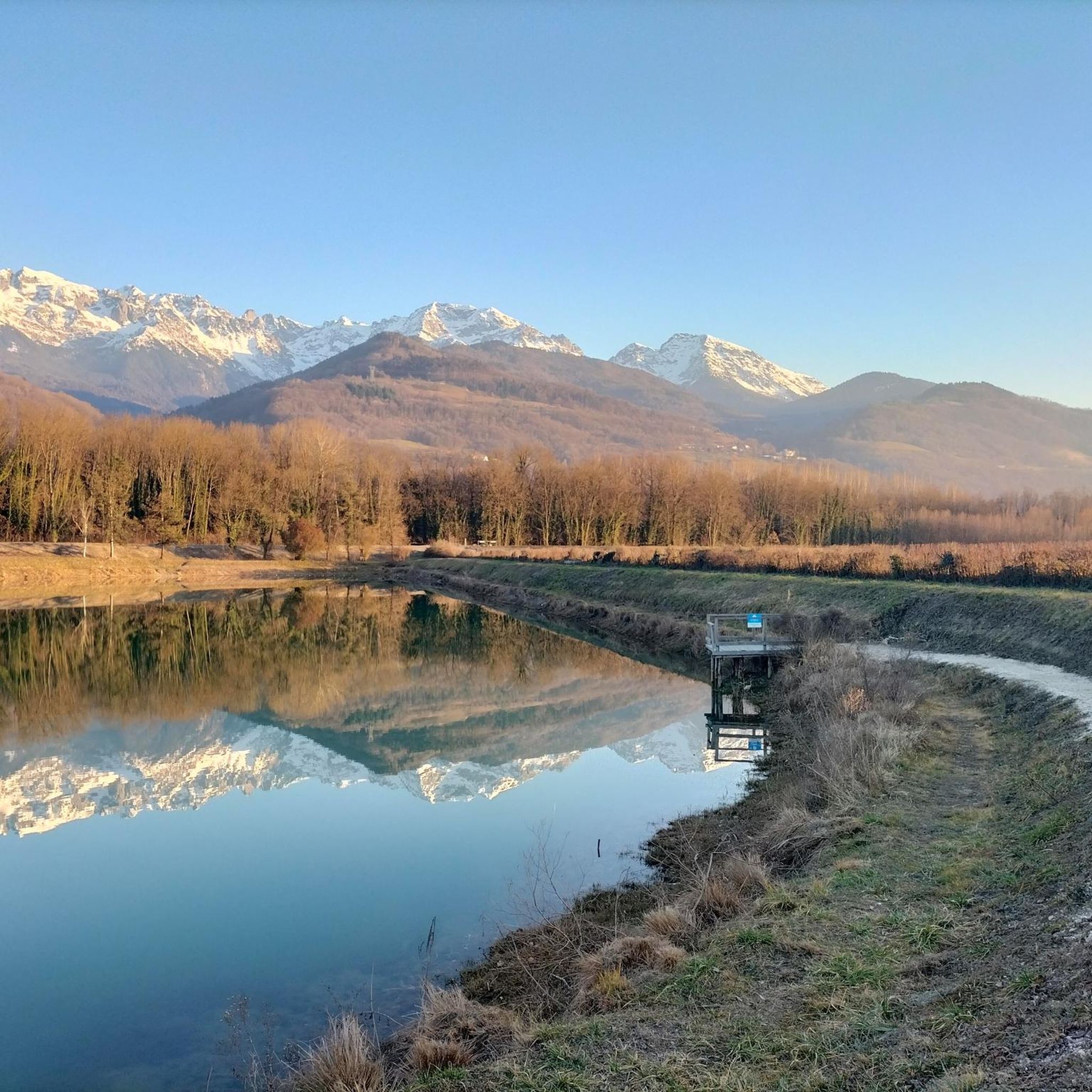
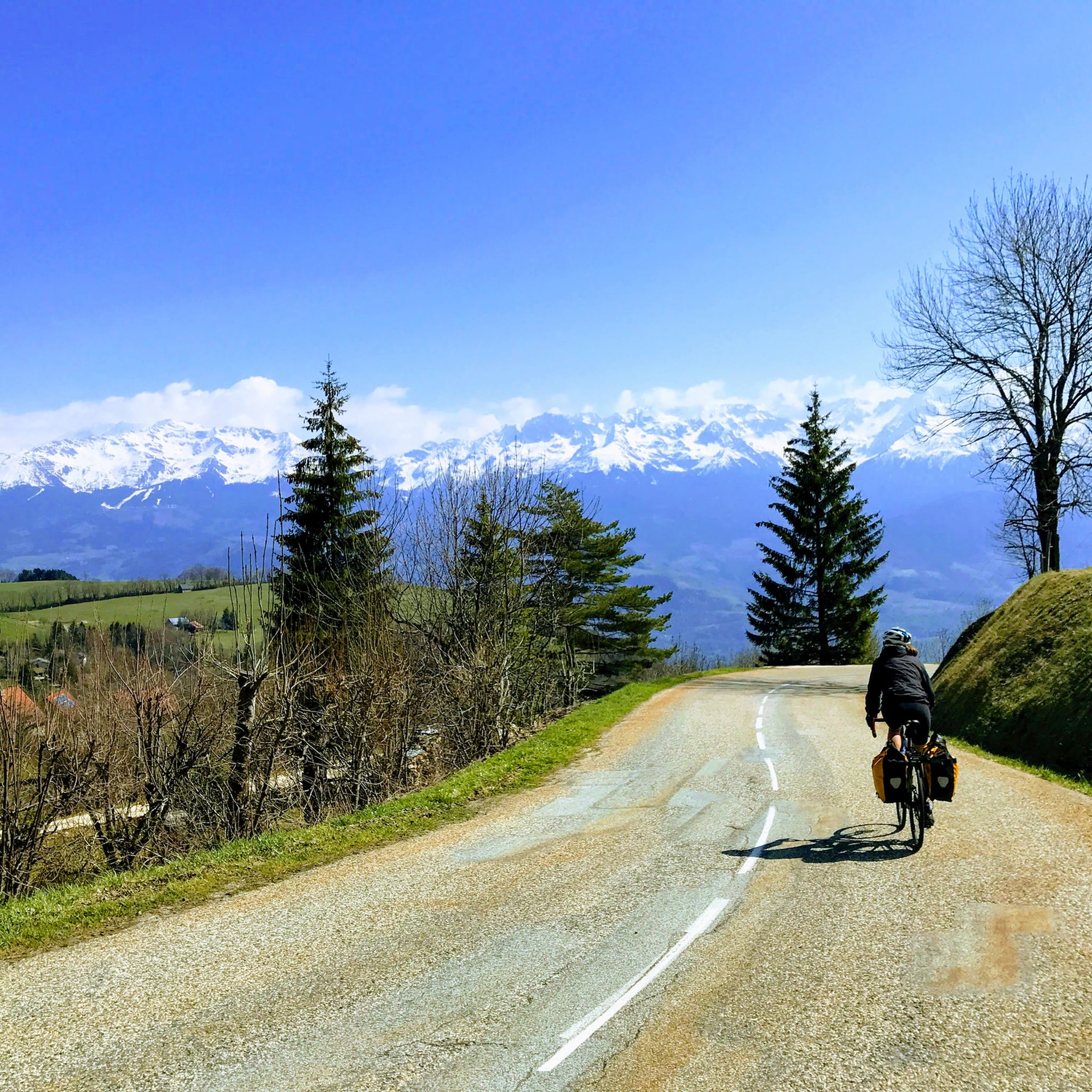
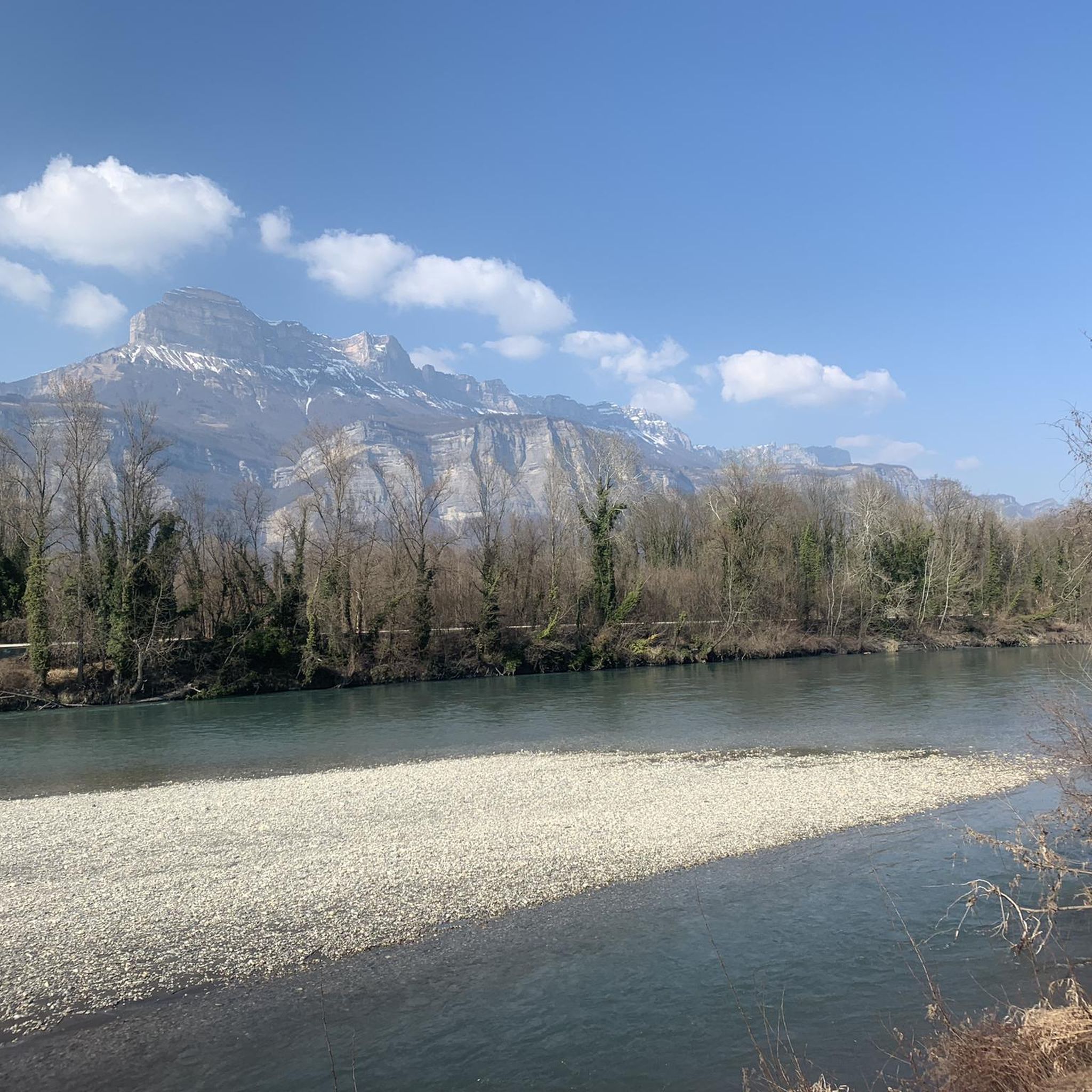

Tips from the Community

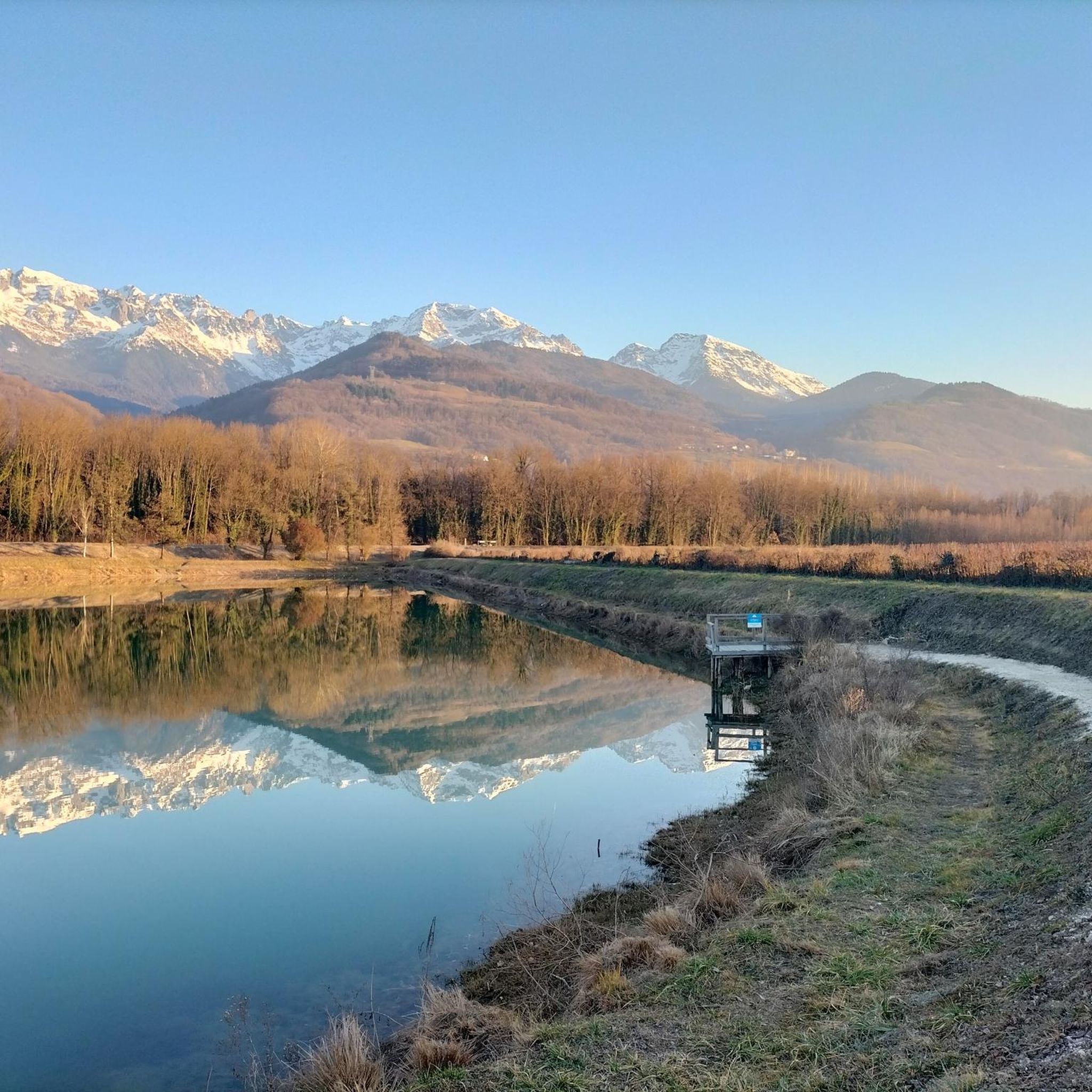
Small pass in the Chartreuse, beautiful views and relatively quiet road.
2
0

The cross of the Aulp du seuil is located at 1825m above the cirque and marks the entrance to the high plateaus.
0
0

From Saint Laurent du Pont, a demanding 14km climb, with many sections at over 10%. It is divided into three parts: 9km of irregular ascent (6 to 11.5% /100m) to the junction for the Chartreuse Monastery. Then 2km of flat terrain to the foot of St Pierre de Chartreuse and finally a very steep climb (several sections at +12% /100m) to the Col de Cucheron. A pass not to be underestimated! 25 degrees at St Laurent = 15 degrees at the top of the pass and its very shaded slopes. Dress accordingly.
2
0

Favor the climb via Sarcenas, almost no cars
3
0
small pass between Corenc and Sapey. The road is very good
0
0

Exceptional site at the foot of the Dent de Crolle with access via a wild forest road
2
0

Frequently Asked Questions
What are some of the most notable mountain passes near Crolles?
Crolles serves as a gateway to the Chartreuse Massif, which features several significant mountain passes. Among them are Col de Porte (1326 m), known for its challenging 15-kilometer ascent with an average slope of 7.2%, and Col du Cucheron, which offers magnificent views of the North Chartreuse. Another prominent pass is Col du Coq, the highest road pass in the Chartreuse, providing views of the Dent de Crolles.
What kind of views can I expect from the mountain passes in the Chartreuse Massif?
The mountain passes in the Chartreuse Massif offer breathtaking panoramic views. From Col du Coq, you can see the impressive Dent de Crolles and the distant Belledonne Massif. Col du Cucheron provides extensive views of the North Chartreuse valley. Higher passes like Col des Ayes and Pas de l'Oeille, integral to hiking routes, offer superb vistas over the Grésivaudan valley and, on clear days, even Mont Blanc.
Are there challenging mountain passes for experienced cyclists near Crolles?
Yes, the region is well-known for its challenging ascents. Col de Porte (1326 m) is a demanding climb with sections reaching 14.9% gradient. The Col du Coq is also very demanding, especially from the Saint-Pierre side, with some sections having steep gradients over 15% and varying road conditions.
What hiking opportunities are available around these mountain passes?
The mountain passes serve as excellent starting points for various hikes. Col du Coq is a popular access point for hikes leading to the Dent de Crolles and Pravouta. Col des Ayes, primarily a hiking pass, is a crucial access point for reaching the summit of Dent de Crolles via the GR9 trail. The Pas de l'Oeille is a challenging passage along routes to the Dent de Crolles summit, often involving steep sections with steel cables. For more hiking options, explore the Hiking around Crolles guide.
What is the best time to visit the mountain passes near Crolles?
The best time to visit for cycling and hiking is generally from late spring to early autumn when the passes are clear of snow and weather conditions are favorable. During winter, access to certain areas, such as beyond 1220 meters at Col du Coq, may be restricted to protect wildlife. Always check local conditions before planning a trip, especially for higher altitude passes.
Are there any protected natural areas near the mountain passes?
Yes, the region is rich in natural beauty and protected zones. The area around Col du Coq is recognized as a protected natural zone for its ecological, faunistic, and floristic interest, including as a nesting site for the Black Grouse. Col des Ayes lies on the edge of the Réserve Naturelle Nationale des Hauts de Chartreuse, offering a wild natural experience.
What should I know about road conditions on these passes?
Road conditions can vary. For instance, the road to Col du Coq from the north/west (St. Pierre) has been reported to be in poor condition in some sections, making it challenging for road bikes. The D30E road to Col du Coq can also have varying conditions. Always be prepared for potentially damaged sections, especially on less-trafficked routes.
Can I find road cycling routes that incorporate these passes?
Absolutely. The region is popular for road cycling. You can find routes like the "Col de Porte (1326 m) – Granier Pass loop from Saint-Hilaire-du-Touvet" or the "Gorges du Guiers Mort – Col de Porte (1326 m) loop from Brignoud." For more options, refer to the Road Cycling Routes around Crolles guide.
What makes the Pas de l'Oeille unique?
The Pas de l'Oeille is not a traditional pass but a significant and challenging passage at approximately 2,009 meters, often part of hiking routes to the Dent de Crolles summit. It's known for its steep sections, which may include equipped steel cables to aid passage, especially in its upper, looser reaches. It offers magnificent views over the Grésivaudan valley and contributes to a highly rewarding, albeit difficult, hiking experience.
Are there any recent closures or important notices for hikers?
Yes, it's crucial to be aware that as of late 2025, several hiking trails around the Dent de Crolles, including those involving the Pas de l'Oeille and Trou du Glaz, have been closed due to a significant rockslide. Visitors should always check current conditions and local regulations before planning any hikes in this area to ensure safety and compliance.
What do visitors appreciate most about the mountain passes around Crolles?
Visitors frequently highlight the magnificent views, especially of the Dent de Crolles from Col du Coq and the North Chartreuse from Col du Cucheron. The challenging nature of the climbs for cyclists and the diverse terrain for both cycling and hiking are also highly appreciated. The komoot community has contributed over 390 upvotes and 70 photos, reflecting the area's appeal.
Is there an accessible mountain pass from Grenoble?
Yes, Vence Pass is considered one of the most accessible passes from Grenoble. There are multiple access points, including via the Col de Porte road, the quieter Clémencières road, or small roads between La Tronche and Correnc, which lead directly to the pass.
Most popular routes around Crolles
Most popular attractions around Crolles

Get inspired with the komoot mobile app


Explore more
See even more epic mountain passes by checking out these guides around Crolles:
