Top 9 Castles around Guignes
Best castles around Guignes are found in the Seine-et-Marne department, southeast of Paris. This region is known for its historical significance and a landscape that combines rural charm with proximity to urban areas. The surroundings feature a mix of forests, parks, and agricultural lands, providing a scenic backdrop for its numerous historical sites. Many castles here are situated within extensive grounds, offering visitors a blend of history and natural beauty.
Best castles around Guignes
- The most popular castles is Château…
Last updated: May 9, 2026
Château de Vaux-le-Vicomte
Highlight • Castle
Translated by Google •
Tip by

Château du Vivier
Highlight • Castle
Translated by Google •
Tip by
Sign up now to discover places like this
Get recommendations on the best single tracks, peaks, & plenty of other exciting outdoor places.
Sign up for free
Blandy‑les‑Tours Castle
Highlight • Castle
Translated by Google •
Tip by
Château de Monceau
Highlight • Castle
Translated by Google •
Tip by

Fief des Époisses
Highlight • Historical Site
Translated by Google •
Tip by

Sign up for free to discover even more castles around Guignes.
Sign up for free
Already have an account?
Start today with a free account
Your next adventure awaits.
Login or Signup

Tips from the Community

Vaux-le-Vicomte Castle is beautiful 😉. Absolutely recommended 👍.
0
0

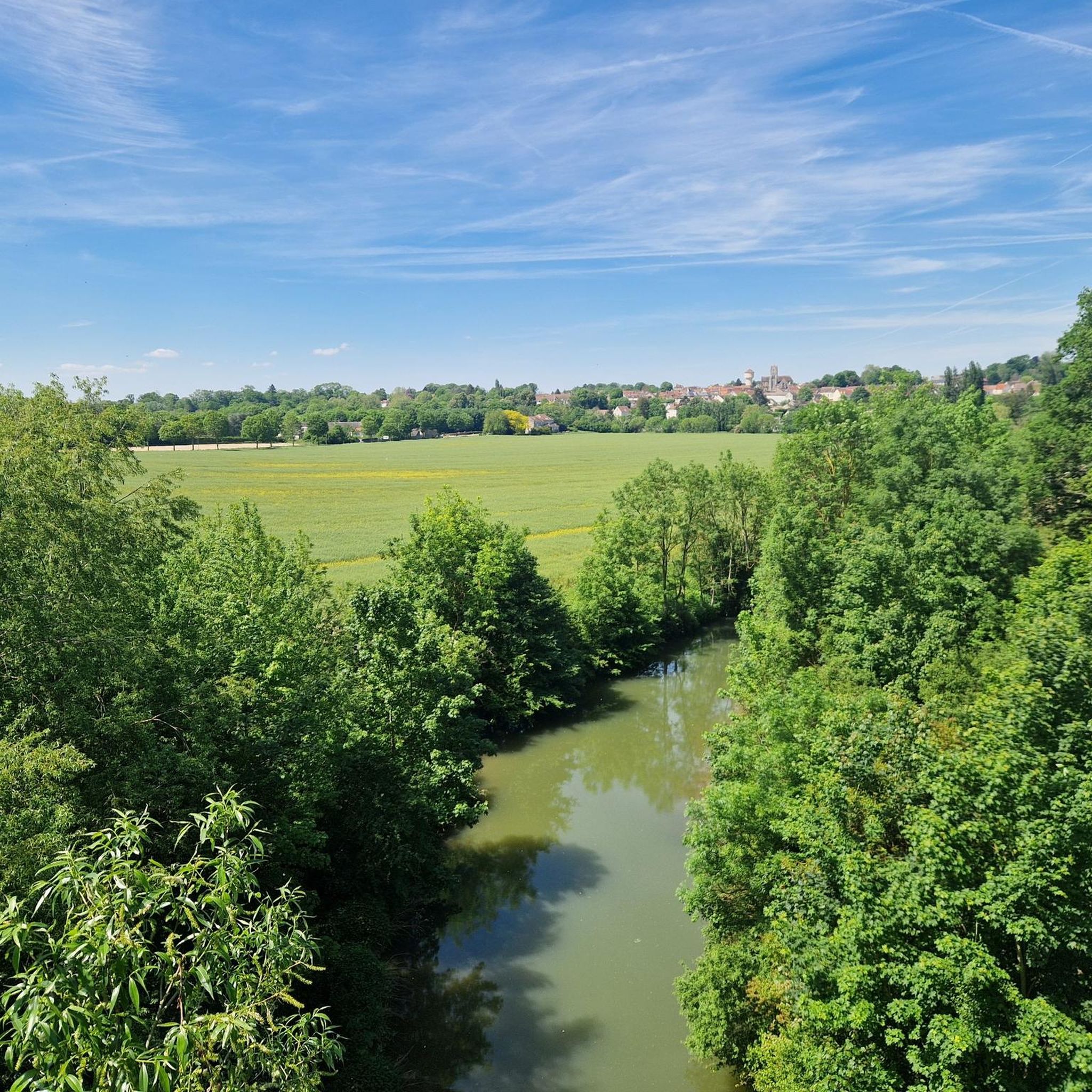
a beautiful perspective - worth stopping by or visiting!
0
0
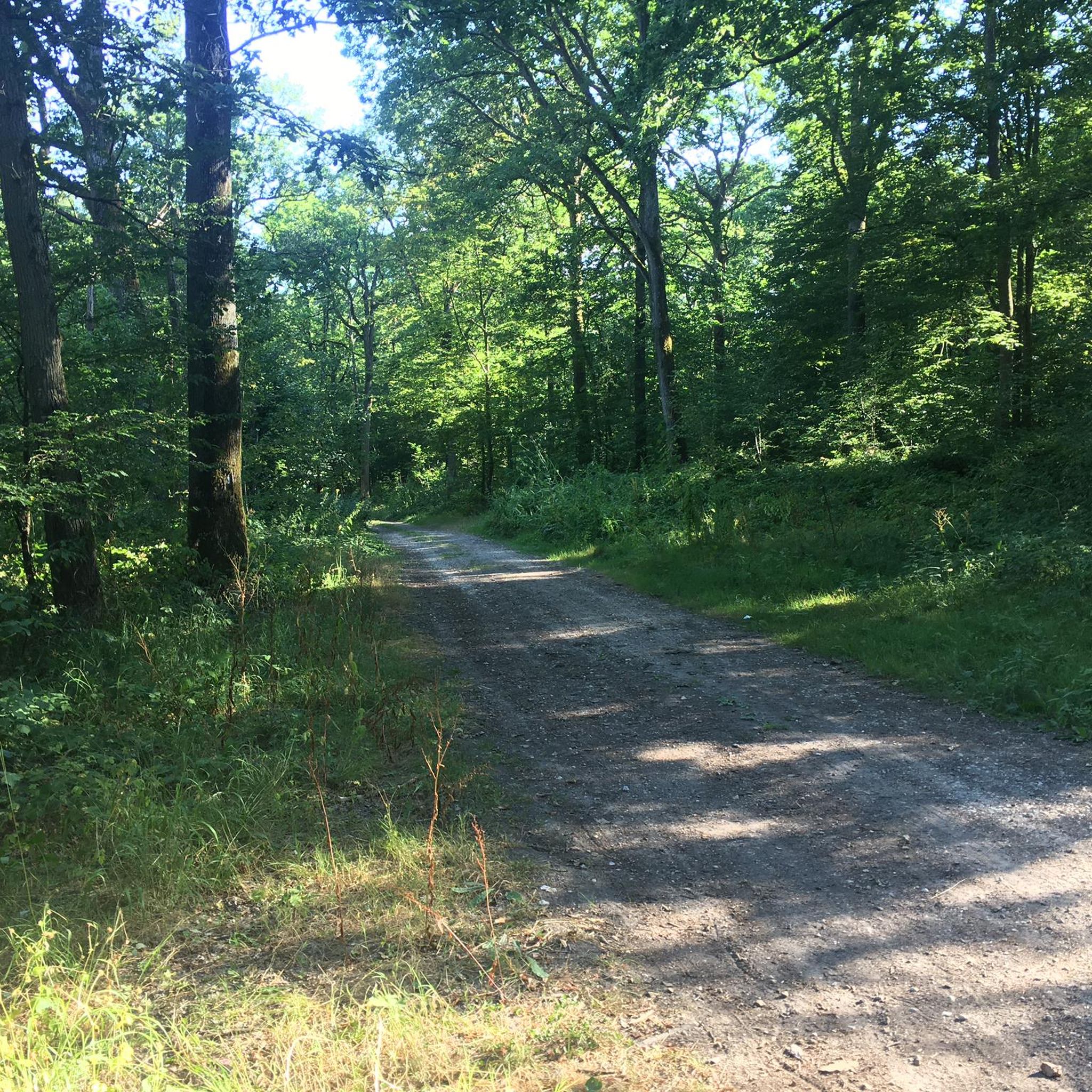
For the perspective of the aisles.
0
0

to see, quiet little town
0
0

This former ruined 13th century castle was extensively renovated in the 20th century. Today it is a reception venue.
0
0

Magnificent castle which inspired Versailles but which led its owner, the superintendent Fouquet, to the dungeon on the orders of Louis XIV.
0
0
The fortified farm of Époisses is a 13th century fortified house located in the French commune of Bombon, in the department of Seine-et-Marne in the Île-de-France region. The fortified farm has been classified as a Historic Monument since December 23, 1981.
0
0
The Château de Blandy-les-Tours is a fortified castle located in the commune of Blandy-les-Tours in the department of Seine-et-Marne, 70 km from Paris, and not far from the Château de Vaux-le-Vicomte. This building was built between the 13th and the second half of the 14th century. From a simple fortified manor to a fortified castle of the Hundred Years' War, from a residential castle to the Ferme des Tours, the Château de Blandy-les-Tours has had a long history and has been the property of prestigious families. Acquired in 1992 by the Seine-et-Marne departmental council, it was the subject of restoration campaigns and archaeological excavations until its reopening in 2007. This castle now engages in a permanent dialogue between heritage and artistic creation. https://fr.wikipedia.org/wiki/Ch%C3%A2teau_de_Blandy-les-Tours
0
0
Frequently Asked Questions
How can I reach the castles around Guignes by public transport?
The castles around Guignes are generally best accessed by car, as public transport options can be limited in this rural area of Seine-et-Marne. However, some castles like Château de Vaux-le-Vicomte may offer shuttle services from nearby train stations, or be reachable via local bus routes from larger towns like Melun. It's advisable to check the official website of each specific castle for the most up-to-date public transport information.
How much time should I allocate for visiting the castles near Guignes?
The time required varies significantly by castle. For a grand estate like Château de Vaux-le-Vicomte, with its extensive gardens and interior tours, you could easily spend half a day or even a full day. Smaller sites like Blandy‑les‑Tours Castle might take 2-3 hours to explore thoroughly. Plan for at least 2-4 hours per castle, especially if you wish to enjoy the surrounding grounds.
Are there parking facilities available at the castles?
Yes, most major castles around Guignes, such as Château de Vaux-le-Vicomte and Blandy‑les‑Tours Castle, provide dedicated parking areas for visitors. Some may charge a fee for parking. For smaller or less-known sites, street parking in nearby villages might be an option. Always check the specific castle's website for parking details before your visit.
Which castles near Guignes are suitable for families with children?
Several castles in the area are family-friendly. Château de Vaux-le-Vicomte often hosts events and activities tailored for children, and its vast gardens offer space to explore. Blandy‑les‑Tours Castle, a fortified medieval castle, can spark children's imaginations with its impressive towers and historical architecture. Château du Vivier, with its 7-hectare park and ancient trees, also provides a great setting for family outings.
Are dogs allowed at the castles around Guignes?
Generally, dogs are not permitted inside the castle buildings for conservation reasons. However, some castles may allow well-behaved dogs on a leash in their outdoor parks or gardens. For example, the grounds of Château du Vivier or Château de Monceau might be more accommodating. It is essential to verify the specific pet policy with each castle directly before your visit.
Are there any wheelchair-accessible castles near Guignes?
Accessibility varies greatly among the historical sites. Newer or extensively renovated castles like Château de Vaux-le-Vicomte may offer some accessible routes, particularly in their gardens and ground floor areas. However, older medieval structures like Blandy‑les‑Tours Castle, with their stairs and uneven terrain, can be challenging. It's best to contact the individual castle for detailed information on their accessibility provisions.
What is the best time of year to visit the castles around Guignes, and are they open in winter?
The spring and autumn months (April-June and September-October) are ideal for visiting, offering pleasant weather for exploring gardens and fewer crowds. Summer can be busy but also features special events. Many castles, including Blandy‑les‑Tours Castle, remain open in winter, though often with reduced hours or specific closures (e.g., Tuesdays). The snow can add a unique charm to sites like Château du Vivier. Always check individual castle websites for exact opening times, especially during off-peak seasons.
What should I wear when visiting castles in the Guignes area?
Comfortable walking shoes are highly recommended, as you'll likely be exploring extensive grounds, gardens, and potentially uneven surfaces or stairs within the castles. Dress in layers, as temperatures can vary between indoor and outdoor areas, and bring a light jacket even in warmer months. A hat and sunscreen are advisable for sunny days, especially when exploring large outdoor estates.
Are there dining options or cafes near the castles?
Yes, larger castles like Château de Vaux-le-Vicomte often have on-site restaurants, cafes, or snack bars. For other castles, you'll typically find local restaurants and cafes in the nearby villages. It's a good idea to check in advance or pack a picnic to enjoy in the castle grounds if permitted.
Are there any less-known or 'hidden gem' castles worth visiting near Guignes?
While not as widely known as Vaux-le-Vicomte, sites like the Fief des Époisses, a 13th-century fortified farm, offer a glimpse into a different type of historical architecture and are classified as a Historic Monument. Château de Monceau, with its ancient origins and extensive natural estate featuring ponds and wildlife, also provides a unique and tranquil experience away from the main tourist routes.
Can I find walking or hiking trails that include castle views or pass by castles?
Yes, the region around Guignes offers several opportunities for walks and hikes that incorporate historical sites. For instance, you can find routes that pass by Château du Vivier. The area's mix of forests and agricultural lands provides scenic backdrops for exploring. You can discover various hiking routes in the region by checking the Hiking around Guignes guide.
What makes the castles around Guignes unique or particularly interesting?
The castles around Guignes showcase a rich tapestry of French history and architectural styles. You'll find medieval fortresses like Blandy‑les‑Tours Castle, which is a rare witness to military architecture, alongside grand 17th-century châteaux such as Château de Vaux-le-Vicomte, which famously inspired the Palace of Versailles. Many are set within extensive parks and grounds, blending historical significance with natural beauty.
Are there opportunities for outdoor activities near the castles?
Absolutely. The region around Guignes is well-suited for various outdoor pursuits. You can find numerous running trails, such as those detailed in the Running Trails around Guignes guide. For cyclists, there are gravel biking routes, including those passing by Blandy‑les‑Tours Castle, as highlighted in the Gravel biking around Guignes guide. Hiking is also popular, with trails like the 'Chateau du Vivier loop' near Château du Vivier, found in the Hiking around Guignes guide.
Most popular routes around Guignes
Most popular attractions around Guignes

Get inspired with the komoot mobile app


Explore more
Looking for the best castles somewhere else? Discover other guides around Guignes:
