The best MTB trails around Clisson
4.6
(87)
375
riders
20
rides
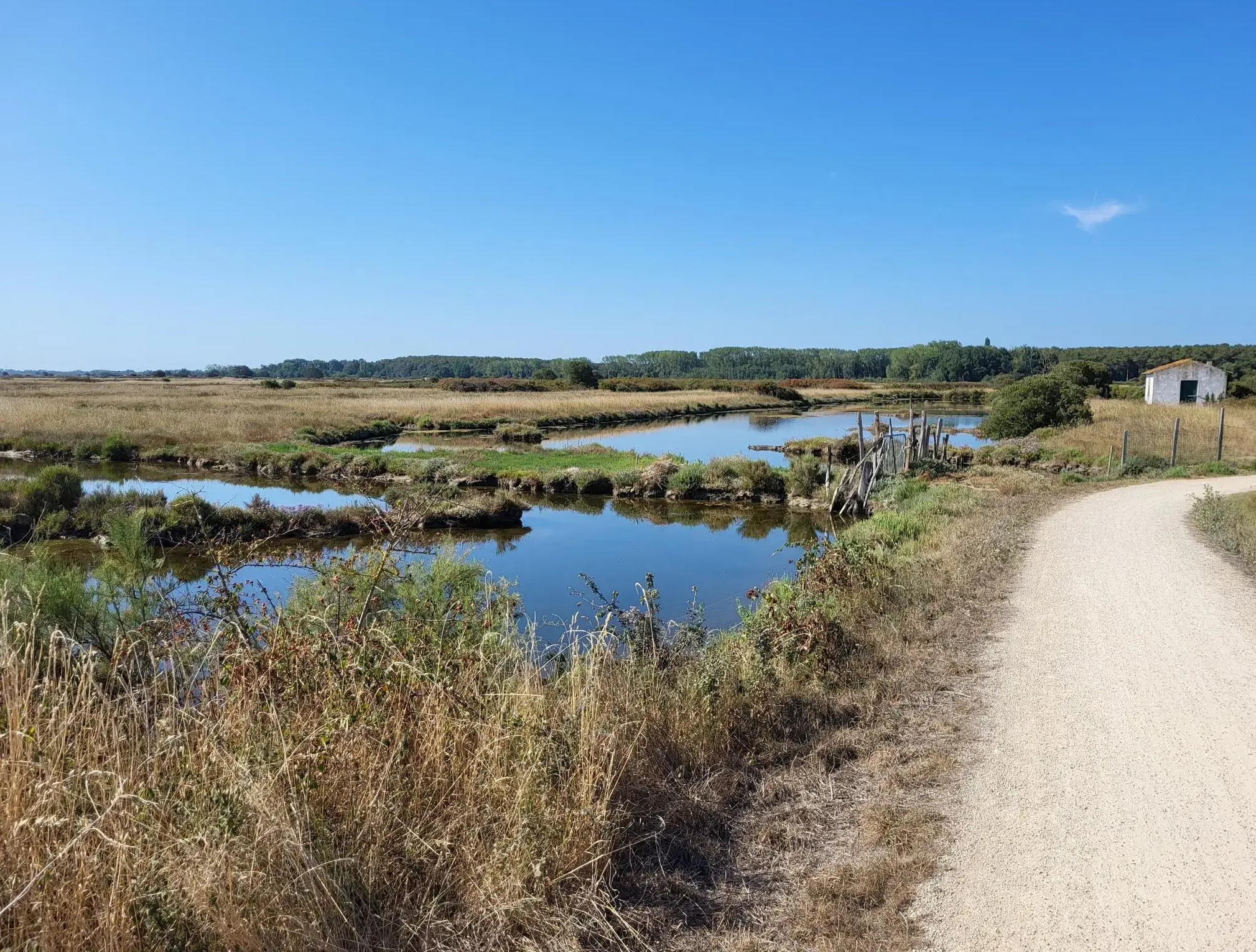
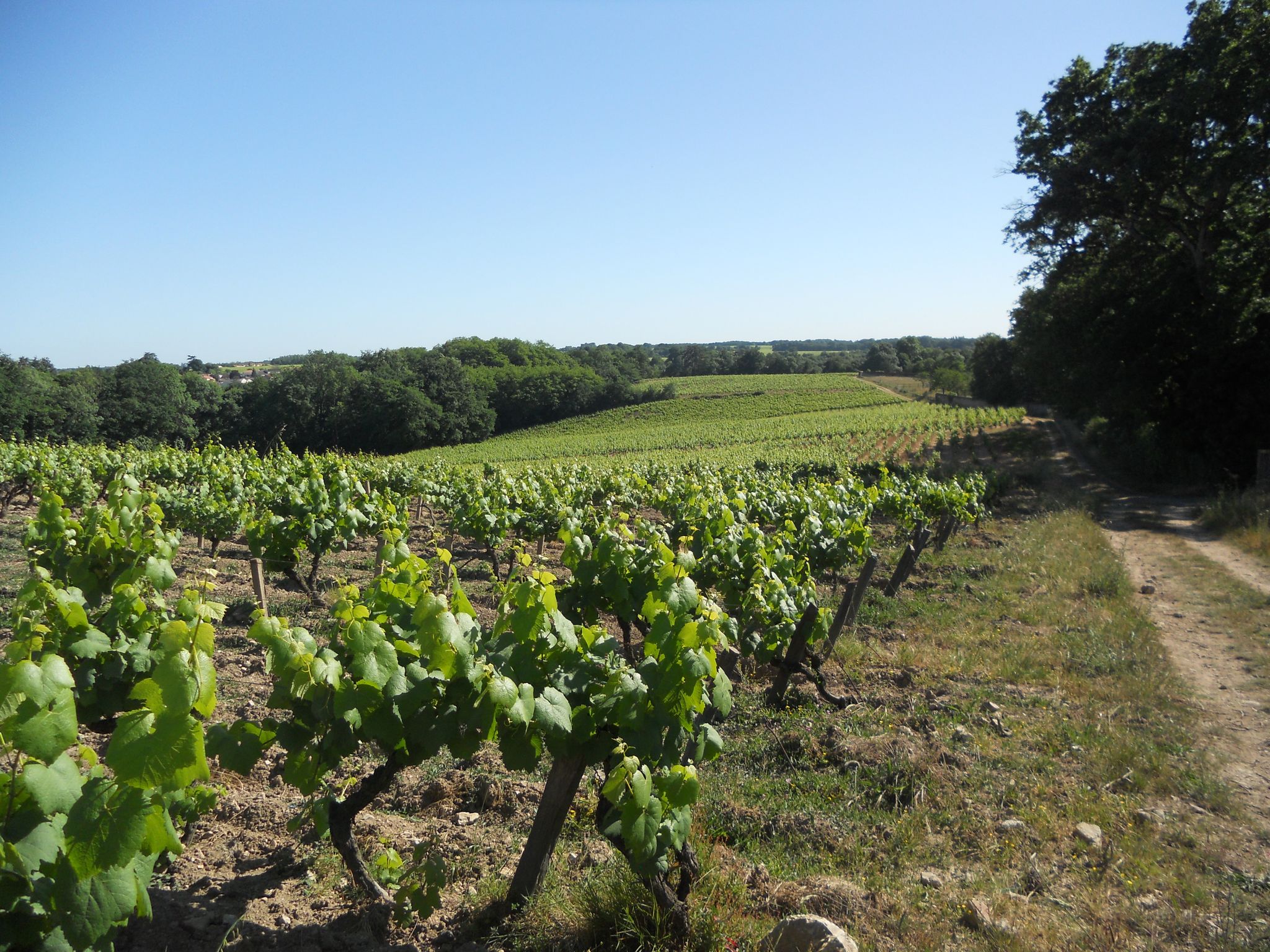
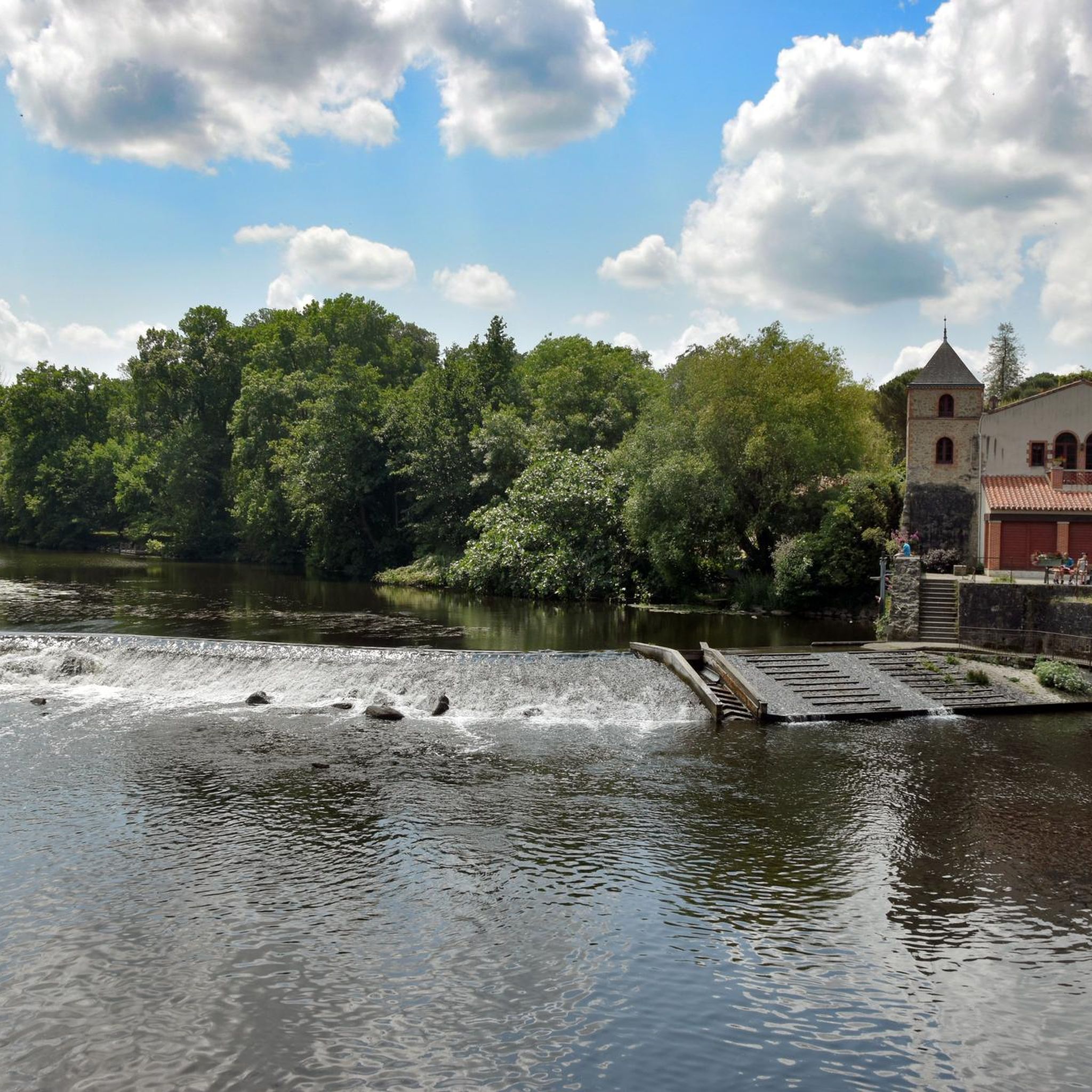
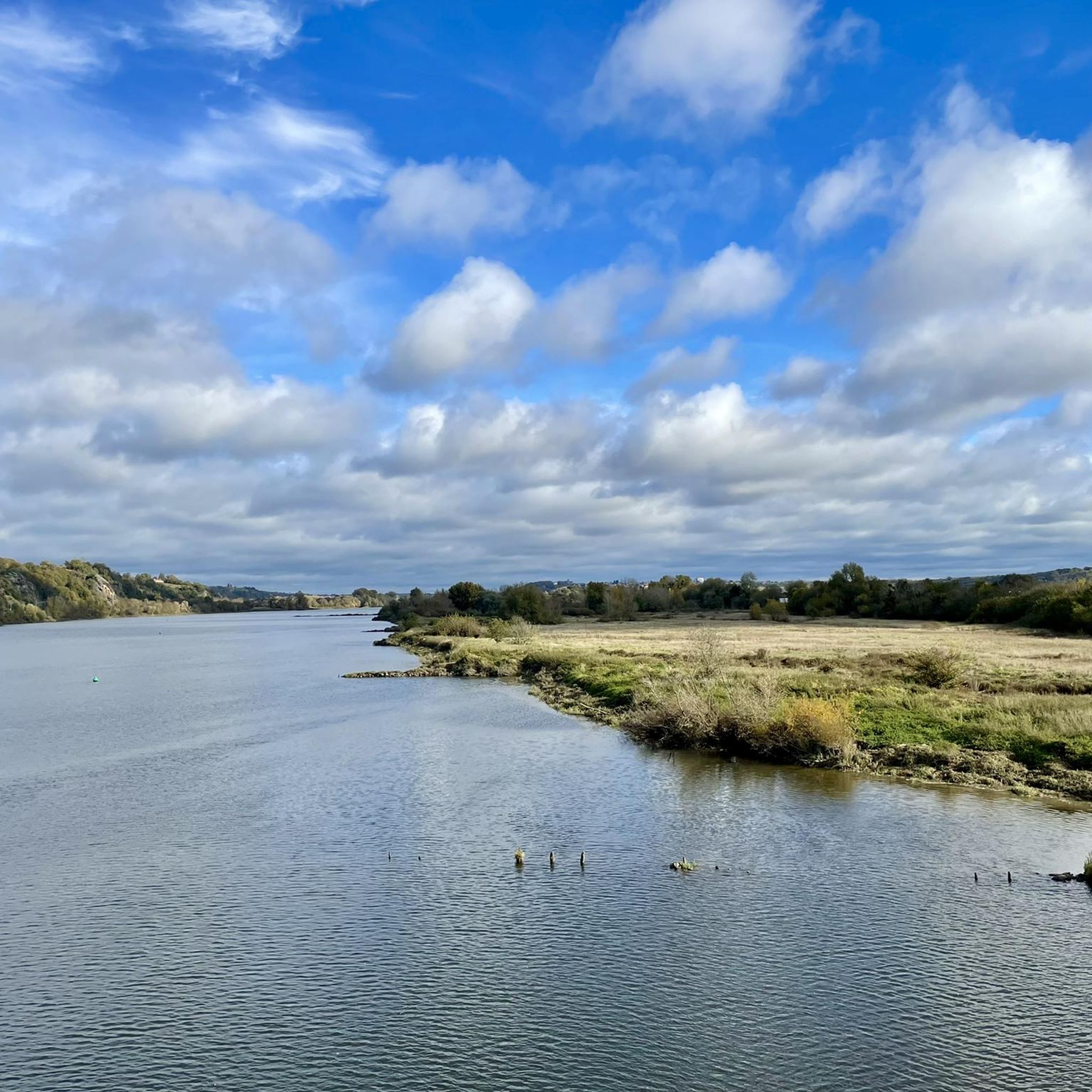
Mountain biking around Clisson offers diverse terrain characterized by the winding Sèvre Nantaise River, extensive vineyards, and the town's unique Italianate architecture. The region features a mix of riverside paths, rolling hills, and dedicated facilities like the Stade VTT. These varied landscapes provide a range of routes suitable for different skill levels.
Best mountain bike trails around Clisson
- The most popular mountain bike trail is Clisson – The Arsenal loop from Clisson, a 29.0 miles (46.6 km) trail that…
Last updated: June 25, 2026
4.7
(28)
197
riders
53.0km
04:11
520m
520m
Moderate mountain bike ride. Good fitness required. Suitable for all skill levels.
3.5
(22)
42
riders
42.0km
03:13
360m
360m
Moderate mountain bike ride. Good fitness required. Suitable for all skill levels.

Sign up for free
5.0
(12)
49
riders
28.5km
02:13
300m
300m
Moderate mountain bike ride. Good fitness required. Suitable for all skill levels.
4.1
(13)
18
riders
27.9km
02:03
230m
230m
Moderate mountain bike ride. Good fitness required. Suitable for all skill levels.
4.8
(5)
11
riders
38.0km
02:53
360m
360m
Moderate mountain bike ride. Good fitness required. Suitable for all skill levels.
Get access to more routes and recommendations from other explorers.
Sign up for free
Already have an account?
Our route recommendations are based on thousands of hikes, rides, and runs completed by other people on komoot.
Start today with a free account
Your next adventure awaits.
Login or Signup



Tips from the Community

The Hellfest is one of the largest extreme music festivals in Europe, held annually in Clisson, France, bringing together tens of thousands of metal, punk, and hard rock enthusiasts. Its site is distinguished by monumental, immersive, and spectacular decorations, transforming the location into a true ephemeral "metal city" with a unique atmosphere.
0
0

Clisson Castle has quite a story to tell: first an impregnable fortress overlooking the Sèvre, then a ducal residence, and finally a romantic ruin. In the 12th century, the powerful lordship of Clisson built this stone castle with highly elaborate defensive architectural systems: arrow slits, gun ports, and slits. A strategic point protecting the border of the Duchy of Brittany in the 15th century, it was abandoned by its owners from the second half of the 17th century onward before being burned down by Republican troops in 1793. But, beyond its grand history, this castle also has a more historic significance! In 1807, François-Frédéric Lemot, creator of the Garenne Lemot estate (a picturesque landscape located on the other side of the river), was captivated by these ruins and purchased it to turn it into an ornamental factory. The château was declared a historic monument in 1924, before being acquired by the Loire-Atlantique department in 1962. Today, visitors can visit it, take a guided tour, or simply experience its history. A stop on the Journey through the Vineyard, it's a stopover during the wine tourism tour of Nantes' wine country, featuring natural sites, heritage features, characterful villages, and unique cellars.
1
0
The Trinity Church is getting a makeover in the heart of Clisson Off-limits since 2018, the Trinity Church in Clisson is undergoing extensive restoration work until 2027, accompanied by reinforcement and safety work. The Trinity Church in Clisson has been off-limits since 2018 due to pieces of tufa stone found on the floor of the building, raising concerns about safety issues. The restoration has been decided upon, along with reinforcement and safety work. This work is expected to continue until 2027. The construction site will soon be explained to the residents of Clisson, using signs. The artwork and furnishings have been protected and stored, tarpaulins protect the building and the workers, the vaults and framework will be restored, and the wall plasterwork will be examined and redone where necessary. The work will concern the side aisles until next summer, the nave for the following twelve months. Then it will be the turn of the choir and transepts between January 2026 and spring 2027, then the sacristy, the bell tower and the outbuildings.
2
0
The Church of the Trinity was originally a Benedictine priory, with a parish, dependent on the abbeys of Saint-Martin-de-Vertou and Saint-Jouin-de-Marnes. In the 11th century, it was occupied by the canons regular of the Order of Saint Augustine. In 1645, Fontevrist nuns from La Regrippière en Vallet settled there. The convent burned down in 1794 by the infernal columns of the Republican armies. From the 11th century onwards, the church had a choir with an apse, side chapels, and a square bell tower. In the 17th century, the Benedictine nuns replaced the Romanesque choir with an elongated one, featuring a remarkable Baroque altarpiece. They demolished the southern part of the choir to build their oratory. During the French Revolution, the church returned to the parish. Around 1867/1868, work was undertaken. The façade was redone in a neo-Romanesque style, while the neo-Gothic style was preferred for the interior of the religious monument.
1
0
Very cool path and accessible to all along La Moine (right bank). However, the last 400 meters to go back up to Saint-Germain, will leave some on the floor 😉
4
0

This ancient church here in Clisson was not dedicated to one of the many people we venerate as saints, but rather the ONE God in THREE persons - God the Father, God the Son (Jesus Christ) and God's Holy Spirit - was chosen as its patron saint. Father Reinhard Körner writes about the mystery of the Holy Trinity: "Among the great prayer-givers in the history of Christianity... I found prayer texts in which each of the divine three was explicitly addressed - in the same prayer. When I tried to recite the texts, I could sense that these people had not only had God the Father, Jesus Christ and the Holy Spirit in mind individually - they were addressing a divine community. And it seemed to me that they could only do this in their written prayers because they did it otherwise, quietly in their hearts."
1
0
Long an impregnable fortress, Clisson Castle is a model of a fortified castle. Built by the powerful Clisson family from the 12th century, this castle became a strategic point protecting the border of the Duchy of Brittany in the 15th century. In 1793, during the Vendée War, the fortress was burned and partially destroyed. Today, Clisson Castle still offers many examples of defensive architecture: archers, gunboats, stunners, etc. Ref: enpaysdeloire.com
0
0
Obligatory passage in the heart of historic Clisson, it also allows you to have a beautiful view of the castle
1
0
Frequently Asked Questions
How many mountain bike trails are available around Clisson?
Clisson offers a variety of mountain biking experiences with over 20 routes available. These routes cater to different skill levels, ranging from easy riverside paths to more challenging vineyard trails and technical sections.
What kind of terrain can I expect on mountain bike trails in Clisson?
Mountain biking in Clisson features diverse terrain, including scenic riverside paths along the Sèvre Nantaise, rolling hills, and extensive vineyard trails. You'll also encounter the town's unique Italianate architecture and historical sites like the Château de Clisson.
Are there mountain bike trails suitable for beginners in Clisson?
Yes, Clisson has several easy mountain bike trails. For example, the Clisson – Clisson Castle loop from Clisson is an easy 25.0 km route that takes you past the historic castle and along the Sèvre Nantaise.
Are there any challenging mountain bike routes for experienced riders?
While most routes are moderate, experienced riders can find technical challenges, especially at the dedicated Stade VTT (Mountain Bike Stadium). This facility offers features like slabs, banked turns, jumps, trial zones, rock gardens, and wooden modules to test advanced skills.
Can I find circular mountain bike routes in Clisson?
Yes, many of the mountain bike routes around Clisson are circular. Popular options include the Clisson – The Arsenal loop from Clisson (46.6 km) and the Clisson – Grotte de la grenotiere loop from Clisson (27.7 km), both offering varied scenery.
What natural features or landmarks can I see while mountain biking in Clisson?
You can explore a rich blend of natural beauty and historical landmarks. Routes often pass along the Sèvre Nantaise River, through the Nantes Vineyard Country, and past the medieval Château de Clisson. The The Arsenal bridge and the Italian-inspired Domaine de la Garenne Lemot are also notable sights.
How can I reach the mountain bike trails in Clisson using public transport?
Clisson is well-connected by the regional TER train line from Nantes, which allows free transportation of bikes. This makes it convenient to access the area and its mountain biking routes without a car.
What do other mountain bikers enjoy most about the trails in Clisson?
The mountain bike trails in Clisson are highly rated by the komoot community, with an average score of 3.98 stars from over 70 reviews. Riders often praise the diverse landscapes, the charming vineyard passages, and the unique blend of natural and historical scenery.
Are there any family-friendly mountain bike options in Clisson?
While specific 'family-friendly' routes are not explicitly detailed, the easier trails, such as those along the Sèvre Nantaise riverbanks or the shorter loops, can be suitable for families looking for a less strenuous ride. Always check the route difficulty and length to match your family's capabilities.
What are some of the longer mountain bike routes available?
For longer rides, consider the Clisson – The Arsenal loop from Clisson, which covers 46.6 km with 450m of elevation gain, or the Clisson – Port of La Haie-Fouassière loop from Clisson, a 40.6 km route following scenic riverside paths.
Is Clisson a good destination for mountain biking competitions or technical training?
Yes, Clisson is an excellent destination for technical training and competitions, thanks to its dedicated Stade VTT. This facility is designed for Cross-Country (XC) and Trial disciplines, featuring technical obstacles like rock gardens, jumps, and wooden modules, and has hosted regional XCO championships.
What makes mountain biking in Clisson unique?
Clisson's unique appeal for mountain biking lies in its blend of Italianate architecture, the picturesque Sèvre Nantaise River, extensive vineyard landscapes, and the presence of a specialized Stade VTT. This combination offers a rich cultural backdrop alongside varied natural terrain and dedicated technical facilities.
Most popular attractions around Clisson

Get inspired with the komoot mobile app


Explore more
Browse the best MTB trails in other regions.
