Attractions and Places To See around Mostuéjouls - Top 20
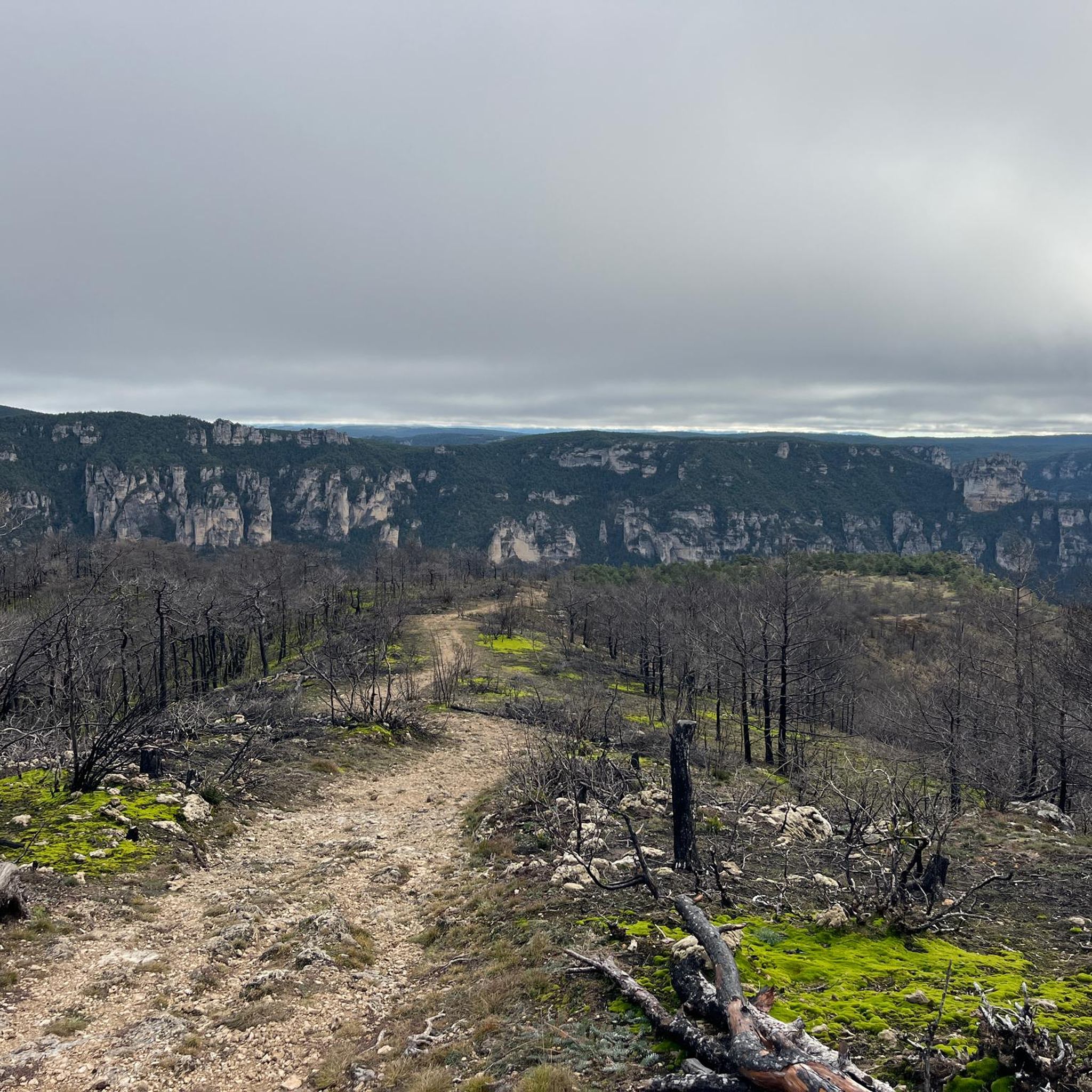
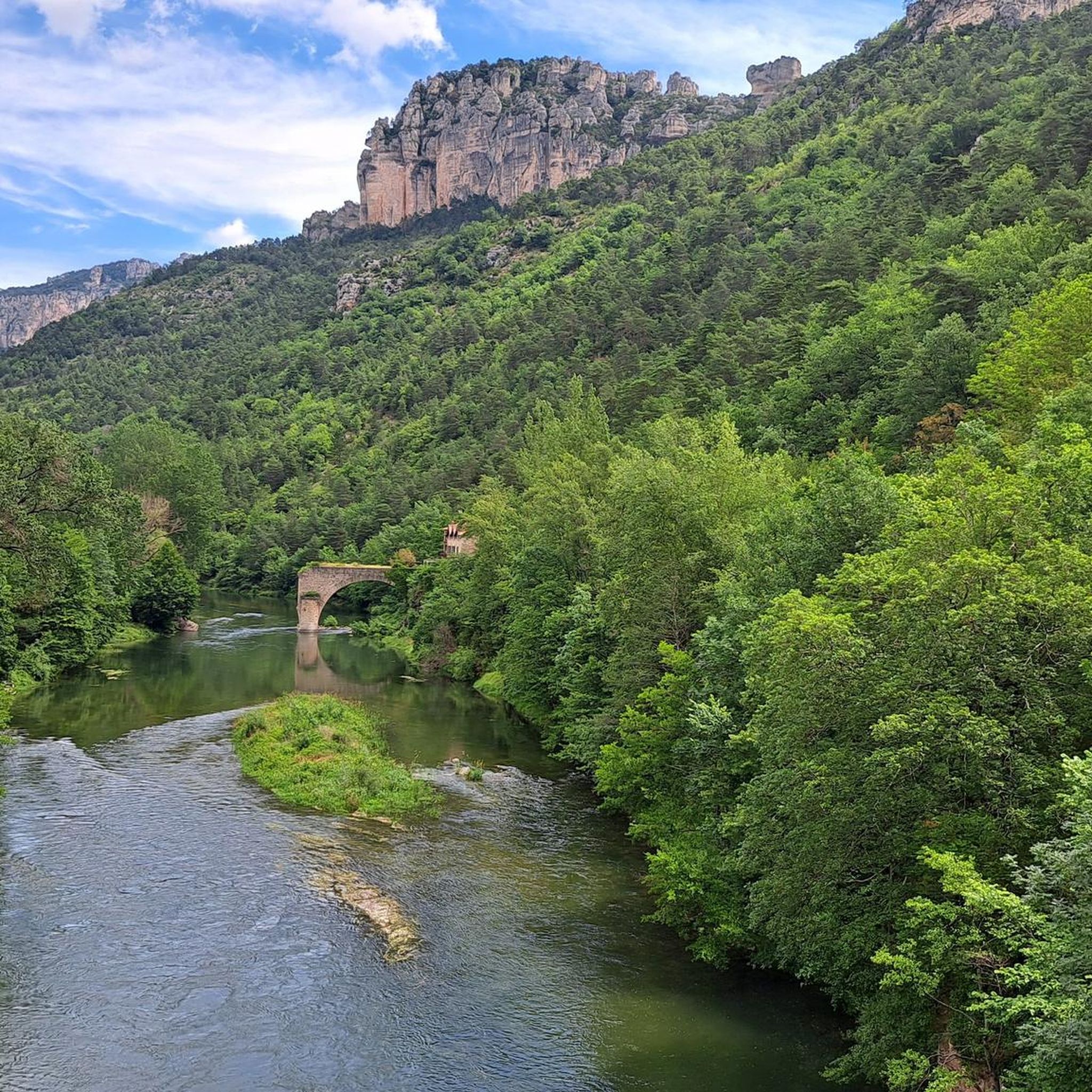
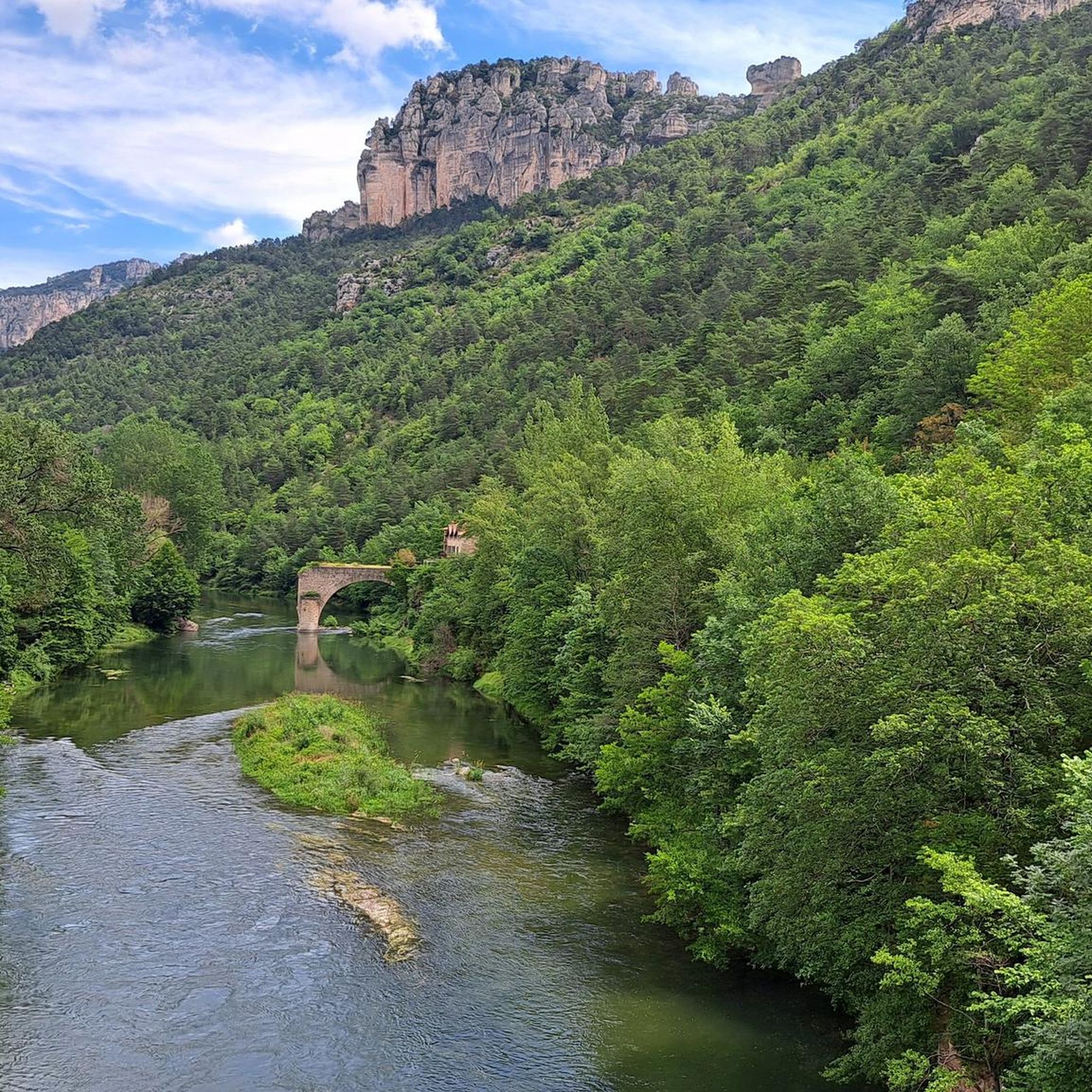
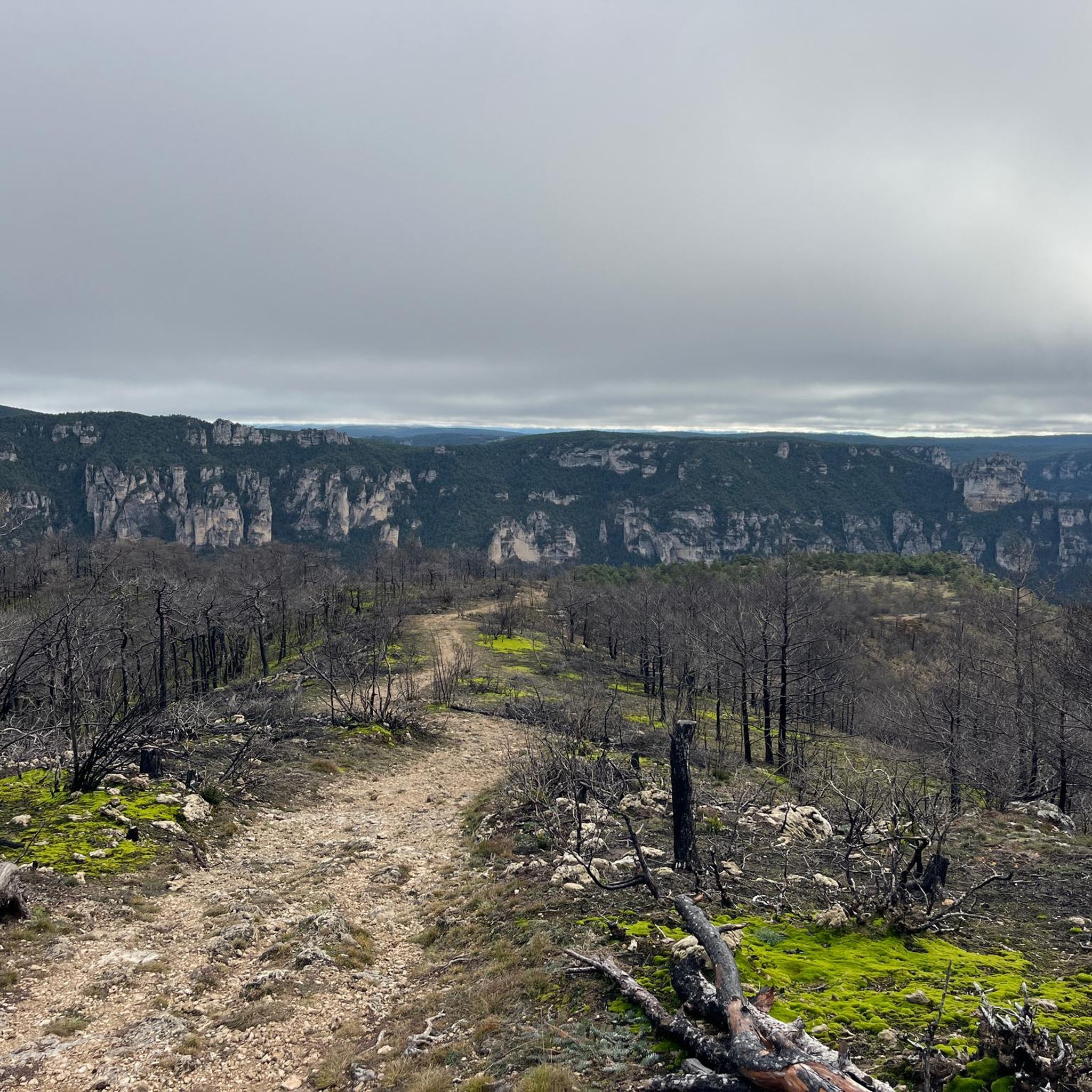
Best attractions and places to see around Mostuéjouls are found at the gateway to the Gorges du Tarn and Jonte, within the Aveyron region. This area offers a blend of historical sites, natural landscapes, and cultural experiences. Mostuéjouls is situated on the flanks of the Causse de Sauveterre, part of the Grands Causses Regional Natural Park. Visitors can explore medieval villages, geological formations, and river valleys.
Best attractions and places to see around Mostuéjouls
- The most popular attractions is Vase…
Last updated: August 16, 2026
Le Rozier
Highlight • Settlement
Translated by Google •
Tip by

Vase de Sèvres and Vase de Chine
Highlight • Natural Monument
In addition to …
Translated by Google •
Tip by

Sign up now to discover places like this
Get recommendations on the best single tracks, peaks, & plenty of other exciting outdoor places.
Sign up for free
Capluc Rock
Highlight • Viewpoint
Its summit is accessible by ladders (no …
Translated by Google •
Tip by
L'Ermitage Saint-Michel
Highlight • Other
Translated by Google •
Tip by

Peyrelade Castle
Highlight • Castle
Translated by Google •
Tip by

Sign up for free to discover even more attractions around Mostuéjouls.
Sign up for free
Already have an account?
Start today with a free account
Your next adventure awaits.
Login or Signup
Tips from the Community

As a local and a cyclist, I can confirm that the scenery is magnificent and the small roads are ideal for cycling, provided you avoid the peak period from July 15th to August 15th. However, I regret that you only mention the village of Le Rozier in the route descriptions, while the photos are mostly of Peyreleau, a superb, unspoiled village, away from the traffic of the gorges, which it faces on the other side of the Jonte River! Note: Le Rozier is in Lozère, while Peyreleau is in Aveyron.
0
0

An exceptional site due to its location. One thing intrigues me: how did the ancients build with stone at such heights? Even on the backs of mules, the task of climbing the 500m drop from the Tarn is gigantic. Other questions: how did they live there? Certainly no prayers.
0
0

Many iron ladders lead up to the summit cross with a magnificent view,
1
0
Far away from all civilization, this hermitage was built on rocks.
1
0


Magnificent viewpoint at the confluence of the Tarn and the Jonte
0
0
Frequently Asked Questions
What unique natural monuments can I explore near Mostuéjouls?
Mostuéjouls is surrounded by remarkable natural formations. You can visit the Vase de Sèvres and Vase de Chine, two distinctive monoliths on the Causse Méjean popular with climbers. Another must-see is Capluc Rock, a former observation post offering panoramic views of the Tarn and Jonte confluence, accessible by ladders. Don't miss the Dyke Volcanique d'Églazines, also known as the "plage des Basaltes," a unique geological feature and a popular swimming spot.
Are there historical sites to visit in and around Mostuéjouls?
Yes, the area is rich in history. Explore the ancient Château de Mostuéjouls, which dominates the village, or wander through the cobbled streets of the medieval villages of Mostuéjouls and Liaucous. You can also see the Gallo-Roman Stele near the town hall, and visit the Romanesque churches of Église Notre-Dame des Champs and Église Saint-Sauveur de Liaucous. Further afield, the spectacular Peyrelade Castle ruins offer a glimpse into the region's past.
What outdoor activities are popular around Mostuéjouls?
The natural surroundings of Mostuéjouls are ideal for various outdoor activities. You can enjoy hiking, canyoning, kayaking, and rafting on the Tarn River. Climbing is popular on the cliffs and natural monoliths like the Vase de Sèvres and Vase de Chine. For cycling enthusiasts, there are numerous MTB trails, including routes like "Motocross terrain Massegros loop from Le Buffarel" and "Peyrelade Castle – Entre-Deux-Monts Cellars loop from Mostuéjouls." Find more details on these activities in the MTB Trails around Mostuéjouls guide.
Are there family-friendly attractions or activities in Mostuéjouls?
Mostuéjouls offers several options for families. The rural settlement of Le Rozier is considered family-friendly and serves as a great base for exploring. Families can enjoy gentle hikes, explore the medieval villages, or have a picnic at the Mostuéjouls picnic area with views of Liaucous. Canoeing and kayaking on the Tarn are also popular family activities, with operators like Aqua Soleil Eau and Aïgue Vive offering trips.
Where can I find hiking trails near Mostuéjouls?
Mostuéjouls is an excellent starting point for hiking. You can explore trails like the "Troglodyte Villages - loop starting from Liaucous" or the "Le Rozier – The Tarn loop from Peyreleau." The GR736® route also passes through the area. For more detailed information and routes, refer to the Hiking around Mostuéjouls guide.
What are the Gorges du Tarn and Gorges de la Jonte, and how can I experience them?
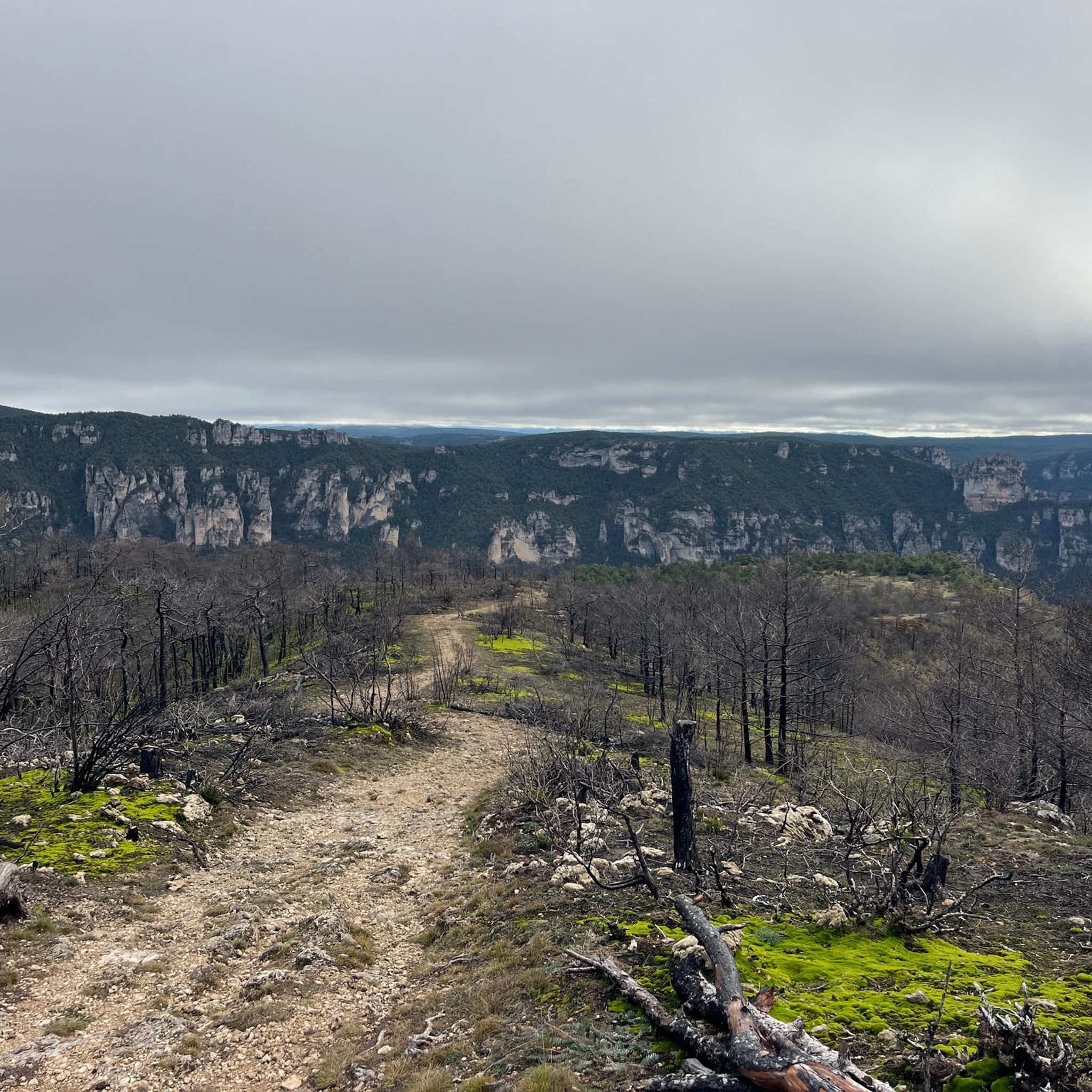
The Gorges du Tarn and Gorges de la Jonte are stunning river canyons known for their steep cliffs, verdant plateaus (causses), and tumultuous rivers. Mostuéjouls is ideally situated at their entrance. You can experience them through various activities like kayaking, rafting, hiking along their edges, or by visiting viewpoints such as Capluc Rock, which offers a 360° view of the gorges and causses.
Are there any hidden gems or unique cultural experiences in Mostuéjouls?
Beyond the main attractions, you can discover the semi-troglodytic hamlets of Eglazines and Saint-Marcellin, offering a glimpse into traditional Caussenarde architecture. The Poterie de Mostuéjouls provides an opportunity to see artisanal ceramics and even participate in workshops. For a natural oasis, seek out the Fontaine des Paillasses higher up on the causse, where you might spot local wildlife.
What is the best time to visit Mostuéjouls attractions?
The region is generally pleasant from spring to autumn. The summer months are ideal for water activities like kayaking and rafting in the Gorges du Tarn. Spring and early autumn offer comfortable temperatures for hiking and exploring historical sites, with fewer crowds. Some attractions, like Peyrelade Castle, have specific opening hours, typically from May to September, so it's advisable to check in advance.
What is the Causse de Sauveterre and its significance?
Mostuéjouls is built on the flanks of the Causse de Sauveterre, one of the limestone plateaus that form part of the Grands Causses Regional Natural Park. This park is a UNESCO heritage site, recognized for its unique landscapes and agro-pastoral traditions. The Causse de Sauveterre offers magnificent views and is home to diverse flora and fauna, including orchids and vultures in the nearby "Benches" Natura 2000 site.
What are some notable attractions located near Mostuéjouls but outside the immediate village?
Just 18.5 km away, you can visit the impressive Millau Viaduct, an exceptional architectural marvel and a UNESCO classified heritage site. The broader Causses and the Cévennes region, also a UNESCO World Heritage cultural landscape, showcases the deep historical relationship between humans and their environment, featuring traditional stone farms and transhumance routes.
Can I find wild swimming spots near Mostuéjouls?
Yes, the Dyke Volcanique d'Églazines, also known as the "plage des Basaltes," is a popular and unique spot for swimming. This basaltic breach, eroded by the Tarn over millennia, offers a distinctive natural setting for a refreshing dip.
What do visitors enjoy most about the Mostuéjouls area?
Visitors frequently praise the stunning natural beauty, especially the dramatic landscapes of the Gorges du Tarn and Jonte. The blend of historical sites, from medieval villages to ancient castles, combined with opportunities for outdoor adventure like hiking and climbing, is highly appreciated. Many find the area, particularly Le Rozier, to be a beautiful and ideal base for exploration.
Most popular routes around Mostuéjouls
Most popular attractions around Mostuéjouls

Get inspired with the komoot mobile app


Explore more
Still not found the Highlight you’re looking for? See guides of the top attractions in other regions:
