The 5 Most Amazing Peaks around Rivière-Sur-Tarn
Mountain peaks around Rivière-Sur-Tarn are characterized by prominent puechs and elevated plateaus within the Gorges du Tarn and Causses region. This area, part of the Grands Causses UNESCO World Heritage site, features dramatic limestone plateaus deeply incised by river canyons. These elevated points offer panoramic views of the Tarn Valley, the surrounding Causses, and historical intrigue. The landscape provides a blend of geological interest and natural beauty for visitors.
Best mountain peaks around Rivière-Sur-Tarn
- The most popular mountain peaks is…
Last updated: July 15, 2026
Capluc Rock
Highlight • Viewpoint
Its summit is accessible by ladders (no …
Translated by Google •
Tip by

View from Pouncho d'Agast
Highlight • Viewpoint
Translated by Google •
Tip by

Sign up now to discover places like this
Get recommendations on the best single tracks, peaks, & plenty of other exciting outdoor places.
Sign up for free
View from Puech de Fontaneilles
Highlight • Viewpoint
The view is …
Translated by Google •
Tip by

Pic d'Andan
Highlight • Summit
Translated by Google •
Tip by

Start today with a free account
Your next adventure awaits.
Login or Signup

Tips from the Community

Many iron ladders lead up to the summit cross with a magnificent view,
1
0

The top of the col Pouncho d'Agast. climb here is nice and not that difficult.
0
0


Magnificent viewpoint at the confluence of the Tarn and the Jonte
0
0

Not for the faint hearted, but worth the effort. Excellent views near summit if you dont fancy jacob’s ladders.
0
0


La Pouncho d'Agast is located at the end of the Causse Noir. Culminating at an altitude of 841 meters, this rocky promontory offers a fantastic view of the Millau valley and its viaduct which can be seen in the distance. This emblematic summit is also a free flight spot from which paragliders soar alongside vultures.
0
0

The Rocher de Capluc is a formidable rocky promontory at the tip of the Causse Méjean (causse located between the gorges of the Tarn and the Jonte, therefore between the Causse de Sauveterre and the Causse Noir, hence its name “Causse Médian”). It thus offers a 360° view of these gorges and causses.
1
0
Frequently Asked Questions
What are some of the most popular elevated viewpoints around Rivière-sur-Tarn?
Visitors frequently enjoy the View from Pouncho d'Agast, known for its paragliding take-off point and pleasant morning atmosphere. Another highly rated spot is Capluc Rock, offering magnificent views of the Tarn gorges and the three Causses. The Viewpoint overlooking Le Monna and the Dourbie Valley is also popular for its beautiful vistas and rock formations.
What makes the Puech de Fontaneilles a unique place to visit?
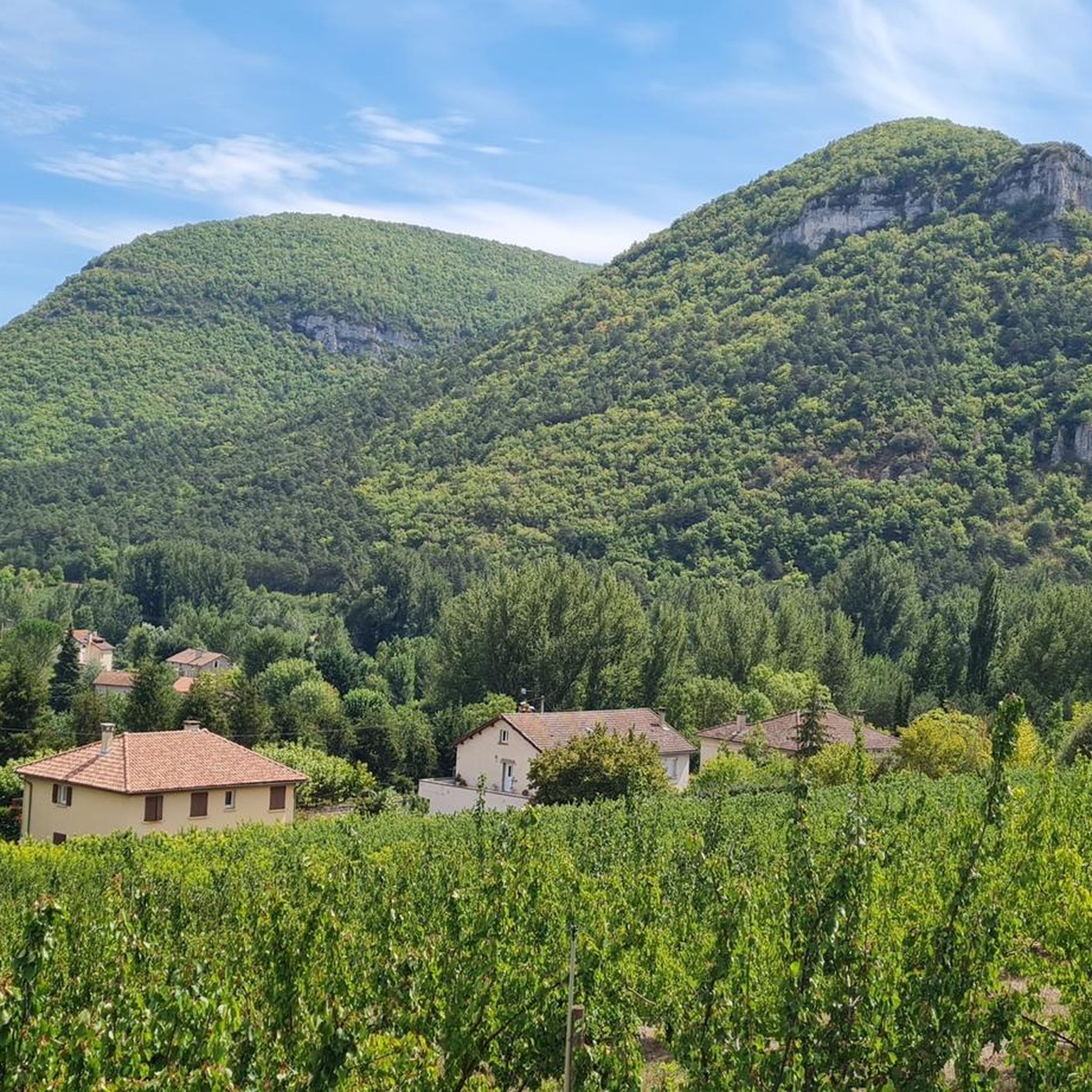
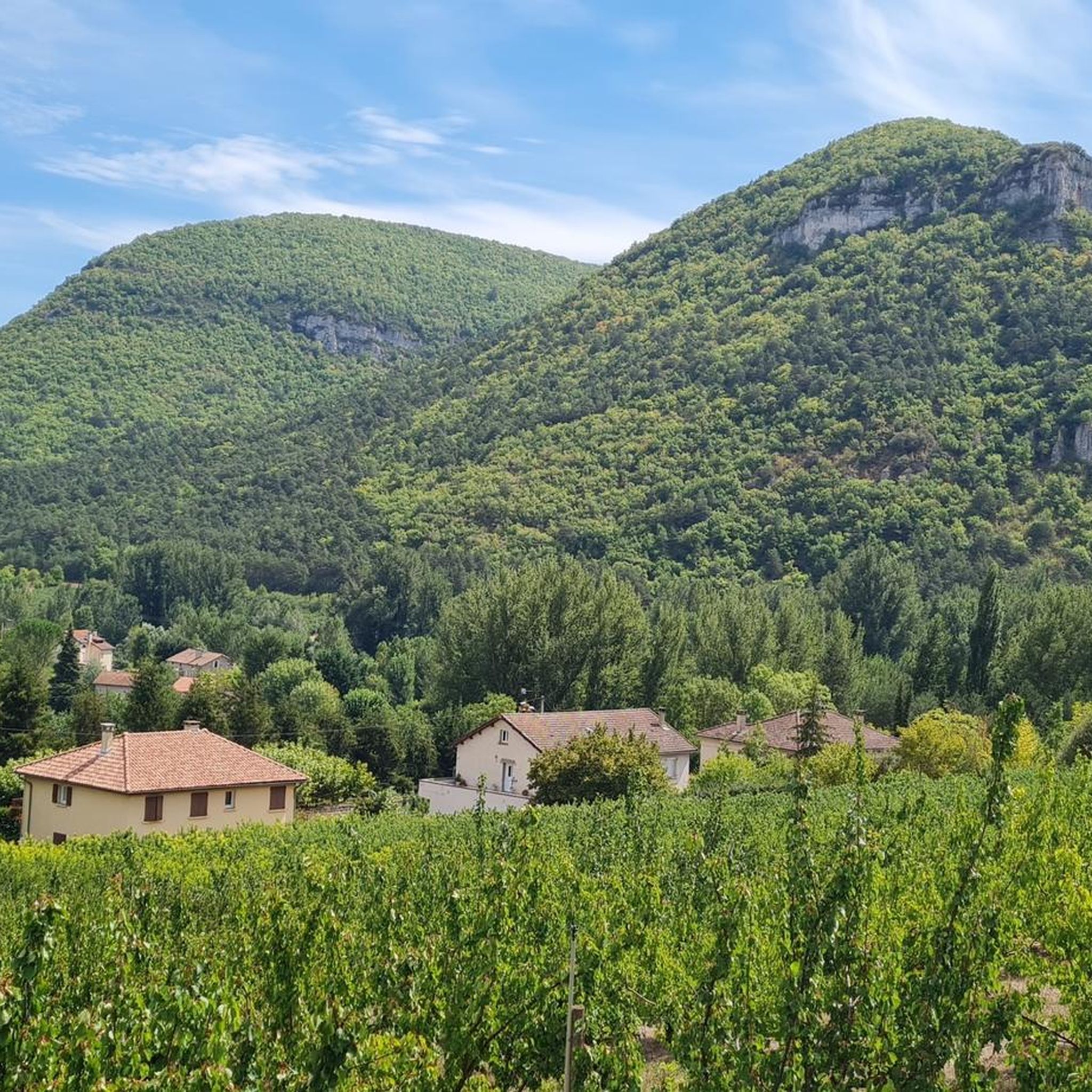
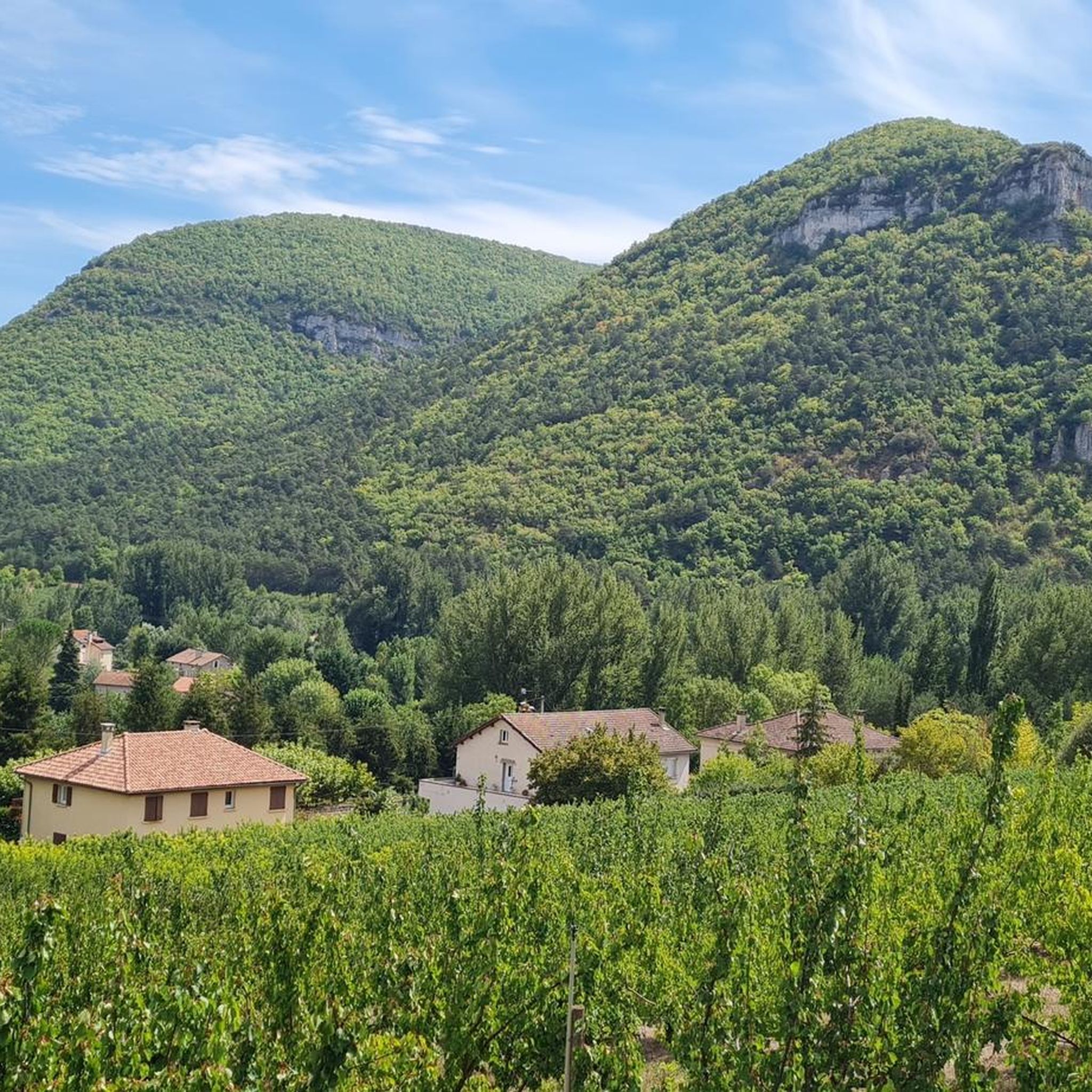
The Puech de Fontaneilles is notable for its 'majestic tabular rock' and an unusual 19th-century pedestal at its summit, originally intended for a statue that never arrived. Below, you can find unique semi-troglodyte wine cellars. It offers breathtaking 360-degree views of the Tarn Valley, Rivière-sur-Tarn, and the distant Cévennes, making it an exceptional site with a rich history.
What can I expect when visiting Puech de Suège?
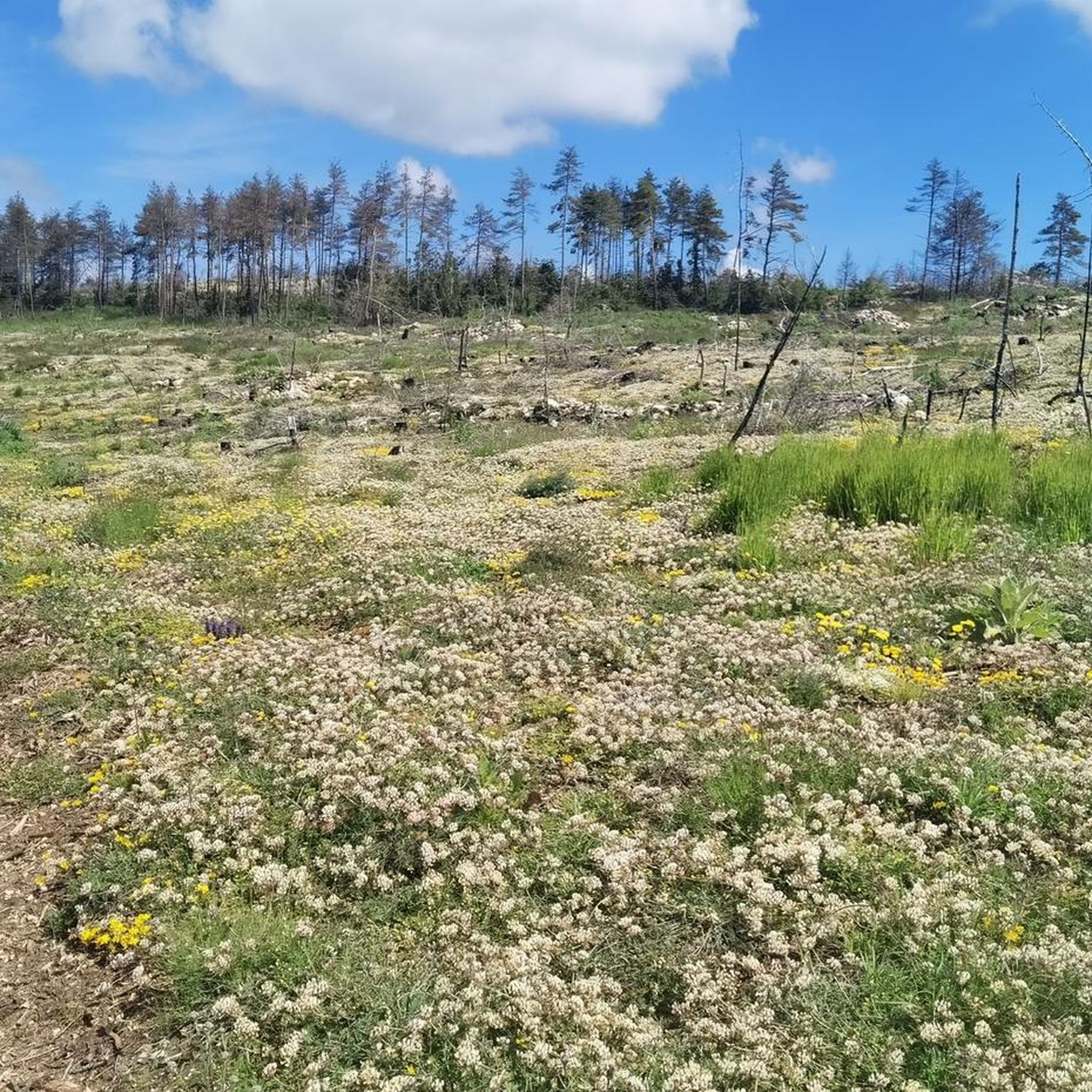
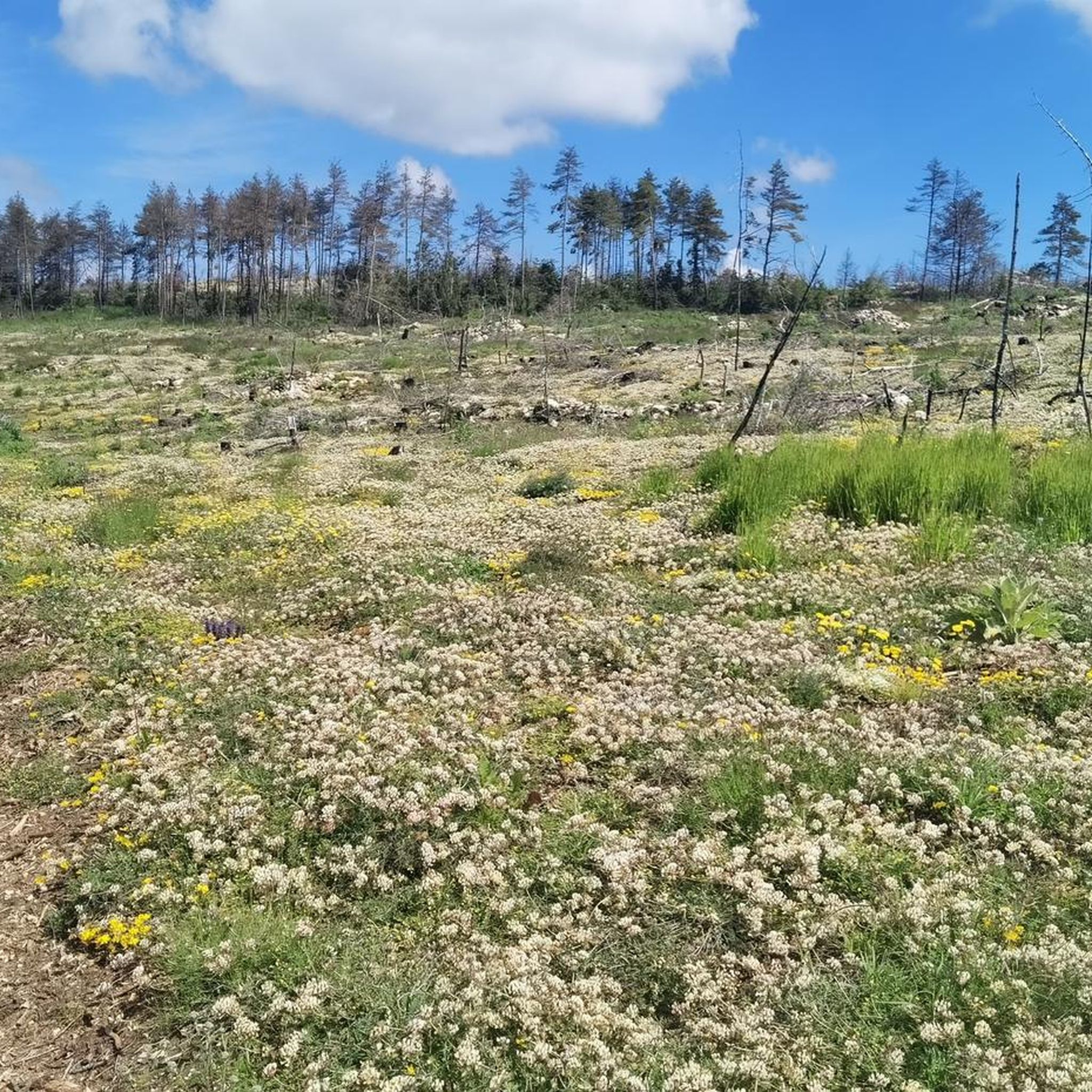
Puech de Suège, culminating at 870 meters, offers superb panoramic views of the surrounding landscapes, including the Tarn Valley. Its southern slope features a 90-meter high vertical cliff with the 'Grotte des Fées,' accessible only by climbing. The area is also known for its beautiful flora, especially in May and June when it's covered in flowers, making it a picturesque destination for nature lovers.
Are there any mountain peaks that require special equipment or skills to reach the summit?
Yes, Capluc Rock's summit is accessible by ladders, which do not require specialized climbing equipment but a good head for heights. For the adventurous, the 'Grotte des Fées' on Puech de Suège's southern slope is only accessible by artificial climbing, requiring specialized gear and expertise.
Which peaks offer the best panoramic views of the Tarn Valley?
Both Puech de Fontaneilles and Puech de Suège are renowned for their exceptional panoramic views of the Tarn Valley and the surrounding Causses. Capluc Rock also provides magnificent vistas of the Tarn gorges and the three Causses.
Are there historical sites or interesting stories associated with these elevated points?
Absolutely. The Puech de Fontaneilles features an 'insoluble piédestal du XIXe' (unusual 19th-century pedestal) with a fascinating story of an unfinished statue. Capluc Rock was historically a defense and observation post, once surmounted by a castle, and its name is thought to symbolize where the first rays of the rising sun shine.
What kind of outdoor activities can I do near the mountain peaks around Rivière-sur-Tarn?
The region offers a variety of outdoor activities. You can find numerous running trails, such as the 'Rivière-sur-Tarn - Trail N12' or the 'Château de Peyrelade loop'. For mountain hikes, consider routes like the 'Cave – Via Ferrata Bridge loop' or the 'Pouncho d'Agast loop'. Mountain biking enthusiasts can explore trails like the 'Peyrelade Castle – Entre-Deux-Monts Cellars loop'. You can find more details on these activities in the Running Trails around Rivière-Sur-Tarn, Mountain Hikes around Rivière-Sur-Tarn, and MTB Trails around Rivière-Sur-Tarn guides.
Are there hiking opportunities that incorporate the Puech de Fontaneilles?
Yes, several hiking trails incorporate the Puech de Fontaneilles, often starting from the historic Château de Peyrelade. These routes, like 'Trail N°12', allow you to explore the wooded plateau, the pedestal, and the semi-troglodyte wine cellars. Some hikes are described as 'difficult' with significant elevation gain, offering a rewarding challenge.
Are there any peaks known for paragliding take-off points?
Yes, both the View from Pouncho d'Agast and Pic d'Andan are renowned paragliding take-off spots. The Pouncho d'Agast is particularly pleasant in the morning for watching paragliders.
What kind of natural features can I see from these elevated points?
From these elevated points, you can witness the dramatic landscapes of the Gorges du Tarn, the vast limestone plateaus known as the Causses (including Causse Méjean and Causse Noir), and unique rock formations. The Puech de Suège, in particular, is known for its rich biodiversity and beautiful flora, especially in spring.
What are the difficulty levels of hiking trails around these peaks?
Hiking trails in the region vary in difficulty. For example, the 'Rivière-sur-Tarn - Trail N12' is considered difficult, while a route traversing Puech de Suège starting from Fontaneilles is described as 'very beautiful' but 'quite difficult'. However, a shorter round-trip hike on Puech de Suège is considered 'easy'. Always check specific route details for elevation gain and terrain.
What do visitors enjoy most about the mountain peaks around Rivière-sur-Tarn?
Visitors consistently praise the magnificent panoramic views of the Tarn Valley, the Gorges, and the surrounding Causses. The unique geological formations, historical intrigue like the pedestal at Puech de Fontaneilles, and the opportunity for various outdoor activities such as hiking and paragliding are also highly appreciated.
Most popular routes around Rivière-Sur-Tarn
Most popular attractions around Rivière-Sur-Tarn

Get inspired with the komoot mobile app


Explore more
See even more amazing summits around Rivière-Sur-Tarn with these guides:
