Attractions and Places To See around Legé - Top 17
Best attractions and places to see around Legé, a town in Loire-Atlantique, France, offers a mix of historical landmarks and natural features. Situated approximately 40 km south of Nantes, the area is characterized by its verdant landscape and is traversed by the Logne river. Visitors can explore a variety of sites, from ancient castles to unique natural formations. The region provides a peaceful setting for discovering local heritage and outdoor points of interest.
Best attractions and places to see around…
Last updated: May 4, 2026
The Old Bridge of Rocheservière
Highlight • Bridge
Translated by Google •
Tip by

Stone of the Farfadets
Highlight • Other
Translated by Google •
Tip by

Sign up now to discover places like this
Get recommendations on the best single tracks, peaks, & plenty of other exciting outdoor places.
Sign up for free
Château de la Touche
Highlight • Other
Translated by Google •
Tip by
Logis de la Chabotterie
Highlight • Castle
Translated by Google •
Tip by

Saint Sauveur Chapel
Highlight • Other
Translated by Google •
Tip by
Sign up for free to discover even more attractions around Legé.
Sign up for free
Already have an account?
Start today with a free account
Your next adventure awaits.
Login or Signup


Tips from the Community

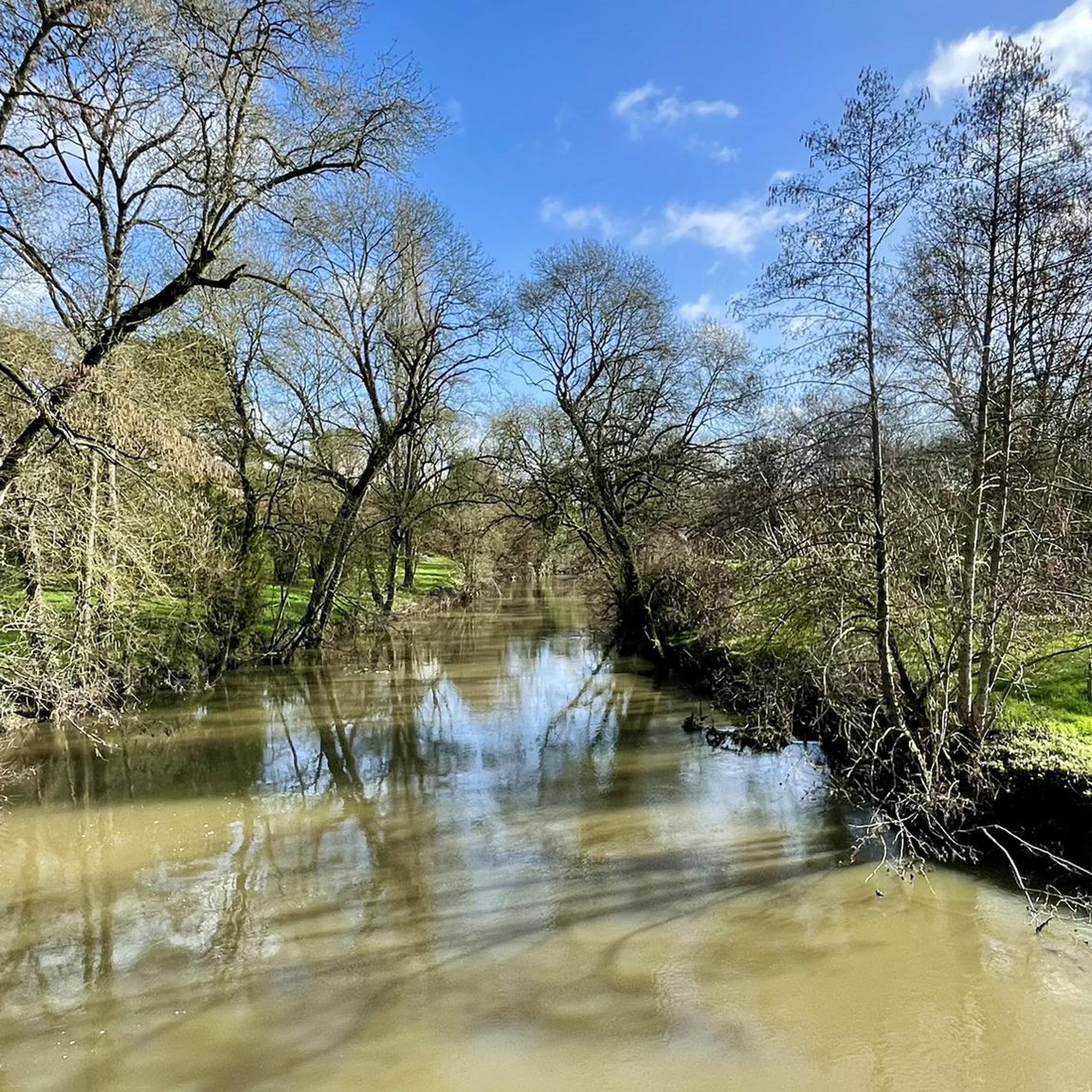
Nice bridge, kayak base underneath.
0
0
Very beautiful castle on the road.
0
0

A very beautiful 19th-century castle, particularly impressive for its two medieval-style towers. Sadly destroyed by a deadly fire in 2019, but very well restored.
1
0
13th century chapel, renowned for its Transfiguration altarpiece, dated from the 17th century and listed as a historic monument. Part of the Saint-Sauveur cultural site.
2
0
Very beautiful bridge, of uncertain age. Beautifully renovated in 2024.
1
0

We can think that this bridge dates back at least to the 10th century. It was for a long time the only way through Boulogne for miles around. It is made up of 4 Roman style arches with a semicircular vault and cut stones placed in a cradle, a style prior to the 12th century. The 5th arch on the mill side is in the Gothic style with its pointed arch, pointed arch, restored in this form after the revolution. The small bridge is listed as a historical monument. But the most notable historical anecdote concerning him takes place on June 19 and 20, 1815, the day after the Battle of Waterloo: Indeed, Napoleon's return to power, known as the 100 days (March 20 – June 23, 1815) caused the exile of King Louis XVIII and triggered an uprising in western France. Napoleon sent a considerable military force of more than 20,000 men there. The fighting that took place at Rocheservière marks the end of this final Vendée insurrection. On June 20, after a fierce battle, on this old bridge and in the surrounding streets, the imperial armies routed the Vendée insurgents, whose survivors returned to their cottages for good. But in his memoirs written in Saint Helena, Napoleon affirms that if he had had, at the time of the battle of Waterloo on June 18, only 10,000 more men, that is to say half of his troops occupied on the territory of west of France, his destiny would have been changed. This small bridge may be less famous than that of Arcole, but when you cross it, tell yourself that the course of history may have been played out here and neither more nor less than the fate of the world!
0
0
This castle, which dates "only" from the 19th century, despite its medieval inspiration in a Viollet Leduc spirit, dominates Boulogne and the town of Rocheservière. It was affected by a serious fire in 2019 in which its owner was killed. Restored since, it now offers a new face and its facade has a proud appearance. https://www.lereportersablais.com/vendee-les-photos-du-chateau-de-rocheserviere-frappe-par-un-cruel-feu/
0
0

Here is one of the most mysterious megaliths in the country. It features 362 enigmatic engravings. Sometimes called Pierre de Merlière and in connection with the apparitions of a white lady, sometimes called Palet de Gargantua and in connection with the famous giant, according to the most widespread tradition, the strange marks come from leprechauns who would have hidden a treasure under the Pierre. The engravings would either represent a game they were playing, called a caguenette, or they would magically protect the stone from anyone who wanted to move it to get their hands on the treasure. Officially, we do not know who engraved these shapes, nor when. According to historians, they probably date from the Neolithic era but their meaning remains, and will remain, one of the greatest mysteries in France ...
2
0
Frequently Asked Questions
What historical sites can I explore around Legé?
Legé is rich in history. You can visit the impressive Château de Bois Chevalier (built in 1655) and the ancient Château du Retail with towers dating back to the 14th and 15th centuries. Don't miss the The Old Bridge of Rocheservière, a beautifully renovated historical monument that played a role in the final Vendée insurrection. Another significant site is the Logis de la Chabotterie, a high place of the Vendée wars where General Charette was captured.
Are there any unique natural attractions or mysteries to discover?
Absolutely! A truly unique spot is the Stone of the Farfadets, a mysterious megalith featuring 362 enigmatic engravings. According to local tradition, these marks come from leprechauns who hid a treasure under the stone, and their meaning remains one of France's greatest mysteries. The area is also characterized by its verdant and hedged landscape, crisscrossed by the peaceful Logne River.
What kind of outdoor activities are available near Legé?
The region around Legé offers various outdoor activities, especially cycling. You can find numerous routes for different types of biking. For gravel biking, explore routes like the 'Saint-Colomban Wooden Bridge loop' or 'Fréligné loop' mentioned in the Gravel biking around Legé guide. For mountain biking, check out the 'Legé Pond loop' or 'Saint Sauveur Chapel – Rocheserviere loop' in the MTB Trails around Legé guide. Road cyclists can enjoy longer rides such as the 'La Bourrine à Rosalie – Commequiers Castle loop' or 'Lac d'Apremont – Apremont Castle loop' from the Road Cycling Routes around Legé guide.
Are there family-friendly attractions in the Legé area?
Yes, several attractions are suitable for families. The The Old Bridge of Rocheservière is a historical site that can be interesting for all ages. The Logis de la Chabotterie also offers a historical experience. Additionally, the Espace Aquatique du Château d'O provides three outdoor pools and a relaxation area, perfect for family fun. The Plans d'eau du Paradis are also great for family walks in a beautiful setting.
What are some religious or pilgrimage sites in Legé?
Legé has a strong religious heritage. The Saint Sauveur Chapel, a 13th-century chapel, is renowned for its 17th-century Transfiguration altarpiece, which is listed as a historic monument. The Chapelle Notre-Dame-de-Pitié (Charette Chapel) serves as an official memorial to General Charette and his Vendéen fighters. You can also visit The Field of the Column, a pilgrimage site with replicas of the Grotto of the Nativity, Calvary, the tomb of Christ, and the Lourdes grotto, featuring a granite column supporting a statue of the Virgin Mary. The town is also dotted with numerous calvaries, with some 77 religious monuments throughout the communal territory.
Where can I enjoy walks in a natural setting around Legé?
For peaceful walks in nature, the Plans d'eau du Paradis offer a beautiful setting. The entire area around Legé is characterized by its green and bocage (hedged farmland) scenery, with the Logne River contributing to a serene ambiance. You'll find many opportunities to stroll along the riverbanks and through the verdant landscape.
What is the best time of year to visit Legé for sightseeing?
Legé, with its peaceful and flowery ambiance, is particularly pleasant during the warmer months. Spring and summer would be ideal to enjoy the verdant landscape, outdoor activities, and the aquatic center. The town's natural beauty, especially along the Logne River, is best appreciated when the weather is mild.
Are there any castles to visit near Legé?
Yes, Legé and its surroundings feature several notable castles. You can explore the Château de Bois Chevalier, an impressive castle built in 1655, and the historic Château du Retail, with parts dating back to the 14th and 15th centuries. While a private property, the 16th-century granite Butière Castle, formerly the manor of the Lords of Montaigu, is also nearby. The Logis de la Chabotterie, with its 16th-century origins, is another significant historical estate.
What do visitors particularly enjoy about the attractions around Legé?
Visitors appreciate the blend of historical significance and natural beauty. The The Old Bridge of Rocheservière is often highlighted for its beauty and historical context, with many finding its role in the Vendée insurrection fascinating. The mysterious Stone of the Farfadets captivates with its enigmatic engravings. The overall peaceful setting, the flowery ambiance, and the opportunities for outdoor activities like cycling are also highly valued by those exploring the area.
Can I find places to relax by the water in Legé?
Yes, Legé offers serene spots by the water. The town is bathed by the Logne River, providing a peaceful and picturesque setting for strolls. The Plans d'eau du Paradis are beautiful bodies of water that are perfect for relaxing walks and enjoying the natural environment. Additionally, the Espace Aquatique du Château d'O features outdoor pools for recreation and relaxation.
Are there any specific historical events tied to the attractions in Legé?
Many attractions in Legé are deeply connected to historical events. The The Old Bridge of Rocheservière was the site of a fierce battle during the final Vendée insurrection in 1815. The Logis de la Chabotterie is famous as the place where the Vendée general Charette was captured in 1796, marking the end of the conflict. The Chapelle Notre-Dame-de-Pitié was erected in 1824 by Charles X as an official memorial to General Charette and his fighters.
Where can I find information about local markets or equestrian activities?
While Legé itself has a seasonal tourist office, for information on local markets, you might explore nearby towns like Machecoul, Challans, and La Roche-sur-Yon, which host markets on various days. For equestrian activities, opportunities for Western riding, including lessons and trail rides, are available in the vicinity, promoting a unique connection between rider and horse.

Get inspired with the komoot mobile app


Explore more
Still not found the Highlight you’re looking for? See guides of the top attractions in other regions:
