Attractions and Places To See around Aguessac - Top 20
Best attractions and places to see around Aguessac include a blend of natural beauty, historical landmarks, and cultural sites. Situated at the confluence of the Causses Noire, Méjean, and Sauveterre, as well as the Jonte and Tarn gorges, the area offers diverse landscapes. Aguessac itself features historical elements like the SNCF Viaduct and ancient megaliths, while the surrounding region is rich in dramatic geological formations and picturesque villages. The area is part of the Parc Naturel Régional des Grands Causses,…
Last updated: July 6, 2026
Le Rozier
Highlight • Settlement
Translated by Google •
Tip by

Capluc Rock
Highlight • Viewpoint
Its summit is accessible by ladders (no …
Translated by Google •
Tip by

Sign up now to discover places like this
Get recommendations on the best single tracks, peaks, & plenty of other exciting outdoor places.
Sign up for free
Peyrelade Castle
Highlight • Castle
Translated by Google •
Tip by

Peyreleau
Highlight • Settlement
Translated by Google •
Tip by

The Creissels waterfalls
Highlight • Waterfall
Translated by Google •
Tip by

Sign up for free to discover even more attractions around Aguessac.
Sign up for free
Already have an account?
Start today with a free account
Your next adventure awaits.
Login or Signup

Tips from the Community

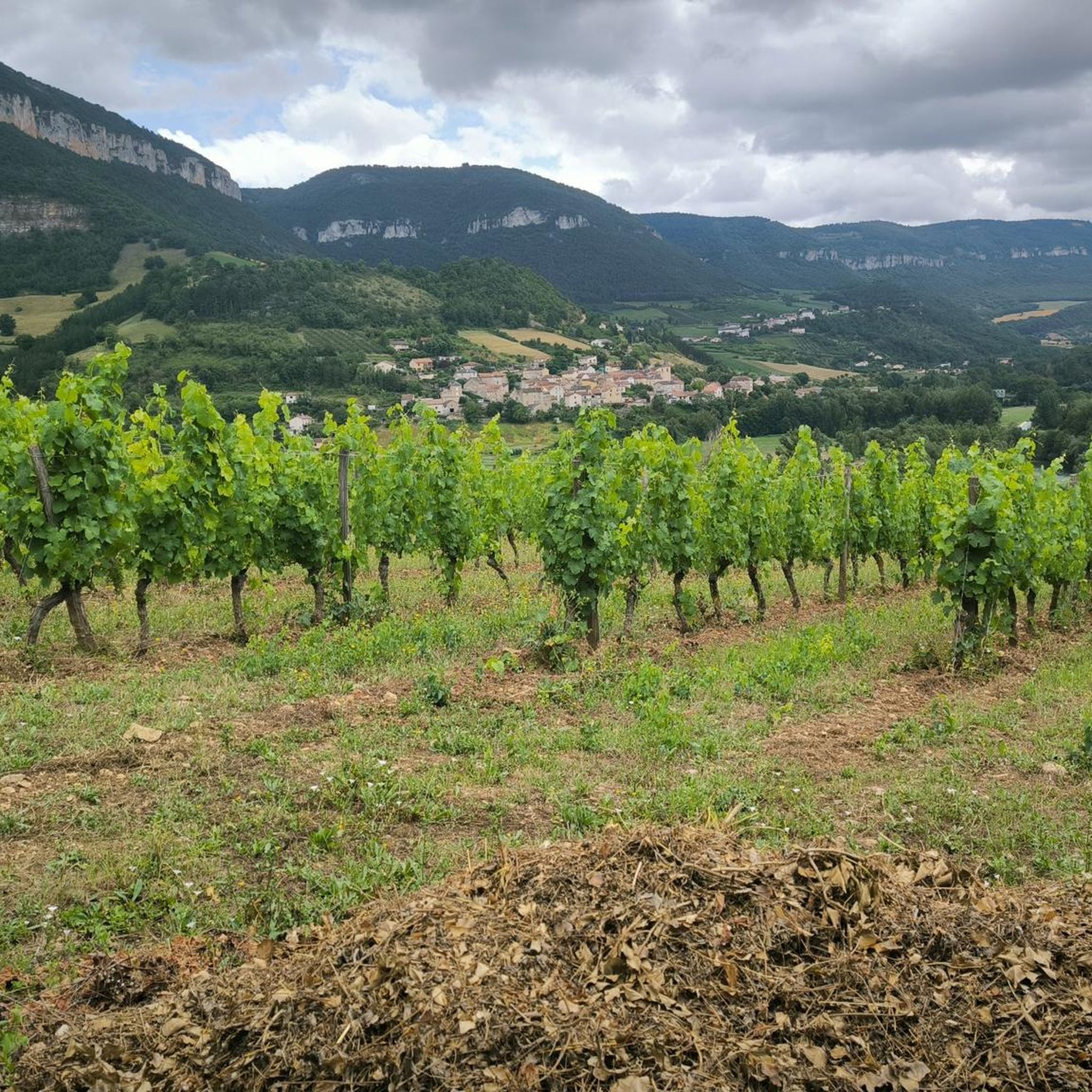
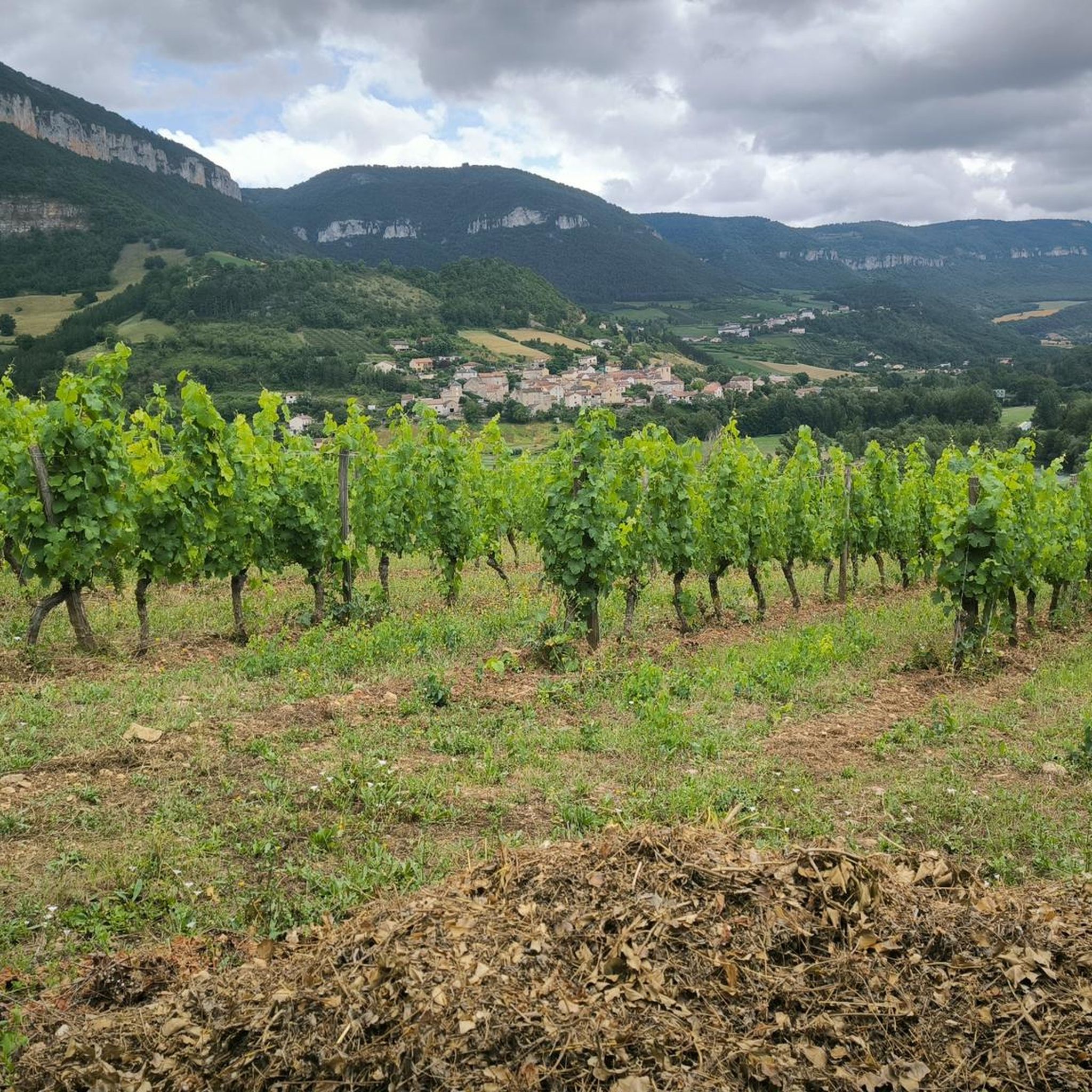
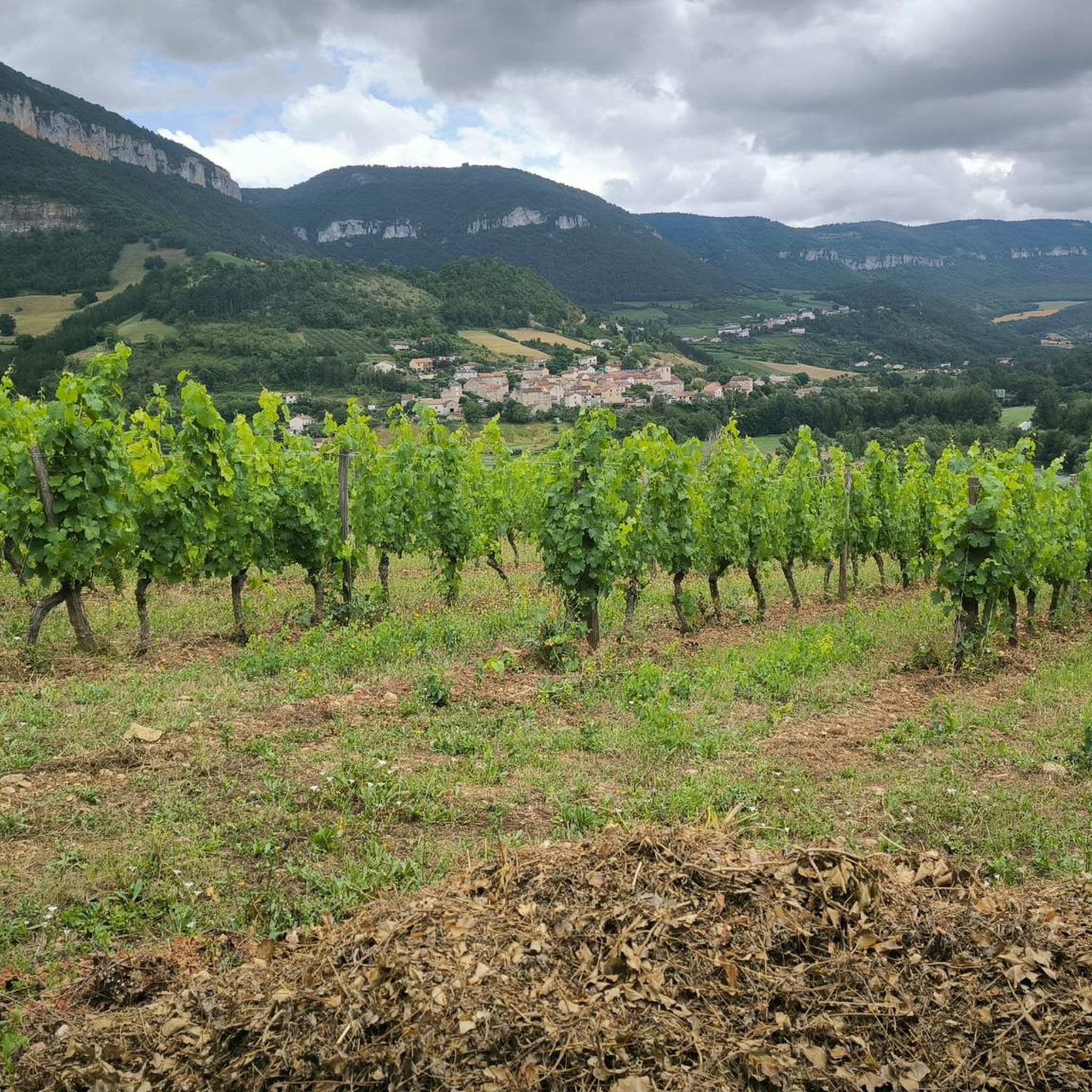
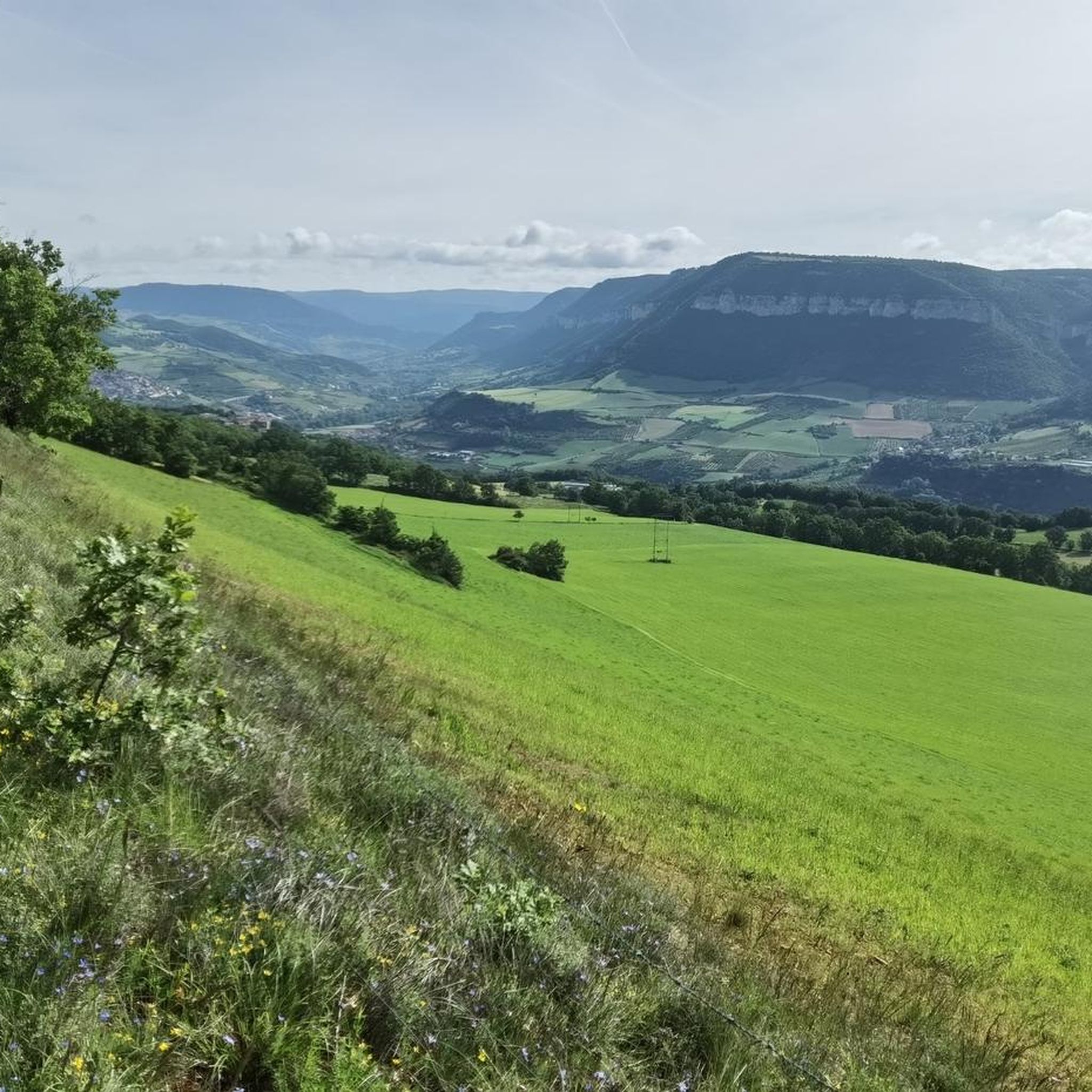
As a local and a cyclist, I can confirm that the scenery is magnificent and the small roads are ideal for cycling, provided you avoid the peak period from July 15th to August 15th. However, I regret that you only mention the village of Le Rozier in the route descriptions, while the photos are mostly of Peyreleau, a superb, unspoiled village, away from the traffic of the gorges, which it faces on the other side of the Jonte River! Note: Le Rozier is in Lozère, while Peyreleau is in Aveyron.
0
0


Many iron ladders lead up to the summit cross with a magnificent view,
1
0


Magnificent viewpoint at the confluence of the Tarn and the Jonte
0
0
Frequently Asked Questions
What unique historical sites can I explore in and around Aguessac?
Aguessac and its surroundings are rich in history. Within the commune, you can see the 19th-century Aguessac SNCF Viaduct, a significant architectural landmark. The area also features ancient megaliths, including five dolmens and six tumuli, testifying to Copper Age settlements. Nearby, the impressive Peyrelade Castle, a fortress dating back to the 12th century, offers a glimpse into medieval times with its spectacular position above the Tarn valley.
What natural wonders can I discover near Aguessac?
The region around Aguessac is known for its dramatic landscapes. You can explore the magnificent Gorges du Tarn and the scenic Gorges de la Jonte. Don't miss the impressive Chaos de Montpellier-le-Vieux, a unique 'stone city' with fascinating geological formations. For underground exploration, Aven Armand offers a spectacular cave experience with a 'forest' of stalagmites, and the Abîme de Bramabiau is another notable chasm.
Are there any picturesque villages worth visiting close to Aguessac?
Absolutely. Just a short distance away, Peyre is listed among the 'most beautiful villages in France' and is close to the Millau Viaduct. Peyreleau, a 'Small City of Character,' is built on a hillock at the foothills of the Causse Noir and serves as a starting point for many hikes. Further afield, La Couvertoirade and Sainte-Enimie are also recognized as some of France's most beautiful villages.
What are the most popular attractions around Aguessac according to visitors?
Visitors particularly enjoy Peyrelade Castle, spectacularly situated on a rock spur high above the Tarn valley. Another favorite is Le Rozier, a charming settlement at the confluence of the Tarn and Jonte gorges, which serves as an excellent base for exploring the natural sites. Peyreleau is also highly rated for its character and as a starting point for hikes.
Are there family-friendly activities or attractions in the Aguessac area?
Yes, the area offers several options for families. The natural landscapes, such as the Gorges du Tarn and Gorges de la Jonte, provide opportunities for outdoor exploration. For an educational and entertaining experience, Micropolis la Cité des Insectes, an insect-themed museum, is located about 11 km from Aguessac and is a great option for children.
What kind of outdoor activities can I do around Aguessac?
Aguessac is an excellent base for outdoor enthusiasts. You can find numerous opportunities for hiking, running, and gravel biking. For detailed routes, explore the Hiking around Aguessac guide, the Running Trails around Aguessac guide, or the Gravel biking around Aguessac guide for routes of varying difficulties.
Are there specific hiking trails recommended near Aguessac?
Yes, there are many hiking trails. For an easy walk, consider the 'View of the Tarn valley – Village of Compeyre loop from Aguessac' (5.99 km). Moderate options include 'From Tarn – View of the Tarn valley loop from Aguessac' (9.63 km) or 'La Puncho d'Agast loop' (7.81 km). You can find more options in the Hiking around Aguessac guide.
When is the best time to visit Aguessac and its surrounding attractions?
The region around Aguessac is generally pleasant from spring to autumn. The summer months are ideal for enjoying outdoor activities in the gorges and exploring the villages. However, if you prefer milder temperatures and fewer crowds, late spring (May-June) and early autumn (September-October) offer excellent conditions for hiking and sightseeing.
Where can I find panoramic views of the region?
For breathtaking panoramic views, head to Capluc Rock. This former defense post on the Causse Méjean offers stunning vistas over the confluence of the Tarn and Jonte rivers, accessible by ladders. Another remarkable viewpoint is the Pas Destrech Cross on the Causse du Larzac, which provides a dizzying panorama over the town of Millau from the edge of impressive cliffs.
What is the significance of the Aguessac SNCF Viaduct?
The Aguessac SNCF Viaduct is a significant 19th-century railway viaduct completed in 1876. It marked the arrival of the train to the area and stands as an important architectural and historical landmark within Aguessac, symbolizing the region's connection to the broader rail network.
Can I explore ancient history around Aguessac?
Yes, the area around Aguessac has a rich prehistoric past. Evidence of ancient human settlement includes five dolmens and six tumuli, such as one at Les Horts, which are remnants from the Copper Age and the 'Groupe des Treilles.' The Gorges de la Barbade also contain rock shelters inhabited since prehistoric times, where a copper dagger from the Copper Age was discovered in the 'Grotte des Baumes'.
Are there any less-known natural sites or 'hidden gems' to explore?
Beyond the major gorges, the valley formed by the Barbade stream offers a glimpse into prehistoric habitation with its gorges and well-exposed rock shelters. While not a 'hidden gem' in the sense of being unknown, the Historic Mulberry Tree in Aguessac is a unique survivor from the village's sericulture (silk farming) industry, which began in 1710, offering a quiet historical curiosity.
Most popular routes around Aguessac
Most popular attractions around Aguessac

Get inspired with the komoot mobile app


Explore more
Still not found the Highlight you’re looking for? See guides of the top attractions in other regions:
