Attractions and Places To See around Saint-André-De-Vézines - Top 20
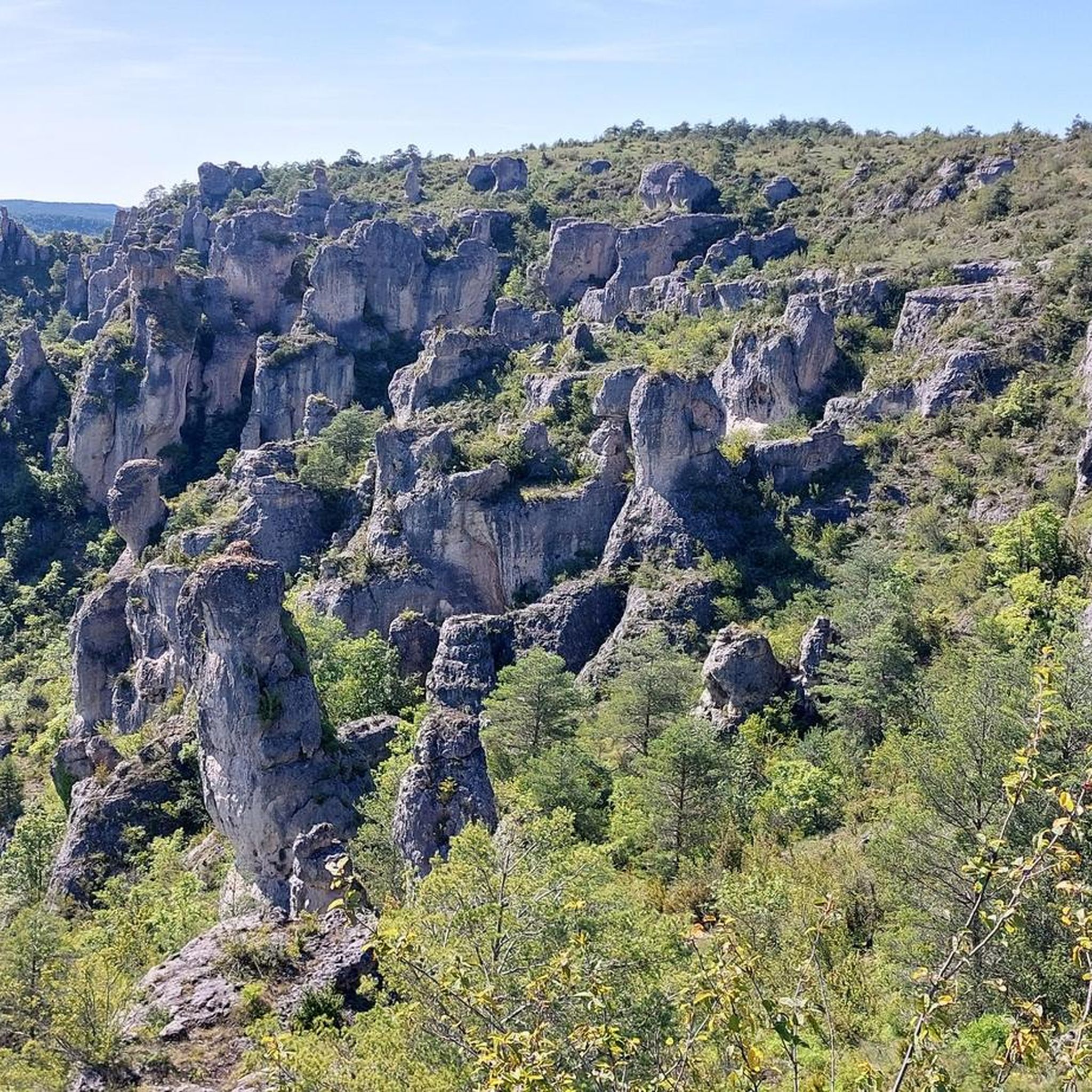
Attractions and places to see around Saint-André-De-Vézines are concentrated within the Grands Causses Natural Park, offering a blend of natural beauty and historical sites. The region is characterized by its dramatic gorges, including the Jonte, Dourbie, and Tarn, and unique "ruiniform" rock formations. Traditional Caussenarde architecture is visible throughout the area, providing a glimpse into local heritage. This location serves as a base for exploring diverse landscapes and cultural landmarks.
Best attractions and places to see around Saint-André-De-Vézines
- The most…
Last updated: May 9, 2026
Le Rozier
Highlight • Settlement
Translated by Google •
Tip by

Vase de Sèvres and Vase de Chine
Highlight • Natural Monument
In addition to …
Translated by Google •
Tip by

Sign up now to discover places like this
Get recommendations on the best single tracks, peaks, & plenty of other exciting outdoor places.
Sign up for free
Capluc Rock
Highlight • Viewpoint
Its summit is accessible by ladders (no …
Translated by Google •
Tip by
L'Ermitage Saint-Michel
Highlight • Other
Translated by Google •
Tip by

Peyrelade Castle
Highlight • Castle
Translated by Google •
Tip by

Sign up for free to discover even more attractions around Saint-André-De-Vézines.
Sign up for free
Already have an account?
Start today with a free account
Your next adventure awaits.
Login or Signup

Tips from the Community

As a local and a cyclist, I can confirm that the scenery is magnificent and the small roads are ideal for cycling, provided you avoid the peak period from July 15th to August 15th. However, I regret that you only mention the village of Le Rozier in the route descriptions, while the photos are mostly of Peyreleau, a superb, unspoiled village, away from the traffic of the gorges, which it faces on the other side of the Jonte River! Note: Le Rozier is in Lozère, while Peyreleau is in Aveyron.
0
0

An exceptional site due to its location. One thing intrigues me: how did the ancients build with stone at such heights? Even on the backs of mules, the task of climbing the 500m drop from the Tarn is gigantic. Other questions: how did they live there? Certainly no prayers.
0
0

Many iron ladders lead up to the summit cross with a magnificent view,
1
0
Far away from all civilization, this hermitage was built on rocks.
1
0


Magnificent viewpoint at the confluence of the Tarn and the Jonte
0
0
Frequently Asked Questions
What natural wonders can I explore around Saint-André-De-Vézines?
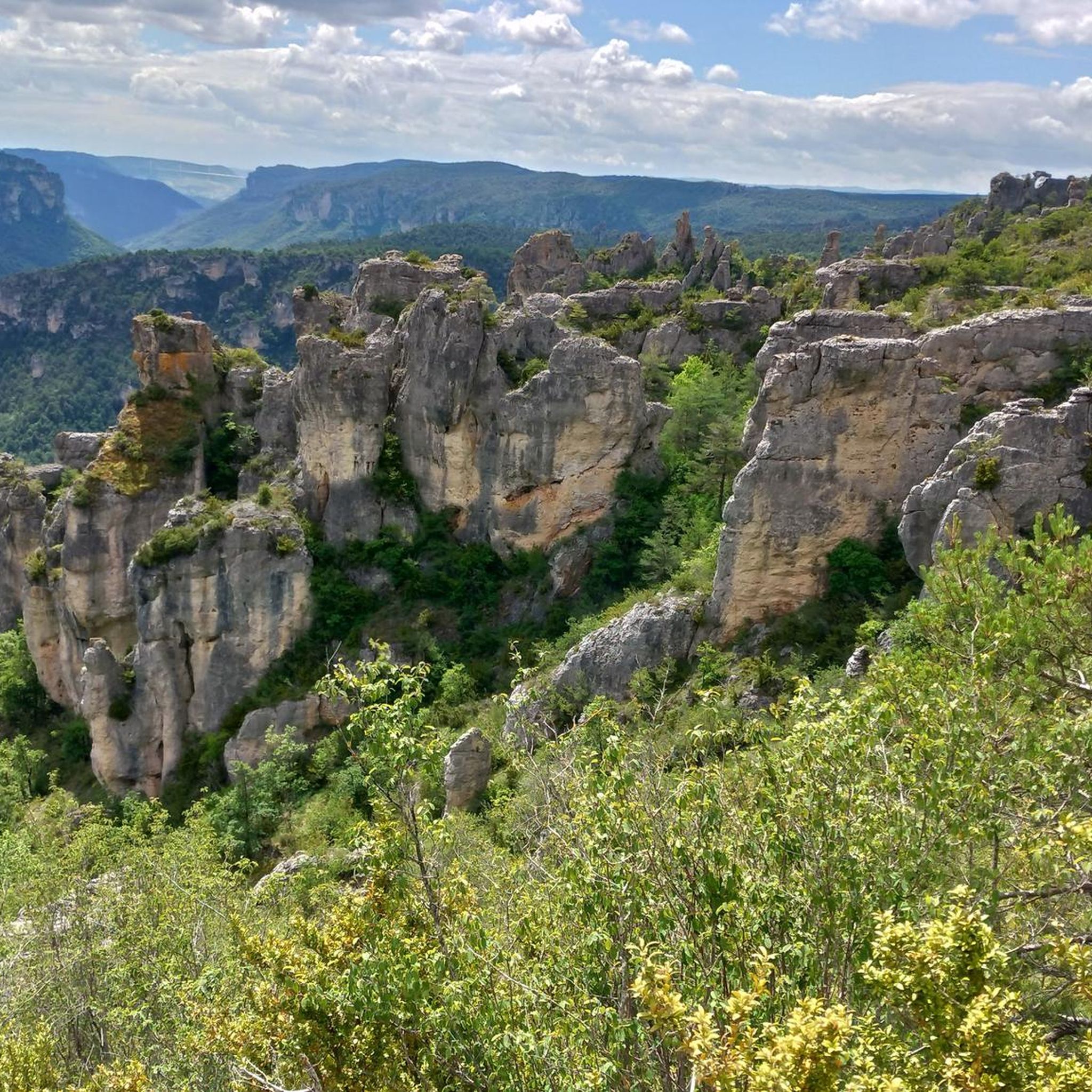
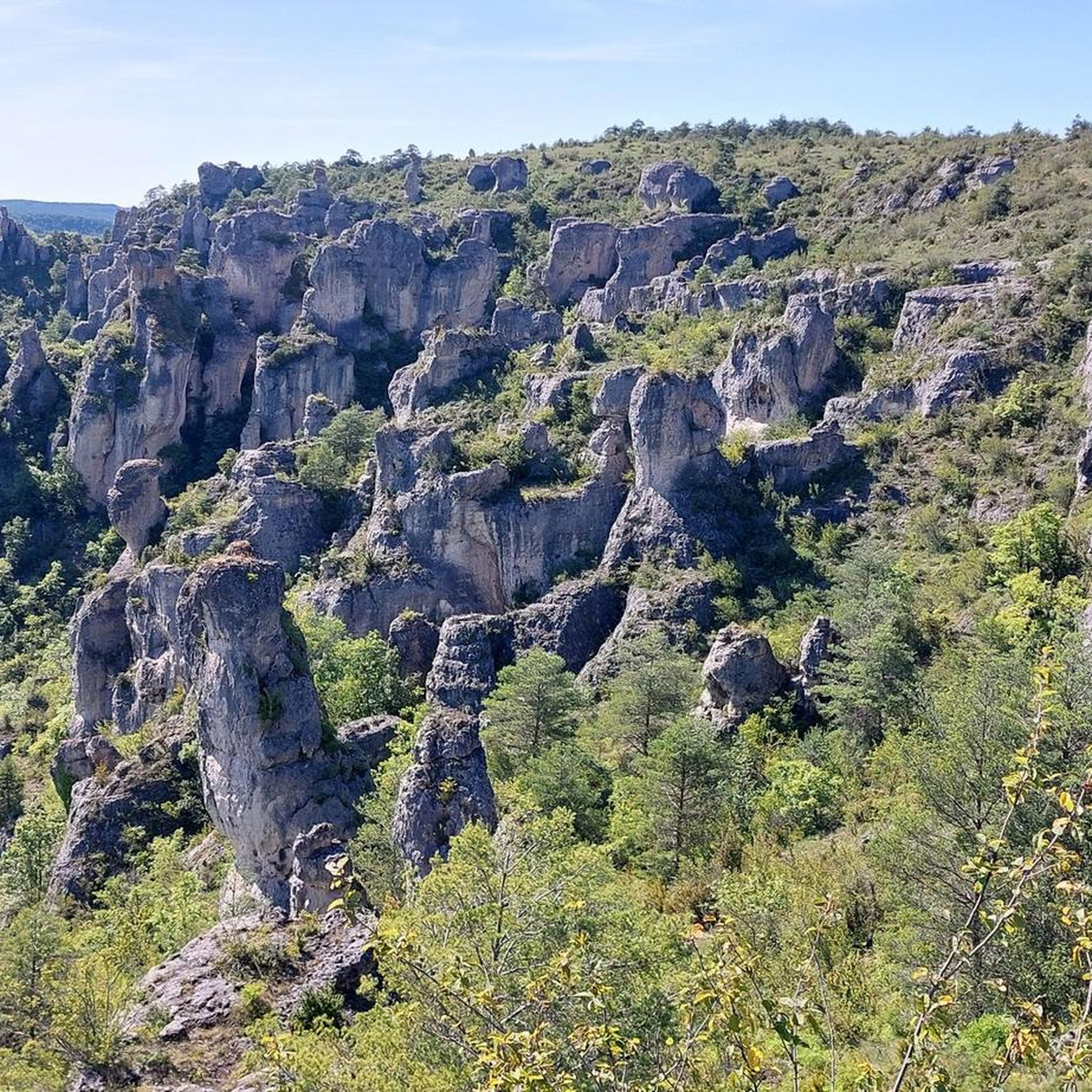
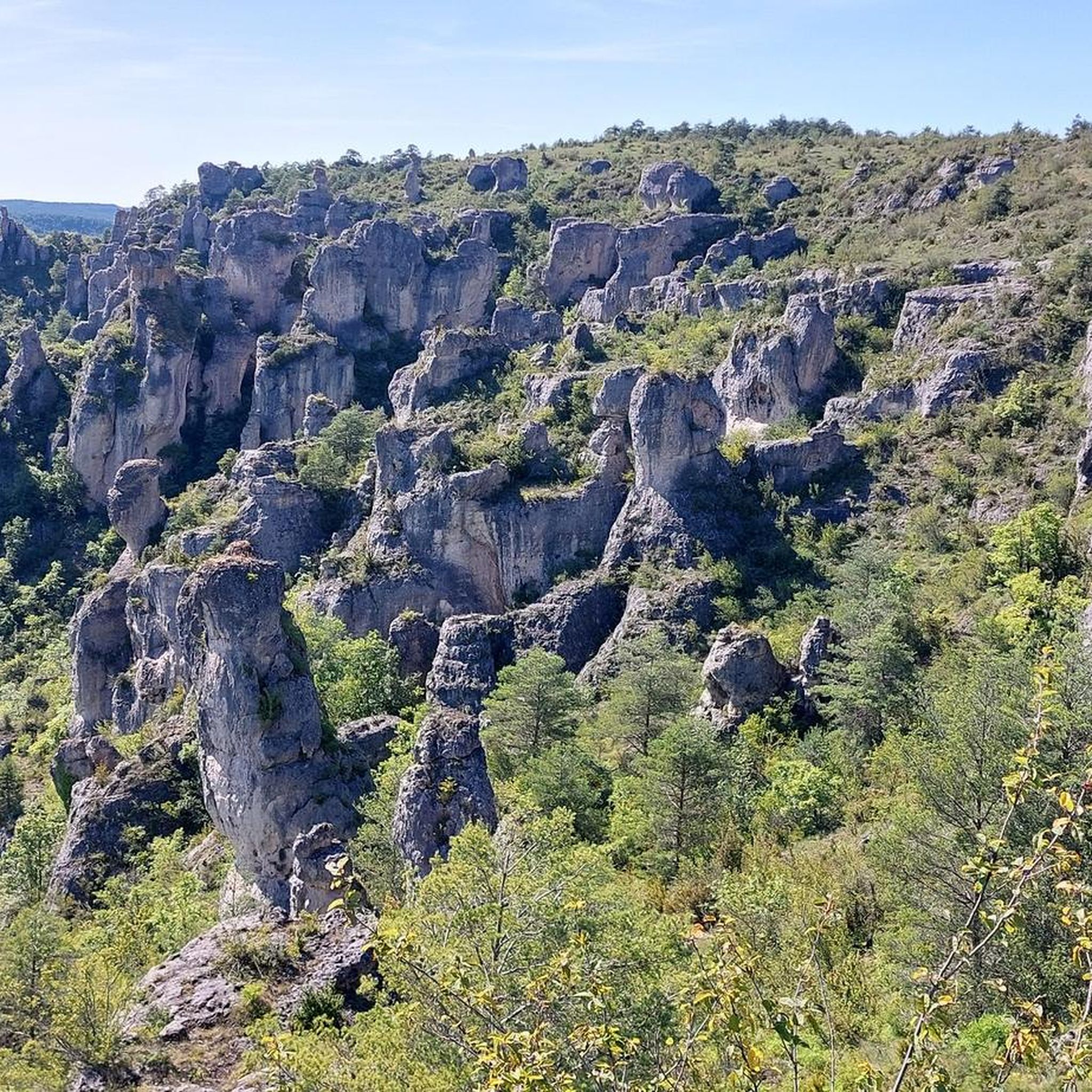
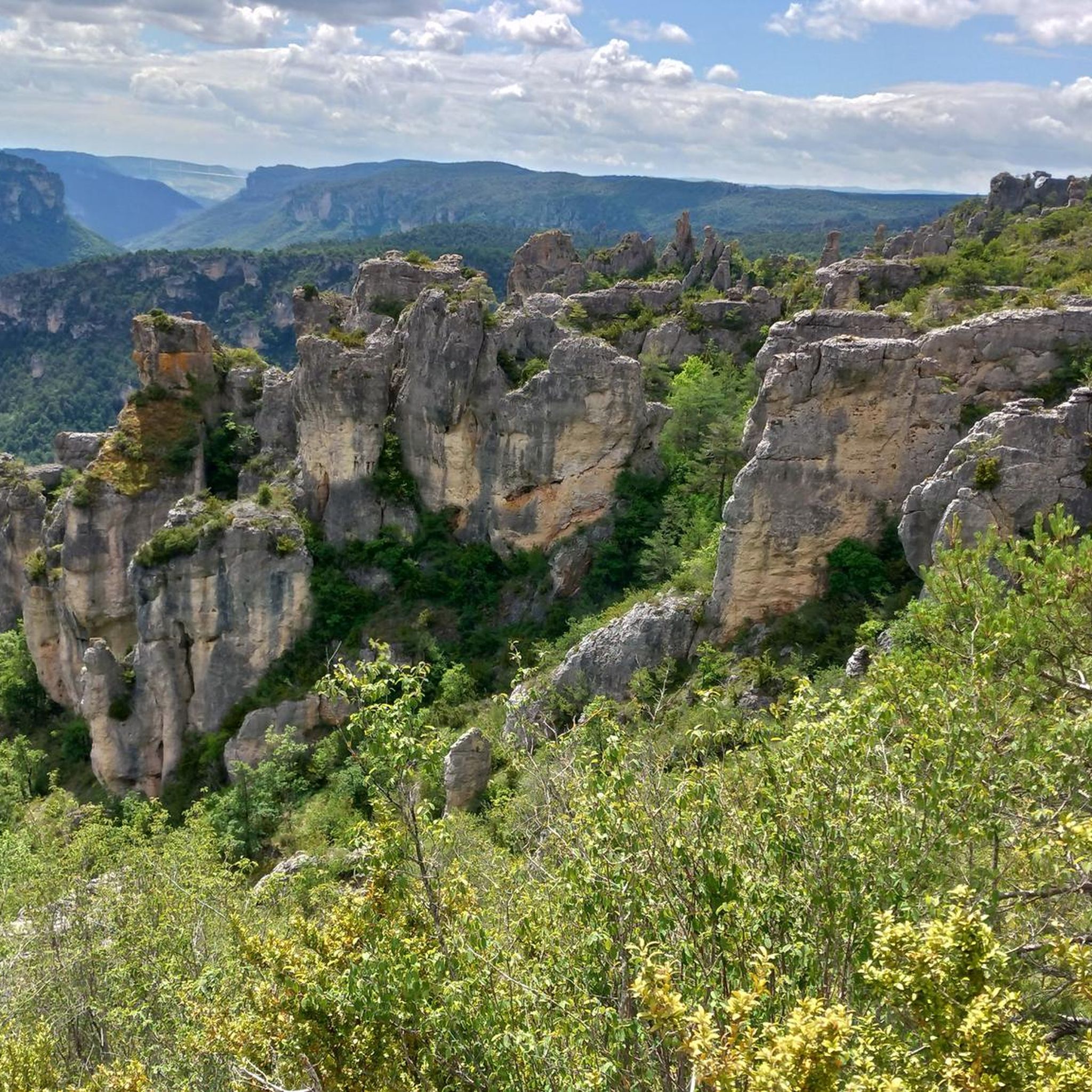
The region is rich in natural beauty, notably the spectacular Gorges of Jonte, Dourbie, and Tarn, which offer breathtaking scenery. You can also discover unique rock formations like Vase de Sèvres and Vase de Chine, two striking monoliths on the Causse Méjean. The nearby "City of Stones" (La Cité de Pierres - Montpellier-le-Vieux) is another impressive karst landscape of eroded rock formations.
Are there historical sites or cultural landmarks to visit in the area?
Yes, Saint-André-De-Vézines and its surroundings boast several historical and cultural sites. Within the village, you can find a Gallo-Roman lavogne, the Roman bridge of Moulin de Corp, and the Menhir of Vessac. A significant historical landmark is Peyrelade Castle, an 11th-century ruin perched above the Tarn valley. Another intriguing site is L'Ermitage Saint-Michel, an ancient fortified site built into the rocks of the Jonte gorges.
What kind of outdoor activities are available in the region?
The area is ideal for outdoor enthusiasts. You can enjoy extensive hiking and walking trails, many of which start directly from Saint-André-De-Vézines, offering routes to viewpoints like the Corniches du Causse Noir. For running, cycling, and mountain biking, there are numerous routes available. You can find detailed running trails at Running Trails around Saint-André-De-Vézines, road cycling routes at Road Cycling Routes around Saint-André-De-Vézines, and MTB trails at MTB Trails around Saint-André-De-Vézines.
Are there family-friendly attractions in Saint-André-De-Vézines?
While specific 'family-friendly' categories are not extensively listed for all attractions, the natural environment offers many opportunities for families. Exploring the Gorges, visiting the unique rock formations, and walking on easier trails can be enjoyable for all ages. The village of Le Rozier, located at the confluence of the Tarn and Jonte gorges, is considered a good base with amenities and campsites suitable for families.
Where can I find panoramic views of the gorges and surrounding landscapes?
For incredible panoramic views, head to the Corniches du Causse Noir and Causse Méjean, which are clifftop paths and plateaus overlooking the gorges. The summit of Capluc Rock, accessible by ladders, offers a spectacular 360° view of the Tarn and Jonte gorges and the three Causses. Many hiking trails also lead to sublime viewpoints, such as the one overlooking the Jonte Gorges from Saint-Jean-des-Balmes.
What do visitors particularly enjoy about the attractions here?
Visitors frequently praise the stunning natural beauty, especially the dramatic gorges and unique rock formations. The historical sites, like Peyrelade Castle, are appreciated for their historical significance and scenic locations. The komoot community has shared over 60 photos and given more than 460 upvotes to the attractions, highlighting the visual appeal and enjoyable experiences in the region.
Are there any charming villages worth visiting nearby?
Absolutely. The region is dotted with picturesque villages. Le Rozier is a charming rural commune at the foot of the Causse Méjean. Other notable villages include La Roque-Sainte-Marguerite in the Gorges de la Dourbie, Peyre (one of France's 'Most Beautiful Villages'), and Sainte-Enimie, nestled within the Gorges du Tarn. Millau, a lively town known for its viaduct, also offers historical sites and markets.
When is the best time to visit Saint-André-De-Vézines for outdoor activities?
The region is particularly beautiful in summer, offering ideal conditions for outdoor activities like hiking, cycling, and exploring the gorges. The pleasant weather allows for full enjoyment of the natural landscapes and village life. However, spring and autumn also provide comfortable temperatures and vibrant scenery, often with fewer crowds.
Can I find easy walking trails suitable for all abilities?
While many trails in the gorges can be challenging, there are options for easier walks. The Botanical Trail of Montméjean offers a dedicated path to explore the local flora. Many footpaths start from Saint-André-De-Vézines, and local tourist offices can provide information on routes suitable for various fitness levels. The village of Le Rozier is also a good starting point for diverse expeditions.
Are there opportunities to see wildlife, like vultures, in the area?
Yes, the region is renowned for its birdlife, particularly vultures. The House of the Vultures (Maison des Vautours), located nearby, offers a chance to observe these magnificent birds in their natural habitat, especially in the cliffs of the Jonte. Many hiking trails, including those around the Corniches du Causse Noir, provide excellent opportunities to spot vultures circling overhead.
Are there any underground caves or avens to explore?
The commune of Saint-André-De-Vézines itself is rich in underground natural sites, including avens (natural shafts) and caves. Nearby, you can explore significant cave systems such as Aven Armand and Grotte de Dargilan, which offer fascinating subterranean experiences.
What is the significance of the 'Vase de Sèvres and Vase de Chine'?
The Vase de Sèvres and Vase de Chine are two unique endemic monoliths on the Causse Méjean. They are striking natural monuments, named for their distinctive shapes, and are a popular spot for both curious geologists and climbing enthusiasts. They offer a glimpse into the geological history of the region and are a testament to the power of natural erosion.
Most popular routes around Saint-André-De-Vézines
Most popular attractions around Saint-André-De-Vézines

Get inspired with the komoot mobile app


Explore more
Still not found the Highlight you’re looking for? See guides of the top attractions in other regions:
