Attractions and Places To See around Semblançay - Top 12
Best attractions and places to see around Semblançay, a commune in the Indre-et-Loire department of France, offers a blend of historical landmarks, natural beauty, and cultural sites. The area features ancient castles, Roman-era structures, and significant megalithic monuments. Visitors can explore diverse landscapes, from fortified ruins to natural areas with varied flora and fauna.
Best attractions and places to see around Semblançay
- The most popular attractions is Luynes Aqueduct, a man-made monument that is an ancient Gallo-Roman aqueduct bridge. With an initial length of 500 meters, approximately 270 meters remain today.
- Another must-see spot is The Fairy Cave, a megalithic monument considered the most important in Touraine, constructed between 2500 and 2000 BC. Both the dolmen and the site have been listed as Historic Monuments since 1914.
- Visitors also love Marcel Leggerini's Famous Maxims, a series of poetic and often humorous maxims by a decorative engraver, found along the Chemin de Villegreuil. These are considered small masterpieces of poetry.
- Semblançay is known for its historical landmarks, natural areas, and cultural sites. The region offers a variety of castles, ancient monuments, and outdoor activities to explore.
- The attractions around Semblançay are appreciated by the komoot community, with more than 40 upvotes and 15 photos shared.
Last updated: August 25, 2026
Luynes Aqueduct
Highlight • Monument
According to estimates, the aqueduct carried water from a source located on one of the sides of the valley where it was built. The aqueduct would thus have made it possible to supply Malliacum (Roman name given to the town of Luynes) with running water.
Translated by Google •
Tip by

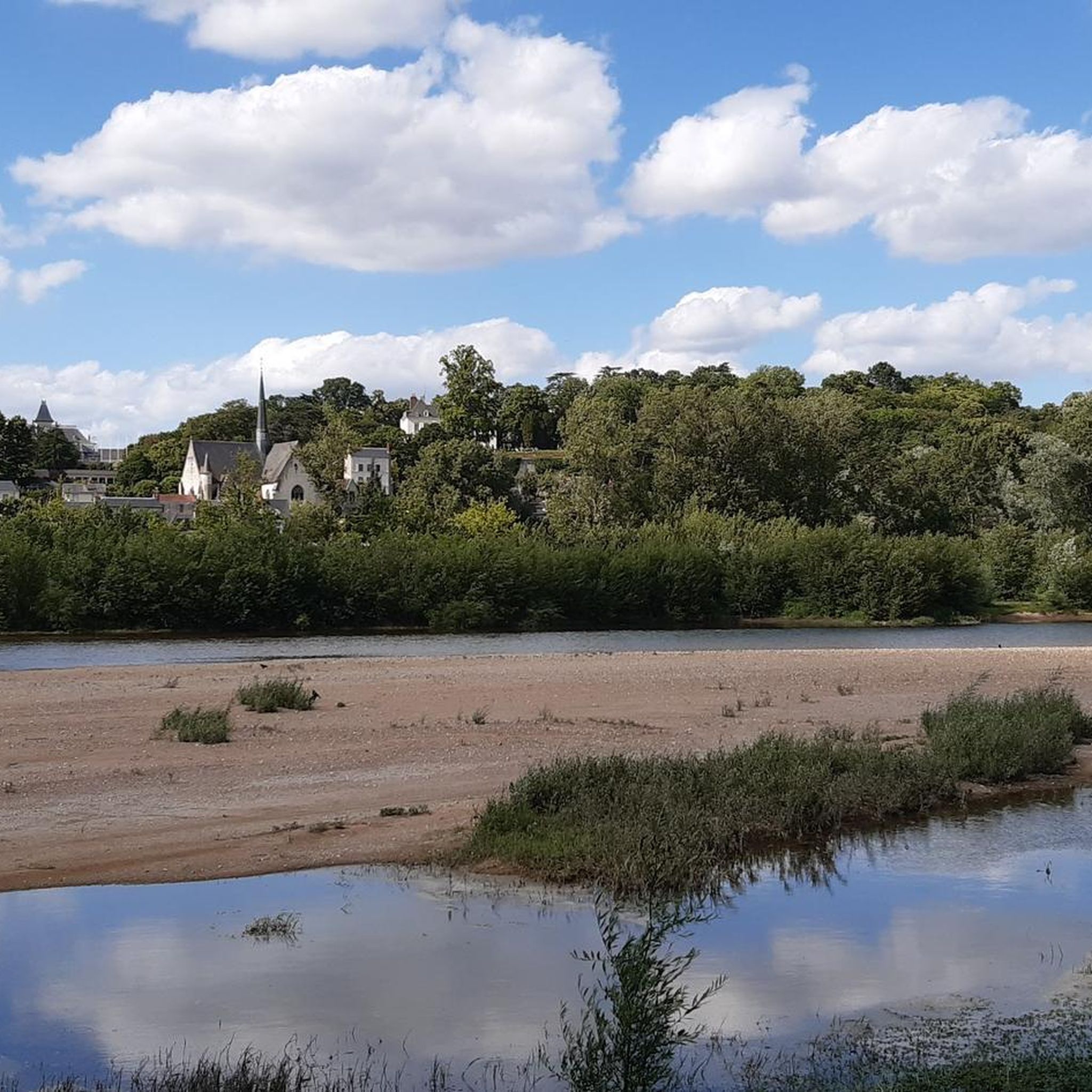
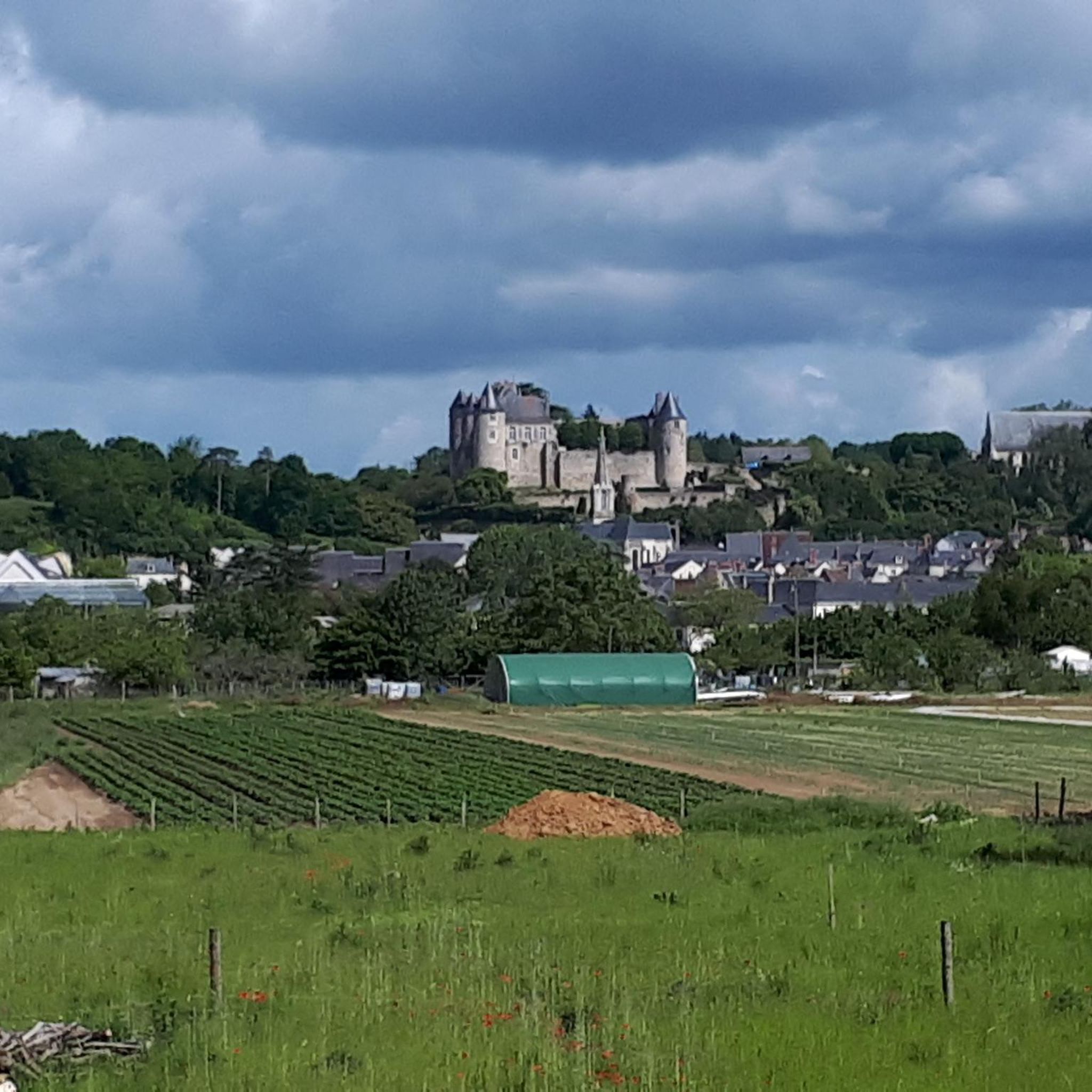
Views of the Château de Luynes
Highlight • Viewpoint
Translated by Google •
Tip by
Sign up now to discover places like this
Get recommendations on the best single tracks, peaks, & plenty of other exciting outdoor places.
Sign up for free
Marcel Leggerini's Famous Maxims
Highlight • Other
You will enjoy reading the maxims of this decorative engraver, little masterpieces of poetry that are often funny, relevant and impertinent.
This craftsman, best worker in France in 1990, had been chosen by the municipality to intervene on the commemorative plaque of the Stéphanois who fell for France during the First World War.
Translated by Google •
Tip by

The Fairy Cave
Highlight • Other
The dolmen and the site of the Grotte aux Fées have been listed as Historic Monuments since 1914.
Translated by Google •
Tip by

Beaumont Castle
Highlight • Castle
Translated by Google •
Tip by

Sign up for free to discover even more attractions around Semblançay.
Sign up for free
Already have an account?
Start today with a free account
Your next adventure awaits.
Login or Signup
Tips from the Community

Very pleasant
0
0

It is a must-see in the village
0
0

The Luynes aqueduct is an ancient Gallo-Roman aqueduct bridge. With an initial length of 500 meters, today only around 270 remain. According to estimates, the aqueduct carried water from a source located on one of the sides of the valley where it was built. The aqueduct would thus have made it possible to supply Malliacum (Roman name given to the town of Luynes) with running water.
1
0

The castle has belonged to the same family since the 17th century. The eight-sided brick tower was added in the 16th century.
1
0
Luynes Castle is an old fortified castle, founded in the 11th century, rebuilt and remodeled several times.
0
0

All along the Chemin de Villegreuil, You will enjoy reading the maxims of this decorative engraver, little masterpieces of poetry that are often funny, relevant and impertinent. This craftsman, best worker in France in 1990, had been chosen by the municipality to intervene on the commemorative plaque of the Stéphanois who fell for France during the First World War.
1
0
Luynes Castle stands proudly on a rocky promontory overlooking the Loire Valley. Built between the 13th and 17th centuries, the castle is closed to the public. So, from this small road, enjoy the panoramic view available to you.
1
0

It is considered the most important megalithic monument in Touraine and was built between 2500 and 2000 years BC. The dolmen and the site of the Grotte aux Fées have been listed as Historic Monuments since 1914.
2
0
Frequently Asked Questions
What historical sites can I explore in Semblançay?
Semblançay is rich in history, featuring several notable châteaux and ancient structures. You can visit the significant ruins of the Château de Semblançay, dating back to the late 10th century. Other historical châteaux in the area include Château de la Source, Château de Dolbeau, and Château du Grand Launay, each with unique architectural features and histories. The Beaumont Castle, with its 16th-century octagonal brick tower, has been owned by the same family since the 17th century.
Are there any ancient Roman structures to see?
Yes, the Luynes Aqueduct is an ancient Gallo-Roman aqueduct bridge. Originally 500 meters long, approximately 270 meters remain today. It is believed to have supplied water to Malliacum, the Roman name for Luynes.
Where can I experience nature and outdoor activities?
For nature enthusiasts, the Espace Naturel Sensible des Rouchoux is a 50-hectare natural area characteristic of Northern Touraine, featuring woods, meadows, and ponds. It's home to rare flora and fauna and offers educational panels about biodiversity. The site is open all year round and includes three orienteering trails of varying difficulty, suitable for families.
Are there family-friendly attractions or activities?
Absolutely. The Espace Naturel Sensible des Rouchoux offers orienteering trails suitable for children and teenagers. Additionally, the Luynes Aqueduct and Views of the Château de Luynes are listed as family-friendly highlights, offering historical exploration and scenic views that can be enjoyed by all ages.
What kind of hiking trails are available near Semblançay?
The region around Semblançay is excellent for hiking. You can find various routes, including moderate options like the 'Jardin de Charentilly loop from Charentilly' (10 km) or the 'Hiking loop from Semblançay' (12 km). For easier walks, consider the 'Jardin de Charentilly – Michel Gauguin Wetland loop' (7.1 km). You can explore more hiking options on the Hiking around Semblançay guide.
Can I go cycling or mountain biking in the area?
Yes, Semblançay and its surroundings are popular for cycling and mountain biking. There are numerous routes available, ranging from moderate to difficult. For gravel biking, you might enjoy routes like the 'Lanterne de Rochecorbon – Iron Bridge Over the Loire loop' (41.2 km). Mountain biking enthusiasts can find trails such as the 'Saint-Roch – Moulin Malveau loop' (46.1 km). Discover more routes on the Gravel biking around Semblançay and MTB Trails around Semblançay guides.
What are some unique cultural experiences in Semblançay?
Beyond historical sites, you can visit the Église Saint Martin, whose oldest part dates back to the late 11th century and houses a wooden Virgin and a 16th-century terracotta Christ. Another unique cultural highlight is Marcel Leggerini's Famous Maxims, a series of poetic and often humorous maxims by a decorative engraver, found along the Chemin de Villegreuil.
Are there any megalithic monuments to visit?
Yes, The Fairy Cave (La Grotte aux Fées) is considered the most important megalithic monument in Touraine. It was constructed between 2500 and 2000 BC, and both the dolmen and the site have been listed as Historic Monuments since 1914.
What do visitors particularly enjoy about the attractions around Semblançay?
Visitors appreciate the blend of historical landmarks, natural beauty, and cultural sites. The ancient Roman structures like the Luynes Aqueduct and the unique megalithic monument of The Fairy Cave are highly regarded. The poetic and often humorous Marcel Leggerini's Famous Maxims also offer a delightful and unexpected discovery for many.
Are there any castles I can view, even if not open to the public?
Yes, while the 13th to 17th-century Château de Luynes is closed to the public, you can enjoy panoramic views of it from a nearby road. Additionally, the ruins of Château de Semblançay and the preserved elements of Château de la Source, Château de Dolbeau, and Château du Grand Launay offer glimpses into the region's rich past.
Is there a specific time of year recommended for visiting Semblançay?
Semblançay offers attractions suitable for various seasons. For outdoor activities like hiking and cycling, spring and autumn generally provide pleasant weather. Historical sites and cultural attractions can be enjoyed year-round. The Espace Naturel Sensible des Rouchoux is open all year, making it a flexible option for nature exploration.
Are there any dog-friendly trails or areas?
While specific dog-friendly designations for trails are not detailed, many natural areas and hiking paths in the region are generally accessible for dogs, provided they are kept on a leash. The Espace Naturel Sensible des Rouchoux, with its open spaces, could be suitable for walks with dogs, but always check local regulations or signage upon arrival.
Most popular routes around Semblançay

Get inspired with the komoot mobile app


Explore more
Still not found the Highlight you’re looking for? See guides of the top attractions in other regions:
