The best MTB trails around Razac-Sur-L'Isle
4.5
(153)
866
riders
135
rides
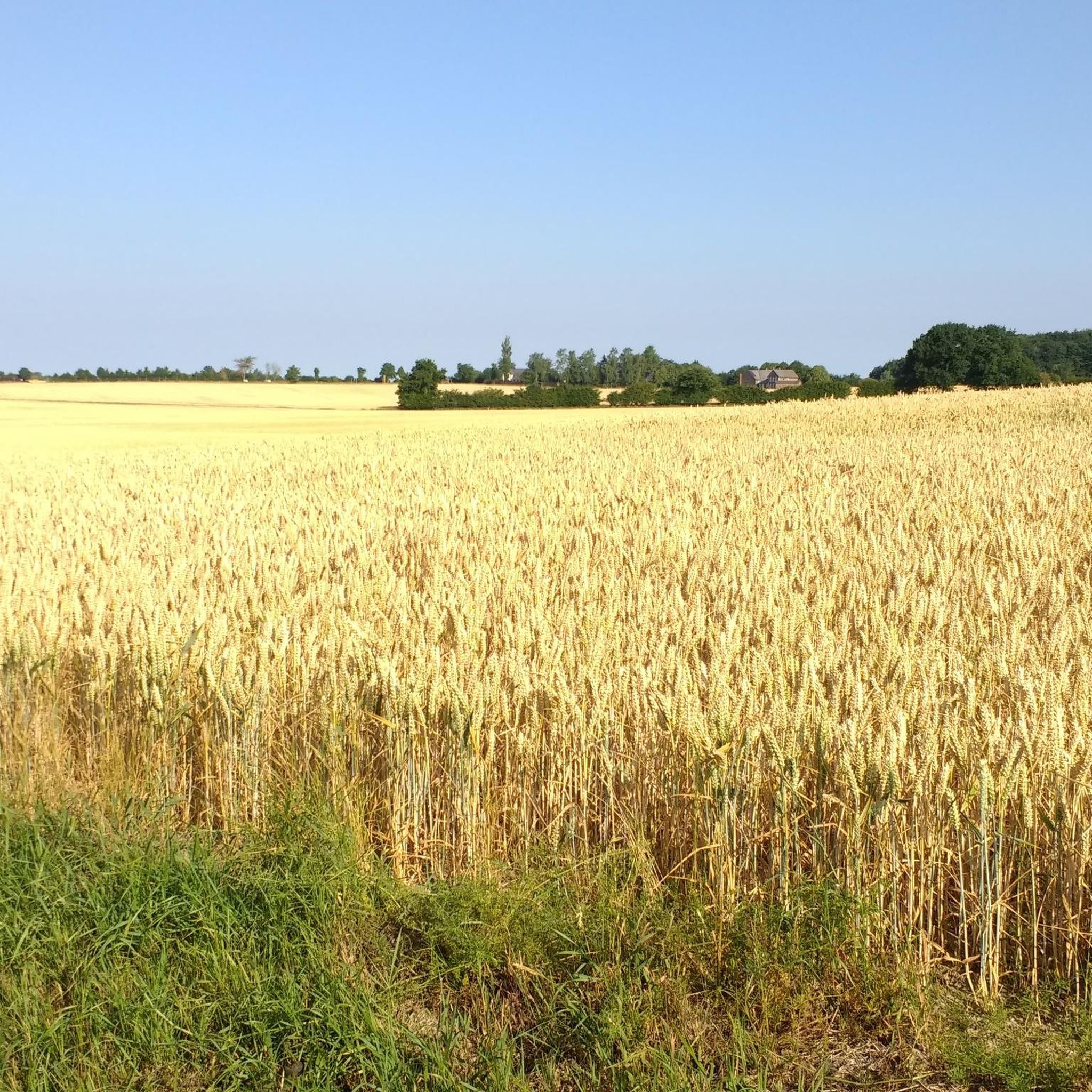
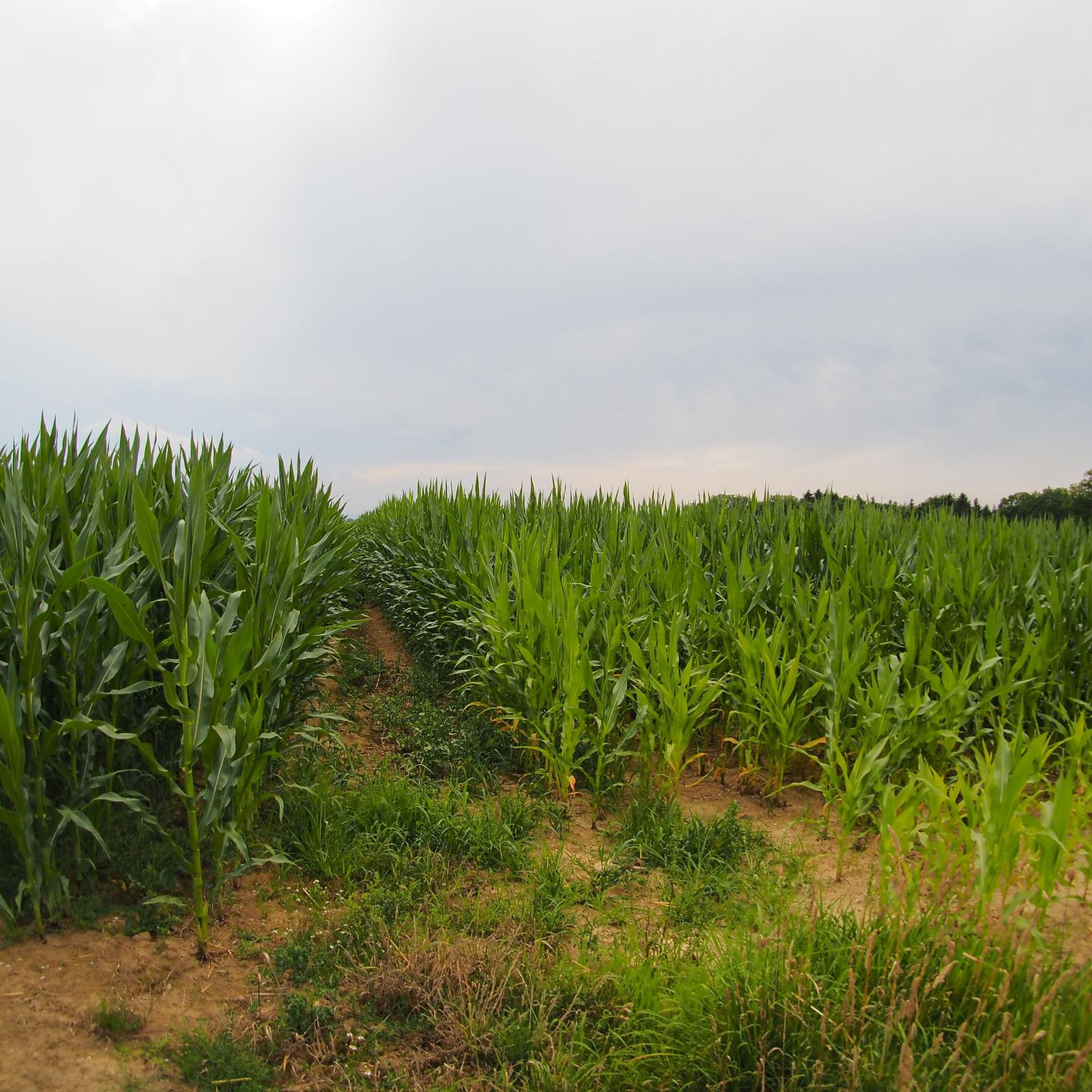
Mountain biking around Razac-Sur-L'Isle offers routes through the verdant landscapes of the "White Périgord" region. The area is characterized by its green countryside, with significant portions covered by forests and agricultural land. Situated in the Isle valley, the region features a riverine environment and rolling terrain, providing varied topography for mountain bike trails. While not mountainous in the alpine sense, the area offers sufficient elevation changes for engaging rides.
Best mountain bike trails around Razac-Sur-L'Isle
- The most popular mountain bike…
Last updated: July 13, 2026
4.9
(7)
41
riders
Moderate mountain bike ride. Good fitness required. Suitable for all skill levels.
3.5
(2)
18
riders
51.4km
04:12
840m
840m
Moderate mountain bike ride. Good fitness required. Advanced riding skills necessary.

Sign up for free
11
riders
Moderate mountain bike ride. Good fitness required. Advanced riding skills necessary.
4.0
(1)
6
riders
52.2km
04:46
1,120m
1,120m
Hard mountain bike ride. Very good fitness required. Advanced riding skills necessary.
7
riders
43.2km
03:33
820m
820m
Moderate mountain bike ride. Good fitness required. Advanced riding skills necessary.
Get access to more routes and recommendations from other explorers.
Sign up for free
Already have an account?
Our route recommendations are based on thousands of hikes, rides, and runs completed by other people on komoot.
Start today with a free account
Your next adventure awaits.
Login or Signup


Tips from the Community

12th century cathedral
1
0

Why Visit Saint-Aquilin? For its historical heritage: Between the Romanesque church, the Château de la Jarthe and its ancient traditions, Saint-Aquilin is a village where the past continues to live. For its peaceful landscapes: Nestled in a valley, the village offers magnificent views of the surrounding nature, ideal for recharging your batteries far from the hustle and bustle of modern life. For the authentic experience of rural life: The village, with its farms, craftsmen and local traditions, allows visitors to discover the culture of Périgord in all simplicity. Saint-Aquilin, with its discreet charm and rich heritage, is an ideal stopover for those who wish to explore the calm and authenticity of the Dordogne.
2
0
Natural Heritage: Bucolic Landscapes: Saint-Aquilin is surrounded by green hills, forests and fields, offering many opportunities for hiking and strolling through the countryside. It is a privileged place for nature lovers and those seeking peace and quiet. Rivers and Streams: The presence of small rivers and streams adds to the beauty of the landscape. These waterways are an integral part of the charm of the region. Fontaine Saint-Jean: Ancient Place of Worship: The Fontaine Saint-Jean is an ancient place of pilgrimage where, in the past, the inhabitants came to pray and ask for healings. This site, surrounded by peaceful nature, remains a point of curiosity for visitors. Holy Water: The fountain is still considered a place of meditation, with water that is traditionally associated with healing properties. Rural Life and Crafts: Local Agriculture: The region around Saint-Aquilin is rich in agricultural land. Visitors can discover local products, such as honey, fruits, and other regional specialties, directly from local farms. Crafts: A few local artisans perpetuate traditional skills, offering a unique opportunity to acquire handmade objects, which reflect the authentic character of the region.
2
0
Saint-Aquilin is a picturesque village located in the Dordogne department, in the Nouvelle-Aquitaine region. This charming village, nestled in a rolling and green landscape, is known for its historical heritage, its natural landscapes and its peaceful atmosphere. Saint-Aquilin embodies the essence of French rural villages, with its old stones, its small streets and its connection with the surrounding nature. Points of Interest in Saint-Aquilin: Saint-Eutrope Church: Roman Heritage: The Saint-Eutrope Church is a listed Romanesque building, dating from the 12th century. Its sober architecture, with its typical bell-wall of the region, makes it one of the historical jewels of the village. Refined Interior: The interior of the church contains interesting elements such as ancient frescoes and sculpted capitals. It is a place that bears witness to the long Christian history of the village. Château de la Jarthe: Historic Residence: The Château de la Jarthe, located not far from the village center, is a beautiful building dating from the 17th century. Surrounded by greenery and gardens, it bears witness to the elegance of the rural residences of the time. Park and Gardens: The castle park, with its shaded paths and century-old trees, is a peaceful place, ideal for a relaxing walk.
2
0
The Eschif of Périgueux is a small medieval building located on the banks of the Isle River, in the heart of the historic city center. It is one of the few defensive constructions still standing in Périgueux, a testament to medieval military architecture. Points of interest of the Eschif: Architecture and History: Dating from the Middle Ages, the Eschif served as a lookout post to monitor the passage of the Isle River. Its strategic location made it possible to control access to the city by river. This small tower, built in stone and wood, is typical of medieval watchtowers or sentry boxes. It has narrow openings and a sloping roof, characteristic of military buildings of this period. The Eschif was once part of the fortifications that protected the city, especially during the Hundred Years' War.
2
0
The Pont des Barris, located in Périgueux, is one of the city's emblematic bridges. This stone bridge, which crosses the Isle River, connects the two banks of Périgueux and is part of the historic urban landscape. Points of interest of the Pont des Barris: Architecture and History: The Pont des Barris is a beautiful example of traditional stone architecture. It was built in the 19th century to replace old wooden bridges that once allowed people to cross the Isle. Its solid structure makes it an essential crossing point between the different districts of the city. It is made up of several stone arches, which give it both robustness and elegance. View of Périgueux: From the bridge, you can enjoy a magnificent view of the old town of Périgueux, including the Saint-Front Cathedral, whose domes dominate the skyline. The bridge is also a great vantage point to admire the Isle River, which meanders peacefully through the city. Access to the Isle Riverbanks: The Pont des Barris provides easy access to the Isle Riverbanks, which are ideal for walking or cycling. Along the river, many paths offer picturesque views of the city and surrounding nature. Place of Passage: This bridge is a central axis for residents and visitors of Périgueux, connecting the city center to the outlying districts and facilitating access to important sites such as markets, shops, and residential areas. Why go there? The Pont des Barris is both a strategic point for exploring Périgueux and a place offering superb panoramic views of the city. Its charm lies in its historic architecture and its central location, making it an essential passage for any visit to the city. Whether strolling along the river or crossing the town, it embodies one of the peaceful and picturesque symbols of Périgueux.
1
0
Gastronomy: Périgourdine Cuisine: Enjoy the region's culinary richness with specialties such as foie gras, duck confit, walnuts, and Bergerac wines. Why Visit Périgueux? Rich Heritage: The city combines ancient, medieval, and modern historical treasures in a charming setting. Cultural Experience: With its museums, churches, and markets, Périgueux offers an immersion in the culture and history of the Périgord. Pleasant Setting: The city is surrounded by natural landscapes and picturesque sites, perfect for a quiet getaway or an in-depth cultural exploration. Périgueux is an ideal destination for history buffs, architecture enthusiasts, and foodies, offering an exceptional cultural and heritage richness in the heart of the Dordogne.
1
0
Périgueux, capital of the Périgord Blanc, is a city in the southwest of France located in the Dordogne department. With its rich historical and cultural heritage, this city offers a fascinating mix of Roman remains, medieval quarters and Renaissance monuments. Points of Interest in Périgueux: Saint-Front Cathedral: A symbol of the city, this cathedral, listed as a UNESCO World Heritage Site, is a masterpiece of Byzantine architecture, with its five white domes. Built in the 12th century, it is part of the Way of St. James. Its imposing structure and generous volumes dominate the city. Vesunna, Gallo-Roman Museum: This museum, designed by the architect Jean Nouvel, houses the remains of an ancient Roman domus (villa). It displays many objects from the Gallo-Roman period and offers a fascinating insight into the history of Vesunna, the ancient Roman Périgueux. You can admire mosaics, frescoes, and the ruins of an amphitheater. The Medieval Alleys: The historic center of Périgueux is made up of a labyrinth of small cobbled streets lined with half-timbered houses and buildings dating from the Middle Ages and the Renaissance. Stroll around the Place Saint-Louis or the Quartier du Puy-Saint-Front to admire these architectural treasures. The Tower of Vésone: This Gallo-Roman tower, the remains of an ancient temple dedicated to the goddess Vésone, is one of the oldest monuments in Périgueux. Standing 24 meters high, it is one of the rare witnesses to the importance of the city in Roman times.
1
0
Frequently Asked Questions
How many mountain bike trails are there in Razac-Sur-L'Isle?
Razac-Sur-L'Isle and its surrounding area offer a wide network of mountain bike trails. You can find over 130 routes, catering to various skill levels, from easy to difficult.
What kind of terrain can I expect on the mountain bike trails around Razac-Sur-L'Isle?
The terrain in Razac-Sur-L'Isle is characterized by the verdant landscapes of the "White Périgord" region. You'll ride through extensive forests, agricultural fields, and the scenic Isle valley. While not mountainous in the alpine sense, the area features rolling countryside with sufficient elevation changes for engaging rides, often on winding paths through woods and fields.
What are the difficulty levels of mountain bike trails in the area?
The trails around Razac-Sur-L'Isle cater to all skill levels. There are 36 easy routes perfect for beginners or a relaxed ride, 92 moderate routes for those seeking a bit more challenge, and 10 difficult routes for experienced mountain bikers looking for a demanding adventure.
Are there easy mountain bike trails for beginners or casual riders?
Yes, there are plenty of easy mountain bike trails suitable for beginners and casual riders. The region offers 36 routes classified as easy, allowing you to enjoy the scenic countryside without overly challenging terrain. These often include "Voies Vertes" (greenways) which are car-free paths ideal for all ages and skill levels.
Are there circular mountain bike routes available?
Yes, many of the mountain bike routes in the Razac-Sur-L'Isle area are designed as loops, allowing you to start and finish at the same point. For example, the Street Art Water Tower – Caussadaise loop from La Cave is a popular moderate circular route exploring the local countryside.
What natural features or landmarks can I see along the trails?
The trails often lead through protected natural areas rich in biodiversity, where you might spot wild orchids seasonally. You can also integrate cultural and historical points of interest into your rides. Nearby attractions include the historic Saint-Front Cathedral and the Pont des Barris in Périgueux, which are accessible from some routes like the Saint-Front Cathedral – Descent from the rat's cross loop from La Cave.
What is the best time to visit Razac-Sur-L'Isle for mountain biking?
The region's verdant landscapes are enjoyable throughout much of the year. Spring and autumn generally offer pleasant temperatures and beautiful scenery, making them ideal for mountain biking. The extensive forests provide shade during warmer summer months, while the rolling countryside remains accessible in milder winter conditions.
Is there parking available near the mountain bike trails?
Yes, parking is generally available in and around Razac-Sur-L'Isle, particularly in villages and near trailheads. Many routes start from accessible locations, making it convenient to park your vehicle before heading out on your ride.
How can I reach the mountain bike trails using public transport?
While Razac-Sur-L'Isle is well-connected by road, public transport options for directly accessing specific trailheads might be limited. It's advisable to check local bus services or train connections to major towns like Périgueux, and then consider cycling or a short taxi ride to your desired starting point. Some routes, like the Carrefour des Forêts – Forest loops loop from Annesse-et-Beaulieu, might be more easily accessed by car.
Are there mountain bike trails suitable for families?
Absolutely. The region offers numerous family-friendly options, especially among the 36 easy routes. Many trails are relatively flat or have gentle inclines, passing through forests and fields, which are perfect for a leisurely family outing. The "Voies Vertes" (greenways) are particularly well-suited for families, offering car-free paths along rivers or old railway lines.
Can I bring my dog on the mountain bike trails?
Generally, dogs are welcome on many of the natural trails in the Razac-Sur-L'Isle area, especially in rural and forest settings. However, it's always recommended to keep your dog under control, preferably on a leash, to protect local wildlife and ensure the safety of other trail users. Please be mindful of any specific signage or local regulations in protected areas.
What do other mountain bikers enjoy the most about mountain biking in Razac-Sur-L'Isle?
The area is highly rated by the komoot community, with an average score of 4.4 stars from over 160 reviews. Reviewers often praise the diverse landscapes, the tranquility of riding through extensive forests and agricultural fields, and the well-maintained paths that offer a mix of challenges for different skill levels. The scenic beauty of the Isle valley is also frequently highlighted.
Are there any long-distance mountain bike routes in the area?
Yes, the region offers several longer routes for those looking for an extended ride. For example, the Reminiscent of hagia sophia – Forest loops loop from Montanceix covers nearly 58 kilometers, leading through extensive forest areas with significant elevation changes, providing a substantial challenge for a day out.
Most popular routes around Razac-Sur-L'Isle
Most popular attractions around Razac-Sur-L'Isle

Get inspired with the komoot mobile app


Explore more
Browse the best MTB trails in other regions.
