The best cycling routes around Biberach
4.5
(11276)
58,027
riders
2,530
rides
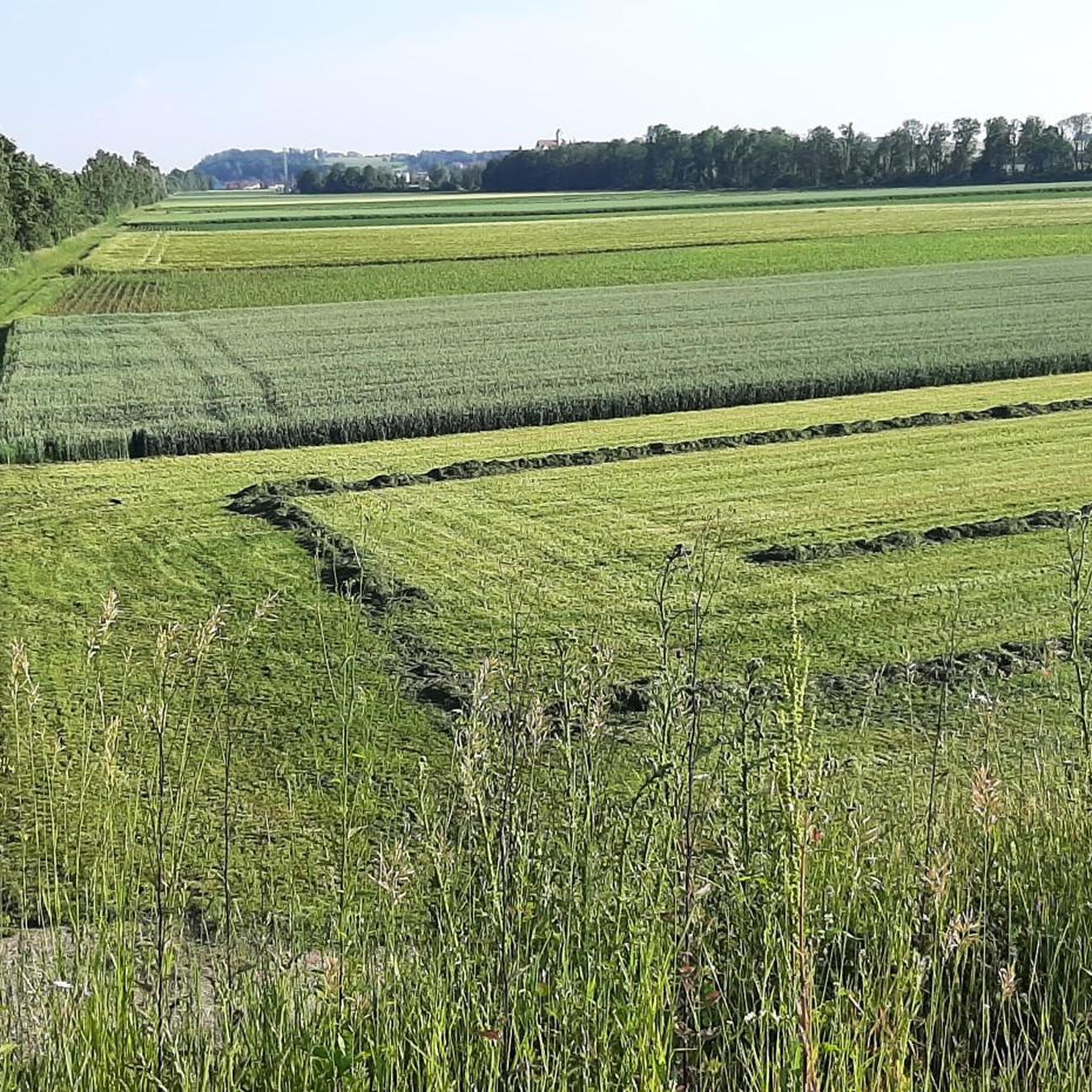
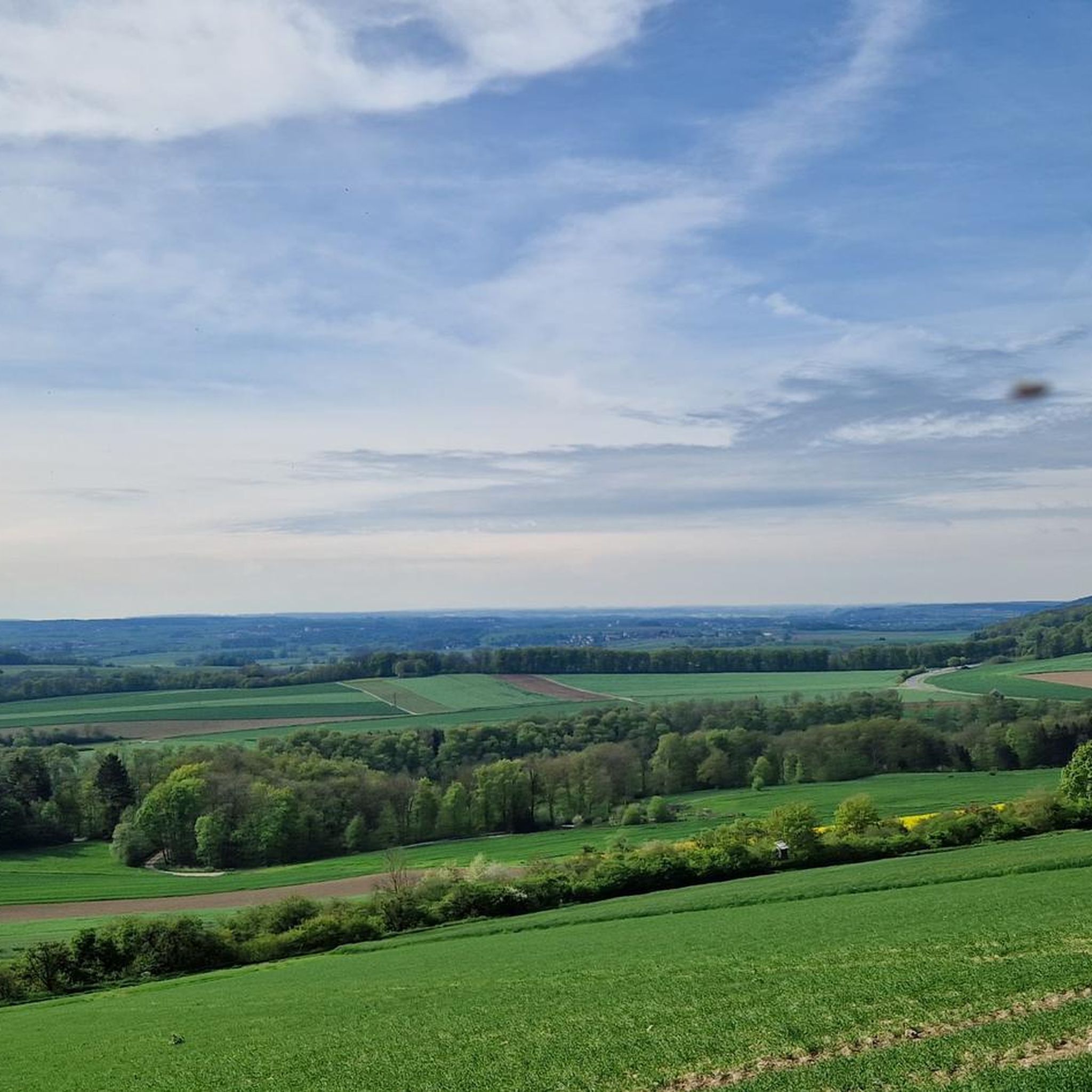
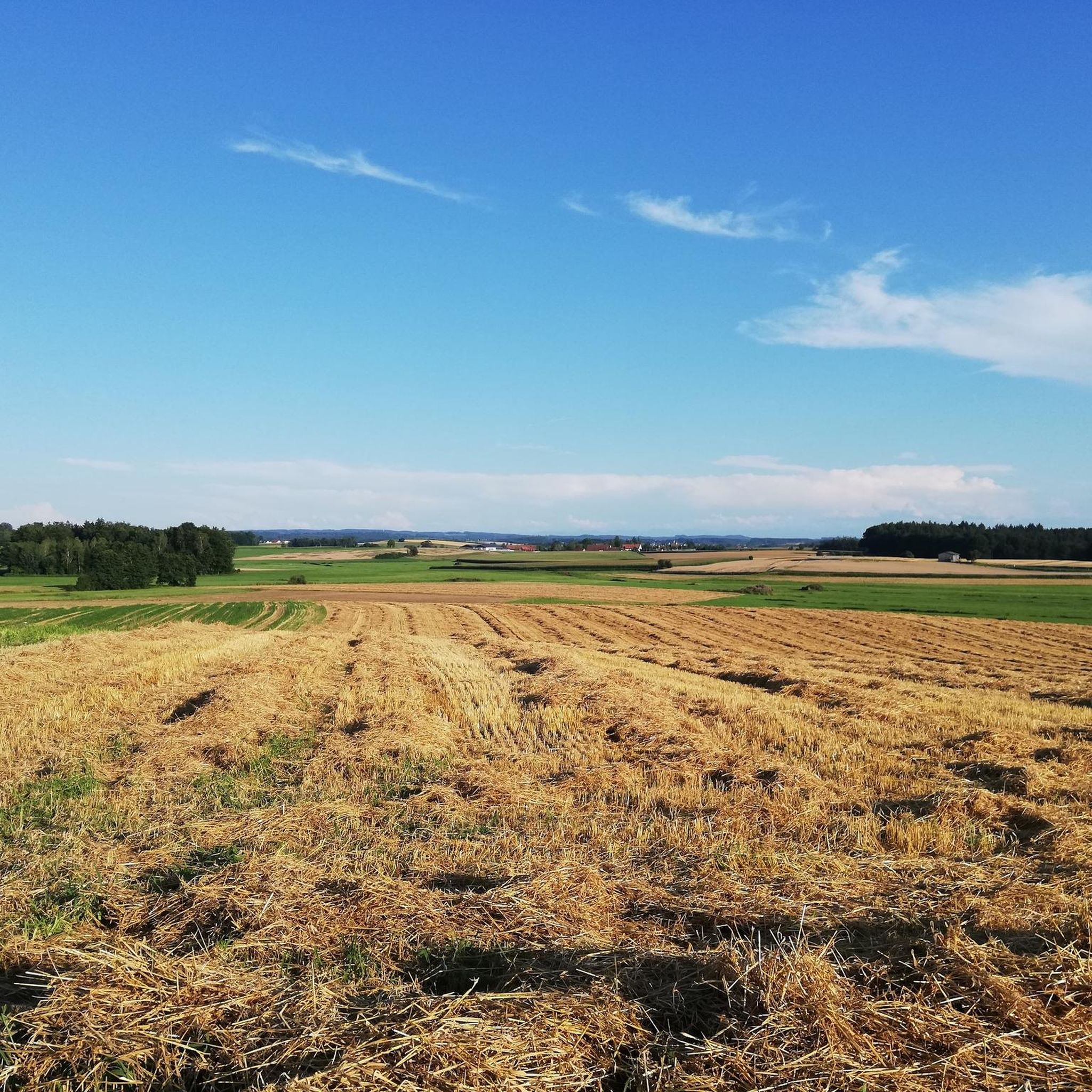
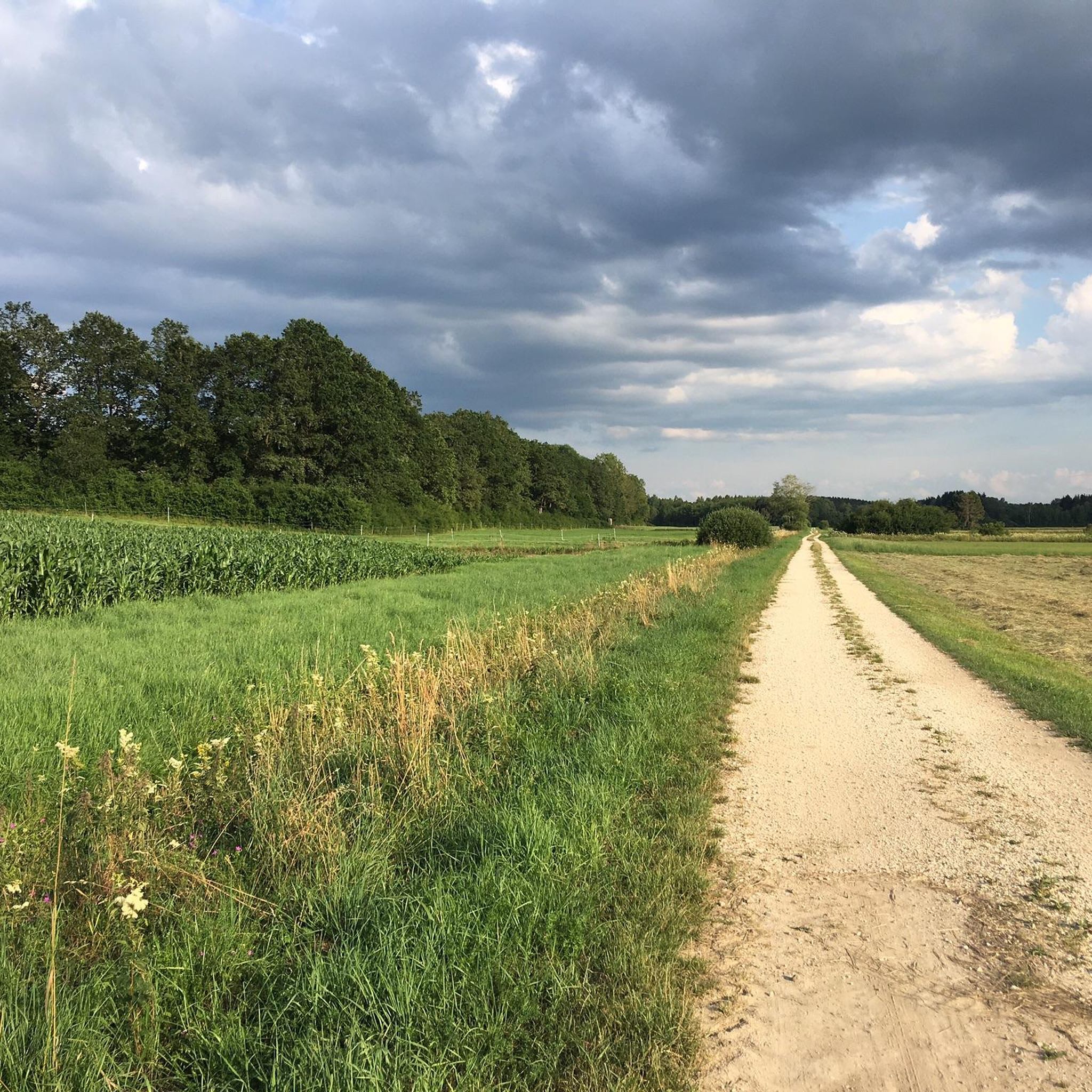
Touring cycling around Biberach offers routes through the Upper Swabia region of Germany, characterized by rolling hills, green meadows, and the scenic Riß river. The area features a well-developed cycling infrastructure, providing varied experiences from leisurely rides along riverbanks to routes with gentle inclines. This diverse topography allows for exploration of forests and open countryside.
Best touring cycling routes around Biberach
- The most popular touring cycling route is Sigmaringen Castle – Obermarchtal Abbey loop from Langenenslingen, a 52.3 miles…
Last updated: November 23, 2026
4.5
(294)
1,405
riders
85.1km
05:08
570m
570m
Hard bike ride. Very good fitness required. Mostly paved surfaces.
4.7
(297)
1,047
riders
26.7km
01:36
80m
80m
Easy bike ride. Mostly paved surfaces.

4.5
(162)
716
riders
90.2km
06:03
800m
800m
Hard bike ride. Very good fitness required. Mostly paved surfaces.
4.5
(226)
1,011
riders
Hard bike ride. Very good fitness required. Mostly paved surfaces.
4.7
(262)
915
riders
16.4km
00:59
50m
50m
Easy bike ride. Mostly paved surfaces.
4.4
(139)
508
riders
40.7km
02:28
300m
300m
Moderate bike ride. Good fitness required. Mostly paved surfaces.
4.7
(107)
545
riders
85.9km
04:55
260m
260m
Moderate bike ride. Good fitness required. Mostly paved surfaces.
4.6
(114)
401
riders
46.3km
02:50
290m
290m
Moderate bike ride. Good fitness required. Mostly paved surfaces.
4.5
(137)
429
riders
42.0km
02:34
270m
270m
Moderate bike ride. Good fitness required. Mostly paved surfaces.
4.3
(122)
420
riders
Moderate bike ride. Good fitness required. Mostly paved surfaces.
Get access to more routes and recommendations from other explorers.
Already have an account?
Our route recommendations are based on thousands of hikes, rides, and runs completed by other people on komoot.
Start today with a free account
Your next adventure awaits.
Popular around Biberach
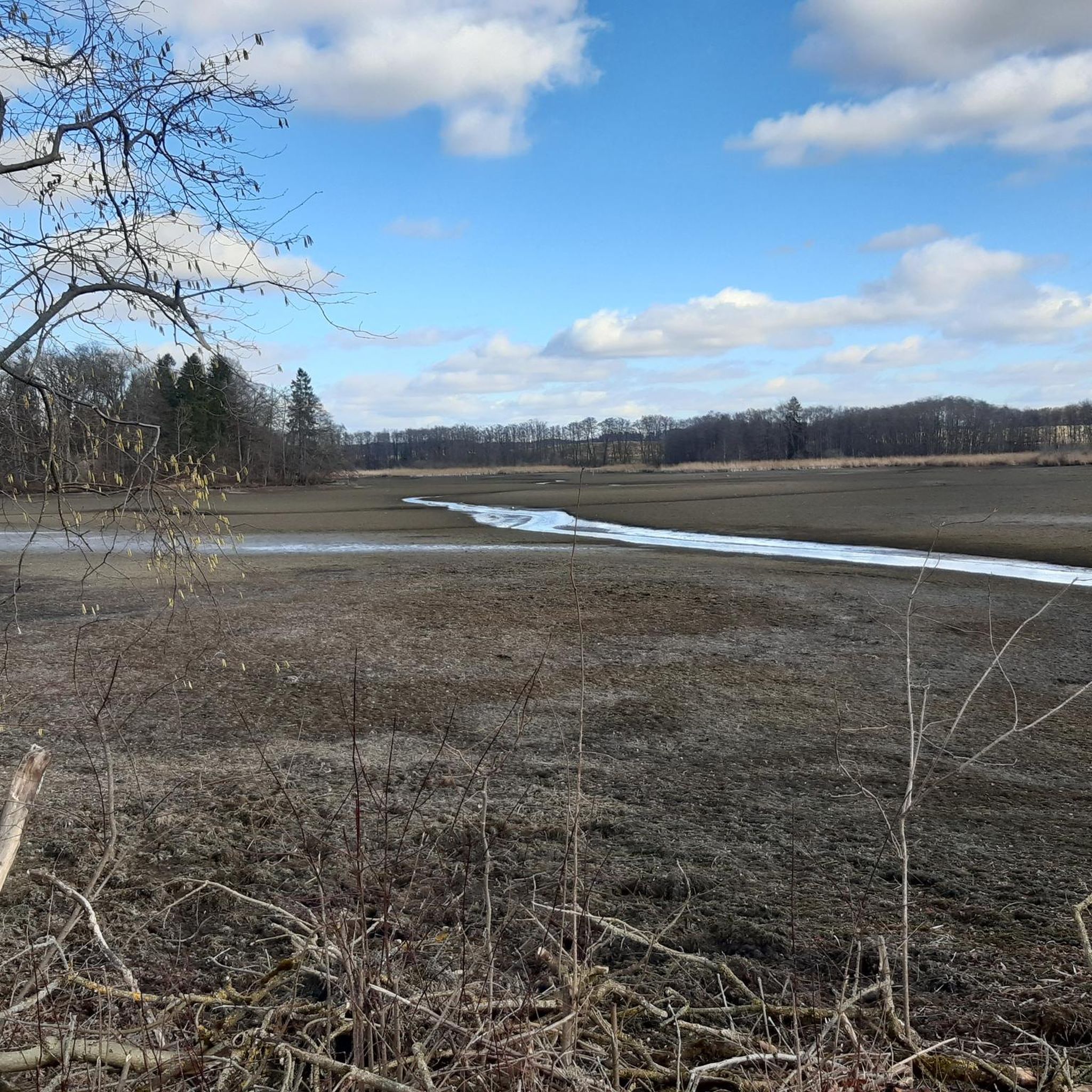
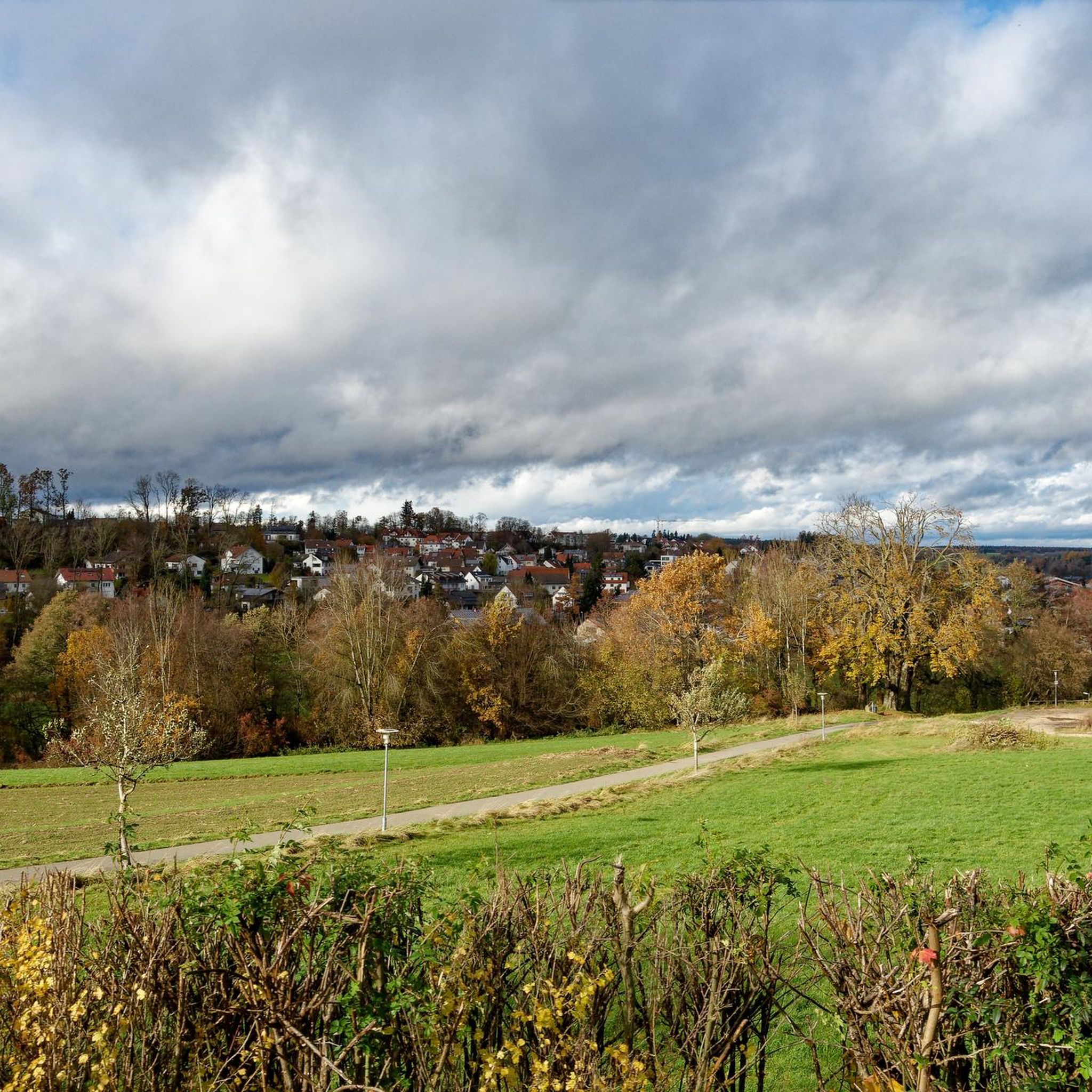
Other adventures around Biberach


Tips from the Community

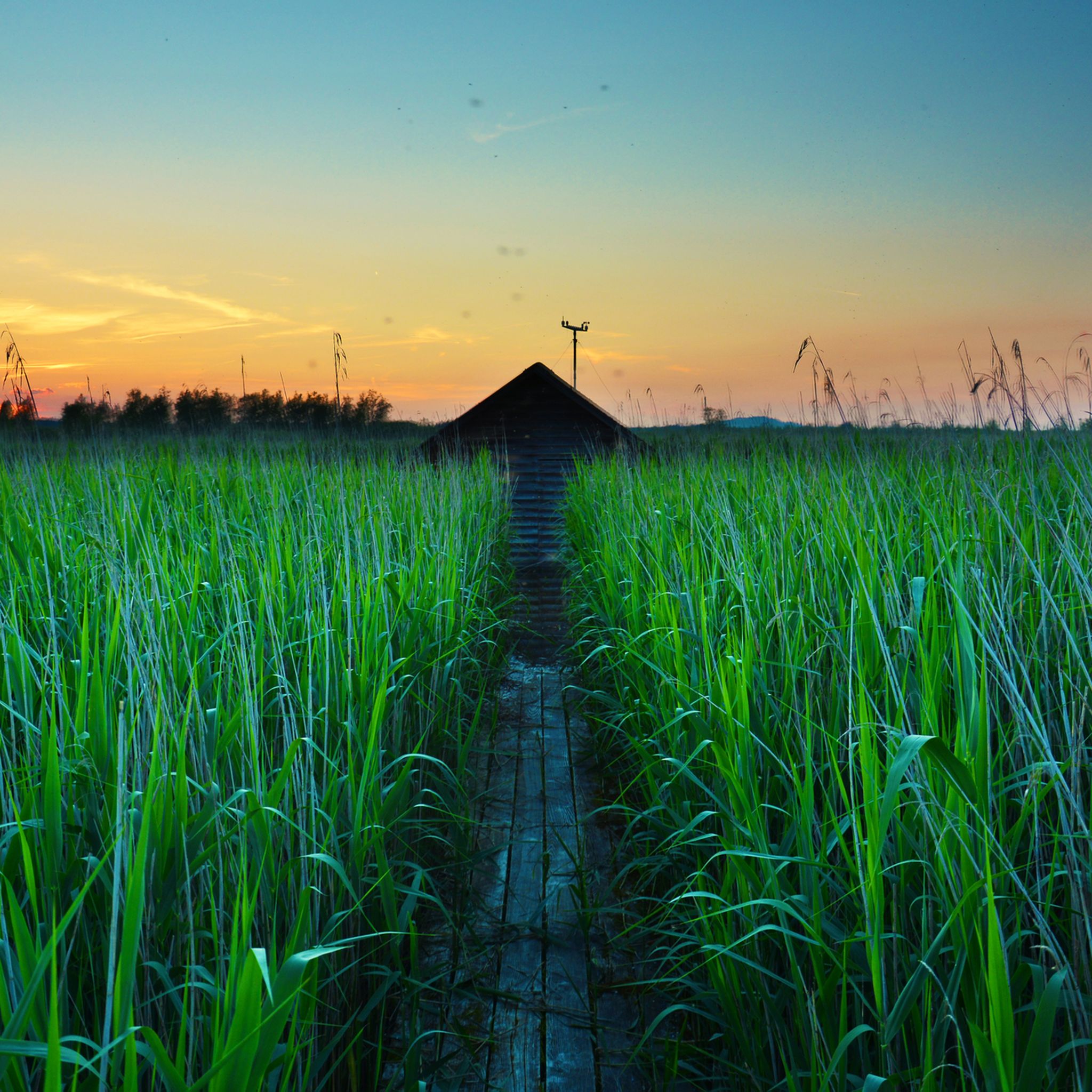
Very extensive fen directly at the Federsee which can be hiked for kilometers via boardwalks.
0
0

The first documented mention of Sigmaringen Castle can be found in the year 1077, in the annals of the Petershausen monastery. It reports on the stay of King Henry IV during his investiture controversy with the Pope – an indication that the castle already had strategic importance at that time. The oldest preserved parts date back to the Staufer period around 1200. These include the castle gate, the palas, and the keep. Over the centuries, the castle was repeatedly expanded, rebuilt, and adapted to the changing needs of its inhabitants. The 15th and 16th centuries in particular were marked by profound structural changes. A first major construction period dates back to the Counts of Werdenberg, who began in the 15th century to expand the castle into a representative residence. The extension to the northeast is documented today only by the preserved door lintel on the so-called Swedish Tower with the year 1498. A few years later, another extension to the west followed. With the handover of the castle to the Hohenzollern-Sigmaringen line in 1535, a new era began. Count Karl II of Hohenzollern-Sigmaringen (1576–1606) had the castle extensively rebuilt and expanded it according to modern standards. Another milestone was the merging of two separate building parts by Michael Beer around 1650. The master builder, who came from the Bregenzerwald, connected the facilities from the Werdenberg period into a unified castle architecture. In the 18th century, mainly smaller renovations and furnishing measures followed. Particularly noteworthy is the establishment of a knight's hall in 1736, which was redesigned and restored as an ancestral hall in 1878. In the course of the emerging Neo-Gothic style, the castle was further remodeled in the second half of the 19th century by the princely master builder Josef Laur. A dramatic event shook the castle in 1893, when a devastating fire destroyed large parts of the complex. As a result, one of the most significant reconstruction phases in the castle's history occurred. The architectural conclusion of this phase is marked by the Portuguese Gallery, completed in 1907. It forms an elegant connection between the castle wings and delimits the inner courtyard towards the city side – a masterpiece of courtly representative architecture. hohenzollern-schloss.de/de/component/content/article/65-historie?catid=2
2
0

The actual "reservoir" is located near Kardorf and there is no cycle path on this road. As someone from the Allgäu, I have been here many times.
0
0

Easy-to-ride cycle path
0
0
Lots of nature, this section is a scenic highlight
0
0

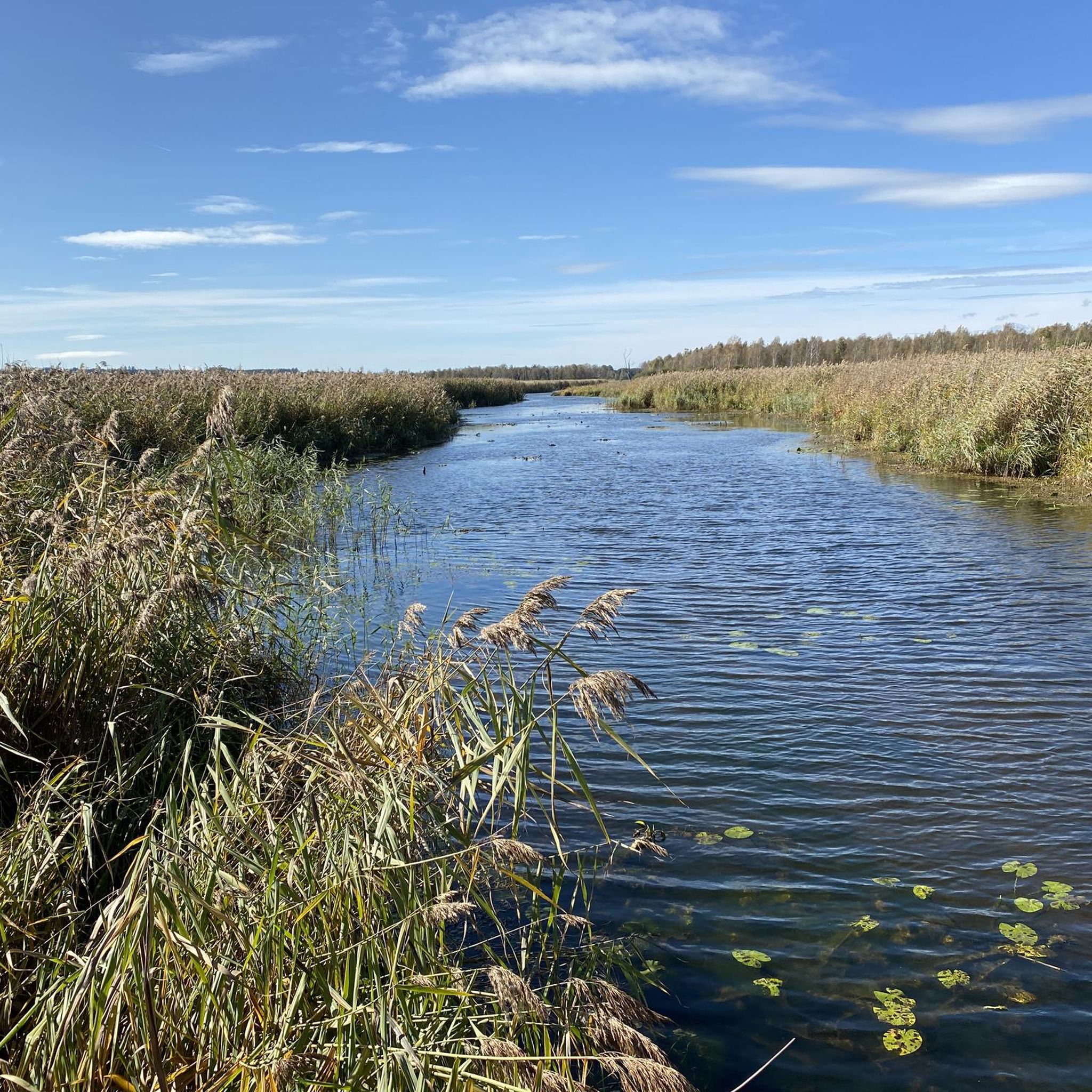
Quiet nature reserve with many animals
0
0

super cycle path along the Danube
0
0

Great view of the Ulm Minster from the Ulm Bridge
2
0
Frequently Asked Questions
How many touring cycling routes are available around Biberach?
There are over 2,400 touring cycling routes around Biberach, offering a wide variety of options for different skill levels and interests. The region is well-equipped for cyclists, with a comprehensive network of paths.
What are the difficulty levels of touring cycling routes in Biberach?
The routes around Biberach cater to various abilities. You'll find over 1,000 easy routes, more than 1,000 moderate routes, and over 400 difficult routes. This diverse selection ensures there's a suitable tour for every cyclist, from beginners to experienced riders.
When is the best time of year to go touring cycling in Biberach?
The pleasant temperatures in spring and the vibrant colors of autumn make these seasons particularly appealing for touring cycling in Biberach. The region's natural beauty is especially striking during these times, offering an enjoyable experience.
What kind of landscapes can I expect to see while cycling in Biberach?
Biberach is nestled in Upper Swabia, characterized by picturesque rolling hills, lush green meadows, and scenic rivers like the Riß. You'll cycle through diverse topography, from tranquil riverbanks to gentle inclines, exploring forests and open countryside.
Are there any scenic viewpoints or natural attractions along the routes?
Yes, many routes offer beautiful natural sights. The Federseesteg Boardwalk Through Federsee Moor and the Federsee Boardwalk provide excellent opportunities for nature observation. Cycling routes often follow the tranquil Riß river, offering picturesque views. You can explore these areas on tours like the Federsee Boardwalk – Cycle Path by Federsee loop from Riedlingen.
Are there any easy or family-friendly touring cycling routes?
Absolutely. Over 1,000 routes are classified as easy, making them suitable for families and beginners. A great option for a moderate, yet accessible ride is the Wolfental Stream – Ingoldingen–Grodt Country Road loop from Biberach (Riß), which covers about 30 km with gentle elevation changes.
Can I find circular touring cycling routes in Biberach?
Yes, many touring cycling routes in Biberach are designed as loops, allowing you to start and end in the same location. For example, the Öchsle Station, Sulmingen – Öchsle Narrow-Gauge Railway loop from Biberach Süd is a popular moderate circular route that takes you through areas associated with the historic narrow-gauge railway.
Are there routes that explore historical sites or cultural landmarks?
Biberach and its surroundings are rich in history and culture. You can find routes that pass by impressive Baroque architecture, sections of the German Timber-Frame Road, and historical castles. For instance, the Sigmaringen Castle – Obermarchtal Abbey loop from Langenenslingen connects significant historical landmarks. You can also visit attractions like the Bussen Pilgrimage Church and Castle Ruins or Großlaupheim Castle.
What do other touring cyclists enjoy the most about touring cycling in Biberach?
The area is highly rated by the komoot community, with an average score of 4.6 stars from over 8,800 reviews. Reviewers often praise the well-developed cycling infrastructure, the diverse topography offering varied experiences, and the quiet, natural beauty of the Upper Swabian landscapes.
Are there any routes that follow major long-distance cycle paths?
Yes, Biberach is an excellent base for accessing major long-distance cycle paths. The Danube-Lake Constance Cycle Path, an ADFC-awarded quality route, passes through Biberach. You can also connect to sections of the Upper Swabian Baroque Cycle Path and the German Timber-Frame Road, offering extensive touring opportunities.
Can I find routes that include lakes or water features?
Certainly. The region features several lakes and rivers that are incorporated into cycling routes. The Federsee is a notable natural feature, and you can find tours like the Laupheim Quarry Lake – Baggersee Untersulmetingen loop from Biberach (Riß) that explore local water bodies. The Riß river itself is a constant companion on many tranquil rides.
Are there any routes suitable for advanced touring cyclists looking for a challenge?
For advanced touring cyclists, there are over 400 difficult routes available. These often feature longer distances and more significant elevation gains. An example is the Obermarchtal Abbey Church – View of Obermarchtal Abbey loop from Riedlingen, a challenging 104 km path offering extensive views and a good workout.
Where can I find more information about cycling in the Biberach region?
For additional information on cycling and outdoor activities in the Biberach region, you can visit the official tourism website. They provide details on various cycling tours and general information about the area's natural and recreational offerings. You can find more at visitbiberach.de.
Most popular routes around Biberach
Most popular attractions around Biberach

Get inspired with the komoot mobile app


Didn’t find what you were looking for?
Check out more Cycling routes throughout Biberach below and find the perfect route in your destination.
Explore more
Browse the best Cycling routes in other regions.
