The best cycling routes around Duttlenheim
4.5
(2715)
22,021
riders
562
rides
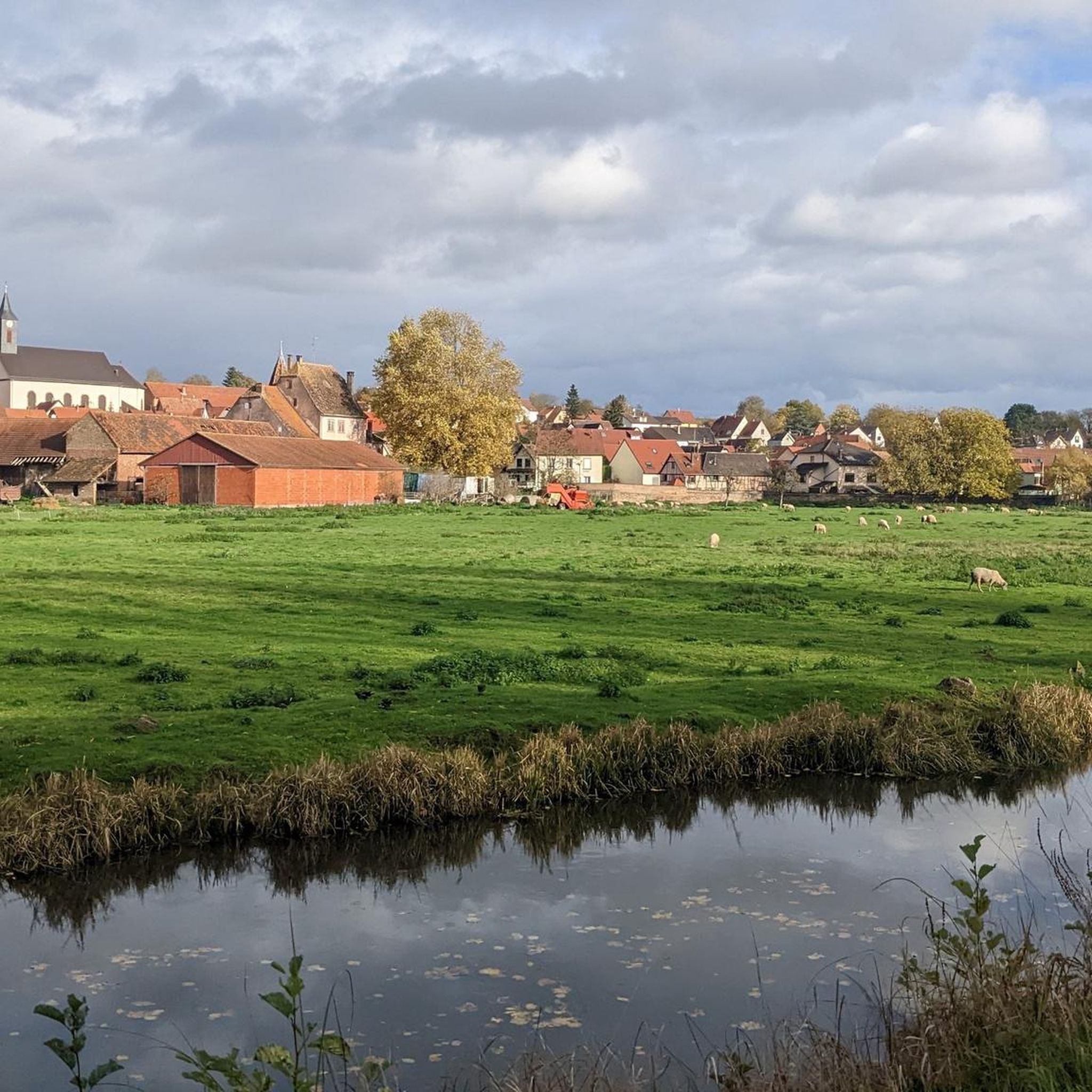
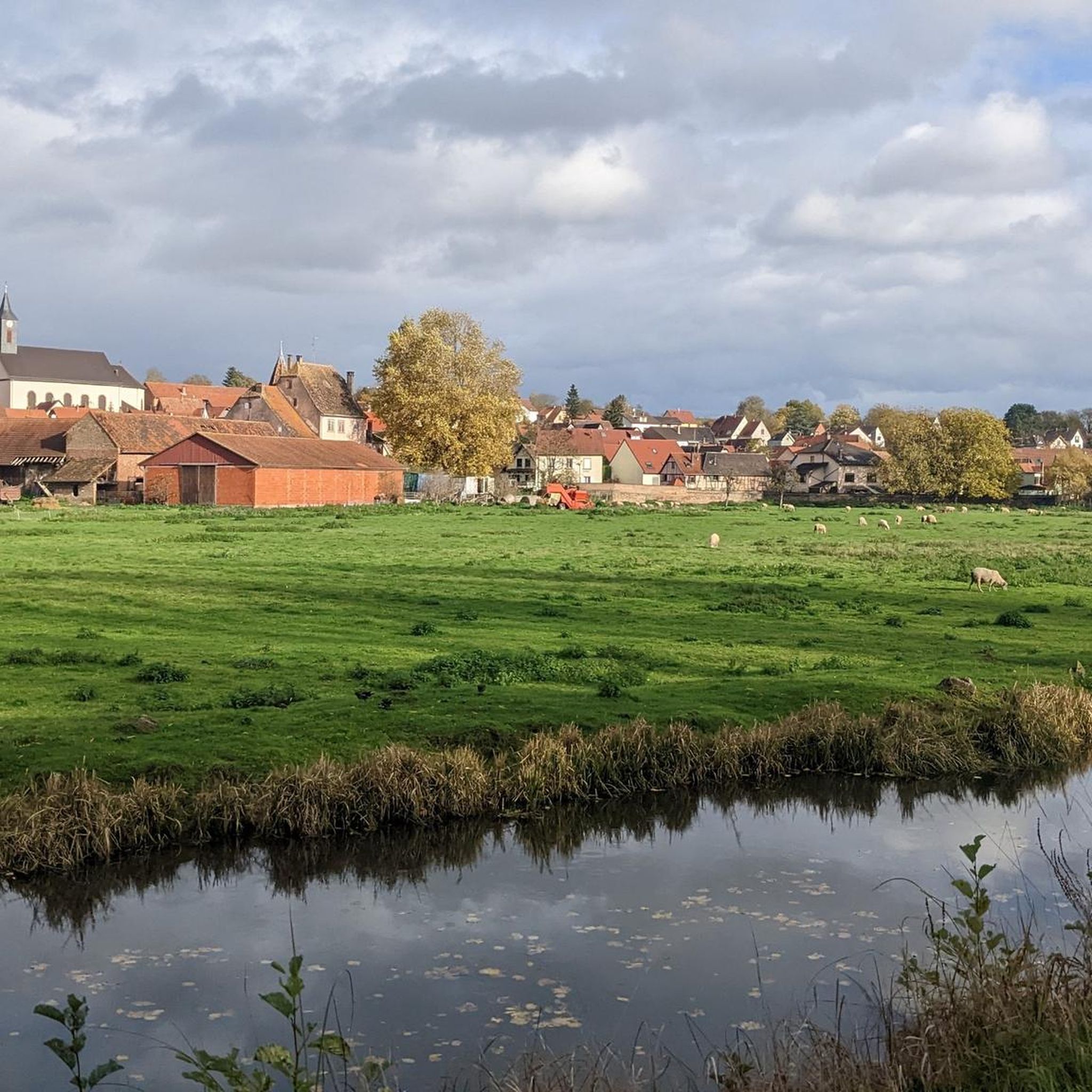
Touring cycling routes around Duttlenheim traverse a landscape characterized by lush green hills, expansive agricultural fields, and the nearby Alsatian vineyards. The region offers access to the Bruche Valley, where routes follow the river through the Alsatian countryside. While Duttlenheim itself is situated in a relatively flat area, the proximity to the Vosges Mountains provides options for more varied terrain. This area is known for its extensive network of cycling paths, suitable for various skill levels.
Best touring cycling routes…
Last updated: June 28, 2026
4.7
(262)
1,331
riders
59.7km
03:29
220m
220m
Moderate bike ride. Good fitness required. Mostly paved surfaces. Suitable for all skill levels.
4.6
(15)
143
riders
22.2km
01:16
40m
40m
Easy bike ride. Great for any fitness level. Mostly paved surfaces. Suitable for all skill levels.

Sign up for free
3.0
(1)
30
riders
37.9km
02:16
190m
190m
Moderate bike ride. Good fitness required. Mostly paved surfaces. Suitable for all skill levels.
4.4
(7)
51
riders
23.1km
01:19
40m
40m
Easy bike ride. Great for any fitness level. Mostly paved surfaces. Suitable for all skill levels.
4.0
(3)
23
riders
67.5km
03:55
160m
160m
Moderate bike ride. Good fitness required. Mostly paved surfaces. Suitable for all skill levels.
Get access to more routes and recommendations from other explorers.
Sign up for free
Already have an account?
Our route recommendations are based on thousands of hikes, rides, and runs completed by other people on komoot.
Start today with a free account
Your next adventure awaits.
Login or Signup
Tips from the Community

Opening hours daily: 9:00 - 12:00 and 14:00 - 18:00.
0
0

The Canal de la Bruche is a canal in eastern France that originally connected Soultz-les-Bains near Molsheim with the city of Strasbourg. It was built in 1682 by the famous military engineer Vauban, primarily to transport sandstone from the Soultz quarries for the construction of Strasbourg's fortifications.
0
0
The town boasts a Renaissance six-bucket fountain from 1579, typical of Alsace. On the market square stands the former grain hall (Halle aux blés) from 1554, which has been converted into a restaurant.[19] After the Gothic Chapel Church, founded in the 13th century and originally called the 'Chapel of Our Lady,' was demolished in 1873,[20] the 60-meter-high tower next to the town hall (Hôtel de ville)[21] remained as the Chapel Tower (Tour de la Chapelle) from the 16th century. Above the fifth floor, it received a tracery parapet and a slate-covered helmet, so that it served the town as its belfry from then on. After the old parish church was demolished in 1867,[22] the neo-Gothic Church of Saints Peter and Paul (Saints-Pierre-et-Paul) was built between 1867 and 1872. It is one of the largest neo-Gothic churches in all of Alsace. The elaborately designed and richly decorated interior features, among other things, medieval altars from the previous church and an important organ by Joseph Merklin. East of the choir is the Chapel of the Virgin with a Mount of Olives group from 1517. The town once had 20 towers in the inner city wall, which is still largely preserved. Of the Capuchin monastery in Oberehndorf, only the Capuchin church survived. Above the town stands the monument to the Malgré-nous – the Alsatians from the canton of Obernai who were forcibly conscripted into the German Wehrmacht during World War II. Château d'Oberkirch, dating from the 16th and 17th centuries, renovated from 1843 to 1846 In the town park stands a sequoia tree, approximately 40 meters tall, planted in the 1850s.
0
0
Dachstein lies off the main roads in Alsace and is therefore less developed for tourism. The village nevertheless boasts some noteworthy buildings, such as: the medieval city gate, the Porte de la Bruche, the Church of St. Martin (Église Saint-Martin), which still retains Gothic elements, a nave, and a Baroque altar; the Renaissance castle (extended in the 19th century in the Neo-Renaissance style) of the de Turckheim family, the Château de Turckheim, or the Vieux Château. It was formerly a summer residence for some of the bishops of Strasbourg; the old washhouse, and the Château Hervé Bourcart, or "La Magnanerie." It is located closer to the village center and was built in 1750 as a private villa that housed the royal silkworm breeding school. It has been owned by the Hervé family since 1838. In the 1990s, the castle and its idyllic surroundings served as the setting for the film saga "The Alsatians." Magnan is an Occitan word meaning mulberry. The Magnanerie is the headquarters of a silkworm farm. The streets of Dachstein are lined with several traditional half-timbered houses, some with carved wooden galleries.
0
0

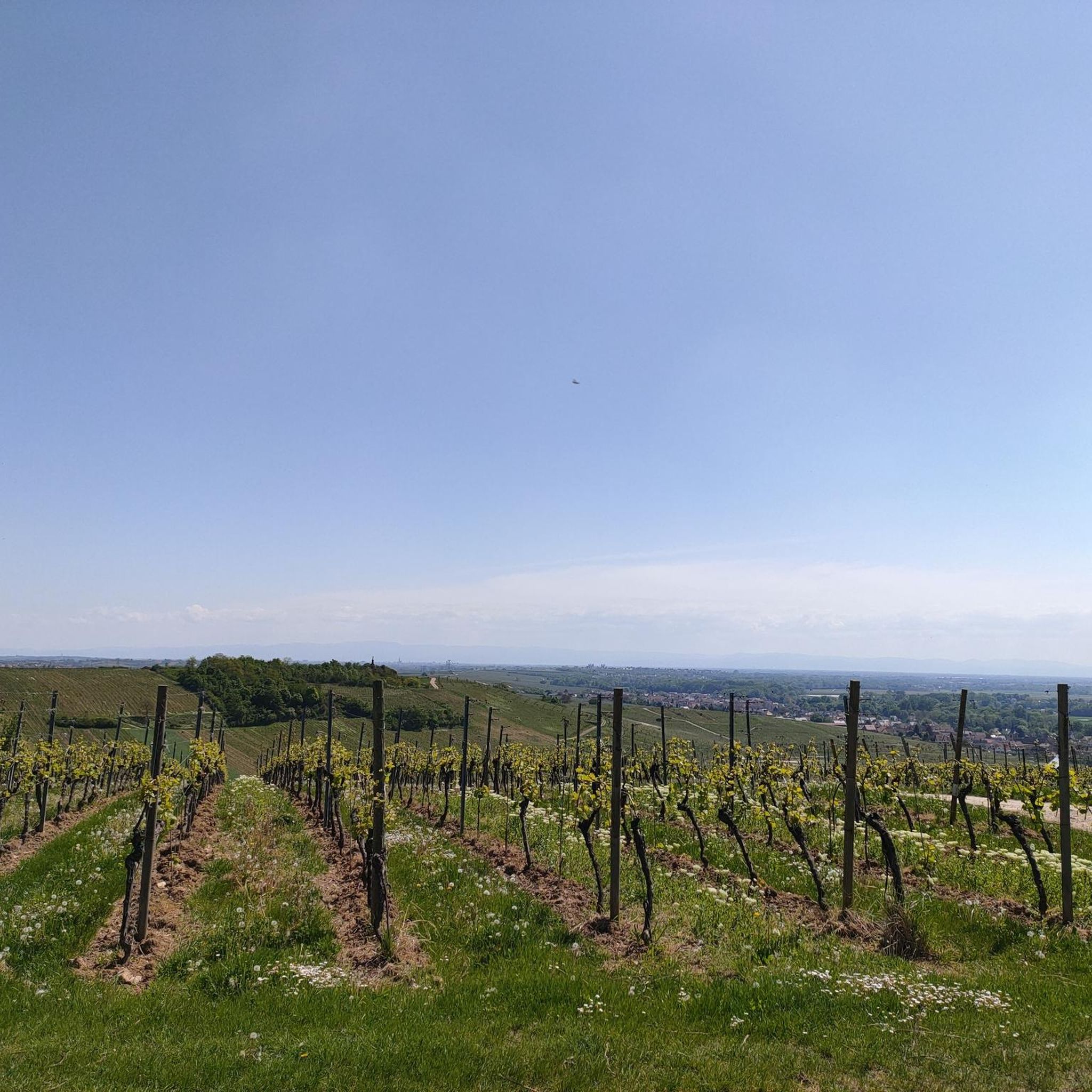
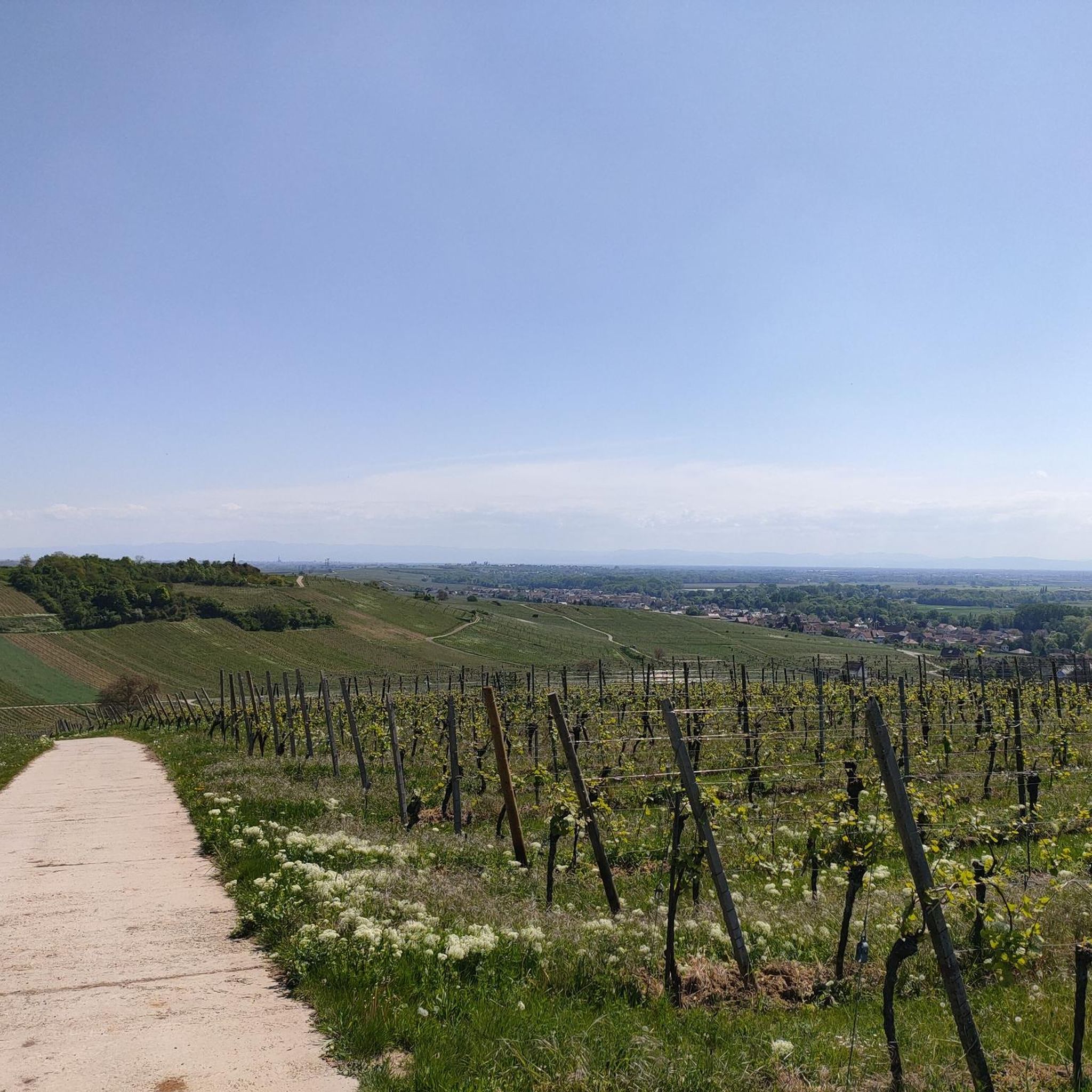
The cycle paths through the vineyards are simply fantastic and the views are very beautiful.
0
0
What a beautiful bell tower there is on both sides
0
0
Great church building, unfortunately the church was closed
0
0
We really enjoyed the cycle path along the Canal de la Bruche
0
0
Frequently Asked Questions
What types of landscapes can I expect on touring cycling routes near Duttlenheim?
Touring cycling routes around Duttlenheim offer a diverse range of landscapes. You'll primarily encounter lush green hills and expansive agricultural fields. Many routes also wind through the picturesque Alsatian vineyards, especially along the renowned Alsace Wine Route. The nearby Bruche Valley provides peaceful rides along the river, while the proximity to the Vosges Mountains offers options for more varied and challenging terrain with forests and rounded summits.
How many touring cycling routes are available around Duttlenheim?
There are over 600 touring cycling routes available around Duttlenheim on komoot. This extensive network caters to various skill levels, from easy loops to more challenging moderate routes.
Are there easy bike trails for beginners in Duttlenheim?
Yes, Duttlenheim offers numerous easy bike trails suitable for beginners. Over 260 routes are classified as easy. An excellent option is the Dachstein Castle – Bruche Gate loop from Duttlenheim, an easy 13.3-mile (21.5 km) path that provides views of Dachstein Castle and follows the Bruche River through gentle terrain.
Are there advanced touring bike routes for experienced cyclists?
While Duttlenheim itself is in a relatively flat area, the region provides access to more challenging terrain. For experienced cyclists seeking advanced routes, the proximity to the Vosges Mountains offers opportunities for more demanding ascents and descents. There are over 130 difficult routes available in the wider area for those looking for a greater challenge.
What can I see along the touring cycling routes around Duttlenheim?
Many routes follow the tranquil Bruche Canal, offering scenic paths. You can also pass by historic sites like Dachstein Castle. The region is rich in charming Alsatian villages and agricultural fields, with some routes leading through the famous Alsatian vineyards. The nearby town of Obernai is also a popular destination on many routes.
Are there circular bike routes around Duttlenheim?
Yes, many touring cycling routes around Duttlenheim are designed as loops, allowing you to start and end in the same location. For example, the popular Canal de la Bruche – Canal de la Bruche cycle path loop from Duppigheim is a 37.7-mile (60.6 km) moderate trail following the Bruche Canal. Another option is the Croix Blanche d'Obernai – Obernai loop from Duttlenheim, which leads through agricultural fields and charming villages.
What is the best time of year for touring cycling in Duttlenheim?
The Alsace region, including Duttlenheim, is generally pleasant for cycling from spring through autumn. Spring offers blooming landscapes, while summer provides warm weather for vineyard tours. Autumn is particularly beautiful with changing foliage and harvest activities in the wine region. Always check local weather conditions before heading out.
Is Duttlenheim well-connected by public transport for cyclists?
Duttlenheim benefits from its proximity to Strasbourg, which is less than 20 minutes away by car or public transport. This makes it relatively accessible for cyclists who might want to combine their touring with public transport options, especially for reaching starting points of routes or exploring the wider Alsace region.
What do other touring cyclists enjoy the most about touring cycling in Duttlenheim?
The area is highly rated by the komoot community, with an average score of 4.5 stars from over 2800 reviews. Reviewers often praise the quiet country roads, the scenic vineyard paths, and the peaceful riverside trails along the Bruche Canal. The variety of routes catering to different ability levels is also frequently highlighted.
Are there long-distance cycling routes available from Duttlenheim?
Yes, Duttlenheim's location provides access to longer cycling routes. The Alsace region boasts an impressive network of 2,500 kilometers of cycle routes, including EuroVelo routes and Véloroutes. You can connect to sections of the famous Alsace Wine Route Cycle Trail, which winds through numerous idyllic wine villages and offers extended touring opportunities. For example, the Obernai – Covered Bridges loop from Duppigheim is a moderate 41.9-mile (67.5 km) route.
Can I find cafes or places to stop along the bike trails?
The touring cycling routes often pass through charming Alsatian villages and towns. These typically offer opportunities to stop at local cafes, bakeries, or restaurants. Especially along the Alsace Wine Route, you'll find numerous cellars for wine tasting and places to enjoy local cuisine.
Most popular routes around Duttlenheim
Most popular attractions around Duttlenheim

Get inspired with the komoot mobile app


Explore more
Browse the best Cycling routes in other regions.
