Top 3 Castles around Mundolsheim
Best castles around Mundolsheim are primarily represented by late 19th-century fortifications and historical sites, rather than traditional medieval castles. This commune in the Bas-Rhin department of France is historically significant for its role in the fortified belt around Strasbourg. The area features military architecture from the late 19th century, offering insights into regional defense strategies. While a medieval castle, Haldenburg, once stood here, its remnants are no longer visible.
Best castles around Mundolsheim
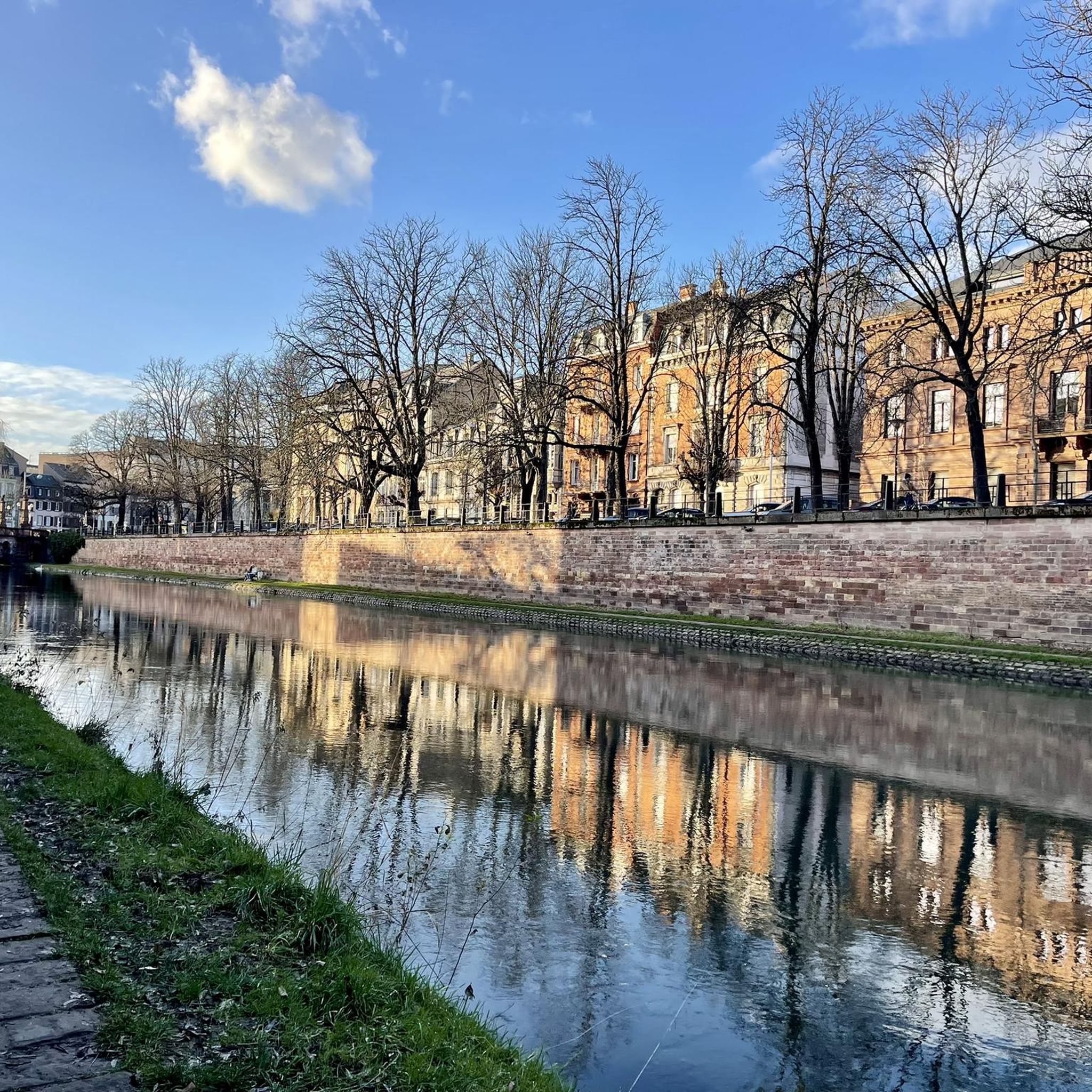
- The most popular castles is Orangerie Park, Strasbourg, a castle that features an English garden, mini zoo, and historical buildings like the Joséphine Pavilion. This park is Strasbourg's oldest and a favored spot for walks, with its rich cultural heritage and natural elements.
- Another must-see spot is Château de Pourtalès, a castle and historical site. This location is appreciated for its pleasant surroundings, suitable for activities like running or picnicking.
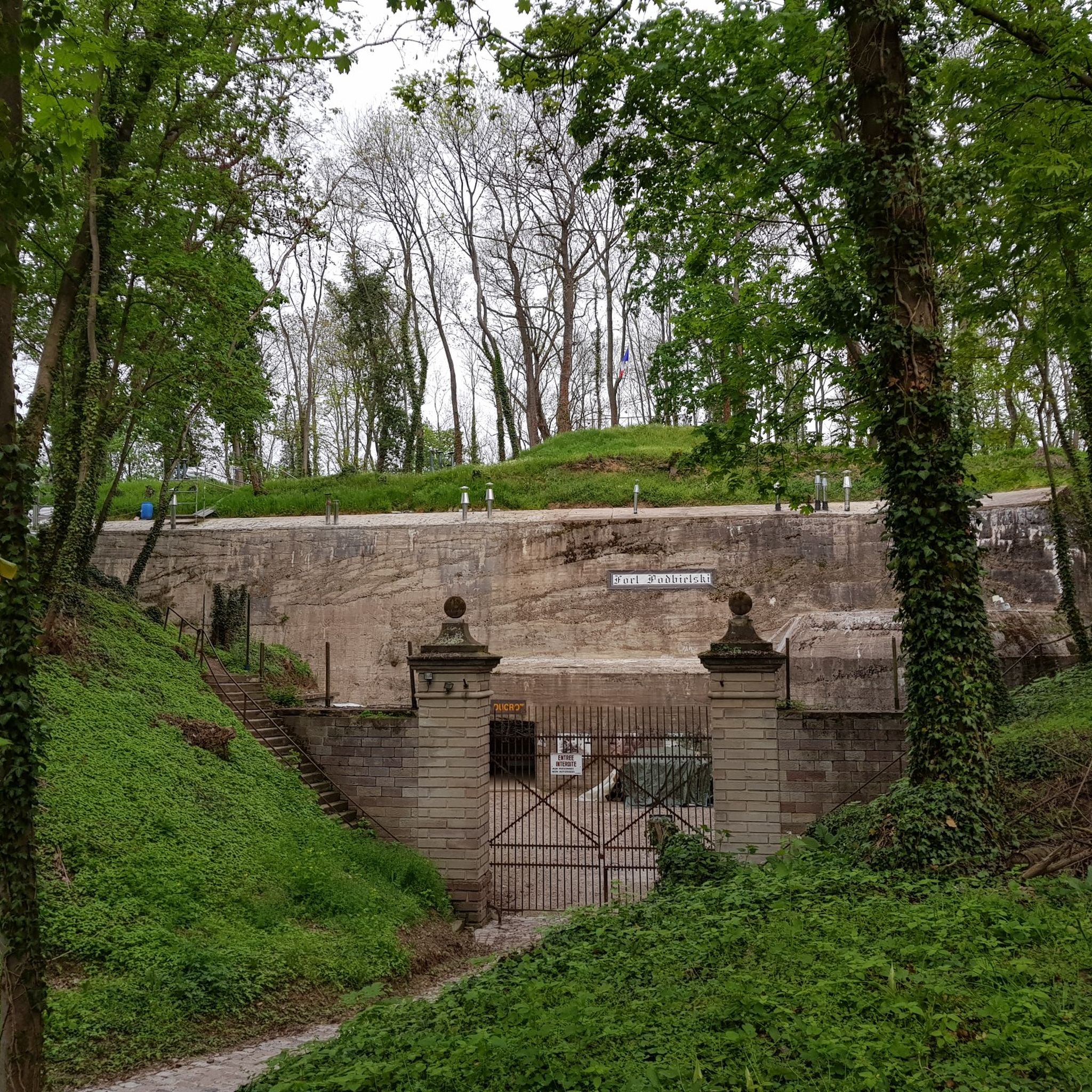
- Visitors also love Fort Frère, a historical site and castle. Built in the late 19th century as part of Strasbourg's fortification belt, it offers insights into military history.
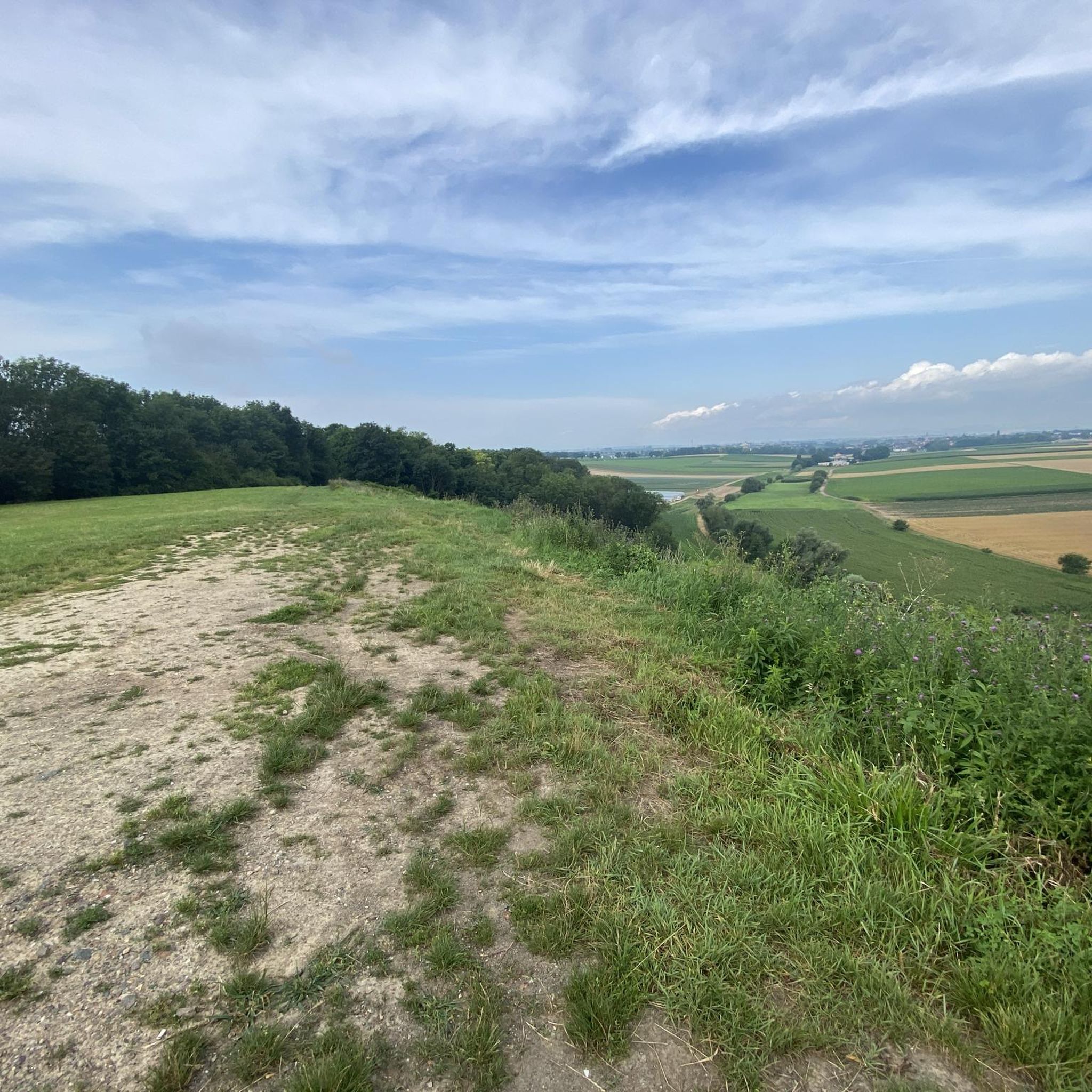
- Mundolsheim is known for its 19th-century forts, châteaux, and historical sites. The area provides a variety of fortifications and historical buildings to explore, reflecting different eras of regional history.
- The castles around Mundolsheim are appreciated by the komoot community, with more than 500 upvotes and over 200 photos shared by visitors.
Last updated: August 23, 2026
Orangerie Park, Strasbourg
Highlight • Castle
Translated by Google •
Tip by

Fort Frère
Highlight • Historical Site
Translated by Google •
Tip by

Sign up now to discover places like this
Get recommendations on the best single tracks, peaks, & plenty of other exciting outdoor places.
Sign up for free
Pourtalès Castle
Highlight • Castle
Translated by Google •
Tip by

Brumath Castle
Highlight • Castle
Translated by Google •
Tip by

Start today with a free account
Your next adventure awaits.
Login or Signup
Tips from the Community

Beautiful park and ideal for running, you also meet many other joggers here.
3
0

The Pourtalès park surrounds a pretty 18th century castle made famous by Countess Mélanie de Pourtalès. Close to Emperor Napoleon III, in the last century she received all the European elite there. The large lawns and more shaded corners of this English-style park make it a great place for a stroll. Keep your eyes peeled! works of contemporary art are scattered there for the pleasure of young and old…
0
0

A great park that definitely invites you to run. At the end there is also a career if you prefer to do laps.
2
0

The castle was built between 1722 and 1726 and has housed the evangelical church since 1804, today the lutheran church. In the basement of the castle is the Archaeological Museum of Brumath.
1
0

The Orangery Park is the oldest park in the city, the park is very well maintained and invites you to linger.
3
0

ORANGERY The Orangery district in the north of the city has a rich cultural heritage in which nature plays an important role. Since the 18th century, the Parc de l'Orangerie, with its English garden, mini zoo and bowling alley, has been Strasbourg's favorite place for walks. THE JOSÉPHINE PAVILION - HOMAGE TO THE EMPRESS In the classic French avenue park from 1692, the Orangery building was built between 1804 and 1807 according to the plans of the architect Valentin Boudhors. The city wanted the building to provide dignified accommodation for Count Johann Reinhard III's orange tree collection. of Hanau-Lichtenberg, which decorated his castle in Bouxwiller until the French Revolution. As a reminder of Empress Joséphine de Beauharnais's stays in Strasbourg, the orangery was named after her. After a fire in 1968, the building was rebuilt true to the original. The two sphinxes sitting opposite each other at the entrance come from the gardens of Klinglin Castle in Illkirch, which were redesigned in the 18th century. ENGLISH GARDEN, ZOO AND BOWLING ALLEY Under the influence of Jean Frédéric de Turckheim and Georges Frédéric Schutzenberger, two Strasbourg mayors who were open to currents from England, the park became a romantic English landscape garden with avenues that, following the example of nature, surround a cleverly constructed "disorder" meander. On the occasion of the International Industrial Exhibition, which took place in the Orangery in 1895, the area of the park was doubled and idyllic half-timbered houses such as the Buerehiesel, pleasure palaces such as the Cupid Temple and water features with bridges, fountains and streams were created. Two sculptures are particularly worth mentioning: the traditional “Gänseliesel” and the poetic “Puits voleur”, designed by Patrick Bailly-Maître-Grand in 1994. The small zoo is located in the west of the park near the bowling alley, which is located on the site of a former restaurant. https://int.strasbourg.eu/de/orangerie
4
2

ℹ️ www.strasbourg.eu/lieu/-/entity/sig/2305_ENV_372/parc-de-l-orangerie
2
0

The castle is a hotel. Next door a nice little park.
3
0
Frequently Asked Questions
What kind of historical fortifications can I explore around Mundolsheim?
Around Mundolsheim, you'll primarily find late 19th-century forts rather than traditional medieval castles. Notable examples include Fort Ducrot and Fort Desaix, which were part of the fortified belt around Strasbourg. While a medieval castle, Haldenburg, once stood in the area, it no longer exists. The guide also features sites like Orangerie Park with its historic Orangery building, Pourtalès Castle (now a hotel), and Brumath Castle, which houses a church and an archaeological museum.
Can I visit Fort Ducrot in Mundolsheim?
Yes, Fort Ducrot regularly offers guided tours, providing insights into its history and military architecture. Special open house events are also held, sometimes featuring reenactors. You can find more information on visiting hours and events at visitstrasbourg.fr or visit.alsace.
What is the current status of Fort Desaix?
Fort Desaix, another significant 19th-century fortification, is currently used by a shooting club and various associations. While it holds historical importance, detailed visitor information is less prominent compared to Fort Ducrot. For more historical context, you can refer to its Wikipedia page: Fort Desaix on Wikipedia.
Are there family-friendly places to visit among the castles and forts?
Absolutely! Orangerie Park in Strasbourg is highly recommended for families, featuring playgrounds, a mini zoo, and a petting zoo. Children also love its vintage train. Château de Pourtalès offers a pleasant park suitable for picnics, and Brumath Castle, with its archaeological museum, can also be an engaging visit for families.
What kind of outdoor activities can I do near these historical sites?
The area around Mundolsheim offers various outdoor activities. You can find numerous routes for cycling, gravel biking, and hiking. For instance, there are moderate racebike routes like the "Wingersheim lock – Along the Canal loop" and challenging gravel biking trails such as the "Pandours Pass – Relais du Geisweg loop." Hikers can enjoy routes like the "Fort Ducros – Old Fort Foch loop." Explore more options in the hiking guide, traffic-free bike rides guide, or gravel biking guide for Mundolsheim.
Are there hiking trails that incorporate the forts or castles?
Yes, there are hiking trails that allow you to explore the fortifications. For example, the "Fort Ducros – Old Fort Foch loop from Mundolsheim" is a moderate 9.7 km hike, and there are easier options like the "Fort Ducros loop from Mundolsheim" at 4.1 km. These routes offer a chance to combine historical exploration with outdoor activity. You can find more details in the hiking guide for Mundolsheim.
What natural features can I expect to see near these sites?
While the focus is on fortifications, some sites offer natural beauty. Orangerie Park in Strasbourg is a beautiful English garden with a lake where you can enjoy rowing, and it's famous for its stork population. The parks surrounding Pourtalès Castle also provide pleasant green spaces for relaxation.
What do visitors enjoy most about the Orangerie Park?
Visitors love Orangerie Park for its serene atmosphere, making it a favorite spot for walks, jogging, and family outings. The mini zoo, petting zoo, and playgrounds are a hit with children. The park is also renowned for its successful stork reintroduction program, allowing visitors to admire these iconic Alsatian birds year-round.
Is there an archaeological museum in the area?
Yes, the basement of Brumath Castle houses the Archaeological Museum of Brumath. This offers a different historical perspective, delving into the region's past through archaeological finds.
What is the best time of year to visit the forts and castles around Mundolsheim?
The best time to visit is generally during the spring, summer, and early autumn months (April to October). This allows for comfortable exploration of outdoor sites like the forts and parks, and guided tours are more regularly available. The pleasant weather also enhances enjoyment of the hiking and biking routes in the surrounding area.
Are there any historical sites related to the Maginot Line in the vicinity?
Yes, Fort Ducrot was integrated into the Maginot Line prior to World War II, serving as a command post. Its facades were notably covered with a significant concrete mask during this period, making it almost unique among Alsatian-Moselle forts. Guided tours of Fort Ducrot often cover this aspect of its history.
Most popular routes around Mundolsheim
Most popular attractions around Mundolsheim

Get inspired with the komoot mobile app


Explore more
Looking for the best castles somewhere else? Discover other guides around Mundolsheim:
