Top 14 Mountain Passes around Théoule-Sur-Mer
Best mountain passes around Théoule-Sur-Mer are situated within the Esterel Massif, a region characterized by its red volcanic rock formations and Mediterranean coastline. This area offers a diverse landscape for outdoor activities, including scenic routes and varied terrain. The passes provide access to panoramic views of the sea, islands, and surrounding mountains. The region is also known for the Tanneron Massif, which features extensive mimosa forests.
Best mountain passes around Théoule-Sur-Mer
- The most popular mountain passes is Notre-Dame Pass,…
Last updated: July 10, 2026
Notre-Dame Pass
Highlight • Mountain Pass
Translated by Google •
Tip by

Col de Théoule
Highlight • Mountain Pass
Translated by Google •
Tip by

Sign up now to discover places like this
Get recommendations on the best single tracks, peaks, & plenty of other exciting outdoor places.
Sign up for free
Tanneron Pass
Highlight • Mountain Pass
Translated by Google •
Tip by

Descent from Col de l'Auriasque towards Fréjus
Highlight (Segment) • Mountain Pass
Translated by Google •
Tip by

Cadière Pass
Highlight • Mountain Pass
Tip by

Sign up for free to discover even more mountain passes around Théoule-Sur-Mer.
Sign up for free
Already have an account?
Start today with a free account
Your next adventure awaits.
Login or Signup
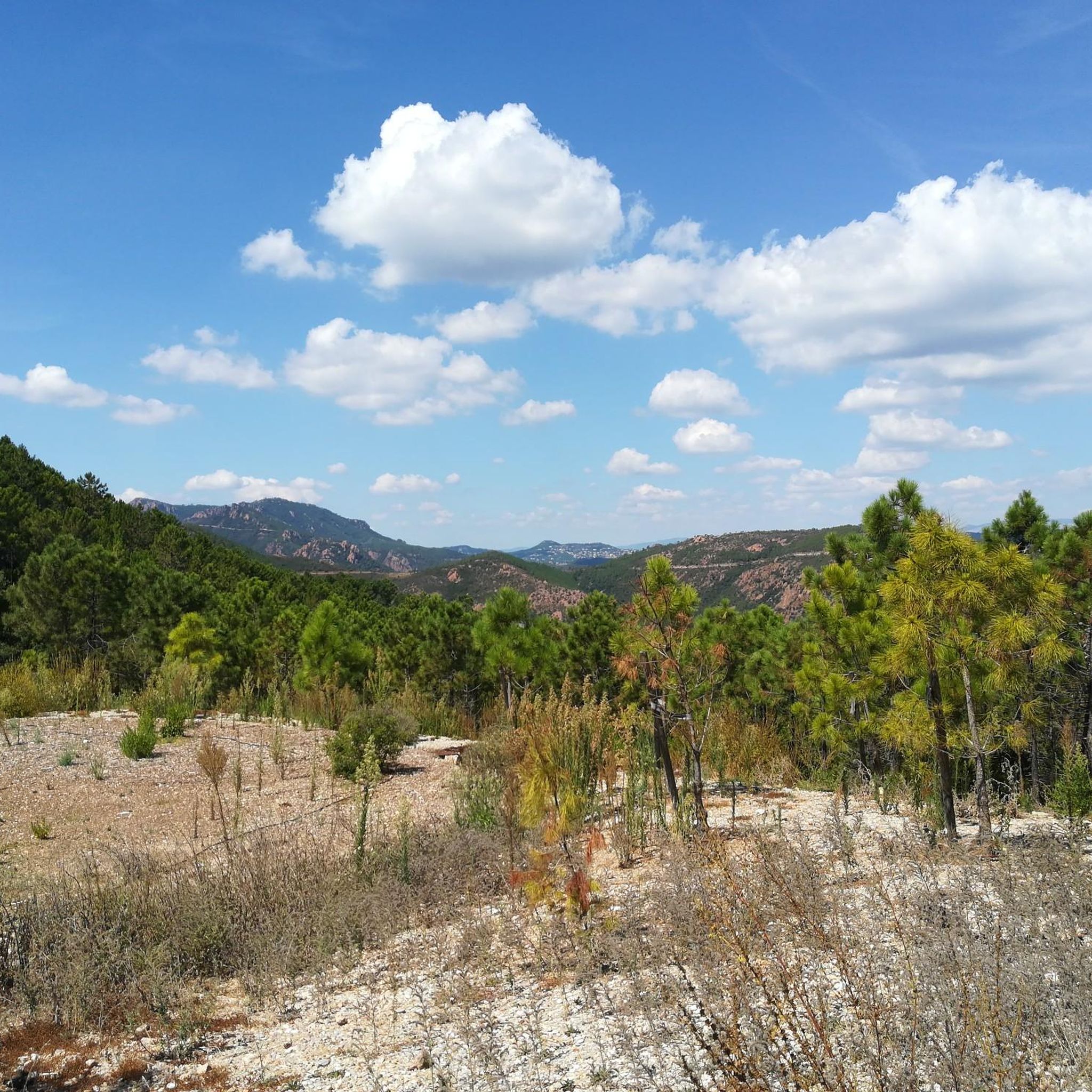
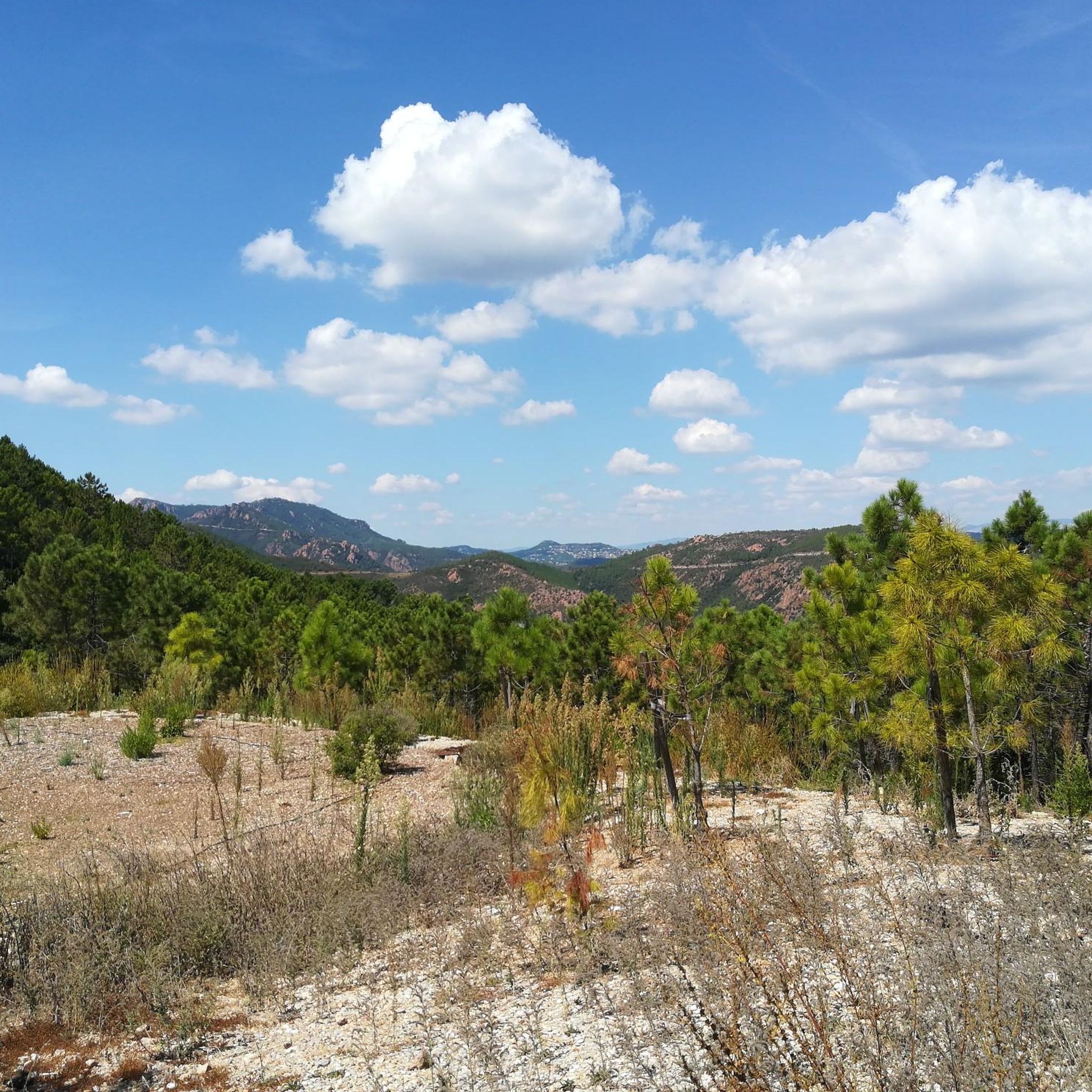
Tips from the Community

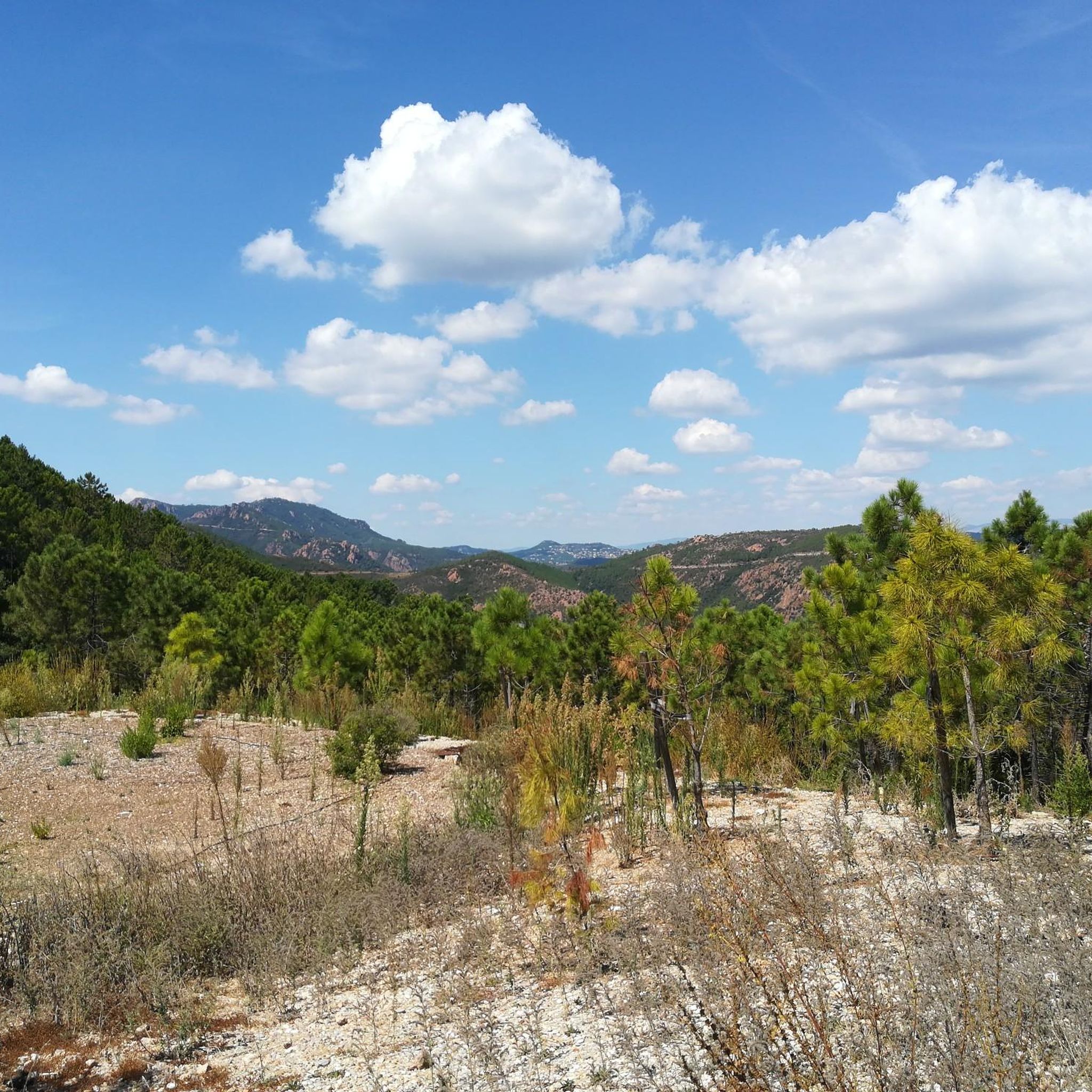
I would be happy to give you another tip in the area. From Theoule sur Mer you drive south along the coastal road, past La Figueirette, after the Calanque de Maupas and the Calanque de Maubois you reach Cap Roux. There is a parking lot and a building on the left side of the road (sea side). You can park there. Then continue south along the road for about 200 m. There you go right up to Pic Roux. There is an information board right on the street. At first the road is tarred, after about 30 minutes it turns into natural paths. The hike to Pic Roux takes about 1.45 hours and is very well described. At the summit there is a great view of the Calanques and towards Cannes. Bring a picnic and enjoy the wonderful view from the “peak”. Amusez - vous bien!
2
1

The Peygros oppidum, located three kilometers northeast of the community, documents pre-Roman settlement in the area. The place was first mentioned as Castrum Tannaroni in 1200. The name may come from the root word tan, which refers to the bark of chestnuts and oaks, or it may go back to a pre-European root, according to which tan means mountain. The village belonged to the territory of Grasse and became an independent municipality in 1825 when it separated from Callian.
2
0

The slope is rather constant: to climb to the train. Turn around during the climb (from Pegomas): you can see the Lérins Islands.
0
0

Beautiful trails, stony and technical at times, but so beautiful! Have good sturdy tires, otherwise beware of the risk of punctures!
0
1

View of the sea and the Southern Alps, great landscape
1
0

Great point of view. Accessible in gravel
0
0

Major intersection of many trails and a closed road
0
0
Frequently Asked Questions
What are the most popular mountain passes around Théoule-Sur-Mer?
The komoot community highly rates several passes in the region. Notre-Dame Pass is a favorite, offering breathtaking views over the Mediterranean Sea and Cannes. Tanneron Pass is also very popular, especially for its panoramic views of the Lérins Islands. Col de Théoule is another excellent choice for accessible routes with splendid coastal views.
What unique natural features can I expect to see on these mountain passes?
The mountain passes around Théoule-Sur-Mer are renowned for the dramatic red volcanic rock formations of the Esterel Massif, which contrast vividly with the azure Mediterranean Sea. You'll find numerous coves, inlets, and hidden beaches. The Tanneron Massif, a bit inland, offers a different landscape, known as 'Europe's largest mimosa forest,' which bursts into vibrant yellow bloom in winter.
Are there good cycling routes over the mountain passes near Théoule-Sur-Mer?
Yes, the region is very popular for cycling. The Corniche de l'Estérel, also known as the Corniche d'Or, is a spectacular coastal road with twisting turns and moderate gradients, ideal for scenic drives and cycling. For more challenging rides, you can explore routes that include Tanneron Pass or the descent from Col de Lauragais Descent to Fréjus, which is known for its well-maintained road. You can find many road cycling routes in the area, including those listed in the Road Cycling Routes around Théoule-Sur-Mer guide.
What kind of hiking trails are available near the mountain passes?
The area offers a diverse range of hiking trails. From Notre-Dame Pass, you can embark on challenging trails to peaks like Pic de l'Ours, offering magnificent 360-degree panoramas. Col de Théoule provides excellent options for shorter, moderate hikes with iconic coastal views. Many trails wind through wooded areas, providing pleasant shade. Explore more options in the Mountain Hikes around Théoule-Sur-Mer guide.
When is the best time to visit the mountain passes around Théoule-Sur-Mer?
The region offers different experiences depending on the season. For the stunning mimosa blooms and their intoxicating fragrance in the Tanneron Massif, the best time to visit is in January and February. For hiking and cycling, spring and autumn offer pleasant temperatures, while summer can be warm but provides opportunities for swimming in the coves and beaches along the coastal routes.
Are there any family-friendly options for exploring the mountain passes?
Yes, there are options suitable for families. Col de Théoule offers accessible routes and shorter, moderate hikes with rewarding coastal views, which can be suitable for families. The Corniche de l'Estérel is also great for scenic drives, allowing families to enjoy the views and stop at various coves and beaches.
What are some notable viewpoints along the mountain passes?
The region is rich in scenic viewpoints. Along the Corniche de l'Estérel, you'll find exceptional vistas from Pointe de l'Esquillon, Cap Roux, and Cap Dramont, offering views of the Esterel massif, Cannes, and the Lérins Islands. From Notre-Dame Pass, the hike to Pic de l'Ours provides a magnificent 360-degree panorama. Tanneron Pass also offers views of the Lérins Islands and the Siagne valley.
Can I find gravel biking routes in the mountain pass area?
Absolutely! The area around Théoule-Sur-Mer is well-suited for gravel biking, with many trails and forest roads. You can find routes that incorporate passes like Cadière Pass and Notre-Dame Pass. For detailed routes, refer to the Gravel biking around Théoule-Sur-Mer guide.
What makes the Corniche de l'Estérel special?
The Corniche de l'Estérel, also known as the Corniche d'Or, is a spectacular coastal road that winds between Saint-Raphaël and Théoule-sur-Mer. It's famous for its twisting turns and moderate gradients, showcasing the fiery red volcanic rocks of the Esterel Massif plunging directly into the deep blue sea. This creates a stunning visual contrast and offers access to numerous coves, inlets, and small beaches perfect for swimming and snorkeling.
What do visitors enjoy most about the mountain passes around Théoule-Sur-Mer?
Visitors consistently praise the breathtaking views, especially the dramatic contrast between the red rocks of the Esterel Massif and the blue Mediterranean. The diverse opportunities for outdoor activities, from scenic drives and cycling to challenging hikes, are also highly appreciated. Many enjoy the quiet, beautiful places found between the red rocks and green bushes, with views stretching to Cannes and the Lérins Islands.
Are there any specific geological formations to look out for?
Yes, the Esterel Massif is characterized by its distinctive red porphyry rocks, which are volcanic in origin. Notable examples include the dramatic cliffs at Cap Roux, where these rocks cascade into the sea, and the Rocher des Monges near Col du Trayas, which is another significant volcanic rock formation. These formations contribute to the unique and striking landscape of the region.
Can I access hidden coves and beaches from the mountain passes?
Many of the mountain passes and scenic routes, particularly along the Corniche de l'Estérel and near Col du Trayas, provide access to numerous coves, inlets, and small beaches. Some of these, like the wild coves near Le Trayas (Calanque de Saint-Barthélémy, Maupas, Maubois), are only accessible by challenging coastal scrambles or by boat, offering secluded spots for swimming and snorkeling.
Most popular routes around Théoule-Sur-Mer
Most popular attractions around Théoule-Sur-Mer

Get inspired with the komoot mobile app


Explore more
See even more epic mountain passes by checking out these guides around Théoule-Sur-Mer:
