The best walks and hikes around Moncrabeau
4.5
(263)
1,305
hikers
127
hikes
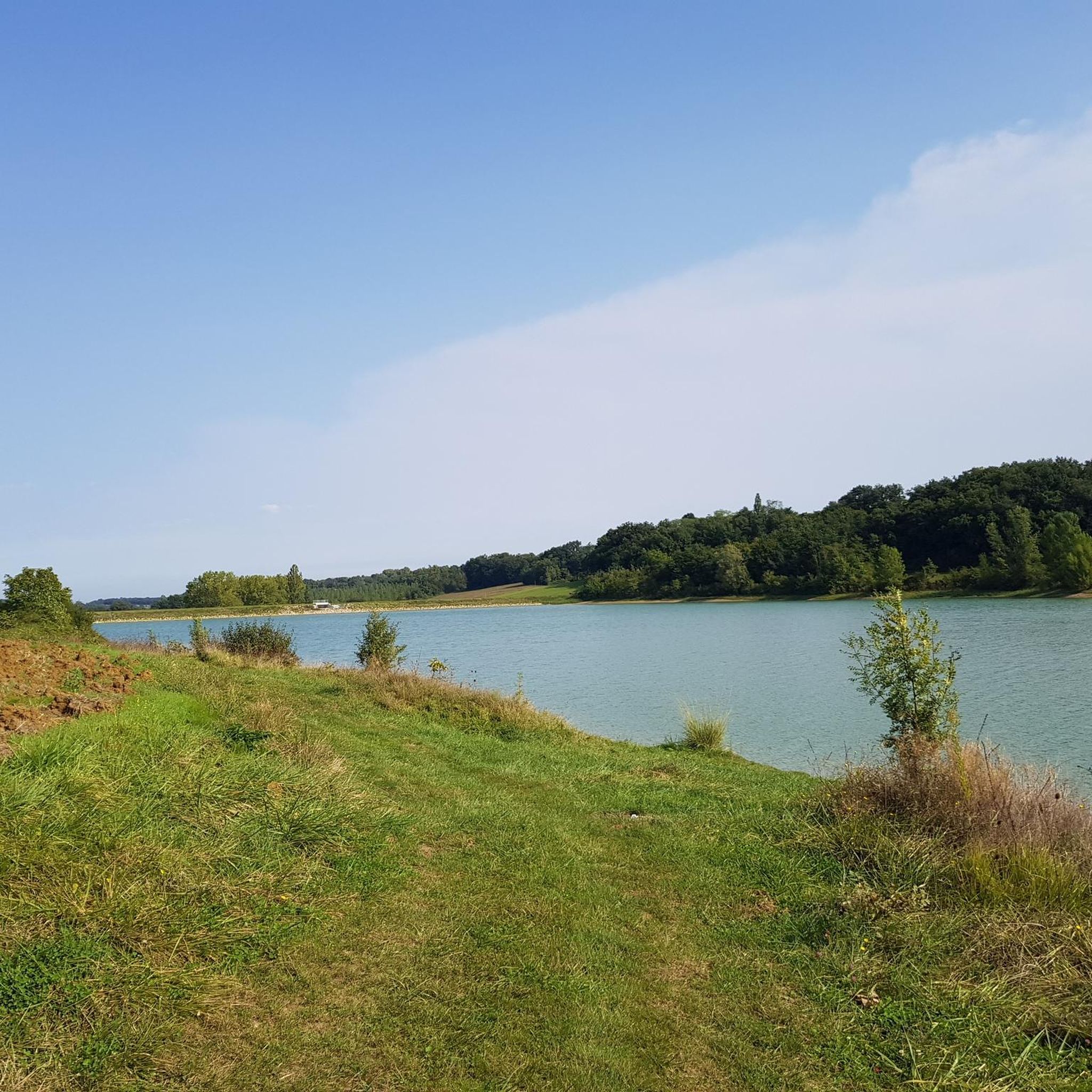
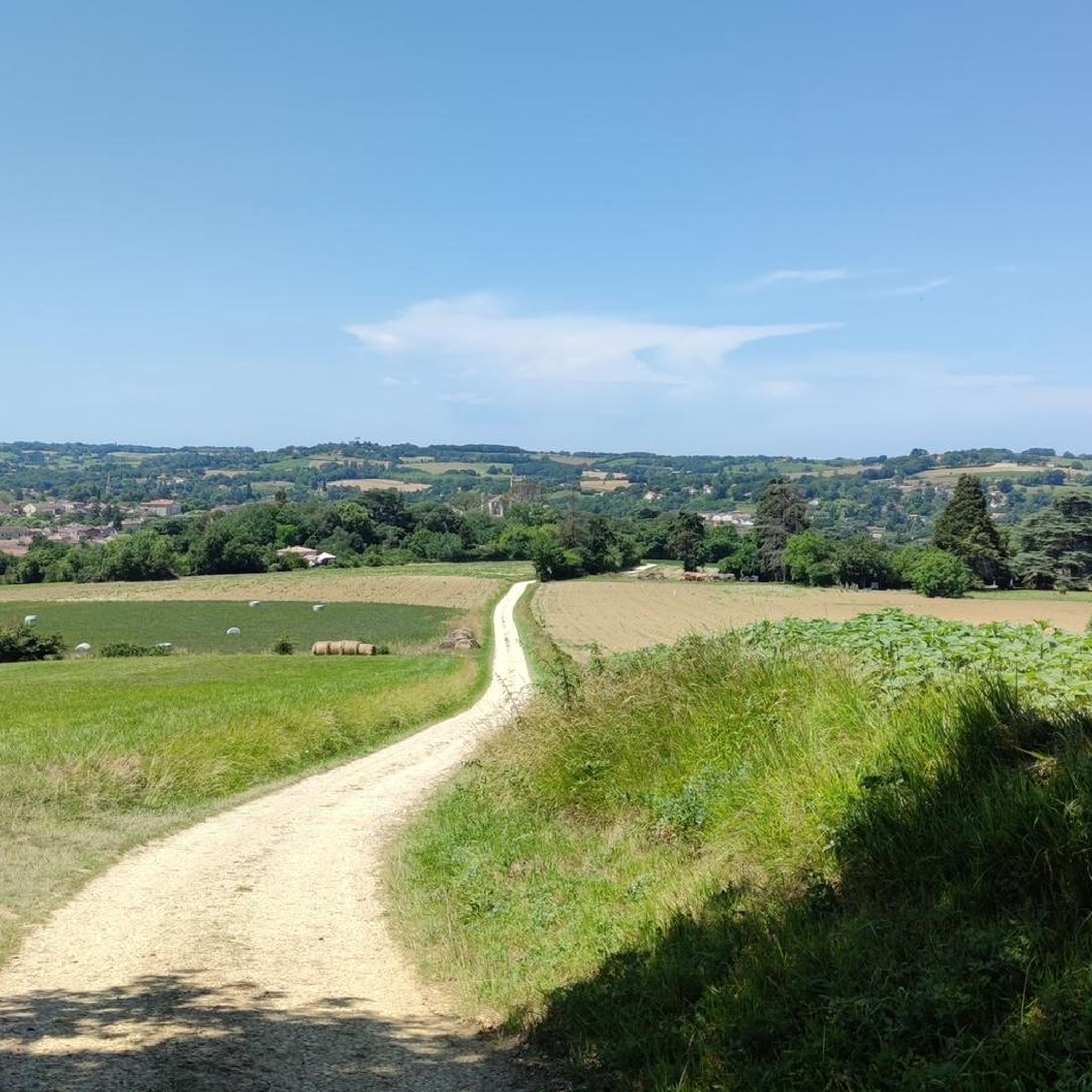
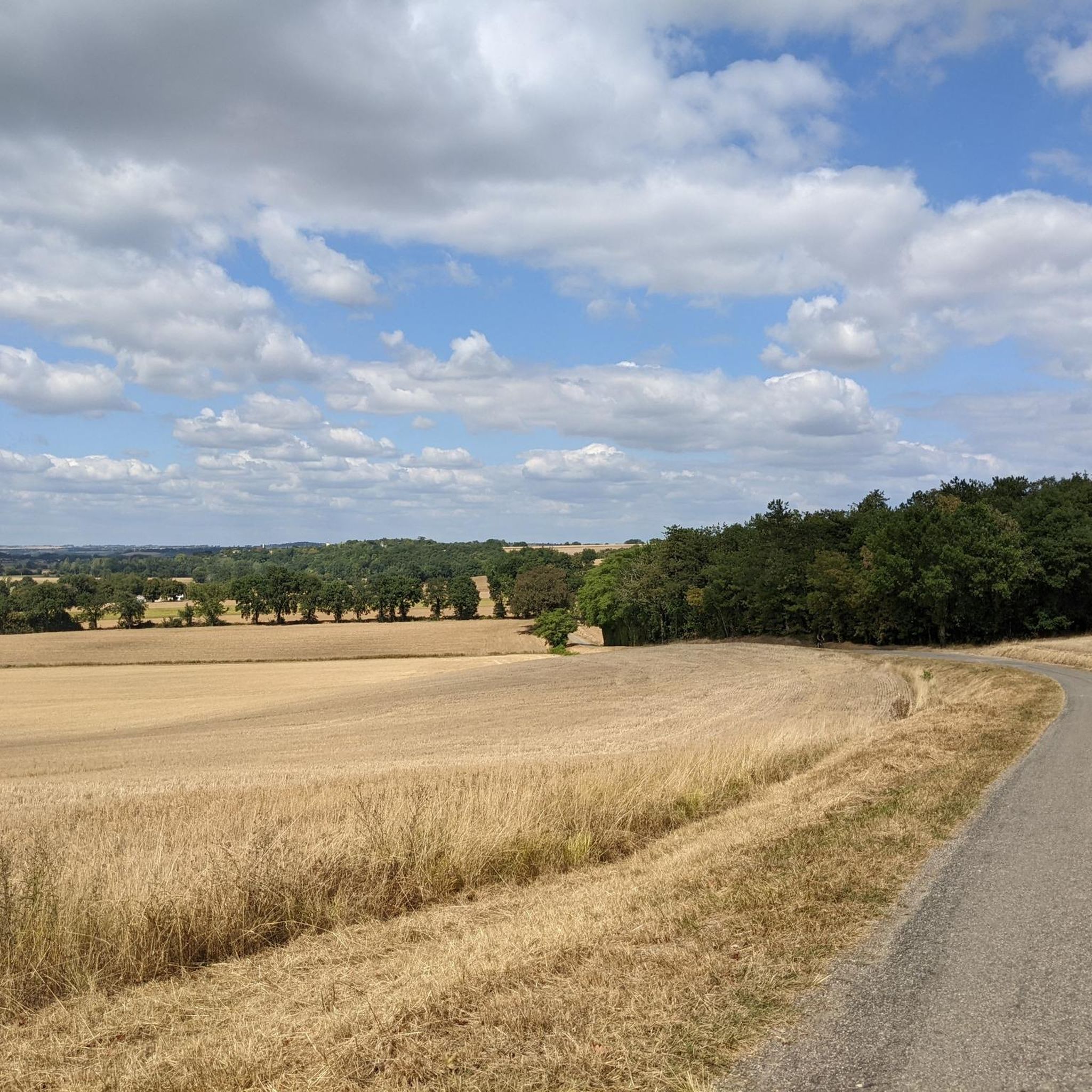
Hiking trails around Moncrabeau traverse a landscape characterized by rolling hills, river valleys, and a mix of woodlands and agricultural areas. The region offers varied terrain suitable for different hiking preferences, from gentle paths along waterways to more challenging ascents. Elevation gains are generally moderate, with some routes featuring steeper sections.
Best hiking trails around Moncrabeau
- The most popular hiking route is VTT Circuit No. 5: The Rush to the East, a 10.1 miles (16.3 km) trail that takes 4 hours 21 minutes to complete, traversing varied terrain.
- Another top favourite among local hikers is The Baïse – View of Nérac loop from Nérac, a moderate 6.8 miles (10.9 km) path. This route offers views of the Baïse river and the surrounding rolling hills.
- Local hikers also love the Pont de Nérac – Foulon Garden loop from Nérac, a 3.9 miles (6.2 km) trail leading through riverbanks and cultivated areas, often completed in about 1 hour 37 minutes.
- Hiking around Moncrabeau is defined by its river valleys, rolling hills, and a blend of woodlands and open countryside. The network offers options for different ability levels, from easy walks to more demanding routes.
- The routes in Moncrabeau are highly rated by the komoot community with an average score of 4.3 stars from over 200 reviews. More than 1200 hikers have used komoot to explore Moncrabeau's varied terrain.
Last updated: July 8, 2026
8
hikers
16.3km
04:22
200m
190m
Hike the VTT Circuit No. 5: The Rush to the East, a moderate 10.1-mile trail with 648 feet of gain and panoramic views.
4.7
(15)
161
hikers
24.9km
07:00
510m
510m
Hard hike. Very good fitness required. Easily-accessible paths. Suitable for all skill levels.

Sign up for free
4.5
(11)
42
hikers
10.9km
02:57
150m
150m
Moderate hike. Good fitness required. Easily-accessible paths. Suitable for all skill levels.
4.0
(6)
36
hikers
15.3km
04:08
210m
210m
Moderate hike. Good fitness required. Easily-accessible paths. Suitable for all skill levels.
4.3
(3)
28
hikers
5.76km
01:30
40m
40m
Easy hike. Great for any fitness level. Easily-accessible paths. Suitable for all skill levels.
Get access to more routes and recommendations from other explorers.
Sign up for free
Already have an account?
Our route recommendations are based on thousands of hikes, rides, and runs completed by other people on komoot.
Start today with a free account
Your next adventure awaits.
Login or Signup

Tips from the Community

The Château Henri IV of Nérac, former residence of the lords of Albret, bears witness to the city's rich Renaissance past. Overlooking the Baïse, it was one of the living places of the future King Henri IV and remains today a must-see to discover the history of Albret.
0
0

This cloisters was built at the beginning of the 16th century and is attached to the Saint-Pierre Cathedral.
0
0
The statue of D'Artagnan and The Three Musketeers, Athos, Porthos and Aramis. The statue was created by sculptor Zurab Tsereteli and erected here in the heart of the town in 2010 in honor of d’Artagnan who was born in this area in 1611 and joined the Musketeers in 1632.
0
0

The Baïse River Discovery Trail is very pleasant and very bucolic. The Baïse has been a communication and navigation route since the Middle Ages. Barges (gabarres) or bachots (bachots) traveled down the river to Agen, transporting agricultural goods, wheat, wine, Armagnac, timber, and more. Twenty-one locks are located along its length. Today, it is used by unlicensed boats and converted barges. You will pass Flaran Abbey, a superb Cistercian building founded in 1151 and very well preserved. This trail along the Baïse is very well laid out; I even found dry toilets just before Valence-sur-Baïse, next to a picnic area. Bravo again!
0
0
Condom, a former episcopal city crossed by the Baïse River, is renowned for its Saint-Pierre Cathedral and its Armagnac-related past. In front of the cathedral stands the famous statue of the Four Musketeers (D'Artagnan and his companions), a tribute to Alexandre Dumas' novel and the famous captain's Gascon roots.
0
0

A primitive building dedicated to Saint Mark existed from the medieval period. It was destroyed by the Protestants in 1562. The current church succeeded it in 1868, and was designed by the architect Verdier. It is dedicated to Our Lady. In the shape of a Latin cross, it has a single ribbed vault. The bell tower, perched on the ridge of the west facade, is topped with a long spire. Above the portal, the facade is pierced by three lancet stained-glass windows. It is adorned with two pinnacles.
0
0
A primitive building was consecrated by Pope Urban II in 1096. It was the priory church of the Benedictines. It became a parish church after the priory was sold in 1666. In 1697, the bell tower collapsed. In 1749, the church was in danger of collapse. The current church was rebuilt between 1758 and 1785. During the Revolution, the church became the "supreme temple." In 1855, the bell towers were added and the sacristy was rebuilt. The church, in the shape of a Latin cross, includes a nave. Its façade is adorned with four fluted pilasters with Ionic capitals supporting a triangular pediment. The stained-glass windows are from the 19th century. They depict scenes from the life of Saint Joseph, the Agony of Christ, scenes from the life of the Virgin, Pentecost, Saint Louis, Saint John the Baptist, and the Immaculate Conception. The prophets and kings of Israel can be seen: Abraham, Daniel, Abel, Noah, Moses, Elijah, Aaron, Melchizedek, sibyls, as well as a Virgin and Child, a Pietà, and the coat of arms of Abbot de Vivie.
0
1
The history of the former royal warren is deeply linked to the family of Henry IV, but its legacy dates back to Antiquity. During the Gallo-Roman period, in the 4th or 5th century, a villa stood on the banks of the Baïse River. Excavations conducted in 1832 uncovered numerous mosaics, attesting to the building's presence. Between these two periods, the park underwent numerous developments. At the beginning of the 16th century, Henry I of Albret acquired the land to create a warren and a garden at the foot of the château, accessible only to the royal family. When Henry IV and his wife, Marguerite de Valois, inherited the site, they created the current promenade, known as the "3,000 paces," which runs along the Baïse. But the Wars of Religion and the numerous floods of the river after the king's death would permanently damage the historical and natural heritage. Damaged by the numerous floods of the Baïse in 1909, the park became the first listed site in the Aquitaine region, which enabled the funding of work to ensure its preservation. In 2020, this classification was extended to the other bank, where the Bains du Roy are located.
0
0
Frequently Asked Questions
How many hiking trails are available around Moncrabeau?
There are over 100 hiking trails around Moncrabeau, offering a wide variety of options for different skill levels and preferences. The region's landscape of rolling hills, river valleys, and a mix of woodlands and agricultural areas provides diverse scenery for exploration.
Are there easy hiking routes suitable for beginners in Moncrabeau?
Yes, Moncrabeau offers a good selection of easy hikes. Approximately half of the trails in the area are classified as easy, making them perfect for beginners or those looking for a relaxed walk. An example is the Pont de Nérac – Foulon Garden loop from Nérac, which is 3.9 miles (6.2 km) and relatively flat.
What is the typical length and duration of hikes in the Moncrabeau area?
Hikes around Moncrabeau vary significantly in length and duration. You can find shorter walks like the Pont de Nérac – Foulon Garden loop from Nérac, which takes about 1 hour 37 minutes. Longer routes, such as VTT Circuit No. 5: The Rush to the East, can extend to over 10 miles (16 km) and take more than 4 hours to complete.
Are there any circular hiking routes around Moncrabeau?
Yes, many of the trails around Moncrabeau are circular, allowing you to start and end at the same point. A popular circular option is The Baïse – View of Nérac loop from Nérac, which offers scenic views of the river and surrounding hills.
What kind of natural attractions or landmarks can I expect to see while hiking?
The Moncrabeau region is rich in natural beauty and historical sites. Along your hikes, you might encounter charming river valleys, rolling agricultural landscapes, and woodlands. Nearby attractions include the historic Larressingle Fortified Village and the impressive Cloister of the Collegiate Church of Saint-Pierre in La Romieu.
What do other hikers enjoy most about the trails in Moncrabeau?
The hiking trails around Moncrabeau are highly rated by the komoot community, with an average score of 4.3 stars. Hikers often praise the varied terrain, which includes pleasant paths along waterways and through woodlands, as well as the generally moderate elevation gains that make the routes accessible yet engaging.
Are there family-friendly hiking options in Moncrabeau?
Yes, Moncrabeau offers several family-friendly hiking options. Many of the easy-rated trails are suitable for families with children, featuring gentle paths and manageable distances. The region's diverse landscape provides interesting sights for all ages without overly challenging terrain.
Is Moncrabeau a good destination for dog-friendly hikes?
The Moncrabeau region, with its extensive network of trails through woodlands and open countryside, is generally welcoming for dog walkers. It's always recommended to keep dogs on a leash, especially near agricultural areas or wildlife, and to check local regulations for specific routes.
When is the best time of year to go hiking in Moncrabeau?
The best time to hike in Moncrabeau is typically during spring and autumn. These seasons offer pleasant temperatures, vibrant natural colors, and comfortable conditions for exploring the rolling hills and river valleys. Summer can also be enjoyable, especially in the mornings or late afternoons, though it can be warmer.
Are there any challenging or difficult hikes for experienced hikers?
While many routes are moderate or easy, Moncrabeau does offer some more challenging options for experienced hikers. These routes feature greater distances and more significant elevation gains. An example of a more demanding trail is the Saint Peter's Cathedral – Lake Bousquétara loop from Condom, which is nearly 15 miles (24 km) long with considerable ascent.
What kind of wildlife might I spot on the trails around Moncrabeau?
Hiking through the varied landscapes of Moncrabeau, which include woodlands, river valleys, and agricultural fields, offers opportunities for wildlife spotting. You might encounter various bird species, small mammals, and insects typical of the French countryside. Keep an eye out for local flora and fauna as you explore.
Most popular attractions around Moncrabeau

Get inspired with the komoot mobile app


Explore more
Browse the best Hikes in other regions.
