Attractions and Places To See around Cazouls-D'Hérault - Top 20
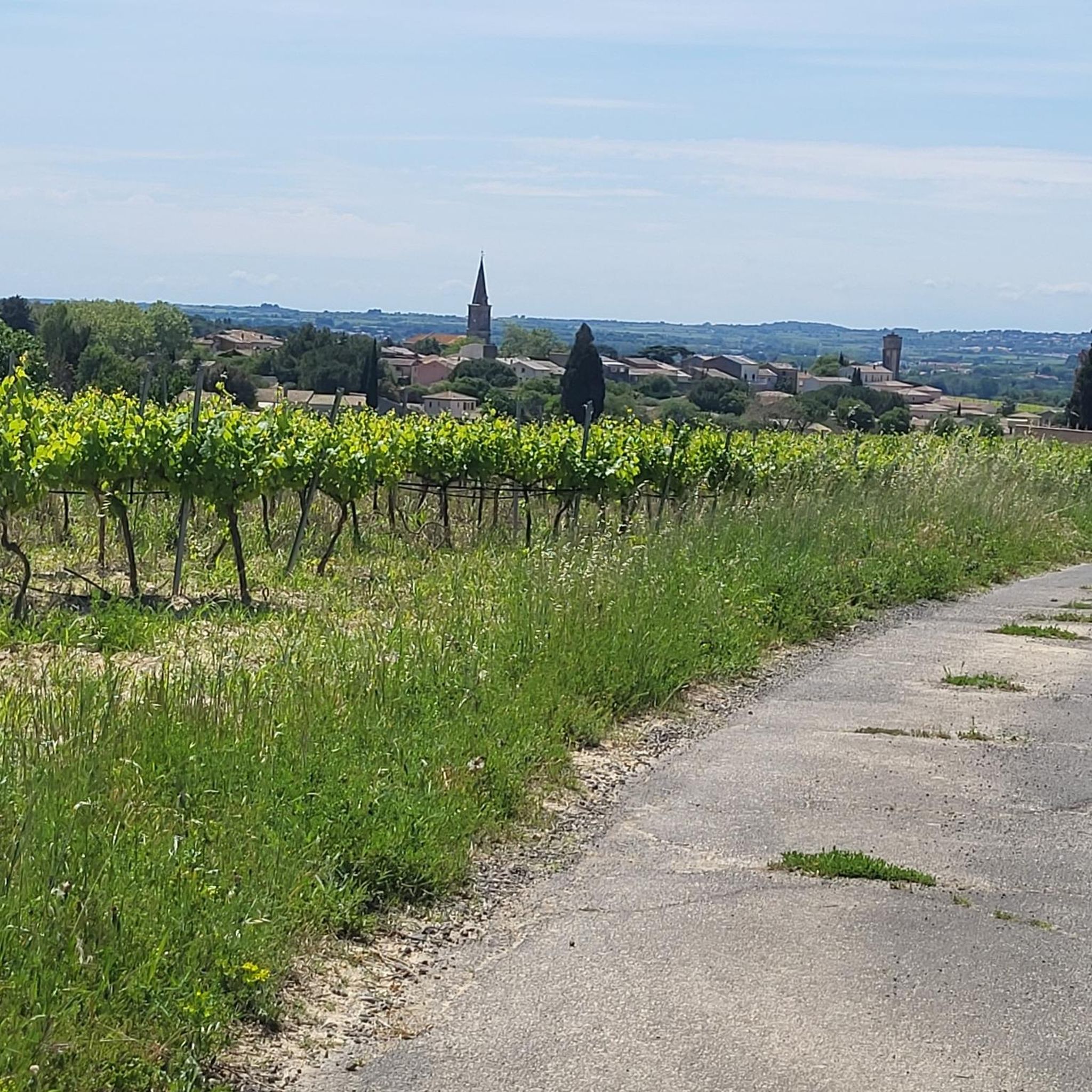
Best attractions and places to see around Cazouls-D'Hérault include historical landmarks, natural features, and cultural sites. This Templar village is situated at the confluence of the River Boyne and the Hérault, offering a verdant environment with riverbanks and dikes for walking. The area preserves its Occitan traditions and showcases an agricultural heritage with vineyards and olive groves. Visitors can explore medieval origins, significant churches, and scenic paths.
Best attractions and places to see around Cazouls-D'Hérault
- The most popular attractions is…
Last updated: July 6, 2026
The Fairy Stretcher
Highlight • Other
Human imagination has given rise to a legend: fairies used to …
Translated by Google •
Tip by

Ruins of the Saint-Antoine Hermitage
Highlight • Historical Site
Translated by Google •
Tip by

Sign up now to discover places like this
Get recommendations on the best single tracks, peaks, & plenty of other exciting outdoor places.
Sign up for free
Pézenas Historic Centre
Highlight • Historical Site
A lot has been reset, some still have to be done.
Translated by Google •
Tip by

Hôtel du Baron de Lacoste
Highlight • Other
Translated by Google •
Tip by
Magnificent chapel
Highlight • Other
Translated by Google •
Tip by

Sign up for free to discover even more attractions around Cazouls-D'Hérault.
Sign up for free
Already have an account?
Start today with a free account
Your next adventure awaits.
Login or Signup

Tips from the Community

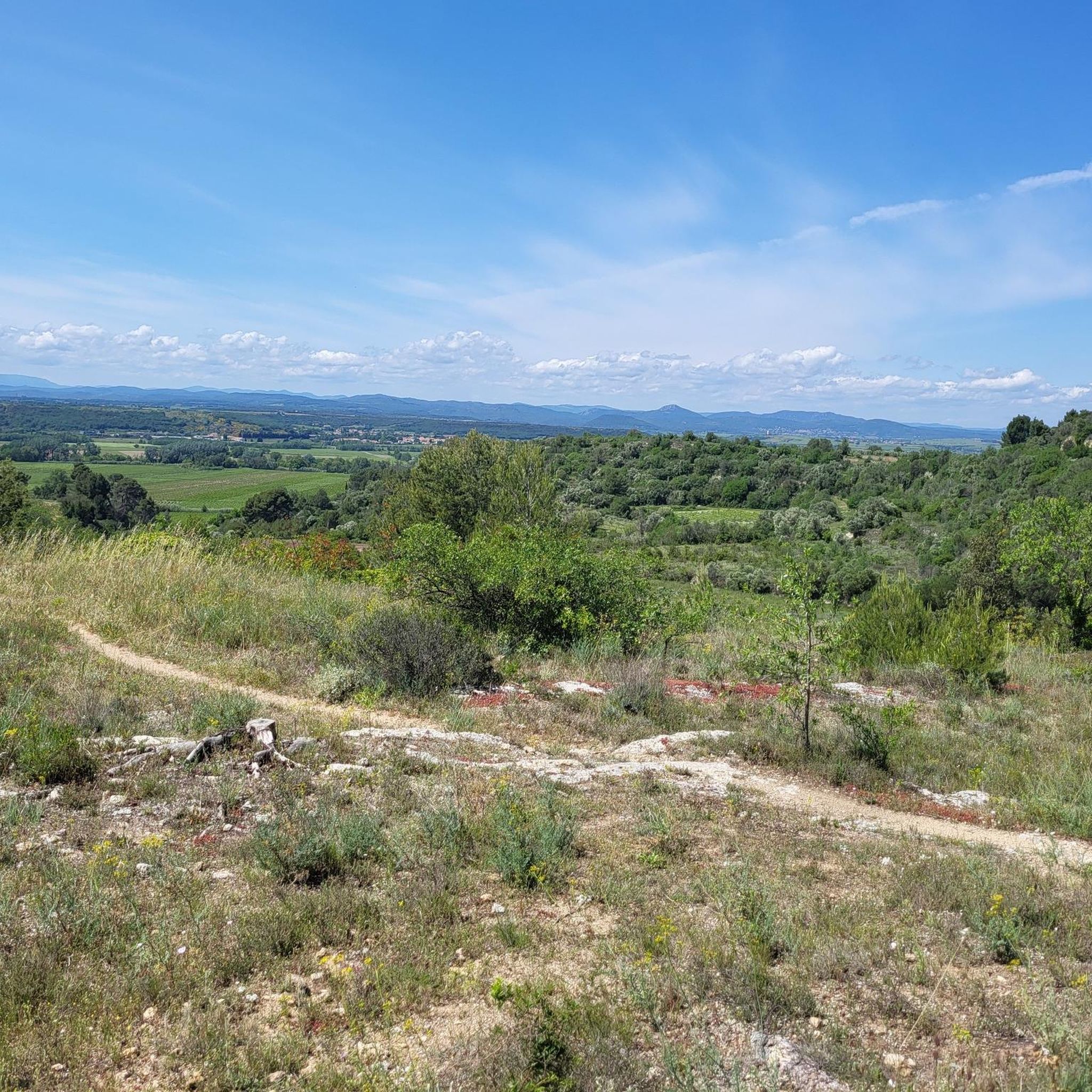
Perched on a promontory overlooking the Hérault valley, the Saint-Antoine hermitage seems out of time. Mentioned as early as the 17th century, this secluded place once welcomed hermits seeking isolation and spiritual life in the heart of the garrigue. Today in ruins, the chapel and its remains still tell of this austere life focused on contemplation and the surrounding landscapes.
0
0
A remarkable geological site, worthy of the fairy legend! It is actually a sandstone (clastic rock) with a carbonate cement and not a limestone. Differential erosion has shaped this landscape into natural basins.
1
0

A few hundred meters from the village of Castelnau-de-Guers, in the middle of a pine wood, the Saint-Nicolas-de-Talpusiac chapel was built on a hill at the foot of which passes the fishermen's path (cami peissonier) connecting the Étang de Thau to Pézenas. The chapel is mentioned in 1106 under the name "Ecclesiam S. Nicholay de Talpussiac". The name Talpussiac, translated as "Talpussiac's domain", suggests an ancient origin for the site. Archaeological surveys near the chapel led to the discovery in 1992 of the site of a rural settlement from late Antiquity. The current chapel, oblong in plan, and its south and west facades are pierced by a door. It was consecrated in 1819, but is now disused.
0
0
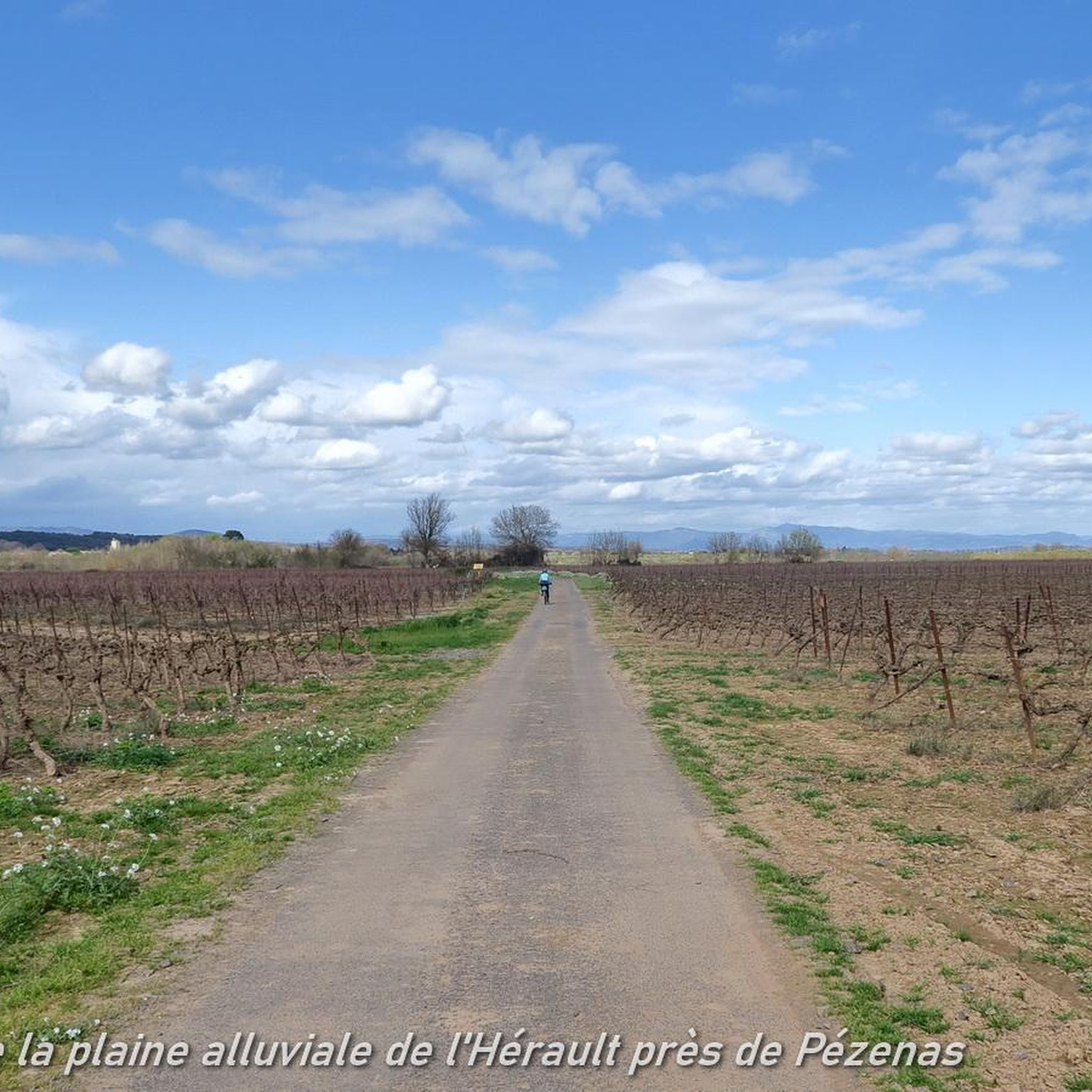
The Saint-Antoine hermitage, located in the commune of Castelnau-de-Guers, was built on a promontory overlooking the Hérault river floodplain. The riverbed is 500 m to the west. Access to the site is facilitated by the presence of two paths that meet at its summit.
0
0
The dinosaur egg-laying sites, the red lands, the white rocks, and the Étendoir des fées are among the most remarkable geological sites in the municipality. The Étendoir des fées is worth the detour as it is an original formation of limestone rocks, deposited at the beginning of the Tertiary era, during the folding of the Pyrenean-Provençal chain, on a continental plain episodically crossed by rivers.
0
0

Nice little town that really has its charm, I passed through quickly but it would be worth lingering!
1
0

A small, isolated chapel, it is ideally located for a short break in the shade of the pine trees.
0
0
A beautiful geological curiosity, this is the place where there are the most, but we can see others in the surroundings a little more hidden (or not).
0
0
Frequently Asked Questions
What historical landmarks can I explore in Cazouls-D'Hérault?
Cazouls-D'Hérault is rich in history. You can visit the Former Templar Commandery, also known as the Château de Cazouls-d'Hérault, which dates back to around 1150 and still features medieval walls and a round tower. The Church of Saint-Pierre Saint-Paul, with its distinctive crenelated terrace, is another significant historical site. A stroll along the Rue des Templiers will also allow you to trace the village's rich past.
Are there any medieval villages to visit near Cazouls-D'Hérault?
Yes, you can explore the superb picturesque medieval village of Saint-Pons-de-Mauchiens. Perched on a rocky outcrop amidst vineyards, it offers spectacular views of the garrigues, vineyards, and even the Pyrenees on clear days. Visitors describe it as a
Where can I experience the historical atmosphere of the region?
For a deep dive into history, visit the Pézenas Historic Centre. This old town allows you to immerse yourself in the atmosphere of the historic city as it was during the time of Louis XIV and Molière. Another notable example of medieval architecture is the Hôtel du Baron de Lacoste, known for its beautiful pointed arch vaults and open staircases.
What natural features can I discover around Cazouls-D'Hérault?
The village is situated at the confluence of the River Boyne and the Hérault, offering a verdant environment. You can walk along the Dikes built along the Hérault River, which serve as a popular 'green belt'. The surrounding landscapes feature traditional vineyards and olive groves. Don't miss The Fairy Stretcher, a unique limestone formation dating back 50 million years, offering a magnificent 180° panorama.
Are there opportunities for hiking near Cazouls-D'Hérault?
Absolutely! The area around Cazouls-D'Hérault offers various hiking trails. You can find routes like the 'VINEYARDS AND HILLS TRAIL loop' or explore longer options such as the 'Beautiful tree loop from Montagnac'. For more details and specific routes, check out the Hiking around Cazouls-D'Hérault guide.
Can I go cycling or mountain biking in the area?
Yes, there are several cycling and mountain biking routes available. For mountain biking, you could try the 'La Font du Loup – The Fairy Stretcher loop'. If you prefer touring cycling, options include the 'Aumes loop' or the 'Saint-Pons-de-Mauchiens – Center de Bésilles loop'. You can find more routes and details in the MTB Trails around Cazouls-D'Hérault and Cycling around Cazouls-D'Hérault guides.
Where can I find scenic viewpoints around Cazouls-D'Hérault?
For breathtaking views, head to The Fairy Stretcher, which offers a magnificent 180° panorama. Another excellent spot is the Ruins of the Saint-Antoine Hermitage, which is both a historical site and a viewpoint. The medieval village of Saint-Pons-de-Mauchiens also provides spectacular vistas of the surrounding landscapes.
Are there family-friendly activities or attractions in Cazouls-D'Hérault?
Yes, the area offers options for families. The Ruins of the Saint-Antoine Hermitage is considered family-friendly and offers a chance to explore history with a view. The Dikes along the Hérault River provide easy, picturesque routes for leisurely walks, and the village has various green spaces and picnic areas that are ideal for families.
What is the best time to visit Cazouls-D'Hérault for outdoor activities?
The region generally enjoys a Mediterranean climate, making spring and autumn ideal for outdoor activities like hiking and cycling, when temperatures are milder. Summer can be warm, but early mornings or late afternoons are pleasant for walks along the river dikes. The natural beauty, including vineyards and olive groves, is vibrant throughout these seasons.
What unique cultural experiences can I find in Cazouls-D'Hérault?
Cazouls-D'Hérault is a hub for Tambourin, a traditional regional ball game, with a century-old club and European championships hosted here. You can also explore the village's heritage through its winegrower houses ('maisons vigneronnes') and a discovery circuit along the Hérault River, which provides insights into the region's history and environment through explanatory panels.
Are there dog-friendly trails or places around Cazouls-D'Hérault?
Yes, the Ruins of the Saint-Antoine Hermitage is tagged as dog-friendly, making it a good option for a historical walk with your pet. Many of the natural walking paths, such as those along the Hérault River dikes and through the surrounding vineyards, are generally suitable for dogs, provided they are kept on a leash and you clean up after them.
What do visitors enjoy most about the attractions near Cazouls-D'Hérault?
Visitors particularly appreciate the unique natural formations like The Fairy Stretcher for its magnificent panoramas and peaceful atmosphere. The historical charm of places like Pézenas Historic Centre and the picturesque medieval setting of Saint-Pons-de-Mauchiens are also highly rated. Many enjoy the blend of history, nature, and the opportunity for scenic walks and exploration.
Most popular routes around Cazouls-D'Hérault

Get inspired with the komoot mobile app


Explore more
Still not found the Highlight you’re looking for? See guides of the top attractions in other regions:
