The best road cycling routes around Lezennes
4.4
(1675)
29,834
riders
896
rides
Road cycling routes around Lezennes offer access to diverse landscapes and dedicated cycling infrastructure in the Hauts-de-France region. The area is characterized by green spaces, a network of waterways, meadows, and small forests, providing varied terrain for cyclists. Proximity to the Lille metropolitan area and the historic Roubaix Velodrome adds to its appeal for cycling enthusiasts. Cyclists can find options for both relaxed rides and more challenging terrain.
Best road cycling routes around Lezennes
- The most popular road cycling route…
Last updated: May 16, 2026
4.3
(25)
473
riders
Hard road ride. Very good fitness required. Some segments of this route may be unpaved and difficult to ride.
3.8
(12)
160
riders
48.5km
02:00
150m
150m
Moderate road ride. Good fitness required. Some segments of this route may be unpaved and difficult to ride.

Sign up for free
67
riders
Moderate road ride. Good fitness required. Mostly well-paved surfaces and easy to ride.
5.0
(1)
58
riders
79.9km
03:32
260m
260m
Moderate road ride. Good fitness required. Some segments of this route may be unpaved and difficult to ride.
5.0
(1)
47
riders
Moderate road ride. Good fitness required. Some segments of this route may be unpaved and difficult to ride.
Get access to more routes and recommendations from other explorers.
Sign up for free
Already have an account?
Our route recommendations are based on thousands of hikes, rides, and runs completed by other people on komoot.
Start today with a free account
Your next adventure awaits.
Login or Signup

Tips from the Community

The church is located at the end of the Grote Markt and undoubtedly has its origins in the large Gallo-Roman cemetery that stretched over the site of the Grote Markt and an adjacent district. The nave dates from the end of the 12th century. Two round chapels, one of which houses the tomb of Jacques Castaigne (1327), are housed in the corners formed by the nave and the transept. The transept and the choir, with their ribbed vaults, belong to the transition between the Romanesque and Gothic periods. The central tower also dates from the 13th century. It is decorated inside with a double triforium. The choir, surrounded by a 17th-century marble enclosure, was surrounded in 1464 by an ambulatory and several chapels. At the ends of the nave, you can admire two statues forming the so-called Annunciation group, namely the Virgin and the Archangel Gabriel. The statues were made by Jean Delemer, a sculptor from Tournai. They are made of white stone from Avesnes and the original polychromy is attributed to Robert Campin. The organ with 36 registers was made by Georges Delmotte in 1986. Source: openchurches.eu
1
0
The belfry of Tournai is the oldest in Belgium (12th century). The building, which is part of UNESCO World Heritage, is 72 meters high and dominates the Grand-Place. During the ascent of the tower with its 257 steps, one discovers various didactic exhibitions, the prison, the carillonneur's room, and finally the bells which ring every Sunday during the summer (around 3:30 PM). The belfry of Tournai, built in 1192, symbolizes municipal freedoms. Its bell (the “Bancloque”) was used to warn the population of trials, executions, invasions, fires, etc. The belfry served as a watchtower, prison, bell tower, and town hall. You have access to the first terrace, which offers a breathtaking view of Tournai and its surroundings. source: visitwapi.be
1
0

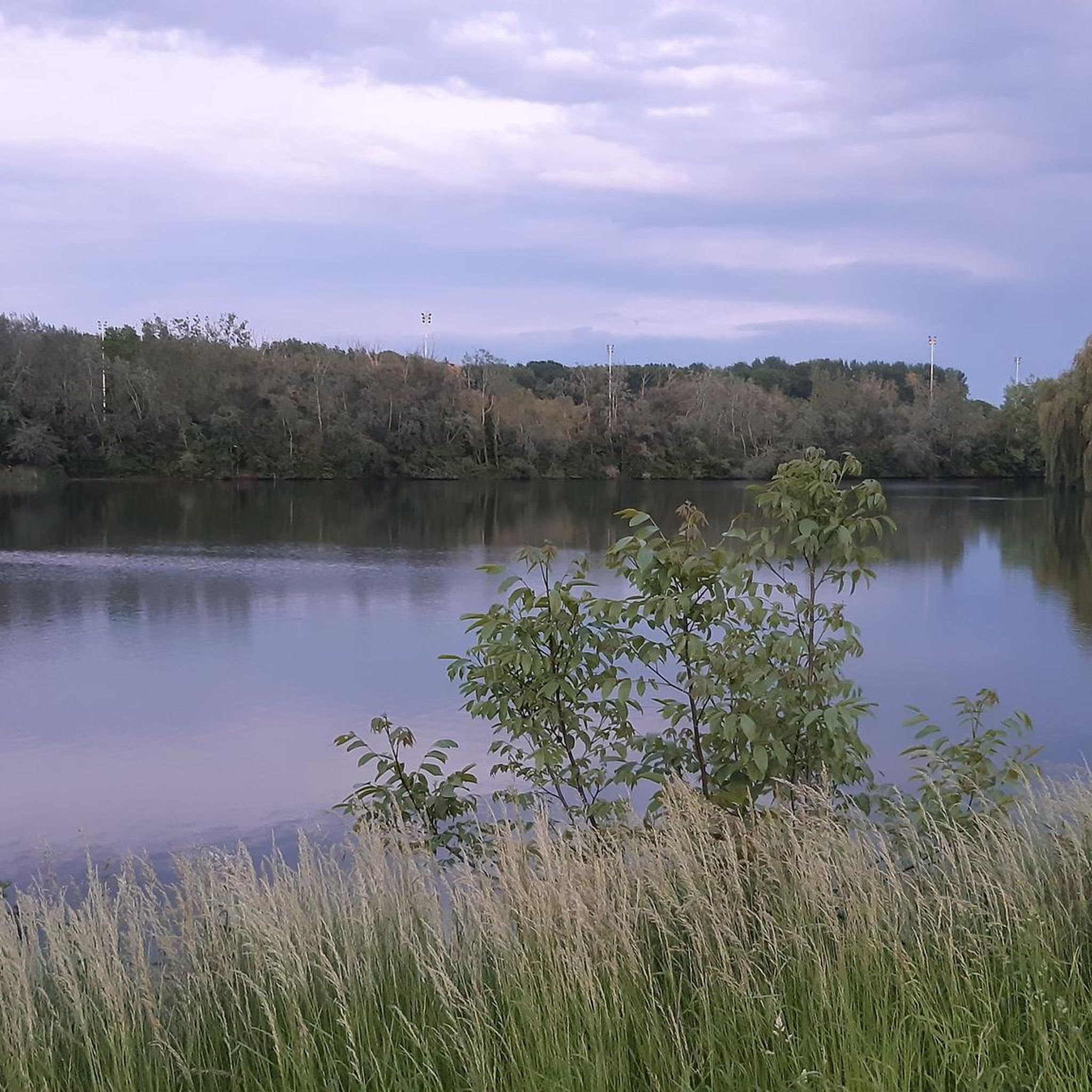
Between 1857 and 1860, the old Bossuit-Kortrijk canal was dug using spades and wheelbarrows, as well as horse and cart. After the construction of the new canal in the early 1970s, this old section of the canal remained in place. As a result, an ideal spawning ground was created here. Fish find few suitable opportunities to spawn and lay their eggs. They do this on aquatic and riparian plants, which are present in limited numbers in the canal. Species such as rudd and pike require plants to complete their reproduction. The creation of fish spawning grounds gives the fish population a "natural" boost. However, it is not only fish that benefit from this nature development zone. Dragonflies, amphibians, waterfowl, and breeding birds also find an ideal habitat there. Source: information board on site
3
0
The Kortrijk-Bossuit Canal was built between 1858 and 1860 to connect the Leie and Scheldt rivers, primarily to transport coal from the Borinage to Flanders.
3
0

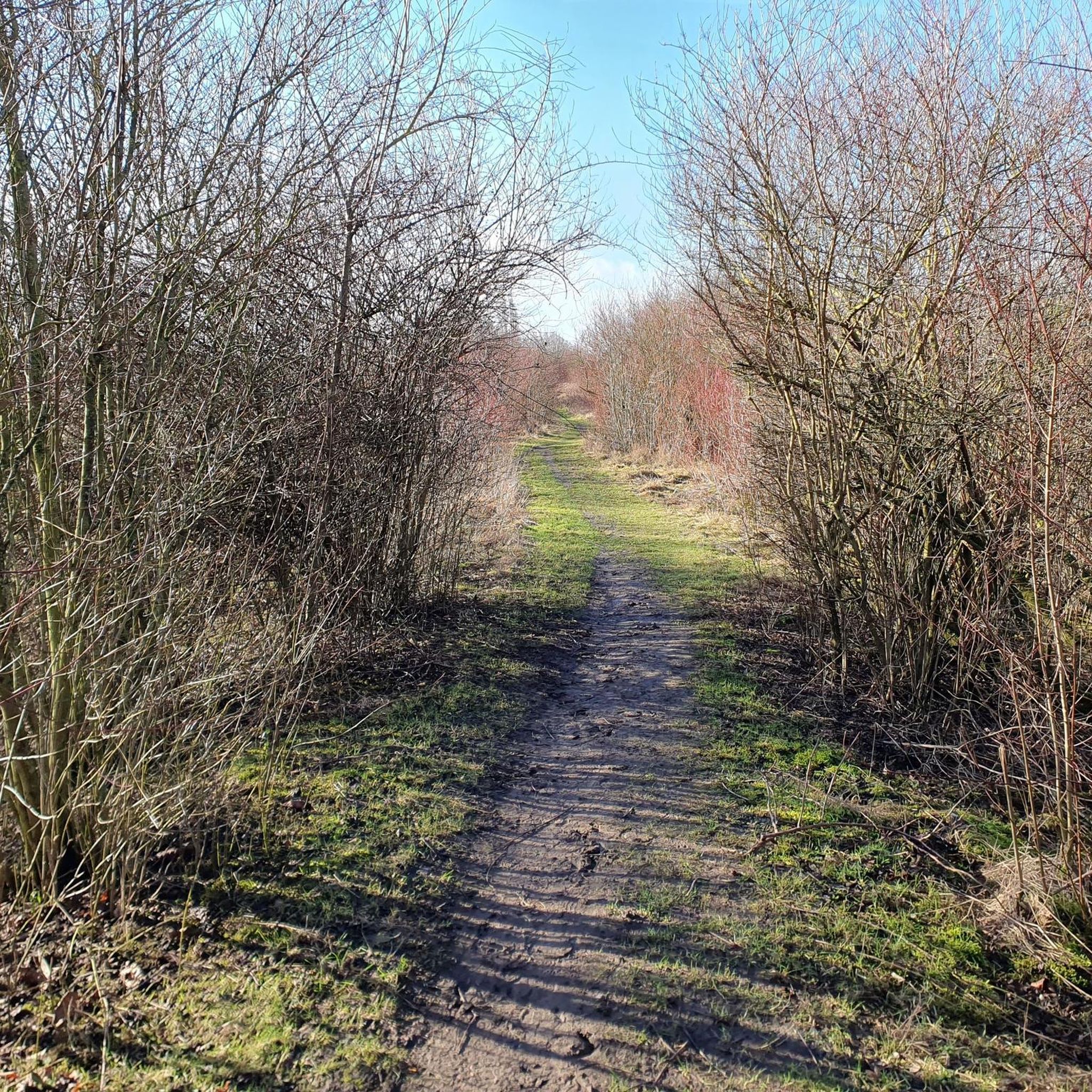
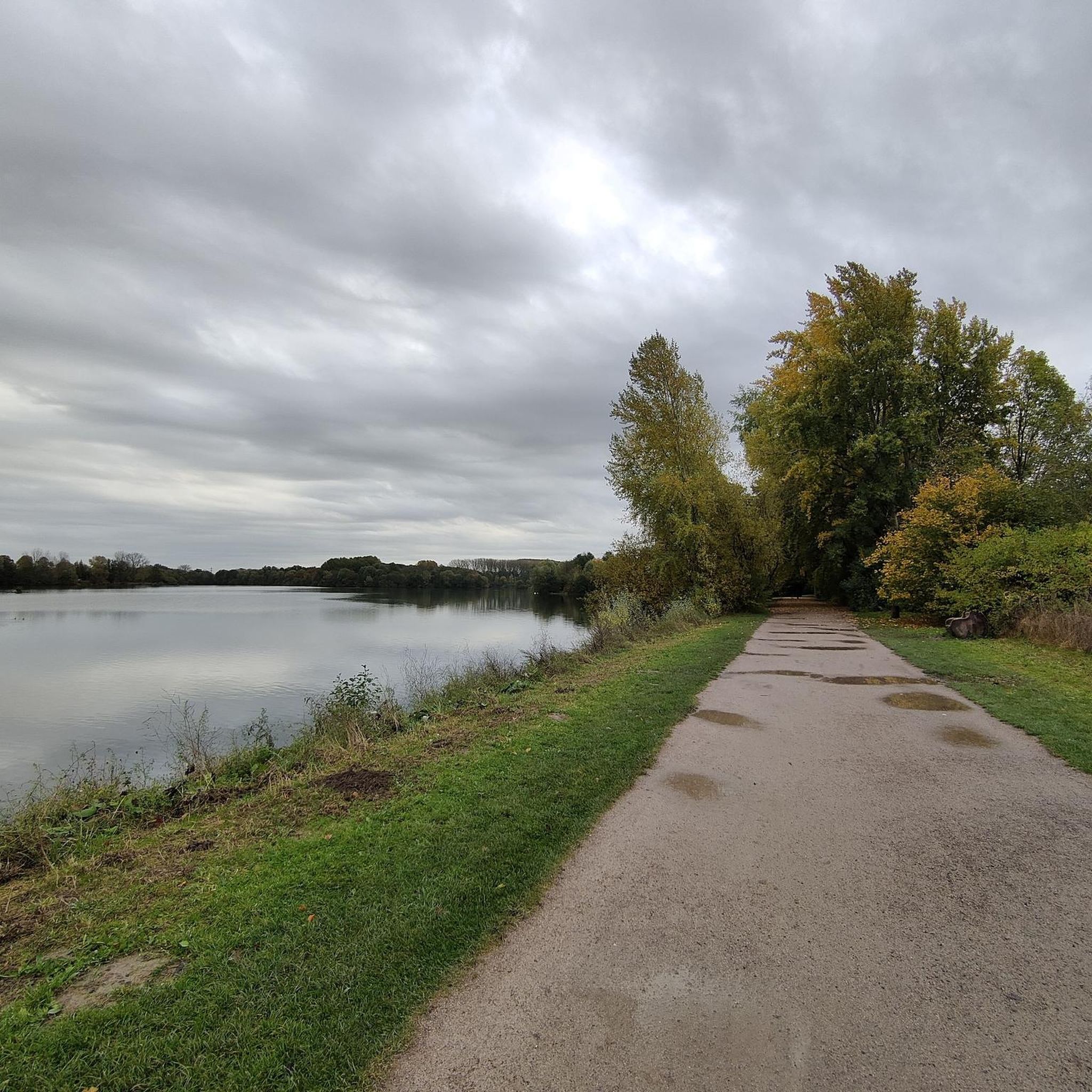
Beautiful newly landscaped park along the Leie is a good place to stop.
0
0

The Pont des Trous, or "Bridge of Holes," is a historic Gothic bridge spanning the Scheldt River in Tournai, Belgium. It's considered one of the most significant vestiges of medieval military architecture in Belgium and a symbolic monument of Tournai https://www-crediblebh.com
4
0

In the beginning this stoke runs ugly. Normally a "climb" of nothing but after hours on the bike it starts to weigh.
1
0
Frequently Asked Questions
What kind of terrain and difficulty can I expect on road cycling routes around Lezennes?
The Lezennes area offers a diverse range of terrain for road cyclists. You'll find routes with green spaces, a network of waterways, meadows, and small forests. The difficulty varies from easy, relatively flat sections to routes with gentle climbs and more challenging elevations. Overall, there are over 900 road cycling routes, with 259 rated as easy, 640 as moderate, and 27 as difficult, ensuring options for all skill levels.
Are there road cycling routes suitable for beginners in Lezennes?
Yes, Lezennes has many options for beginners. There are 259 easy-rated road cycling routes. An excellent starting point is Bouvines – The cobbles at Vertain Mill loop from Mont-de-Terre, an easy 19.6-mile (31.5 km) route that includes historic cobbled sections and takes about 1 hour 18 minutes to complete.
What natural features and landmarks can I see while road cycling near Lezennes?
The region around Lezennes is rich in natural beauty and interesting landmarks. You can cycle through lush green spaces, past waterways, and explore areas like Canteraine Park, known for its preserved meadows and small forests. The broader Hauts-de-France region also features natural parks with diverse ecosystems. For more natural exploration, consider visiting the green spaces and parks of the Lille metropolitan area.
Are there any iconic cycling landmarks accessible from Lezennes?
Absolutely. Lezennes is notably close to the historic Roubaix Velodrome, the famous finish line for the Paris-Roubaix race. This iconic track is a significant attraction for cycling enthusiasts and adds a unique historical dimension to road cycling in the area.
Is public transport an option for reaching road cycling routes around Lezennes?
The Lille metropolitan area, which includes Lezennes, encourages cycling and has dedicated cycling paths. While specific public transport options for carrying bikes directly to trailheads might vary, the general infrastructure supports cycling as a mode of transport. For detailed information on bike-friendly public transport, it's best to check local transport authority websites.
Where can I find parking for road cycling routes in Lezennes?
Lezennes and the surrounding Lille metropolitan area generally offer parking facilities. For specific routes, it's advisable to check the starting points on komoot for user-generated information regarding parking availability. Many routes begin near urban areas or smaller towns where public parking is typically available.
Are there any permits required for road cycling in the Lezennes area?
Generally, no specific permits are required for road cycling on public roads and designated cycling paths in the Lezennes area or the Hauts-de-France region. However, if you plan to cycle through private estates or specific protected natural reserves, it's always wise to check for any local regulations or access restrictions.
What do other road cyclists enjoy the most about road cycling in Lezennes?
The road cycling experience around Lezennes is highly rated by the komoot community, with an average score of 4.4 stars from over 1600 reviews. Cyclists often praise the varied terrain, from flat sections to gentle climbs, and the scenic routes that wind through green spaces, waterways, and forests. The accessibility to both relaxed rides and more challenging paths is also a frequently highlighted positive aspect.
Are there any challenging road cycling routes for experienced riders?
Yes, for experienced riders seeking a challenge, Lezennes offers several difficult and moderate routes with significant elevation gain. For instance, the Les Plachettes Climb – Bourliquet Climb loop from Station d'essais techniques des 4 Cantons is a difficult 95.9-mile (154.4 km) route with over 930 meters of elevation gain, offering a substantial workout.
Can I find long-distance road cycling routes around Lezennes?
Absolutely. The region provides numerous options for longer rides. For example, the Climb of Mons-en-Pévèle – Phalempin State Forest loop from Station d'essais techniques des 4 Cantons is a moderate 59.1-mile (95.1 km) trail that takes you through the Phalempin State Forest, typically completed in about 3 hours 57 minutes. There are also routes exceeding 150 km for those looking for epic distances.
What kind of landscapes will I encounter on a road bike tour from Lezennes?
Road cycling from Lezennes will immerse you in the characteristic landscapes of the Nord region. You'll encounter lush green spaces, picturesque meadows, and small forests, often alongside a network of waterways. The terrain can vary, offering both flat sections and gentle climbs, providing a scenic and engaging backdrop for your ride. The region is part of the Hauts-de-France, known for its diverse natural beauty.
Are there any specific areas known for their natural beauty that I can cycle to?
Beyond Lezennes itself, the broader Hauts-de-France region boasts several natural parks, such as the Parc Naturel Régional Scarpe-Escaut, which offers extensive networks of paths through forests, meadows, and diverse ecosystems. While not directly adjacent, these areas provide opportunities for longer rides into pristine natural settings. You can find more information on the Hauts-de-France Tourism website.
Most popular attractions around Lezennes

Get inspired with the komoot mobile app


Explore more
Browse the best Road cycling routes in other regions.
