Attractions and Places To See around Mœuvres - Top 20
Attractions and places to see around Mœuvres include a mix of historical and cultural sites within this small commune in the Nord department of northern France. The area offers insights into local heritage, with its primary point of interest being a notable cultural site. While Mœuvres itself is small, the surrounding region provides diverse points of interest for exploration.
Best attractions and places to see around Mœuvres
- The most popular attraction is Belfry of Cambrai, a man-made monument that…
Last updated: May 10, 2026
Belfry of Cambrai
Highlight • Monument
Translated by Google •
Tip by

The Big Rock
Highlight • Historical Site
Be careful, the place is very swampy and it is more easily accessible in dry weather 😉.
Translated by Google •
Tip by

Sign up now to discover places like this
Get recommendations on the best single tracks, peaks, & plenty of other exciting outdoor places.
Sign up for free
Cantimpré Lock
Highlight • Other
Translated by Google •
Tip by
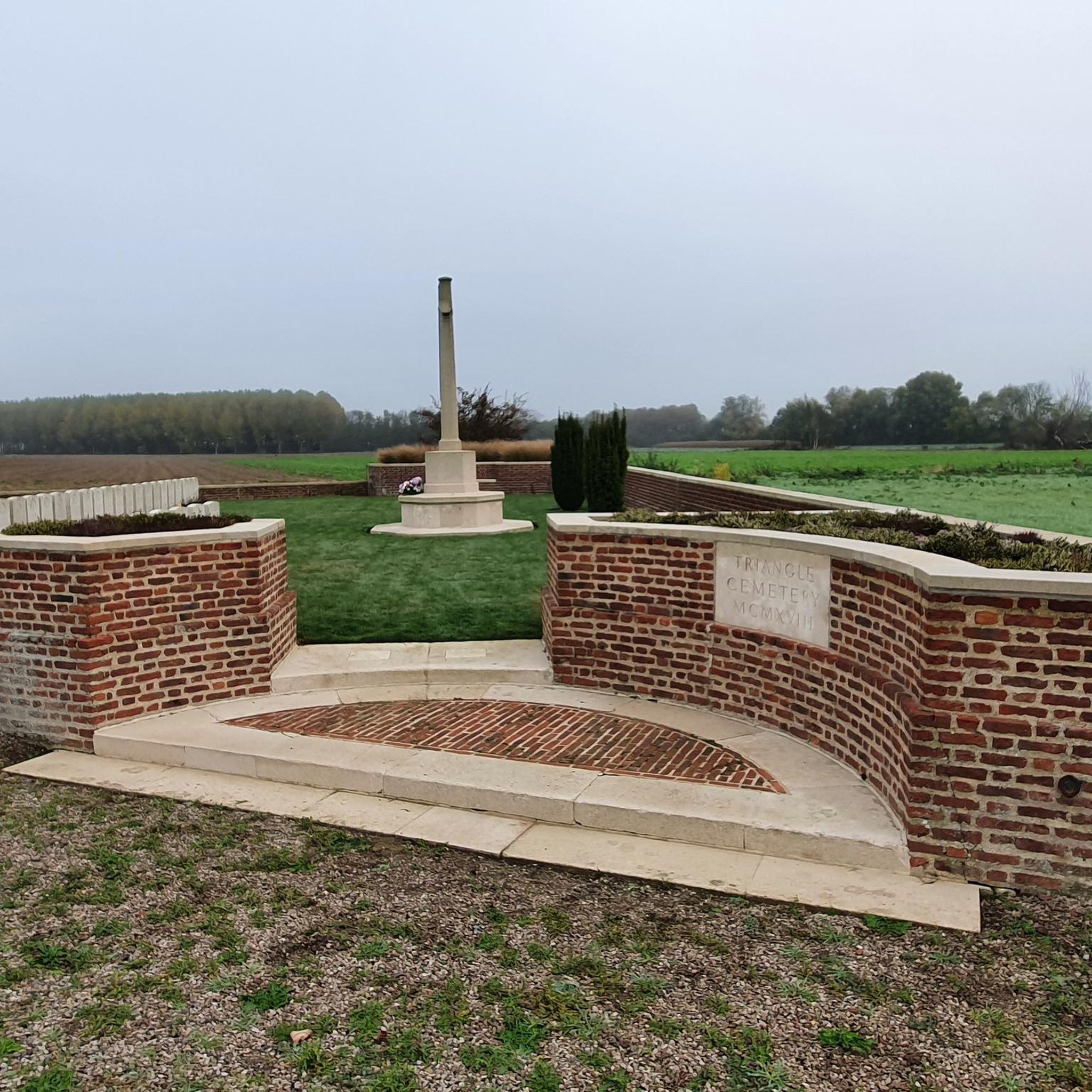
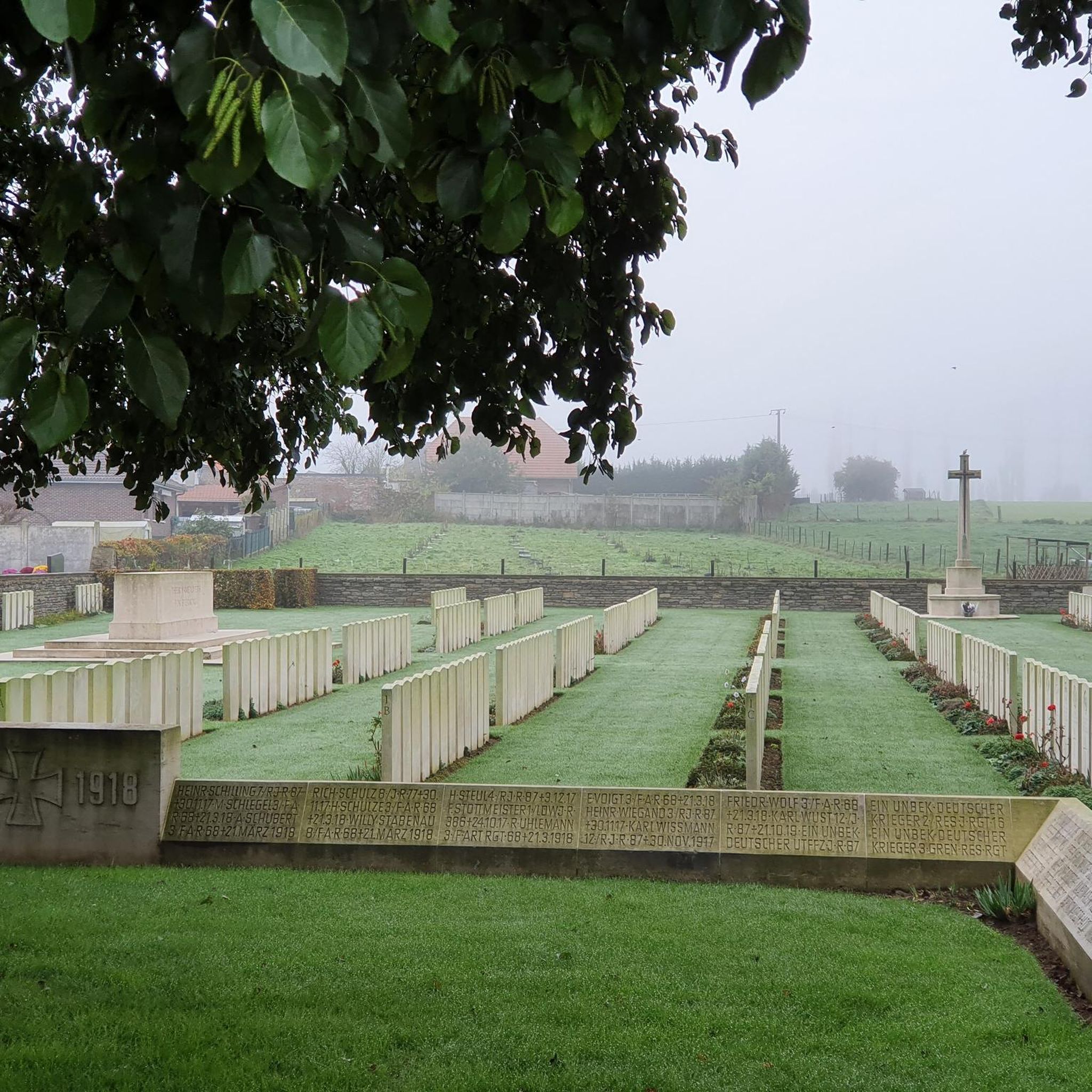
Sains-les-Marquion British Cemetery
Highlight • Other
Translated by Google •
Tip by

Selles Lock
Highlight • Other
Translated by Google •
Tip by
Sign up for free to discover even more attractions around Mœuvres.
Sign up for free
Already have an account?
Start today with a free account
Your next adventure awaits.
Login or Signup


Tips from the Community

The Écluse de Cantimpré in Cambrai is a historic lock that played an important role in the development of the region's waterways. It was built in 1900 as part of the modernisation of the regional waterway network, as required by the Charles Freycinet law in 1879. The lock is equipped with two lock chambers, each 38 metres long and 5 metres wide, making it accessible to Flemish peniches and facilitating shipping. The lock is located at the junction of the canalised Scheldt and the Saint-Quentin Canal, and was part of the important port of Cantimpré, which was built in 1862. Today, the port of Cantimpré is mainly a pleasure port, but in the past it was a busy trading post with more than a hundred ships passing through every day.
7
0
The Écluse de Selles in Cambrai is a historic lock located on the Scheldt River. This lock dates back to the 18th century and is one of many locks in the region that were built to manage the waterways and facilitate navigation. The lock is located near the Château de Selles, a medieval castle originally built in the 13th century and later modified and expanded. The castle and lock are important historical monuments in Cambrai and attract many visitors interested in the history and heritage of the region.
2
0
The belfry, now a UNESCO World Heritage Site, was once the bell tower of the Saint-Martin church, the rest of the building having disappeared during the French Revolution. A symbol of communal freedoms, this belfry also ensured the security of the city. Night and day, lookouts monitored the city and warned of the arrival of enemies or the start of fires by sounding the tocsin. The oldest parts of this building date back to 1474 and rise from the base to the height of the cornice. Supported by wide buttresses, the first bell chamber opens onto triple bays in a Gothic-style pointed arch. Since 1736, this tower has been raised by another level in the classical style into which the second bell chamber opens. This part is topped by a drum where the watch room was located, the whole being topped with a dome and a lantern. Four sculptures made of cast concrete by Marcel Gaumont after the First World War evoke the historical periods of the city. We can see a Frankish warrior; a crossbowman symbolizing the communal militia; Louise of Savoy, mother of François I, who signed the Treaty of the Peace of the Ladies in Cambrai and the knight of Cezen, first governor of the city that became French. The entrance to the belfry has a sculpted decoration by René Faches. The central part bears the arms of Cambrai, surmounted by Saint Martin sharing his cloak to offer it to a poor man. These sculptures evoke the civil and religious duality of this belfry. (Cambrésis Tourisme)
6
0
The Beffroi de Cambrai is an impressive tower in Cambrai, located in the Nord department of France. Originally part of the old Saint Martin's Church, this tower is built in the Gothic style and is approximately 62 metres high. The beffroi is known for its sturdy buttresses reminiscent of medieval donjons. At the foot of the tower is a statue of Saint Martin, the patron saint of the city. The tower has a rich history and has survived both world wars unscathed. Since 1965, the beffroi has been classified as a historical monument and in 2005 it was included on the UNESCO World Heritage List, together with other beffrois in the region.
7
0

The British cemetery of Sains-les-Marquion contains the graves of 255 soldiers who died during the First World War, mainly Canadians who liberated the village from German occupation in September 1918. You can admire the architecture of the cemetery, designed by W C Von Berg, and pay tribute to fallen heroes.
3
0

Commonwealth Military Cemetery: https://www.cwgc.org/visit-us/find-cemeteries-memorials/cemetery-details/2102502/sains-les-marquion-british-cemetery/
0
0
Menhir part of the local history to discover. Be careful, the place is very swampy and it is more easily accessible in dry weather 😉.
1
0

The menhir of Oisy-le-Verger is like a "big pebble", as it is called here, planted in the middle of the marshy terrain of the Sensée valley. This particular location, on the old bed of the Scheldt, makes it difficult to access, especially during periods of rain. But, even from afar, at the end of the alley surrounded by a reed bed, the magnificent menhir classified since 1981 as an historic monument, remains particularly impressive.The emerged part is nearly 3 meters high, over a meter high. wide, for an invisible part which, for some, could be more than 8 meters deep. Its origin dates back to the Neolithic period, between - 5000 and 2500 BC. The marshy character of the land is much later than the megalith itself, which explains its presence in such an unfavorable place. But the surrounding waters have greatly contributed to the mystery that surrounds it. The legend of a pact with the devil Like many of its ilk, the legendary origin of the Oisy-le-Verger menhir is intimately linked to the devil. A tireless builder, but poor calculator, who, once again, will be caught off guard by the too early crowing of a rooster. This time, he offered his services to nuns to build their convent overnight. As a reward, they owed him their souls if the latter had ended before dawn. Satan set to work, and carried huge stones to the building all night long. Alas, for him, before the fateful hour, the nuns woke up the rooster, which began to crow. Surprised, the devil let go of the huge stone he was still holding ... She came to hide where we see her today.
0
0
Frequently Asked Questions
What historical and cultural sites can I visit in and around Mœuvres?
Mœuvres is home to the Church of St-Géry, known for its significant stained-glass windows from the 1920s, which are classified as a historical monument. Nearby, you can explore the Belfry of Cambrai, a UNESCO World Heritage site, and the historic Selles Lock on the Scheldt River, which dates back to the 18th century.
Are there any unique natural monuments or features near Mœuvres?
Yes, you can find The Big Rock, a large menhir planted in the marshy terrain of the Sensée valley. This impressive natural monument is also classified as an historic monument and dates back to the Neolithic period.
What kind of outdoor activities are available near Mœuvres?
The region around Mœuvres offers various outdoor activities. You can find several options for running, road cycling, and general cycling. For detailed routes and guides, explore the Running Trails around Mœuvres, Road Cycling Routes around Mœuvres, and Cycling around Mœuvres guides.
Can I visit any sites related to World War history near Mœuvres?
Yes, the Sains-les-Marquion British Cemetery is located nearby. It contains the graves of 255 soldiers who died during the First World War, predominantly Canadians who liberated the village in September 1918. You can pay tribute to the fallen heroes and admire the cemetery's architecture.
What are the most popular attractions according to komoot users?
The Belfry of Cambrai is the most popular attraction, highly appreciated by the komoot community. Other notable sites include the historic locks and monuments in the wider region.
Are there any waterways or canals to explore near Mœuvres?
Yes, the region features several historic locks that are part of the local waterway network. You can visit the Selles Lock on the Scheldt River and the Cantimpré Lock in Cambrai, which is located at the junction of the canalised Scheldt and the Saint-Quentin Canal.
What is the best way to access the attractions around Mœuvres?
Access to attractions like the Belfry of Cambrai is generally straightforward by car. For sites like The Big Rock, be aware that the terrain can be swampy, making it more accessible in dry weather. Public transport options may be limited due to the rural character of Mœuvres, so driving is often recommended for flexibility.
What is the historical significance of the Belfry of Cambrai?
The Belfry of Cambrai is a significant Gothic-style tower, originally part of the old Saint Martin's Church. It is approximately 62 meters high and has been classified as a historical monument since 1965, and a UNESCO World Heritage Site since 2005. It symbolizes communal freedoms and historically served as a watchtower for the city.
Are there any family-friendly activities or sites suitable for children?
While Mœuvres itself is a small, rural commune, the historical sites like the Belfry of Cambrai and the Selles Lock can be interesting for families with older children interested in history and architecture. Exploring the nearby cycling routes could also be a family-friendly outdoor option.
What is the general atmosphere of Mœuvres and its surrounding area?
Mœuvres offers a quiet French village atmosphere with a focus on local heritage, particularly its historical church. The surrounding region provides a mix of historical, cultural, and natural points of interest, allowing for a peaceful exploration away from bustling city life.
What are some tips for visiting The Big Rock?
When visiting The Big Rock, be aware that its location in the marshy terrain of the Sensée valley can make access difficult, especially after rain. It is more easily accessible in dry weather. Even from a distance, this magnificent menhir, classified as an historic monument, is particularly impressive.
Most popular routes around Mœuvres

Get inspired with the komoot mobile app


Explore more
Still not found the Highlight you’re looking for? See guides of the top attractions in other regions:
