The best walks and hikes around Eswars
4.5
(657)
1,307
hikers
108
hikes
Hiking around Eswars offers routes through a landscape characterized by relatively flat terrain, often following canals and waterways. The area features historical elements, such as fortifications, alongside natural basins. The low elevation changes make many trails accessible for various activity levels.
Best hiking trails around Eswars
- The most popular hiking route is Tour of the Fortifications of Cambrai, a 2.4 miles (3.9 km) trail that takes 1 hour to complete. This easy route explores historical defensive structures.
- Another top…
Last updated: July 2, 2026
4.0
(1)
6
hikers
3.87km
01:00
20m
20m
Easy hike. Great for any fitness level. Easily-accessible paths. Suitable for all skill levels.
4.9
(151)
85
hikers
4.64km
01:10
0m
0m
Easy hike. Great for any fitness level. Easily-accessible paths. Suitable for all skill levels.

Sign up for free
4.9
(103)
72
hikers
5.58km
01:25
10m
10m
Easy hike. Great for any fitness level. Easily-accessible paths. Suitable for all skill levels.
4.6
(8)
54
hikers
12.1km
03:06
40m
40m
Moderate hike. Good fitness required. Easily-accessible paths. Suitable for all skill levels.
4.5
(6)
32
hikers
Easy hike. Great for any fitness level. Easily-accessible paths. Suitable for all skill levels.
Get access to more routes and recommendations from other explorers.
Sign up for free
Already have an account?
Our route recommendations are based on thousands of hikes, rides, and runs completed by other people on komoot.
Start today with a free account
Your next adventure awaits.
Login or Signup


Tips from the Community

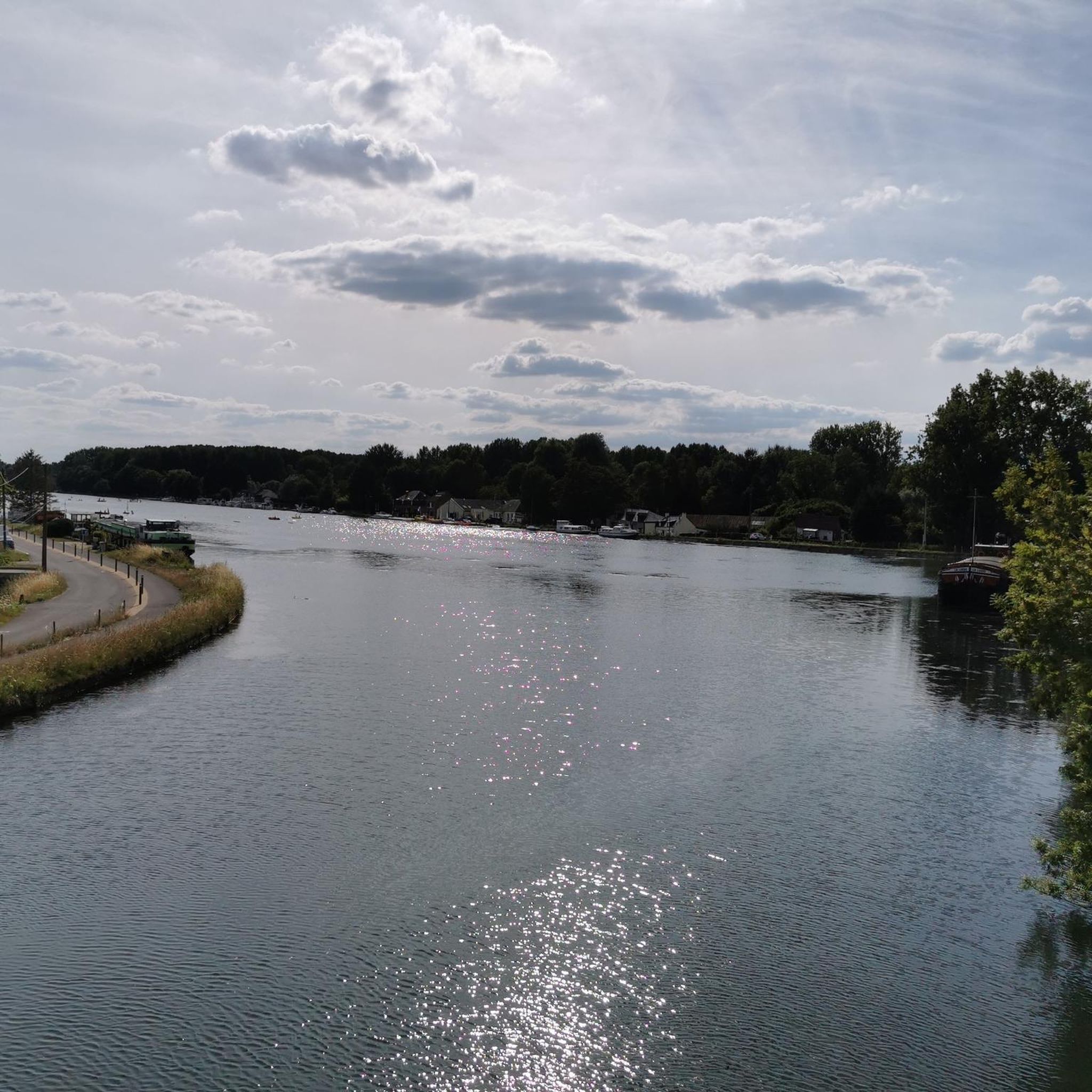
The Écluse de Cantimpré in Cambrai is a historic lock that played an important role in the development of the region's waterways. It was built in 1900 as part of the modernisation of the regional waterway network, as required by the Charles Freycinet law in 1879. The lock is equipped with two lock chambers, each 38 metres long and 5 metres wide, making it accessible to Flemish peniches and facilitating shipping. The lock is located at the junction of the canalised Scheldt and the Saint-Quentin Canal, and was part of the important port of Cantimpré, which was built in 1862. Today, the port of Cantimpré is mainly a pleasure port, but in the past it was a busy trading post with more than a hundred ships passing through every day.
7
0
Founded in the sixth century, it is the oldest church in the city. It became the abbey church of Saint-Aubert in the eleventh century. Rebuilt between 1697 and 1745, it illustrates two architectural traditions: the Baroque of the Netherlands and French classicism. At the crossing of the transept, there is an unparalleled blue stone canopy. Its function as a warehouse for goods confiscated from the clergy during the revolution saved it from destruction. The church houses many works of art, including the Entombment by Rubens (1616) and the rood screen by Jaspard Marsy (1635), now transformed into an organ gallery.
7
0
Place du 9 octobre is a famous place in Cambrai, France. The square was designed by architect Pierre Leprince-Ringuet in 1919 to improve the connection between the north-south and east-west axes of the city. The name of the square commemorates the entry of the Canadian troops into Cambrai on 9 October 1918. In the middle of the square is a monument in honour of Edmond Garin, the mayor of Cambrai from 1919 to 1925. The monument has a bas-relief depicting the "Goutte de Lait" (Drop of Milk), a charity initiative he supported.
7
0
The Jesuits arrived in Cambrai in 1562 to fight against the spread of Protestantism and founded a college there. Thanks to a legacy from Monsignor Vanderburch, they had their chapel rebuilt between 1678 and 1694 according to the principles of the Counter-Reformation, based on plans drawn up by the architect Jean du Blocq. The architectural rhythm, the play of polychromy and the abundance of sculpted decoration make this building a masterpiece of northern Baroque art. This ornamental richness is found inside in the profusion of high and low reliefs in the choir and the nave. Its decoration is completed by a series of paintings by the painter Arnoult de Vuez, representing scenes from the life of Christ. (Cambrai Tourist Office).
10
0
The former abbey church and the guest house, which has housed the Post Office since 1905, belonged to the Abbey of the Holy Sepulchre, founded in the 11th century. Between 1696 and 1702, under the episcopate of Fénelon, the whole was rebuilt in the classical style advocated by Louis XIV. The sobriety of the decor contrasts with the exuberant baroque façade of the Jesuit chapel opposite. The Church of the Holy Sepulchre was designated as the new cathedral by Bishop Louis Belmas in 1804 after the destruction of the Gothic cathedral during the Revolution. (City of Cambrai)
10
0
Built in 1595 during the Spanish occupation, hence its name, this half-timbered house with a gable on the street is the last example of this type of construction, which was widespread from the Middle Ages to the 17th century. The load-bearing walls are made of stone, the corbelled façade is made of wood and the gable is clad in slate. The ground floor is reserved for shops, with housing located upstairs. https://www.villedecambrai.com/decouvrir/decouvrir-la-ville/portrait-de-ville/patrimoine-et-architecture/lessor-urbain-au-moyen-age/la-maison-espagnole
10
0
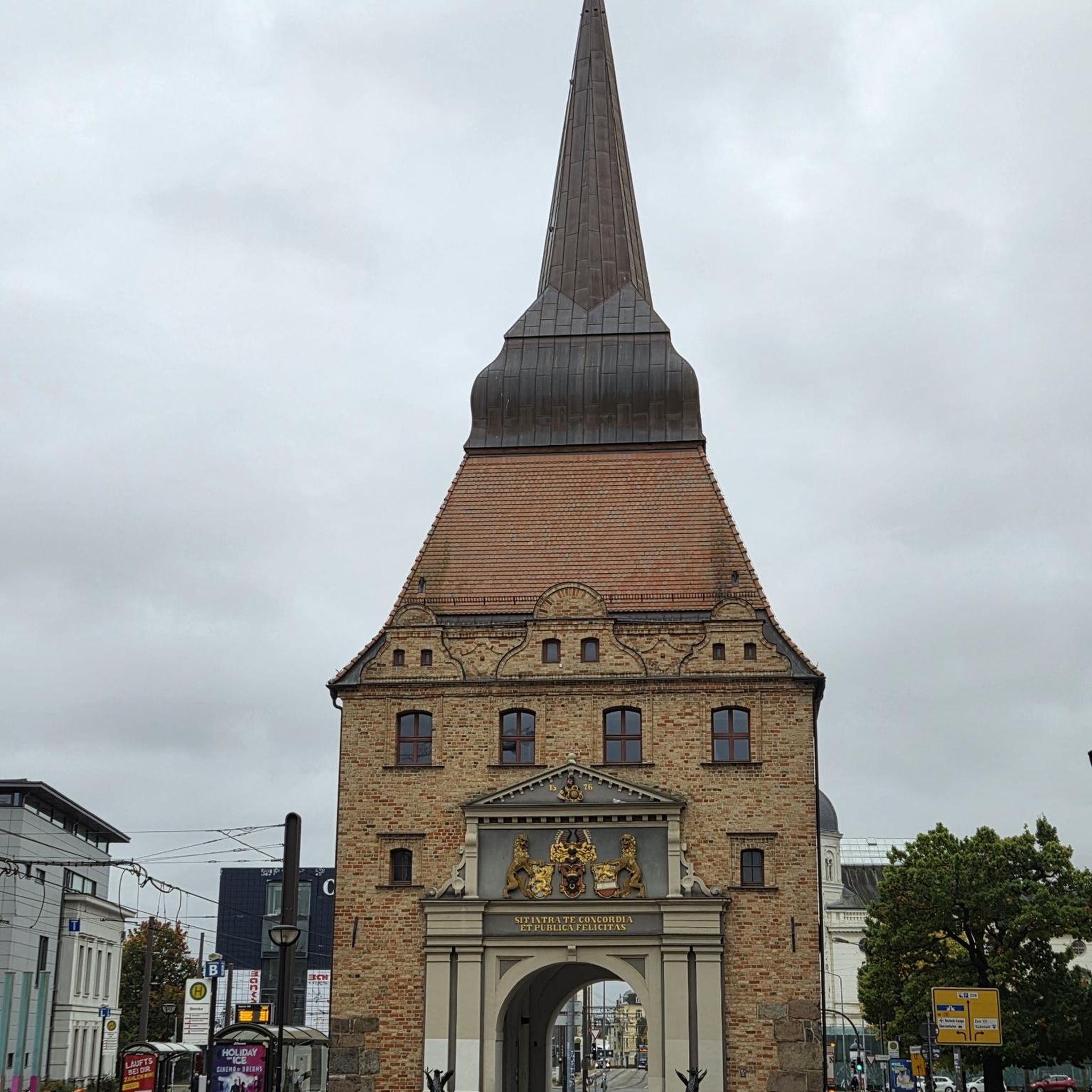
Built in 1623, the Notre-Dame gate marks the northern entrance to the city. At that time, city gates, protected by bastions, freed themselves from their defensive role and became symbols of the wealth of cities. With its “diamond point” hardware and its rich sculpted decoration, the Notre-Dame gate is representative of the Baroque style. The sun that adorns the upper part was added after the capture of Cambrai by Louis XIV. https://www.villedecambrai.com/decouvrir/decouvrir-la-ville/portrait-de-ville/patrimoine-et-architecture/heurs-et-malheurs-dune-ville-frontiere/la-porte-notre-dame
10
0
The Tour Saint-Fiacre, also known as the Tour des Sottes, is a historic tower in Cambrai. The tower is part of the old city walls of Cambrai and was built in the 14th century. The name "Tour des Sottes" comes from a nearby women's asylum in the 19th century. The tower has retained its Cambrésis stone structure up to the foot of the terrace, while the sandstone base is now buried.
9
0
Frequently Asked Questions
How many hiking trails are available around Eswars?
Eswars offers a wide selection of routes, with over 110 hiking trails available. These range from easy strolls to more moderate excursions, catering to various fitness levels.
Are there easy hiking trails suitable for beginners or families in Eswars?
Yes, Eswars is well-suited for beginners and families due to its generally flat terrain and low elevation changes. Over 60 easy routes are available. A good option is the Bassin Rond loop from Estrun, which is an easy 2.8-mile (4.6 km) path offering a pleasant experience around the Bassin Rond.
What kind of scenery can I expect on hikes around Eswars?
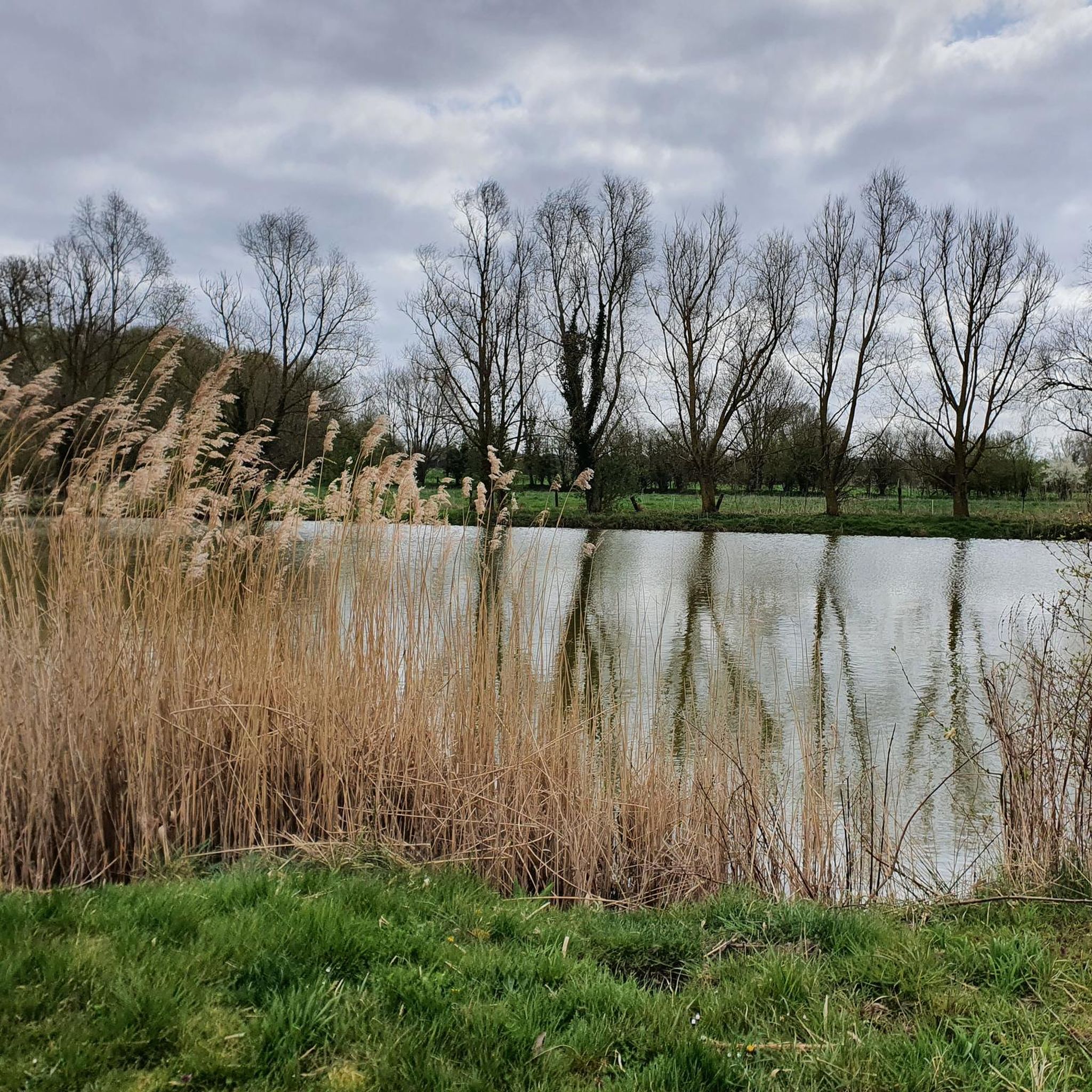
Hiking around Eswars is characterized by picturesque canal-side paths, tranquil waterways, and natural basins. You'll also encounter historical elements, such as fortifications, adding a cultural dimension to the natural landscape.
Are there any circular walks in the Eswars area?
Yes, many routes in Eswars are designed as loops. For example, the Bassin Rond – Bridge Over the Canal loop from Estrun is a 7.0-mile (11.3 km) moderate trail that takes you along canal-side paths and around the Bassin Rond.
What are some interesting historical sites or landmarks to see while hiking near Eswars?
The region around Eswars is rich in history. You can explore fortifications and other historical sites. Notable nearby attractions include the Belfry of Cambrai and the Porte Notre-Dame de Cambrai. The Tour of the Fortifications of Cambrai is a specific route designed to explore these defensive structures.
What do other hikers say about the trails in Eswars?
The trails in Eswars are highly regarded by the komoot community, holding an average rating of 4.5 stars from over 500 reviews. Hikers often praise the accessible nature of the routes, the peaceful canal-side walks, and the blend of natural beauty with historical interest.
Is Eswars a good destination for dog-friendly hikes?
Given the prevalence of canal paths and open landscapes, many trails around Eswars are suitable for walks with dogs. It's always recommended to keep dogs on a leash, especially near waterways or in areas where wildlife might be present, and to check specific route details for any restrictions.
Are there any less crowded hiking options around Eswars?
While some popular routes like those around the Bassin Rond can see more visitors, Eswars offers over 110 trails. Exploring some of the less-trafficked canal paths or trails slightly further from the main hubs can provide a more secluded experience. Komoot's route planner can help you discover these quieter options.
What is the best season for hiking in Eswars?
The low elevation and generally mild climate make Eswars suitable for hiking throughout much of the year. Spring and autumn offer pleasant temperatures and beautiful scenery, while summer provides longer daylight hours. Even in winter, many of the flat, well-maintained paths along canals remain accessible, though appropriate warm and waterproof clothing is advised.
Are there options for public transport to access hiking trails in Eswars?
Access to specific trailheads via public transport can vary. While Eswars itself is a small commune, nearby larger towns like Cambrai may offer bus services. For detailed information on reaching specific starting points, it's best to consult local public transport schedules or consider driving to a trailhead with available parking.
Where can I find parking for hiking trails in Eswars?
Many trailheads, especially those near villages or popular starting points like Estrun (for the Bassin Rond loops), often have designated parking areas. It's advisable to check the starting point details of your chosen route on komoot for specific parking recommendations or nearby facilities.
Are there cafes or places to eat near the hiking routes in Eswars?
While Eswars itself is a small village, you'll find cafes and restaurants in larger nearby towns such as Cambrai. Some routes might pass through or near other small communes where local establishments could offer refreshments. Planning your route in advance can help you identify suitable stops.
Most popular attractions around Eswars

Get inspired with the komoot mobile app


Explore more
Browse the best Hikes in other regions.
