The best walks and hikes around Proville
4.3
(75)
637
hikers
85
hikes
Hiking around Proville offers routes through the flat, agricultural landscapes of the Nord region of France. The area is characterized by canals, locks, and historical landmarks, providing gentle terrain suitable for walking. Trails often follow waterways and connect small towns, with minimal elevation changes.
Best hiking trails around Proville
- The most popular hiking route is Belfry of Cambrai – Cantimpré Lock loop from Vieux Cambrai, a 5.0 miles (8.0 km) trail that takes 2 hours 2 minutes to complete. This moderate route features historical points of interest and canal views.
- Another top favourite among local hikers is Cantaing-sur-Escaut Lock loop from Cambrai, a moderate 5.0 miles (8.0 km) path. This trail offers scenic views along the canal and through the surrounding countryside.
- Local hikers also love the Cantaing-sur-Escaut Lock – Chemin Noir de Proville loop from Proville, a 5.5 miles (8.8 km) trail leading through local villages and alongside waterways, often completed in about 2 hours 17 minutes.
- Hiking around Proville is defined by canal paths, agricultural fields, and historical sites. The network offers options for different ability levels, with a focus on easy to moderate routes.
- The routes in Proville are highly rated by the komoot community with an average score of 4.3 stars from more than 50 reviews. More than 500 hikers have used komoot to explore Proville's varied terrain.
Last updated: July 9, 2026
4.5
(2)
29
hikers
7.99km
02:01
20m
20m
Moderate hike. Good fitness required. Easily-accessible paths. Suitable for all skill levels.
4.0
(2)
12
hikers
7.49km
01:56
40m
40m
Easy hike. Great for any fitness level. Easily-accessible paths. Suitable for all skill levels.

Sign up for free
38
hikers
5.76km
01:28
20m
20m
Easy hike. Great for any fitness level. Easily-accessible paths. Suitable for all skill levels.
4.6
(7)
55
hikers
8.58km
02:11
20m
20m
Moderate hike. Good fitness required. Easily-accessible paths. Suitable for all skill levels.
15
hikers
Moderate hike. Good fitness required. Easily-accessible paths. Suitable for all skill levels.
Get access to more routes and recommendations from other explorers.
Sign up for free
Already have an account?
Our route recommendations are based on thousands of hikes, rides, and runs completed by other people on komoot.
Start today with a free account
Your next adventure awaits.
Login or Signup

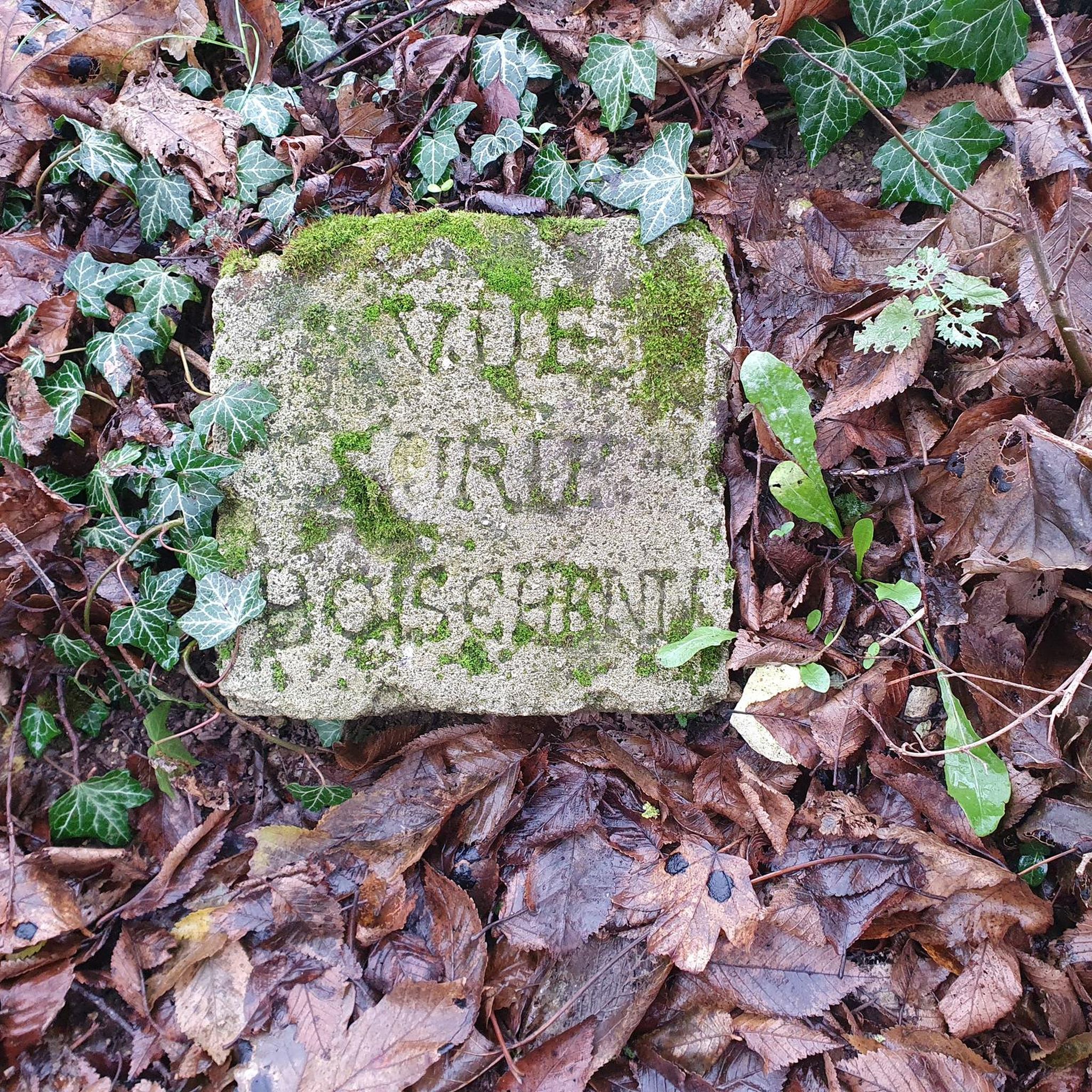
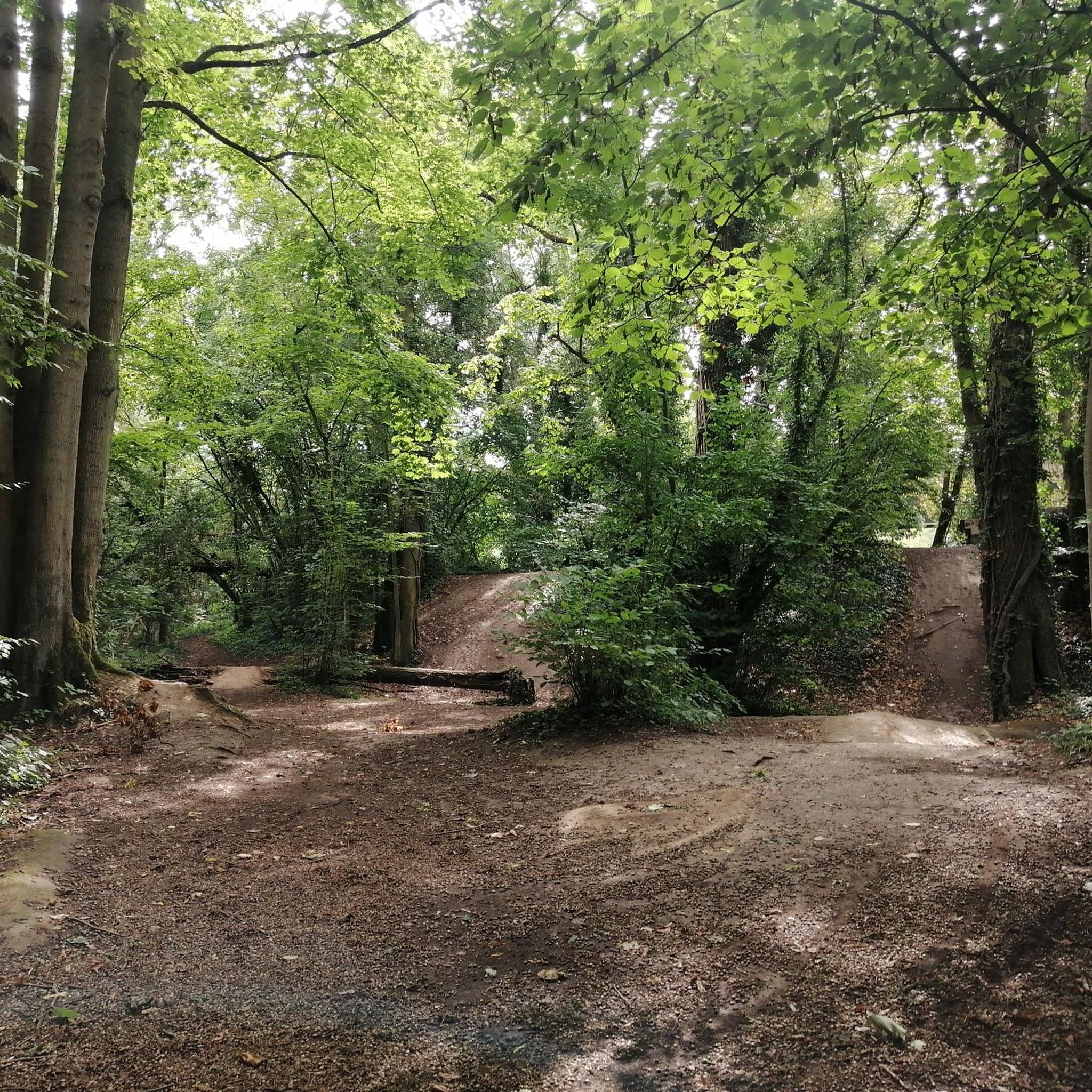
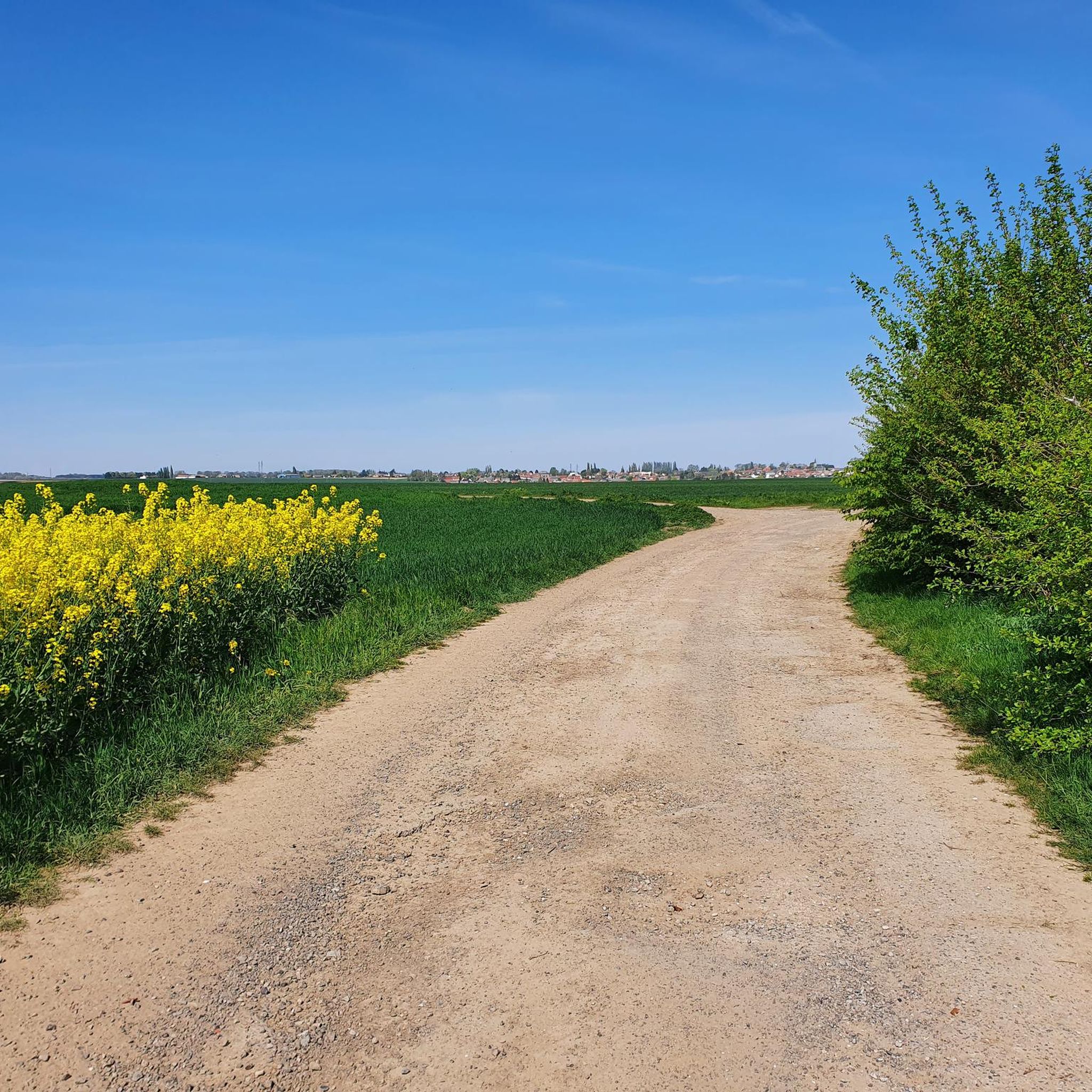

Tips from the Community

The Hôtel de la Woestine, located on Rue de l'Épée (19) in Cambrai, was built in 17661. This beautiful building is an example of the classical architecture of the time, with a facade of natural stone and an impressive gate with rustic details. The hotel was owned by François Maximilien de la Woestine , the third Marquis of Becelaere. He was a prominent figure in the region and a great of Spain. Unfortunately, he was executed in Cambrai during the French Revolution in 1794.
7
0
The Musée Diocésain d'Art Sacré in Cambrai has an interesting history. The museum is housed in the former Cambrai Seminary, a building dating back to the 18th century. The museum was created to preserve and exhibit the religious heritage of the Diocese of Cambrai. The museum's collection includes a wide range of religious artworks, including paintings, sculptures, liturgical objects and textiles. Many of these pieces come from churches and chapels in the region that have been closed or renovated. The museum offers visitors a unique opportunity to discover the rich religious history and art of the region.
9
0
The Jesuits arrived in Cambrai in 1562 to fight against the spread of Protestantism and founded a college there. Thanks to a legacy from Monsignor Vanderburch, they had their chapel rebuilt between 1678 and 1694 according to the principles of the Counter-Reformation, based on plans drawn up by the architect Jean du Blocq. The architectural rhythm, the play of polychromy and the abundance of sculpted decoration make this building a masterpiece of northern Baroque art. This ornamental richness is found inside in the profusion of high and low reliefs in the choir and the nave. Its decoration is completed by a series of paintings by the painter Arnoult de Vuez, representing scenes from the life of Christ. (Cambrai Tourist Office).
10
0
The former abbey church and the guest house, which has housed the Post Office since 1905, belonged to the Abbey of the Holy Sepulchre, founded in the 11th century. Between 1696 and 1702, under the episcopate of Fénelon, the whole was rebuilt in the classical style advocated by Louis XIV. The sobriety of the decor contrasts with the exuberant baroque façade of the Jesuit chapel opposite. The Church of the Holy Sepulchre was designated as the new cathedral by Bishop Louis Belmas in 1804 after the destruction of the Gothic cathedral during the Revolution. (City of Cambrai)
10
0
Built in 1595 during the Spanish occupation, hence its name, this half-timbered house with a gable on the street is the last example of this type of construction, which was widespread from the Middle Ages to the 17th century. The load-bearing walls are made of stone, the corbelled façade is made of wood and the gable is clad in slate. The ground floor is reserved for shops, with housing located upstairs. https://www.villedecambrai.com/decouvrir/decouvrir-la-ville/portrait-de-ville/patrimoine-et-architecture/lessor-urbain-au-moyen-age/la-maison-espagnole
10
0
At the corner of Rue du Grand Séminaire and Rue des Écoles, an imposing brick building with stone window frames catches the eye. This is the former Jesuit college of the city. On the second level of the monument, on the Rue du Grand Séminaire side, a black marble table commemorates the founding of the college in Latin. The sculpted decor surrounding it is now very familiar to us: cherubs and floral garlands contrast with the solemnity of the architecture charged with educating the Cambrésis elite. On the top level of the building, the anchor irons preserve the precise memory of the work. Between each window, the numbers 1... 6... 1... 4 are drawn. 1614... The time of Rubens, Marsy, Du Blocq, Van der Burch... (Cambrésis Tourism)
8
0
The Palais des Grottes in Cambrai is a unique tourist attraction located on Boulevard Paul Bezin. This magnificent building is a former quarry that has been transformed into an underground art and culture centre. The Palais des Grottes offers a fascinating experience with beautiful natural rock formations, modern art installations and epic lighting effects.
1
0

Architect: Engineer Bailleux Year of construction: 1901 Total height: 29 m
5
0
Frequently Asked Questions
What kind of terrain can I expect on hiking trails around Proville?
Hiking around Proville primarily features flat, agricultural landscapes typical of the Nord region of France. The trails often follow canals and waterways, offering gentle terrain with minimal elevation changes, making them suitable for relaxed walks.
Are there many hiking options available in Proville?
Yes, there are numerous hiking options. The komoot community has mapped over 80 routes around Proville, ranging from easy strolls to more moderate excursions. This includes 50 easy routes and 38 moderate routes, ensuring there's something for various fitness levels.
What are some notable historical landmarks or points of interest I can see while hiking in Proville?
The Proville area is rich in historical landmarks and features. You can explore sites like the Vaucelles Abbey, the impressive Belfry of Cambrai, and the historic Porte Notre-Dame de Cambrai. Many routes also pass by significant canal structures such as the Cantimpré Lock.
Are there any circular hiking routes in the Proville area?
Yes, many of the trails around Proville are designed as loops, offering convenient circular walks. An example is the Former Jesuit chapel – ND de Grace Cathedral loop from Cambrai, which is an easy 3.6-mile route.
What do other hikers enjoy most about the trails in Proville?
The trails in Proville are highly rated by the komoot community, with an average score of 4.3 stars from over 50 reviews. Hikers often praise the peaceful canal paths, the charming agricultural scenery, and the historical sites encountered along the way.
Are the hiking trails around Proville suitable for families with children?
Given the generally flat and gentle terrain, many of the trails in Proville are well-suited for families. There are 50 easy routes available, which are typically shorter and have minimal elevation, making them enjoyable for all ages. Consider routes that follow the canals for a pleasant family outing.
Can I bring my dog on the hiking trails in Proville?
Most public footpaths and canal paths in the Proville area are generally dog-friendly, provided your dog is kept under control, especially when passing through agricultural areas or near livestock. Always check local signage for any specific restrictions.
What is a good moderate hike to experience the local canals and villages?
For a moderate experience combining canals and local villages, consider the Cantaing-sur-Escaut Lock – Chemin Noir de Proville loop from Proville. This 5.5-mile trail takes about 2 hours and 17 minutes and leads through local villages and alongside waterways.
Are there any longer hiking routes for more experienced hikers?
While most routes are easy to moderate, there are longer options available. For example, the Paris Gate – Palace of the Caves, Cambrai loop from Cambrai is a moderate 6.3-mile route that offers a more extended exploration of the area.
What is the best time of year to go hiking in Proville?
The flat, agricultural landscapes of Proville are generally pleasant for hiking from spring through autumn. Spring offers fresh greenery, while summer provides longer daylight hours. Autumn brings cooler temperatures and often beautiful colors in the surrounding countryside. Winters can be damp, but trails remain accessible for those who don't mind the chill.
Is parking available near the trailheads in Proville?
Parking availability varies by trailhead. Many routes start from or pass through villages and towns like Proville or Cambrai, where public parking is generally available. It's advisable to check the specific starting point of your chosen route for detailed parking information.
Can I reach hiking trails in Proville using public transport?
Proville and nearby towns like Cambrai are served by local public transport networks. You can often reach starting points of trails via bus services. For detailed schedules and routes, it's best to consult local transport providers for the Nord region of France.
Most popular attractions around Proville

Get inspired with the komoot mobile app


Explore more
Browse the best Hikes in other regions.
