The best road cycling routes around Rumilly-En-Cambrésis
4.4
(72)
2,314
riders
377
rides
Road cycling routes around Rumilly-En-Cambrésis traverse a rural landscape characterized by open fields and river valleys. The region features well-paved surfaces suitable for road cyclists, winding through areas like the Escaut, Agache, and Sensée valleys. The Canal de Saint-Quentin provides picturesque, relatively flat terrain, while "green lines" of willow trees and talus slopes add dynamic elements to the scenery. This area offers diverse road cycling options within the broader Cambrésis region.
Best road cycling routes around Rumilly-En-Cambrésis
- The most popular…
Last updated: May 21, 2026
35
riders
19.6km
00:49
150m
150m
Easy road ride. Great for any fitness level. Mostly well-paved surfaces and easy to ride.
26
riders
10.8km
00:26
70m
70m
Easy road ride. Great for any fitness level. Mostly well-paved surfaces and easy to ride.

Sign up for free
17
riders
13.6km
00:35
120m
120m
Easy road ride. Great for any fitness level. Mostly well-paved surfaces and easy to ride.
5.0
(2)
20
riders
53.4km
02:09
290m
290m
Moderate road ride. Good fitness required. Mostly well-paved surfaces and easy to ride.
11
riders
32.1km
01:18
160m
160m
Easy road ride. Great for any fitness level. Mostly well-paved surfaces and easy to ride.
Get access to more routes and recommendations from other explorers.
Sign up for free
Already have an account?
Our route recommendations are based on thousands of hikes, rides, and runs completed by other people on komoot.
Start today with a free account
Your next adventure awaits.
Login or Signup



Tips from the Community

Built in 1595 during the Spanish occupation, hence its name, this half-timbered house with a gable on the street is the last example of this type of construction, which was widespread from the Middle Ages to the 17th century. The load-bearing walls are made of stone, the corbelled façade is made of wood and the gable is clad in slate. The ground floor is reserved for shops, with housing located upstairs. https://www.villedecambrai.com/decouvrir/decouvrir-la-ville/portrait-de-ville/patrimoine-et-architecture/lessor-urbain-au-moyen-age/la-maison-espagnole
10
0
The Tour Saint-Fiacre, also known as the Tour des Sottes, is a historic tower in Cambrai. The tower is part of the old city walls of Cambrai and was built in the 14th century. The name "Tour des Sottes" comes from a nearby women's asylum in the 19th century. The tower has retained its Cambrésis stone structure up to the foot of the terrace, while the sandstone base is now buried.
9
0
The Porte de Paris in Cambrai is a historic city gate built in the 14th century as part of the city's defensive wall. The gate is known for its Gothic architecture and has a strategic location at the southern entrance to the city. The gate was originally known as the Porte du Saint-Sépulcre.
9
0
This Cistercian abbey was founded in 1132 by Bernard of Clairvaux and grew into a large and influential community within a century. Royal armies camped there as in a fortress and Charles V signed peace with Henry II in 1556. In addition to the sick and outcasts, travellers and pilgrims also found shelter in the hospital. The largest abbey church in Europe stood here with an extraordinary length of 135 metres. On feast days, 3000 meals were provided to the needy in the wide area. After the French Revolution, it was declared national property and an inglorious end followed as an open-air quarry. Now, restored parts remain, such as the abbot's palace with the dormitories and monks' halls with the chapter house next to it. The 7-hectare abbey park is being restored to its former glory. Open March to November (Tue-Sat 10am-12pm and 2pm-5.30pm, Sun 3pm-6.30pm, closed Mondays).
1
0

Parts of this gigantic abbey are interesting to visit. The church has disappeared but must have been enormous. Beautiful garden and shop with, among other things, abbey beer.
1
0

Vaucelles Abbey is a former monastery of Cistercian monks. Founded in 1131 by Saint Bernard himself.
0
0

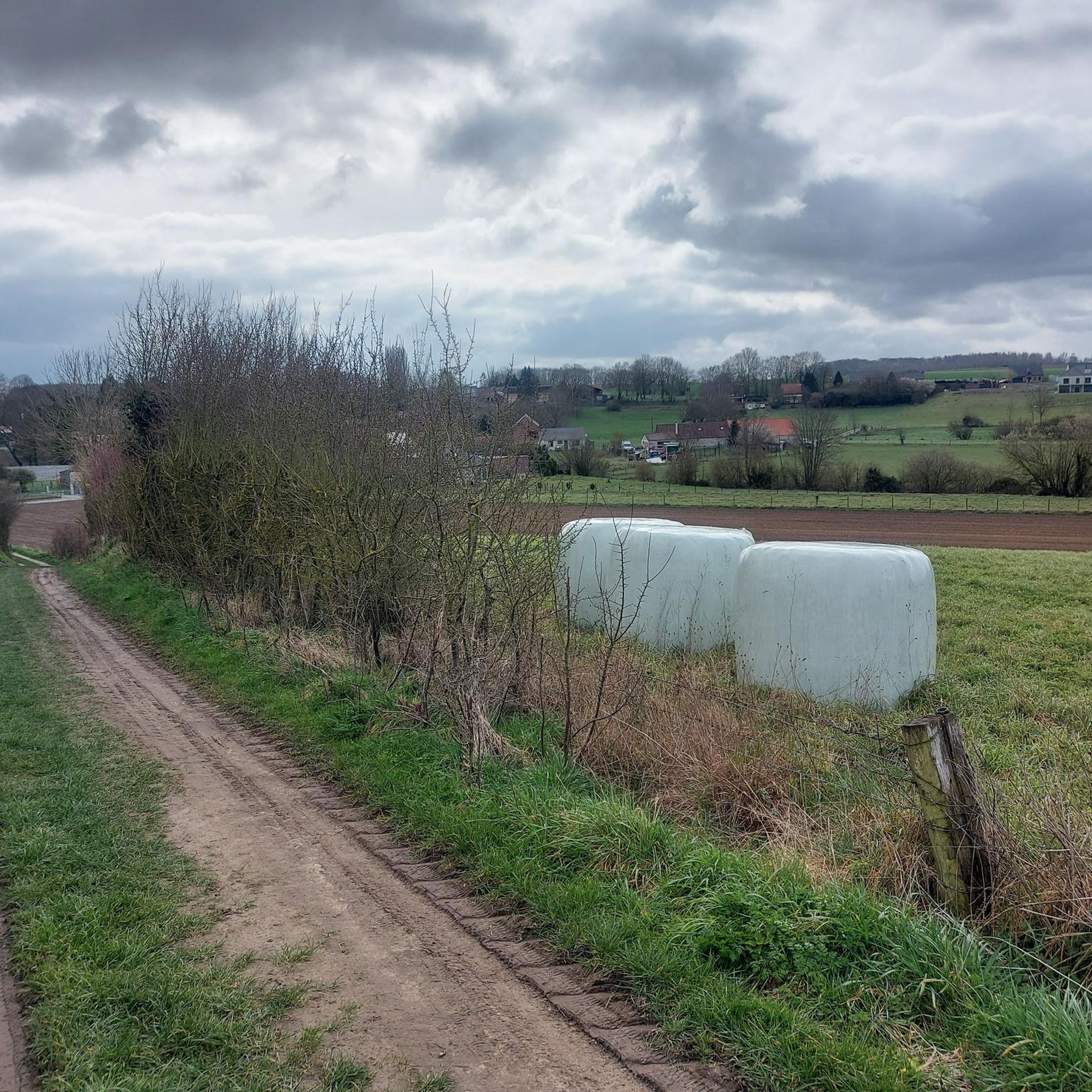
Vue of the canal as you ride over the top.
0
0

It is one of the oldest monuments in the city. The Porte de Paris is a remnant of the fortifications that surrounded the city in the Middle Ages. It was built in the 14th century to protect the southern entrance to the city. It is Gothic in style with two round towers and a pointed arch. You can admire the architecture and history of the gate, which also served as a prison and a museum.
6
0
Frequently Asked Questions
What kind of terrain can I expect when road cycling around Rumilly-En-Cambrésis?
The Rumilly-En-Cambrésis region offers a diverse road cycling experience, characterized by its rural serenity, open fields, and scenic river valleys such as the Escaut, Agache, and Sensée. You'll find well-paved surfaces throughout, with routes often running alongside the picturesque Canal de Saint-Quentin, which provides relatively flat sections. The landscape also features unique 'green lines' of willow trees and talus slopes, adding dynamic elements to your ride.
Are there road cycling routes suitable for beginners or families in Rumilly-En-Cambrésis?
Yes, Rumilly-En-Cambrésis offers a good selection of routes for all abilities. There are 78 easy road cycling routes available. For instance, the Roadbike loop from Rumilly-en-Cambrésis is a shorter, accessible option, and the Vaucelles Abbey loop from Masnières is also rated as easy, combining scenic views with a cultural stop.
What historical sites or landmarks can I see along the road cycling routes?
Many routes in the region pass by significant historical attractions. A prominent example is the historic Vaucelles Abbey, a Cistercian abbey that offers a cultural stop during your ride. Routes also often wind through charming villages like Crèvecoeur-sur-l'Escaut and Masnières, allowing you to experience local heritage and architecture. You might also encounter the Cantimpré Lock along waterways.
Are there any challenging road cycling routes for experienced riders?
While the region is known for its gentle relief, there are 19 routes categorized as difficult for those seeking more of a challenge. These routes will typically feature more significant elevation changes and longer distances, allowing experienced cyclists to push their limits within the Cambrésis landscape.
What do other road cyclists enjoy most about cycling in Rumilly-En-Cambrésis?
The area is highly rated by the komoot community, with an average score of 4.4 stars from over 65 reviews. Cyclists often praise the rural countryside, open fields, and river valleys, as well as the well-paved surfaces. The variety of routes, from easy loops to more moderate explorations, is also frequently highlighted.
Are there circular road cycling routes available in the area?
Yes, many of the road cycling routes around Rumilly-En-Cambrésis are designed as loops, allowing you to start and finish at the same point. Examples include the Vaucelles Abbey loop from Masnières and the Roadbike loop from Rumilly-en-Cambrésis, offering convenient options for exploration.
Can I find places to eat or stay near the cycling routes?
The charming villages along the routes, such as Crèvecoeur-sur-l'Escaut and Masnières, often provide opportunities to find local cafes or restaurants. For accommodation, you'll find options in and around Rumilly-En-Cambrésis and the nearby town of Cambrai, which serves as a hub for the broader cycling network in the Cambrésis region.
What is the best time of year for road cycling in Rumilly-En-Cambrésis?
The region's rural landscape and open fields are generally pleasant for cycling from spring through early autumn. During these seasons, the weather is typically mild, and the countryside is vibrant. It's always advisable to check local weather forecasts before heading out, especially during transitional months.
Are there any specific natural features to look out for while cycling?
Beyond the open fields and river valleys, keep an eye out for the distinctive 'green lines' of willow trees that mark temporary rivers (Riots) and the unique 'curtains'—talus slopes designed to prevent soil erosion. The Canal de Saint-Quentin is also a prominent natural and historical feature, offering picturesque views along its banks.
How many road cycling routes are available in Rumilly-En-Cambrésis?
There are over 390 road cycling routes available around Rumilly-En-Cambrésis, catering to various skill levels. This extensive network provides numerous options for exploring the region's diverse landscapes and heritage by bike.
Is parking available for cyclists near the routes?
Yes, parking is generally available in the villages and towns that serve as starting points for many routes, including Rumilly-En-Cambrésis itself and nearby Masnières. Specific parking information can often be found on individual route pages or local tourist information resources.
Are there any routes that explore the local waterways?
Absolutely. The region is crisscrossed by several river valleys, including the Escaut, Agache, and Sensée. The Canal de Saint-Quentin is a particularly prominent feature, with routes like the Cantaing-sur-Escaut Lock – Thun-l'Évêque loop from Masnières specifically designed to explore these waterways and the surrounding countryside.
Most popular routes around Rumilly-En-Cambrésis
Most popular attractions around Rumilly-En-Cambrésis

Get inspired with the komoot mobile app


Explore more
Browse the best Road cycling routes in other regions.
