Attractions and Places To See around Rieux-En-Cambrésis - Top 20
Best attractions and places to see around Rieux-En-Cambrésis include historical landmarks, rural landscapes, and opportunities for outdoor activities. This commune in the Nord department of France offers a blend of historical charm and natural features, such as the rivers Erclin and Riot de Caudry. The area provides green surroundings suitable for walking and cycling, and is located approximately 11 km from Cambrai, a larger town with additional significant attractions.
Best attractions and places to see around Rieux-En-Cambrésis
- The most popular attractions is Belfry of Cambrai, a man_made_monument that is an impressive Gothic tower in Cambrai. Originally part of the old Saint Martin's Church, this tower is approximately 62 meters high. Since 1965, it has been classified as a historical monument and in 2005 it was included on the UNESCO World Heritage List.
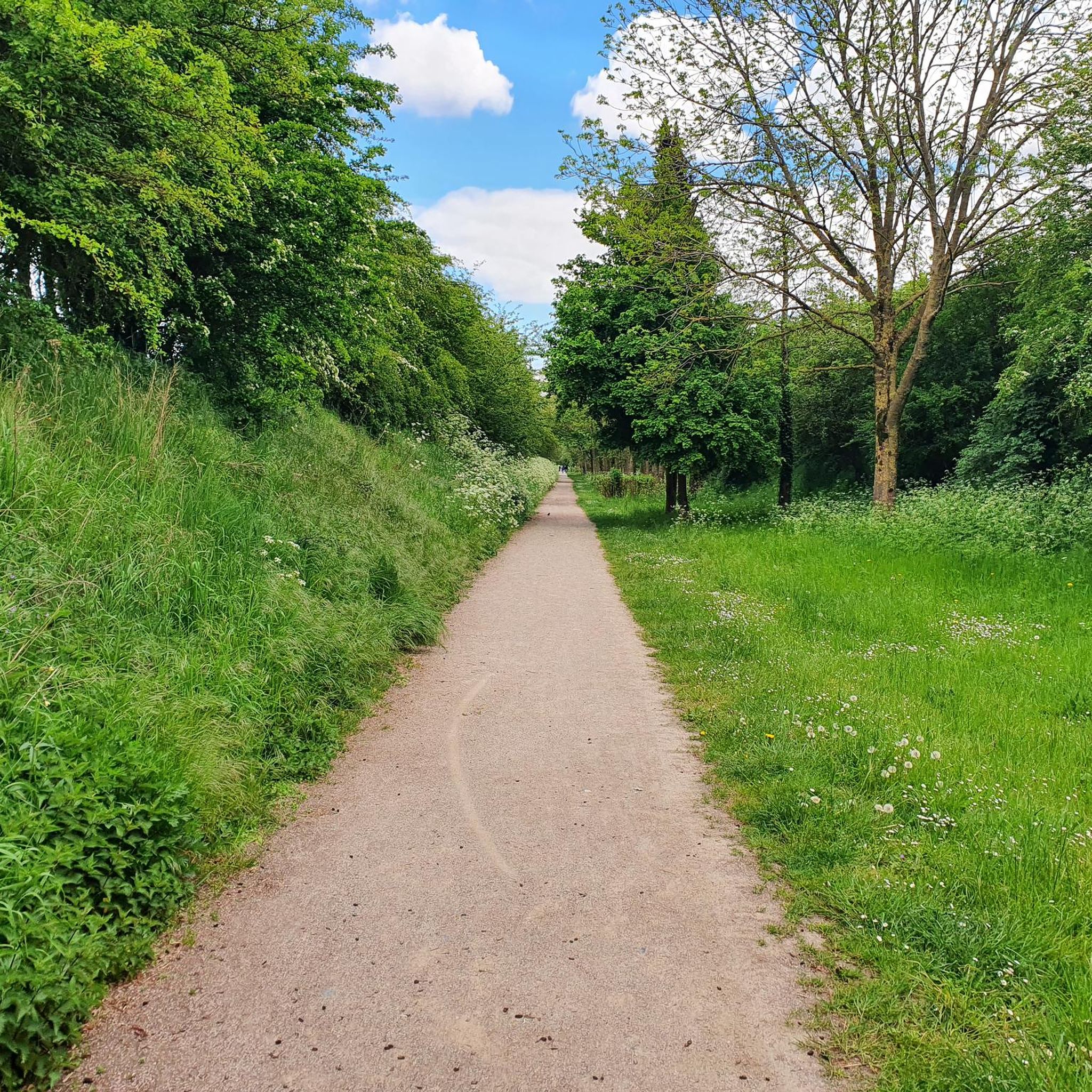
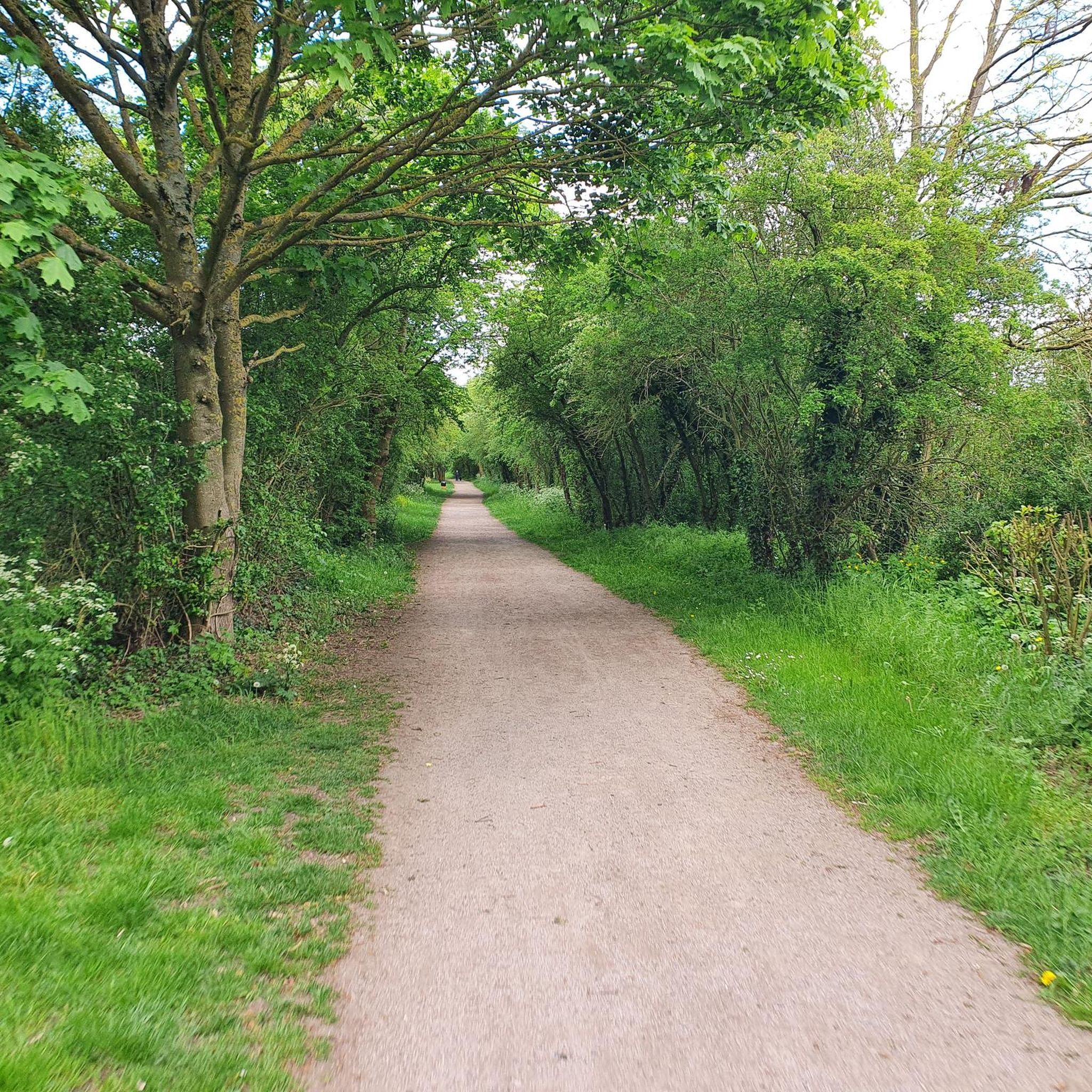
- Another must-see spot is Avesnes-le-Sec, a settlement in the French Northern Department. It features sites like the Avesnes-le-Sec Communal Cemetery Extension and the ruins of the Moulin de Pierre, and offers routes like the Voie verte du cavalier d'Agincourt for walking or cycling.
- Visitors also love Porte Notre-Dame de Cambrai, a man_made_monument built in 1623. With its rich baroque decoration, diamond-shaped stone pattern, and a coat of arms of the city, it represents the northern entrance to Cambrai.
- Rieux-En-Cambrésis is known for historical landmarks, rural landscapes, and outdoor activities. The area offers a mix of cultural sites, natural features, and opportunities for walking and cycling.
- The attractions around Rieux-En-Cambrésis are appreciated by the komoot community, with 11 upvotes and 9 photos shared.
Last updated: July 21, 2026
Belfry of Cambrai
Highlight • Monument
The beffroi is known for its sturdy buttresses reminiscent of medieval donjons. At the foot of the tower is a statue of Saint Martin, the patron saint of the city. The tower has a rich history and has survived both world wars unscathed.
Since 1965, the beffroi has been classified as a historical monument and in 2005 it was included on the UNESCO World Heritage List, together with other beffrois in the region.
Translated by Google •
Tip by

Avesnes-le-Sec
Highlight • Settlement
Avesnes-le-Sec Communal Cemetery Extension, a war cemetery from the First World War, where 65 British soldiers are buried.
The ruins of the Moulin de Pierre, a tower mill from the 18th century, built with white limestone from the region. The mill was destroyed by a German shell in 1918.
The Saint Aubertus Church, a Gothic church from the 12th century, dedicated to the patron saint of the municipality. The church has a remarkable portal with sculptures and an organ from the 19th century.
Avesnes-le-Sec is also a pleasant place for walking or cycling, thanks to its green surroundings and its proximity to the River Somme. There are several routes and paths that run along the water or through the countryside. One of the most beautiful routes is the Voie verte du cavalier d'Agincourt, which connects Aniche to Escaudain over a distance of 12 km.
Translated by Google •
Tip by
Sign up now to discover places like this
Get recommendations on the best single tracks, peaks, & plenty of other exciting outdoor places.
Sign up for free
Porte Notre-Dame de Cambrai
Highlight • Monument
villedecambrai.com/decouvrir/decouvrir-la-ville/portrait-de-ville/patrimoine-et-architecture/heurs-et-malheurs-dune-ville-frontiere/la-porte-notre-dame
Translated by Google •
Tip by
Country house of the Abbey of Saint-Aubert in Cambrai
Highlight • Historical Site
Translated by Google •
Tip by
Ecluse de Thun Leveque
Highlight • Other
Translated by Google •
Tip by
Sign up for free to discover even more attractions around Rieux-En-Cambrésis.
Sign up for free
Already have an account?
Start today with a free account
Your next adventure awaits.
Login or Signup


Tips from the Community

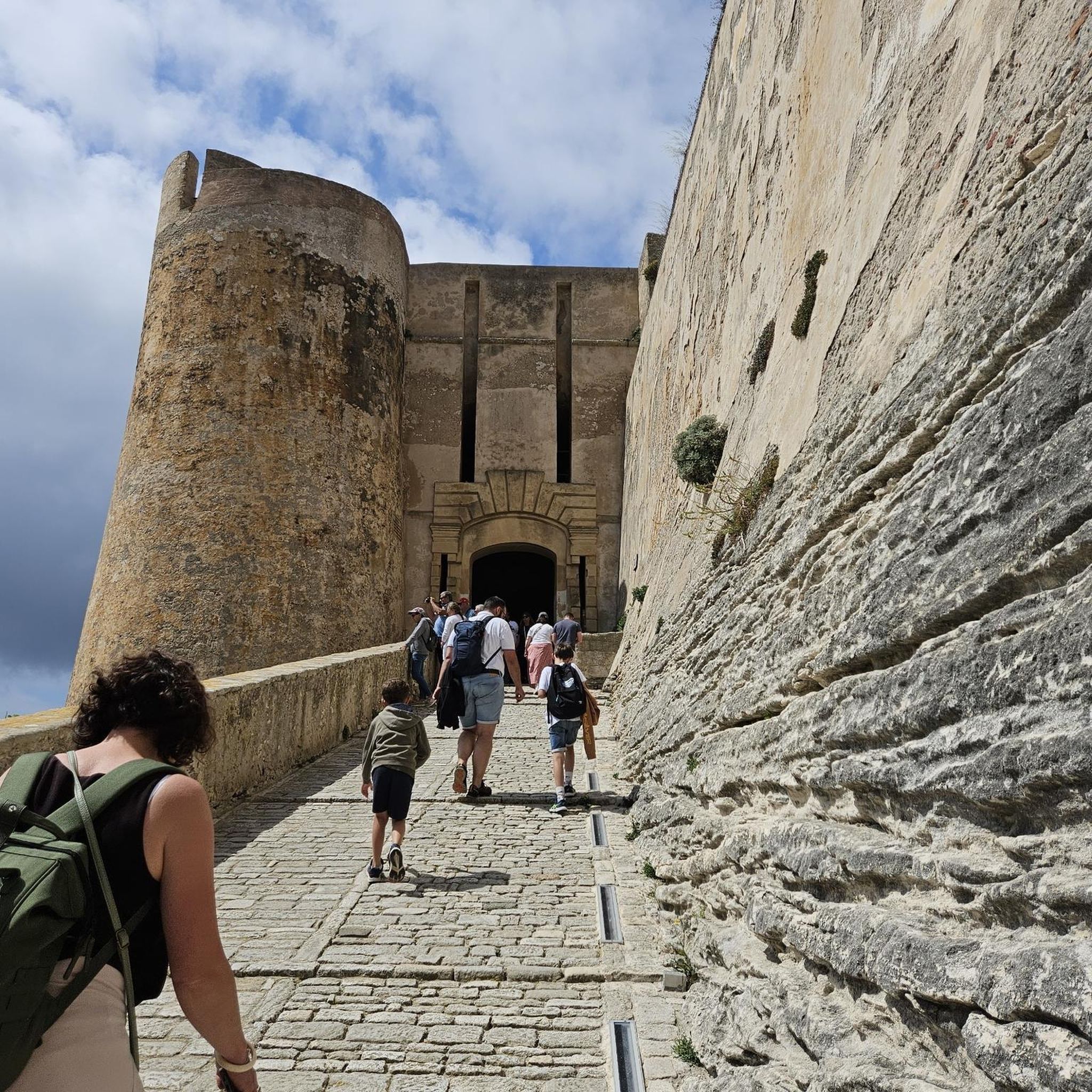
Built in 1623, the Notre-Dame gate marks the northern entrance to the city. At that time, city gates, protected by bastions, freed themselves from their defensive role and became symbols of the wealth of cities. With its “diamond point” hardware and its rich sculpted decoration, the Notre-Dame gate is representative of the Baroque style. The sun that adorns the upper part was added after the capture of Cambrai by Louis XIV. https://www.villedecambrai.com/decouvrir/decouvrir-la-ville/portrait-de-ville/patrimoine-et-architecture/heurs-et-malheurs-dune-ville-frontiere/la-porte-notre-dame
10
0
The belfry, now a UNESCO World Heritage Site, was once the bell tower of the Saint-Martin church, the rest of the building having disappeared during the French Revolution. A symbol of communal freedoms, this belfry also ensured the security of the city. Night and day, lookouts monitored the city and warned of the arrival of enemies or the start of fires by sounding the tocsin. The oldest parts of this building date back to 1474 and rise from the base to the height of the cornice. Supported by wide buttresses, the first bell chamber opens onto triple bays in a Gothic-style pointed arch. Since 1736, this tower has been raised by another level in the classical style into which the second bell chamber opens. This part is topped by a drum where the watch room was located, the whole being topped with a dome and a lantern. Four sculptures made of cast concrete by Marcel Gaumont after the First World War evoke the historical periods of the city. We can see a Frankish warrior; a crossbowman symbolizing the communal militia; Louise of Savoy, mother of François I, who signed the Treaty of the Peace of the Ladies in Cambrai and the knight of Cezen, first governor of the city that became French. The entrance to the belfry has a sculpted decoration by René Faches. The central part bears the arms of Cambrai, surmounted by Saint Martin sharing his cloak to offer it to a poor man. These sculptures evoke the civil and religious duality of this belfry. (Cambrésis Tourisme)
6
0
The Beffroi de Cambrai is an impressive tower in Cambrai, located in the Nord department of France. Originally part of the old Saint Martin's Church, this tower is built in the Gothic style and is approximately 62 metres high. The beffroi is known for its sturdy buttresses reminiscent of medieval donjons. At the foot of the tower is a statue of Saint Martin, the patron saint of the city. The tower has a rich history and has survived both world wars unscathed. Since 1965, the beffroi has been classified as a historical monument and in 2005 it was included on the UNESCO World Heritage List, together with other beffrois in the region.
7
0
Avesnes-le-Sec is a commune in the French Northern Department, in the Hauts-de-France region. It has an area of 10.4 km² and has 1,445 inhabitants (2020). It is part of the arrondissement of Valenciennes and the canton of Denain. Avesnes-le-Sec has a number of sites and heritage that testify to its history and culture. Some examples are: Avesnes-le-Sec Communal Cemetery Extension, a war cemetery from the First World War, where 65 British soldiers are buried. The ruins of the Moulin de Pierre, a tower mill from the 18th century, built with white limestone from the region. The mill was destroyed by a German shell in 1918. The Saint Aubertus Church, a Gothic church from the 12th century, dedicated to the patron saint of the municipality. The church has a remarkable portal with sculptures and an organ from the 19th century. Avesnes-le-Sec is also a pleasant place for walking or cycling, thanks to its green surroundings and its proximity to the River Somme. There are several routes and paths that run along the water or through the countryside. One of the most beautiful routes is the Voie verte du cavalier d'Agincourt, which connects Aniche to Escaudain over a distance of 12 km.
5
0
The Thun Leveque lock is a double lock located on the Scheldt canal, between the municipalities of Thun-l'Évêque and Iwuy, in the Nord department. It allows boats to overcome a difference in height of 2.5 meters between the two reaches of the canal. It is part of a series of five double locks which were built between 1825 and 1830 to improve navigation on the canalized Scheldt1. The Thun Leveque lock has been classified as a historic monument since 19922. It is surrounded by a landscaped park which dates from the 19th century and which belongs to the domain of the Château de Hamel, an 18th century residence which is also protected as architectural heritage3. The Thun Leveque lock is a place of passage and discovery for boaters, cyclists and hikers who use the Scheldt canal or the greenway which runs along it.
2
0

A hike to Porte Notre Dame in Cambrai will take you to one of the most beautiful monuments in the city. It is an old gate of the medieval fortifications, built in the 14th century and renovated in the 17th century. With rich baroque decoration, a diamond-shaped stone pattern and a coat of arms of the city, you can admire the architecture and history of the gate, which was once the entrance to the cathedral and the episcopal palace.
5
0
The castle was built in the 17th century and was completed in the 19th century. Originally owned by the Abbaye Saint-Aubert de Cambrai, the castle was built on land owned by the abbey. The plans are said to have belonged to Ange-Jacques Gabriel or Alexandre-Théodore Brongniart. The castle was sold as national property during the Revolution. With the help of a stooge, Count François Marie Joseph de Frahan became the owner. It was sold by his descendants to Pierre Joseph Danjou in 1853 and then to Nicolas Meriaux in 1884. In 1887, Marie-Adélaide Verkinder, wife of deputy Ernest Déjardin, acquired the château. It passed to her daughter and son-in-law, Ambassador Pierre Lefèvre-Pontalis. During the First World War, the castle became the headquarters of Jagdgeschwader and Baron Manfred von Richthofen lived there. The castle, its moats and bridges have been classified as a historical monument since September 21, 1983, while the outbuildings, the old building on the edge of road number 4, the facades and roofs of the pigeon tower and the pavilion in the park and the perimeter wall with its gates since the same date have been registered as a historical monument.
5
0
Frequently Asked Questions
What historical landmarks can I explore in Rieux-En-Cambrésis?
In Rieux-En-Cambrésis itself, the Église Saint-Martin is a significant historical and architectural landmark, known for its vaulted and paneled ceilings. Additionally, the Château de Rieux functions as a character residence and reception hall, adding to the village's historical charm.
Are there any historical sites related to the Abbey of Saint-Aubert near Rieux-En-Cambrésis?
Yes, you can visit the Country house of the Abbey of Saint-Aubert in Cambrai. This castle, originally owned by the Abbey Saint-Aubert de Cambrai, has a rich history dating back to the 17th century and is classified as a historical monument.
What significant historical monuments are located in nearby Cambrai?
Nearby Cambrai offers several impressive historical sites. You can visit the Belfry of Cambrai, an impressive Gothic tower that is a UNESCO World Heritage site. Another notable monument is the Porte Notre-Dame de Cambrai, a richly decorated Baroque gate built in 1623, marking the northern entrance to the city.
What opportunities are there for walking and cycling in Rieux-En-Cambrésis?
The green surroundings of Rieux-En-Cambrésis are ideal for leisurely strolls or bike rides. The area is characterized by its rural landscape with fields and wooded areas. For a dedicated route, the Voie verte du cavalier d'Agincourt offers a 12 km path for cycling and walking, connecting Aniche to Escaudain.
Can I find hiking trails around Rieux-En-Cambrésis?
Yes, there are several hiking opportunities. You can explore routes like the "Hiking loop from Avesnes-le-Sec" or the "Bassin Rond Trailhead loop from Iwuy." For more options, check out the Hiking around Rieux-En-Cambrésis guide.
Are there dedicated cycling routes in the area?
Absolutely. The region offers various road cycling routes, such as the "Thun-l'Évêque – Bassin Rond loop from Avesnes-les-Aubert" or the "Haspres loop from Naves." You can find more details and routes in the Road Cycling Routes around Rieux-En-Cambrésis guide.
What kind of running routes are available near Rieux-En-Cambrésis?
Runners can enjoy several routes, including the "Running loop from Avesnes-les-Aubert" or the "Running loop from Naves." For a comprehensive list of options, refer to the Running Trails around Rieux-En-Cambrésis guide.
What natural features define the landscape of Rieux-En-Cambrésis?
Rieux-En-Cambrésis is characterized by its peaceful rural landscape, featuring green surroundings, fields, and wooded areas. The commune is also drained by the Rivers Erclin and Riot de Caudry, which add to the scenic natural elements of the area.
Are there family-friendly attractions around Rieux-En-Cambrésis?
Yes, the settlement of Avesnes-le-Sec is considered family-friendly, offering green surroundings and routes like the Voie verte du cavalier d'Agincourt which is suitable for walking or cycling. The historical monuments in Cambrai, such as the Porte Notre-Dame de Cambrai, can also be interesting for families.
What is the Thun Leveque Lock and what can I do there?
The Ecluse de Thun Leveque is a historic double lock on the Scheldt canal. It serves as a passage and discovery point for boaters, cyclists, and hikers utilizing the canal or the greenway alongside it. The lock is classified as a historic monument and is surrounded by a landscaped park.
What do visitors particularly enjoy about the attractions near Rieux-En-Cambrésis?
Visitors appreciate the blend of historical charm and opportunities for outdoor activities. The Belfry of Cambrai is highly regarded for its impressive Gothic architecture and UNESCO status, while the Porte Notre-Dame de Cambrai is admired for its rich Baroque decoration. The green spaces and dedicated routes like the Voie verte du cavalier d'Agincourt are popular for walking and cycling.
What is the best season for outdoor activities in Rieux-En-Cambrésis?
The region's green surroundings and waterways make it pleasant for outdoor activities during spring, summer, and early autumn. These seasons generally offer mild weather, ideal for walking, cycling, and exploring historical sites.
Most popular routes around Rieux-En-Cambrésis

Get inspired with the komoot mobile app


Explore more
Still not found the Highlight you’re looking for? See guides of the top attractions in other regions:
