Attractions and Places To See around Étrœungt - Top 20
Best attractions and places to see around Étrœungt include historical landmarks and natural features within the Nord department of France. This tranquil commune offers insights into its Roman past, with archaeological findings suggesting a Roman mansion. Situated within the broader Arrondissement d'Avesnes-sur-Helpe, the area provides access to the Parc naturel régional de l'Avesnois. Visitors can explore local heritage and scenic routes.
Best attractions and places to see around Étrœungt
- The most popular attractions is Grand Fayt Mill, a man-made…
Last updated: May 1, 2026
Grand Fayt Mill
Highlight • Monument
Translated by Google •
Tip by

Voie verte de l'Avesnois
Highlight (Segment) • Other
Translated by Google •
Tip by

Sign up now to discover places like this
Get recommendations on the best single tracks, peaks, & plenty of other exciting outdoor places.
Sign up for free
Château de Trélon
Highlight • Castle
Translated by Google •
Tip by

Church of Liessies
Highlight • Religious Site
Translated by Google •
Tip by
Watermill in Parc Naturel Régional de l'Avesnois
Highlight • Monument
Translated by Google •
Tip by
Sign up for free to discover even more attractions around Étrœungt.
Sign up for free
Already have an account?
Start today with a free account
Your next adventure awaits.
Login or Signup
Tips from the Community

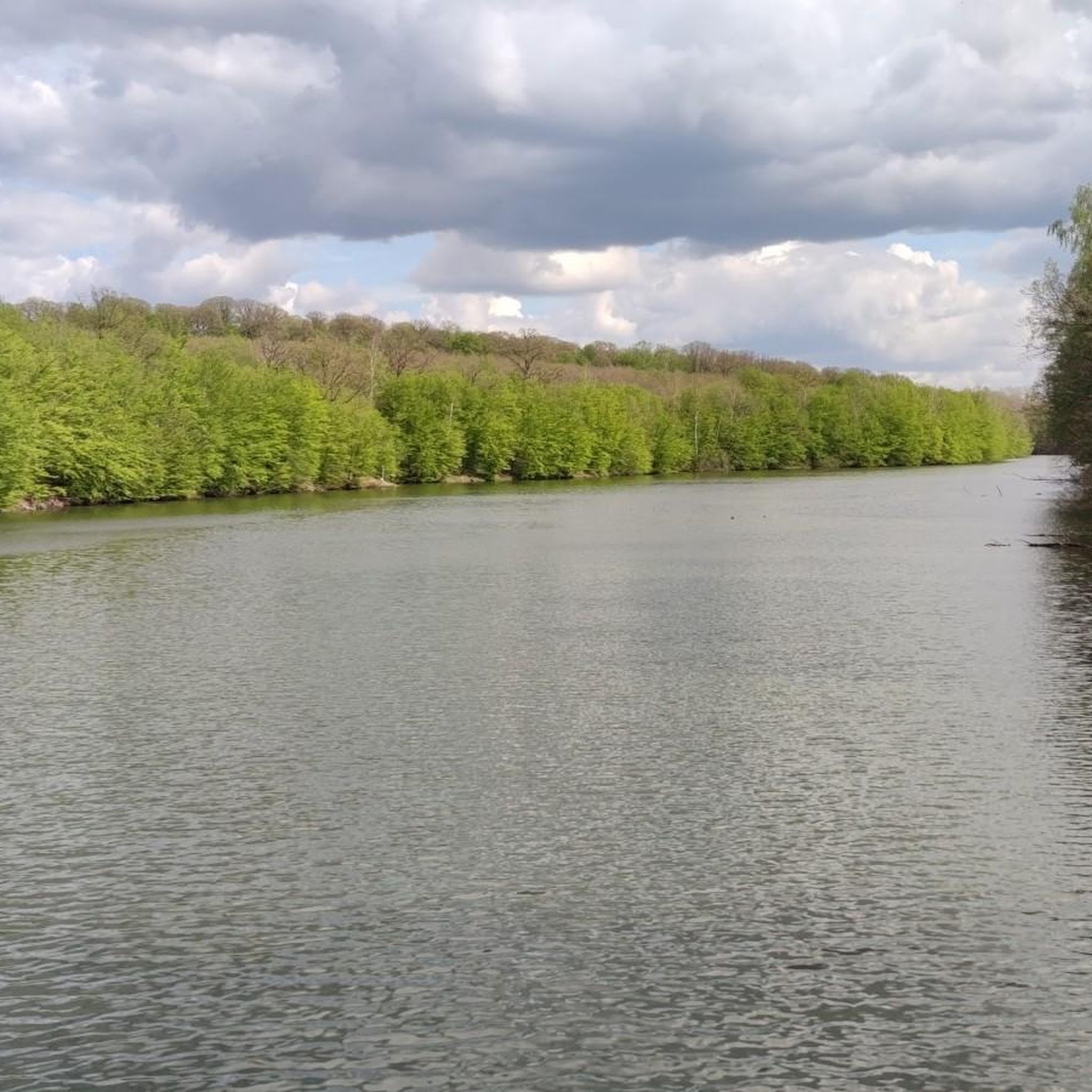
Old water mill in Grand-Fayt on the river L'Helpe Mineure
0
0

A beautifully restored old mill, picnic table for a break, a calm and peaceful spot
0
0

Just took a photo from the outside. Nice to look at.
3
0
Very nice asphalted railway line cycle path EV3.
2
0

The Moulin de Grand Fayt is a water mill located on the Helpe Minor, in the Nord department, in the Hauts-de-France region. It dates from the 17th century and has been restored by its current owners, who offer guided and commented tours. The mill is equipped with a Poncelet-type paddle wheel, which drives a turbine and produces electricity. The site also includes a bread oven, an exhibition room and a picnic area. The mill is part of the heritage of Avesnois and the Vallée des Deux-Helpes, and bears witness to the history and culture of this region.
1
0
The Château de Trélon is a castle located in Trélon, in the north of France. It belongs to the de Merode family and has been registered as a historic monument since 1986. Built on the site of an old 15th-century fortress, the castle has undergone significant transformations over the generations, with great attention always paid to the architecture. It is a majestic Louis XIII style house, richly decorated with collections of furniture, tapestries, Sèvres porcelain and beautiful works of art. The de Merode family is one of the largest families that has been associated with most European courts throughout history. Since the 15th century, members of the House of Merode have held titles such as count, baron of the Holy Empire and prince. They are related to families such as Monaco, d'Arenberg, the Spanish and Italian royal families... The estate has been in the family since at least 1580. The castle offers guided tours from April to October and promises a visit you will long remember!
8
0

Using the power of moving water to drive a mill wheel is an ancient invention that dates back to pre-Christian times. Thanks to such a construction, human or animal muscle power could simply be replaced by a natural or artificially created watercourse, for example to grind grain grains into grain. There are essentially two different types of drive for water mills: either the water simply hits the blades of the water wheel from below to set it in motion; or the watercourse is guided above the wheel and falls on the blades, with this design the natural gravity gives a higher efficiency.
4
0
Using the power of moving water to drive a mill wheel is an ancient invention that dates back to pre-Christian times. Thanks to such a construction, human or animal muscle power could simply be replaced by a natural or artificially created watercourse, for example to grind grain grains into grain. There are essentially two different types of drive for water mills: either the water simply hits the blades of the water wheel from below to set it in motion; or the watercourse is guided above the wheel and falls on the blades, with this design the natural gravity gives a higher efficiency.
2
0
Frequently Asked Questions
What historical sites and religious landmarks can I visit in Étrœungt?
Étrœungt and its surroundings offer a rich historical and religious heritage. You can explore the local War Memorial, the Grand Fayt Mill, and numerous oratories scattered throughout the commune, reflecting its religious past. The area also has Roman historical significance, with findings suggesting a Roman mansion called Duronum.
Are there any notable castles or grand estates to visit near Étrœungt?
Yes, the majestic Château de Trélon, a Louis XIII style house with rich decorations and collections, is located nearby in Trélon. It has been registered as a historic monument since 1986 and offers guided tours from April to October.
What kind of outdoor activities are available around Étrœungt?
The region around Étrœungt is ideal for various outdoor activities, especially cycling and hiking. You can explore the Voie verte de l'Avesnois, a greenway offering over 100 kilometers of picturesque routes through forests, meadows, and charming villages within the Avesnois Regional Natural Park. For more specific routes, check out the hiking, gravel biking, and road cycling guides for the area.
Are there family-friendly attractions or activities near Étrœungt?
Yes, the Grand Fayt Mill is a family-friendly spot, offering picnic tables for a relaxing break. The Château de Trélon also welcomes families for guided tours, providing an engaging historical experience.
What is the Voie verte de l'Avesnois and what can I do there?
The Voie verte de l'Avesnois is a greenway spanning over 100 kilometers, perfect for cyclists. It offers a safe and scenic route through diverse landscapes including forests, meadows, and traditional villages within the Avesnois Regional Natural Park. It's an excellent way to experience the natural beauty of the region.
What do visitors particularly enjoy about the attractions around Étrœungt?
Visitors appreciate the tranquil setting and the blend of historical sites and natural features. The Grand Fayt Mill is often highlighted as a beautiful spot for a break with picnic facilities, while the Voie verte de l'Avesnois is praised for its rejuvenating cycling experience through varied landscapes.
Are there any significant religious buildings to visit in the area?
Yes, the Church of Liessies is a notable religious building. It is part of the former Liessies Abbey, dating back to the 8th century, and features two defensive towers and numerous protected wooden statues from the 16th to 18th centuries.
What kind of terrain can I expect on hiking and cycling routes near Étrœungt?
The routes around Étrœungt, particularly within the Avesnois Regional Natural Park, feature varied landscapes. You can expect paths through forests, open meadows, and charming villages, offering a mix of flat sections and gentle inclines suitable for different activity levels. The hiking guide provides details on specific trail difficulties.
What is Trélon and what does it offer visitors?
Trélon is a small town located in the heart of the Avesnois Regional Natural Park, known for its significant forest cover and rich heritage. Besides the Château de Trélon, visitors can explore the AMV Atelier-Musée Du Verre, a specialized museum focusing on glassware, and the beautiful Eglise Saint Leger.
Are there any easy hiking trails suitable for beginners near Étrœungt?
Yes, there are easy hiking options available. For instance, the 'Hiking loop from Dompierre-sur-Helpe' is an easy 6.6 km route. You can find more details and other easy trails in the Hiking around Étrœungt guide.
Can I find places to eat or stay near the attractions in Étrœungt?
While Étrœungt itself is a smaller commune, the broader Arrondissement d'Avesnes-sur-Helpe and nearby towns like Trélon offer options for dining and accommodation. The Grand Fayt Mill provides picnic tables for a break, and Trélon has local establishments.
What is the significance of the Moulin de Tatimont?
The Moulin de Tatimont (Tatimont Mill) is mentioned as a point of interest within Étrœungt, contributing to the village's historical and cultural landscape, similar to the Grand Fayt Mill which showcases the ancient invention of using water power.

Get inspired with the komoot mobile app


Explore more
Still not found the Highlight you’re looking for? See guides of the top attractions in other regions:
