Attractions and Places To See around Avesnelles - Top 20
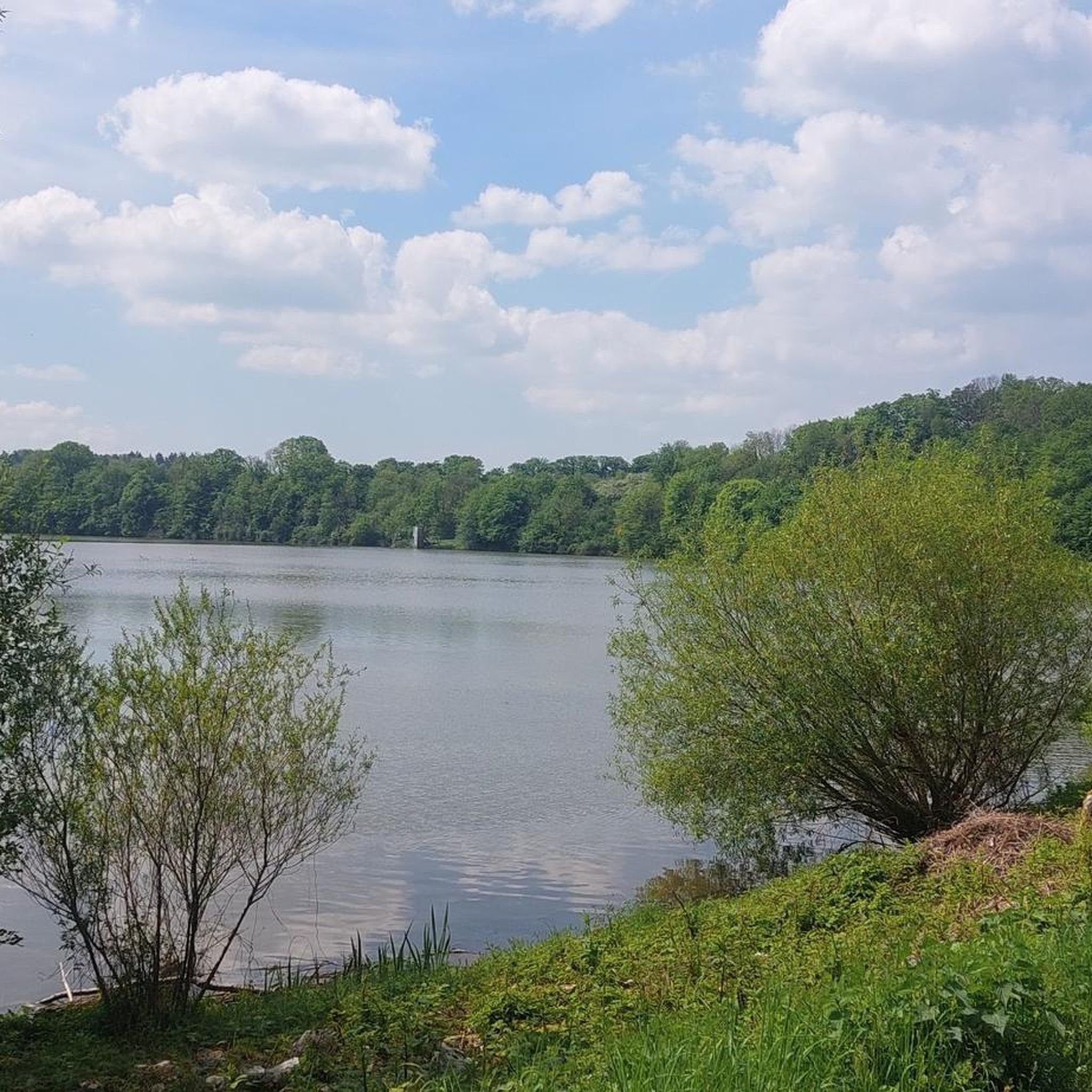
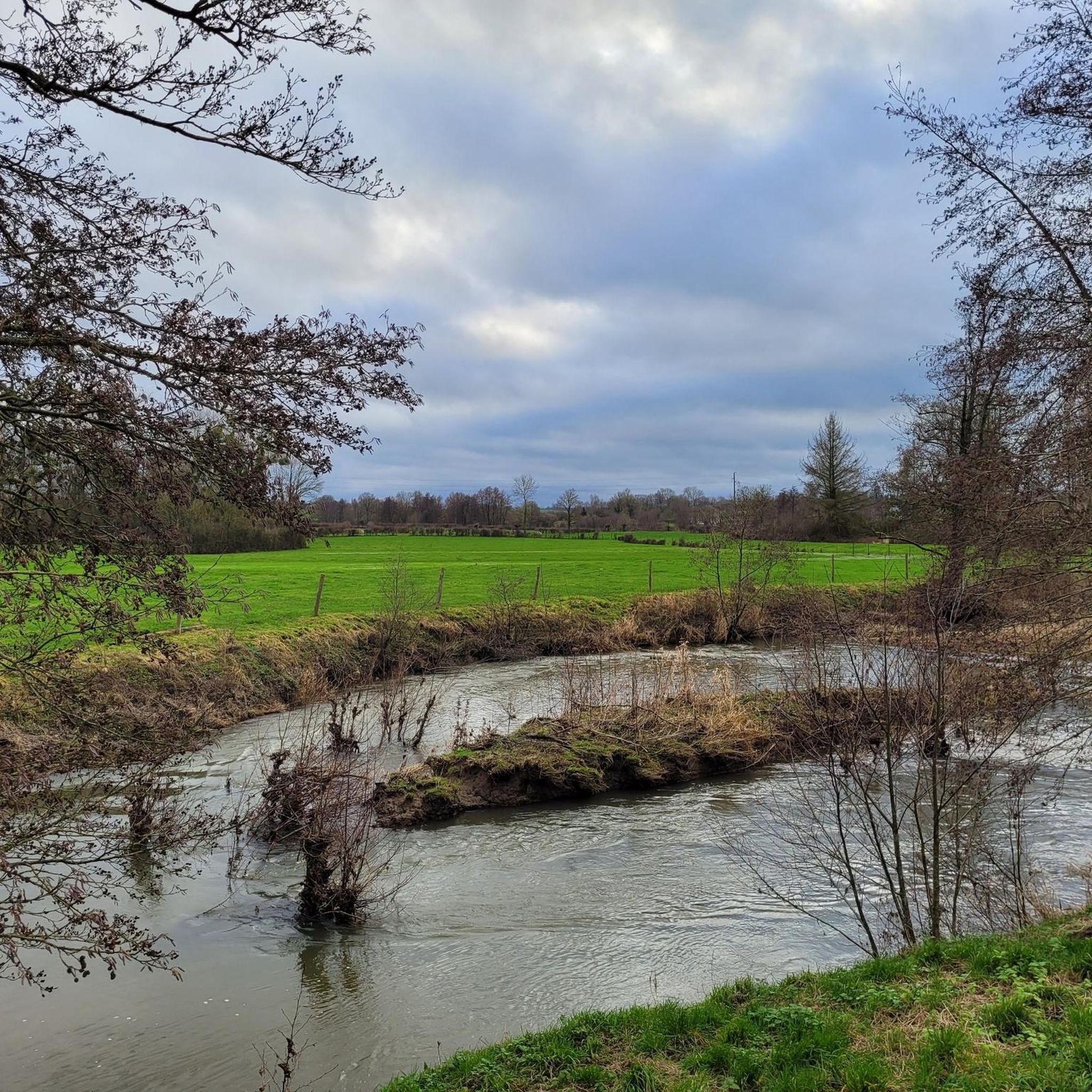
Best attractions and places to see around Avesnelles include historical sites, cultural experiences, and access to natural beauty within the larger Avesnois region. This village in the Nord department of France is situated near the Parc Naturel Régional de l'Avesnois. The area is characterized by diverse landscapes, including forests, meadows, valleys, and rivers, offering opportunities for outdoor activities.
Best attractions and places to see around Avesnelles
- The most popular attractions is Grand Fayt Mill, a man-made monument that utilizes…
Last updated: July 13, 2026
Grand Fayt Mill
Highlight • Monument
Translated by Google •
Tip by

Voie verte de l'Avesnois
Highlight (Segment) • Other
Translated by Google •
Tip by

Sign up now to discover places like this
Get recommendations on the best single tracks, peaks, & plenty of other exciting outdoor places.
Sign up for free
Château de Trélon
Highlight • Castle
Translated by Google •
Tip by

Church of Liessies
Highlight • Religious Site
Translated by Google •
Tip by
Watermill in Parc Naturel Régional de l'Avesnois
Highlight • Monument
Translated by Google •
Tip by
Sign up for free to discover even more attractions around Avesnelles.
Sign up for free
Already have an account?
Start today with a free account
Your next adventure awaits.
Login or Signup



Tips from the Community

Old water mill in Grand-Fayt on the river L'Helpe Mineure
0
0

A beautifully restored old mill, picnic table for a break, a calm and peaceful spot
0
0

Just took a photo from the outside. Nice to look at.
3
0
Very nice asphalted railway line cycle path EV3.
2
0

The Moulin de Grand Fayt is a water mill located on the Helpe Minor, in the Nord department, in the Hauts-de-France region. It dates from the 17th century and has been restored by its current owners, who offer guided and commented tours. The mill is equipped with a Poncelet-type paddle wheel, which drives a turbine and produces electricity. The site also includes a bread oven, an exhibition room and a picnic area. The mill is part of the heritage of Avesnois and the Vallée des Deux-Helpes, and bears witness to the history and culture of this region.
1
0
The Château de Trélon is a castle located in Trélon, in the north of France. It belongs to the de Merode family and has been registered as a historic monument since 1986. Built on the site of an old 15th-century fortress, the castle has undergone significant transformations over the generations, with great attention always paid to the architecture. It is a majestic Louis XIII style house, richly decorated with collections of furniture, tapestries, Sèvres porcelain and beautiful works of art. The de Merode family is one of the largest families that has been associated with most European courts throughout history. Since the 15th century, members of the House of Merode have held titles such as count, baron of the Holy Empire and prince. They are related to families such as Monaco, d'Arenberg, the Spanish and Italian royal families... The estate has been in the family since at least 1580. The castle offers guided tours from April to October and promises a visit you will long remember!
8
0

Using the power of moving water to drive a mill wheel is an ancient invention that dates back to pre-Christian times. Thanks to such a construction, human or animal muscle power could simply be replaced by a natural or artificially created watercourse, for example to grind grain grains into grain. There are essentially two different types of drive for water mills: either the water simply hits the blades of the water wheel from below to set it in motion; or the watercourse is guided above the wheel and falls on the blades, with this design the natural gravity gives a higher efficiency.
4
0
Using the power of moving water to drive a mill wheel is an ancient invention that dates back to pre-Christian times. Thanks to such a construction, human or animal muscle power could simply be replaced by a natural or artificially created watercourse, for example to grind grain grains into grain. There are essentially two different types of drive for water mills: either the water simply hits the blades of the water wheel from below to set it in motion; or the watercourse is guided above the wheel and falls on the blades, with this design the natural gravity gives a higher efficiency.
2
0
Frequently Asked Questions
What historical sites can I visit in Avesnelles and its surroundings?
Avesnelles itself features the 16th-century Église Saint-Denis, the 1848 Mairie d'Avesnelles built on a former fort, and a rare seigneurial pillory. Nearby, you can explore the Château de Trélon, a majestic Louis XIII style house, or the historic Church of Liessies, part of a former abbey. The region also has archaeological remains, including a Roman camp.
Are there any notable castles or religious buildings nearby?
Yes, the Château de Trélon is a significant historical monument, offering guided tours from April to October. The Church of Liessies, part of the former Liessies Abbey, is another notable religious building with defensive towers and protected wooden statues.
What natural attractions are there in the Avesnelles area?
Avesnelles is located near the Parc Naturel Régional de l'Avesnois, known for its diverse landscapes including forests, meadows, valleys, and rivers. Within this park, you can find the Watermill in Parc Naturel Régional de l'Avesnois, which demonstrates ancient water power technology. The Lac du Val-Joly also offers opportunities for outdoor activities.
Where can I go cycling or walking around Avesnelles?
The Voie verte de l'Avesnois (Avesnois greenway) offers over 100 kilometers of picturesque routes for cyclists and walkers, crossing varied landscapes and charming villages. For more specific routes, you can find numerous cycling tours in the area, including the 'Avesnois Greenway – Avesnois Greenway loop from Avesnelles' which is a challenging 67 km ride. Explore more options on the Cycling around Avesnelles guide.
Are there opportunities for hiking or mountain biking near Avesnelles?
Absolutely. The Parc Naturel Régional de l'Avesnois provides excellent terrain for both hiking and mountain biking. You can find various routes, such as the 'Mountainbike loop from Dourlers' or the 'Avesnois Greenway – La Forestière loop from Felleries' for mountain biking. For more details, check the MTB Trails around Avesnelles guide and the Gravel biking around Avesnelles guide.
Are there family-friendly attractions around Avesnelles?
Yes, several attractions are suitable for families. The Grand Fayt Mill and the Watermill in Parc Naturel Régional de l'Avesnois are both historical sites that can be interesting for all ages, with the Grand Fayt Mill even offering picnic tables. The Château de Trélon is also considered family-friendly.
What is the best time to visit Avesnelles for outdoor activities?
The region's diverse landscapes, including forests and meadows, are best enjoyed during spring, summer, and early autumn. These seasons offer pleasant weather for cycling, hiking, and exploring the natural park. Summer provides the warmest temperatures, while spring and autumn showcase beautiful foliage.
What do visitors particularly enjoy about the attractions near Avesnelles?
Visitors appreciate the historical significance and natural beauty. The Grand Fayt Mill is noted as a 'beautiful place, ideal for taking a break,' with picnic tables available. The Voie verte de l'Avesnois is praised for its 'safe and picturesque route for cyclists,' offering a 'rejuvenating experience.' Overall, the blend of history and nature is highly valued.
Are there any specific cultural experiences unique to the Avesnelles region?
Beyond historical sites, the region offers unique cultural insights. You can visit the MusVerre in Sars-Poteries, dedicated to glass art, or the MTVS - Musee du Textile et de la Vie Sociale in Fourmies, focusing on textile and social history. The nearby village of Maroilles is also famous for its distinctive cheese.
How can I explore the Parc Naturel Régional de l'Avesnois?
The Parc Naturel Régional de l'Avesnois, spanning 1,200 km², can be explored through its extensive network of hiking and cycling paths, including the Voie verte de l'Avesnois. The park's diverse landscapes, from dense forests to lush meadows and rivers, are ideal for outdoor activities and wildlife observation. The Lac du Val-Joly within the park also offers recreational opportunities.
Are there any easy walking routes suitable for beginners or families?
While specific 'easy' walking routes are not detailed in the highlights, the Voie verte de l'Avesnois, being a greenway, generally offers flatter and safer paths suitable for leisurely walks. For mountain biking, there's an 'Avesnois Greenway – La Forestière loop from Felleries' which is rated as easy. You can find more options on the Cycling around Avesnelles guide, which includes routes with varying difficulties.
Are there any unique or less-known historical monuments to discover?
Avesnelles is home to a significant religious heritage, including 11 oratories and 3 chapels, such as the Chapelle Notre Dame de Bon Secours (1703) and the Oratoire St Laurent (1818). The village also uniquely preserves one of the few remaining seigneurial pillories in the region, a historical monument used for public punishment.

Get inspired with the komoot mobile app


Explore more
Still not found the Highlight you’re looking for? See guides of the top attractions in other regions:
