Attractions and Places To See around Bettrechies - Top 20
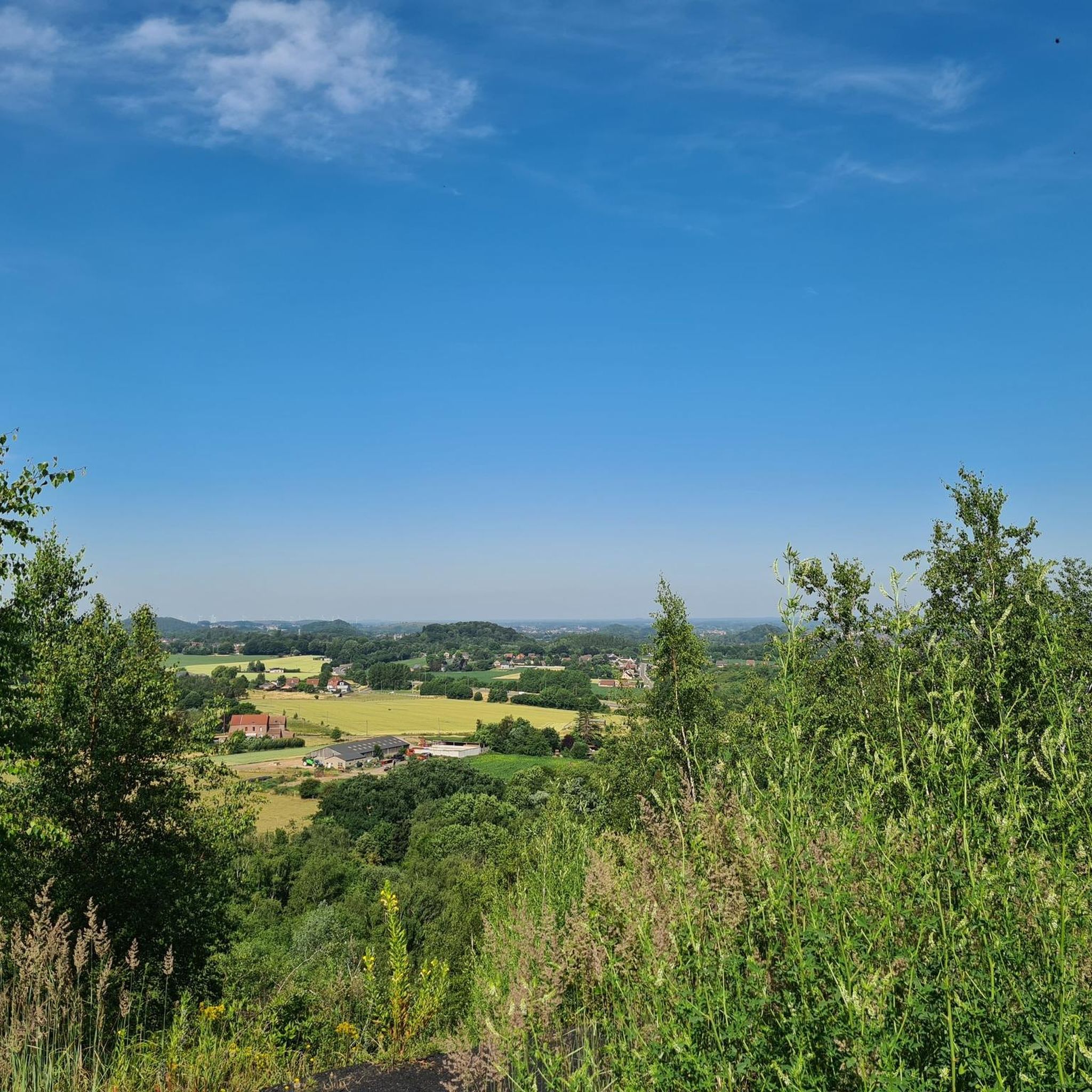
Attractions and places to see around Bettrechies highlight its rich history, natural beauty, and cultural heritage within the Nord department of France. The village is situated on a steep slope of the Hogneau stream, offering a picturesque green setting. Bettrechies is known for its geological heritage, particularly its "Blue Gold" referring to marble and blue stone, with marble extraction dating back to the 18th century. This area provides a blend of historical landmarks and natural features for exploration.
Best attractions…
Last updated: July 7, 2026
Le Caillou-qui-Bique
Highlight • Natural Monument
A little step back in time... …
Translated by Google •
Tip by

Le Chalet Du Garde
Highlight • Cafe
A growing number of tourists encouraged Léon Laurent to build a café restaurant in 1892 with a billiard room and bedrooms. It was the time of …
Translated by Google •
Tip by

Sign up now to discover places like this
Get recommendations on the best single tracks, peaks, & plenty of other exciting outdoor places.
Sign up for free
Bois d'Angre
Highlight • Forest
Translated by Google •
Tip by

Emile Verhaeren Stone
Highlight • Monument
"Admire man and admire the earth, and you will live fervently and …
Translated by Google •
Tip by
RAVeL 98/98A Junction
Highlight • Cycleway
Translated by Google •
Tip by
Sign up for free to discover even more attractions around Bettrechies.
Sign up for free
Already have an account?
Start today with a free account
Your next adventure awaits.
Login or Signup

Tips from the Community

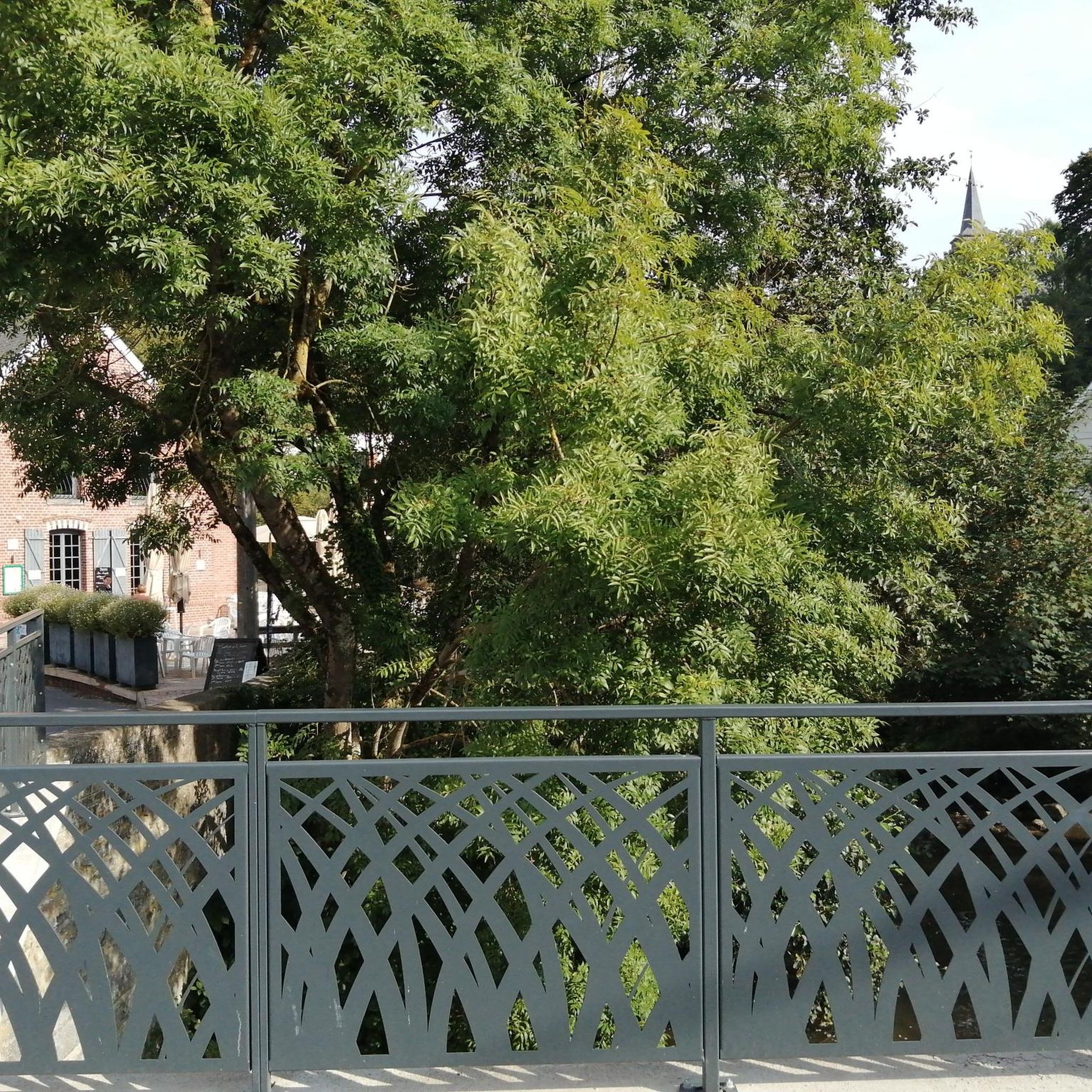
cafe in the middle of the woods, very friendly owner with cozy terrace. definitely recommended.
1
0

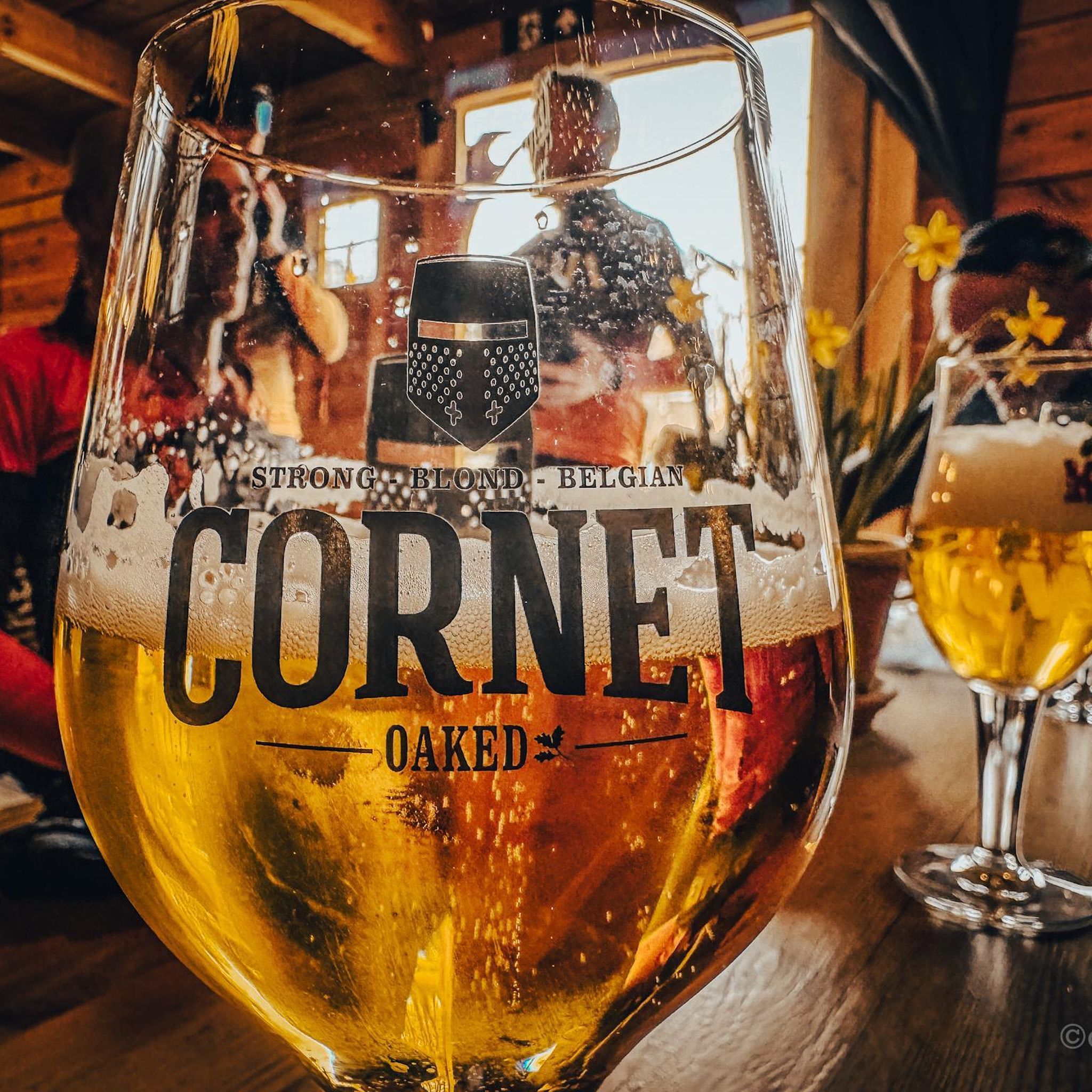
Very friendly welcome! Ideal place during a hike or a stroll in the surrounding area to drink a local beer, Daffodil.
1
0

The Bois d'Angre, located in Honnelles, is a forest renowned for the Caillou-qui-Bique, a 370 million year old pudding rock. This forest is home to rich biodiversity with oaks, ash trees and various rare species. A place of legends and hikes, the Angre woods is a precious natural site in Wallonia, managed by Natagora and other organizations to preserve its unique fauna and flora.
2
0

This rock formation is very special in the forest!
2
0

The Borinage is inextricably linked to a prestigious industrial past that created a lot of wealth in Europe. A number of small railway lines were built to transport both labor and coal. These lines have now been transformed into beautiful RAVeL routes. These four routes of the RAVeL of the Borinage (Lines 98,98A, 98B and 98C) will take you into different atmospheres in no time. You drive from a heavily urbanized and industrial region to wooded zones and agricultural areas. You will be amazed! On the one hand you cycle between the coal slag heaps, but you also visit cultural places that were visited by Van Gogh and Verhaeren. In short, a bike tour full of surprises! Adventurers can also cycle on the short Line 98B, between Warquignies and Boussu. We propose 3 stages, which are not connected to each other, but can be combined: Line 98, the Borinage hills, between Cuesmes and Quiévrain Line 98A, the RAVeL of the 'Hauts-Pays', between Dour and Onnezies. Line 98C, between Frameries and Hornu. https://ravel.wallonie.be/nl/home/itineraires/local/lignes-98-du-borinage.html
9
0
A legend has been perpetuated for generations on this 25 meter high stone planted on a ridge (in patois we say that it rocks). A little step back in time... Saint-Ghislain completes the construction of its abbey. The devil decides that he will take advantage of the inauguration day to destroy the abbey and its occupants, by throwing an enormous stone found in the Pyrenees at the community. An angel warns Saint-Ghislain of the imminent danger weighing on the abbey. He gathers as many pairs of worn shoes as possible, which he slips into a huge bag and takes to the road to meet the evil one. Coming across a poor fellow in rags with holes in his shoes at this place, the devil, quite exhausted by the heavy load, questions him: “Is the abbey of Saint-Ghislain still far away? ". - “I’m coming from there, if it’s far!” » replies the old man while emptying his bag, filled with threadbare shoes, in front of the devil. Discouraged and disappointed, Satan preferred to give up, dropping his heavy stone on the ground and walking away blaspheming, fooled by the subterfuge. An hour and a half. N.B.: some historians say that this is the legend of Saint Remacle, during the construction of Stavelot Abbey. You are therefore free to substitute Remacle for Saint-Ghislain since this substitution does not modify the spirit of the story. In both cases, the devil is defeated. Cfr de informatiesteen ter hoogte van Le Chalet de Garde.
10
1
Friendly welcome and low prices!
7
0
Emile Adolphus Gustavus Verhaeren (Sint-Amands, May 21, 1855 – Rouen, November 27, 1916) was a French-speaking Belgian author and a representative of Symbolism. He was a poet, wrote short stories, art criticism and drama. His work has been translated into 28 languages (including English, Russian, German, Chinese and Japanese).[1] Verhaeren made his debut in 1883 with Les Flamandes, a naturalistic collection inspired by the voluptuous scenes from Flemish painting of the 16th and 17th centuries. In 1886 Les Moines follows in the sphere of religious mysticism. From 1888 to 1891 he published his black trilogy: Les Soirs (1888), Les Débâcles (1888) and Flambeaux noirs (1891). The collections, published bibliophile by Edmond Deman in Brussels, bathe in the dark fin-de-siècle atmosphere of melancholy and self-torture. Those were the years in which Verhaeren suffered from neurasthenia. https://nl.wikipedia.org/wiki/Emile_Verhaeren
8
1
Frequently Asked Questions
What natural attractions and outdoor activities can I find around Bettrechies?
Bettrechies offers several natural highlights and outdoor opportunities. You can explore the Bois d'Angre, a forest known for its rich biodiversity and a 370-million-year-old pudding rock. A portion of the Réserve naturelle régionale du bois d'Encade is also located here, protecting the Hogneau riverbanks. For those interested in the region's geological heritage, the "Sentier de randonnée des carriers" (Quarriers' hiking trail) provides insights into historical quarrying activities. You can find various routes for mountain biking, running, and cycling in the area.
Are there any historical landmarks or cultural sites to visit in Bettrechies?
Yes, Bettrechies is rich in history. Notable landmarks include the Église Saint-Martin, built in 1847, and the Bettrechies Fountain from 1831. The Monument aux Morts commemorates fallen soldiers, and the Cemetery of Bettrechies holds graves from the Commonwealth War Graves Commission. The Chapel on the Route de Saint-Waast also adds to the historical and religious tapestry of the area. The village also has a deep connection to the historical marble industry, which you can learn more about at the Musée du Marbre.
What is the significance of the marble industry in Bettrechies?
Bettrechies has a proud geological heritage, often referred to as its "Blue Gold," due to its history of marble and blue stone exploitation dating back to the 18th century. In the 19th century, the village was renowned for various types of marble, including "black mottled," "almond black," and "snowball black." The Musée du Marbre likely showcases this significant local industry.
Where can I find a unique natural monument with local legends?
You can visit Le Caillou-qui-Bique, a natural monument consisting of a 20 to 25-meter-high rock. This site is steeped in local legends, often involving Saint-Ghislain or Saint Remacle and the devil, making it a fascinating spot to explore.
Are there family-friendly attractions or activities in Bettrechies?
The Bois d'Angre offers walking opportunities suitable for families, with its rich biodiversity and interesting geological features. The Le Chalet Du Garde cafe is also noted as family-friendly, providing a welcoming stop during a hike or walk.
Where can I find a place to rest or eat during my exploration?
For a friendly welcome and a place to relax, visit Le Chalet Du Garde. Operating since 1892, this historic cafe is an ideal spot to enjoy a local beer or a meal during a hike or walk in the surroundings.
What kind of cycling routes are available near Bettrechies?
The area around Bettrechies offers several cycling opportunities. You can explore the RAVeL 98/98A Junction, which connects different cycle paths. These routes, part of the RAVeL of the Borinage, transform former railway lines into scenic trails, taking you through varied landscapes from industrial heritage to wooded and agricultural areas. For more details, refer to the Cycling around Bettrechies guide.
Can I find any unique art or literary connections in Bettrechies?
Yes, Bettrechies has cultural connections. You can find the statue "La danse de Salomé" created by Flemish artist Stefaan Ponette. Additionally, the area features the Emile Verhaeren Stone, engraved with verses by the famous Belgian Symbolist poet, who was inspired by the local landscape.
What is the Bettrechies Meteorite?
On November 26, 1934, an 18 kg chondrite meteorite fell near the Belgian border in Bettrechies. Fragments of this significant celestial event are now housed in museums in Lille and Brussels, making it a unique piece of the village's history.
Are there any specific walking or hiking trails recommended for dog owners?
While specific dog-friendly trails aren't explicitly detailed, the natural areas like the Bois d'Angre and the "Sentier de randonnée des carriers" are generally suitable for walks with dogs, provided they are kept on a leash and local regulations are followed. Many of the running and MTB trails can also be enjoyed on foot with a dog.
What do visitors enjoy most about the attractions around Bettrechies?
Visitors particularly appreciate the blend of natural beauty and historical significance. The legends surrounding Le Caillou-qui-Bique and the serene environment of the Bois d'Angre are highly rated. The welcoming atmosphere and historic charm of places like Le Chalet Du Garde also receive positive feedback from the komoot community.
Most popular routes around Bettrechies
Most popular attractions around Bettrechies

Get inspired with the komoot mobile app


Explore more
Still not found the Highlight you’re looking for? See guides of the top attractions in other regions:
