Attractions and Places To See around Bavay - Top 20
Attractions and places to see around Bavay offer a rich historical experience, particularly its Gallo-Roman past. The area features significant archaeological sites, historical architecture, and access to natural beauty. Bavay was once the ancient capital of the Nervii, known as Bagacum Nerviorum, and served as an important Roman road center. Visitors can explore a blend of cultural heritage and natural landscapes.
Best attractions and places to see around Bavay
- The most popular attractions is Le Caillou-qui-Bique, a natural monument…
Last updated: July 2, 2026
Le Caillou-qui-Bique
Highlight • Natural Monument
A little step back in time... …
Translated by Google •
Tip by

Le Chalet Du Garde
Highlight • Cafe
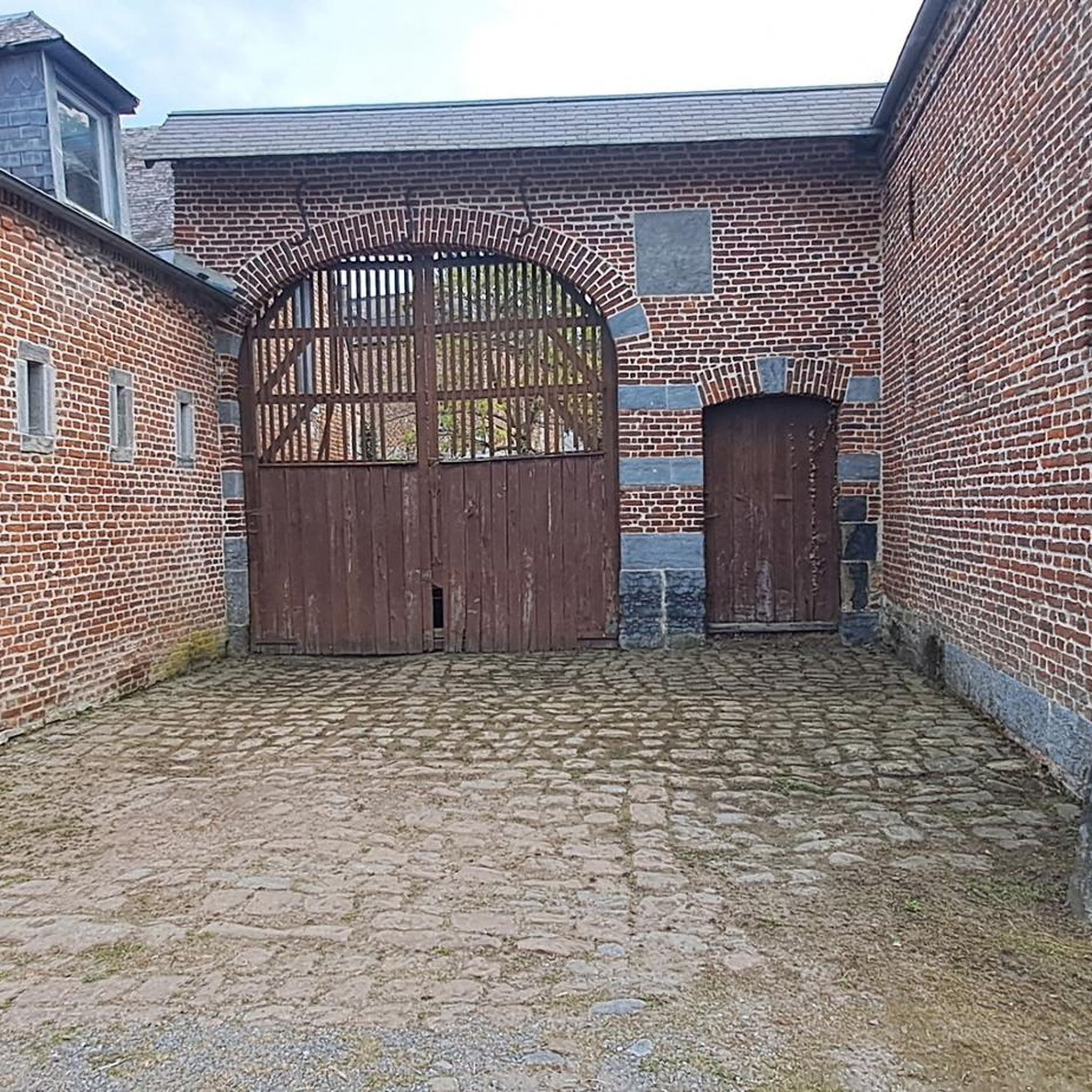
A growing number of tourists encouraged Léon Laurent to build a café restaurant in 1892 with a billiard room and bedrooms. It was the time of …
Translated by Google •
Tip by

Sign up now to discover places like this
Get recommendations on the best single tracks, peaks, & plenty of other exciting outdoor places.
Sign up for free
Bois d'Angre
Highlight • Forest
Translated by Google •
Tip by

Emile Verhaeren Stone
Highlight • Monument
"Admire man and admire the earth, and you will live fervently and …
Translated by Google •
Tip by
Church of Our Lady of the Assumption
Highlight • Religious Site
Translated by Google •
Tip by
Sign up for free to discover even more attractions around Bavay.
Sign up for free
Already have an account?
Start today with a free account
Your next adventure awaits.
Login or Signup

Tips from the Community

Every year on August 15, the Church celebrates an event that even has the rank of a solemnity in the (Catholic) liturgical calendar: the Assumption of Mary, popularly known as “Mary’s Ascension”. In the Roman Missal, the prayer for this special occasion reads as follows: + “Almighty, eternal God, you have preserved the blessed Virgin Mary, who bore Christ for us, from all sin and raised her, body and soul, to the glory of heaven. Grant that we may look to this sign of hope and comfort and remain on the path that leads to your glory.”
0
0

cafe in the middle of the woods, very friendly owner with cozy terrace. definitely recommended.
1
0

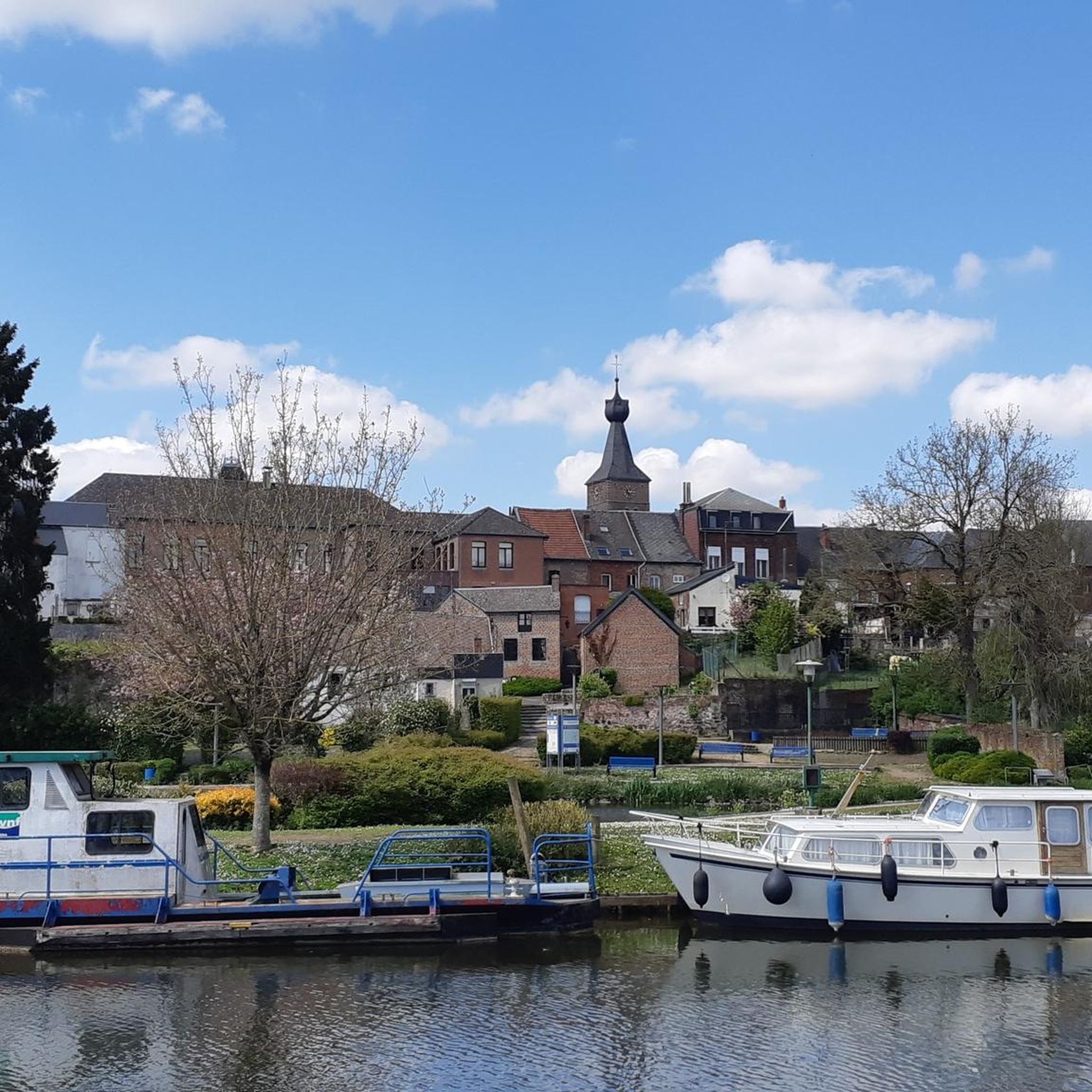
The original church on this site was Sainte-Marguerite, built around 1416. It was destroyed during the French Revolution in 1794. The current church was built between 1826 and 1829 after several architectural plans and revisions. The church was damaged during both world wars but has since been restored. The church is designed in a neoclassical style with a basilica plan. It has a neoclassical facade and a neo-Tuscan bell tower that is 26 meters high. Inside, the nave is divided by six stone columns and lit by 14 windows, while the choir receives light from two beautiful windows and a lantern. The interior of the church is decorated with beautiful stucco decorations illustrating the Immaculate Conception, as well as stained glass windows depicting various names of the Virgin Mary. The main altar shows an image of Mary helping Jesus crush the head of the serpent, a symbol of death and sin. There are also two large paintings, probably by a pupil of Titian, depicting the Annunciation and the Nativity.
16
0

Very friendly welcome! Ideal place during a hike or a stroll in the surrounding area to drink a local beer, Daffodil.
1
0

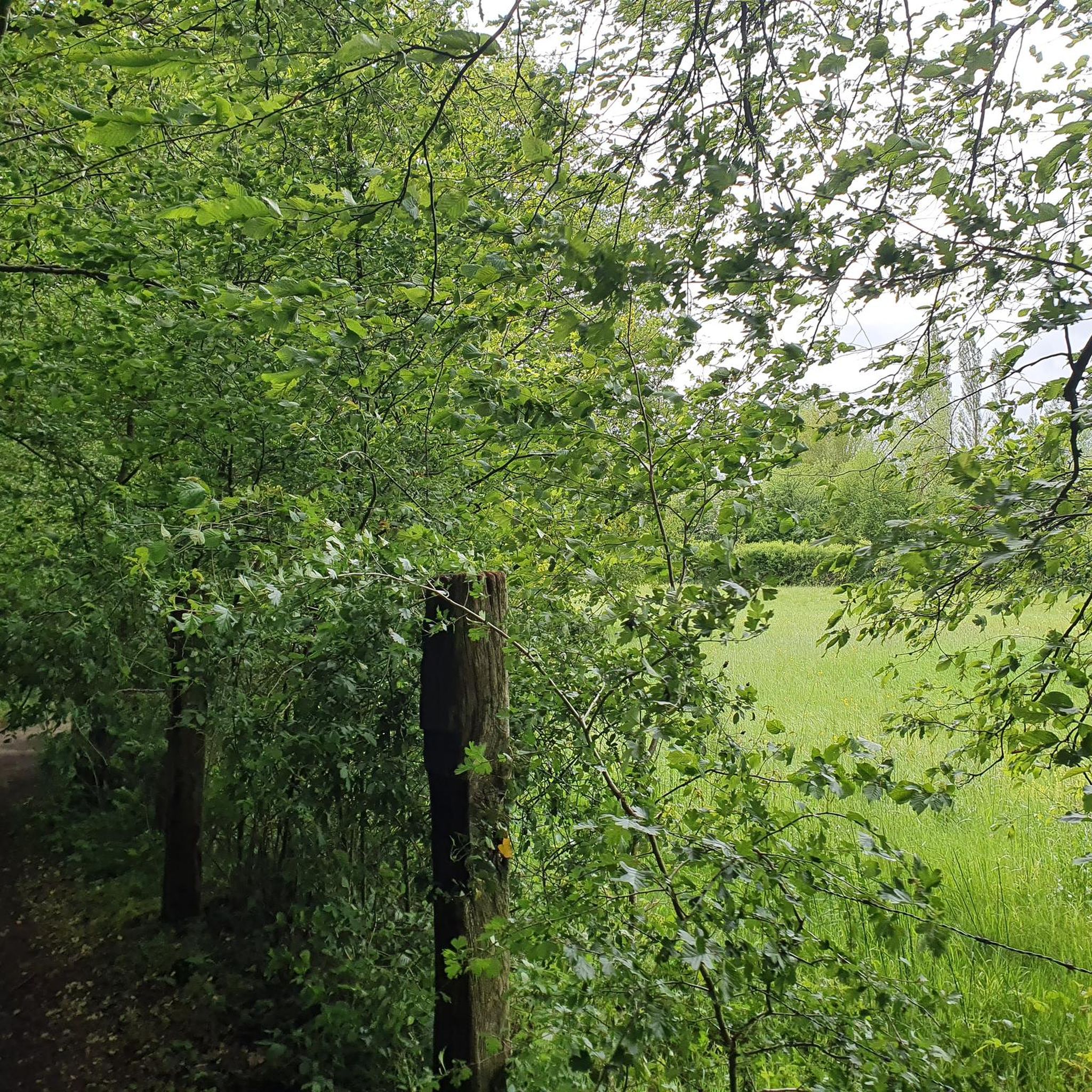
The Bois d'Angre, located in Honnelles, is a forest renowned for the Caillou-qui-Bique, a 370 million year old pudding rock. This forest is home to rich biodiversity with oaks, ash trees and various rare species. A place of legends and hikes, the Angre woods is a precious natural site in Wallonia, managed by Natagora and other organizations to preserve its unique fauna and flora.
2
0

This rock formation is very special in the forest!
2
0
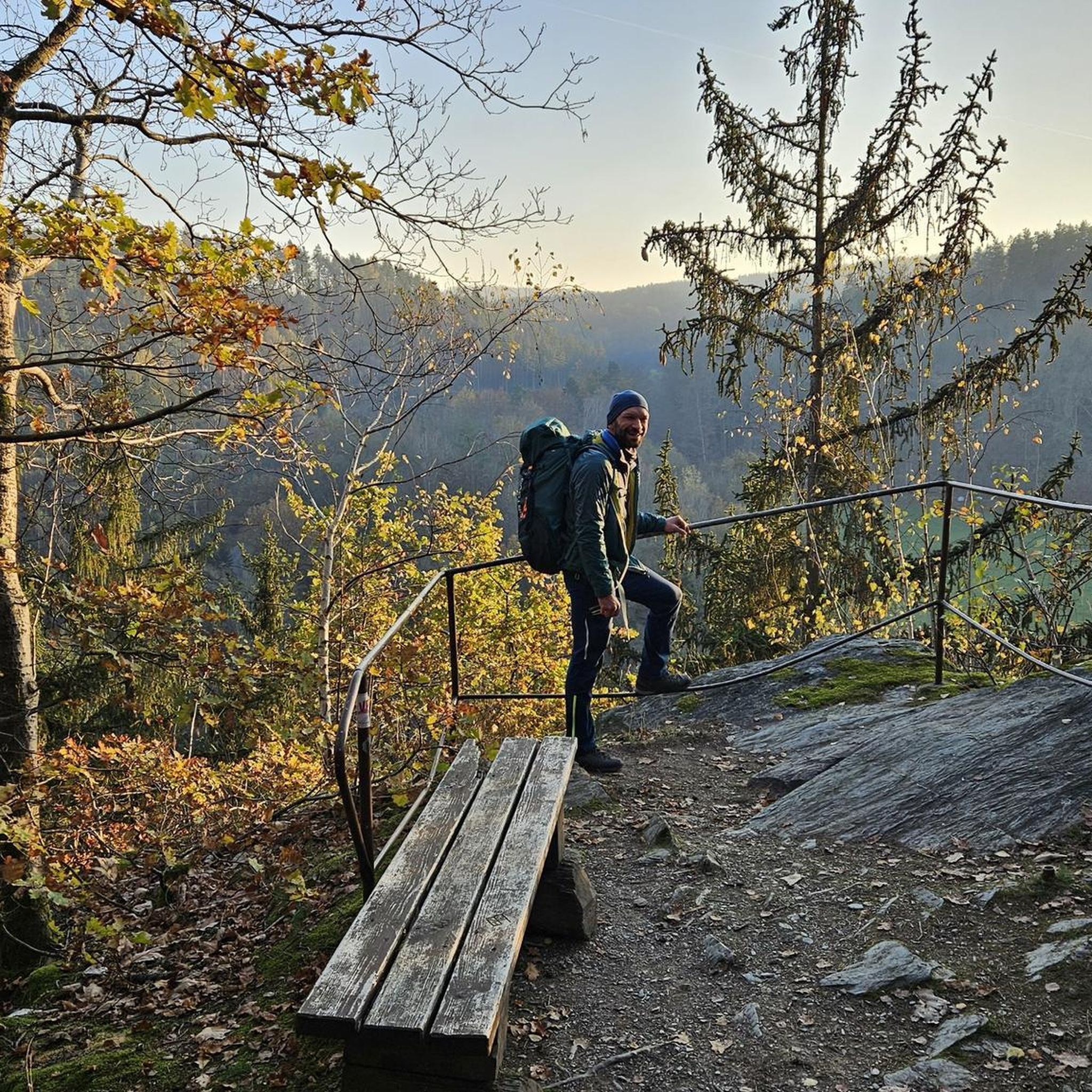
A legend has been perpetuated for generations on this 25 meter high stone planted on a ridge (in patois we say that it rocks). A little step back in time... Saint-Ghislain completes the construction of its abbey. The devil decides that he will take advantage of the inauguration day to destroy the abbey and its occupants, by throwing an enormous stone found in the Pyrenees at the community. An angel warns Saint-Ghislain of the imminent danger weighing on the abbey. He gathers as many pairs of worn shoes as possible, which he slips into a huge bag and takes to the road to meet the evil one. Coming across a poor fellow in rags with holes in his shoes at this place, the devil, quite exhausted by the heavy load, questions him: “Is the abbey of Saint-Ghislain still far away? ". - “I’m coming from there, if it’s far!” » replies the old man while emptying his bag, filled with threadbare shoes, in front of the devil. Discouraged and disappointed, Satan preferred to give up, dropping his heavy stone on the ground and walking away blaspheming, fooled by the subterfuge. An hour and a half. N.B.: some historians say that this is the legend of Saint Remacle, during the construction of Stavelot Abbey. You are therefore free to substitute Remacle for Saint-Ghislain since this substitution does not modify the spirit of the story. In both cases, the devil is defeated. Cfr de informatiesteen ter hoogte van Le Chalet de Garde.
10
1
Friendly welcome and low prices!
7
0
Frequently Asked Questions
What historical sites can I explore in Bavay?
Bavay is rich in Gallo-Roman history. You can visit the Ancient Forum of Bavay and Archaeological Museum, one of the largest Roman forums in France, featuring remains of a basilica, temples, and a cryptoporticus. Don't miss the Hypocaust of Bavay, a 1st-century Roman underfloor heating system. The Brunehaut Column also marks the crossroads of ancient Roman roads, recalling the area's historical importance.
Are there any notable churches or architectural landmarks in Bavay?
Yes, Bavay features several significant architectural sites. The Town Hall and its Belfry showcase stunning Flemish Renaissance architecture, offering panoramic views from its belfry. You can also visit the Gothic Église Notre-Dame de l'Assomption from the 13th century, which houses 18th-century statues and funerary slabs, and the historic Saint-Nicolas Church.
What natural attractions are there around Bavay?
The region around Bavay offers diverse natural beauty. It's situated in the heart of the Parc Naturel Régional de l'Avesnois, which provides numerous hiking opportunities. Within Bavay, Les Jardins de la Grange nature park is home to diverse flora and fauna, walking trails, and an observation tower. You can also explore the Regional Nature Reserve of the career of the Nervii for archaeological and geological interest.
Are there any unique natural monuments or features to see?
Absolutely! One unique natural monument is Le Caillou-qui-Bique, a 25-meter high stone with a local legend, located on the edge of a path. Nearby, the Bois d'Angre forest is renowned for its 370-million-year-old pudding rock and rich biodiversity, offering several walks to discover its natural riches.
What outdoor activities can I do near Bavay?
The area around Bavay is excellent for outdoor activities. You can find numerous routes for running, road cycling, and touring cycling. For example, explore the running trails around Bavay, or embark on a road cycling route like the 'Berlaimont Church – Le Quesnoy loop'. There are also many general cycling routes, such as the 'Au Baron – Col du Long Buisson loop'.
Are there family-friendly attractions or activities in the area?
Yes, several attractions are suitable for families. The Ancient Forum of Bavay and Archaeological Museum can be an educational experience for older children. For outdoor fun, Les Jardins de la Grange nature park offers walking trails and wildlife spotting. Nearby, the Parc Zoologique de Maubeuge is a popular attraction for families, and the Le Chalet Du Garde cafe is a family-friendly stop during a hike.
Where can I find a good place to stop for refreshments during an outdoor excursion?
If you're exploring the natural areas, particularly near Le Caillou-qui-Bique and the Bois d'Angre, Le Chalet Du Garde is an ideal spot. Established in 1892, this cafe restaurant offers a friendly welcome and is perfect for a break, perhaps with a local beer like the Jonquille.
What is the Forest of Mormal and what does it offer?
The Forest of Mormal is the largest forest in the region, providing hundreds of kilometers of paths, cycle routes, and bridleways. It's an excellent destination for hiking, cycling, or horseback riding, allowing visitors to immerse themselves in nature and enjoy the extensive woodland.
Are there any war history sites near Bavay?
Yes, for those interested in war history, the Commonwealth War Graves Commission Cemetery in Bavay contains graves of soldiers from World War II. Additionally, about 10.5 km from Bavay, you can visit Fort de Leveau, one of six forts built to protect Maubeuge, which now houses a museum largely dedicated to the First World War.
What is the Circuit des Sources?
The Circuit des Sources is a hiking trail in and around Bavay that allows visitors to explore local heritage sites. Along this trail, you can discover traditional lavoirs (washhouses) and a bridge, offering a glimpse into the region's past and local culture.
What is the significance of the Emile Verhaeren Stone?
The Emile Verhaeren Stone is a monument dedicated to the Belgian author Emile Verhaeren. You can find several stones in the area engraved with verses from his works, such as "Admire man and admire the earth, and you will live fervently and brightly." Verhaeren was a significant figure in Symbolism and his work often reflected the local landscape.
What is the best time of year to visit Bavay for outdoor activities?
While Bavay can be enjoyed year-round, the spring and autumn months are generally ideal for outdoor activities. Spring brings blooming nature to parks like Les Jardins de la Grange, while autumn offers pleasant temperatures and beautiful foliage in areas like the Forest of Mormal and the Parc Naturel Régional de l'Avesnois, perfect for hiking and cycling.
Most popular attractions around Bavay

Get inspired with the komoot mobile app


Explore more
Still not found the Highlight you’re looking for? See guides of the top attractions in other regions:
