Attractions and Places To See around Monchaux-Sur-Écaillon - Top 20
Best attractions and places to see around Monchaux-Sur-Écaillon include a mix of rural landscapes and historical sites. This charming commune in the Nord department of France is situated in the verdant Écaillon valley, offering natural features like the 33 km long Écaillon river and various hiking opportunities. The area provides access to significant landmarks and cultural sites within its vicinity and nearby towns.
Best attractions and places to see around Monchaux-Sur-Écaillon
- The most popular attractions is Vineyard Pond, a…
Last updated: May 11, 2026
Valenciennes Town Hall
Highlight • Settlement
Translated by Google •
Tip by

Vineyard Pond
Highlight • Lake
Translated by Google •
Tip by

Sign up now to discover places like this
Get recommendations on the best single tracks, peaks, & plenty of other exciting outdoor places.
Sign up for free
Avesnes-le-Sec
Highlight • Settlement
Translated by Google •
Tip by
Country house of the Abbey of Saint-Aubert in Cambrai
Highlight • Historical Site
Translated by Google •
Tip by
Litany Monument
Highlight • Monument
Translated by Google •
Tip by
Sign up for free to discover even more attractions around Monchaux-Sur-Écaillon.
Sign up for free
Already have an account?
Start today with a free account
Your next adventure awaits.
Login or Signup



Tips from the Community


Valenciennes Town Hall is a magnificent building with a rich history. The current town hall is located on the Place d'Armes and is an impressive example of neoclassical architecture. The building was originally built in the 17th century, but was largely destroyed during a bombing raid in 1940. It was later rebuilt and re-inaugurated in 1967. The façade of the town hall is decorated with allegorical statues, the work of the sculptor Philippe Joseph Henri Lemaire. At the top of the building is a pediment by the famous sculptor Jean-Baptiste Carpeaux. The town hall is a symbol of the urban history and culture of Valenciennes and also houses a media library and various exhibitions.
9
0
The Litany monument in Valenciennes is an impressive work of art by the French artist Jean-Bernard Metais. It was unveiled in 2007 on the Place d'Armes and stands on the exact spot where the city's watchtower once stood. This tower, a typical medieval watchtower, collapsed in 1840. The monument consists of a 45-metre high needle pointing towards the sky and a collection of thousands of voices repeating the history and secrets of the city. These words were collected from more than 2,000 residents and visitors to Valenciennes and are incised on the needle. The work is a symbol of the openness and neutrality of the place, where people used to come to trade, debate and celebrate.
10
0
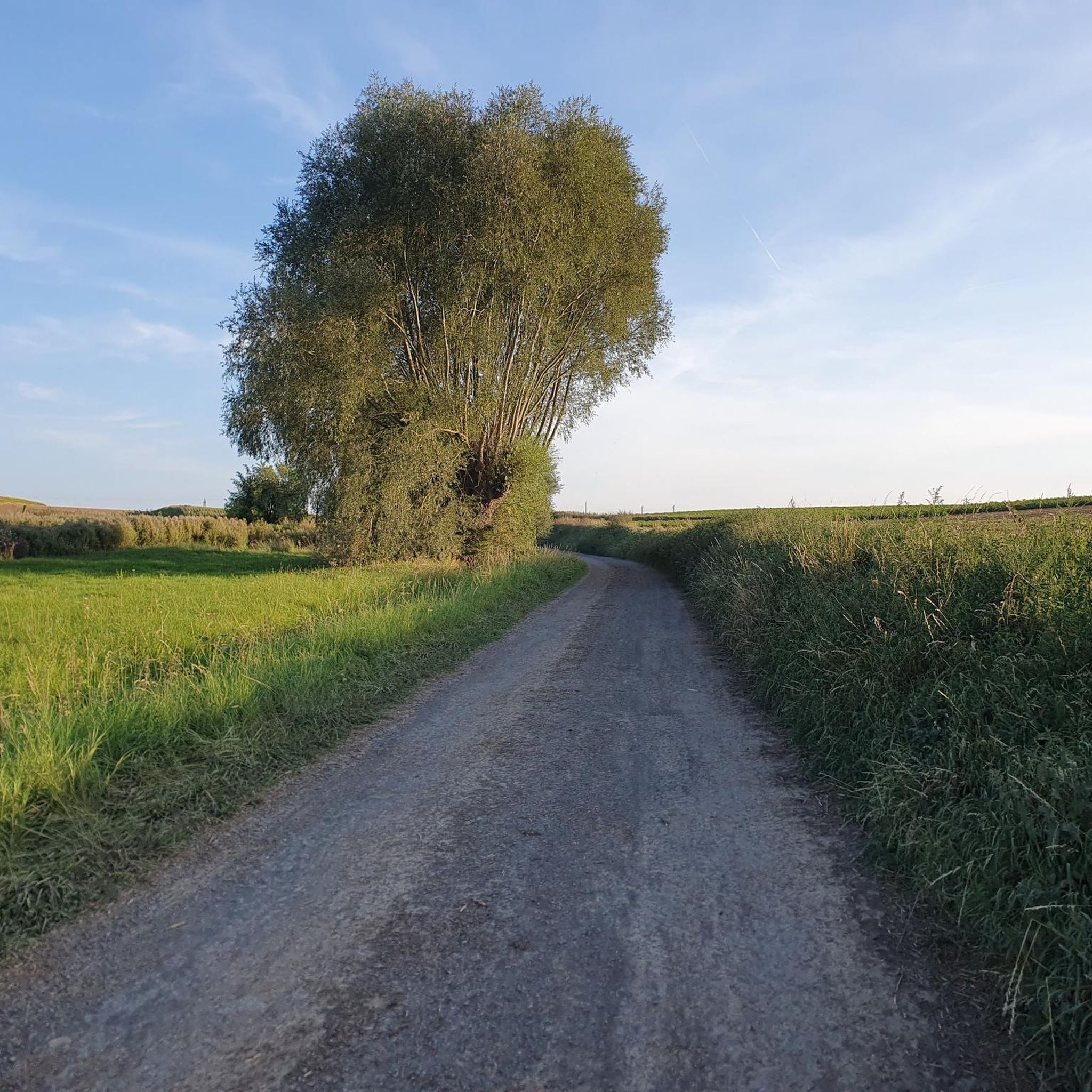
The Lac du Vignoble is a beautiful lake located in Valenciennes, about two kilometers southwest of the central city area. The lake is surrounded by a green area and offers many recreational activities such as hiking, biking, canoeing, and more. The tour around is about 4 km.
1
0

Very impressive town hall.
2
0
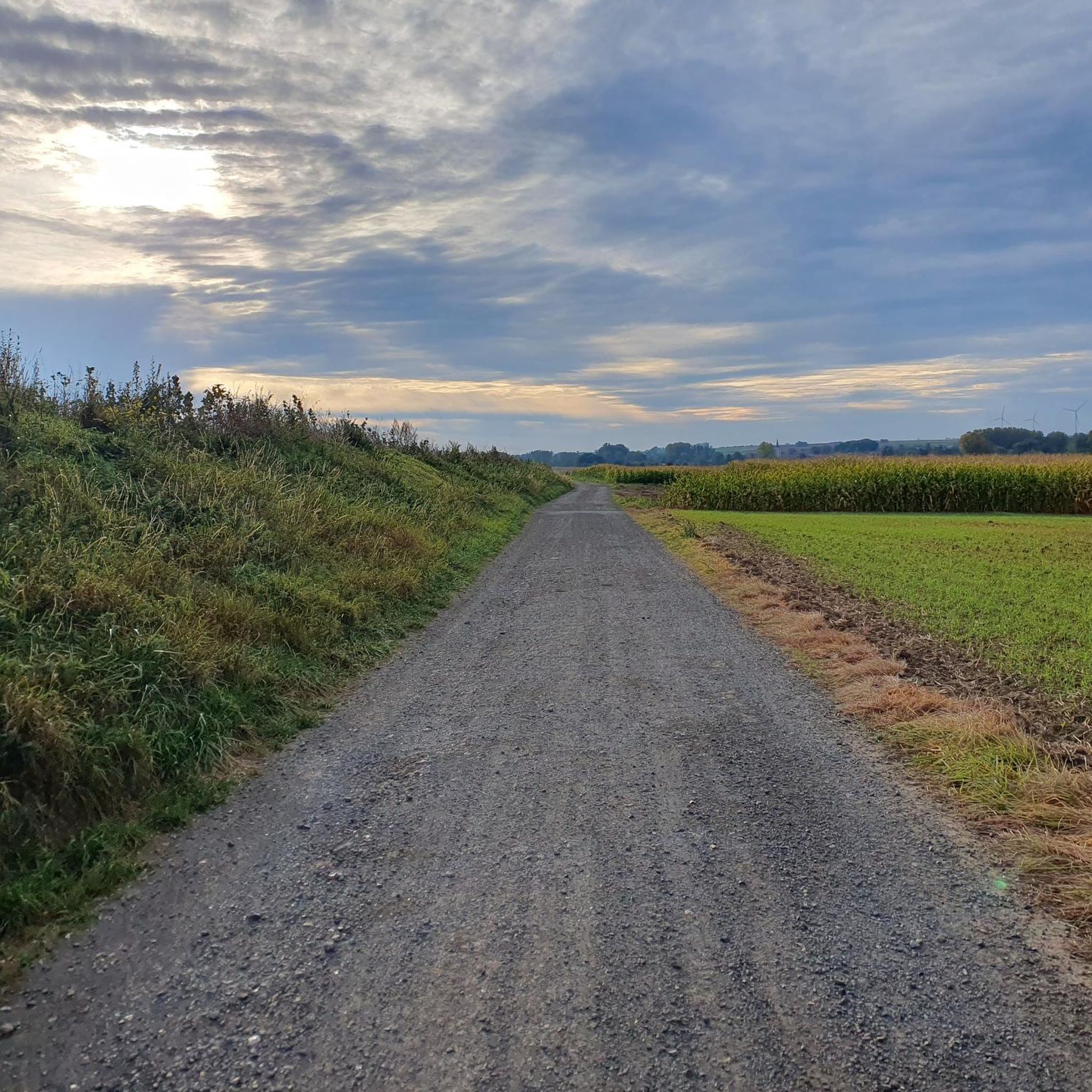
Avesnes-le-Sec is a commune in the French Northern Department, in the Hauts-de-France region. It has an area of 10.4 km² and has 1,445 inhabitants (2020). It is part of the arrondissement of Valenciennes and the canton of Denain. Avesnes-le-Sec has a number of sites and heritage that testify to its history and culture. Some examples are: Avesnes-le-Sec Communal Cemetery Extension, a war cemetery from the First World War, where 65 British soldiers are buried. The ruins of the Moulin de Pierre, a tower mill from the 18th century, built with white limestone from the region. The mill was destroyed by a German shell in 1918. The Saint Aubertus Church, a Gothic church from the 12th century, dedicated to the patron saint of the municipality. The church has a remarkable portal with sculptures and an organ from the 19th century. Avesnes-le-Sec is also a pleasant place for walking or cycling, thanks to its green surroundings and its proximity to the River Somme. There are several routes and paths that run along the water or through the countryside. One of the most beautiful routes is the Voie verte du cavalier d'Agincourt, which connects Aniche to Escaudain over a distance of 12 km.
5
0

You can hike around the Etang du Vignoble near Valenciennes. This is a large pond that was created from an old gravel pit in the 20th century. You can walk on very well maintained paths and enjoy the pond from its banks. The pond is open all year round.
3
1
The castle was built in the 17th century and was completed in the 19th century. Originally owned by the Abbaye Saint-Aubert de Cambrai, the castle was built on land owned by the abbey. The plans are said to have belonged to Ange-Jacques Gabriel or Alexandre-Théodore Brongniart. The castle was sold as national property during the Revolution. With the help of a stooge, Count François Marie Joseph de Frahan became the owner. It was sold by his descendants to Pierre Joseph Danjou in 1853 and then to Nicolas Meriaux in 1884. In 1887, Marie-Adélaide Verkinder, wife of deputy Ernest Déjardin, acquired the château. It passed to her daughter and son-in-law, Ambassador Pierre Lefèvre-Pontalis. During the First World War, the castle became the headquarters of Jagdgeschwader and Baron Manfred von Richthofen lived there. The castle, its moats and bridges have been classified as a historical monument since September 21, 1983, while the outbuildings, the old building on the edge of road number 4, the facades and roofs of the pigeon tower and the pavilion in the park and the perimeter wall with its gates since the same date have been registered as a historical monument.
5
0
Frequently Asked Questions
What natural features can I explore around Monchaux-sur-Écaillon?
Monchaux-sur-Écaillon is nestled in the picturesque Écaillon valley, offering a verdant rural backdrop. You can explore the 33 km long Écaillon river, which flows through the commune. The area also features the significant Neolithic megalith, "Grés de Monfort", a listed Monument Historique. For broader natural landscapes, the Forest of Mormal, Scarpe-Escaut Regional Natural Park, and l'Avesnois Regional Natural Park are within reach.
Are there good hiking opportunities near Monchaux-sur-Écaillon?
Yes, the area around Monchaux-sur-Écaillon offers various hiking trails. A notable route is the "Ballade du Menhir," which takes you from the highest point near the "Grés de Monfort" down into the heart of the Écaillon valley, passing small chapels and calvaries. You can also find trails along the banks of the Écaillon river and through prairies and hedgerows. For more structured routes, explore the running trails guide for the area.
What historical sites are worth visiting near Monchaux-sur-Écaillon?
Beyond Monchaux-sur-Écaillon's own church, several historically significant sites are accessible nearby. You can visit Avesnes-le-Sec, which features a First World War cemetery and a 12th-century Gothic church. The Country house of the Abbey of Saint-Aubert in Cambrai, a 17th-century castle, is also a classified historical monument. Further afield, Cambrai is known for its belfry (a UNESCO World Heritage site) and its historical significance as the site of the world's first tank battle.
Are there any family-friendly attractions around Monchaux-sur-Écaillon?
Yes, the region offers several family-friendly options. The Vineyard Pond, a large lake created from an old gravel pit, provides well-maintained paths ideal for hiking and biking for all ages. The commune of Avesnes-le-Sec also offers pleasant routes for walking or cycling in green surroundings, suitable for families.
What are the best places for cycling around Monchaux-sur-Écaillon?
The area around Monchaux-sur-Écaillon is great for cycling. The Vineyard Pond offers well-maintained paths for biking. For more extensive rides, you can explore the road cycling routes or MTB trails available in the region, with options ranging from easy to moderate difficulty.
Where can I find impressive architecture or cultural monuments?
Valenciennes, a short distance away, boasts the magnificent Valenciennes Town Hall, an impressive example of neoclassical architecture adorned with allegorical statues. Also in Valenciennes, the Litany Monument is a striking 45-meter high needle-like sculpture with thousands of voices inscribed, symbolizing the city's history. Nearby Cambrai and Douai are also known for their impressive belfries, part of a UNESCO World Heritage site.
What is the best time of year to visit Monchaux-sur-Écaillon for outdoor activities?
The Vineyard Pond is accessible all year round for hiking and biking. Generally, the spring and autumn months offer pleasant temperatures for exploring the countryside and trails without the extreme heat of summer or the colder, potentially wetter conditions of winter. However, the tranquil setting of the Écaillon valley can be enjoyed in any season.
Are there any Roman ruins or ancient sites nearby?
Yes, the town of Bavay, located about 25 km from Monchaux-sur-Écaillon, is renowned for its significant Roman forum and other Roman ruins, offering a glimpse into the region's ancient past.
What do visitors enjoy most about the attractions around Monchaux-sur-Écaillon?
Visitors appreciate the blend of natural beauty and historical significance. The Vineyard Pond is highly rated for its well-maintained paths and recreational opportunities. The architectural diversity and historical depth of places like Valenciennes Town Hall and the historical sites in Avesnes-le-Sec are also frequently highlighted by the komoot community.
Can I find spa or wellness activities in the vicinity?
Yes, the town of Saint-Amand-les-Eaux, approximately 18 km distant, has been a spa center for over 2000 years. It offers opportunities for wellness and relaxation, drawing on its long history as a thermal town.
Are there any large forests or nature reserves to visit?
Absolutely. The large Forest of Mormal, located about 22 km away, offers hundreds of kilometers of trails for exploration. Additionally, the Réserve naturelle régionale de la Tourbière de Vred, approximately 19 km away, provides another site of natural beauty and ecological interest.
What are some notable towns or cities to visit for a day trip from Monchaux-sur-Écaillon?
Several interesting towns are within a short drive. Le Quesnoy, about 14 km away, is known for its impressive ramparts. Cambrai, roughly 21 km away, offers historical monuments, a belfry, and a Fine Arts Museum. Douai, about 28 km away, features a pleasant old town and one of the region's most impressive belfries.
Most popular routes around Monchaux-Sur-Écaillon

Get inspired with the komoot mobile app


Explore more
Still not found the Highlight you’re looking for? See guides of the top attractions in other regions:
