Attractions and Places To See around Saint-Saulve - Top 20
Best attractions and places to see around Saint-Saulve include a blend of cultural sites, natural features, and points of interest. The commune, located in the Nord department of France, offers diverse landscapes from forests to former mining areas. Its proximity to the Scarpe-Escaut Regional Nature Park provides opportunities for outdoor activities. The region combines historical significance with natural beauty, making it a destination for exploration.
Best attractions and places to see around Saint-Saulve
- The most popular attractions is Goriaux Pond…
Last updated: July 7, 2026
Le Caillou-qui-Bique
Highlight • Natural Monument
A little step back in time... …
Translated by Google •
Tip by

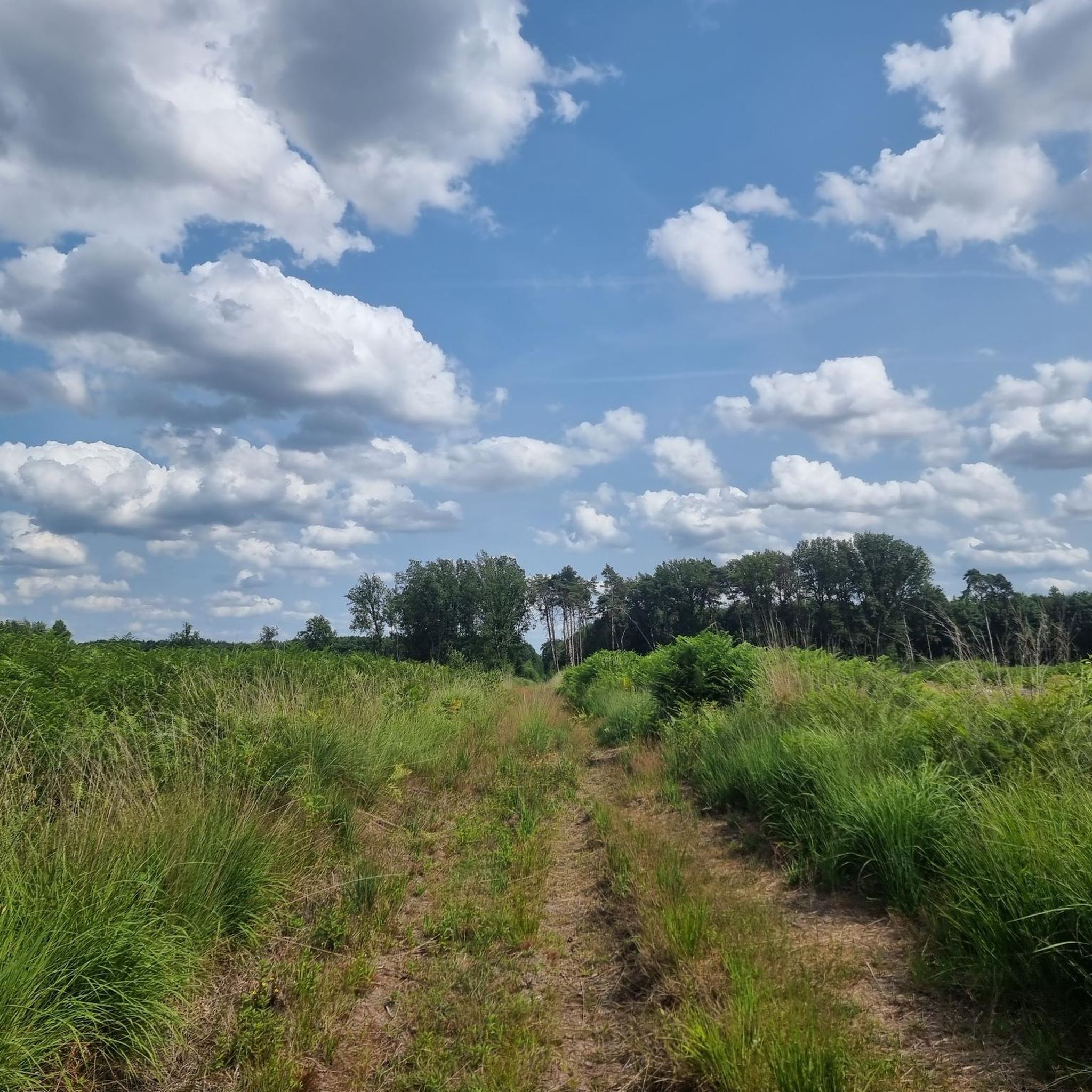
Trouée d'Arenberg
Highlight (Segment) • Cycleway
Translated by Google •
Tip by

Sign up now to discover places like this
Get recommendations on the best single tracks, peaks, & plenty of other exciting outdoor places.
Sign up for free
Le Chalet Du Garde
Highlight • Cafe
A growing number of tourists encouraged Léon Laurent to build a café restaurant in 1892 with a billiard room and bedrooms. It was the time of …
Translated by Google •
Tip by

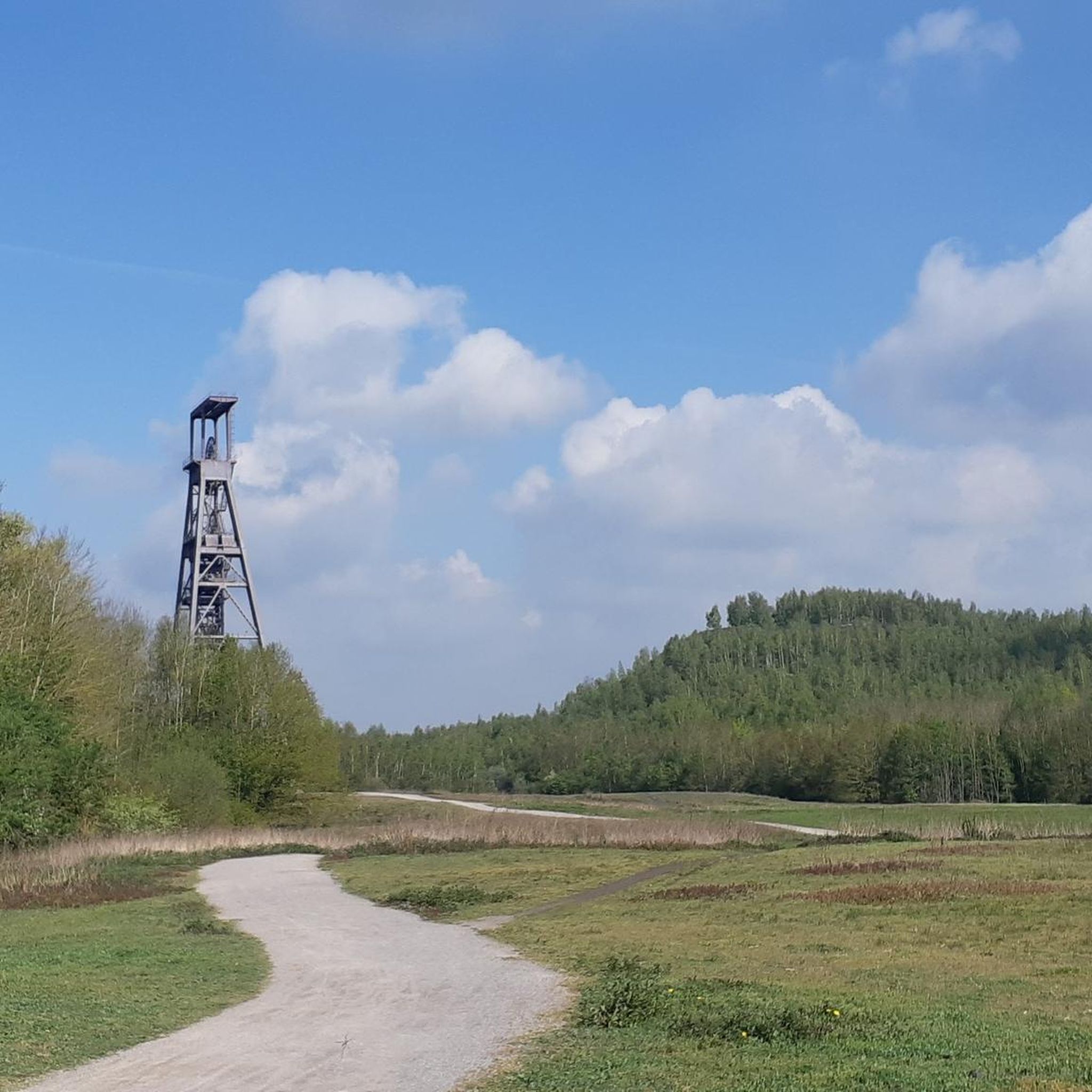
Bois d'Angre
Highlight • Forest
Translated by Google •
Tip by

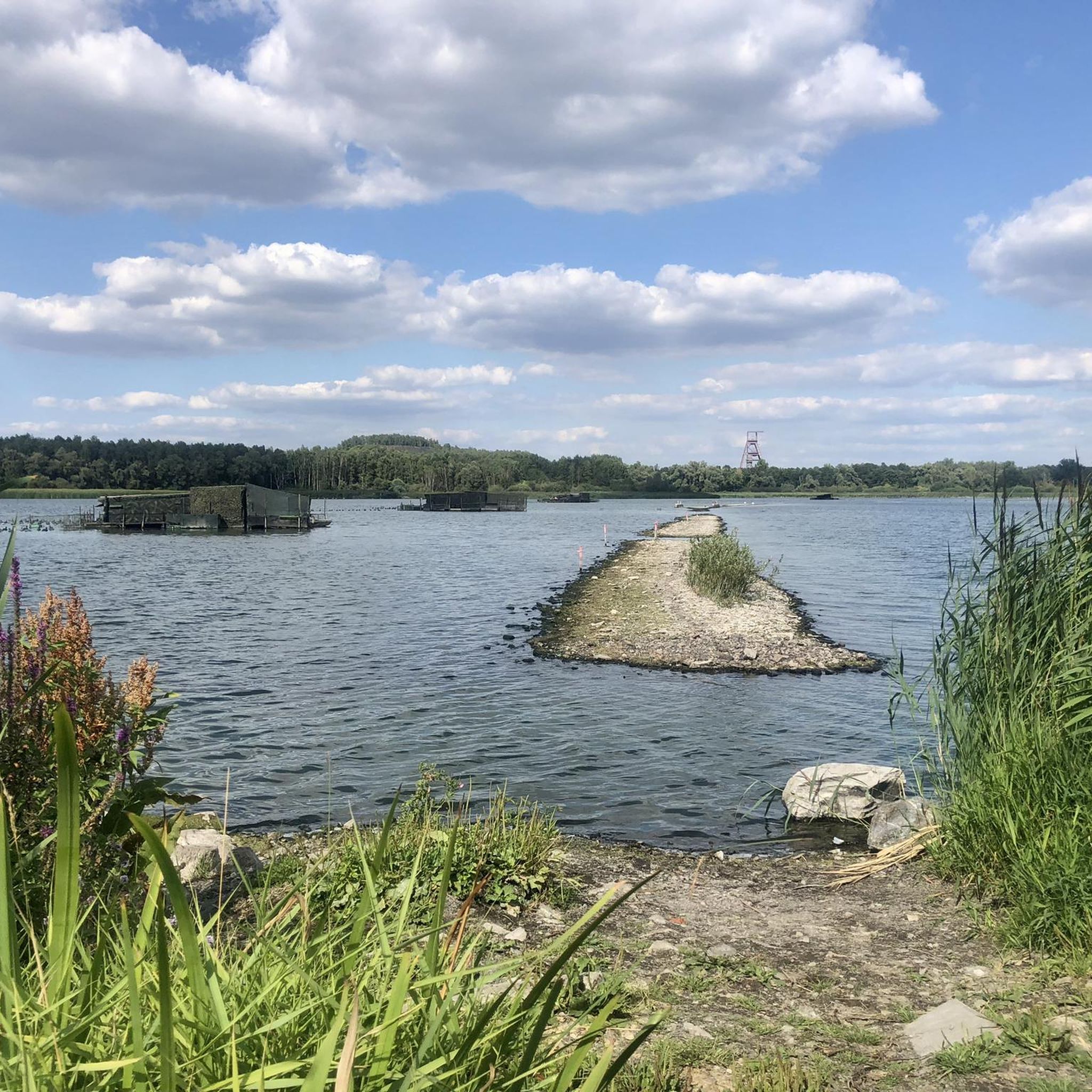
Goriaux Pond
Highlight • Lake
Translated by Google •
Tip by

Sign up for free to discover even more attractions around Saint-Saulve.
Sign up for free
Already have an account?
Start today with a free account
Your next adventure awaits.
Login or Signup


Tips from the Community

cafe in the middle of the woods, very friendly owner with cozy terrace. definitely recommended.
1
0

Sector of one of the oldest legendary cycle races and to think that our idols have ridden it..., great 😊.
4
0

Very friendly welcome! Ideal place during a hike or a stroll in the surrounding area to drink a local beer, Daffodil.
1
0

The Bois d'Angre, located in Honnelles, is a forest renowned for the Caillou-qui-Bique, a 370 million year old pudding rock. This forest is home to rich biodiversity with oaks, ash trees and various rare species. A place of legends and hikes, the Angre woods is a precious natural site in Wallonia, managed by Natagora and other organizations to preserve its unique fauna and flora.
2
0

The Trouée d'Arenberg is a 2.3 km long paved path located in the Raismes-Saint-Amand-Wallers forest in northern France. This path is famous for being part of the Paris-Roubaix cycle race, where it is considered the most difficult section of the route. The cobblestones are uneven and slippery, and the path is often muddy and wet, but you will also enjoy the historic and natural scenery of the former mining region, where you can see the old railway bridge and the wildlife of the forest. The Trouée d'Arenberg is not for the faint-hearted, but it is a unique and rewarding experience for those who dare.
4
0

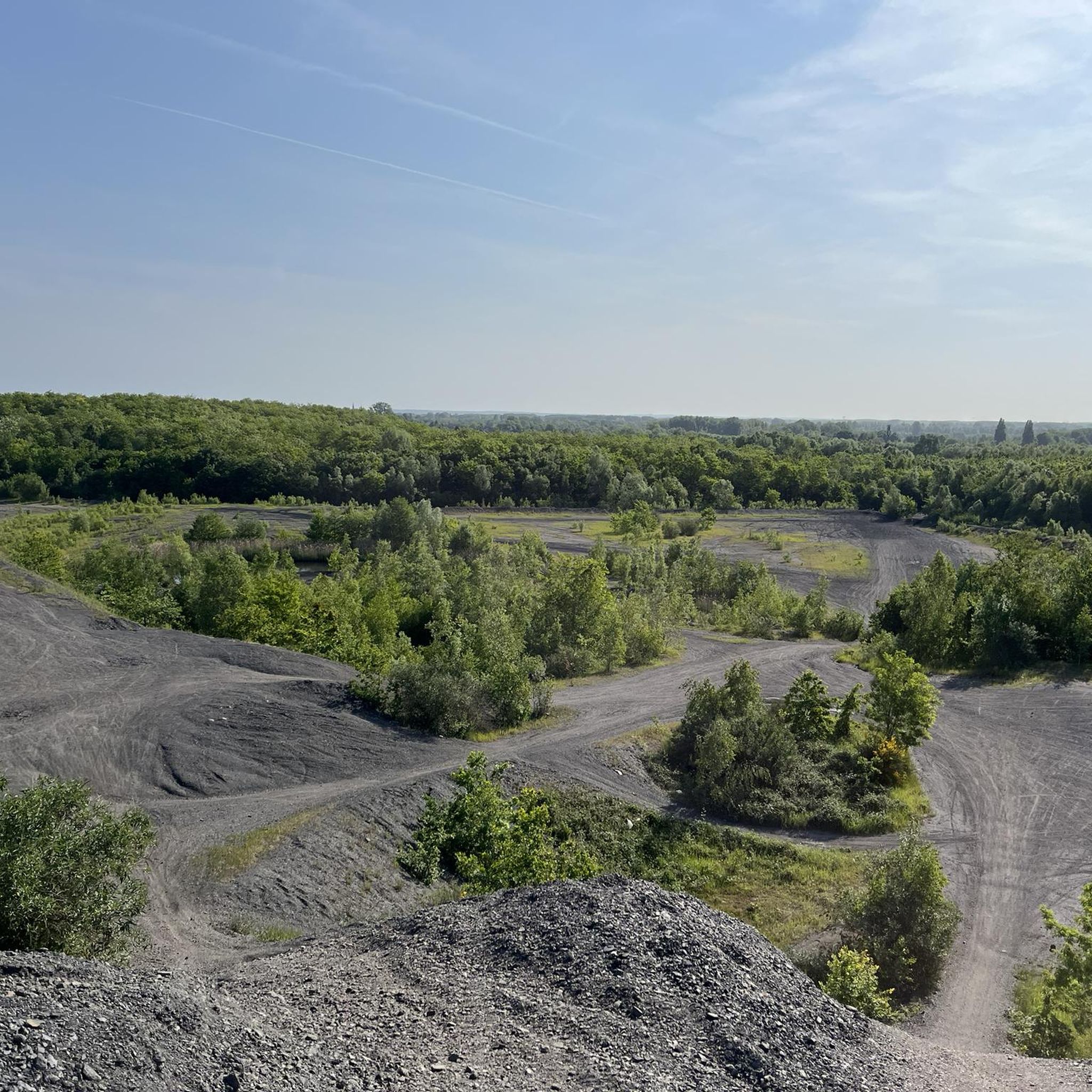
Very mobile with magnificent view of the gorial pond
1
0

This rock formation is very special in the forest!
2
0

A legend has been perpetuated for generations on this 25 meter high stone planted on a ridge (in patois we say that it rocks). A little step back in time... Saint-Ghislain completes the construction of its abbey. The devil decides that he will take advantage of the inauguration day to destroy the abbey and its occupants, by throwing an enormous stone found in the Pyrenees at the community. An angel warns Saint-Ghislain of the imminent danger weighing on the abbey. He gathers as many pairs of worn shoes as possible, which he slips into a huge bag and takes to the road to meet the evil one. Coming across a poor fellow in rags with holes in his shoes at this place, the devil, quite exhausted by the heavy load, questions him: “Is the abbey of Saint-Ghislain still far away? ". - “I’m coming from there, if it’s far!” » replies the old man while emptying his bag, filled with threadbare shoes, in front of the devil. Discouraged and disappointed, Satan preferred to give up, dropping his heavy stone on the ground and walking away blaspheming, fooled by the subterfuge. An hour and a half. N.B.: some historians say that this is the legend of Saint Remacle, during the construction of Stavelot Abbey. You are therefore free to substitute Remacle for Saint-Ghislain since this substitution does not modify the spirit of the story. In both cases, the devil is defeated. Cfr de informatiesteen ter hoogte van Le Chalet de Garde.
10
1
Frequently Asked Questions
What natural features can I explore near Saint-Saulve?
The region offers several natural highlights. You can visit Goriaux Pond, a former mining pit now a national biological reserve and habitat for diverse wildlife. Another unique spot is Le Caillou-qui-Bique, a 25-meter high stone with a local legend, located within the biodiverse Bois d'Angre forest. The broader Scarpe-Escaut Regional Nature Park also provides vast expanses of meadows, farmlands, and forests for exploration.
Are there any historical or cultural sites to visit in Saint-Saulve?
Saint-Saulve and its surroundings offer cultural insights. The Carmel de Saint-Saulve is a significant Carmelite monastery where visitors can attend services and visit the chapel. The MJC - Espace Athena serves as a cultural hub, hosting various events and festivals. While specific ancient basilicas haven't been found, the area has historical ties dating back to medieval times and has yielded prehistoric artifacts.
What outdoor activities can I do near these attractions?
The area around Saint-Saulve is excellent for outdoor activities. You can find numerous routes for hiking, mountain biking, and cycling. For hiking, explore trails like the 'Vineyard Pond – Boardwalks loop' or 'Bunker in Northern France loop'. Cyclists can tackle routes such as 'Étang du Vignoble – Rue des Sayneurs loop' or the challenging Trouée d'Arenberg, famous from the Paris-Roubaix race. You can find more details and routes in the Hiking around Saint-Saulve, MTB Trails around Saint-Saulve, and Cycling around Saint-Saulve guides.
Are there family-friendly activities around Saint-Saulve?
Yes, several attractions are suitable for families. The Goriaux Pond is a great spot for nature observation and easy walks. The Bois d'Angre offers pleasant forest trails and the intriguing Le Caillou-qui-Bique with its local legend. Many of the regional parks, like the Scarpe-Escaut Regional Nature Park, provide ample space for children to explore and enjoy the outdoors.
What is the best time to visit Saint-Saulve for outdoor activities?
The best time to visit Saint-Saulve for outdoor activities is generally during the spring (April to June) and autumn (September to October) months. During these periods, the weather is typically mild and pleasant, ideal for hiking, cycling, and exploring natural sites like the Scarpe-Escaut Regional Nature Park. Summer can also be enjoyable, though it can be warmer.
Are there any cafes or restaurants near the main attractions?
Yes, near some of the natural attractions, you can find places to refresh. For instance, close to Le Caillou-qui-Bique and the Bois d'Angre, there is Le Chalet Du Garde, a cafe and restaurant with a long history, offering a friendly welcome and local beverages. In Saint-Saulve itself and nearby larger towns like Valenciennes, you'll find a wider selection of dining options.
What do visitors enjoy most about the attractions around Saint-Saulve?
Visitors particularly appreciate the blend of natural beauty and historical significance. The unique geological formations like Le Caillou-qui-Bique and the serene Goriaux Pond are highly rated for their scenic views and wildlife. The challenging yet iconic Trouée d'Arenberg is a draw for cycling enthusiasts. The komoot community has shared over 70 photos and given more than 200 upvotes, highlighting the diverse appeal of the region.
Is public transport available to reach attractions near Saint-Saulve?
While Saint-Saulve is a smaller commune, its proximity to larger towns like Valenciennes means some attractions are accessible. For specific natural sites or forest areas, public transport might be limited, and driving or cycling could be more convenient. It's advisable to check local bus routes for connections to the immediate vicinity of specific points of interest.
Are there any viewpoints offering scenic panoramas?
Yes, several spots offer good views. The area around Goriaux Pond, especially from the adjacent slag heap, provides magnificent views of the water and surrounding landscape. Le Caillou-qui-Bique in the Bois d'Angre is also considered a viewpoint, offering a unique perspective of the forest.
Can I bring my dog to the trails and natural sites?
Many natural areas and trails in the region, including parts of the Scarpe-Escaut Regional Nature Park and the Bois d'Angre, are generally dog-friendly, especially if dogs are kept on a leash. However, it's always recommended to check specific regulations for nature reserves or protected areas like Goriaux Pond, as rules can vary to protect wildlife.
What is the Trouée d'Arenberg and why is it significant?
The Trouée d'Arenberg is a famous cobblestone section through the Arenberg forest, renowned as a decisive part of the Paris-Roubaix classic cycling race. It's a challenging 2,400-meter stretch that often causes mishaps due to its irregular paving, making it a symbol for cycling enthusiasts and a key factor in the race's outcome.
Most popular routes around Saint-Saulve
Most popular attractions around Saint-Saulve

Get inspired with the komoot mobile app


Explore more
Still not found the Highlight you’re looking for? See guides of the top attractions in other regions:
