The best cycling routes around Saint-Aunès
4.4
(2286)
18,192
riders
31
rides
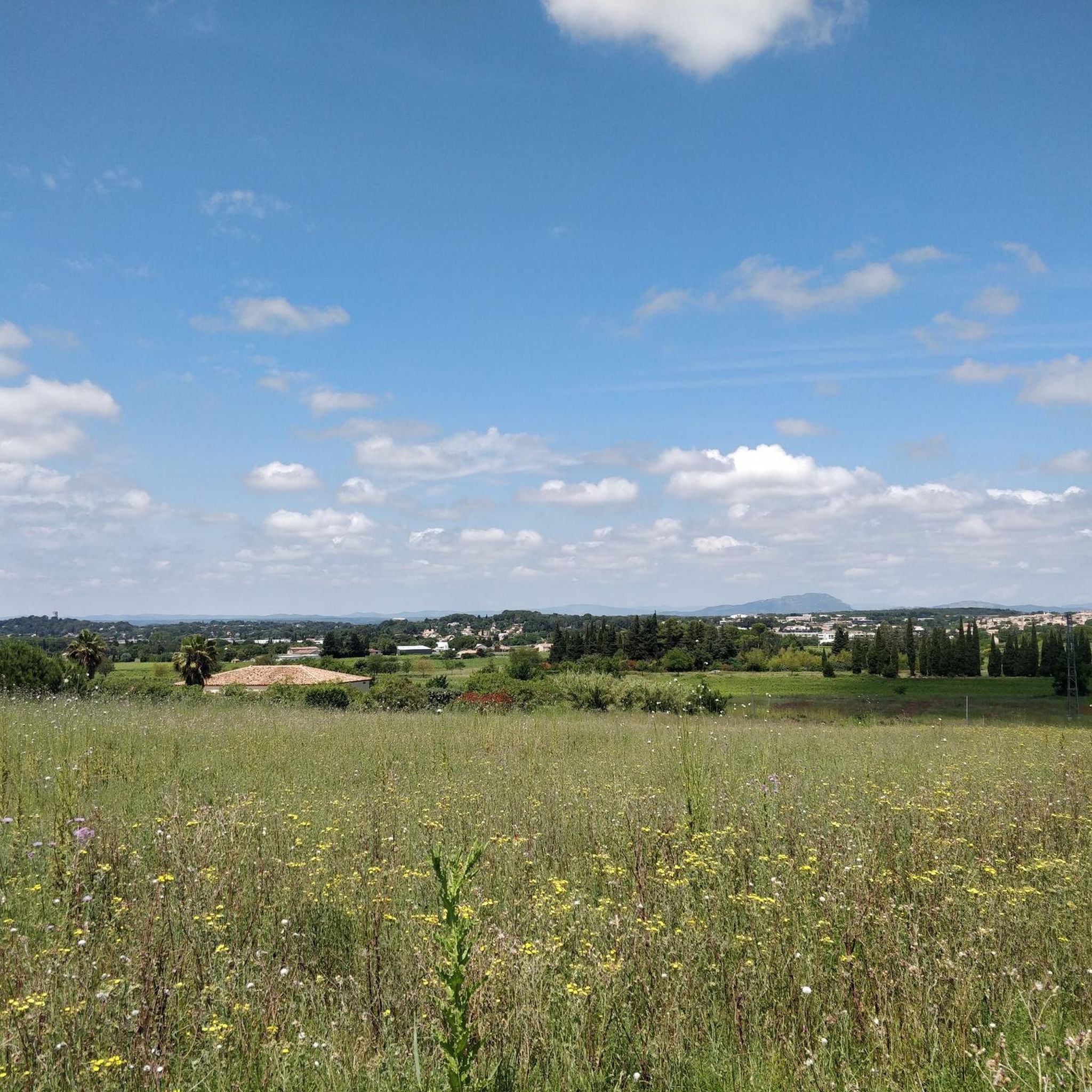
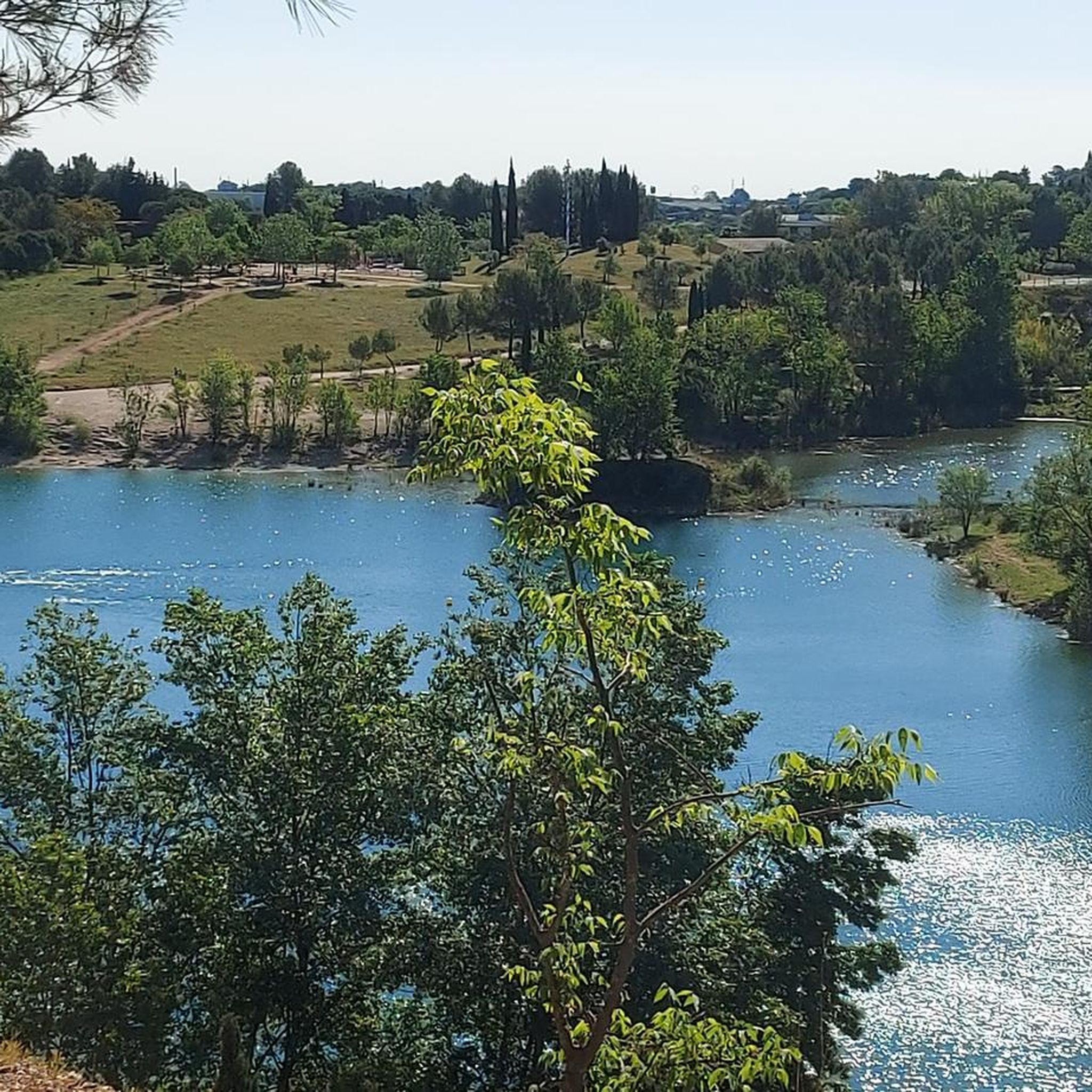
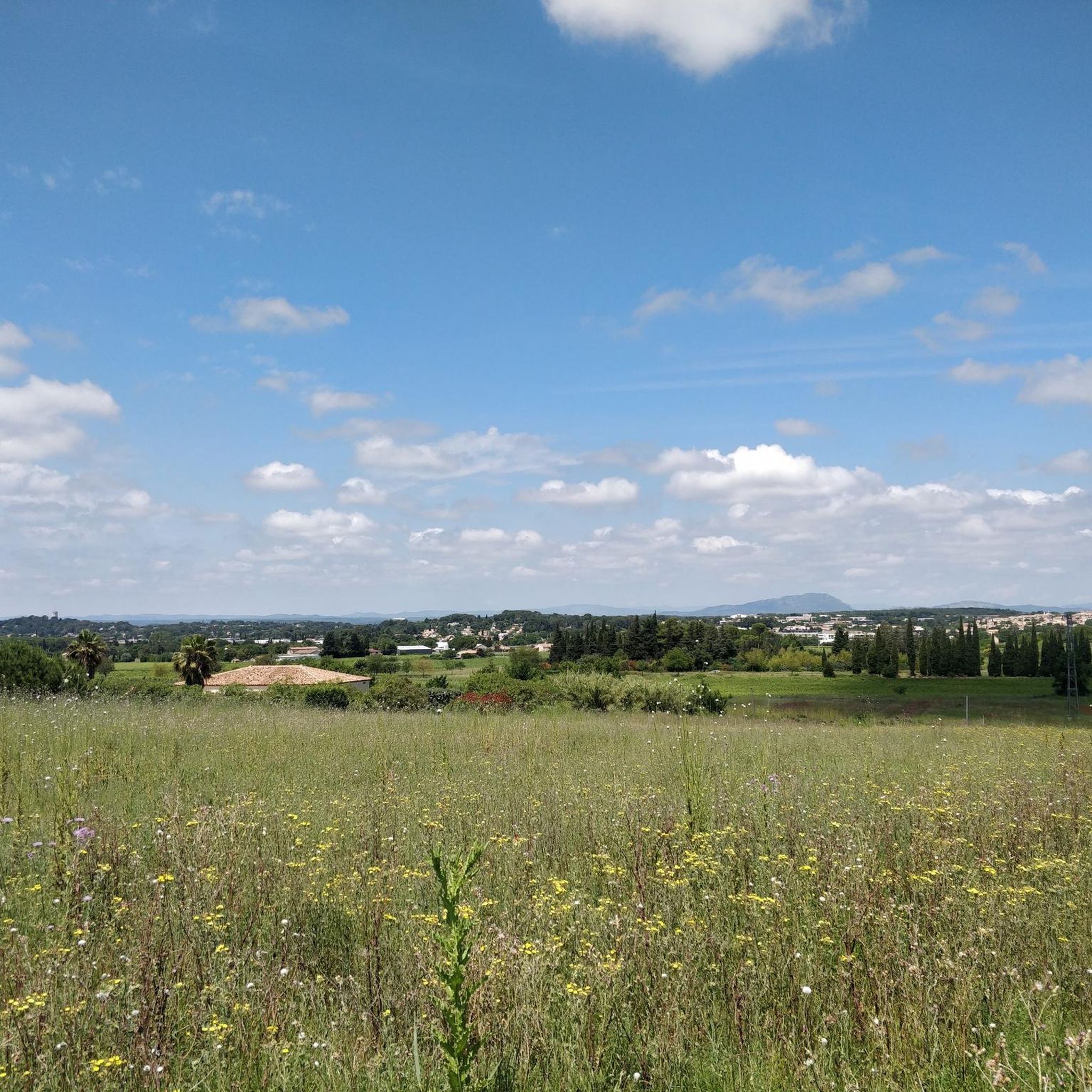
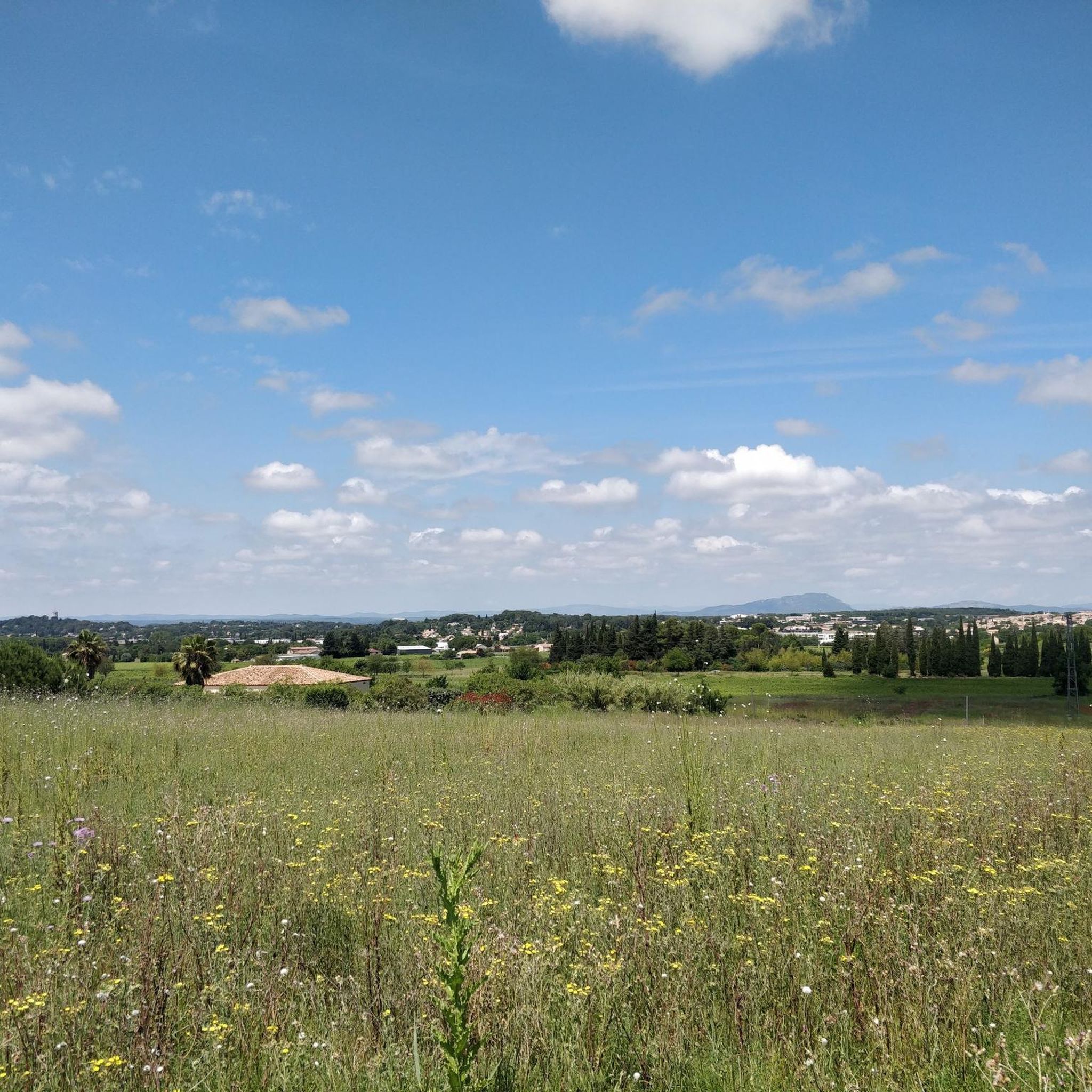
Touring cycling around Saint-Aunès offers diverse landscapes, including green areas, vineyards, orchards, and scrubland. The region features hills that provide elevated views and a mix of flat and undulating terrain. Cyclists can explore routes near the Étangs of Méjean and Arnel, and the area provides access to the Canal du Midi, known for its flat paths.
Best touring cycling routes around Saint-Aunès
- The most popular touring cycling route is Flamingos – Palavas quays loop from Saint-Aunès, a 28.4 miles…
Last updated: October 26, 2026
4.8
(56)
479
riders
45.8km
02:43
160m
160m
Moderate bike ride. Good fitness required. Mostly paved surfaces.
4.7
(12)
75
riders
98.6km
05:53
360m
360m
Hard bike ride. Very good fitness required. Mostly paved surfaces.

5.0
(5)
59
riders
83.9km
05:13
700m
700m
Hard bike ride. Very good fitness required. Mostly paved surfaces.
4.0
(1)
36
riders
111km
07:08
1,250m
1,250m
Hard bike ride. Very good fitness required. Mostly paved surfaces.
4.7
(3)
18
riders
97.2km
06:14
1,070m
1,070m
Hard bike ride. Very good fitness required. Mostly paved surfaces.
Get access to more routes and recommendations from other explorers.
Already have an account?
Our route recommendations are based on thousands of hikes, rides, and runs completed by other people on komoot.
Start today with a free account
Your next adventure awaits.

Tips from the Community

From Frontignan to Palavas-les-Flots, the route follows the Canal du Rhône à Sète through one of the large lagoon complexes on the Languedoc coast. After the Étang d'Ingril and the Aresquiers, the canal successively crosses or runs alongside the Étangs de Vic and de Pierre-Blanche, then passes between those of l'Arnel and du Prévost before reaching Palavas. The canal itself is a major historical element of this landscape. Its construction began in 1701 under the name Canal des Étangs, in order to ensure continuity between the Royal Canal of Languedoc – today the Canal du Midi – and the Rhône. The route, completed in 1829, passes through Frontignan, Maguelone and Palavas before joining Aigues-Mortes and then Beaucaire. In Frontignan, its opening in the 18th century profoundly modified the landscape: the canal notably separated the former Étang de Frontignan into two complexes, giving rise to the Étang d'Ingril and that of La Peyrade.
3
0
From the greenway, the panorama opens onto the Étang de Vic. This vast coastal lagoon of over 1,000 hectares stretches between the Gardiole massif and the Aresquiers lido. Protected within the Natura 2000 site of the Palavasian ponds and recognized as a wetland of international importance under the Ramsar convention, the pond forms a vast landscape of lagoon, salt marshes, and wetlands here. This opening allows its full extent to be appreciated from the surroundings of Vic-la-Gardiole.
3
0
At the exit of Palavas-les-Flots, the voie verte follows the mouth of the Lez river in contact with the ponds. The coastal river joins here the coastal plain and its lagoons, including the Étang du Grec, a vast protected wetland. Reed beds, sansouïres and halophytic vegetation make up a magnificent landscape.
3
0

The canals of Sète, nicknamed the "Venice of Languedoc", connect the Thau lagoon to the Mediterranean Sea and structure the entire heart of the city.
0
0
The greenway between Frontignan and Vic-la-Gardiole is a cycle path of about 9 kilometers, completely safe and without any elevation gain. It runs alongside the departmental road D114, offering a route of great beauty between the sea and the ponds.
0
0
The étang du Méjean (also called étang de Pérols) is a protected natural site of over 600 hectares located in Lattes, just 8 kilometers south of Montpellier. Managed by the Conservatoire du littoral, this exceptional lagoon space offers a mosaic of preserved landscapes (marshes, reed beds, sansouïres) where you can easily observe pink flamingos, white storks, bulls, and Camargue horses.
0
0
L'étang de l'Arnel is a vast coastal lagoon located in the municipality of Villeneuve-lès-Maguelone, in the Hérault department, less than 20 km south of Montpellier.
0
0
The protected natural site of Méjean de Lattes is developed between lagoons and sansouire on the shores of the Étang du Méjean.
0
0
Frequently Asked Questions
How many touring cycling routes are available around Saint-Aunès?
There are over 25 touring cycling routes around Saint-Aunès, offering a wide range of options for different preferences and skill levels. These routes cover a recorded distance of over 2,400 km.
What kind of terrain can I expect on touring cycling routes around Saint-Aunès?
The region offers a diverse mix of terrain. You'll find routes through green landscapes, vineyards, orchards, and scrubland. There are both flat and undulating sections, with some hills providing elevated views. You can also cycle along the tranquil paths of the Canal du Midi or explore routes near the coastal lagoons.
What are the general difficulty levels of touring cycling routes in Saint-Aunès?
The routes around Saint-Aunès cater to various abilities. There are 9 easy routes, 8 moderate routes, and 12 difficult routes available. This variety ensures options for relaxed rides as well as more challenging excursions.
Are there any circular touring cycling routes in Saint-Aunès?
Yes, many touring cycling routes around Saint-Aunès are designed as loops. For example, the Flamingos – Palavas quays loop from Saint-Aunès and the Flamingos – Etang du Méjean loop from Saint-Aunès are popular circular options that allow you to start and end in the same location.
What historical landmarks or points of interest can I see along the touring cycling routes?
Beyond natural beauty, you can explore several historical and cultural sites. Consider cycling to the Castries Aqueduct, or venture towards Montpellier to see the impressive Peyrou Gate and the Three Graces Fountain at Place de la Comédie. The route Les Matelles, medieval village – Lez Resurgence loop from Saint-Aunès also passes through a charming medieval village.
Can I see flamingos or other wildlife on touring cycling routes near Saint-Aunès?
Absolutely! The region is known for its lagoons, particularly the Étangs of Méjean and Arnel. Routes like the Flamingos – Etang du Méjean loop from Saint-Aunès offer excellent opportunities to spot flamingos and other birdlife, especially around the Étang de Pérols.
Are there any family-friendly touring cycling routes in Saint-Aunès?
Yes, Saint-Aunès offers options suitable for families. The flat and easy paths along the Canal du Midi, which are accessible from the region, are particularly good for relaxed family rides. Many routes through vineyards and agricultural areas also feature gentle gradients, making them enjoyable for all ages.
What do other cyclists say about touring cycling in Saint-Aunès?
The touring cycling routes around Saint-Aunès are highly rated by the komoot community, with an average score of 4.4 stars from over 370 reviews. Cyclists often praise the diverse landscapes, the opportunity to see wildlife like flamingos, and the well-connected network of routes that cater to different abilities.
Are there routes that take me to the coast or offer sea views?
Yes, Saint-Aunès is well-situated for coastal rides. The Flamingos – Palavas quays loop from Saint-Aunès is a great option that takes you towards the coastal areas and lagoons, offering views of the Mediterranean Sea from elevated points.
Can I combine cycling with exploring nearby cities like Montpellier?
Definitely. Saint-Aunès provides excellent access to Montpellier. You can cycle into the city and explore its attractions, such as the Place de la Comédie. The route Montpellier National Opera – Europe Square loop from Saint-Aunès is a good example of a tour that connects Saint-Aunès with the city's highlights.
What is the best time of year to go touring cycling in Saint-Aunès?
The region generally enjoys a Mediterranean climate, making spring and autumn ideal for touring cycling. The weather is typically mild, and the landscapes are vibrant. Summer can be warm, so early morning or late afternoon rides are recommended during peak season.
Most popular routes around Saint-Aunès
Most popular attractions around Saint-Aunès

Get inspired with the komoot mobile app


Explore more
Browse the best Cycling routes in other regions.
