Attractions and Places To See around Le Boulou - Top 20
Attractions and places to see around Le Boulou include a variety of historical landmarks, natural features, and cultural sites. Situated between the Mediterranean Sea and the Albères massif in the Pyrénées-Orientales region, the town is traversed by the Tech River. Its location provides access to both mountainous terrain and riverine environments. Le Boulou serves as a base for exploring the diverse landscape and heritage of the region.
Best attractions and places to see around Le Boulou
- The most popular attractions…
Last updated: July 7, 2026
Reynès Iron Bridge
Highlight • Bridge
Translated by Google •
Tip by

Puig Neulós
Highlight • Summit
Translated by Google •
Tip by

Sign up now to discover places like this
Get recommendations on the best single tracks, peaks, & plenty of other exciting outdoor places.
Sign up for free
Chalet of the Albère
Highlight • Other
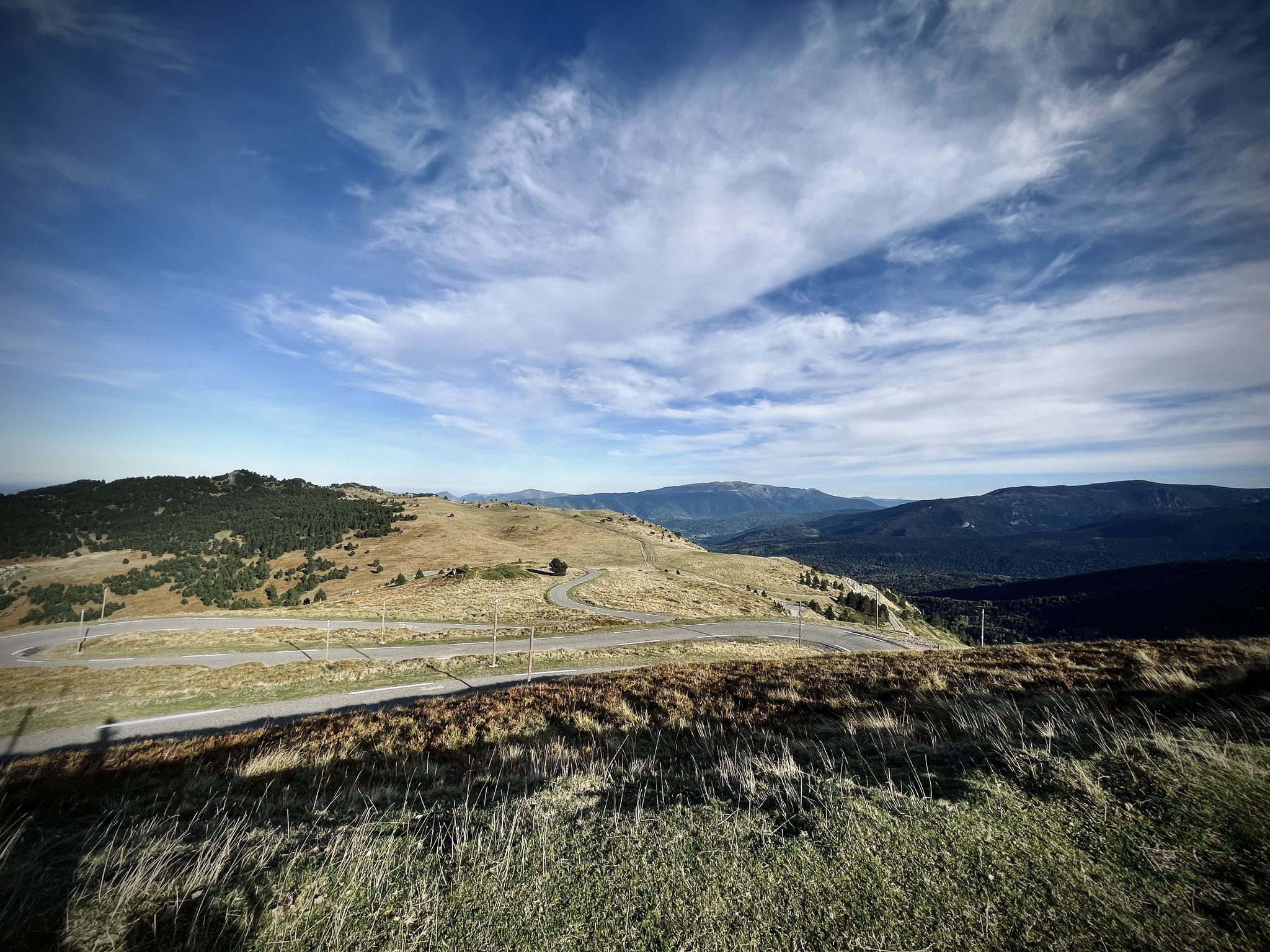
Its privileged location at the Col de l'Ouillat offers a breathtaking setting and panoramic view.
Translated by Google •
Tip by

Devil's bridge
Highlight • Bridge
Translated by Google •
Tip by

Douglas DC-6 crash site (1986)
Highlight • Monument
Translated by Google •
Tip by

Sign up for free to discover even more attractions around Le Boulou.
Sign up for free
Already have an account?
Start today with a free account
Your next adventure awaits.
Login or Signup

Other adventures around Le Boulou

Tips from the Community

In a movie they always just make it to the top, how unlucky this crew was, so close to the top and just missing out.
6
0

The linguistic proximity of the "Pont Eiffel", which spans the valley here, and the low mountain range "Eifel" in the far west of Germany is no coincidence: The family of the designer - whose world-famous Tower of Paris (named after its builder) is probably known to everyone - has German roots. The ancestors of the Eiffel Tower builder Gustave EIFFEL come from the Eifel town of Marmagen (in the Euskirchen district, North Rhine-Westphalia). The village square there - if you are interested, see the following hiking highlight https://www.komoot.com/de-de/highlight/1830307 - is named after him.
0
0

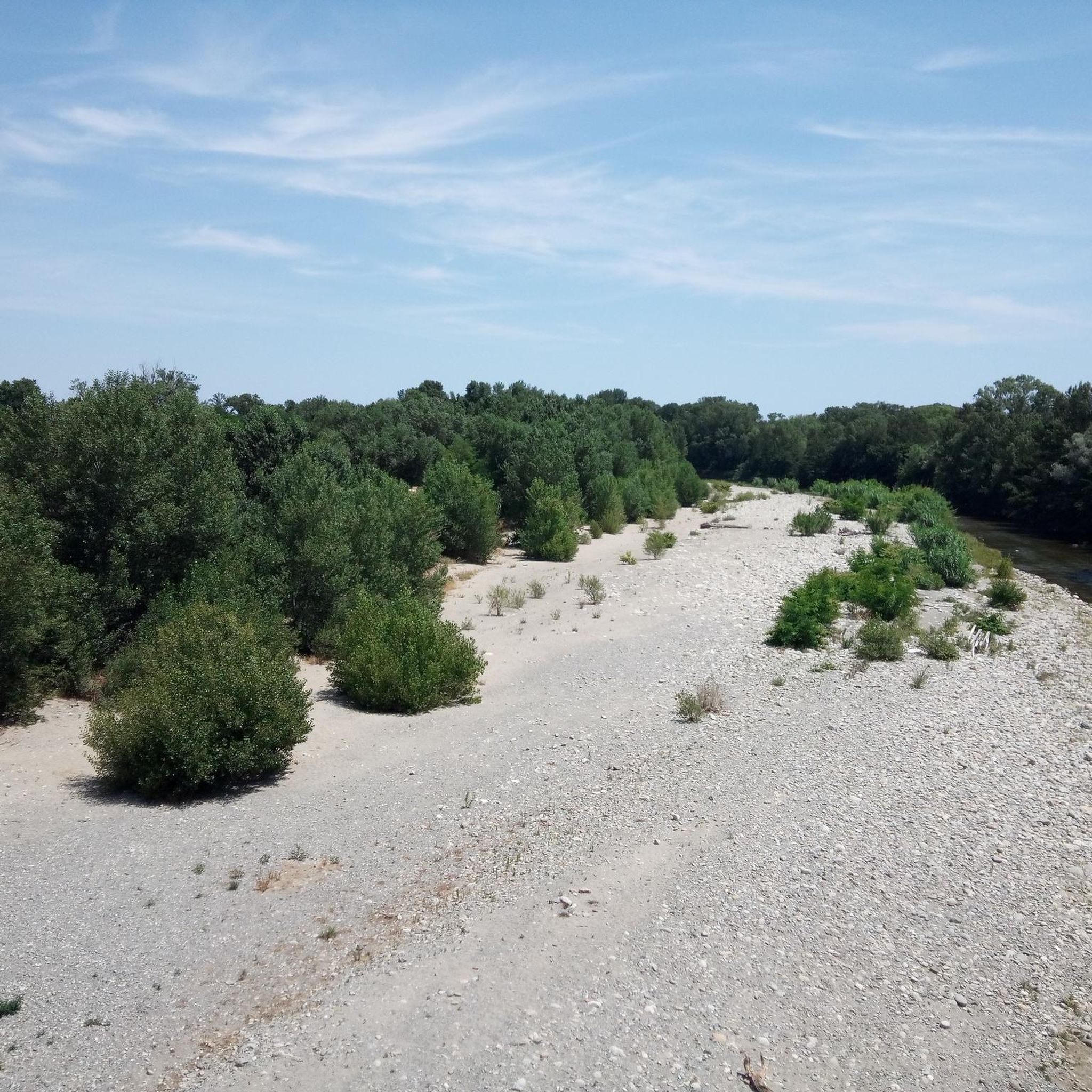
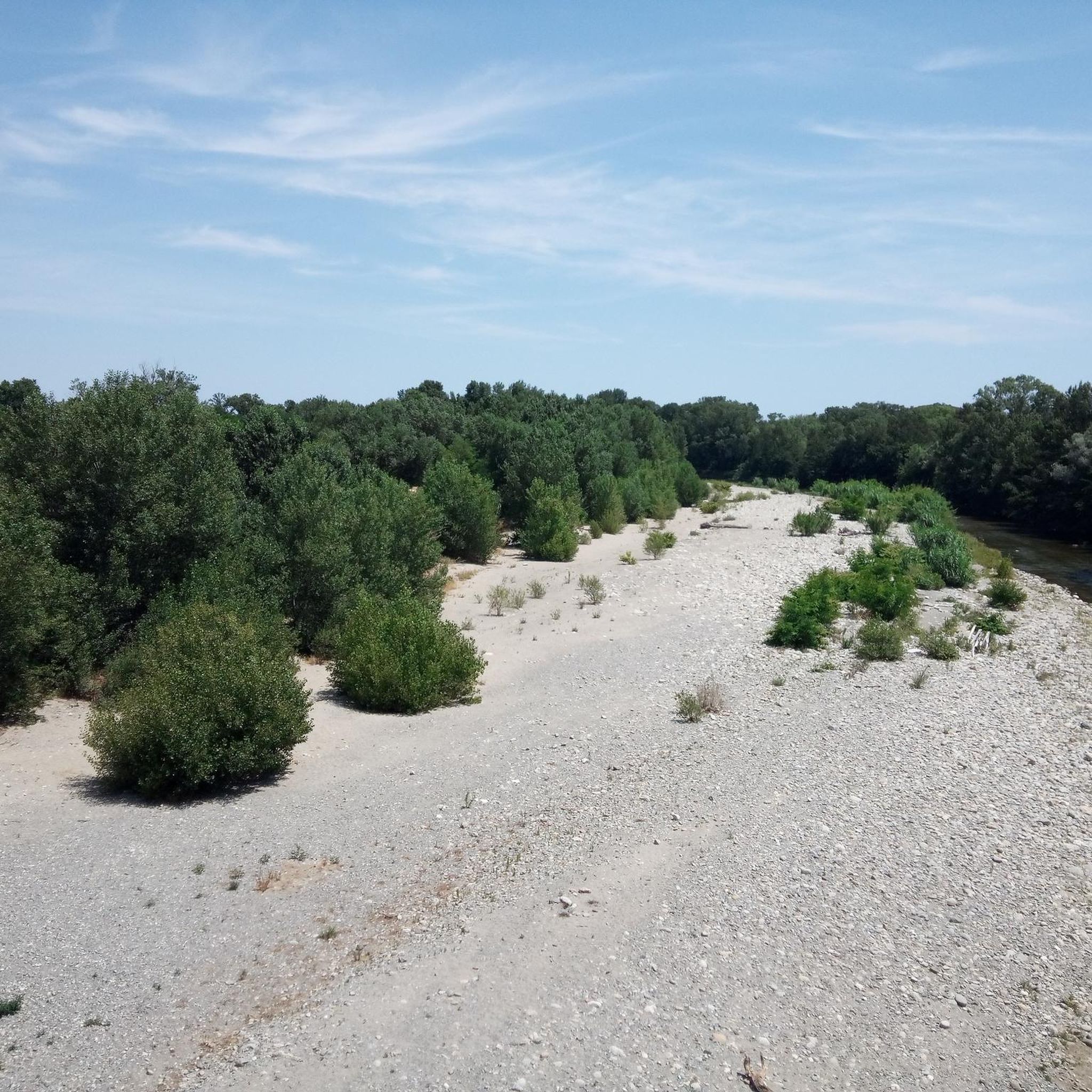
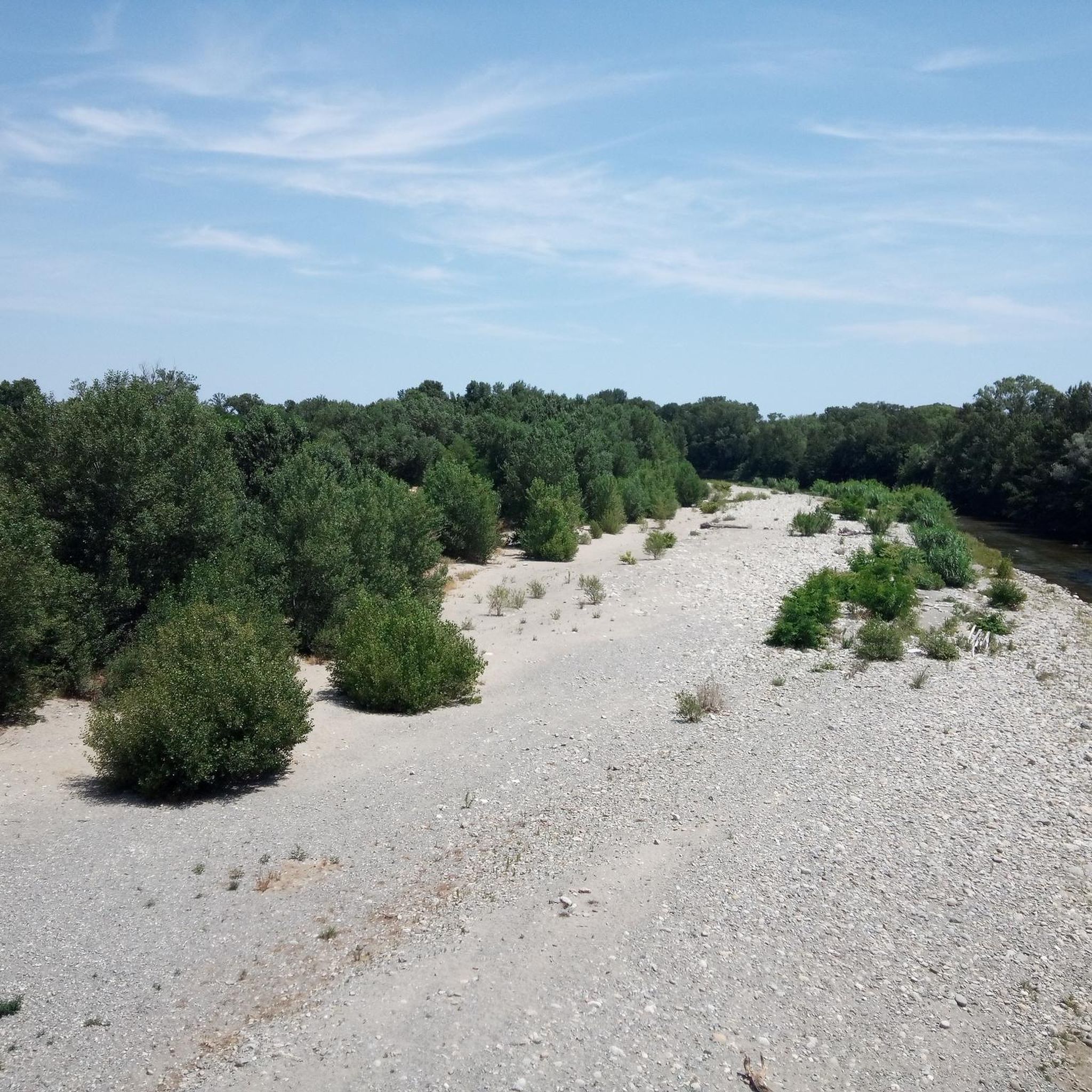
The Tech River rises in the Canigou massif in the Pyrénées-Orientales, France, at an altitude of around 2,500 metres. It runs for approximately 84 km through the Vallespir and Roussillon, passing through towns such as Prats-de-Mollo, Céret and Le Boulou, before flowing into the Mediterranean Sea near Argelès-sur-Mer. The Tech is a Mediterranean river, with irregular flows that depend on seasonal rainfall and snowmelt. It is essential for agricultural irrigation and the ecosystem of the region.
1
0
It spans the Tech River and has become a symbol of both the city and medieval engineering. It was built in the early 14th century, between 1321 and 1341, and is one of the finest examples of medieval architecture in the region. In its time, it was considered a masterpiece of engineering.
1
0
Pont du Diable, a single arch of 45 metres, standing out for its age and grandeur.
1
0
The refuge is surrounded by lush nature, with beech and oak forests, and is an excellent place to observe the local fauna and flora. It is also a strategic point for those who wish to explore the biodiversity and natural heritage of the Albera mountain range.
1
0
The refuge can be reached on foot from various points in the region, and is accessible via several hiking trails that cross the forests and hills of the Albera. It is a starting or resting point for those exploring the Puig Neulós or hiking through the Eastern Pyrenees.
1
0
The shelter offers basic accommodation, with bunk beds and essential services for hikers. It is an ideal place to rest during long hiking routes. It also has a kitchen and a dining room where visitors can prepare their meals.
1
0
Frequently Asked Questions
What natural viewpoints and summits can I explore around Le Boulou?
The region offers several impressive natural viewpoints. You can hike to Puig Saint-Christau Summit, which provides panoramic views of the Canigou and the Mediterranean Sea. Another significant summit is Puig Neulós, the highest point of the Albères massif, offering extensive views over Roselló and Alt Empordà. For a more relaxed experience with views, consider visiting the Chalet of the Albère, which is both a refuge and a restaurant with a breathtaking setting at the Col de l'Ouillat.
Are there historical sites or architectural marvels to visit in Le Boulou?
Yes, Le Boulou and its surroundings are rich in history. The Reynès Iron Bridge is a notable historical and engineering marvel, originally designed for both road and rail traffic. Within the town, you can visit the Church of Sainte-Marie, known for its Romanesque white marble entrance, and the Quadrangular Tower, a vestige of 14th-century fortifications. Another impressive historical structure is the Devil's bridge, a single-arch medieval bridge spanning the Tech River.
What cultural attractions does Le Boulou offer?
Le Boulou provides several cultural insights. The Maison de l'Histoire (Casa del Voló) is essential for delving into the town's past, featuring a permanent exhibition on its history from prehistory to the present. The Espace des Arts is a municipal art gallery that hosts quality exhibitions of photography, painting, and sculpture. Additionally, local markets, held on Thursdays, offer a glimpse into local life and produce.
What kind of outdoor activities can I do near Le Boulou?
The region around Le Boulou is excellent for outdoor enthusiasts. You can find numerous routes for cycling, mountain biking, and gravel biking. For detailed routes and trails, explore the MTB Trails around Le Boulou, Cycling around Le Boulou, and Gravel biking around Le Boulou guides. These guides feature routes of varying difficulties, such as the 'Estelle Peak – Old Stone Bridge loop from Céret' for MTB or the 'Montesquieu Castle – Argelès-Plage loop' for cycling.
Are there any family-friendly activities or attractions in the area?
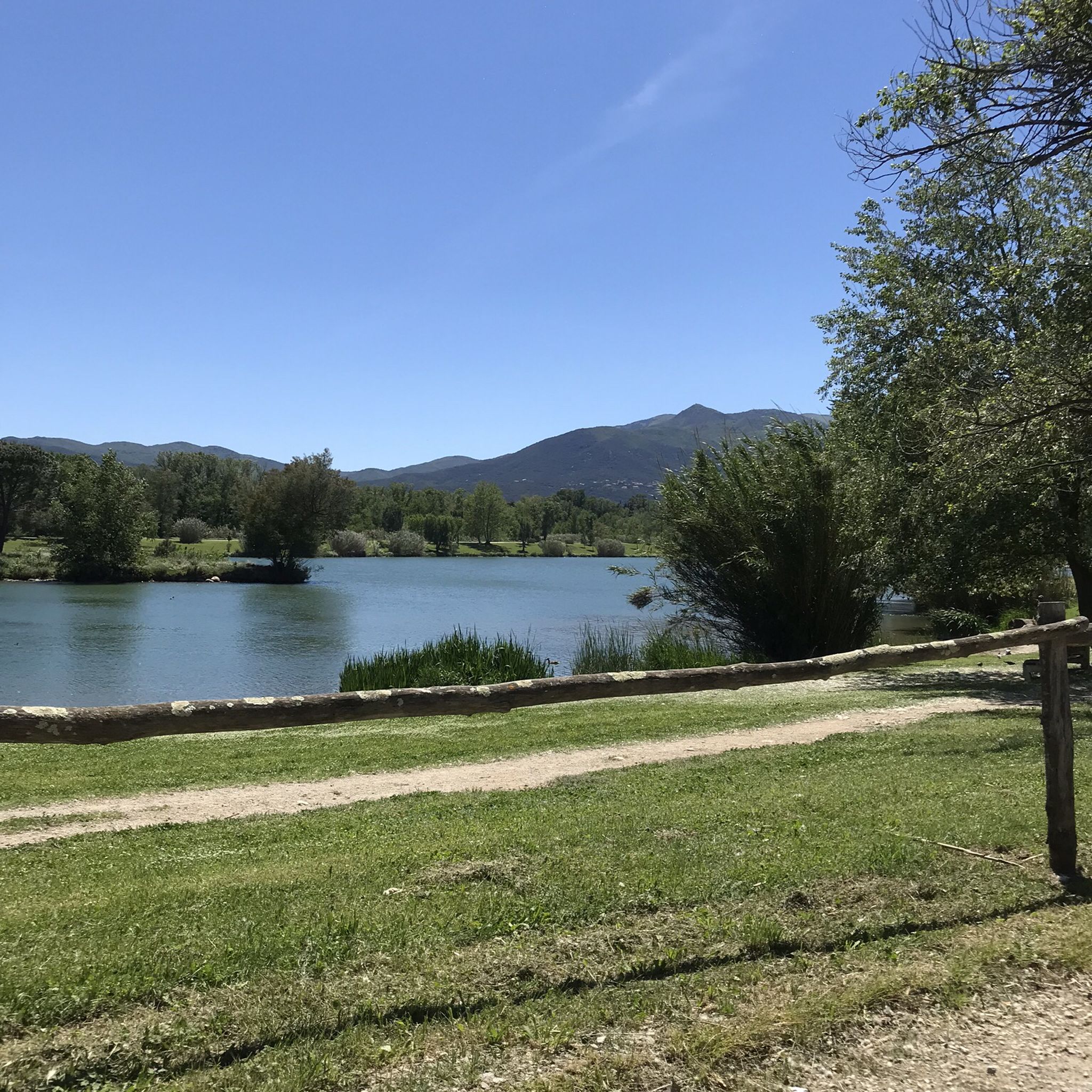
For family fun, the nearby Lake of Saint-Jean-Pla-de-Corts offers various water activities including pedal boats, paddleboarding, kayaking, and a water ski lift. The Reynès Iron Bridge is also listed as a family-friendly historical site and cycle way, perfect for a leisurely walk or bike ride with children.
What is the best time of year to visit Le Boulou?
Le Boulou benefits from its Mediterranean climate. Spring and autumn generally offer pleasant temperatures for outdoor activities like hiking and cycling, with fewer crowds. Summer is ideal for enjoying water activities at Lake Saint-Jean-Pla-de-Corts or visiting the coastal towns nearby, though it can be warmer. The Thermal Baths are open year-round for those seeking wellness.
Are there any wellness or spa facilities in Le Boulou?
Yes, Le Boulou is home to the renowned Thermal Baths of Le Boulou (Les Thermes du Boulou). This spa resort specializes in treatments for cardio-vascular and digestive system conditions, set within a lush park featuring exotic species. The waters are naturally rich in minerals and gaseous, offering a unique therapeutic experience.
Can I learn about the local environment and water preservation?
Absolutely. The Maison de l'Eau et de la Méditerranée (House of Water and the Mediterranean) offers interactive and educational spaces specifically focused on water preservation and the ecological importance of the region, including the Tech River, which is a Natura 2000 site.
What are some interesting towns or villages to visit near Le Boulou?
Le Boulou serves as an excellent base for exploring charming nearby towns. Céret, known as the 'cherry capital,' boasts a Museum of Modern Art. Maureillas features a Cork Museum. Le Perthus, straddling the French-Spanish border, is home to the 17th-century Fort de Bellegarde. For picturesque scenery, consider Castelnou with its castle, or the coastal towns of Collioure and Argelès-sur-Mer.
Are there any unique natural features like rivers or lakes?
Le Boulou is traversed by the Tech River, a coastal river originating in the Pyrénées and flowing into the Mediterranean Sea. The river itself is recognized as a Natura 2000 site for its ecological importance. Additionally, the nearby Lake of Saint-Jean-Pla-de-Corts offers a beautiful natural setting for various water-based recreational activities.
What kind of hiking opportunities are available around Le Boulou?
The area around Le Boulou offers diverse hiking opportunities, particularly in the Massif des Albères. Trails lead to summits like Puig Saint-Christau Summit, providing varied paths through forested sections and rocky peaks with splendid views. The region is known for its natural zones of ecological interest, making for scenic walks. For specific routes, you can consult the komoot guides for the area.
Most popular routes around Le Boulou
Most popular attractions around Le Boulou

Get inspired with the komoot mobile app


Explore more
Still not found the Highlight you’re looking for? See guides of the top attractions in other regions:
