Attractions and Places To See around Saint-Malo - Top 20
Best attractions and places to see around Saint-Malo include a blend of fortified history, natural beauty, and cultural sites. This historic port city in Brittany, France, is known for its impressive ramparts, picturesque beaches, and significant landmarks. Visitors can explore a wide array of attractions, from ancient fortifications and island forts to insightful museums and scenic coastal points. The region offers diverse experiences for those interested in history, maritime culture, and natural landscapes.
Best attractions and places to see around Saint-Malo
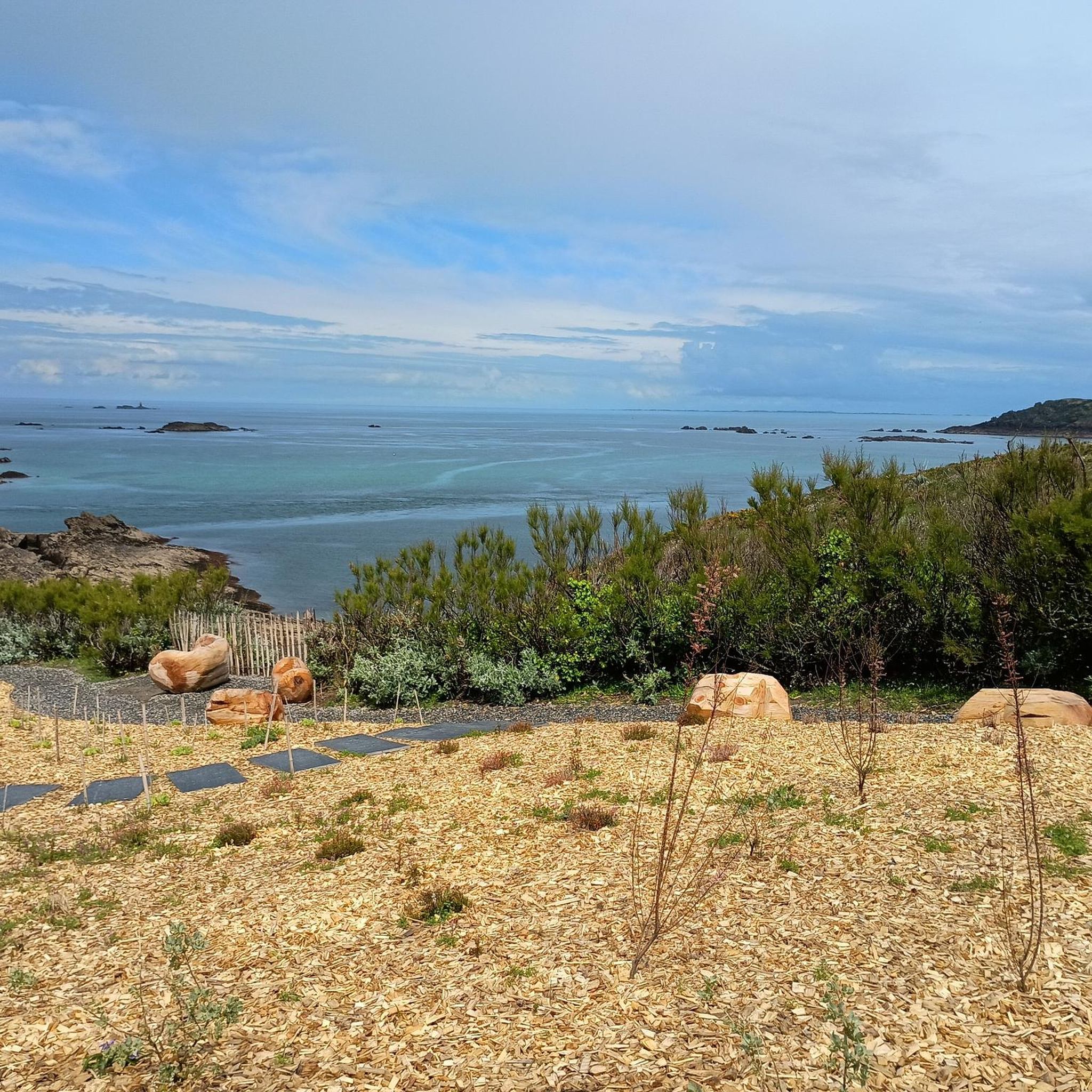
- The most popular attractions is Grouin Point, a viewpoint that offers a remarkable view over the Bay of Mont-Saint-Michel and the Channel coasts. It is a rocky spur, marking the entrance to the Bay of Mont Saint-Michel.
- Another must-see spot is Môle Beach, a small beach located at the foot of the ramparts. From here, visitors have views of Dinard, as well as the islands of Cézembre, Harbour, Petit / Grand Bé, and Fort National.
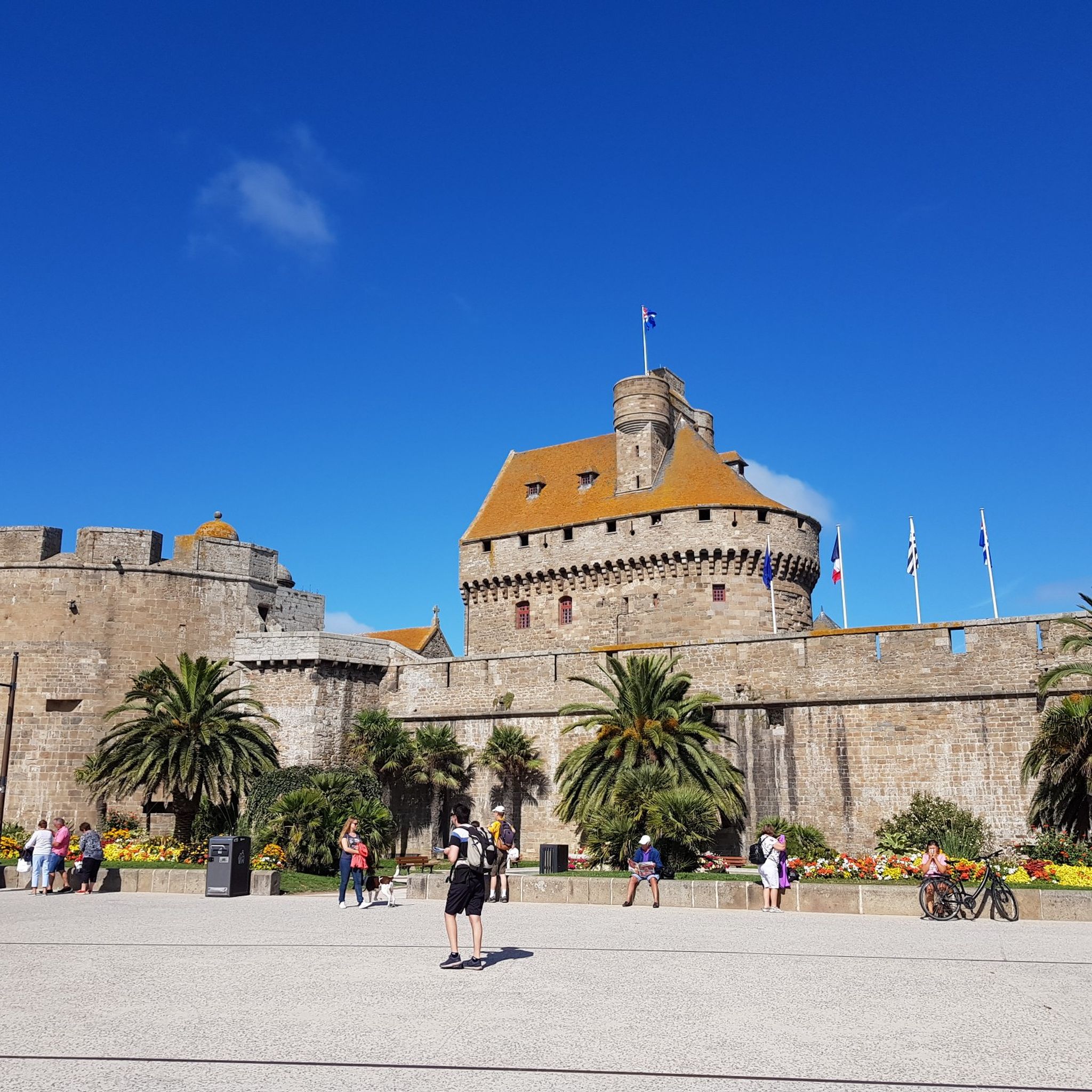
- Visitors also love Saint-Malo Castle, a castle built by the Dukes of Brittany between the 15th and 18th centuries. Today, parts of this ducal and royal castle house the city's historical museum.
- Saint-Malo is known for its historical sites, natural viewpoints, and sandy beaches. The area offers a variety of attractions to explore, from ancient fortifications to coastal walks and cultural institutions.
- The attractions around Saint-Malo are appreciated by the komoot community, with more than 600 upvotes and over 300 photos shared by visitors.
Last updated: August 31, 2026
Grouin Point
Highlight • Viewpoint
Dominated by a semaphore built in 1861, it offers a remarkable view over the bay of Mont-Saint-Michel and the Channel coasts to the east, and over a succession of coves and points to Cap Fréhel in the 'Where is.
Translated by Google •
Tip by

Môle Beach
Highlight • Beach
Showing Translation
Tip by

Sign up now to discover places like this
Get recommendations on the best single tracks, peaks, & plenty of other exciting outdoor places.
Sign up for free
Moulin de la Saline
Highlight • Monument
Translated by Google •
Tip by
Saint-Vincent Gate
Highlight • Monument
Translated by Google •
Tip by
Saint-Malo Castle
Highlight • Castle
Translated by Google •
Tip by

Esplanade Saint Vincent
Highlight • Other
Translated by Google •
Tip by
Saint-Malo's ramparts
Highlight • Monument
Translated by Google •
Tip by
Saint-Malo Ramparts
Highlight (Segment) • Other
Translated by Google •
Tip by
Chapelle Sainte-Anne-de-la-Grève
Highlight • Religious Site
Translated by Google •
Tip by

Historic ships, Duguay-Trouin quay and basin
Highlight • Structure
Translated by Google •
Tip by
Sign up for free to discover even more attractions around Saint-Malo.
Sign up for free
Already have an account?
Start today with a free account
Your next adventure awaits.
Login or Signup
Popular around Saint-Malo
10 of the most beautiful walks in Brittany
The Customs Officers’ Path – GR 34 between Saint-Malo and Pontorson
The Customs Officers’ Path – GR 34 between Erquy and Saint-Malo
A hiking break in Brittany
Brittany by bike – cycling from Nantes to Mont-Saint-Michel
The Seven Saints Pilgrimage — France’s Tro Breizh revisited
From pink granite to the Opal Coast — cycle France’s la Vélomaritime
Hiking around Saint-Malo
Cycling around Saint-Malo
Running Trails around Saint-Malo
Other adventures around Saint-Malo


Tips from the Community

Plage du Môle is a popular sandy beach below the Intra-Muros of Saint-Malo. It is located at the southwestern tip of the fortified city, right at the foot of the mighty city wall and the Saint-Philippe bastion.
1
0

The city walls are among the most important historical structures in the Breton port city. The fortifications that still exist today were built mainly between the 12th and 18th centuries and were expanded and reinforced several times. The approximately two-kilometer-long wall circuit encloses the old town ("Intra-Muros") and offers impressive views of the sea, the offshore islands, and the Breton coast. The defensive walls are reminiscent of the time when Saint-Malo played an important role as a fortified port city and a major center of seafaring.
12
0

Very impressive. Part of the fortification.
1
0
The Porte Saint-Vincent is the main gate to the old town and was built between 1708 and 1710. It is a double-towered Baroque building bearing two coats of arms: one for the Duchy of Brittany and the other for the city of Saint-Malo. The gate connects the city walls to the Esplanade Saint-Vincent and serves as the main entrance to the old town. From here, you can enjoy beautiful views of the harbor, coast, and historic buildings.
14
0
The Esplanade Saint-Vincent is the central square at the main entrance to the Old Town. It is located directly in front of the historic Porte Saint-Vincent and connects the city walls to the Plage du Sillon beach. The square serves as an important meeting point for visitors and locals and is the starting point for many city tours. It houses the Tourist Information Office, a large parking garage (Q-Park Saint-Vincent), public restrooms, charging stations for electric cars, bus stops, and a taxi stand. The esplanade is barrier-free and therefore easily accessible for people with limited mobility. It is also frequently used for markets, concerts, and cultural events.
19
0
The Château de Saint-Malo, also known as the Château de la Duchesse Anne, is located in the heart of the old town (intra-muros). Built between the 15th and 17th centuries, it served both as a military defense and as a representative office for the Dukes of Brittany. It was further fortified under Vauban. The castle suffered damage throughout its history, including during the French Revolution and World War II, but has been restored. Today, it houses the city hall and, until 2019, was home to the Musée d'Histoire de la Ville et du Pays Malouin.
25
0
The city walls (Les Remparts) enclose the old town of Intra-Muros and were built between the 12th and 17th centuries to protect it from attacks. The walkable circular route offers spectacular views of the sea, the Mole des Noires, beaches such as the Mole Beach, and the old town. Numerous bastions and gates, including the Saint-Philippe Bastion and the Dinan Gate, are located along the walls.
24
0
The Plage du Môle is located at the foot of the mighty fortress walls, in the southwestern part of the historic old town. It is situated in close proximity to the Môle des Noires, a mole approximately 500 meters long that extends far into the sea and protects the harbor. The mole owes its name to the "Roches Noires", the black rocks on which it was built. To the north, the Plage du Môle is bordered by a rock and the walls of the Bastion de la Hollande from the neighboring Plage de Bon Secours.
28
0
Frequently Asked Questions
What historical sites can I explore within Saint-Malo?
Saint-Malo is rich in history. You can walk along the impressive Saint-Malo Ramparts, which encircle the historic heart of the city (Intra-Muros) and offer panoramic views. The Saint-Malo Castle, built by the Dukes of Brittany, now houses the city's historical museum. Don't miss the Saint-Vincent Gate, a main entrance to the old town, and the Saint-Vincent Cathedral with its Romanesque-Gothic architecture. For a deeper dive into maritime history, visit the Solidor Tower, which houses a museum dedicated to Saint-Malo's seafaring past.
Are there any natural viewpoints or scenic spots around Saint-Malo?
Absolutely. The Grouin Point is a remarkable viewpoint offering expansive views over the Bay of Mont-Saint-Michel and the Channel coasts. It's a wild, windswept spot perfect for nature lovers. Other scenic points include Pointe du Meinga, offering breathtaking views and archaeological remains, and Cap Fréhel, known for its spectacular clifftop scenery a short drive away.
Which beaches are best for families in Saint-Malo?
Saint-Malo offers several family-friendly beaches. Sillon Beach (Grande Plage du Sillon) is very popular and stretches for a long distance, ideal for walks and sandcastles. Môle Beach, located at the foot of the ramparts, is a smaller, supervised beach with views of the surrounding islands. The Plage de Bon Secours also offers a 1930s outdoor seawater swimming pool, the Piscine de Bon-Secours, which is a unique attraction for families.
What outdoor activities can I do near Saint-Malo's attractions?
The region around Saint-Malo is excellent for outdoor activities. You can find numerous running trails, such as the 'Saint-Malo to Pointe de la Varde' or 'La pointe du Grouin' loop. For cycling enthusiasts, there are road cycling routes like 'The Rance estuary' loop or mountain biking trails including the 'Porcon Beach – Fort du Guesclin' loop. You can explore more options on the dedicated guides for Running Trails around Saint-Malo, Road Cycling Routes around Saint-Malo, and MTB Trails around Saint-Malo.
Are there any unique cultural or maritime attractions in Saint-Malo?
Yes, Saint-Malo has a strong maritime heritage. You can visit the Historic ships, Duguay-Trouin quay and basin to see replicas of old vessels like the Etoile du Roy. The Demeure de Corsaire offers guided tours of an 18th-century mansion, providing insight into Brittany life. The Grand Aquarium Saint-Malo features over 600 marine species, including a unique mini-submarine experience. Additionally, the Maison du Québec highlights Saint-Malo's role in the founding of Canada through Jacques Cartier's expeditions.
What are some popular day trips from Saint-Malo?
Saint-Malo serves as an excellent base for exploring the wider region. Popular day trips include the medieval town of Dinan, known for its charming streets and ramparts. The seaside resort of Dinard, just across the Rance estuary, offers beautiful views back towards Saint-Malo. A must-see is the iconic Mont Saint-Michel Abbey, a UNESCO World Heritage site, which is accessible from Saint-Malo. You could also visit Cancale, famous for its oysters, or the Manoir de Limoëlou, Jacques Cartier's manor house.
Can I visit the islands near Saint-Malo?
Yes, several islands are accessible from Saint-Malo, often at low tide. Fort National, a 17th-century granite fortress, can be reached on foot during low tide. The rocky islands of Grand Bé and Petit Bé, located opposite the ramparts, are also accessible during low tide. Grand Bé is notable as the burial place of writer François-René de Chateaubriand, while Petit Bé features another Vauban-designed fort. Always check tide times carefully before venturing to these islands for safety.
What is the best time to visit Saint-Malo for attractions and outdoor activities?
The best time to visit Saint-Malo for both attractions and outdoor activities is generally from late spring to early autumn (May to September). During these months, the weather is milder and more pleasant for exploring the ramparts, beaches, and coastal paths. Summer (July and August) is the warmest and busiest period, while spring and early autumn offer a good balance of agreeable weather and fewer crowds.
Are there any less crowded or 'hidden gem' attractions near Saint-Malo?
For a unique experience away from the main crowds, consider visiting The Sculptured Rocks of Rothéneuf, an open-air gallery near Saint-Malo featuring intriguing carvings in granite cliffs by Abbé Fouré. The Chapelle Sainte-Anne-de-la-Grève also offers a peaceful historical site with views. Exploring the smaller coves and beaches beyond the main city walls can also lead to quieter spots.
What do visitors enjoy most about the attractions around Saint-Malo?
Visitors frequently praise the stunning views from places like Grouin Point and the panoramic vistas from the Saint-Malo Ramparts. The unique experience of walking on the ramparts and exploring the historic Intra-Muros area is highly valued. The beautiful sandy beaches, such as Môle Beach, are also a big draw, especially for their views of the surrounding islands and coastline. The blend of rich history, natural beauty, and vibrant maritime culture consistently receives positive feedback.
Is Saint-Malo accessible by public transport, and what about parking for attractions?
Saint-Malo is well-served by public transport, with train connections to major French cities. Local buses operate within the city and to nearby towns. For attractions within the walled city (Intra-Muros), it's best to park outside the walls and walk, as vehicle access is restricted and parking is limited. There are several paid parking lots available just outside the Saint-Vincent Gate and near the port area. For attractions further afield, public transport or driving are options, with parking availability varying by location.
Most popular routes around Saint-Malo
Most popular attractions around Saint-Malo

Get inspired with the komoot mobile app


Didn’t find what you were looking for?
Are you keen on exploring more awesome places nearby? Browse our guides:
Explore more
Still not found the Highlight you’re looking for? See guides of the top attractions in other regions:
