Top 19 Castles around Cherbourg
Best castles around Cherbourg offer a blend of historical fortifications and elegant châteaux. The region provides insights into its past through structures that remain or have replaced original castles. These sites showcase the area's historical significance and diverse architectural heritage.
Best castles around Cherbourg
- The most popular castles is Ravalets Castle, a castle famous for its 16th-century Renaissance architecture and historical narrative. It is set within a 14-hectare park, listed as a "remarkable garden."
- Another must-see spot is Fort of La Hougue, a castle and historical site. This collection of French and German fortifications dates from the 19th and 20th centuries. Its strategic position provides panoramic views of Cherbourg, its port, and the coastline.
- Visitors also love Château de Flamanville, a castle built in the 17th century on the remains of an 11th-century manor house. The castle park features a dahlia garden with over 100 different species.
- Cherbourg is known for Renaissance-style castles, historical fortifications, and manor houses. Visitors can explore structures ranging from elegant châteaux to military strongholds.
- The castles around Cherbourg are appreciated by the komoot community, with more than 250 upvotes and over 140 photos shared by visitors.
Last updated: August 30, 2026
Ravalets Castle
Highlight • Castle
Translated by Google •
Tip by

Fort of La Hougue
Highlight • Castle
Tip by

Sign up now to discover places like this
Get recommendations on the best single tracks, peaks, & plenty of other exciting outdoor places.
Sign up for free
Manoir du Dur-Écu
Highlight • Castle
Translated by Google •
Tip by

Château de Bricquebec
Highlight • Castle
Translated by Google •
Tip by

Inthéville Manor
Highlight • Castle
The manor - representative of the large seigniorial farms of the Nord-Cotentin - is the subject of a partial registration as historical monuments by decree of October 31, 2002. Are registered: the facades and the roofs of the house and the whole outbuildings, including the carthouse and the northeast defense tower and the entire chapel.
fr.wikipedia.org/wiki/Manoir_d%27Inth%C3%A9ville
Translated by Google •
Tip by

Rozel Castle 🏰
Highlight • Castle
Translated by Google •
Tip by
Château de Flamanville
Highlight • Castle
Translated by Google •
Tip by

Saint-Sauveur-le-Vicomte
Highlight • Castle
Translated by Google •
Tip by

Ravenoville Beach and Redoubt
Highlight • Beach
Translated by Google •
Tip by
Vauville
Highlight • Settlement
Translated by Google •
Tip by

Sign up for free to discover even more castles around Cherbourg.
Sign up for free
Already have an account?
Start today with a free account
Your next adventure awaits.
Login or Signup
Popular around Cherbourg
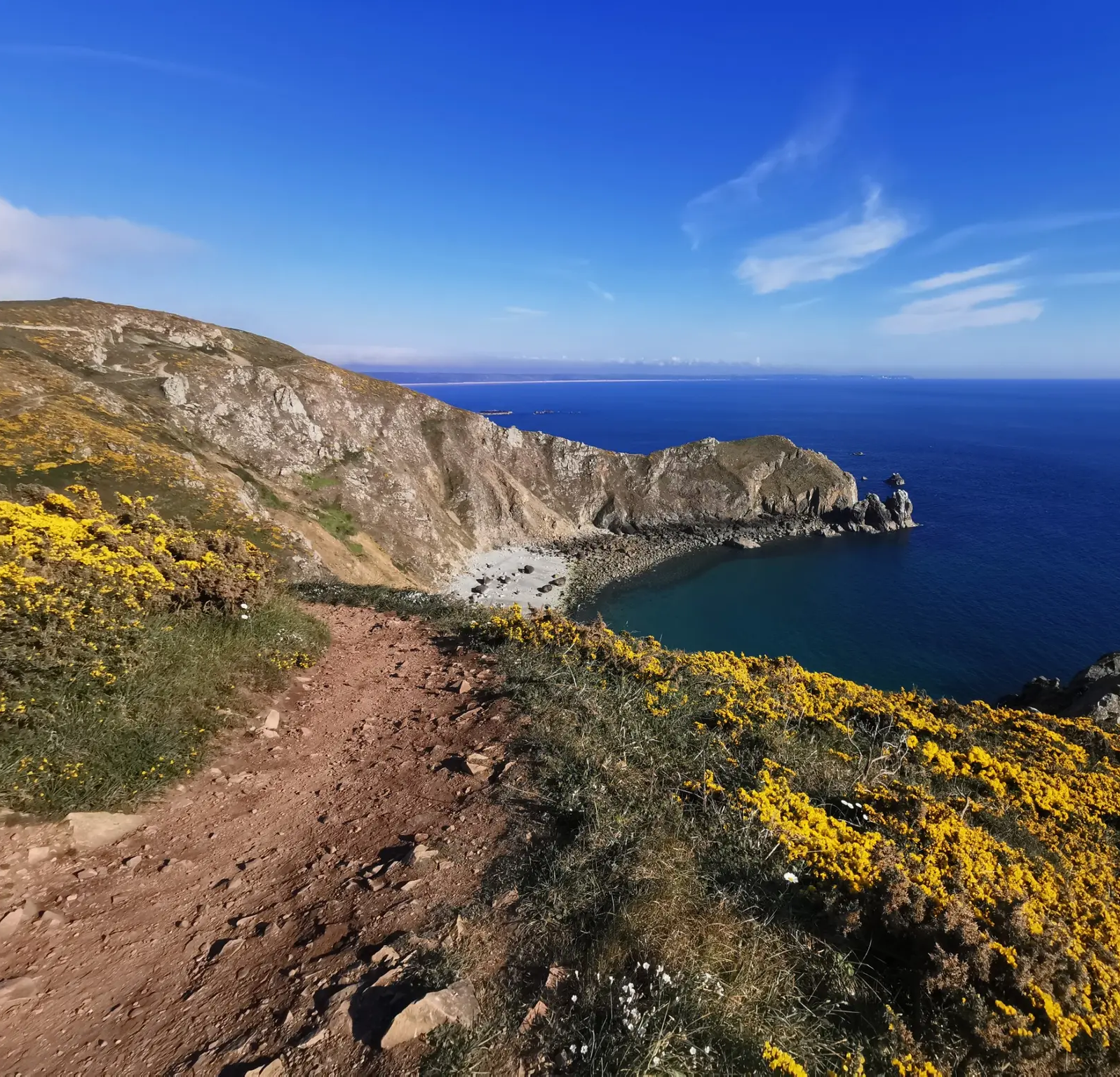
Hike from Cotentin to Mont-Saint-Michel in Normandy – GR 223 (part two)
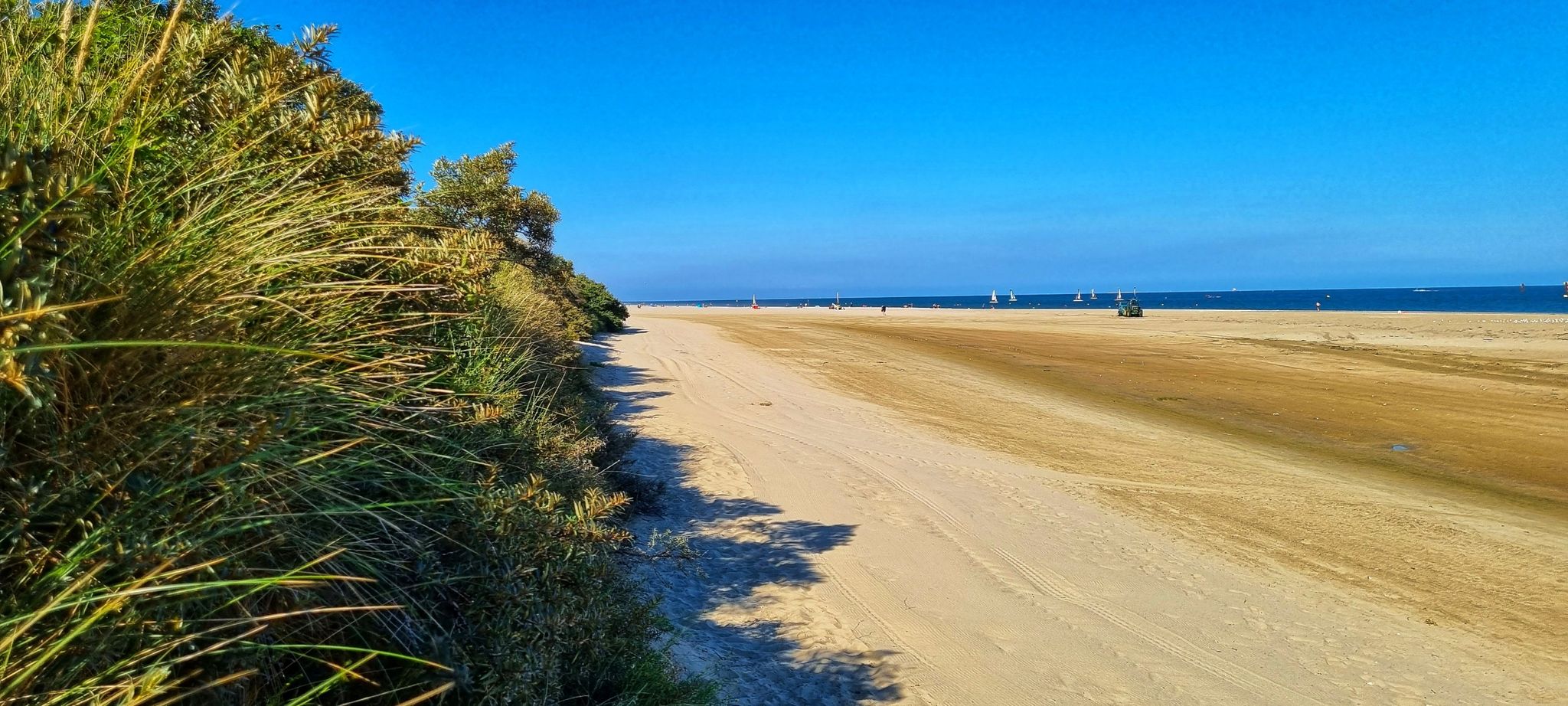
Hike the Normandy coast – GR 223 (part one)
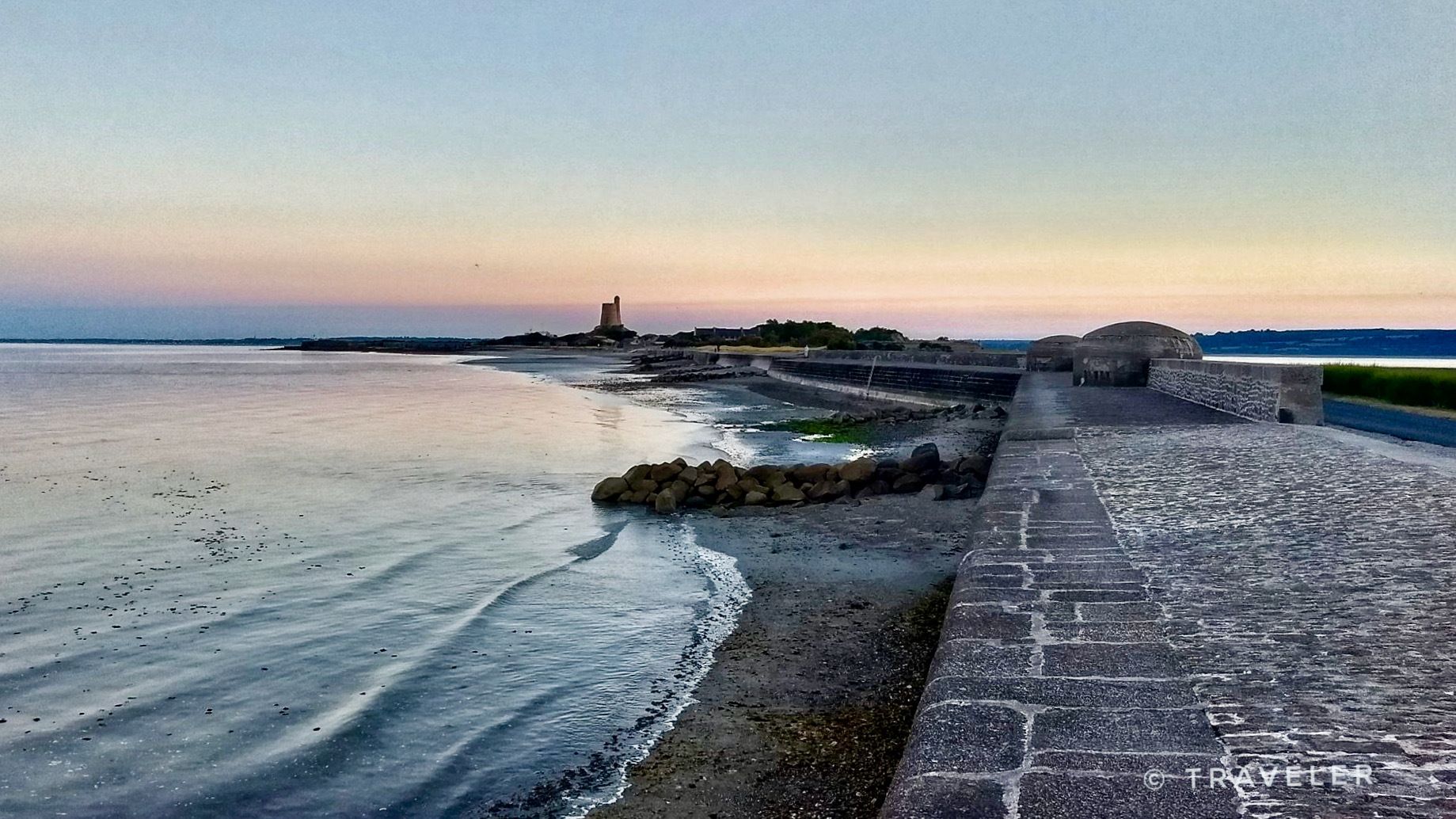
From pink granite to the Opal Coast — cycle France’s la Vélomaritime
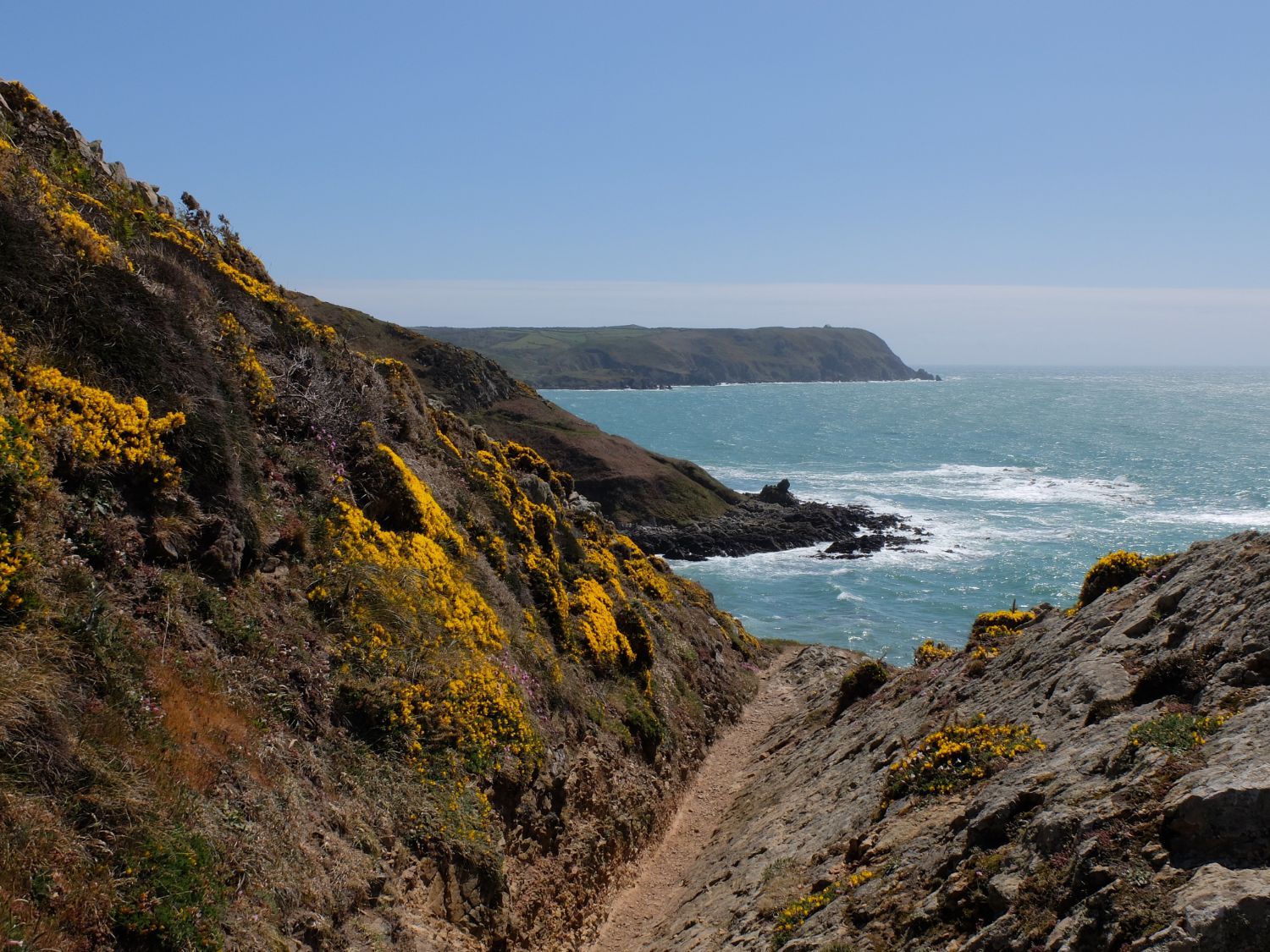
Hiking in the footsteps of writer Sylvain Tesson – 3 days in Normandy’s Cotentin
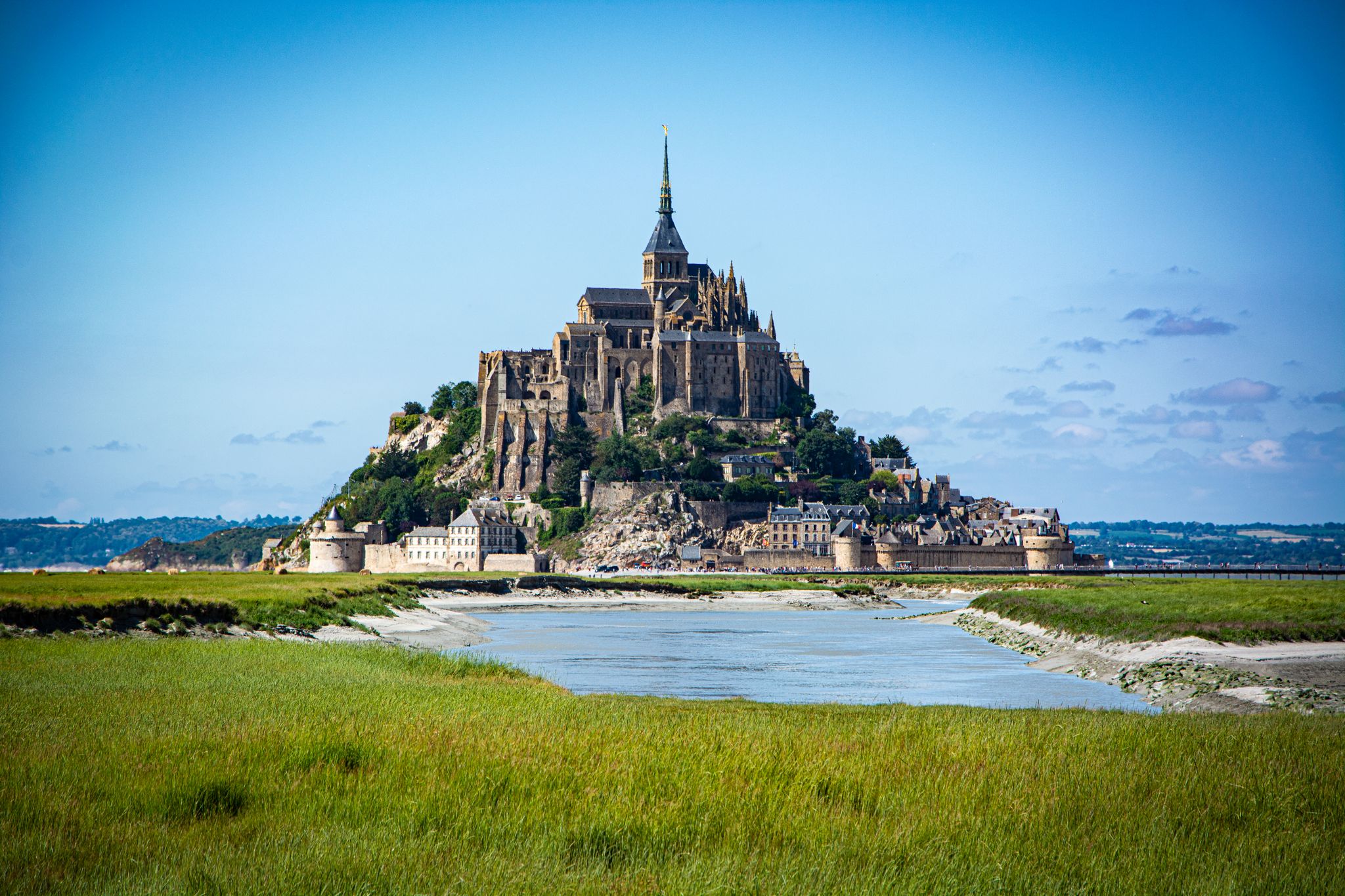
Coastlines of the English Channel — Tour de Manche
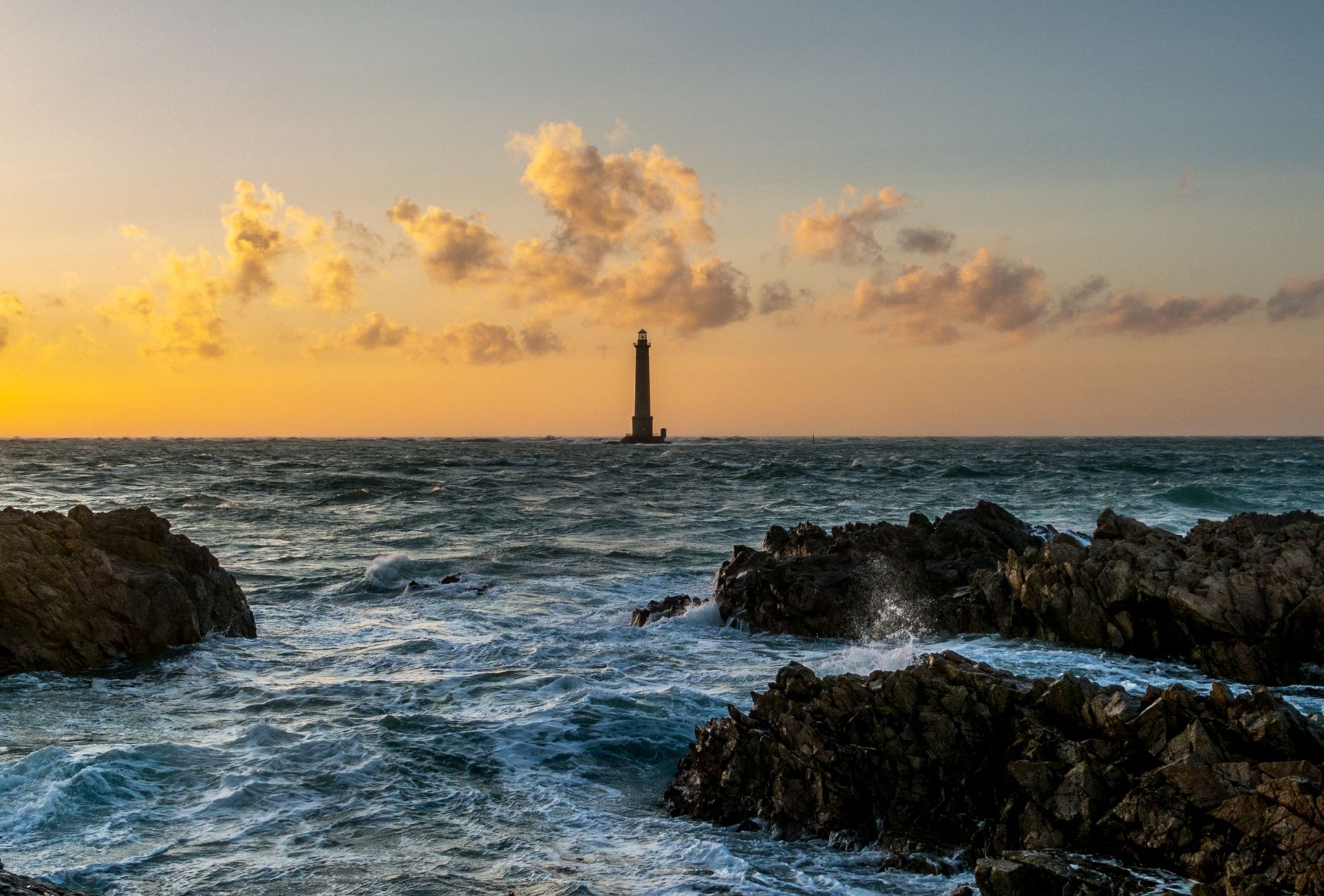
Rendezvous with the Atlantic
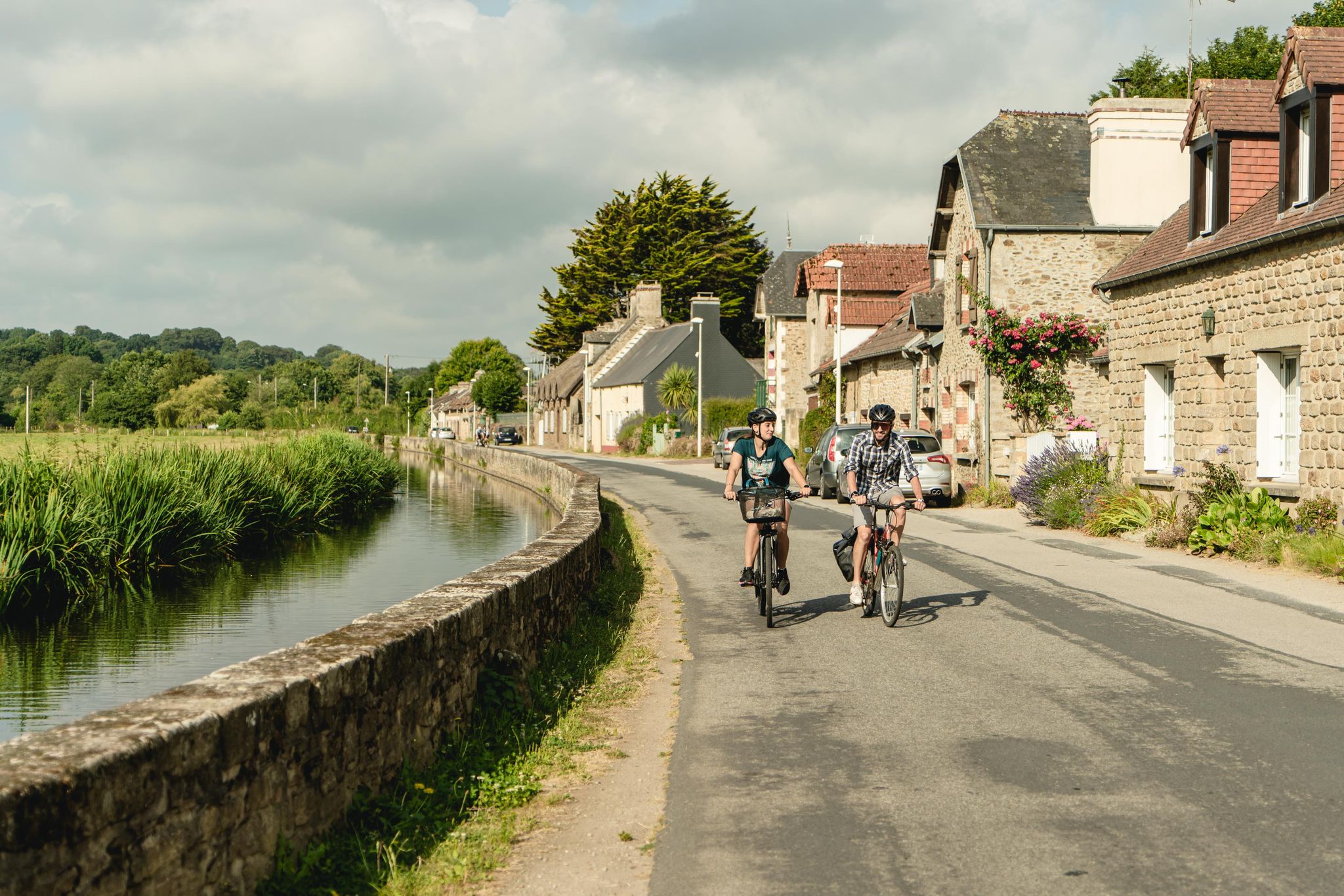
Tour du Cotentin en suivant la Vélomaritime®

Boucles cyclosportives dans le Cotentin
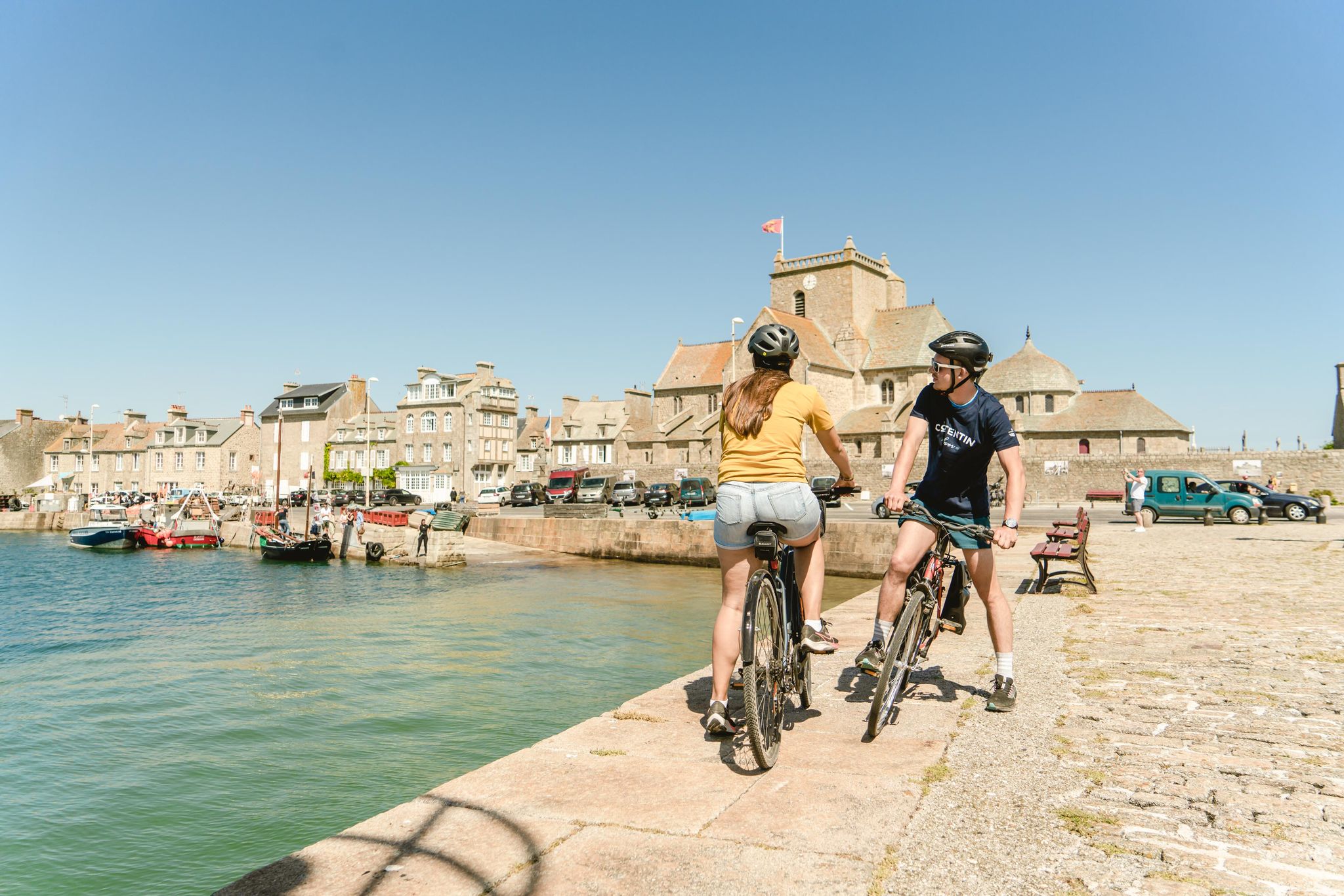
Boucles vélo loisirs du Cotentin
Hiking around Cherbourg
Other adventures around Cherbourg


Tips from the Community

magnificent castle near Cherbourg
0
0


Quiet road in Chateau du Rozel, ideal for cycling
0
0

A very beautiful castle to admire from all sides.
0
0

Why visit Fort de La Hougue? History and Heritage: The fort is a crucial witness to French military history and an exceptional example of Vauban's genius, offering a fascinating dive into the past. Magnificent Landscapes: The fort offers sublime panoramic views of the sea and coastal landscapes, making the visit a moment of relaxation as much as discovery. Cultural Activities: The exhibitions and events organized at the fort enrich the visit by offering varied perspectives on local history and fortifications. In summary, Fort de La Hougue is a must-see site for lovers of history, military architecture, and beautiful landscapes. It combines culture, nature, and heritage in a unique setting in Normandy.
1
0
Fort de La Hougue is a remarkable historical site located in Saint-Vaast-la-Hougue, on the east coast of the Cotentin Peninsula, Normandy. This fort is one of two defensive works designed by the military engineer Vauban in the 17th century, the other being the fort of Tatihou, located on a neighboring island. Together, these fortifications have been classified as a UNESCO World Heritage Site since 2008 as an example of Vauban's military engineering. Points of Interest: Architecture and Military History: Fort de La Hougue was built between 1694 and 1699 on the orders of Louis XIV, following the French defeat at the Battle of La Hougue in 1692. This fort is a classic example of bastion fortifications, with thick walls, casemates, and a complex network of defenses designed to resist attacks from the sea. The 20-metre-high La Hougue Tower is the most emblematic element of the fort. This tower served as both an observation point and a last refuge in the event of an attack. UNESCO Heritage: The Fort de La Hougue is recognised by UNESCO as a masterpiece of Vauban's military engineering. This classification highlights the importance of the site in French and world military history, as well as the exceptional value of its architecture. A visit to this site allows you to better understand the defence techniques of the time and to appreciate Vauban's ingenuity in designing fortifications. Activities and Access: The fort is accessible on foot from Saint-Vaast-la-Hougue, and it is surrounded by coastal paths offering beautiful walks along the sea. These walks also allow you to discover the local flora and fauna. The nearby island of Tatihou can be reached by boat at high tide or on foot at low tide, offering a complementary excursion to explore another side of Vauban's fortifications.
1
0
Frequently Asked Questions
Which castles around Cherbourg are suitable for families?
Several castles in the Cherbourg area are great for family visits. Ravalets Castle, with its extensive 14-hectare park and beautiful gardens, offers plenty of space for children to explore. Château de Flamanville also features a lovely park, including a dahlia garden, which can be enjoyable for all ages. Both offer historical insights within pleasant outdoor settings.
What historical insights can I gain from visiting castles near Cherbourg?
The castles around Cherbourg offer a rich tapestry of history. Ravalets Castle is a prime example of Renaissance architecture with a captivating, albeit tragic, family history. Fort du Roule, while not a traditional castle, is a significant historical site with French and German fortifications from the 19th and 20th centuries, now housing the Cherbourg Liberation Museum. Fort of La Hougue, a Vauban-designed fortress, also provides a glimpse into military history and strategic defense.
Are there castles near Cherbourg that offer panoramic views?
Yes, Fort of La Hougue is strategically positioned and offers incredible panoramic views of Cherbourg, its port, and the coastline. Similarly, Fort du Roule, perched atop the Roule mountain, provides stunning vistas of the city and surrounding area, making it a great spot for scenic appreciation alongside its historical significance.
What outdoor activities can I do near these castles?
The Cherbourg region offers various outdoor activities. Near many of these historical sites, you can find excellent hiking and cycling routes. For instance, you can explore routes like 'Le Nez de Jobourg' or 'Cap de la Hague Loop' for hiking, or 'Tour of Val de Saire' for cycling. You can find more details on these and other routes in the hiking guide or cycling guide for Cherbourg.
What is the best time of year to visit castles in the Cherbourg area?
The best time to visit castles in the Cherbourg area is generally during the spring and summer months (April to September). During this period, the weather is milder, and the castle parks and gardens, such as those at Ravalets Castle and Château de Flamanville, are in full bloom, enhancing the visitor experience. Many sites also have extended opening hours or special events during these seasons.
Are there any castles or historical sites that are wheelchair accessible?
While historical sites can present accessibility challenges, Château de Flamanville is noted as being wheelchair accessible. For other sites, particularly those with extensive grounds or older structures like Fort du Roule with its tunnels, it's advisable to check specific accessibility details directly with the venue before your visit.
Can I bring my dog to the castles or their surrounding areas?
Many outdoor areas and parks surrounding castles, such as the expansive grounds of Ravalets Castle, are often dog-friendly, especially if dogs are kept on a leash. However, access to castle interiors or specific garden sections might be restricted. It's always best to verify the pet policy for each specific site you plan to visit.
Where can I find cafes or restaurants near the castles?
While specific cafes might not be directly adjacent to every castle, the towns and villages where these castles are located, such as Tourlaville (for Ravalets Castle) or Saint-Vaast-la-Hougue (for Fort of La Hougue), typically offer a selection of cafes and restaurants. Cherbourg itself, being a larger city, has numerous dining options easily accessible from nearby sites.
What are some lesser-known but interesting historical sites in the region?
Beyond the more prominent castles, the region boasts other intriguing historical sites. The Manoir du Dur-Écu, a partly 16th-century country house, offers unique architecture and history, with its courtyard and dovecote accessible to the public. Château de Bricquebec also provides a fascinating glimpse into medieval times.
What kind of architecture can I expect to see among the castles?
The castles around Cherbourg showcase a diverse range of architectural styles. You'll find magnificent Renaissance-style castles like Ravalets Castle, characterized by elegant facades and mullioned windows. There are also military fortifications from different eras, such as the 19th and 20th-century structures at Fort du Roule and the Vauban-designed Fort of La Hougue. Additionally, you can see 17th-century constructions like Château de Flamanville, built on older foundations.
Are there any castles that are open during the winter months?
While many attractions may have reduced hours or close certain sections in winter, the parks and grounds of some castles, like the Château des Ravalet, are often open year-round, even if the interior is not accessible outside of special events. For specific opening times during winter, it's recommended to check the official websites of individual castles, such as the Cherbourg Liberation Museum at Fort du Roule.
What do visitors enjoy most about the castles around Cherbourg?
Visitors frequently appreciate the blend of historical richness and natural beauty. The well-preserved architecture, the captivating stories behind the castles, and the opportunity to explore extensive parks and gardens are often highlighted. The panoramic views from sites like Fort du Roule and Fort of La Hougue are also highly praised by the komoot community.
Most popular routes around Cherbourg
Most popular attractions around Cherbourg

Get inspired with the komoot mobile app


Didn’t find what you were looking for?
Explore Cherbourg’s best castles region by region:
Explore more
Looking for the best castles somewhere else? Discover other guides around Cherbourg:
