Top 13 Castles around Céret
Castles around Céret offer a glimpse into the region's rich history and strategic importance. The town itself, steeped in medieval heritage, features remnants of ancient castles and a prominent Neo-Baroque château. The surrounding Pyrénées-Orientales region provides a diverse landscape for exploring various historical fortifications. These sites are often situated in scenic locations, providing views of the Mediterranean Sea and the Pyrenees mountains.
Best castles around Céret
- The most popular castles is Querroig Castle, a castle and historical site with…
Last updated: July 6, 2026
Valmy Castle
Highlight • Castle
Translated by Google •
Tip by

Royal Castle of Collioure
Highlight • Castle
Translated by Google •
Tip by
Sign up now to discover places like this
Get recommendations on the best single tracks, peaks, & plenty of other exciting outdoor places.
Sign up for free
Valmy Castle
Highlight • Castle
Translated by Google •
Tip by

Fort Saint-Elme
Highlight • Castle
On the foundation of an eighteenth-century lighthouse, Emperor Charles V had a revolutionary fortress built in 1538 in the shape …
Translated by Google •
Tip by

Querroig Castle
Highlight • Castle
Once upon a time there was a small castell, now only the base of a tower is left.
Translated by Google •
Tip by

Fort de Bellegarde
Highlight • Viewpoint
The main purpose of the Fort de Bellegarde was to control and protect the strategic passage through the Pyrenees between France and Spain. For centuries, this region was disputed …
Translated by Google •
Tip by

Panissars Ruins
Highlight • Historical Site
If the site retains such strong historical interest, it is because General Pompey had his trophy built …
Translated by Google •
Tip by

Prats-de-Mollo-la-Preste
Highlight • Settlement
Translated by Google •
Tip by

Fort Dugommier
Highlight • Historical Site
The fort was built between 1844 and 1852, but was already technically shortly after completion. outdated.
Further information here: dugommier.com
Translated by Google •
Tip by
Tour de la Massane
Highlight • Historical Site
Translated by Google •
Tip by

Sign up for free to discover even more castles around Céret.
Sign up for free
Already have an account?
Start today with a free account
Your next adventure awaits.
Login or Signup
Popular around Céret

Triathlon 360 – my journey around the world
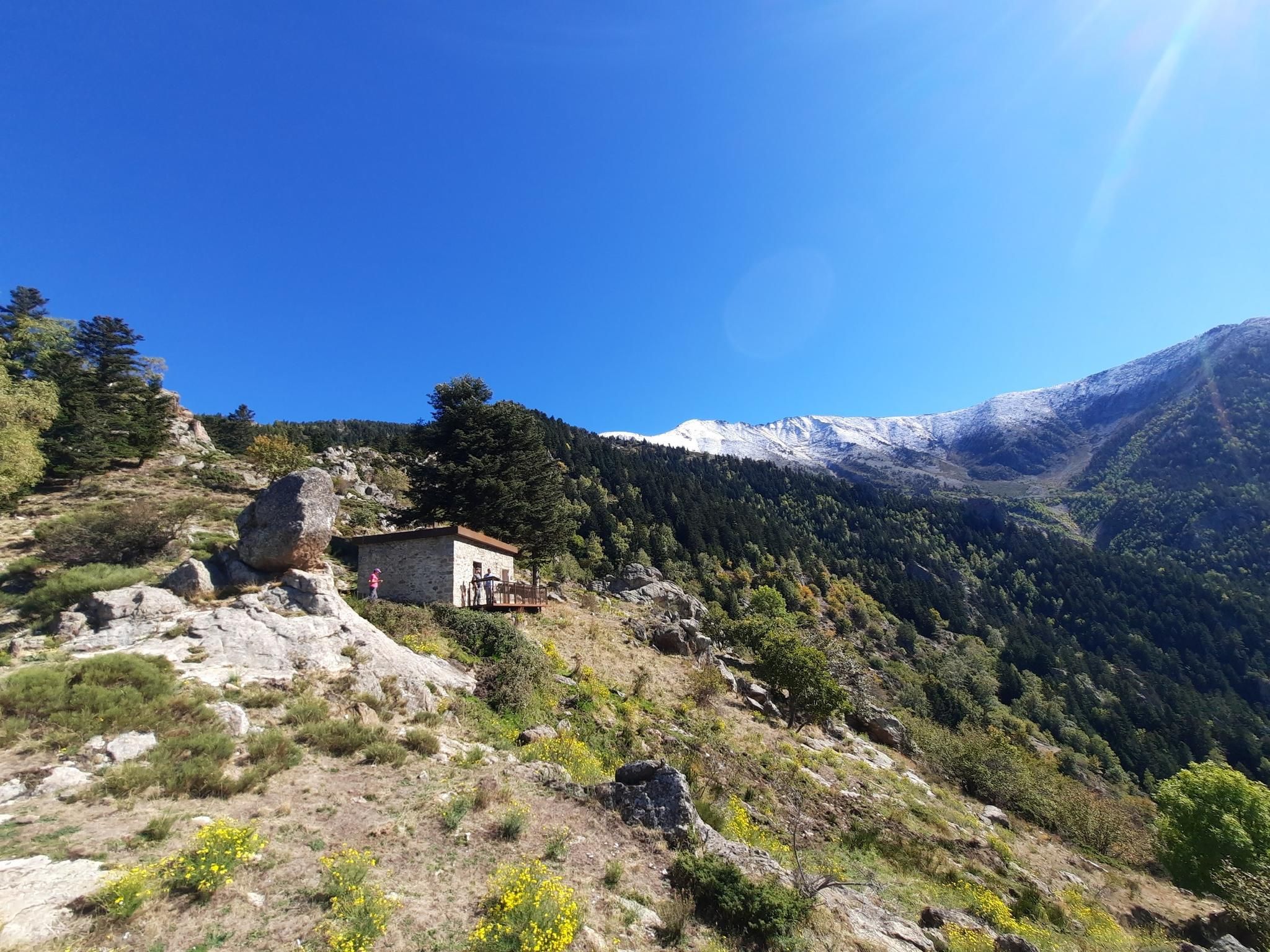
The Crossing of the Pyrenees via the GR 10 — Eastern Pyrenees
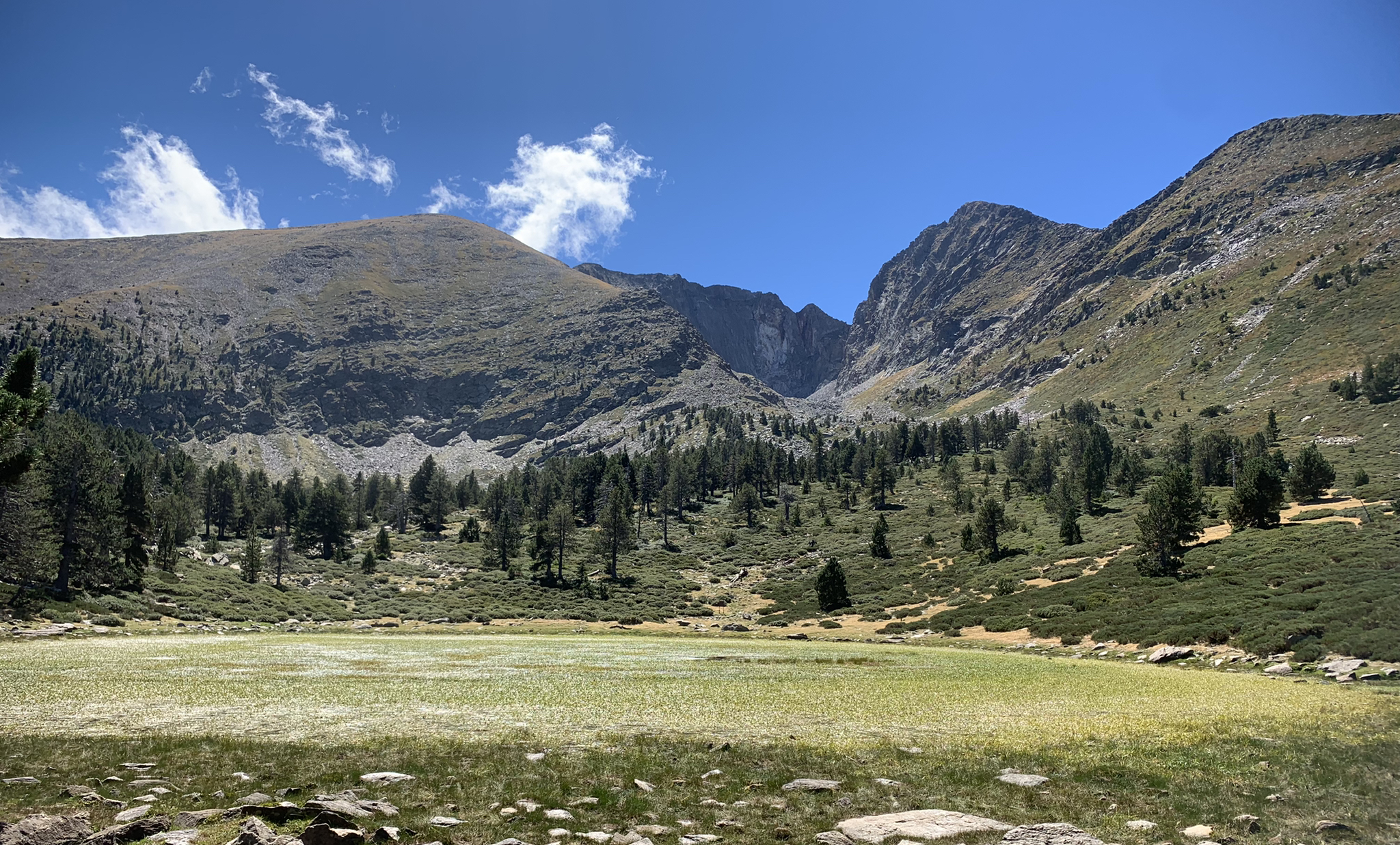
Tour du Canigou – Through the heart of the Mediterranean Pyrenees
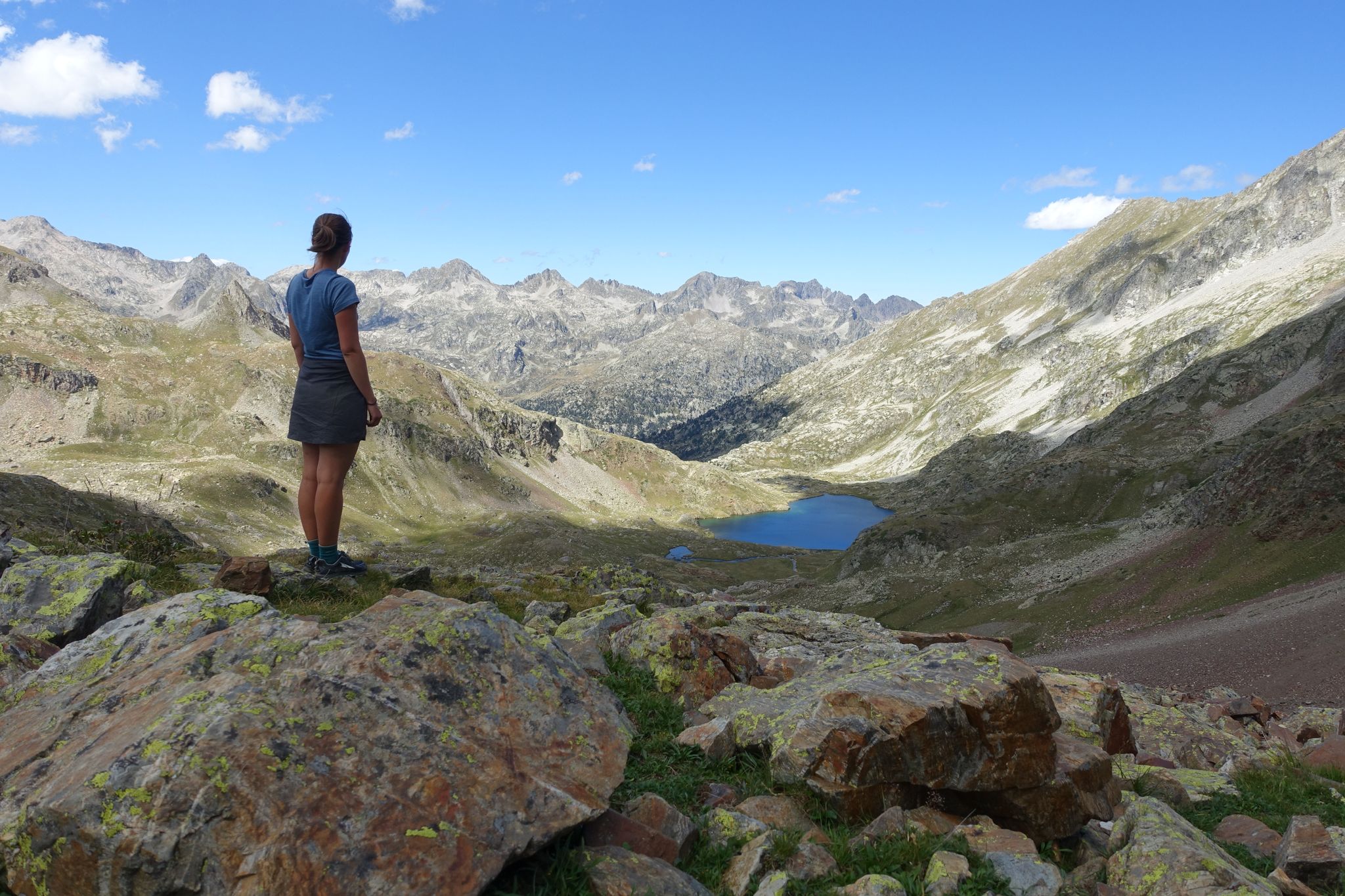
Haute Route Pyrénéenne – Pyrenees Crossing
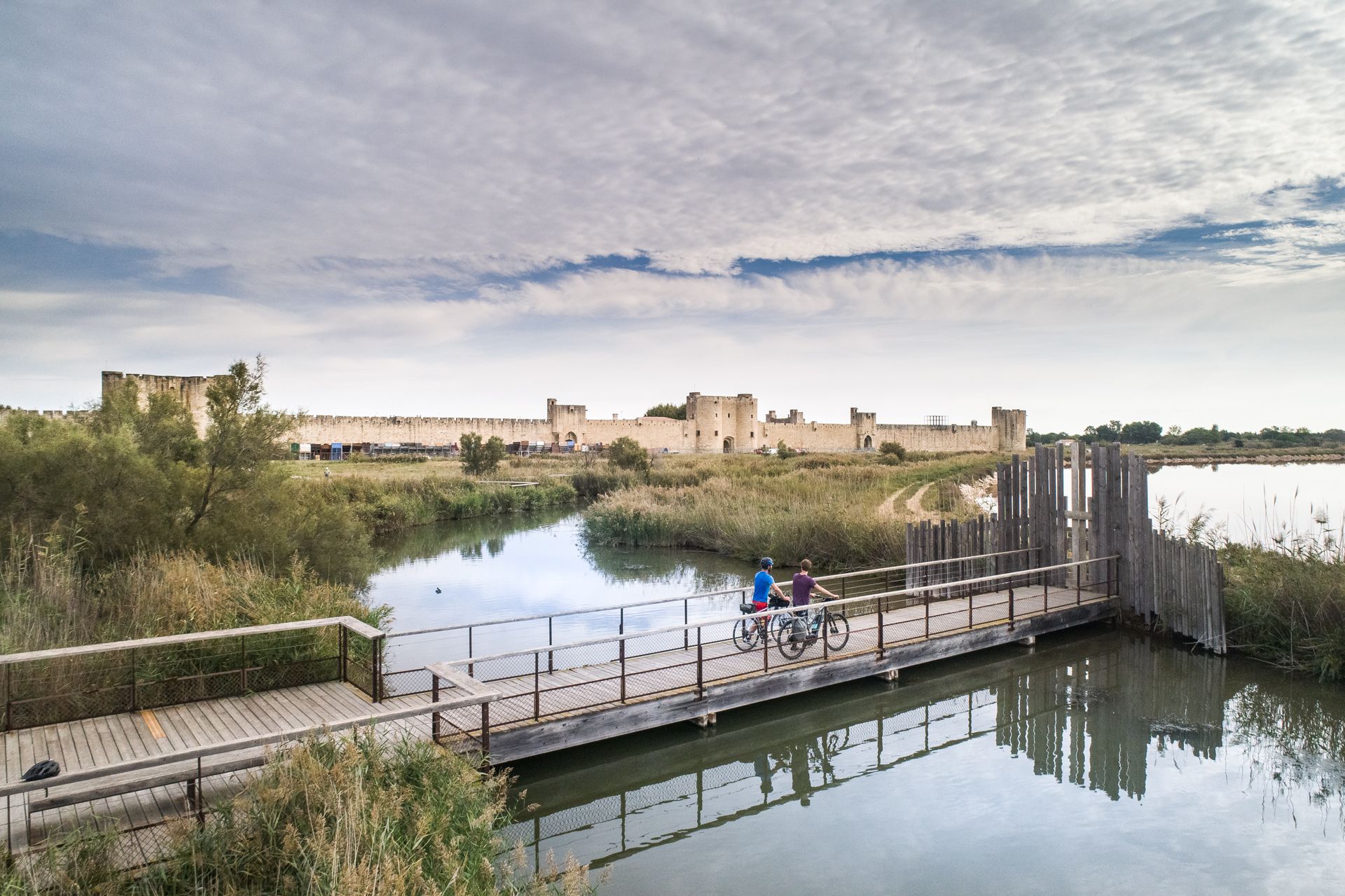
The most beautiful bike rides in Occitanie
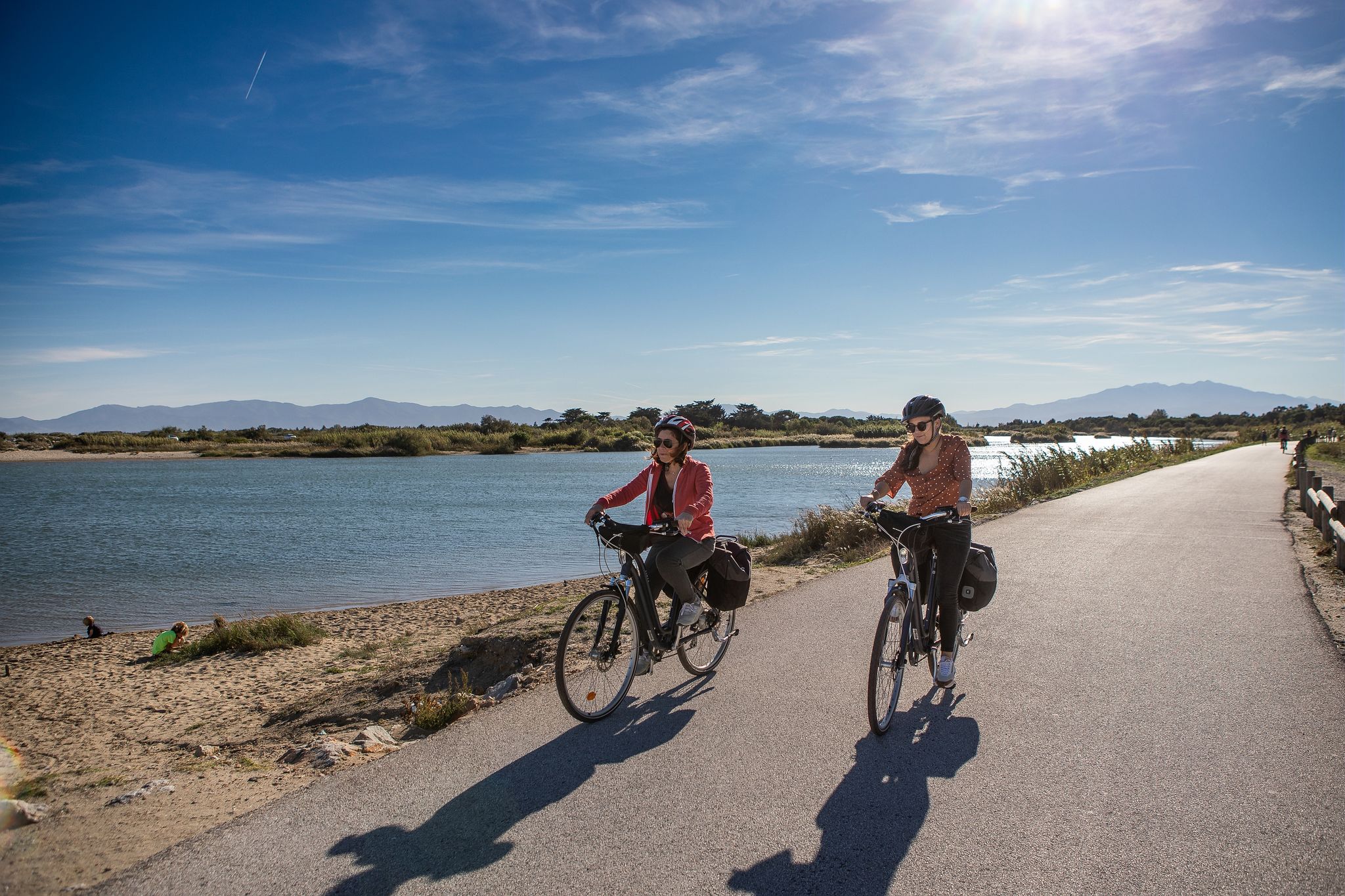
Méditerranée in Occitanie - Ten bike rides in the South of France
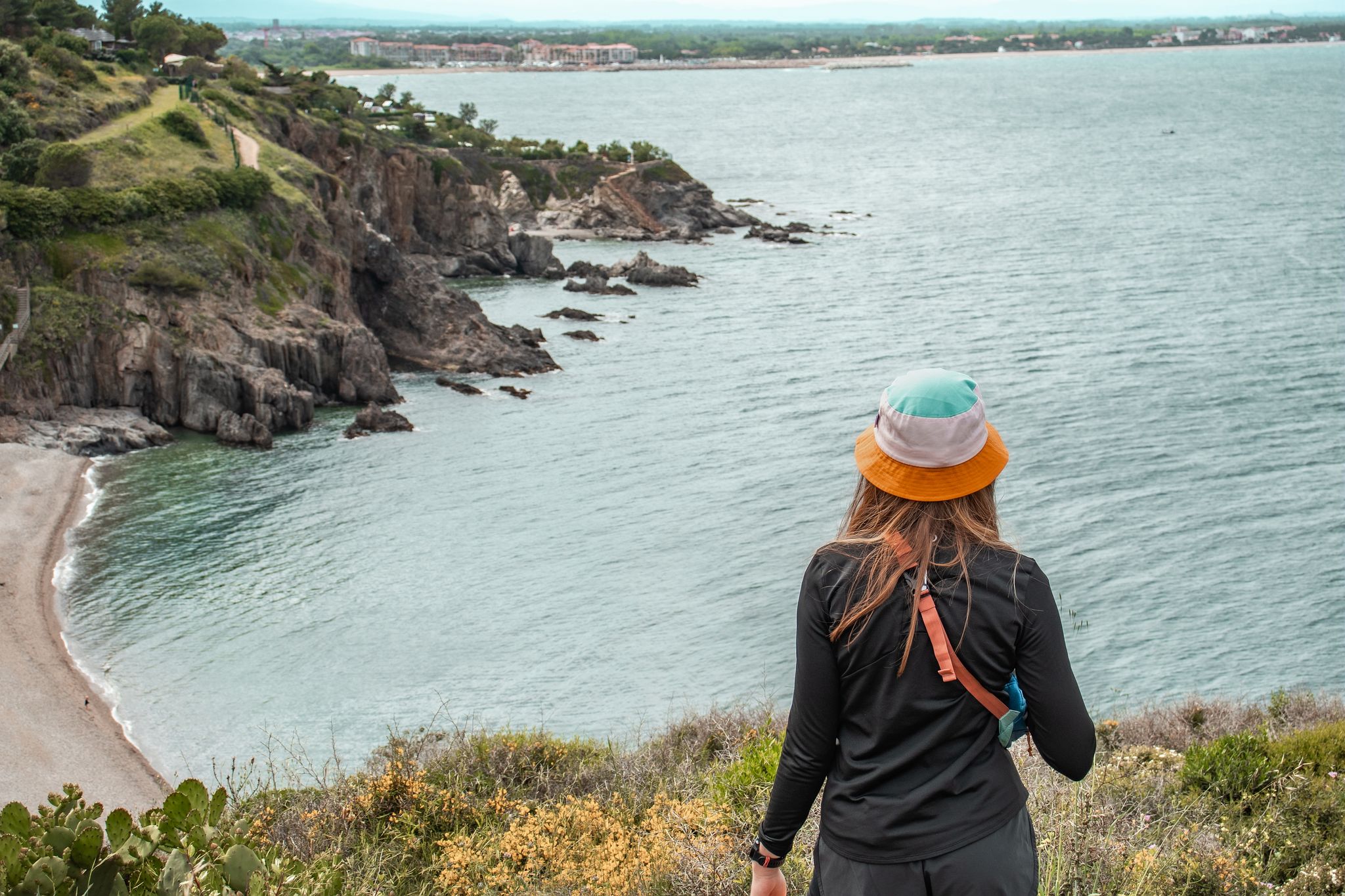
Côte Méditerranée – hiking in Occitania
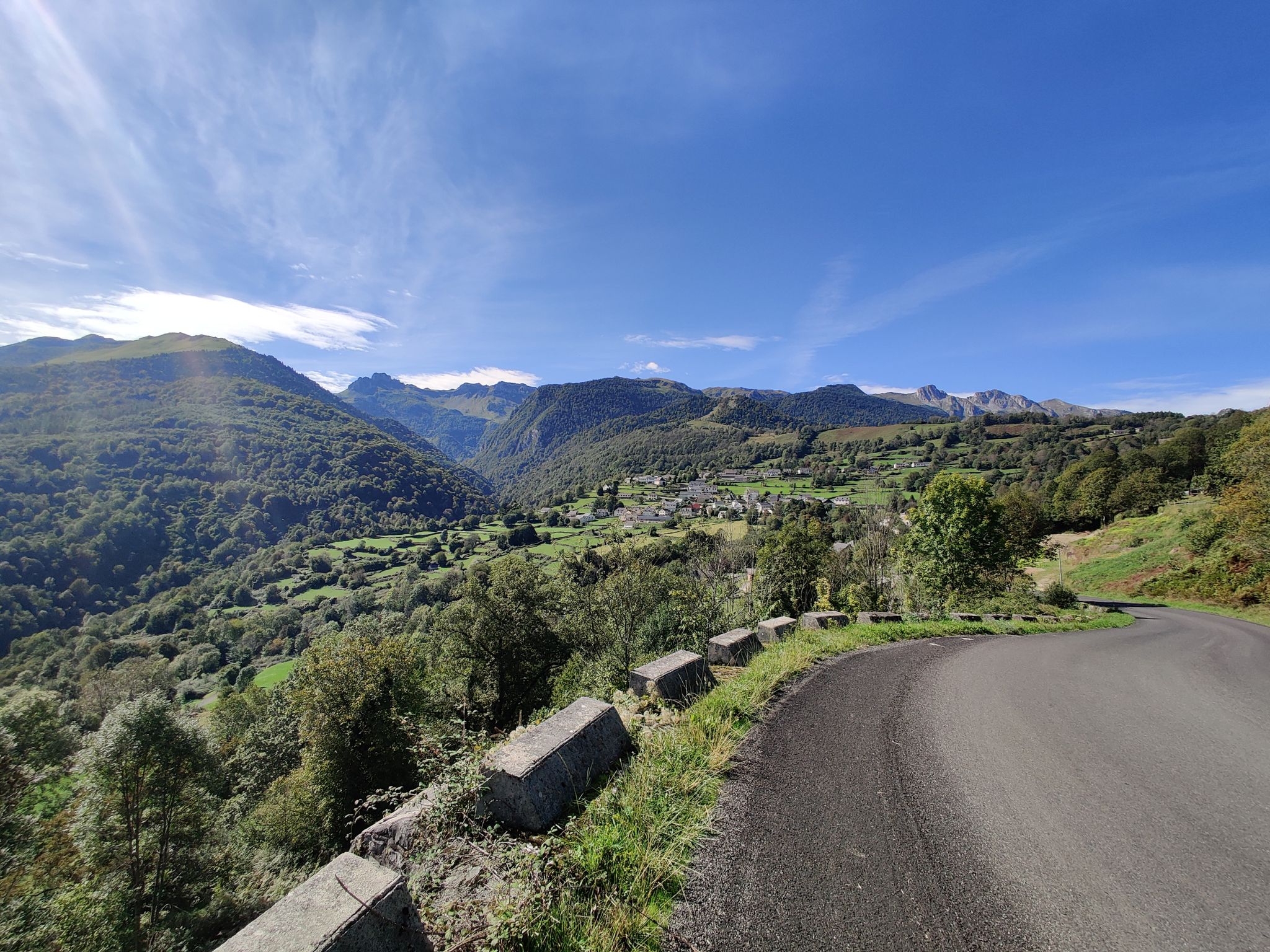
From the Atlantic to the Mediterranean – Route des Cols in the Pyrénées
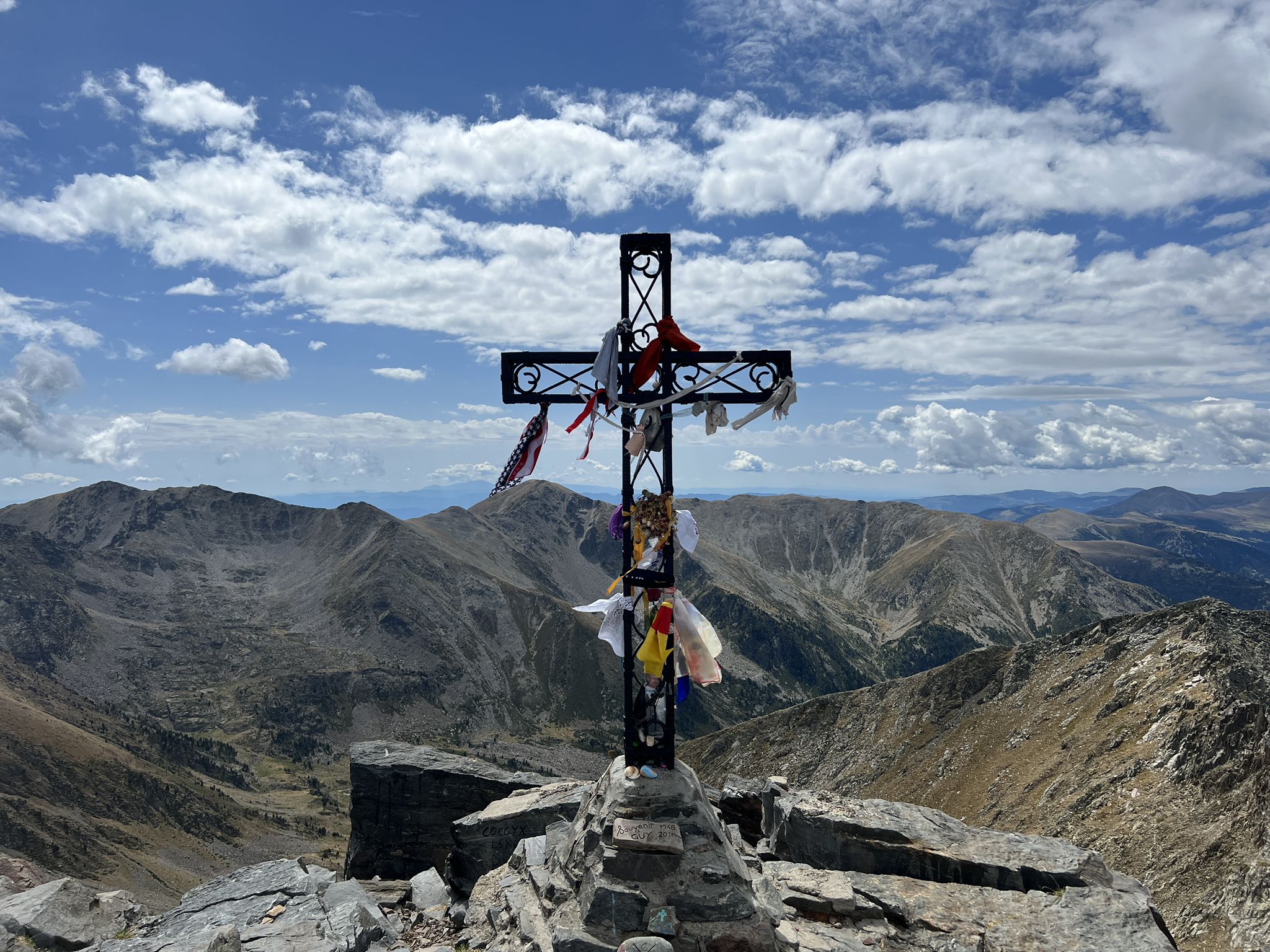
Tour of Canigo — The last great massif of the Pyrenees
In search of the sun – between the Pyrenees and the Mediterranean
Other adventures around Céret


Tips from the Community


This summer, I did the off-road climb and descent on my gravel bike. Challenging, but incredibly beautiful!
0
0

Vauban-style fort with a 180° view over the entire bay of Collioure.
0
0

Parc de Valmy – a rustic but very beautiful park. In summer, you can enjoy wine or beer in a small beer garden. There's a playground and seating for your own snack.
0
0


Built in the 13th century, its original function was to watch over the coast and warn of possible invasions. Today, it is a popular hiking destination due to its location on a hilltop that offers spectacular panoramic views.
0
0
The fortress is named after French General Jacques François Dugommier, who played a prominent role during the French Revolutionary Wars. Although not fully open to the public as a tourist attraction today, it is a place of interest for those who enjoy military history and spectacular views, as well as being a good destination for a hike from Port-Vendres or Collioure.
0
0
Frequently Asked Questions
What makes the castles around Céret unique?
The region offers a diverse range of historical structures. You can explore the grand Neo-Baroque Château d'Aubiry, the ancient ruins of Le Castellas within Céret, and strategic military forts like Fort Saint-Elme and Fort de Bellegarde, each telling a different story of the area's rich past.
Which castles offer the best panoramic views?
Many castles in the region are strategically located for stunning vistas. Querroig Castle ruins provide 360º panoramic views of the Mediterranean and the Albera mountains. Fort Saint-Elme overlooks the bays of Collioure and Port-Vendres, while Fort de Bellegarde offers expansive views of the borderland between France and Spain.
Are there any castles near Céret that combine history with other attractions?
Yes, Valmy Castle in Argelès-sur-Mer is a great example. Besides its elegant 19th-century architecture, it houses a winery producing Côtes du Roussillon wines, allowing visitors to combine historical interest with gastronomy. It's also a popular starting point for cycling and hiking tours.
What kind of outdoor activities can I do near these castles?
The region around Céret is excellent for outdoor enthusiasts. You can find numerous hiking and cycling routes. For example, Valmy Castle is a starting point for several tours. Explore options like the 'Coastal Path: Le Racou to Collioure' or 'The Tour Madeloc' for hiking, or 'Albera Massif Loop' for road cycling. You can find more details on these and other routes in the Hiking around Céret and Road Cycling Routes around Céret guides.
Are there family-friendly castles or activities near Céret?
While specific 'family_friendly' tags for castles are limited, many sites offer open spaces and historical exploration suitable for families. The Parc de Valmy surrounding Valmy Castle has gardens and picnic areas. Exploring the imposing walls and passageways of Fort de Bellegarde can also be an engaging experience for children interested in history. The settlement of Prats-de-Mollo-la-Preste is also noted as family-friendly.
How long should I plan for a visit to a castle near Céret?
The duration of your visit depends on the castle. For extensive sites like Château d'Aubiry (if accessible for tours) or Fort Saint-Elme, you might spend 2-3 hours exploring. Smaller ruins like Le Castellas or Querroig Castle might take less than an hour, especially if combined with a hike to reach them.
What are some lesser-known historical sites or 'hidden gems' in the Céret region?
Beyond the prominent castles, you can explore sites like Panissars Ruins, which offer a glimpse into ancient history. The remains of Le Castellas in Céret, though not a complete castle, hold significant historical and artistic heritage. For a deeper dive into Céret's local heritage, you might find more information on the Vallespir Tourism website: vallespir-tourisme.fr.
Are there any castles accessible by public transport from Céret?
While direct public transport to all remote castle sites can be limited, Céret itself is a town with public transport connections. For castles further afield like Valmy Castle (Argelès-sur-Mer) or Fort Saint-Elme (Collioure), you would typically take a bus to the nearest town (e.g., Argelès-sur-Mer or Collioure) and then potentially walk or use a local taxi service to reach the site. It's advisable to check local bus schedules in advance.
What is the best time of year to visit castles around Céret?
The spring (April-May) and autumn (September-October) months are generally ideal. The weather is pleasant for exploring outdoor sites and hiking, avoiding the intense heat of summer and the cooler, potentially wetter winter months. These seasons also offer beautiful natural scenery.
Can I find cafes or restaurants near the castles?
While some larger sites like Valmy Castle (with its winery) or Fort Saint-Elme (a popular tourist spot) might have facilities or be close to towns with dining options, many castle ruins are in more remote, natural settings. It's always a good idea to pack water and snacks, especially if you plan a longer hike to reach a site like Querroig Castle.
Are there any castles that are particularly good for history buffs?
Absolutely. Fort Saint-Elme offers a five-hundred-year-old story of military architecture, with connections to the Habsburgs, Valois, and Bourbons. Fort de Bellegarde, designed by Vauban, played a crucial role in protecting the strategic passage between France and Spain. Both provide deep insights into regional conflicts and fortification techniques.
Most popular routes around Céret
Most popular attractions around Céret

Get inspired with the komoot mobile app


Didn’t find what you were looking for?
Explore Céret’s best castles region by region:
Explore more
Looking for the best castles somewhere else? Discover other guides around Céret:
