Attractions and Places To See around Agen - Top 20
Best attractions and places to see around Agen, a city in the Lot-et-Garonne region of France, offers a blend of historical sites and natural landscapes. Situated between Bordeaux and Toulouse, the area is characterized by the Garonne River and the Canal de Garonne. Visitors can explore a variety of landmarks, cultural sites, and natural features.
Best attractions and places to see around Agen
- The most popular attractions is Notre-Dame Church of Moirax, a religious building and historical site that is a jewel of Romanesque art. This imposing church, part of a Cluniac Priory from the 11th century, was a milestone on the Way of Saint James.
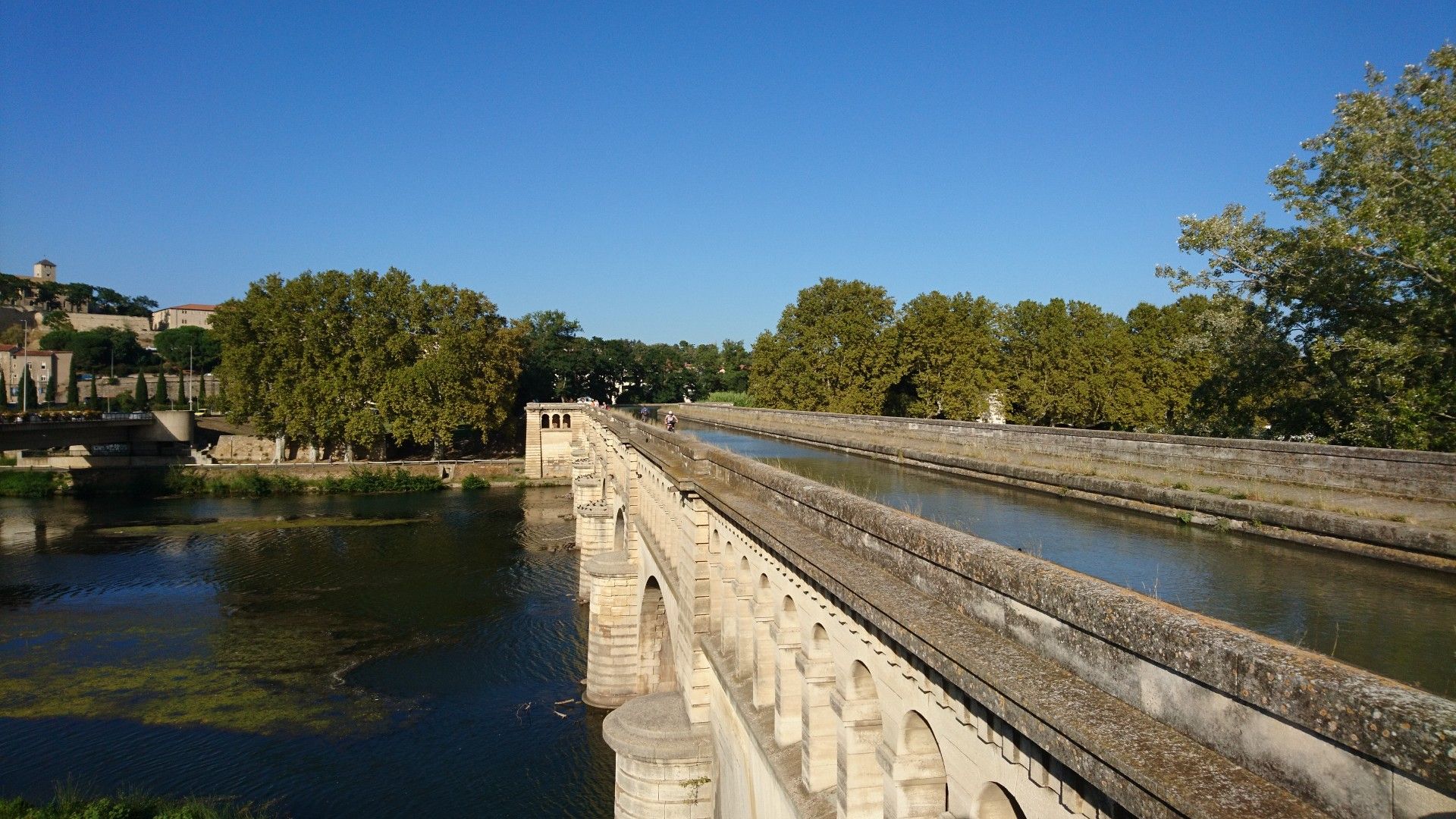
- Another must-see spot is Agen Aqueduct, a bridge and historical site. This 539-meter-long, 23-arch construction carries the Canal de Garonne over the Garonne River.
- Visitors also love Château de Beauville and viewpoint, a castle and historical site. Built around the 13th century with significant 16th-century additions, it offers views from its high vantage point.
- Agen is known for its historical sites, religious buildings, and natural viewpoints. The region offers a variety of attractions to see and explore, from ancient castles to impressive aqueducts and scenic river ports.
- The attractions around Agen are appreciated by the komoot community, with 45 highlights, 9 photos, and 123 upvotes.
Last updated: August 30, 2026
Agen river port
Highlight • Other
Translated by Google •
Tip by

Agen Canal Bridge
Highlight (Segment) • Bridge
Translated by Google •
Tip by

Sign up now to discover places like this
Get recommendations on the best single tracks, peaks, & plenty of other exciting outdoor places.
Sign up for free
Notre-Dame Church of Moirax
Highlight • Religious Site
Translated by Google •
Tip by

Saint John the Baptist Church
Highlight • Other
Translated by Google •
Tip by
Prayssas Village Square
Highlight • Settlement
Translated by Google •
Tip by

Château de Beauville and viewpoint
Highlight • Castle
Translated by Google •
Tip by
Place des Laitiers
Highlight • Other
Translated by Google •
Tip by

Poule à Vélo Inn
Highlight • Cafe
Translated by Google •
Tip by

Saint-Caprais Cathedral
Highlight • Historical Site
Translated by Google •
Tip by

Montpezat Mill
Highlight • Other
Translated by Google •
Tip by

Sign up for free to discover even more attractions around Agen.
Sign up for free
Already have an account?
Start today with a free account
Your next adventure awaits.
Login or Signup
Popular around Agen
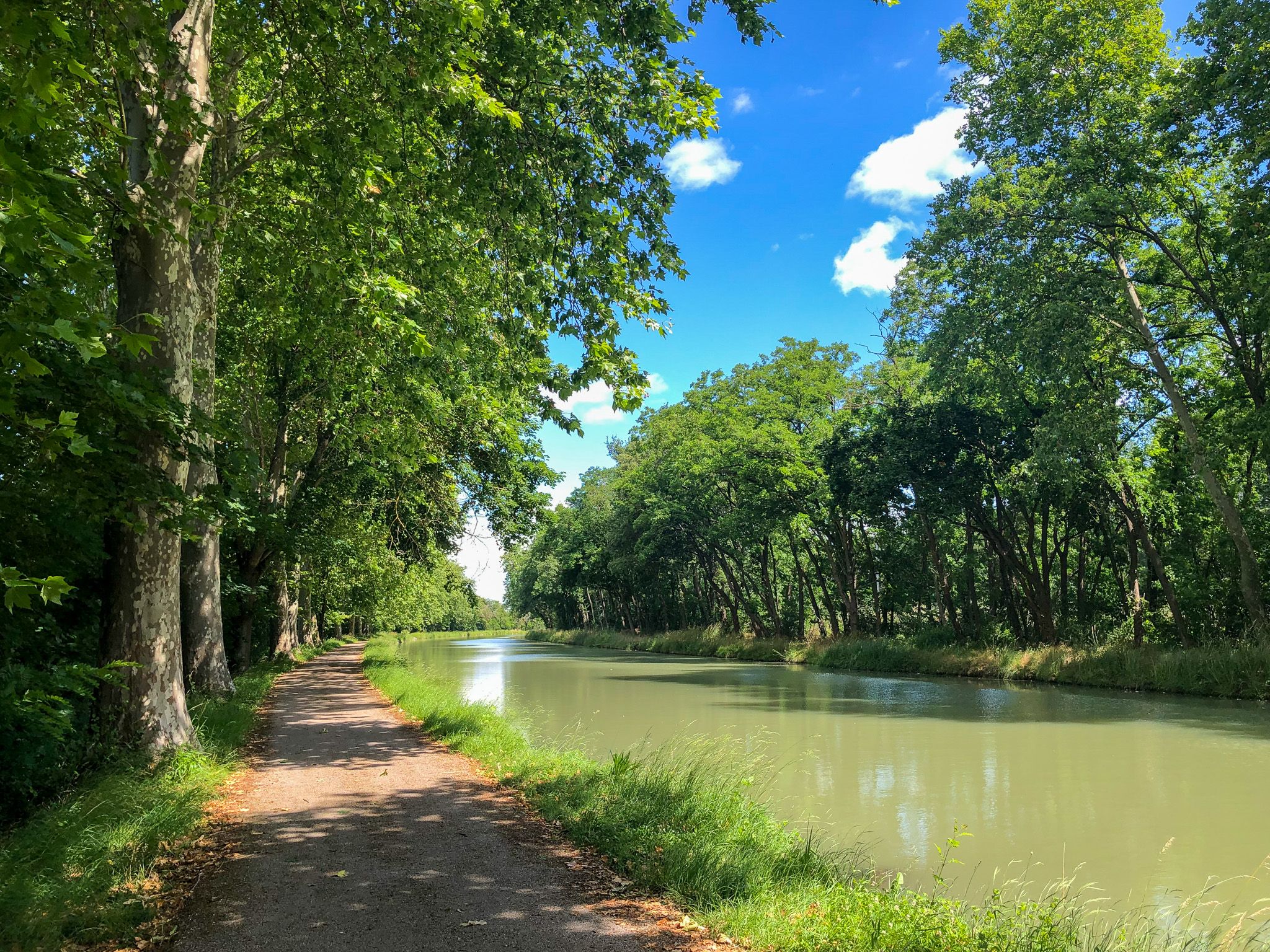
Canal de Garonne – Escape between Agen and Toulouse
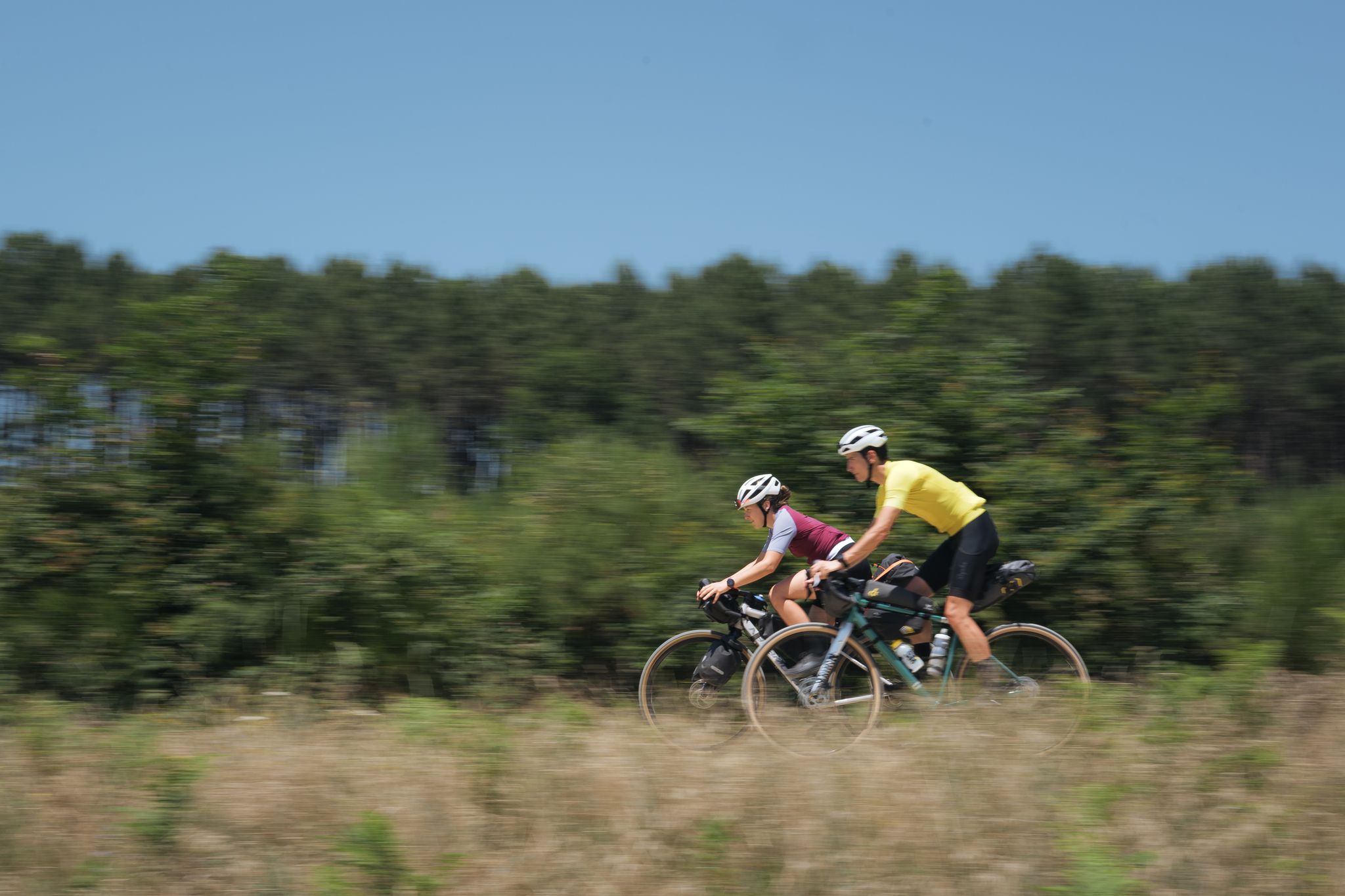
Off the beaten track in Lot-et-Garonne — MTB and gravel routes
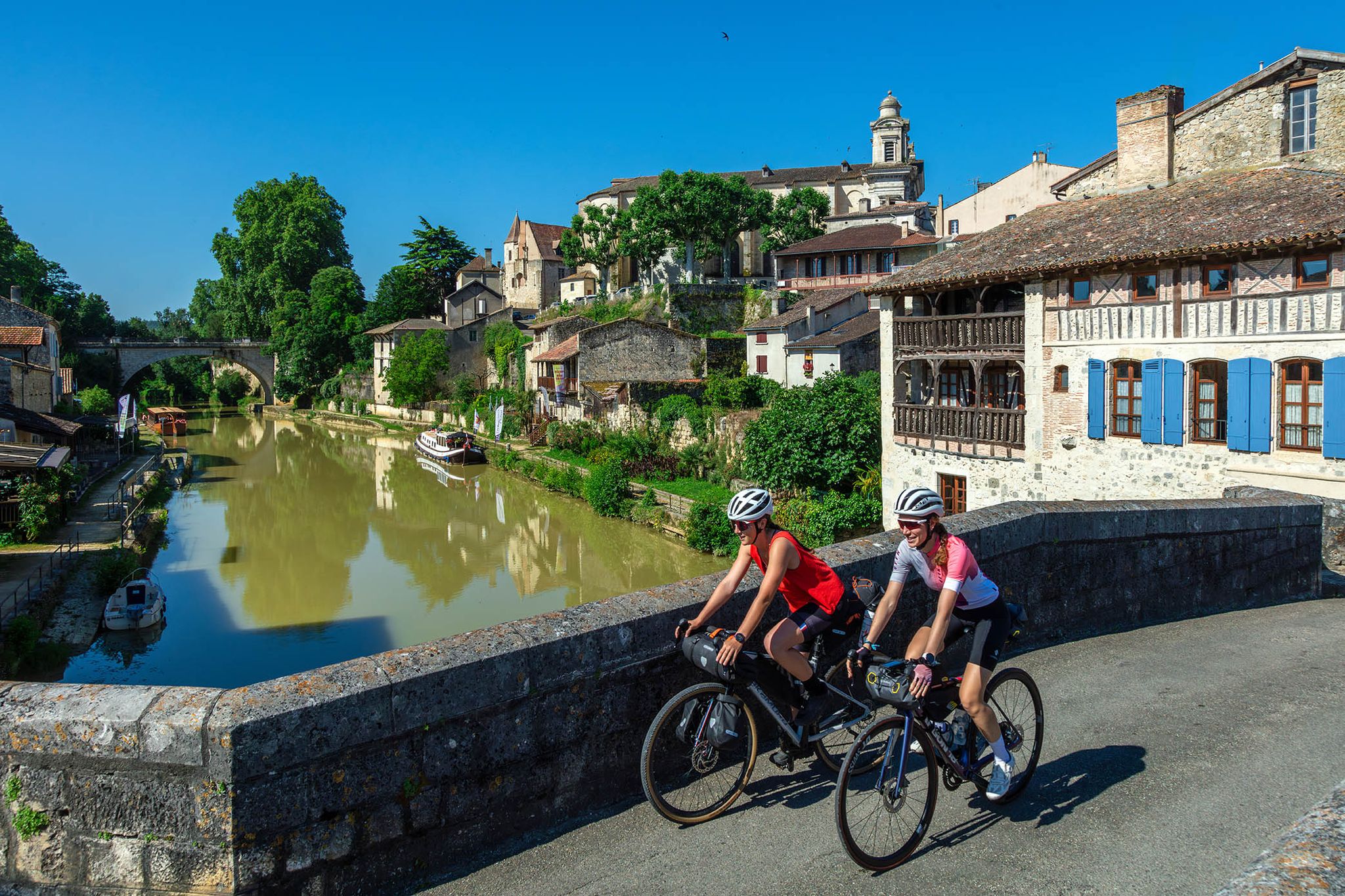
The most beautiful rides of Lot-et-Garonne by bike
Take the tangent — The Baïse Valley cycle route
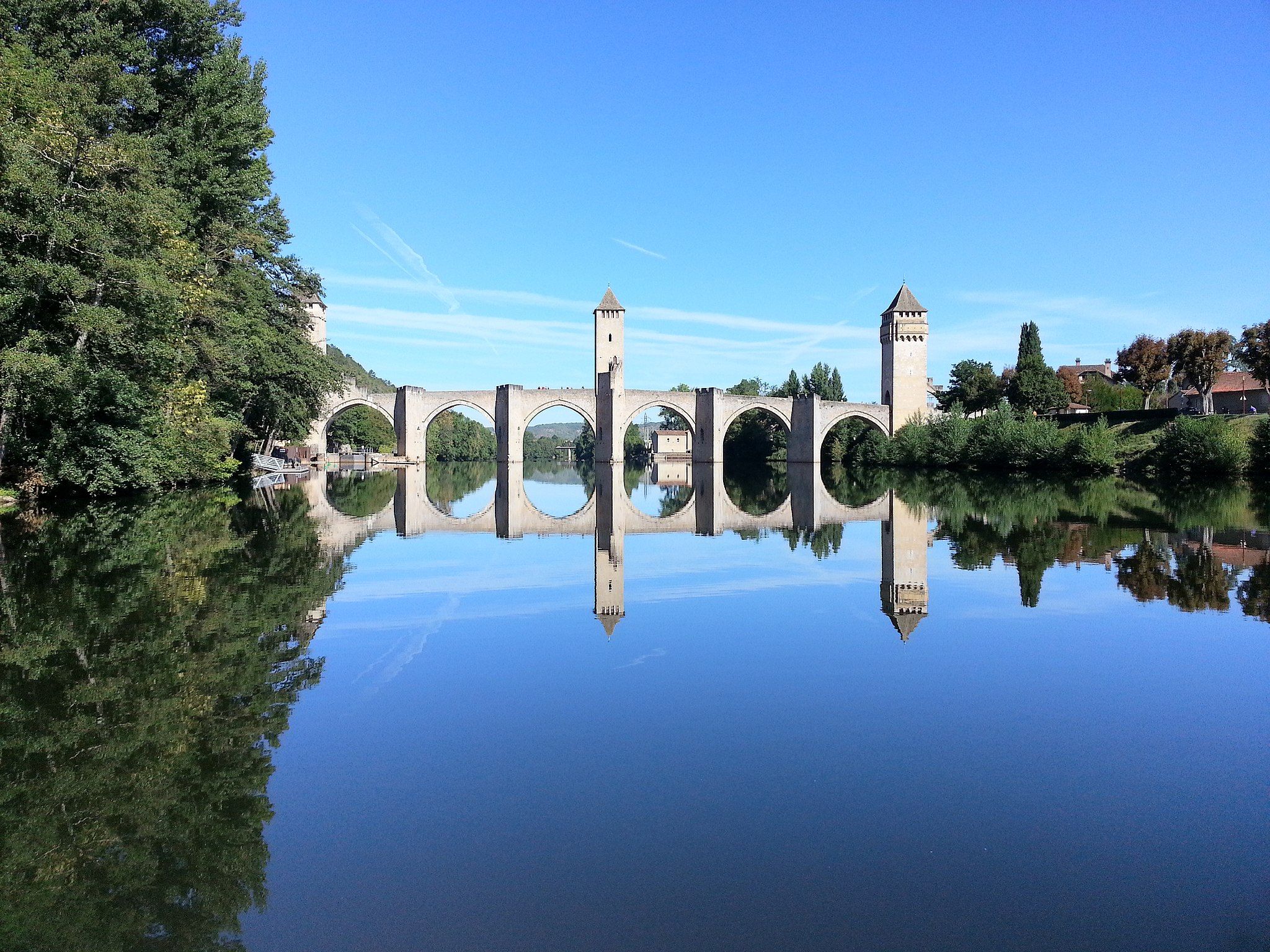
Along water and time – France’s Lot Valley Véloroute
A river adventure – Canal des Deux Mers by bike
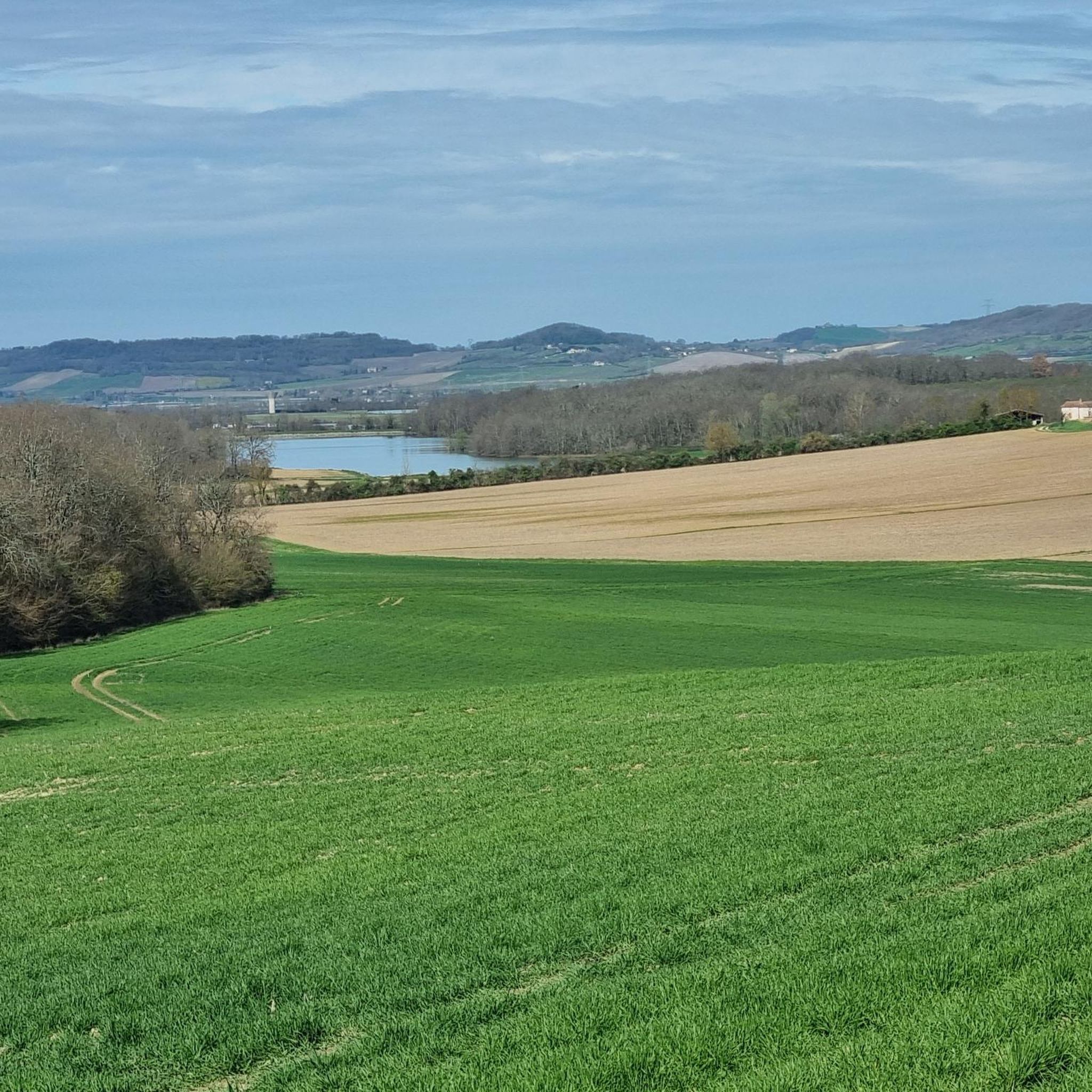
Hiking around Agen
Cycling around Agen
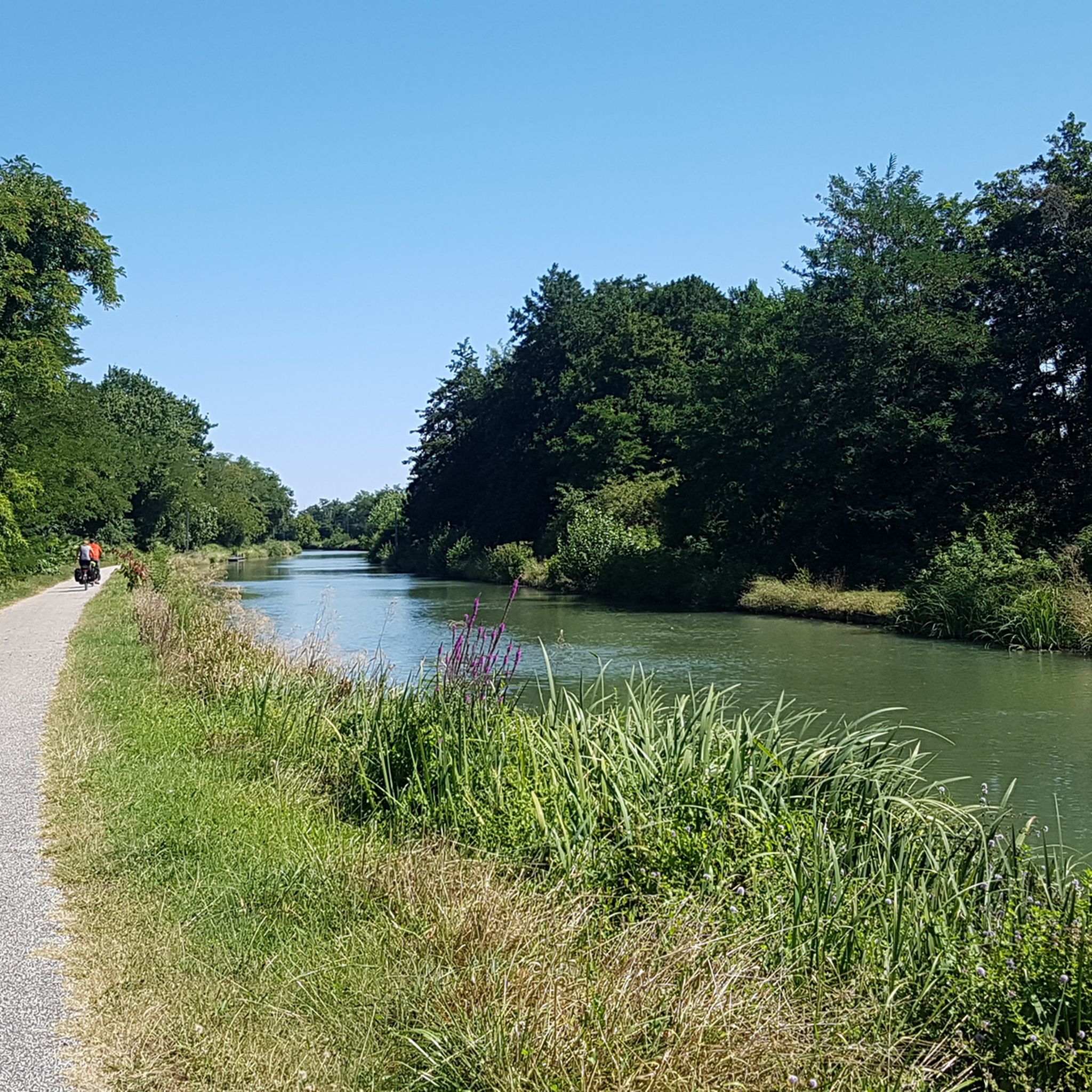
Road Cycling Routes around Agen
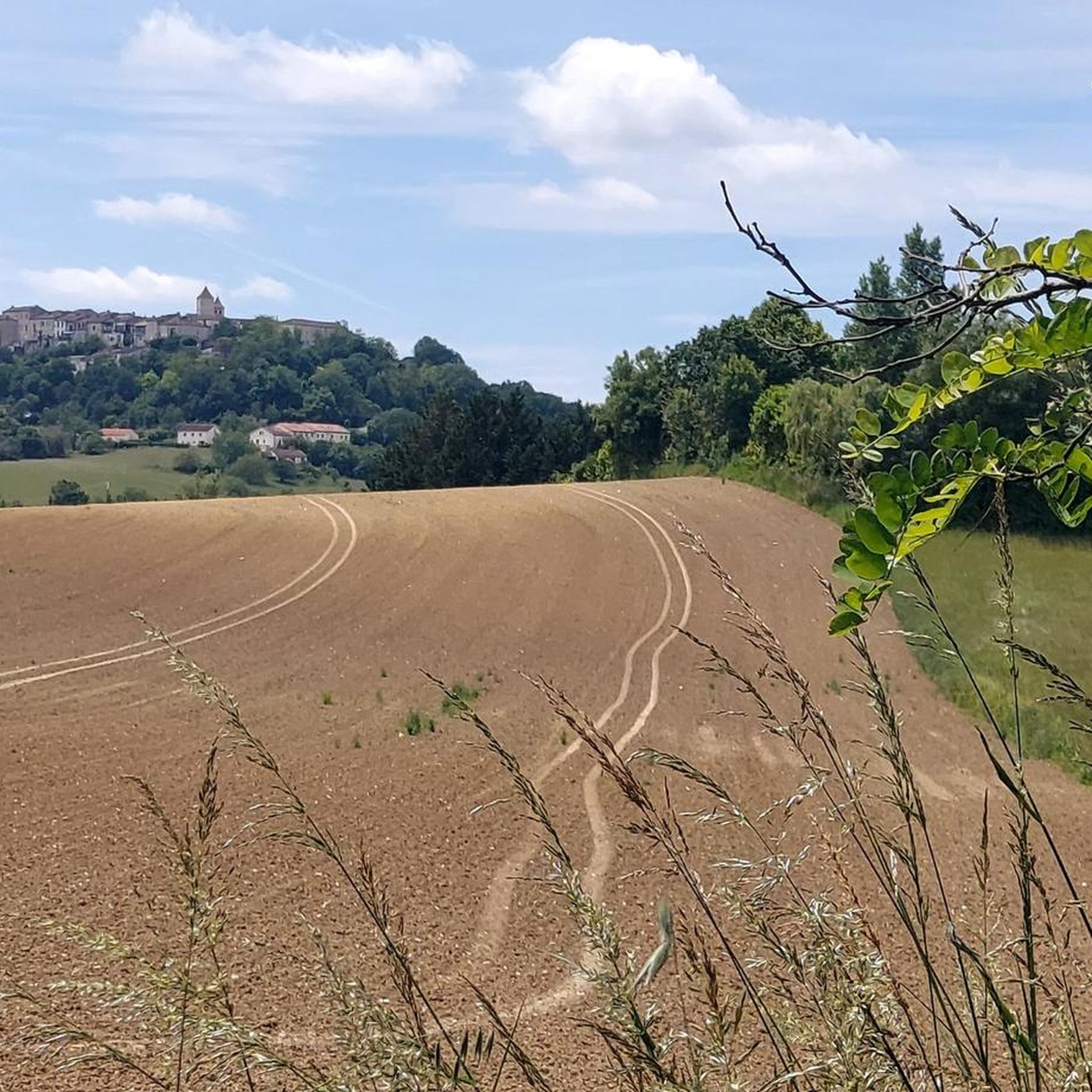
Running Trails around Agen
Other adventures around Agen


Tips from the Community

« Lou Mouli del Castel » « Lou Mouli del Castel », as the elders of Montpezat familiarly called it, raises its tall stature on the rocky spur located west of the village, from where one overlooks the beautiful Lot valley. Writings in P. CHAPLAIS' book « The war of Saint SARDOS » tell us that the Capet windmill was built before 1324, but we find it dated 1870 on a stone at the entrance to the mill. Was it demolished and rebuilt? Possible! Be that as it may, this old building was once, as its name indicates, the mill of the lords of Montpezat, whose successive castles were razed, except for the vital organ it represented and which constituted the survival of the inhabitants! The site of the Castle where the mill is located was purchased by the commune in February 1988 and the Capet lands in 1989. In 1998, the municipality decided to restore this mill which, after having remained for many years in a state of abandonment and ruin (only the shaft remained), finally had a new life project. Thus, on a beautiful spring morning in 2005, our mill regained its wings. There are 3 mills in the commune, only this one is communal, the other two are private. This restoration would not have been possible without the determination of the elected officials of the time and without the various grants that were awarded. Thanks to them, we today have the most beautiful mill in the... village.
0
0

Saint-Caprais Cathedral in Agen features several architectural peculiarities: its Romanesque apse is extended by a single-nave Gothic nave. Replacing an earlier wooden campanile, the current bell tower was built in 1835 at the initiative of Bishop Jean-Aimé de Levezou de Vezins and is unusual in that it consists of three Gothic stylistic elements (lancet Gothic, radiant Gothic, and flamboyant Gothic) curiously presented in reverse chronological order. A corbel composed according to this principle can still be seen in a corner of the north transept of Agen Cathedral. This corbel, in itself, is a small monument containing two large formerets and a long-span pointed arch. The paintings on the walls and ceilings depict the history of the arrival of Christianity in the region. A central role is given to the first martyrs of Agen. Other paintings are presented in series: the Evangelists, the Apostles, the patriarchs of the Jewish people (Abraham, Noah, etc.), the great kings of Israel, etc. The cathedral is much shorter than one might expect, judging by the size of the choir; indeed, political and financial difficulties greatly influenced the cathedral's final form. The painted decoration was entrusted to Jean-Louis Bézard, a painter from Toulouse who won the Prix de Rome in 1829. He completed the decoration of the chapel of the Hospice Saint-Jacques d'Agen, now the departmental hotel, in 1845, which has since disappeared. At the same time, he began painting the Chapel of the Virgin Mary in the cathedral. He continued decorating the cathedral until 1869. The choice of themes was made by the cathedral clergy and was the subject of debate between the painter and Abbé Deyche. For the decoration of the apse, the choice was made to depict the martyrdom of the saints of Agen. For the rest of the decoration, the paintings blend local themes and Marian iconography, the great figures of the Bible, the Old Testament, and the New Testament. Jean-Louis Bézard drew inspiration from the decoration of the Sicilian churches of Palermo and Montereale for the medallions of the arches of the transept crossing. The altar decoration: an altar cross and six candlesticks are listed as historical monuments. On the counter-façade, two statues: on the right, Saint Caprais, and on the left, Saint Stephen, by Louis Rochet. The main organ, built by organ builder Jean-Baptiste Stoltz, was featured at the 1855 World's Fair in Paris. According to legend, it was donated by Empress Eugenie in 1858 to Agen Cathedral, which until then had no instrument. It is the largest instrument in the Lot-et-Garonne department, with 45 stops spread over three manuals and a pedalboard. It has mechanical action. It is listed as a historic monument. The choir organ was built by organ builder Jules Magen in 1885 (15 stops over two manuals/pedalboard). It has been listed as a historic monument. Concert pianist and organist Jérôme Chabert has been its organist since 2002. He founded the Heures d'Orgue, an international festival held every summer in July and August on the cathedral's two organs.
0
0
Saint-Caprais Cathedral was built in the 12th century on the site of an episcopal basilica constructed in the 6th century, sacked by the Normans in 853 and then restored. Saint-Caprais Church is mentioned, along with Saint-Étienne Cathedral, in the will of Raymond, Lord of Toulouse, Marquis of Gothia, Count of Rouergue, Gévaudan, and Narbonne, who died in 961.[6] It was originally a collegiate church. Sacked again in December 1561 during the Wars of Religion, Saint-Caprais Collegiate Church became a fodder store in 1791 before being reopened in 1796 and becoming the official cathedral of Agen, following the destruction of the old Saint-Étienne Cathedral during the Revolution. It was elevated to the rank of cathedral in 1802. At the request of the Bishop of Agen, Jean-Aimé de Levezou de Vezins, the architect Gustave Bourrières[7] rebuilt the south façade, the bell tower, and the interior floors between 1838 and 1847.
0
0
In Gallo-Roman times, this was the forum and forecourt of the first Saint-Étienne Cathedral. It is still the heart of the city. Every Saturday morning, the market welcomes shoppers. This market offers only organic produce. This square intersects Boulevard de la République, a vast thoroughfare that was designed and invented in the 19th century by a certain Eugène Haussmann. He was not yet a baron; he was sub-prefect of Nérac when he brought a breath of fresh air to the departmental metropolis by opening boulevards: Boulevard Carnot and Boulevard de la République. Fortunately, the Place des laitiers was not affected by the transformations. In the center of the square stands a statue depicting a pilgrim walking the Camino de Santiago. A reminder of this medieval context. Pilgrims stayed in two towns: Moissac and Agen. Needless to say, the rivalry between these two cities was fierce... They fought over what were then called "the marchers of piety." This square is magnificent. It is lined with houses surmounted by corners also called ambans. These covered galleries allowed merchants in the Middle Ages to display their wares without fear of damage from the sun or rain. Today, many cafes and ice cream parlors have set up their tables there. And since cars are not allowed to park, it's a perfect place to safely set up café terraces. If you're curious, go admire the painted ceiling of the Dairymen's Brasserie. The decor is Rococo, it's true, the structure is reminiscent of a Parisian bistro (which is hardly surprising when you know the owner's background), but when you look up at the ceiling, you discover a painted canvas mounted on it. This painting is a copy of the one that adorned the ceiling of the couple's bedroom in the Hôtel de Gonzague in Mantua. It's original, surprising, and exotic. Another interesting place: the Quesseveur bookstore. This shop is next to the brasserie. It's certainly one of the oldest businesses in the city, since the first printing press in Agen opened there in 1634. A bookstore was later added. By the way, do you know why this square is called Place des laitiers? The explanation is quite simple: it was on this square that every morning, local farmers arrived to sell milk from their farms to the bourgeoisie of Agen. On this square was the forecourt of Saint-Étienne Cathedral, the first cathedral in Agen. Falling into ruins, it was demolished. It was replaced in 1883 by a Baltard-style market hall. In 1970, the covered market was built in its place... A long concrete spire rises into the sky, below the covered market, above 5 floors of parking. It's really not pretty, but it has one advantage. An exterior elevator allows you to reach the upper floors of the parking lot. By taking it, you discover the beautiful city of Agen
0
0

Incredible lodge and restaurant, great quality and very friendly atmosphere.
1
0

Located in a former lock-keeper's house on the banks of the Canal des Deux Mers, the Auberge de la Poule à Vélo offers a warm and authentic atmosphere. Certified Accueil Vélo (Cycling Welcome), this friendly establishment offers comfortable rooms, a unique caravan, and local cuisine. Perfect for a peaceful cycling break, as a couple or with family, in the heart of the Gascon way of life.
0
1
Located in the heart of the Lot-et-Garonne hills, Preyssas is a charming village typical of the Albret region. Surrounded by orchards and rolling countryside, it reveals peaceful lanes, a beautiful stone church, and retains a true rural authenticity. The town hall square is an ideal spot for a relaxing break on a terrace.
0
0

[In Advent] "we hear in the Gospel the beginning of the ministry of John the Baptist. He appears in the desert and calls people to conversion so that they may prepare for the coming of the Lord. His call reminds us that Advent is not only a time of waiting, but also of interior preparation. "Prepare the way of the Lord, make straight his paths" (Luke 3:4). John's message challenges us to examine our lives. What "rough paths" and "crooked roads" are there in our hearts? Where have we perhaps distanced ourselves from God or lost sight of our fellow human beings? John invites us to remove these obstacles and reorient our lives. But his call has not only a personal dimension, but also a social one: the way of the Lord is a way of justice, peace and reconciliation. When we pave the way of the Lord, we bring light into the darkness of the world and hope into the hearts of people." (Text: Michael Inden, Diocesan President of the KAB in the Archdiocese of Cologne)
1
0
Frequently Asked Questions
What historical sites can I explore in Agen and its surroundings?
Agen is rich in history. You can visit the impressive Notre-Dame Church of Moirax, a jewel of Romanesque art and a former milestone on the Way of Saint James. Don't miss the Agen Aqueduct, a 19th-century engineering marvel carrying the Canal de Garonne over the river. The Saint Caprais Cathedral, a UNESCO World Heritage site, showcases Gothic and Romanesque styles. Further afield, the Château de Beauville offers a glimpse into medieval architecture with 16th-century additions.
Where can I find scenic views and natural beauty around Agen?
For panoramic vistas, head to Château de Beauville and viewpoint, which offers beautiful views from its high vantage point. The site of L'Ermitage also provides stunning views of the Garonne valley. You can also enjoy leisurely strolls along the landscaped banks of the Garonne River or cycle along the towpaths of the Canal de Garonne, which connects the Atlantic and Mediterranean.
Are there family-friendly attractions in the Agen area?
Yes, several attractions are suitable for families. The Notre-Dame Church of Moirax and the Agen Aqueduct are both listed as family-friendly. For more active fun, Walygator Sud-Ouest amusement park and Happy Forest, an accrobranche adventure park, are located a short drive from Agen.
What outdoor activities can I do near these attractions?
The region around Agen is perfect for outdoor enthusiasts. You can enjoy road cycling on routes like "Along the Canal lateral de la Garonne" or "Sud d'Agen, towards Lectoure - loop." For hiking, consider "On the Pilgrim's Route of Saint-Jacques-de-Compostelle" or "The Château de Beauville – loop." There are also touring bicycle routes such as "The Masse Valley" and "Séoune Valley Loop." Find more details on these activities on the Road Cycling Routes around Agen, Hiking around Agen, and Cycling around Agen guide pages.
Where can I experience local culture and art in Agen?
The Musée des Beaux-Arts, housed in four 16th-century mansions, features a rich collection of paintings by artists like Goya and Tintoretto, alongside archaeological artifacts. You can also explore the historic Old Town with its cobbled streets and medieval houses, or visit local markets like the organic market at Place des Laitiers on Saturdays to experience local life.
Are there any notable religious buildings to visit in Agen?
Absolutely. The Notre-Dame Church of Moirax is an imposing 11th-century Cluniac Priory and a true architectural marvel. The Saint Caprais Cathedral is another significant religious site, known for its 19th-century frescoes. Additionally, the Saint John the Baptist Church in Clermont-Dessous, built in the 11th century, offers historical and architectural interest.
What is the best time to visit Agen for outdoor activities?
Agen enjoys a pleasant climate, making spring (April-May) and early autumn (September-October) ideal for outdoor activities. The weather is generally mild and comfortable for hiking, cycling, and exploring the natural sites without the intense heat of summer.
What are some unique local experiences or hidden gems in Agen?
Beyond the main sites, consider exploring the Prayssas Village Square, a charming settlement with historical significance and viewpoints. Wander through the historic Old Town's lesser-known streets like Rue Beauville or Rue des Corniers to discover medieval houses. You can also visit the Eglise Notre Dame de Moirax, an astonishing 12th-century Romanesque priory just outside Agen.
Where can I find cafes or places to rest near attractions?
While exploring, you might find local cafes in the city center or nearby villages. For example, the Poule à Vélo Inn is a listed highlight that offers facilities for a break. Many towns and villages around Agen will have small eateries and cafes.
What local delicacies is Agen famous for?
Agen is renowned for its prunes, known as 'Pruneaux d'Agen.' Visitors can sample these local specialties, along with regional wines, artisan cheeses, and other gourmet products found in local markets and shops.
Are there opportunities for cycling along the Canal de Garonne?
Yes, the Canal de Garonne offers excellent opportunities for cycling. Its towpaths are well-maintained and provide a flat, scenic route. You can cycle along the canal, including crossing the impressive Agen Aqueduct, and enjoy the tranquil waterside environment. Several cycling routes in the area utilize the canal, such as "Along the Canal lateral de la Garonne" mentioned in the Road Cycling Routes around Agen guide.
Most popular routes around Agen

Get inspired with the komoot mobile app


Didn’t find what you were looking for?
Are you keen on exploring more awesome places nearby? Browse our guides:
Explore more
Still not found the Highlight you’re looking for? See guides of the top attractions in other regions:
