Attractions and Places To See around Cahors - Top 20
Best attractions and places to see around Cahors. Cahors is a historic town situated on a rocky peninsula within a meander of the Lot River in southwestern France. This location provides a unique blend of natural beauty and medieval architecture. The area is known for its rich history, including Roman origins and significant medieval structures, offering visitors a diverse range of sites to explore.
Best attractions and places to see around Cahors
- The most popular attractions is Saint-Cirq-Lapopie, a settlement perched on a cliff overlooking a meander of the Lot River. This picturesque village is a UNESCO World Heritage site and recognized as one of France's most beautiful villages.
- Another must-see spot is Ganil lock and towpath, a historical trail carved into the bare rock along the Lot River. Visitors can experience a unique walk showcasing impressive engineering and natural scenery.
- Visitors also love Valentré Bridge, a 14th-century fortified bridge and an iconic symbol of Cahors. This well-preserved medieval structure features three distinctive towers and eight arches, making it a notable example of military architecture.
- Cahors is known for its medieval architecture, natural springs, and cultural sites. The area offers a variety of attractions, from historic bridges and cathedrals to scenic viewpoints and river activities.
- The attractions around Cahors are appreciated by the komoot community, with more than 590 upvotes and 363 photos.
Last updated: August 30, 2026
Saint-Cirq-Lapopie
Highlight • Settlement
Translated by Google •
Tip by

Ganil lock and towpath
Highlight • Trail
Translated by Google •
Tip by

Sign up now to discover places like this
Get recommendations on the best single tracks, peaks, & plenty of other exciting outdoor places.
Sign up for free
Valentré Bridge
Highlight • Monument
This defensive bridge was built from 1308 by order of the consuls of the city. Its impeccable condition is due to its restoration in the 1880s.
By paying attention to the different sculptures, you may notice a frightened devil. The bridge is indeed nicknamed the Devil's Bridge: the architect responsible for the restoration at the beginning of the 19th century, Paul Gout, had this legend immortalized by a sculpted stone. It depicts the devil trying to pull the stone from the bridge without succeeding.
Showing Translation
Tip by
Saint Stephen's Cathedral
Highlight • Religious Site
Construction began in the late 11th century, but it is said to have taken another 400 years to complete.
Translated by Google •
Tip by

The English Castle of Bouziès
Highlight • Castle
The interior is not open to visitors. View of the castle from the road or the metal bridge of Bouziès.
Translated by Google •
Tip by

Mont Saint-Cyr viewpoint overlooking Cahors
Highlight • Viewpoint
Translated by Google •
Tip by

Montcuq Old Town
Highlight • Historical Site
Translated by Google •
Tip by
St-Cirq-Lapopie Heights
Highlight • Viewpoint
Translated by Google •
Tip by

Albas
Highlight • Settlement
Translated by Google •
Tip by

The Igue of Crégols
Highlight • Gorge
Translated by Google •
Tip by
Sign up for free to discover even more attractions around Cahors.
Sign up for free
Already have an account?
Start today with a free account
Your next adventure awaits.
Login or Signup
Popular around Cahors
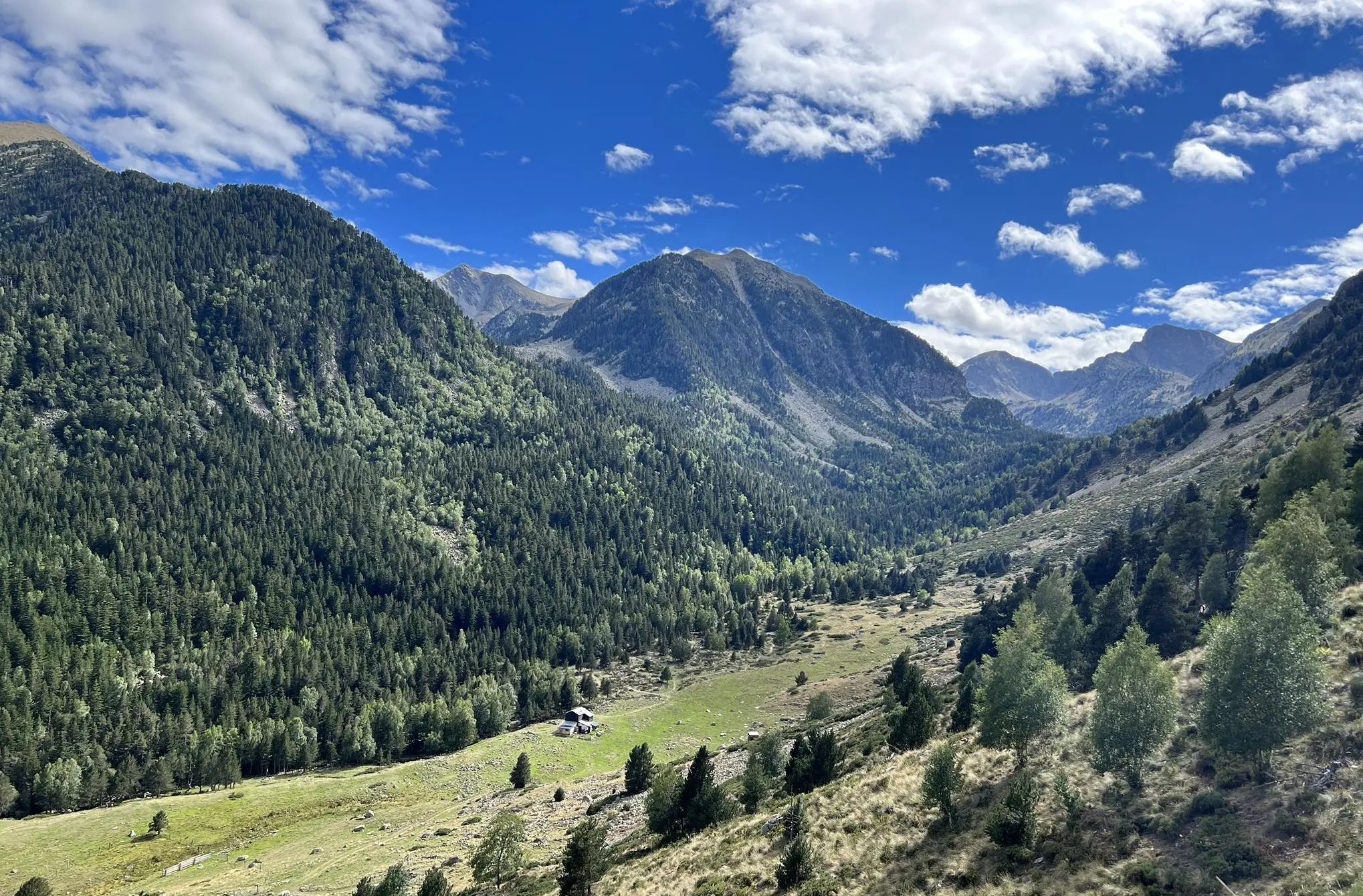
GR 36 long-distance footpath – Cross France from the Channel to the Pyrenees
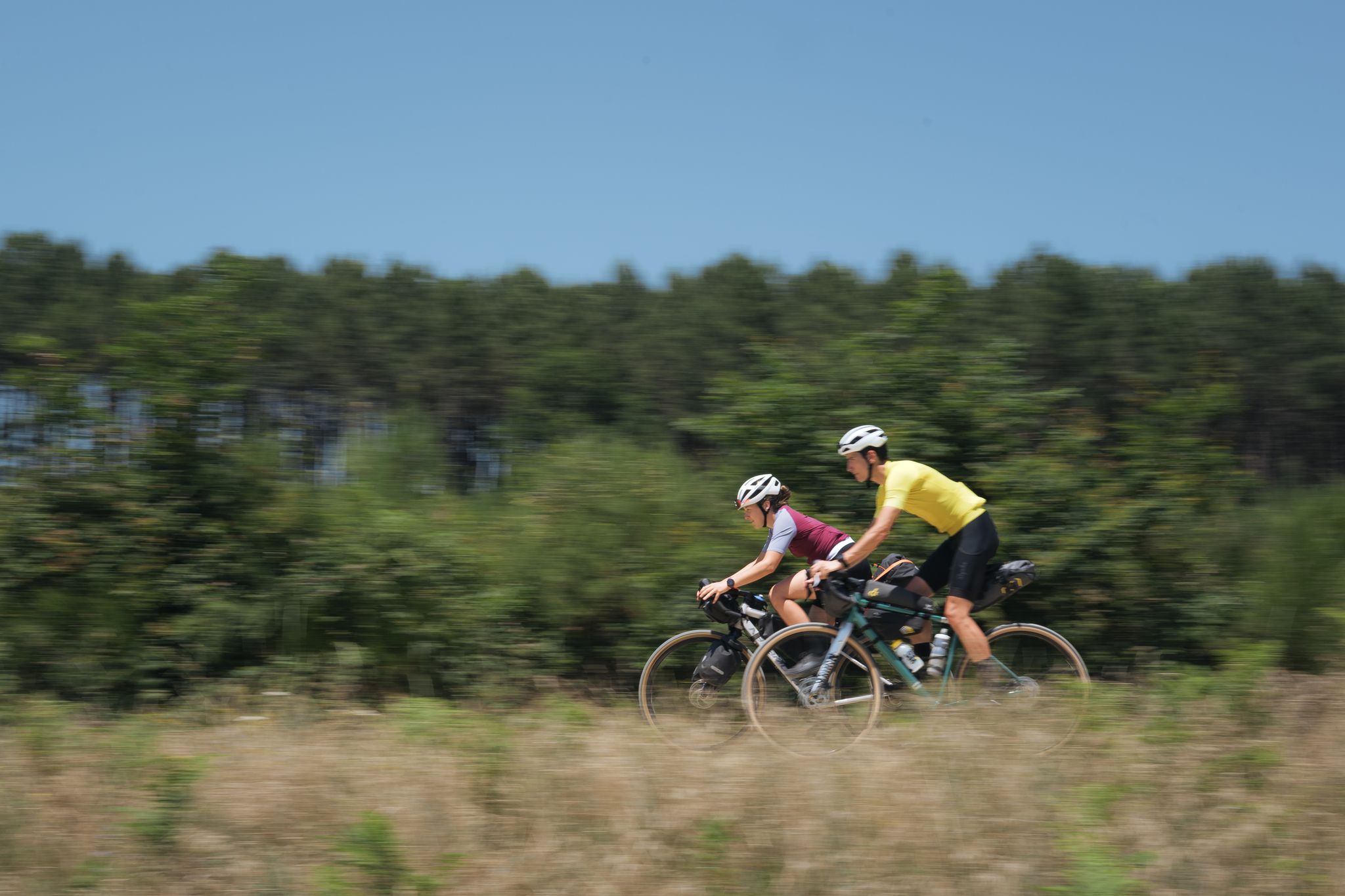
Off the beaten track in Lot-et-Garonne — MTB and gravel routes
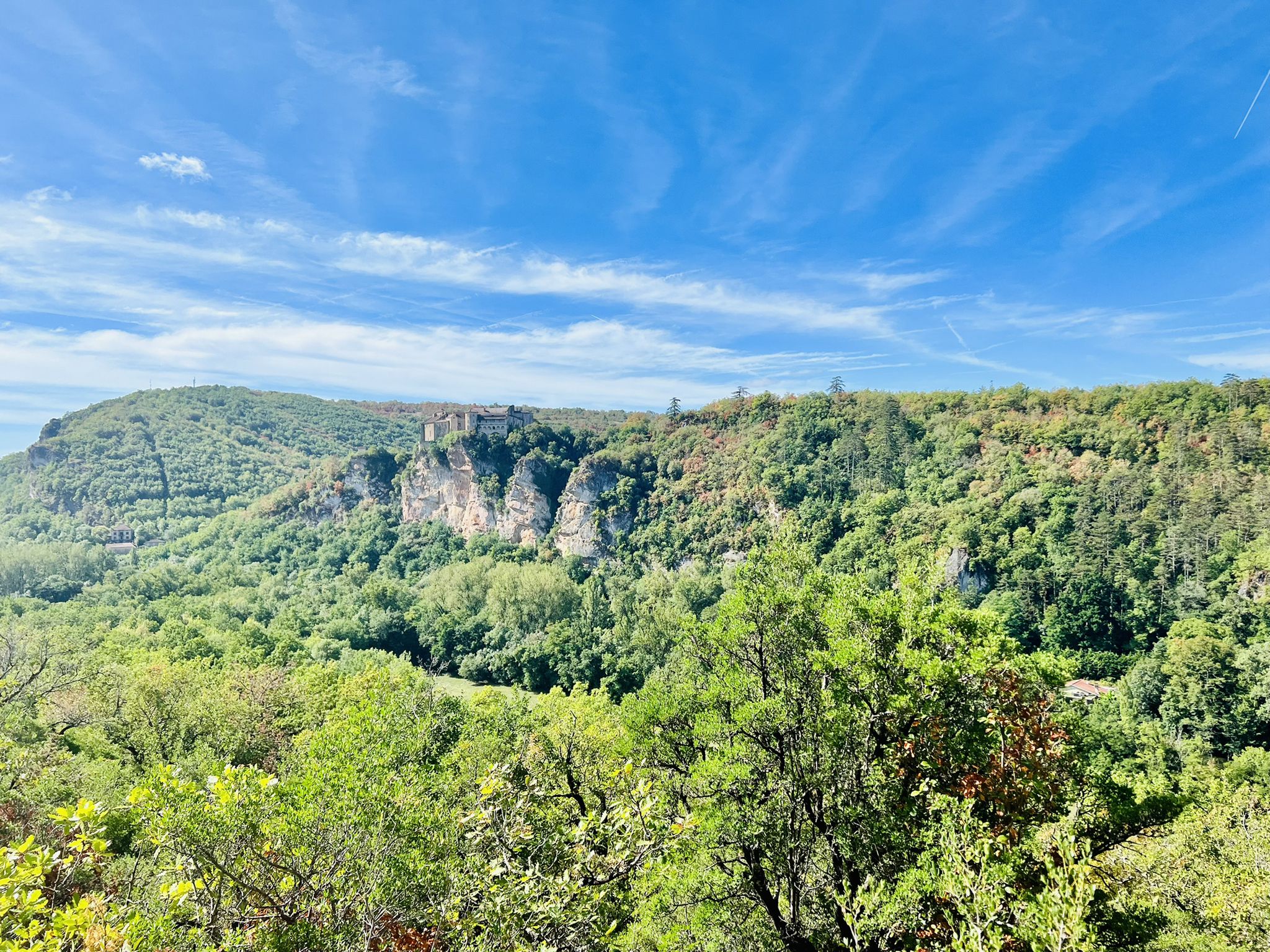
GR 46 — The Truant School
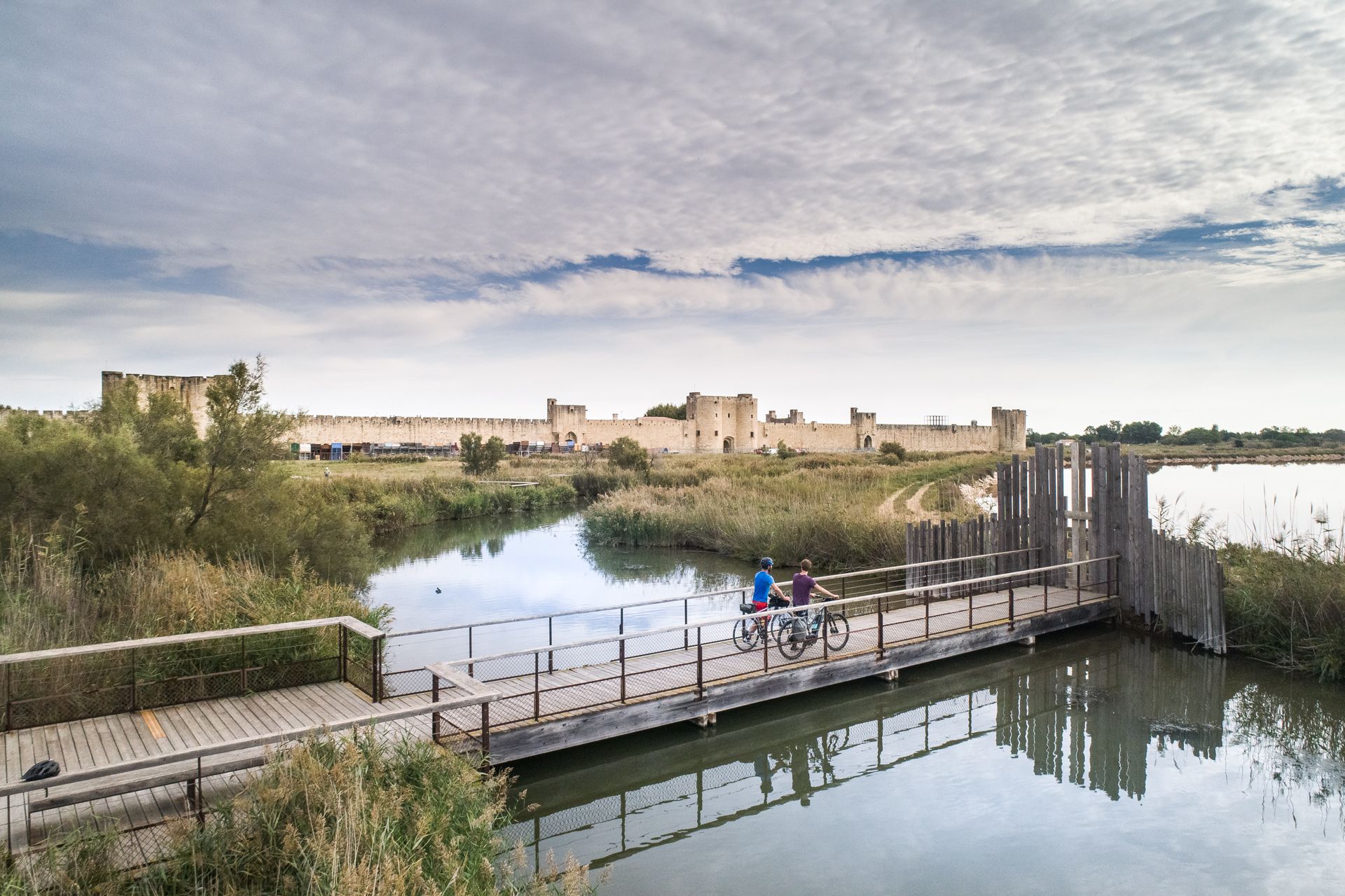
The most beautiful bike rides in Occitanie
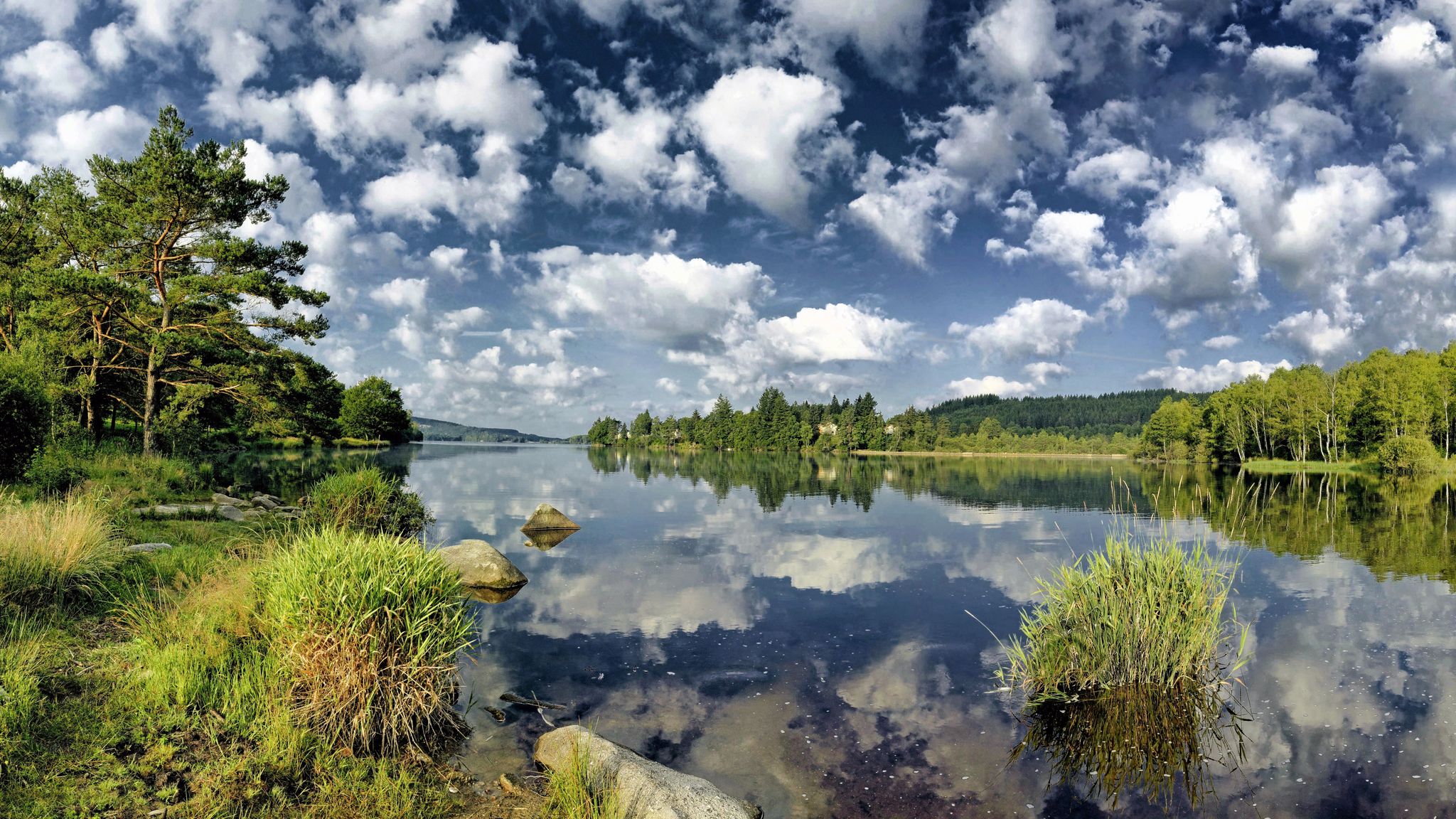
A bike Tour through the heart of France – La Vagabonde
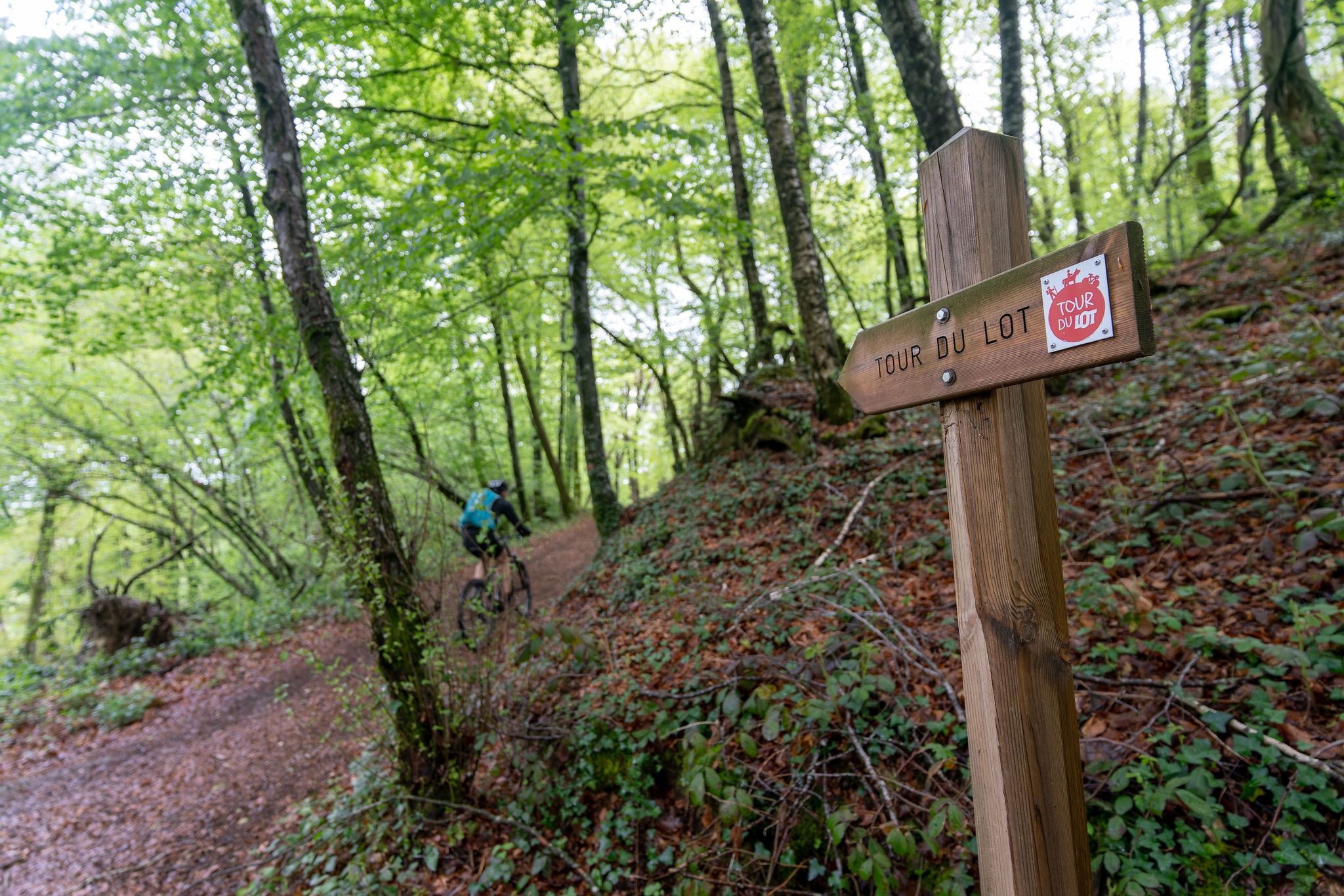
The Tour du Lot by MOUNTAIN BIKE
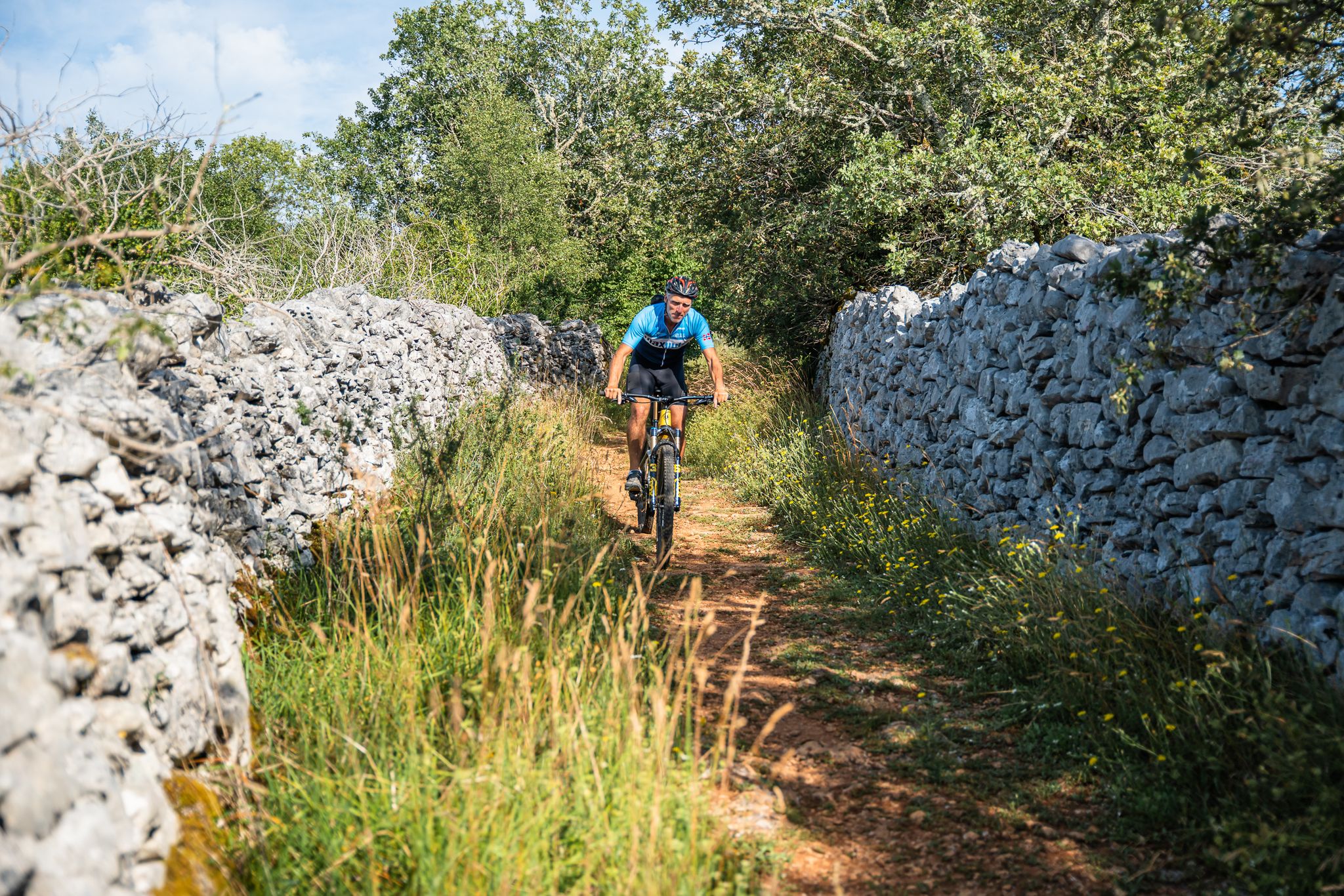
Valleys, the Causses and natural beauty – discover the Lot by MTB
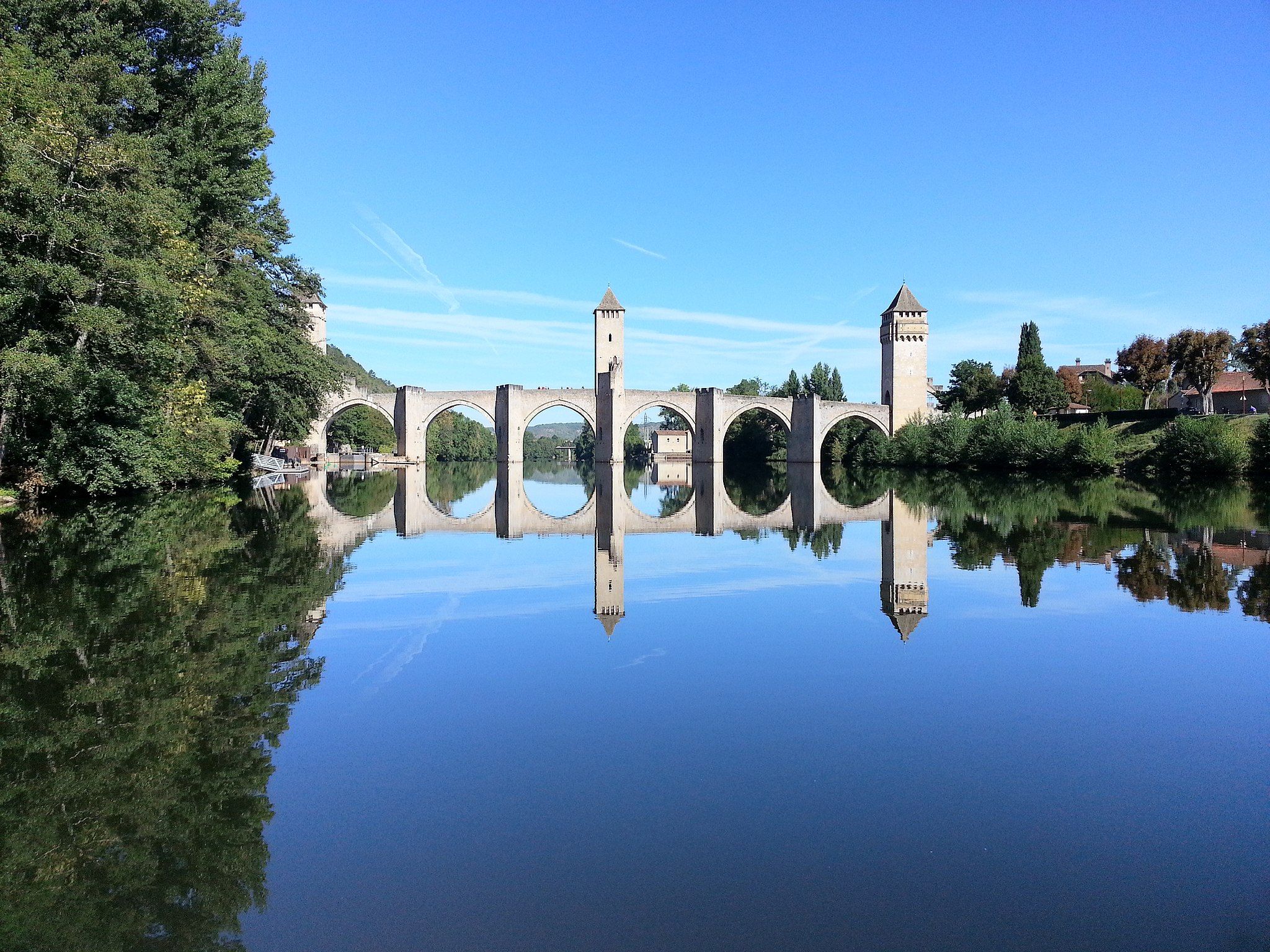
Along water and time – France’s Lot Valley Véloroute
The Way of Saint James – France’s Way of Le Puy
Le sud Sarladais — the Grand Tour of the Périgord noir
Other adventures around Cahors


Tips from the Community

Montcuq is a superb medieval hilltop village with a rich heritage in the heart of Quercy Blanc: La Tour de Montcuq: A majestic 12th-century keep that proudly overlooks the village. Built between the late 12th and early 13th centuries under the authority of the Counts of Toulouse.Destruction of the castle: During the Albigensian Crusade and the treaties with the King of France, the local lord had to dismantle the ramparts. Only this keep survived.Particularities: It has a rectangular (or trapezoidal) shape and a square turret housing a unique spiral staircase. Scientifically, the name has nothing lewd about it: it comes from the Occitan Moncuc, which simply means a conical hill or a fortified hill.
0
0

Superb view over the Lot and this magnificent village
0
0

In addition to everything that's been said, the road runs alongside magnificent cliffs, and you even pass under the rock several times – it's amazing!!
0
0

Two large domes dominate the Romanesque nave. They represent the most extraordinary example of the so-called "Aquitanian" architectural style: 16 meters in diameter and 32 meters high; only the Hagia Sophia in Istanbul has a taller dome. Also noteworthy is the small, golden church of Saint-Svair, with its large statue of Emperor Charlemagne, who presented it to the church of Cahors.
2
0

Very nice bike path, with little traffic. However, it's quite steep, which is a relief on the descent.
0
0

Worth seeing cathedral in Cahors.
0
0
Magnificent view of this beautiful village, although the view is even more beautiful from the other side of the village!
0
0

Here the hiker or pilgrim has the town of Cahors and the river Lot at his feet, a truly picture-book view.
1
0
Frequently Asked Questions
What historical landmarks can I explore in Cahors?
Cahors is rich in history. You can visit the iconic 14th-century fortified Valentré Bridge, a UNESCO World Heritage site with its distinctive towers. The Saint Stephen's Cathedral, also a UNESCO site, features unique Byzantine-style domes and a stunning cloister. Don't miss wandering through the well-preserved medieval streets, especially in the Daurade and Soubirous districts, or seeing remnants like the Palais Duèze and the Gallo-Roman Arch of Diana.
Where can I find the best panoramic views of Cahors and the Lot River?
For breathtaking panoramic views of Cahors, the meandering Lot River, and the Pont Valentré, head to Mont Saint-Cyr viewpoint overlooking Cahors. It's accessible by car or a 20-minute uphill hike. Additionally, the picturesque village of Saint-Cirq-Lapopie, perched on a cliff, offers spectacular vistas over the Lot Valley.
Are there any unique natural features or springs to visit in the area?
Yes, Cahors is home to La Fontaine des Chartreux, a natural spring and limestone resurgence that was once a site of worship for the Celtic goddess of water, Divona. It still supplies the town's drinking water today and is located just south of the Pont Valentré. You can also experience the dramatic The Igue of Crégols, a notable gorge in the region.
What cultural experiences does Cahors offer?
Cahors offers a vibrant cultural scene. Explore the charming 'secret gardens' scattered throughout the city, which provide a unique walking trail to discover medieval plant life. Visit the Musée Henri-Martin, dedicated to the post-Impressionist painter Henri Martin. Don't forget to indulge in Malbec wine tasting, as Cahors is the birthplace of this distinctive dark red wine. The Cahors market, held next to the cathedral on Wednesdays and Saturdays, is also a great cultural experience for local produce.
What outdoor activities can I do near Cahors?
The region around Cahors is perfect for outdoor enthusiasts. You can enjoy various activities along the Lot River, such as river cruises or leisurely strolls. For hiking, explore trails like those found in the Waterfall hikes around Cahors guide. Cycling is also popular, with options for gravel biking and road cycling, offering routes like the 'Tour des 3 ponts' or longer loops through the Parc naturel régional et géoparc des causses du Quercy.
Are there any family-friendly attractions or activities in Cahors?
Absolutely! Many attractions in Cahors are suitable for families. The Valentré Bridge is a fascinating historical site for all ages. Taking a tourist train is a convenient way to discover the old town, including the Fontaine des Chartreux and medieval streets. River cruises along the Lot also offer a relaxing and scenic experience for families. The 'secret gardens' provide an engaging walking trail for children and adults alike.
What is the best way to experience the Lot River in Cahors?
The Lot River is central to Cahors' charm. You can take a scenic river cruise to see the city from a different perspective. For a more active experience, stroll along the riverbanks, or explore the historical Ganil lock and towpath, which is carved into the bare rock and offers a unique walk showcasing impressive engineering and natural scenery.
What is the significance of the English Castle of Bouziès?
The English Castle of Bouziès is a remarkable historical site nestled high in the cliffs along the road from Cahors to Saint-Cirq-Lapopie. These 11th and 12th-century fortifications, anchored directly into the limestone rock, served as a refuge for the population during attacks. While the interior is not open to visitors, its dramatic location makes it a popular spot for photos and a testament to medieval ingenuity.
What do visitors enjoy most about the attractions around Cahors?
Visitors frequently praise the blend of natural beauty and rich history. The picturesque setting of Saint-Cirq-Lapopie, with its medieval charm and stunning views, is often highlighted. The engineering marvel of the Ganil lock and towpath and the iconic presence of the Valentré Bridge are also highly appreciated. The overall historical atmosphere and the scenic Lot River are consistently mentioned as key draws.
Are there any other notable towns or villages to visit near Cahors?
Beyond Cahors, the region offers charming villages. Saint-Cirq-Lapopie is a must-see, recognized as one of France's most beautiful villages. You can also explore the historical Montcuq Old Town, known for its castle and religious buildings, or the quaint settlement of Albas.
What is the best time of year to visit Cahors for outdoor activities?
The best time to visit Cahors for outdoor activities like hiking, cycling, and river cruises is generally during the spring (April to June) and early autumn (September to October). During these periods, the weather is pleasant, with comfortable temperatures for exploring, and the natural landscapes are particularly beautiful. Summer can be warm, but still enjoyable for river-based activities.
Most popular routes around Cahors
Most popular attractions around Cahors

Get inspired with the komoot mobile app


Didn’t find what you were looking for?
Are you keen on exploring more awesome places nearby? Browse our guides:
Explore more
Still not found the Highlight you’re looking for? See guides of the top attractions in other regions:
