Attractions and Places To See around Saint-Quentin - Top 20
Best attractions and places to see around Saint-Quentin, located in the Hauts-de-France region, offer a blend of historical, cultural, and natural sites. The city features significant Gothic architecture and is notable for its Art Deco reconstruction following World War I. Natural spaces like Parc d'Isle and the Canal de Saint-Quentin provide opportunities for outdoor activities.
Best attractions and places to see around Saint-Quentin
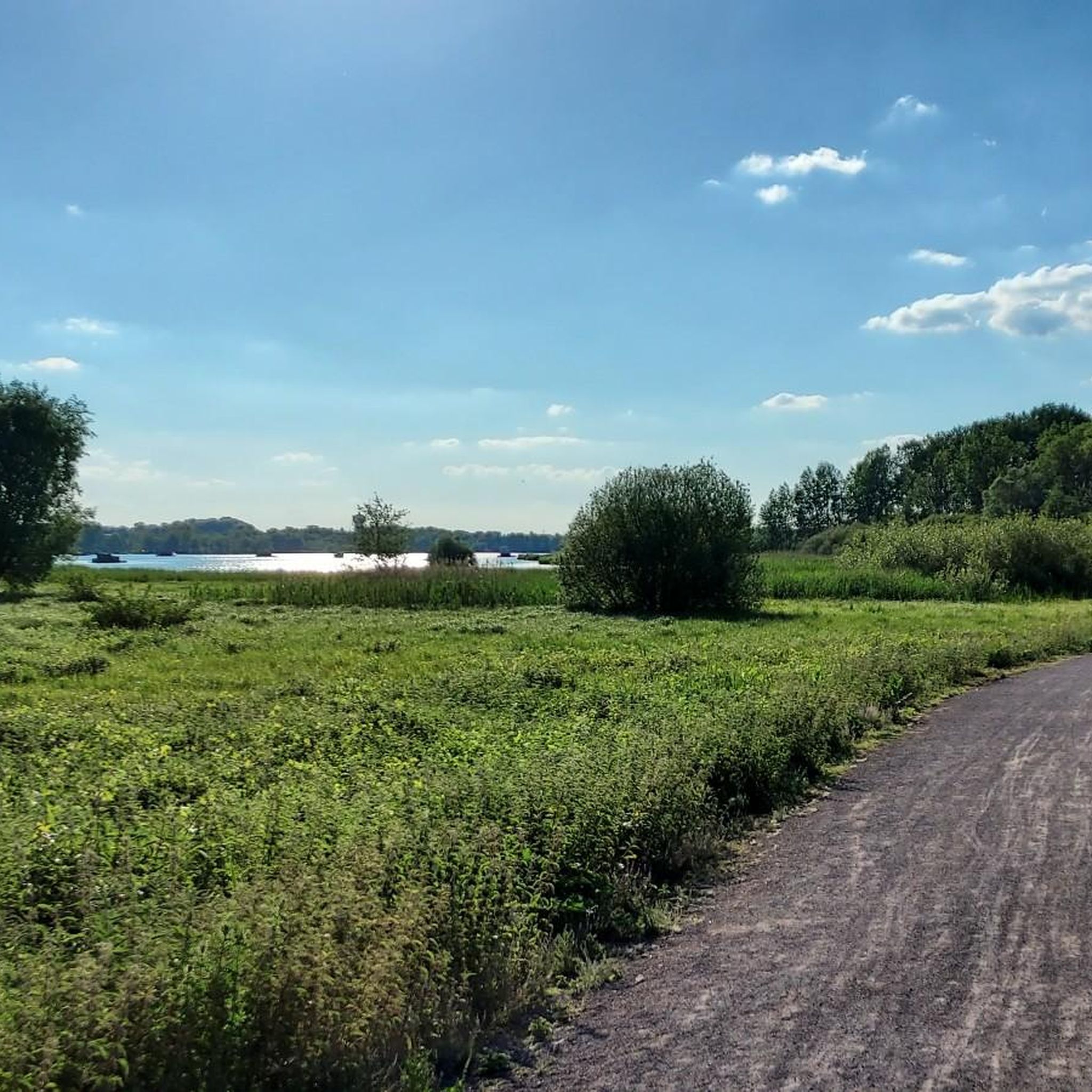
- The most popular attractions is Isle Park, a man-made park with trails, a lake, and forest areas. This expansive 100-hectare park serves as a public garden and wildlife reserve, offering diverse trails for walking, running, and cycling.
- Another must-see spot is Basilique Saint-Quentin, a religious building and historical site. This Gothic church, constructed between the 12th and 15th centuries, features a double transept and an ancient 260-meter-long labyrinth inlaid in the nave's paving.
- Visitors also love Source of the Somme, a river and natural monument. This peaceful location marks the beginning of the Somme River, offering a tranquil spot for a break.
- Saint-Quentin is known for its historical landmarks, natural parks, and scenic canal routes. Visitors can explore a variety of attractions, from architectural sites to green spaces and waterways.
- The attractions around Saint-Quentin are appreciated by the komoot community, with over 115 upvotes and 22 photos shared across various highlights.
Last updated: August 16, 2026
Bike path along the Oise
Highlight • Other
Translated by Google •
Tip by

Basilique Saint-Quentin
Highlight • Religious Site
When we enter the church we stand hesitantly for a moment before the octagonal labyrinth inlaid in black and white marble in the floor of the nave, a phenomenon common to medieval churches. Pilgrims follow the path to the center of the labyrinth barefoot or on their knees, on their way to enlightenment and a deeper relationship with God.
Translated by Google •
Tip by

Sign up now to discover places like this
Get recommendations on the best single tracks, peaks, & plenty of other exciting outdoor places.
Sign up for free
Saint-Quentin war memorial
Highlight • Monument
Translated by Google •
Tip by

Isle Park
Highlight • Trail
Tip by

Canal cycling route
Highlight • Other
Translated by Google •
Tip by

Source of the Somme
Highlight • River
Translated by Google •
Tip by

Parc des Champs Elysées
Highlight • Natural
Translated by Google •
Tip by
Seraucourt-le-Grand
Highlight • Other
Translated by Google •
Tip by

Cycle path along the Canal de Saint-Quentin
Highlight (Segment) • Trail
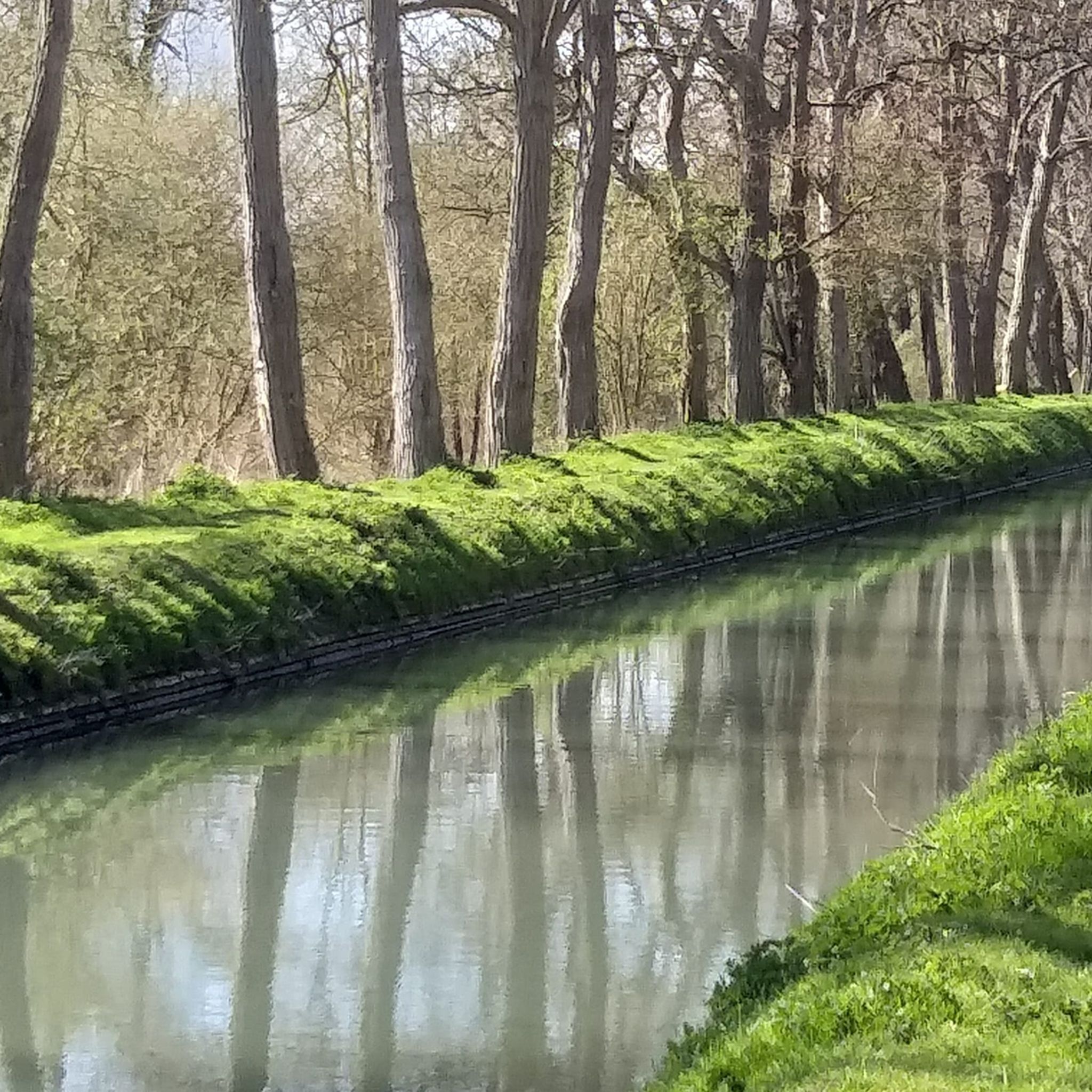
Cycling along the canal you will come across locks several times, which makes cycling extra fun.
Please note that the asphalt is not in good condition everywhere. There are many loose stones and sometimes the asphalt is broken or even gone (gravel). This is doable with a racing bike, but keep your eyes on the path.
Translated by Google •
Tip by

Seraucourt le Grand British Cemetery
Highlight • Historical Site
Translated by Google •
Tip by
Sign up for free to discover even more attractions around Saint-Quentin.
Sign up for free
Already have an account?
Start today with a free account
Your next adventure awaits.
Login or Signup
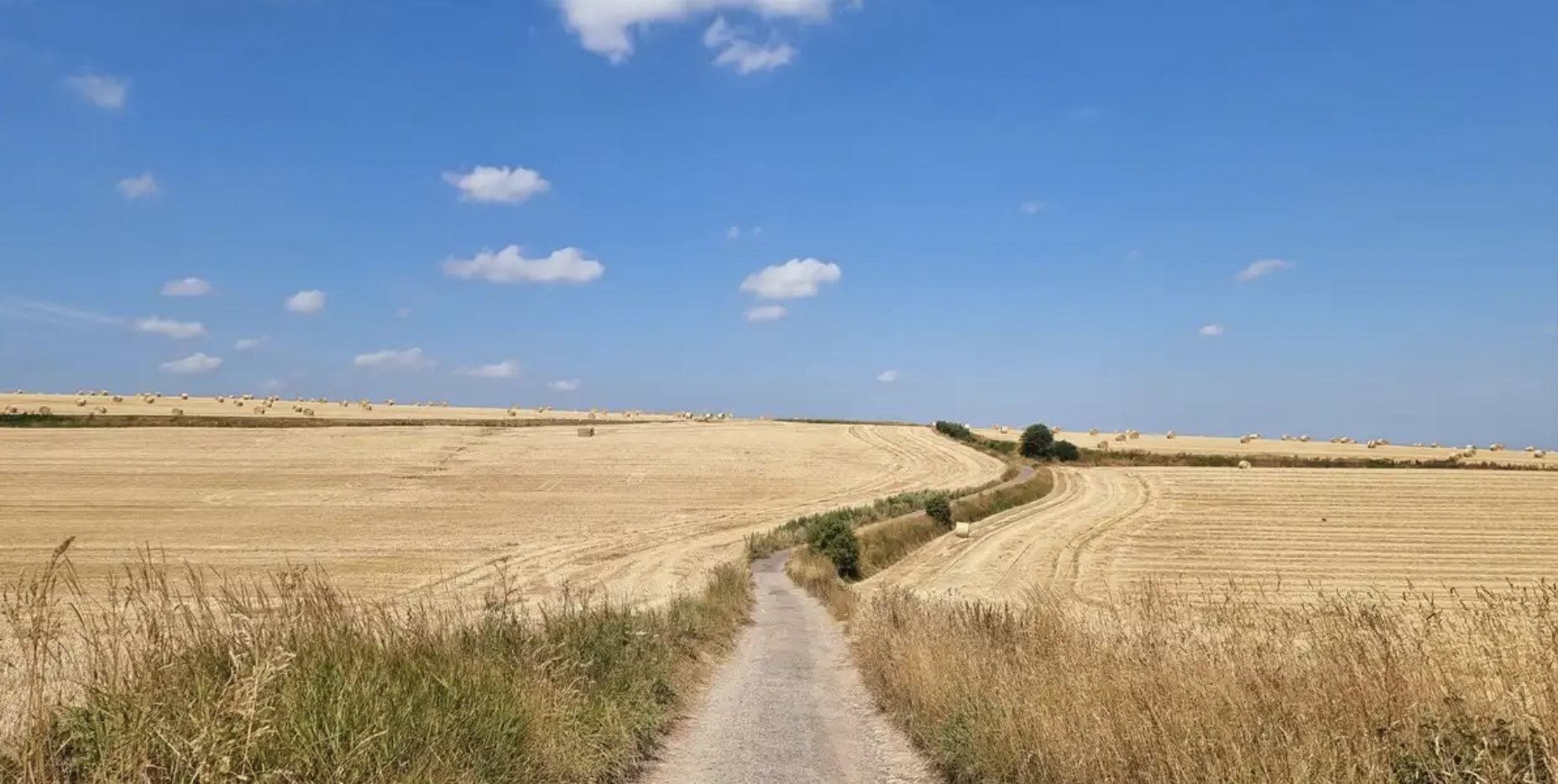
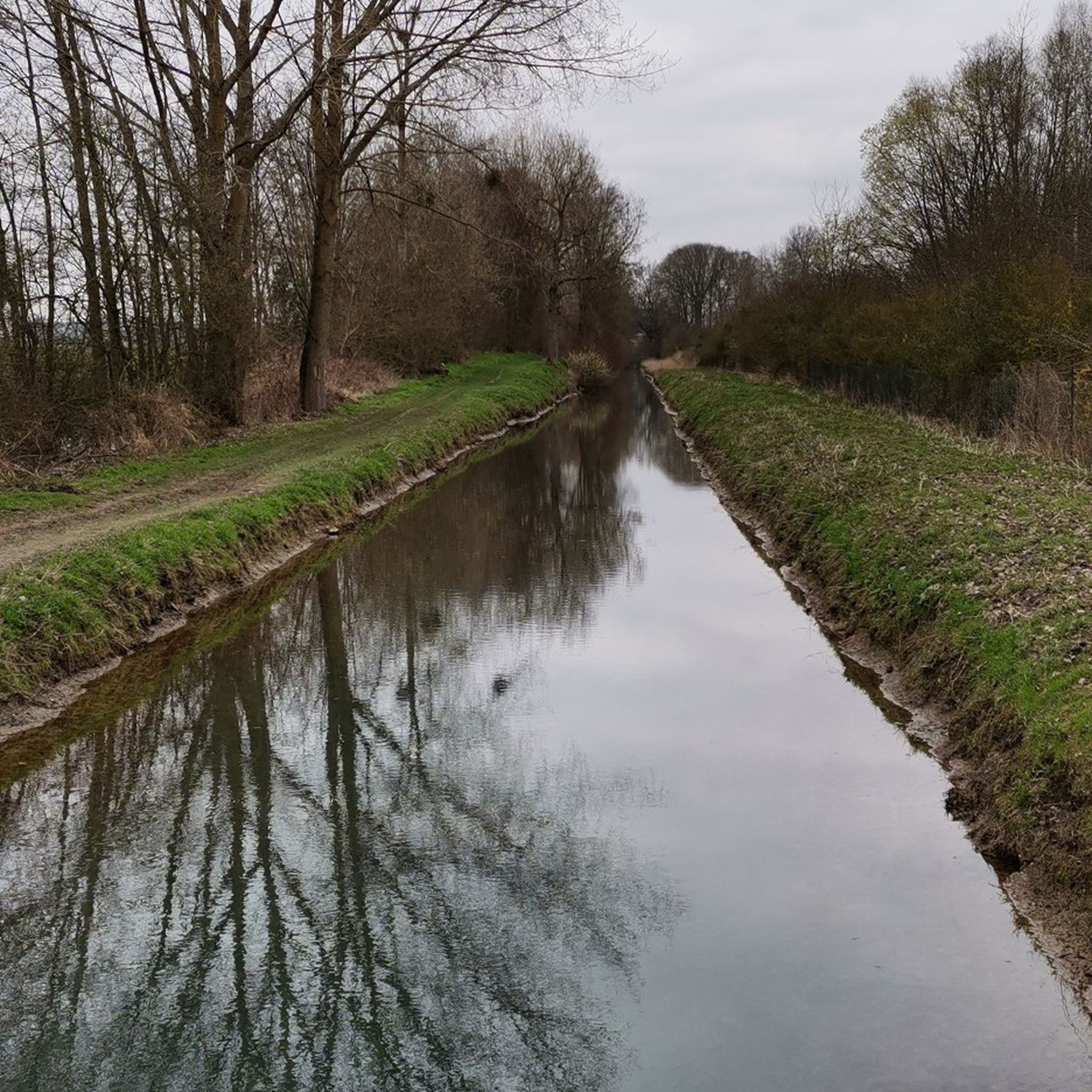
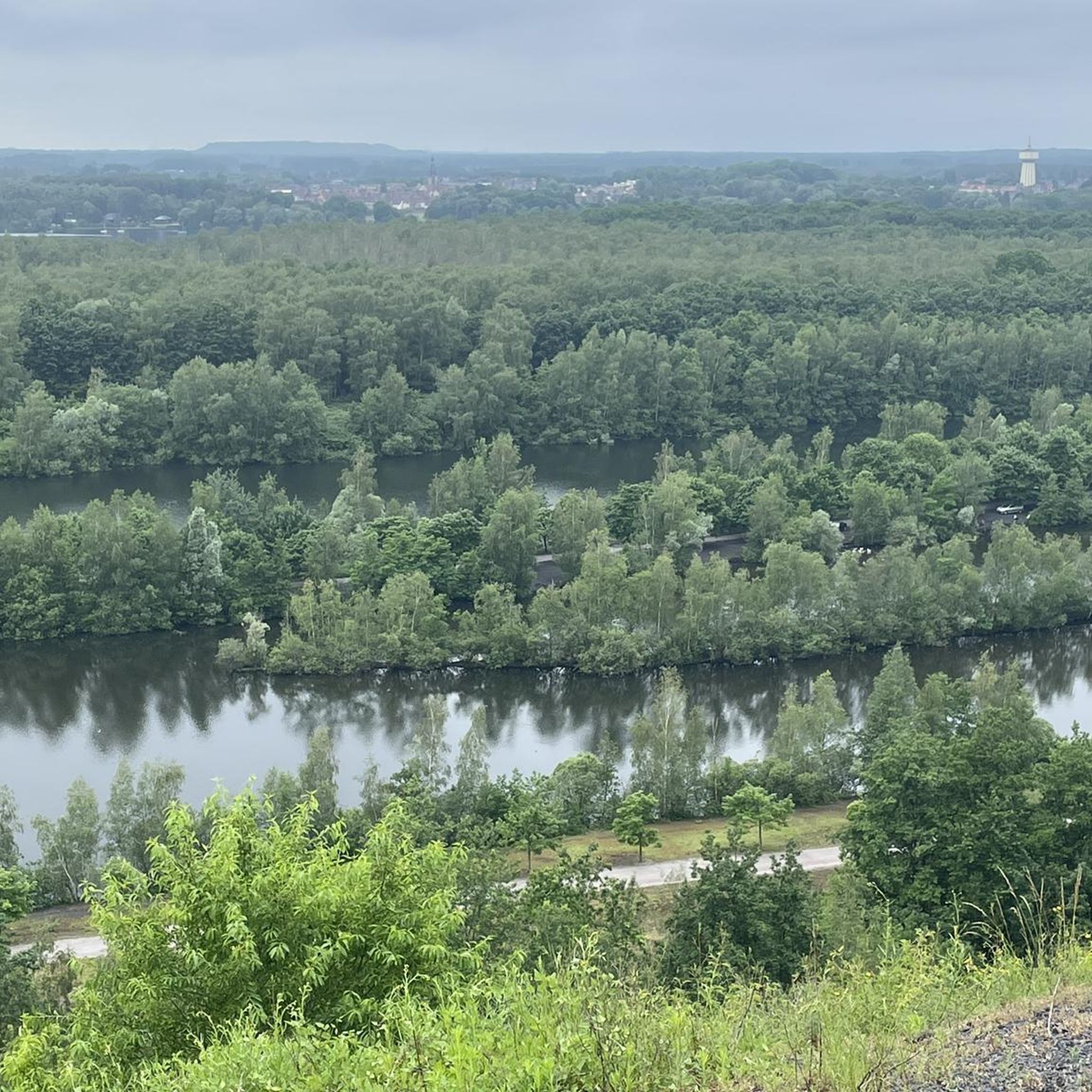
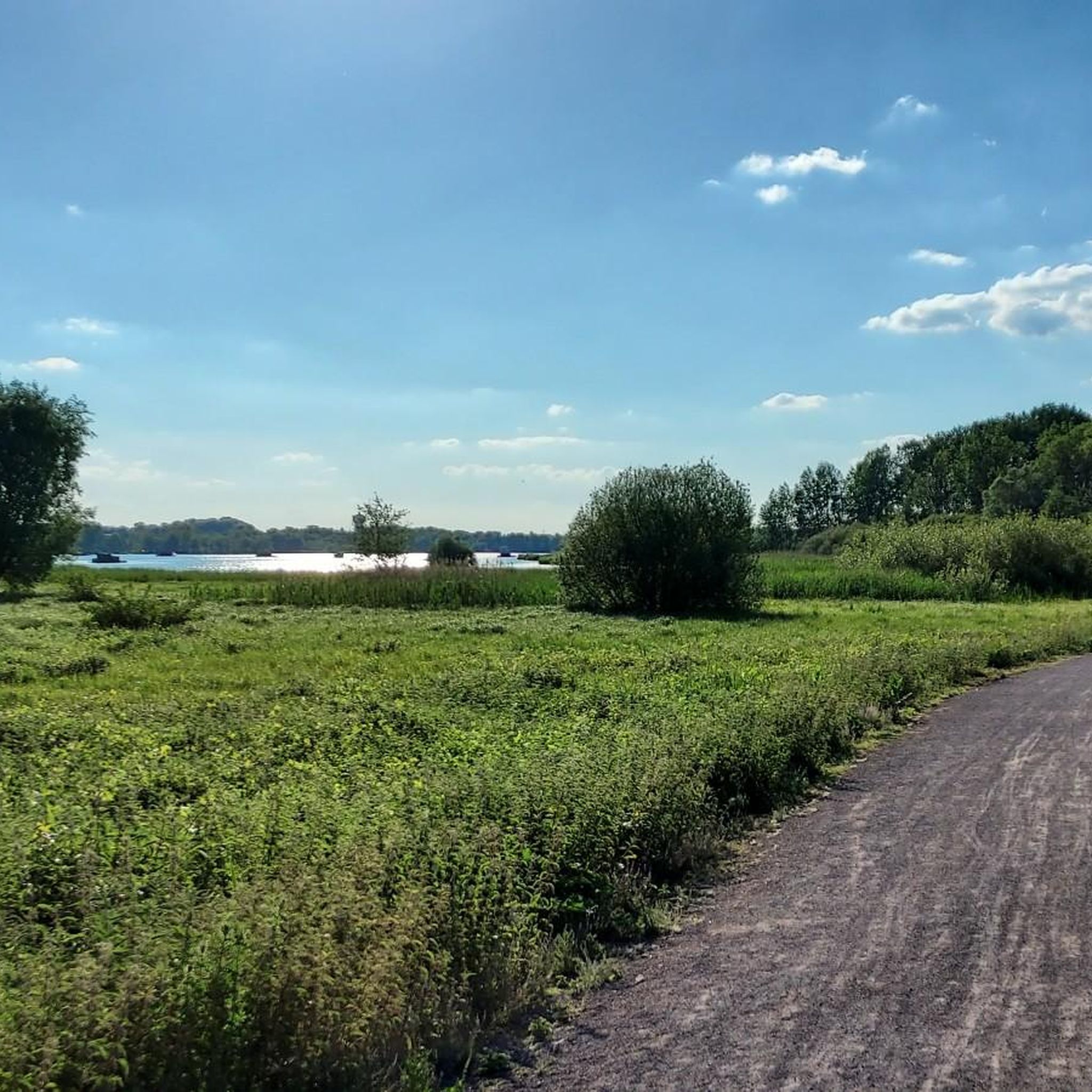

Other adventures around Saint-Quentin

Tips from the Community

A beautifully crafted monument.
0
0

Hello. This is a beautiful hike through nature and a nice park for recreation. the hike runs along a canal and a marshland with well-passable hiking trails. This hike is highly recommended !!!!!!!!!!!!!
0
0

This is where the Somme River rises. Its name is traced back to Celtic origins and also gives its name to the department of the same name. At the time when Gaul was part of the Roman Empire, the river was called the Samara. It ends its approximately 245-kilometer-long river life in the Baie de Somme, where it flows into the English Channel.
0
0

The listed building is striking for its original architecture with a porch tower over 34 meters high, a double transept or a radio-concentric choir. Inside, the visitor is seduced by the ancient 260 m long labyrinth engraved in the paving of the nave. Stained glass windows installed at different times complete the artistic offer of the Saint-Quentin Basilica, with in particular medieval stained glass windows in the apse chapels dating from the 12th century. These depict episodes from the life of the Virgin Mary and Saint Stephen.
2
0
"God loves every soul with an undying love. He approaches each one with repeated, unspeakably patient offers of redemption. Even a small sign of love is enough for him to forgive and redeem. Our dear departed ones lacked a life preserver for the body; but the spiritual life preserver was not lacking, the breath of God in which the soul can clothe itself in a tiny moment, much more quickly than the body could." (Text by Albino Luciani / Pope John Paul I)
0
0

The Basilique Saint-Quentin is a beautiful Gothic church in the heart of Saint-Quentin, France. Built between the 12th and 15th centuries, this basilica is dedicated to the martyr Saint Quentin. With an impressive 133 meters long and 40 meters high, it is a real eye-catcher. What makes this basilica really special are the unique architectural elements such as the tower-portico at the front, the double transept, and the choir with radiating chapels. Inside, you will also find an ancient labyrinth of 260 meters in the floor of the nave, which is a fascinating detail. The basilica has a rich history and contains the relics of Saint Quentin, who were an important object of veneration in the Middle Ages. Although the building was badly damaged during the First World War, it was reopened in 1956 after extensive restoration.
1
0
Important for pilgrims: here you will also find a food shop on Sundays.
8
0
Stage 73 of Sigeric on his Via Francigena pilgrimage. Here is the end of the stage VFF14 Via Vrancigena France). In Seraucourt-le-Grand we cross the Somme. It owes its ancient name, "Serodi Curtis", to the Gallo-Romans who founded two of these famous villae, farms, around the 2nd century, who gave it the suffix "-COURT", as with many other villages. Traces of a Merovingian cemetery are also said to have been found.
8
0
Frequently Asked Questions
What historical landmarks can I visit in Saint-Quentin?
Saint-Quentin boasts several significant historical landmarks. The magnificent Basilique Saint-Quentin, a Gothic church built between the 12th and 15th centuries, features a unique double transept and an ancient 260-meter-long labyrinth. You can also admire the ornate Flamboyant Gothic Hôtel de Ville (Town Hall) and the Saint-Quentin war memorial, which pays tribute to the city's resilience through various conflicts.
What natural attractions are there in Saint-Quentin?
For nature lovers, Isle Park is a must-visit. This expansive 100-hectare park includes a public garden, a wildlife park, and the Marais d'Isle Nature Reserve, perfect for leisurely strolls and birdwatching. The Source of the Somme offers a peaceful spot marking the river's beginning. Additionally, the Canal de Saint-Quentin provides scenic routes for walking and cycling.
Are there any museums in Saint-Quentin?
Yes, Saint-Quentin offers several unique museums. The Musée Antoine Lécuyer is renowned for its exceptional collection of pastels by Maurice-Quentin de la Tour. For something different, the Musée des Papillons (Butterfly Museum) houses an extensive collection of over 600,000 butterflies and other insects. You can also explore the Village of Yesteryear Museum & Crafts Motobécane, which provides insight into the region's history and craftsmanship.
Can I go cycling or walking along the canals in Saint-Quentin?
Absolutely! The canals around Saint-Quentin offer excellent opportunities for cycling and walking. You can enjoy the Cycle path along the Canal de Saint-Quentin or the Canal de Saint-Quentin Path. Another option is the Bike path along the Oise, which provides a well-developed route through beautiful countryside. These routes are generally flat and suitable for various activity levels.
Are there hiking trails near Saint-Quentin?
Yes, there are several hiking opportunities around Saint-Quentin. You can find easy hikes, such as the 'Parc d'Isle— loop from Saint Quentin' or the 'Parc des Champs Elysées Loop'. For more options, explore the 'Easy hikes around Saint-Quentin' guide, which features various routes suitable for different fitness levels. You can find more details and routes at komoot.com/guide/3658739/easy-hikes-around-saint-quentin.
What kind of outdoor activities can I do in Parc d'Isle?
Isle Park is a versatile public space perfect for various outdoor activities. You can enjoy walking, running, and cycling on its diverse trails. The park also features a wildlife park and a nature reserve, offering opportunities for wildlife spotting and family activities. It's an ideal spot to spend a day outdoors with friends or family.
Are there family-friendly attractions in Saint-Quentin?
Saint-Quentin offers several family-friendly attractions. Isle Park is a great choice, with activities for children, a free zoo, and a farm. The Source of the Somme provides a tranquil setting for a family break. The Musée des Papillons (Butterfly Museum) is also a unique and engaging experience for all ages. Additionally, the Center Aqualudique La Bulle offers a fun-filled aquatic day.
What is the architectural style of Saint-Quentin?
Saint-Quentin showcases a fascinating blend of architectural styles. The city's iconic Basilique Saint-Quentin and the Hôtel de Ville are prime examples of impressive Gothic and Flamboyant Gothic architecture. Following extensive damage in World War I, much of Saint-Quentin was rebuilt in the distinctive Art Deco style, making it a significant hub for this architectural movement. You can explore an Art Deco circuit to admire facades, the Post Office with its mosaics, and the music school.
Are there any wheelchair-accessible attractions in Saint-Quentin?
Yes, the Saint-Quentin war memorial is noted as wheelchair-accessible, allowing visitors to pay their respects and learn about the city's history. It's always recommended to check specific venue details for the most up-to-date accessibility information for other sites.
What do visitors enjoy most about Saint-Quentin?
Visitors particularly enjoy the blend of historical and natural beauty in Saint-Quentin. The intricate architecture of the Basilique Saint-Quentin and the peaceful atmosphere of Isle Park are frequently praised. Many appreciate the well-developed paths along the canals for cycling and walking, and the tranquil spots like the Source of the Somme for a relaxing break.
When is the best time to visit Saint-Quentin for outdoor activities?
The best time to visit Saint-Quentin for outdoor activities like cycling, walking, and exploring parks is typically during the spring (April to June) and early autumn (September to October). During these months, the weather is generally mild and pleasant, making it ideal for enjoying the canals, Isle Park, and other natural attractions without the intense heat of summer or the chill of winter.
Are there any historical sites related to World War I near Saint-Quentin?
Yes, Saint-Quentin and its surroundings hold significant historical sites related to World War I. The Saint-Quentin war memorial itself features bas-reliefs depicting scenes from various conflicts, including 1914-1918. Additionally, the Joncourt British Cemetery is a nearby historical site commemorating those who fell during the war.
Most popular routes around Saint-Quentin

Get inspired with the komoot mobile app


Didn’t find what you were looking for?
Are you keen on exploring more awesome places nearby? Browse our guides:
Explore more
Still not found the Highlight you’re looking for? See guides of the top attractions in other regions:
