The best cycling routes around Boulogne-Billancourt
4.3
(502)
5,831
riders
159
rides
Touring cycling routes around Boulogne-Billancourt navigate a landscape characterized by the Seine River, extensive green spaces like the Bois de Boulogne, and numerous local ponds. The area features a blend of urban and suburban environments, with many routes utilizing dedicated cycleways and quiet roads. Terrain varies from mostly paved paths along the river to some unpaved sections within parks, providing options for different cycling preferences.
Best touring cycling routes around Boulogne-Billancourt
- The most popular touring cycling route is Trivaux Pond – Garenne Pond loop from Mairie d'Issy, a 19.8 miles (31.9 km) trail that takes 2 hours 31 minutes to complete. This difficult route loops around several local ponds.
- Another top favourite among local touring cyclists is Eiffel Tower and Quai d'Orsay – Alexandre III Bridge loop from Marcel Sembat, an easy 14.7 miles (23.6 km) path. This route offers views of Parisian landmarks along the Seine River.
- Local touring cyclists also love the Quai de Seine in Meudon – A branch of the Seine loop from Sèvres-Rive-Gauche, a 15.4 miles (24.7 km) trail leading through riverside areas, often completed in about 1 hour 33 minutes.
- Touring cycling around Boulogne-Billancourt is defined by the Seine River, the expansive Bois de Boulogne, and a network of local ponds. The routes offer options for different ability levels, from easy urban rides to more challenging excursions through varied terrain.
- The routes in Boulogne-Billancourt are highly rated by the komoot community with an average score of 4.3 stars from over 300 reviews. More than 5000 touring cyclists have used komoot to explore Boulogne-Billancourt's varied terrain.
Last updated: July 17, 2026
4.3
(42)
592
riders
65.7km
04:14
650m
650m
Hard bike ride. Very good fitness required. Mostly paved surfaces. Suitable for all skill levels.
4.3
(30)
315
riders
30.6km
02:21
370m
370m
Hard bike ride. Good fitness required. You may need to push your bike for some segments of this route.

Sign up for free
4.4
(35)
395
riders
26.9km
01:37
140m
140m
Easy bike ride. Great for any fitness level. Mostly paved surfaces. Suitable for all skill levels.
4.4
(7)
146
riders
25.7km
02:11
270m
270m
Hard bike ride. Good fitness required. You may need to push your bike for some segments of this route.
4.3
(3)
178
riders
Easy bike ride. Great for any fitness level. Mostly paved surfaces. Suitable for all skill levels.
4.4
(12)
361
riders
14.1km
00:54
60m
60m
Easy bike ride. Great for any fitness level. Mostly paved surfaces. Suitable for all skill levels.
4.5
(2)
85
riders
101km
06:17
980m
980m
Hard bike ride. Very good fitness required. Mostly paved surfaces. Suitable for all skill levels.
4.4
(8)
130
riders
19.6km
01:15
150m
150m
Easy bike ride. Great for any fitness level. Mostly paved surfaces. Suitable for all skill levels.
5.0
(1)
102
riders
40.6km
03:21
520m
520m
Hard bike ride. Very good fitness required. You may need to push your bike for some segments of this route.
3.5
(4)
118
riders
30.9km
01:55
150m
150m
Moderate bike ride. Good fitness required. Mostly paved surfaces. Suitable for all skill levels.
Get access to more routes and recommendations from other explorers.
Sign up for free
Already have an account?
Our route recommendations are based on thousands of hikes, rides, and runs completed by other people on komoot.
Start today with a free account
Your next adventure awaits.
Login or Signup
Popular around Boulogne-Billancourt
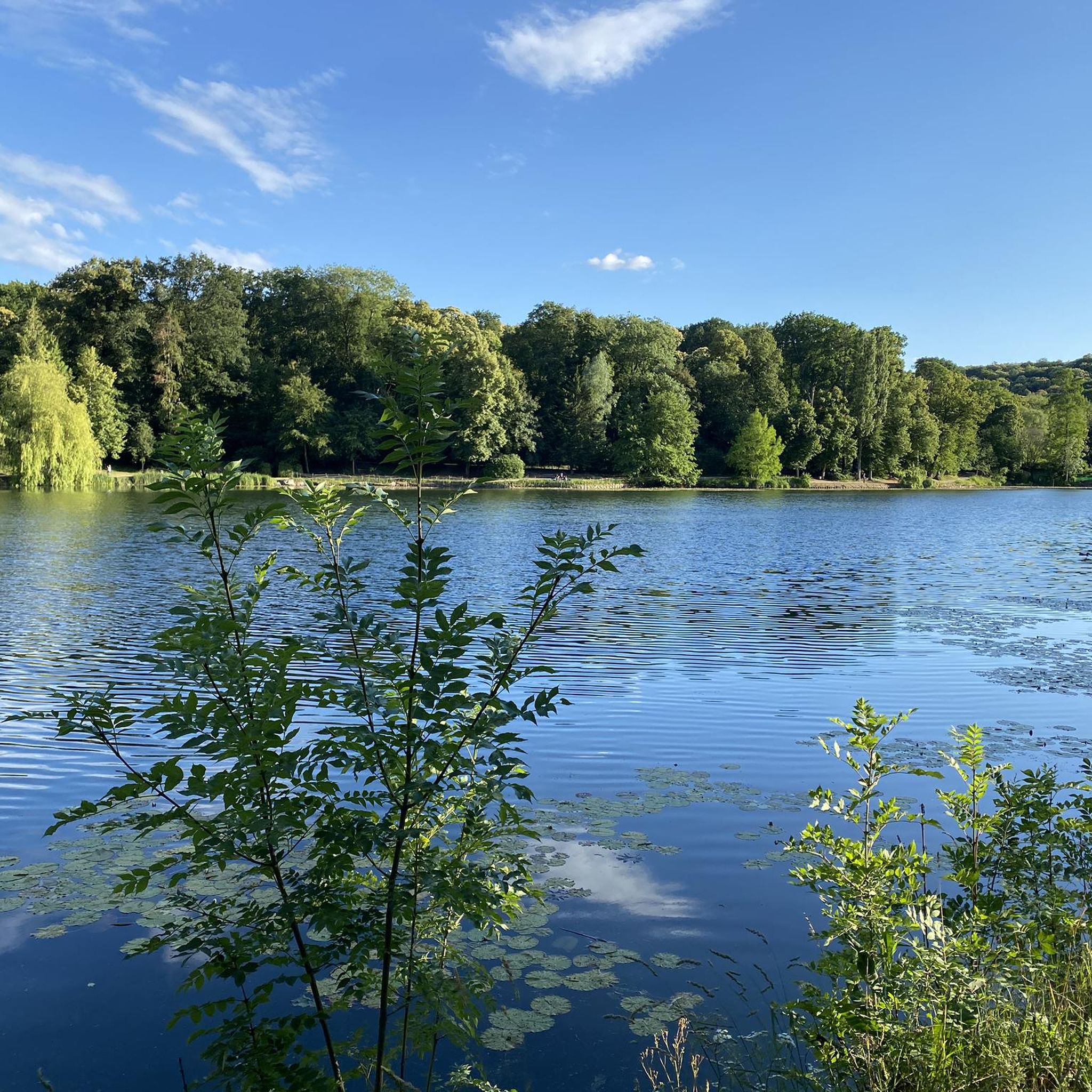
Cycling around Ville-D'Avray
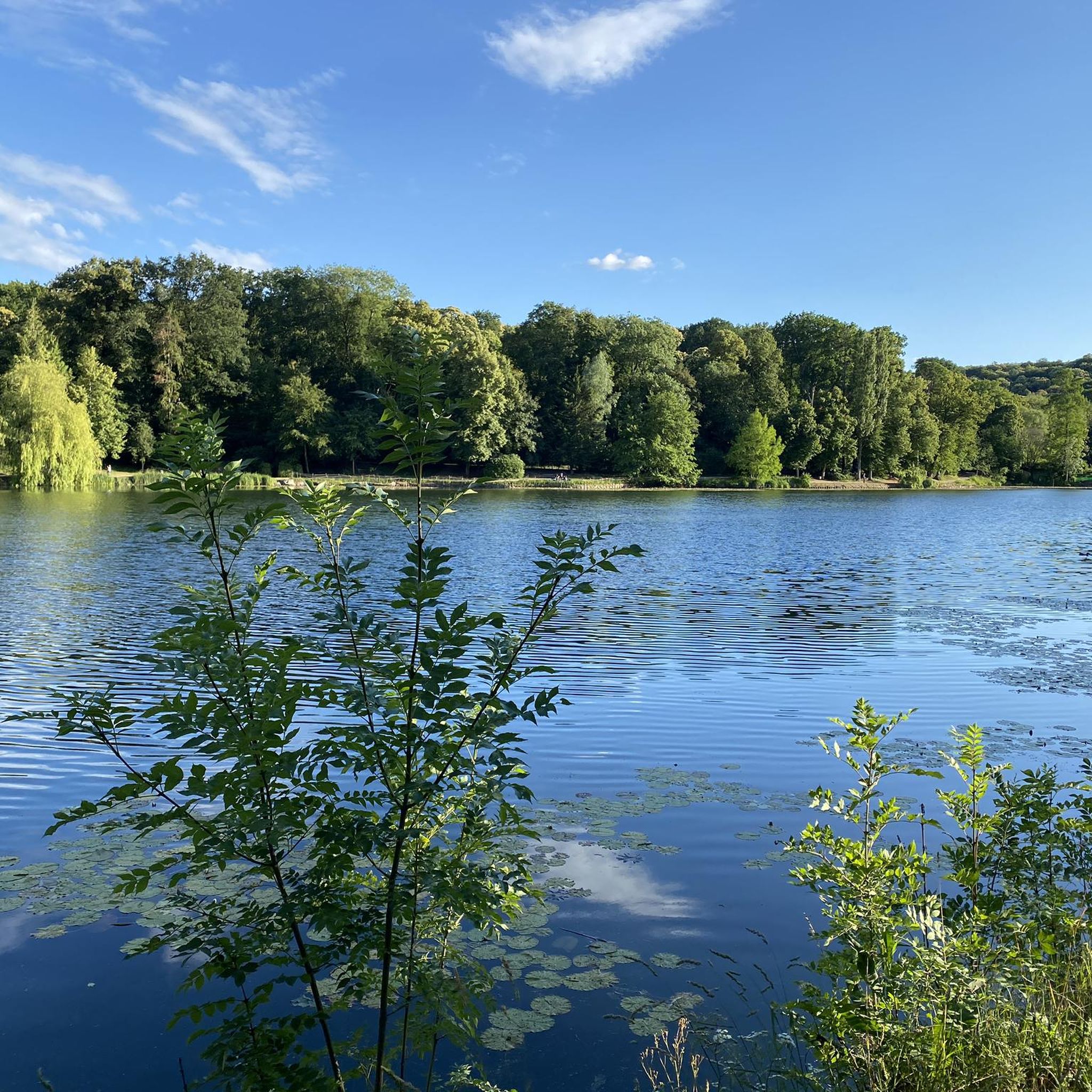
Cycling around Forêt Domaniale de Fausses Reposes
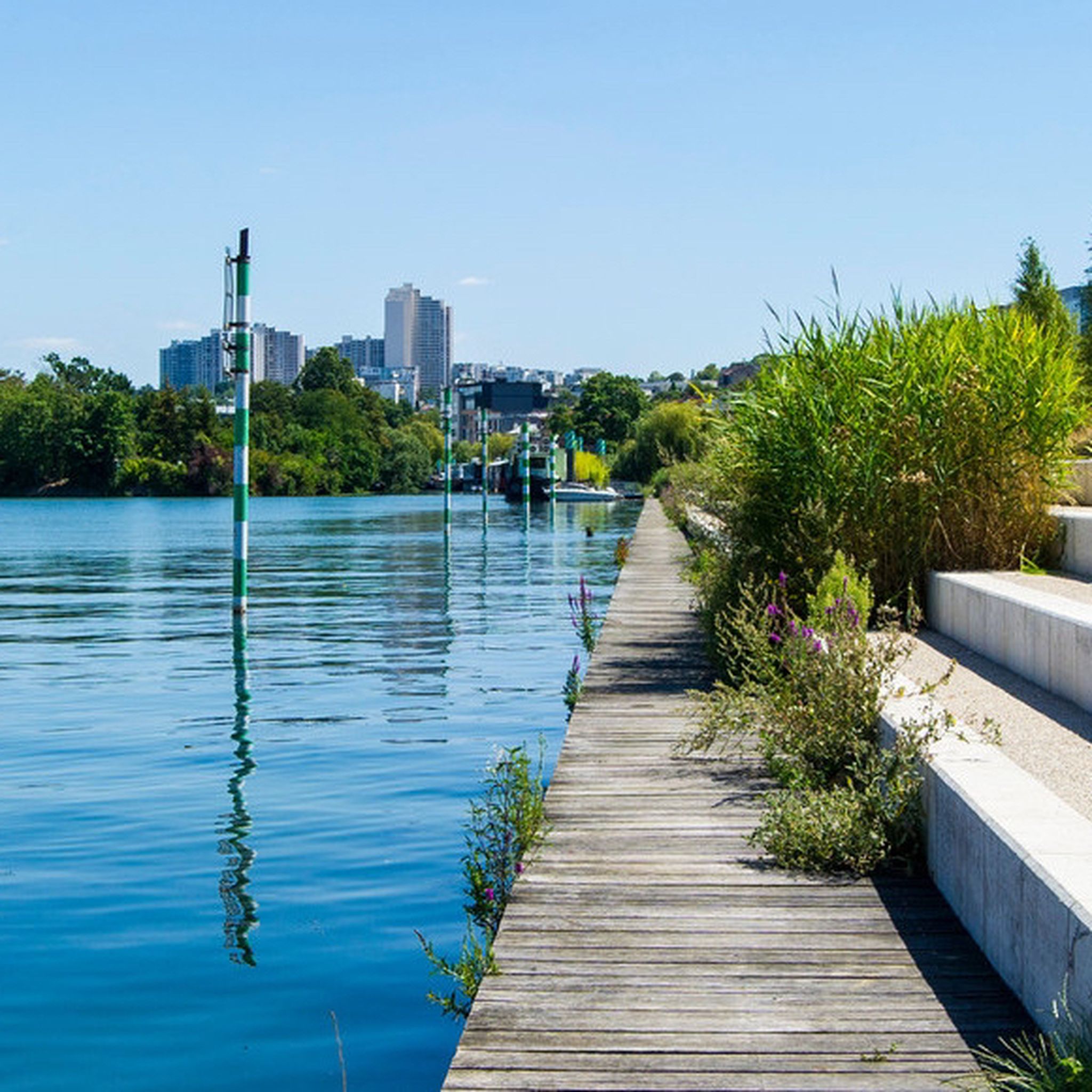
Cycling around Issy-Les-Moulineaux
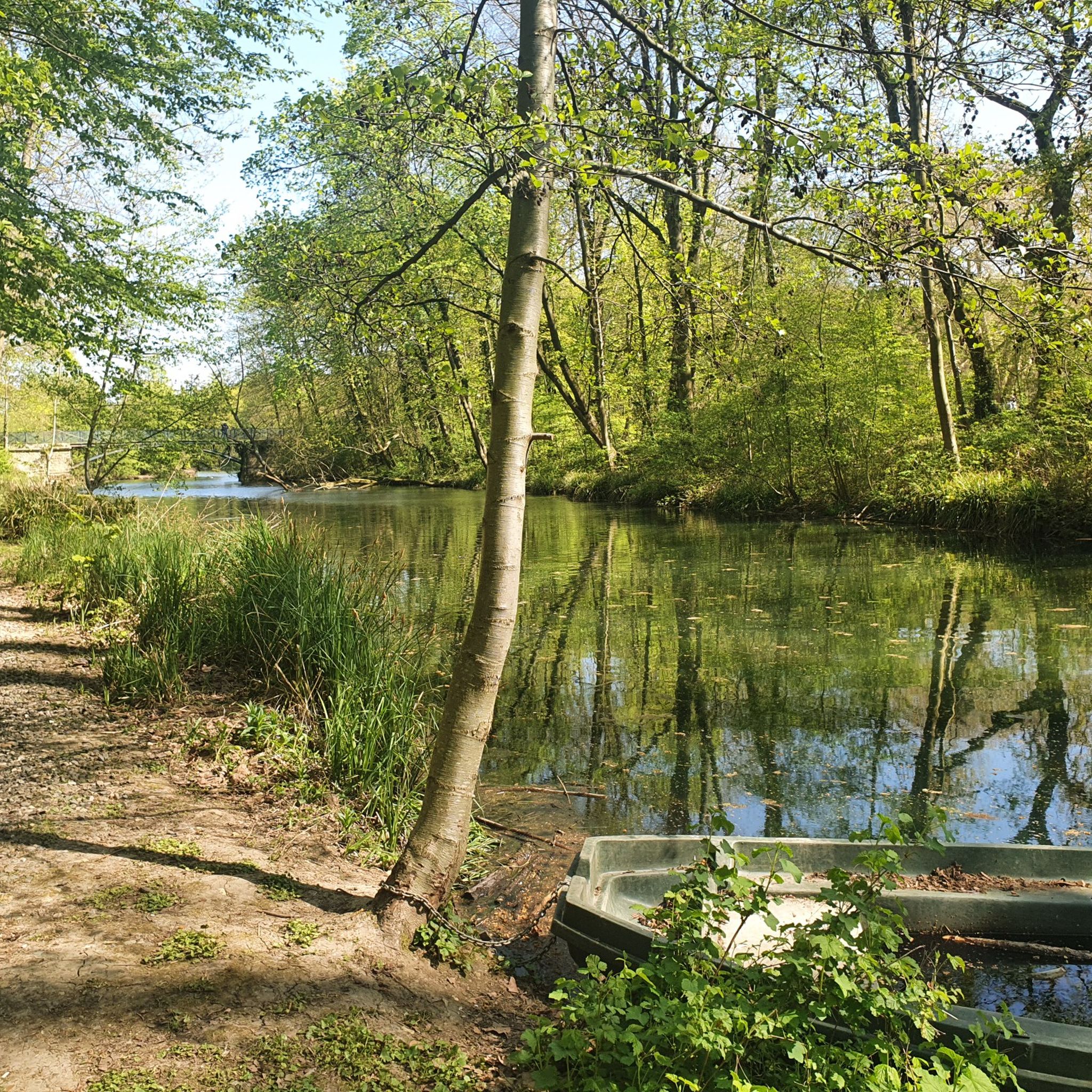
Cycling around Saint-Cloud
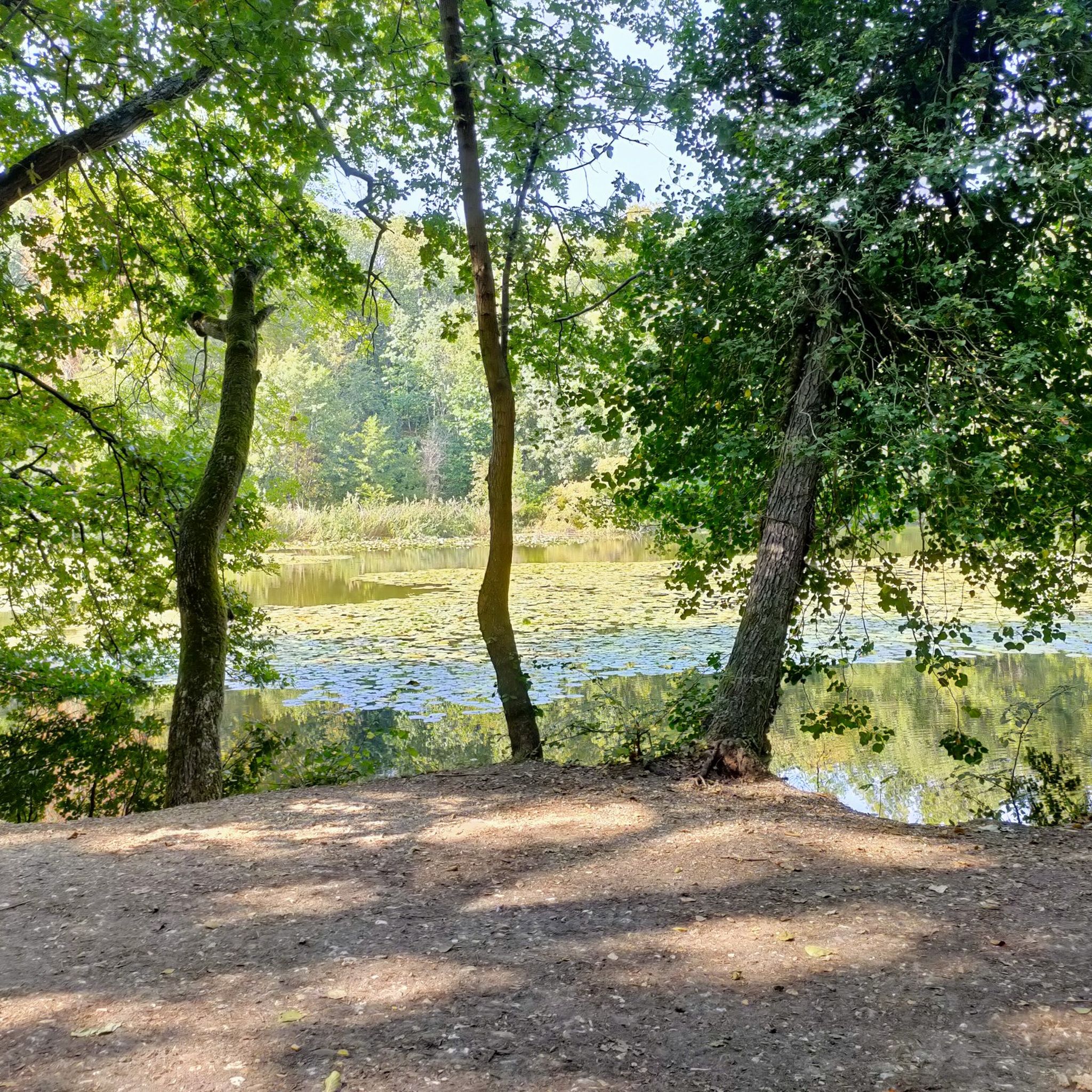
Cycling around Vaucresson
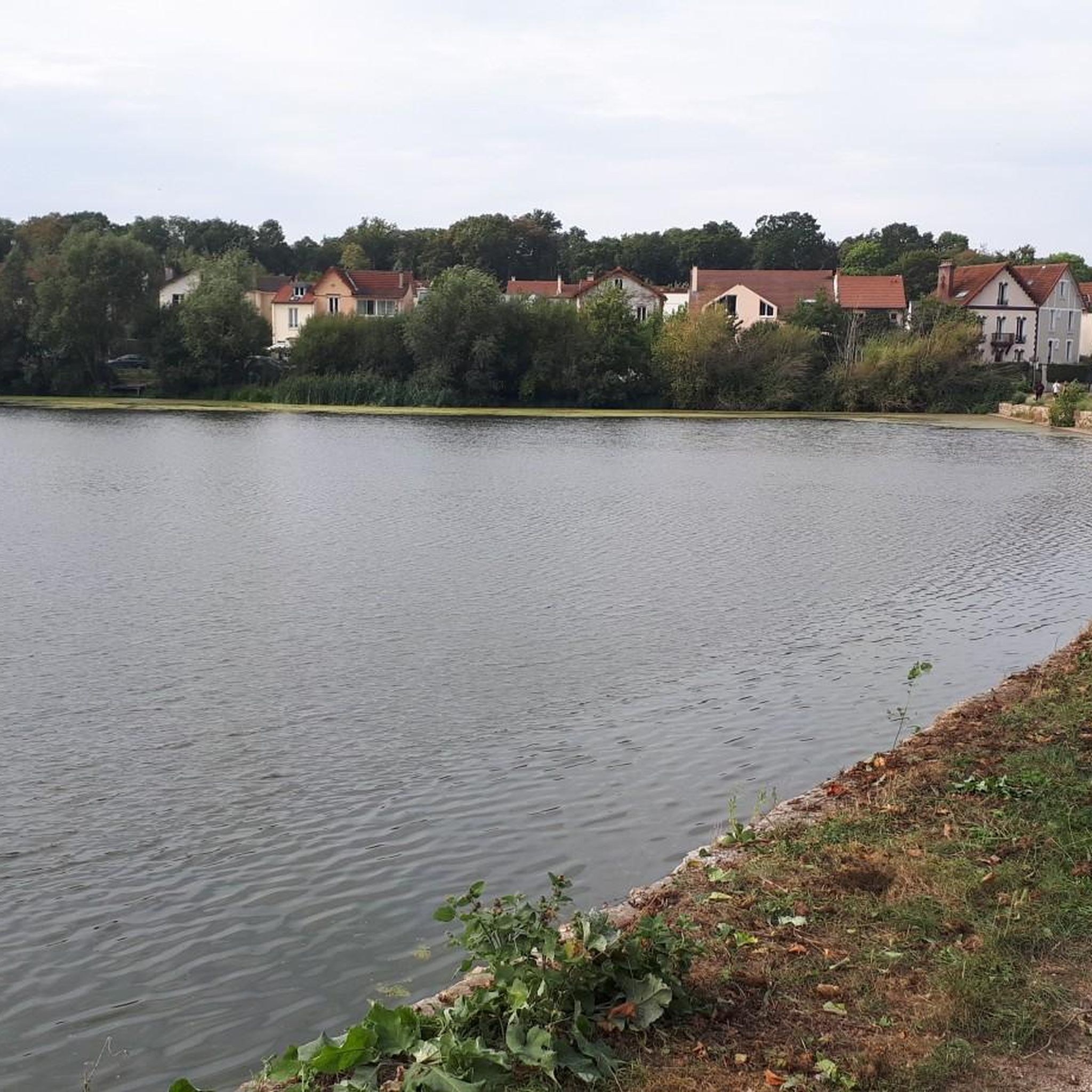
Cycling around Chaville
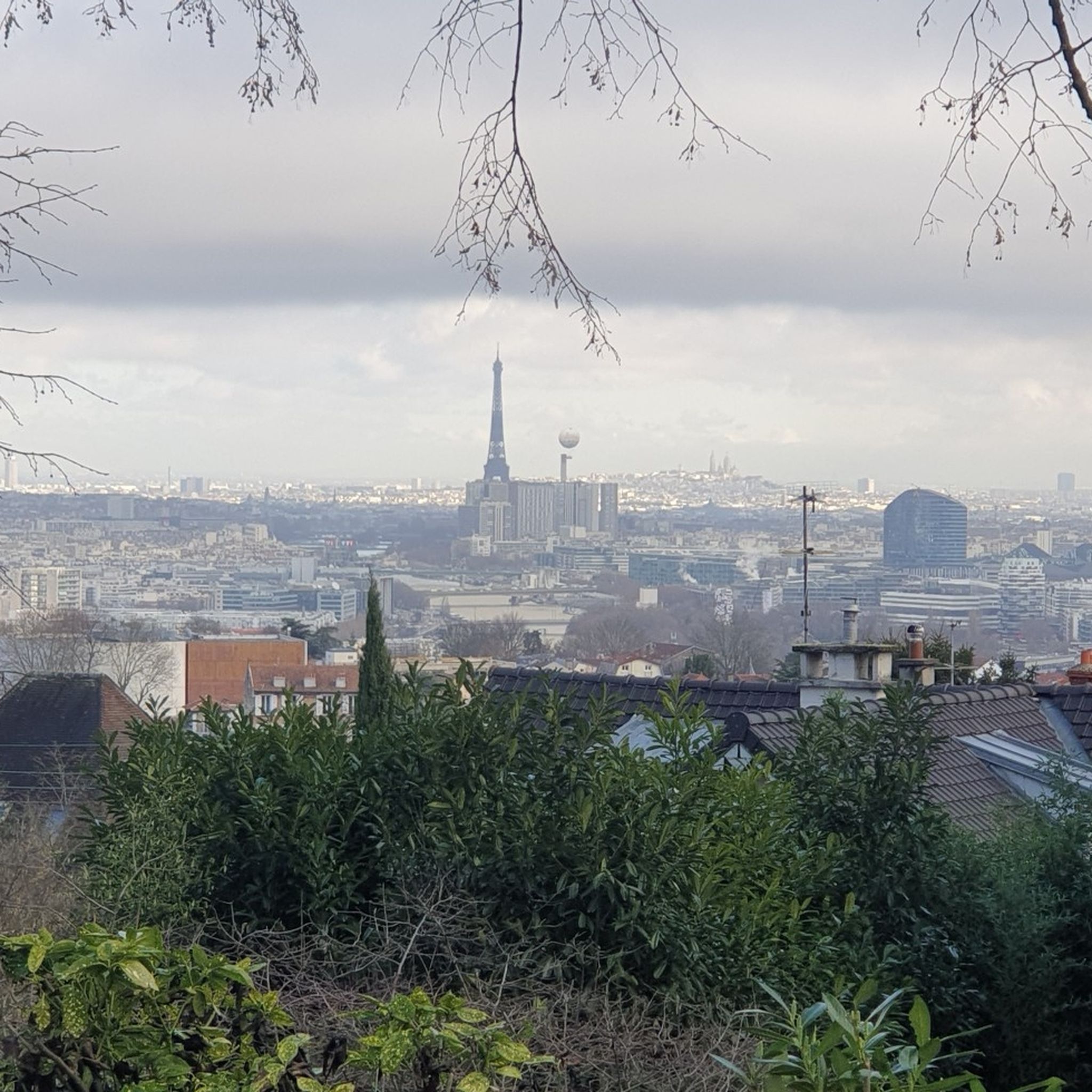
Cycling around Meudon
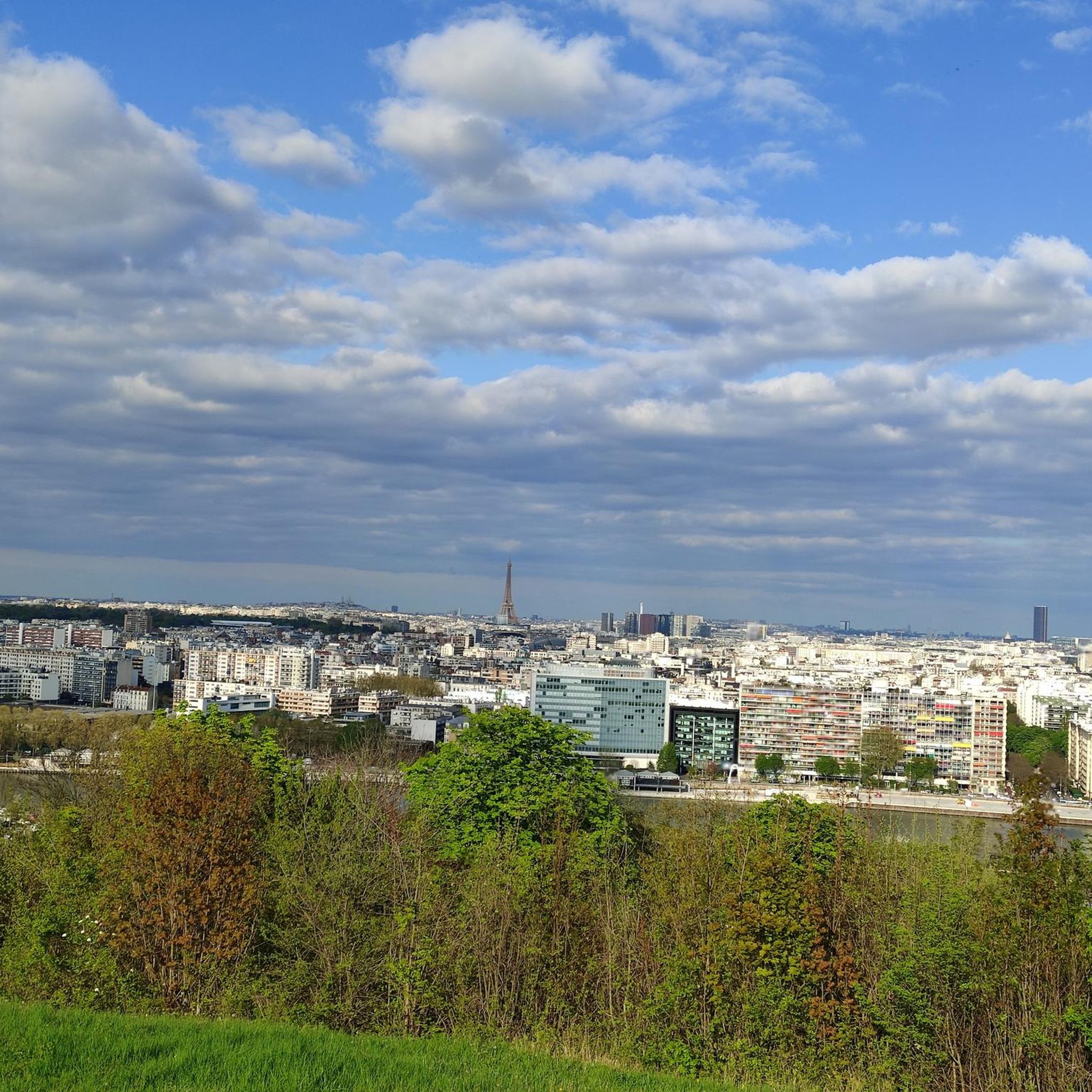
Cycling around Sèvres
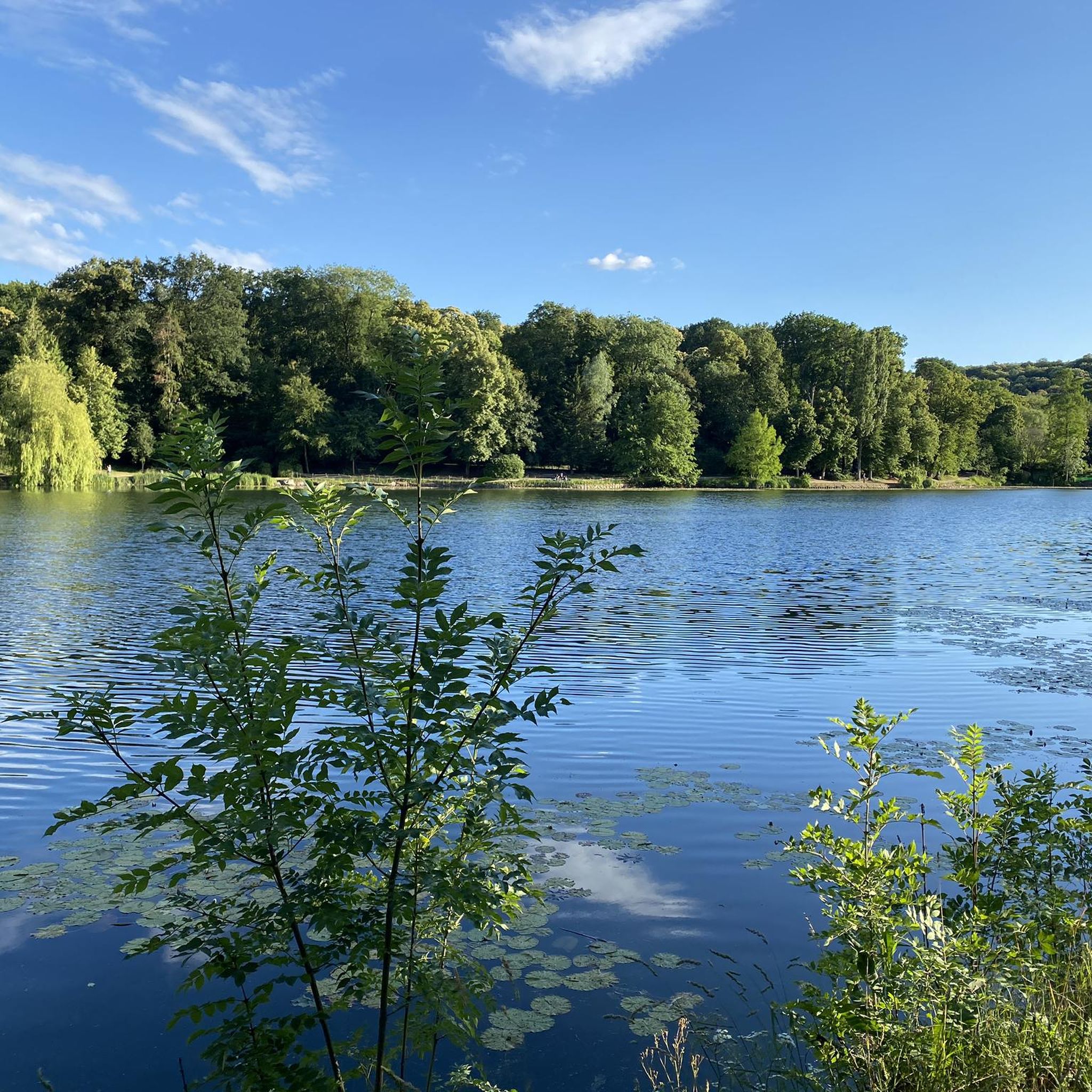
Cycling around Marnes-La-Coquette
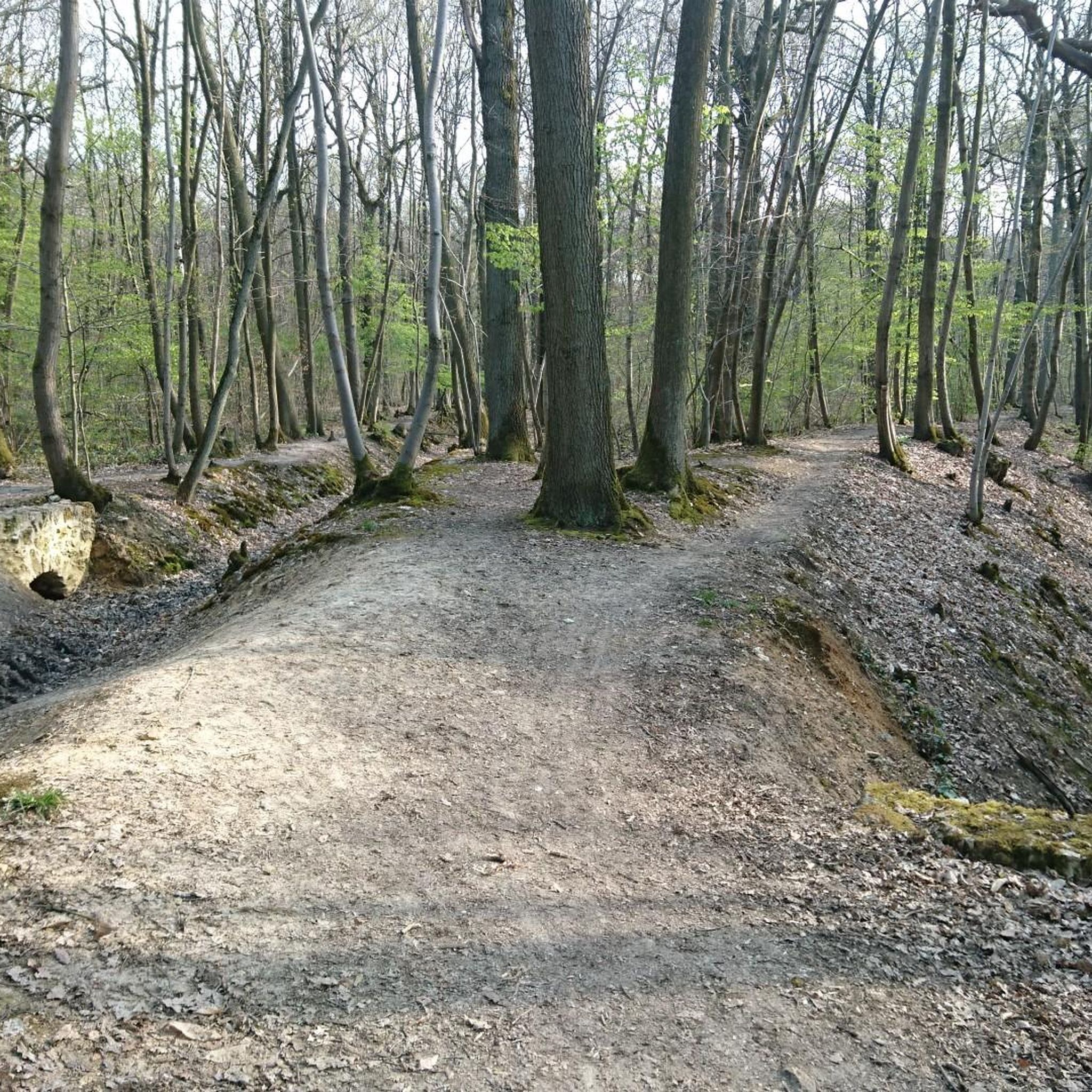
Cycling around Forêt domaniale de Meudon
Other adventures around Boulogne-Billancourt


Tips from the Community

The Pont de la Concorde is a bridge over the Seine in Paris, France. It connects the Place de la Concorde and the Quai des Tuileries with the Quai d’Orsay, running directly towards the Palais Bourbon, the seat of the Assemblée Nationale, the French National Assembly.
6
0
The Luxor Obelisk on the Place de la Concorde is the oldest monument in Paris. It is well over 3,000 years old and originally came from Egypt. Here are the most important facts about its history and the monument: Origin and Age Location in Egypt: It originally stood with a second obelisk in front of the entrance to the Luxor Temple. Time: It was made during the reign of Pharaoh Ramses II (13th century BC). The Gift: The viceroy of Egypt, Muhammad Ali Pasha, gave the obelisk to France in 1829 as a sign of friendship. The second obelisk remained in Egypt and was only officially "returned" by France in the 1990s (so it is still in Luxor). Transport to Paris The Journey: The transport was a technical masterpiece. The over 220-ton monolith of granite had to be shipped across the Nile, the Mediterranean Sea, and the Atlantic Ocean to Paris. The journey took almost three years. Erection: It was finally erected in 1836 under King Louis-Philippe I in the center of the Place de la Concorde. This location was deliberately chosen as a "neutral" monument to cover up the bloody history of the square during the French Revolution. Special Features Hieroglyphs: The inscriptions praise the deeds of Ramses II. The Golden Tip: The original tip was missing (it was probably stolen in ancient times). In 1998, France placed a new pyramid tip covered with gold leaf on the obelisk, as it would have looked in ancient Egypt. The Base: Diagrams are engraved on the base, explaining with which lifting devices and machines the obelisk was erected in the 19th century. Dimensions It is about 23 meters high and consists of a single piece of yellow granite.
0
0

Great views and easy riding, when not too many people are usiung the path
0
0

Quite impressive church. The building is really huge when you enter it, and while it is highly decorated it does not feel too much. Worth a visit and more interesting than some of the more popular churches in the city.
1
0

The Eiffel Tower is considered the symbol of Paris and France, a must-see landmark when visiting the City of Lights. Standing 330 meters tall, the Eiffel Tower has a fascinating history dating back to the late 19th century. Its creator, the engineer Gustave Eiffel, was already famous for his bridges, viaducts, and steel structures before he erected this iconic iron structure. The tower was originally designed as a temporary installation for the 1889 Paris Exposition to celebrate the centenary of the French Revolution. The Eiffel Tower is open to visitors daily from 9:30 a.m. to 11:45 p.m. (9:00 a.m. to 12:45 a.m. in July and August). Visitors can explore three levels of the Eiffel Tower: the first floor, the second floor, and the top. The Eiffel Tower is a highlight of Paris.
0
1
Lady Diana was in Paris on August 31, 1997, when she died in a car crash. The accident happened in this tunnel. She spent the evening with Dodi Fayed, had dinner at the Ritz Hotel, and left shortly afterward to drive into the Pont de l'Alma tunnel, where the crash occurred. The Flame of Liberty in Paris is a life-size, gold-leaf-covered replica of the torch flame from the Statue of Liberty. The approximately 3.5-meter-high monument is a flame sculpture made of gilded copper, supported by a gray-black marble base. Drive to the Ritz Hotel: They had previously been on vacation in Monte Carlo but cut it short due to the paparazzi and made a stopover in Paris. The memorial is located on Avenue New York.
6
0
The Catholic church is 118 meters long and 57 meters wide. These dimensions make it only slightly shorter than Notre Dame Cathedral in Paris and the second largest church in the city. Beneath the naves are several crypts, whose combined footprints are almost as large as the church itself. Saint-Sulpice was chosen as a burial site by some of France's greatest aristocratic families (including the Condé, Conti, and Luynes families). Charles Marie Widor, the composer and long-time organist of St. Sulpice, is buried in the crypt. Famous figures were baptized and married in the church, including Victor Hugo and Heinrich Heine. Important figures such as Charles-Maurice de Talleyrand-Périgord graduated from the St. Sulpice seminary. The church's main organ, world-famous and a masterpiece by François-Henri Clicquot and Aristide Cavaillé-Coll, largely preserved in its original condition.
4
0
3
1
Frequently Asked Questions
How many touring cycling routes are available around Boulogne-Billancourt?
There are over 160 touring cycling routes in the Boulogne-Billancourt area. These include a diverse range of options, with 59 easy routes perfect for a relaxed ride, 63 moderate routes for those seeking a bit more challenge, and 40 difficult routes for experienced cyclists looking for a demanding adventure.
What kind of terrain can I expect on touring cycling routes in Boulogne-Billancourt?
The terrain around Boulogne-Billancourt is quite varied. Many routes feature mostly paved surfaces, especially those along the Seine River and connecting to Paris. However, you'll also find unpaved sections within expansive green spaces like the Bois de Boulogne, offering a more natural cycling experience. The area blends urban and suburban environments with dedicated cycleways and quiet roads.
Are there any circular touring cycling routes in Boulogne-Billancourt?
Yes, many routes in the area are designed as loops, allowing you to start and end at the same point. For example, the Trivaux Pond – Garenne Pond loop from Mairie d'Issy is a popular difficult route that circles several local ponds. Another option is the View of Meudon Pond – Crayfish Pond loop from Boulogne-Billancourt, which offers a longer, challenging ride through scenic pond areas.
What natural features can I see along the touring cycling routes?
Boulogne-Billancourt's routes often feature beautiful natural landscapes. You can cycle along the Seine River, explore the vast Bois de Boulogne with its artificial lakes and a picturesque waterfall, or discover numerous local ponds such as Corot Ponds, Villebon Pond, and Trivaux Pond. The Parc de Billancourt also offers unique water features and marshlands.
Are there any family-friendly touring cycling routes?
Absolutely. Many routes are suitable for families, particularly the easier ones with mostly flat, paved surfaces. The Eiffel Tower and Quai d'Orsay – Alexandre III Bridge loop from Marcel Sembat is an easy 14.7-mile path that offers iconic Parisian views, making it a great option for a family outing. Routes within the Bois de Boulogne are also generally family-friendly, offering safe paths away from heavy traffic.
What landmarks or attractions can I explore while cycling?
The area is rich in landmarks and attractions. You can cycle past the Eiffel Tower on routes like the Mirabeau Bridge – Eiffel Tower view loop from Issy, or explore the cultural hub of Île Seguin and La Seine Musicale. Other notable sites include the Longchamp Circuit within the Bois de Boulogne, the beautiful Albert Kahn Garden and Museum, and the historic Jardin des Serres d'Auteuil.
What is the best time of year for touring cycling in Boulogne-Billancourt?
The spring and autumn months generally offer the most pleasant conditions for touring cycling in Boulogne-Billancourt, with mild temperatures and beautiful scenery. Summer can also be enjoyable, though it can get warm, especially on routes with less shade. Winter cycling is possible, but be prepared for colder temperatures and potentially wet conditions.
Are there routes that offer good viewpoints?
Yes, several routes provide excellent viewpoints, particularly those that venture into areas with slight elevation changes or along the river. The Domaine National de Saint-Cloud, a short distance from Boulogne-Billancourt, is renowned for its stunning views of Paris. Routes along the Seine also offer picturesque perspectives of the city and its landmarks.
How accessible are the touring cycling routes by public transport?
Boulogne-Billancourt is well-connected by public transport, making many cycling routes easily accessible. Several routes start near metro stations or RER stops, allowing you to reach the starting point conveniently. For instance, the Eiffel Tower view – Grand Palais loop from Corentin Celton begins near a metro station, facilitating access for cyclists without a car.
What do other touring cyclists enjoy most about cycling in Boulogne-Billancourt?
The touring cycling routes in Boulogne-Billancourt are highly rated by the komoot community, with an average score of 4.3 stars from over 300 reviews. Cyclists often praise the diverse landscape, from the tranquil riverside paths to the expansive green spaces of the Bois de Boulogne, and the convenience of routes that offer both natural beauty and views of Parisian landmarks.
Are there any dog-friendly cycling options in the area?
While specific cycling routes may have varying regulations, many parks and green spaces in and around Boulogne-Billancourt are dog-friendly, often requiring dogs to be on a leash. The Bois de Boulogne, for example, allows dogs in many areas. It's always best to check local signage or park rules for the specific section you plan to visit to ensure a pleasant experience for both you and your dog.
Where can I find cafes or places to rest along the routes?
Given the blend of urban and natural environments, you'll find numerous cafes, restaurants, and rest stops along or near many touring cycling routes. Especially on routes that pass through or near central Boulogne-Billancourt, Issy, or into Paris, there are ample opportunities to refuel and relax. Even within the Bois de Boulogne, there are kiosks and cafes available.
Most popular routes around Boulogne-Billancourt
Most popular attractions around Boulogne-Billancourt

Get inspired with the komoot mobile app


Didn’t find what you were looking for?
Check out more Cycling routes throughout Boulogne-Billancourt below and find the perfect route in your destination.
Explore more
Browse the best Cycling routes in other regions.
