Top 11 Castles around Métropole de Lyon
Best castles around Métropole de Lyon offer a glimpse into the region's rich past. This area, located in the Auvergne-Rhône-Alpes region, features a diverse landscape with the Saône and Rhône rivers, providing a mix of urban and natural environments. Historically significant, the Métropole de Lyon is surrounded by hills and valleys, where various fortifications and châteaux were strategically built. These historical sites are often nestled within green spaces, offering both cultural exploration and opportunities for outdoor activity.
Best castles around Métropole de Lyon
- The most popular castles is Fort du Paillet, a historical site that was part of Lyon's defensive belt. This fort, built between 1883 and 1886, could shelter up to 300 men.
- Another must-see spot is Lacroix-Laval Park, a large park featuring a castle, valleys, meadows, and ponds. It is the largest landscaped green space in the Rhône department.
- Visitors also love La Barollière Castle, an old fortified castle from the 14th century. This castle, altered in the 17th century, stands in the town of Limonest.
- Métropole de Lyon is known for its fortified castles, historic châteaux, and military forts. Visitors can explore a variety of historical structures, from well-preserved estates to significant ruins.
- The castles around Métropole de Lyon are appreciated by the komoot community, with more than 100 upvotes and 20 photos shared.
Last updated: August 30, 2026
Fort du Paillet
Highlight • Historical Site
Translated by Google •
Tip by

Rochetaillée-sur-Saône Castle
Highlight • Castle
Translated by Google •
Tip by

Sign up now to discover places like this
Get recommendations on the best single tracks, peaks, & plenty of other exciting outdoor places.
Sign up for free
Fort de Bruissin
Highlight • Historical Site
Today, Contemporary Art Center.
Translated by Google •
Tip by
La Bégude Castle
Highlight • Castle
The district probably housed a post house.
Drink or drive ...
Translated by Google •
Tip by
Fort de Vancia
Highlight • Monument
Translated by Google •
Tip by

Lacroix-Laval Park
Highlight • Natural
Translated by Google •
Tip by
La Barollière Castle
Highlight • Castle
Translated by Google •
Tip by

View of Albigny-sur-Saône Castle
Highlight • Castle
Tip by
Saint-Priest Castle
Highlight • Castle
Owned by the Richard family, then by the Guignard family, the castle has been renovated numerous times, thus displaying several different architectural styles ranging from medieval architecture to contemporary architecture. The castle has been partially classified as historical monuments since December 28, 1984.
Translated by Google •
Tip by

Petit-Perron Castle
Highlight • Castle
Private property. I was not lucky enough to have the doors open ...
Painted wall nearby, and cross delimiting the right of justice of the Lord of Perron.
Translated by Google •
Tip by
Sign up for free to discover even more castles around Métropole de Lyon.
Sign up for free
Already have an account?
Start today with a free account
Your next adventure awaits.
Login or Signup
Popular around Métropole de Lyon
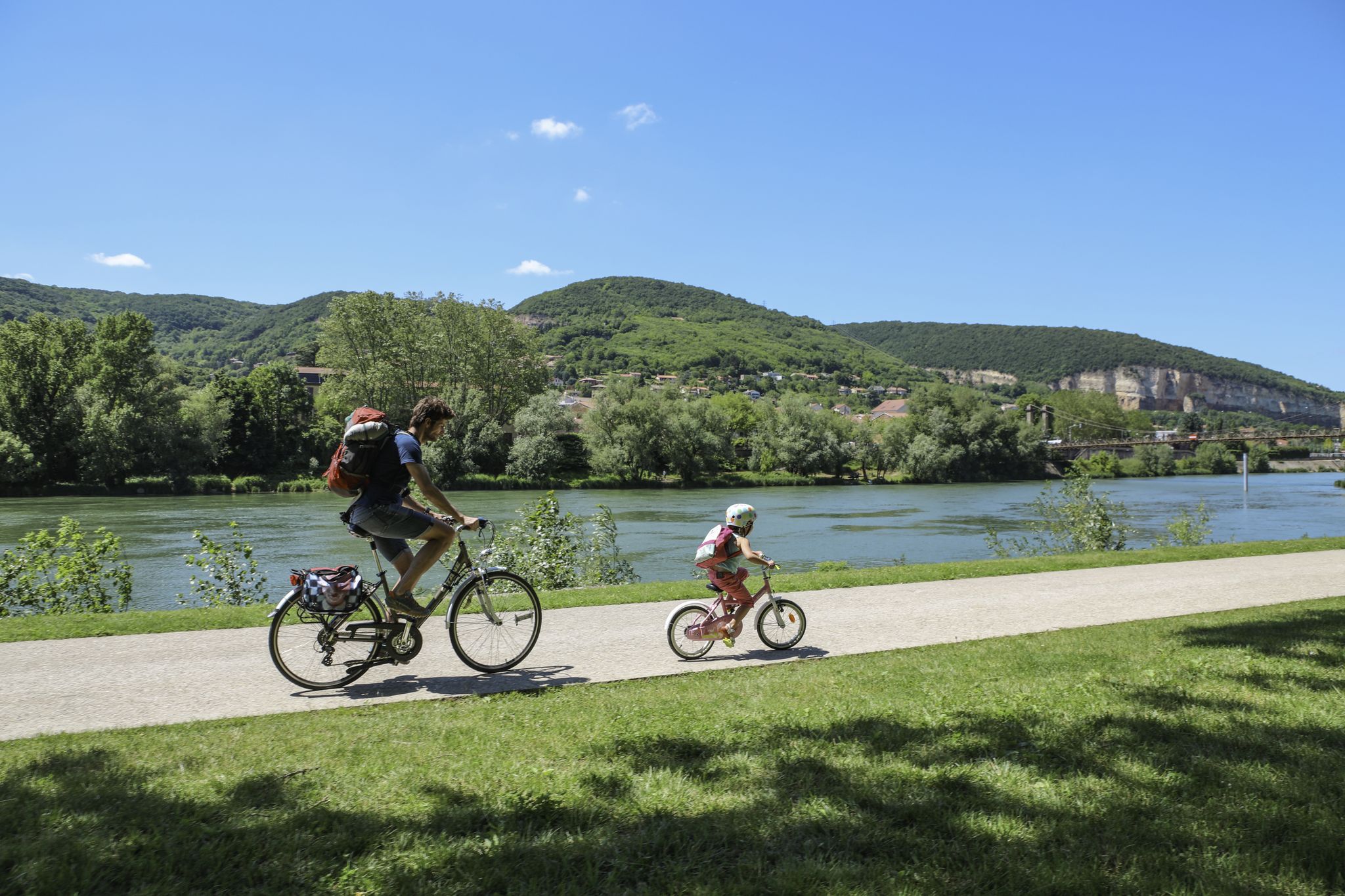
The Voie Bleue – Moselle-Saône by bike
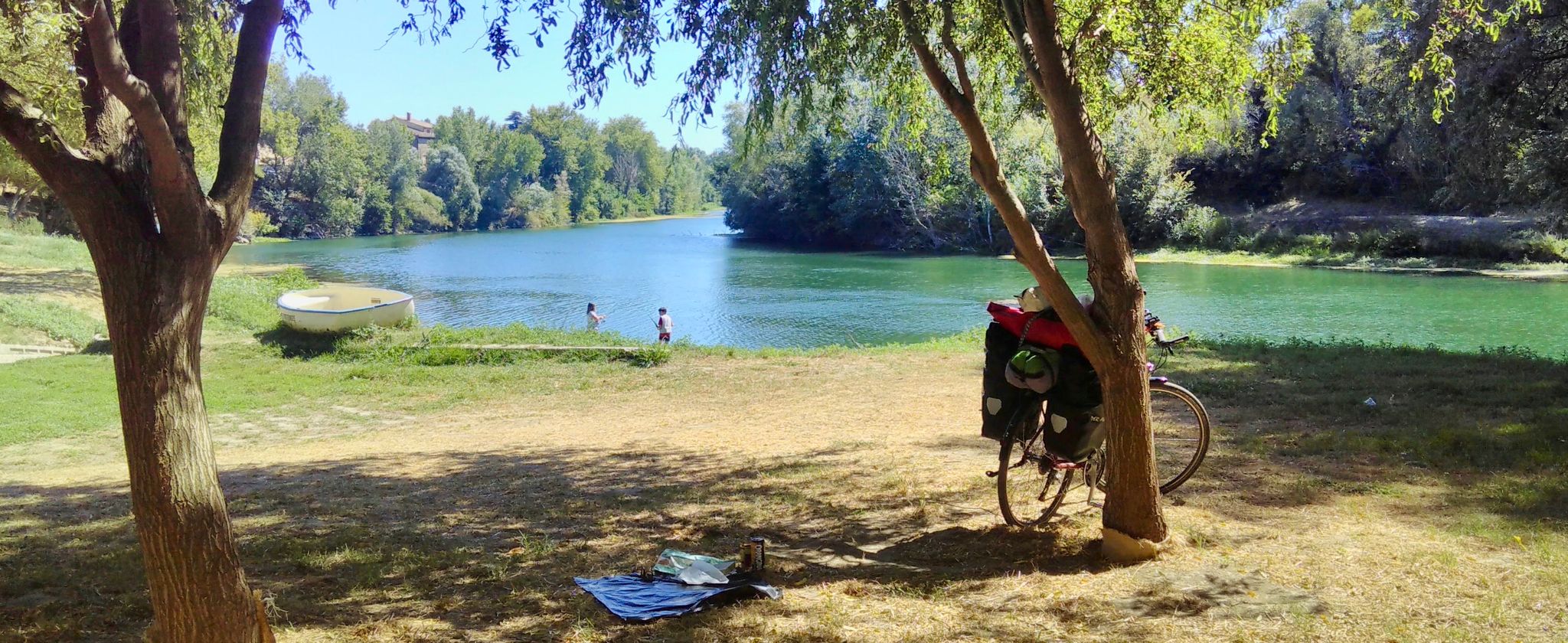
Via Rhôna — cycling the Rhone Valley Way from Lyon to the Mediterranean
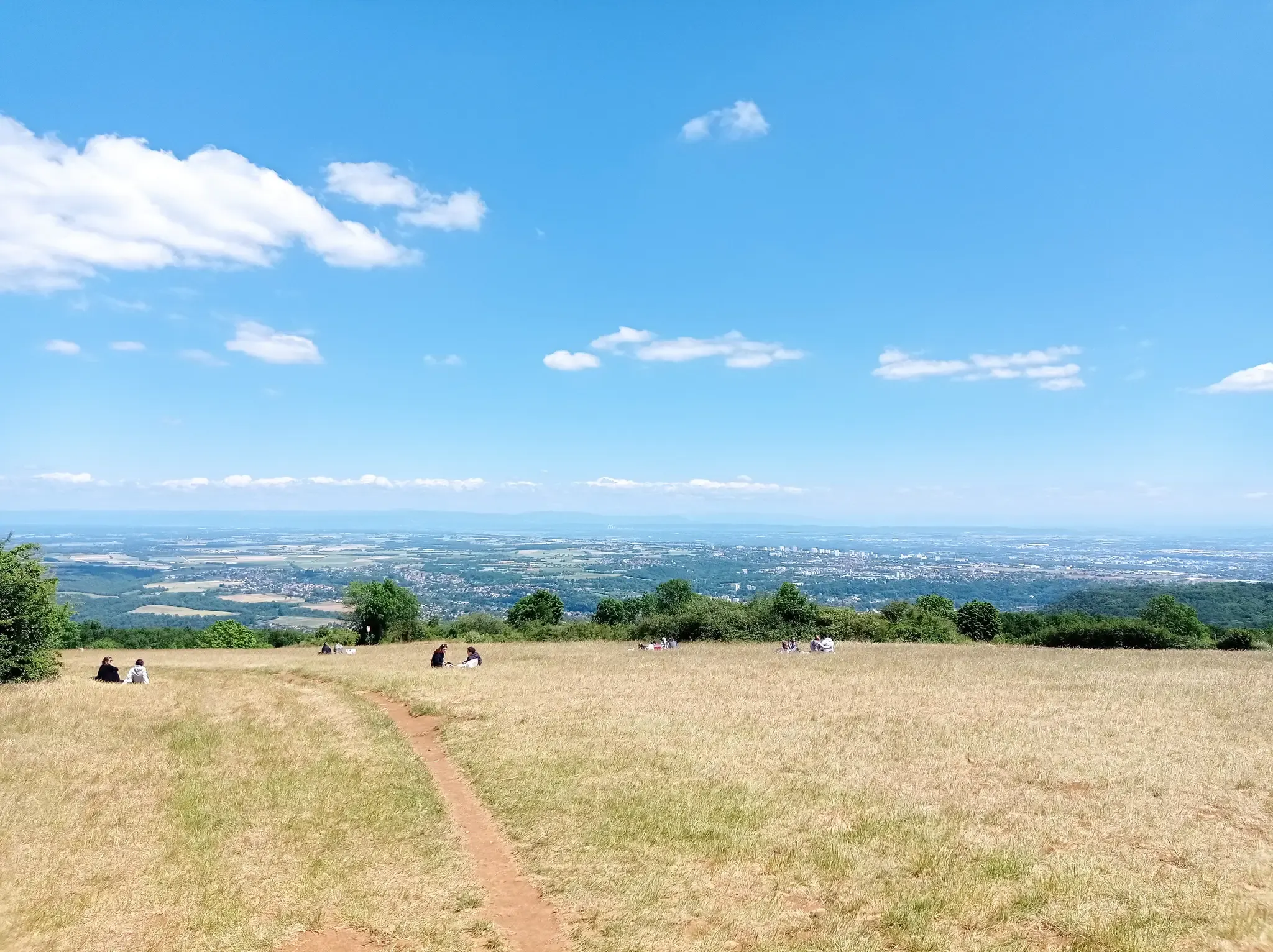
Running near Lyon –10 trail outings less than an hour from the city
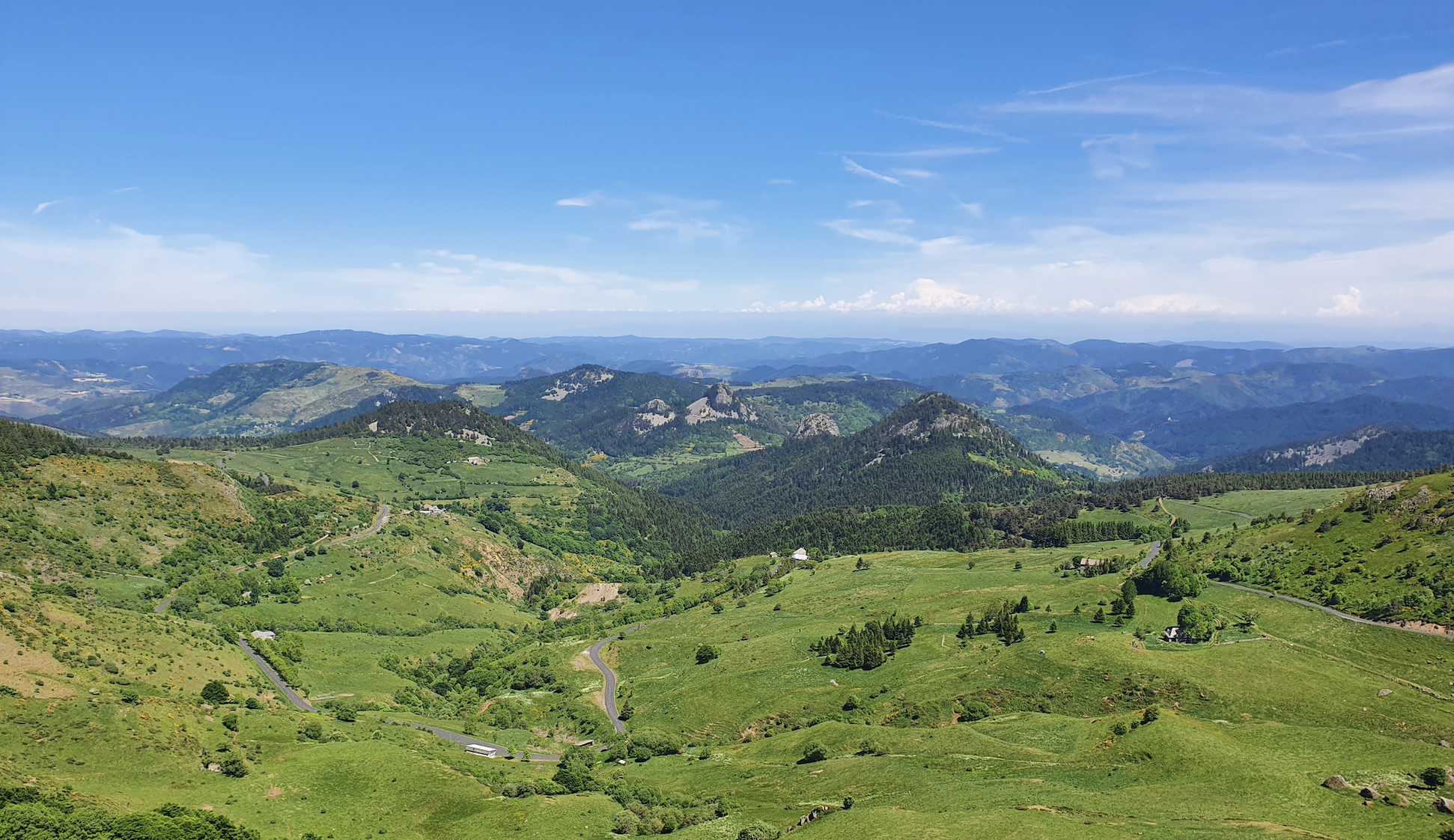
Beyond the mountains – the Rhône to the Ardèche
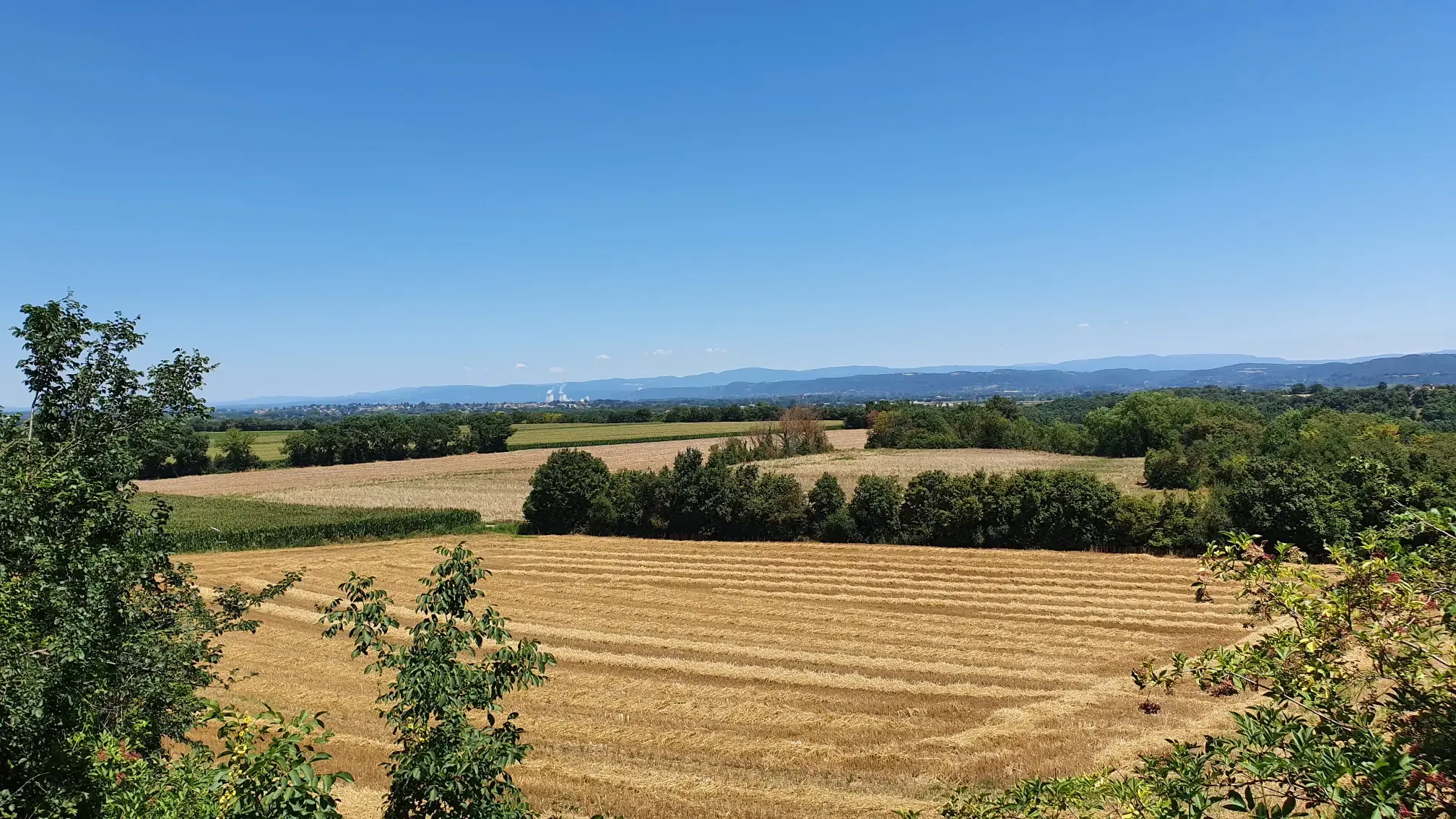
Conquering history – in the footsteps of Charles IX (GR 422)
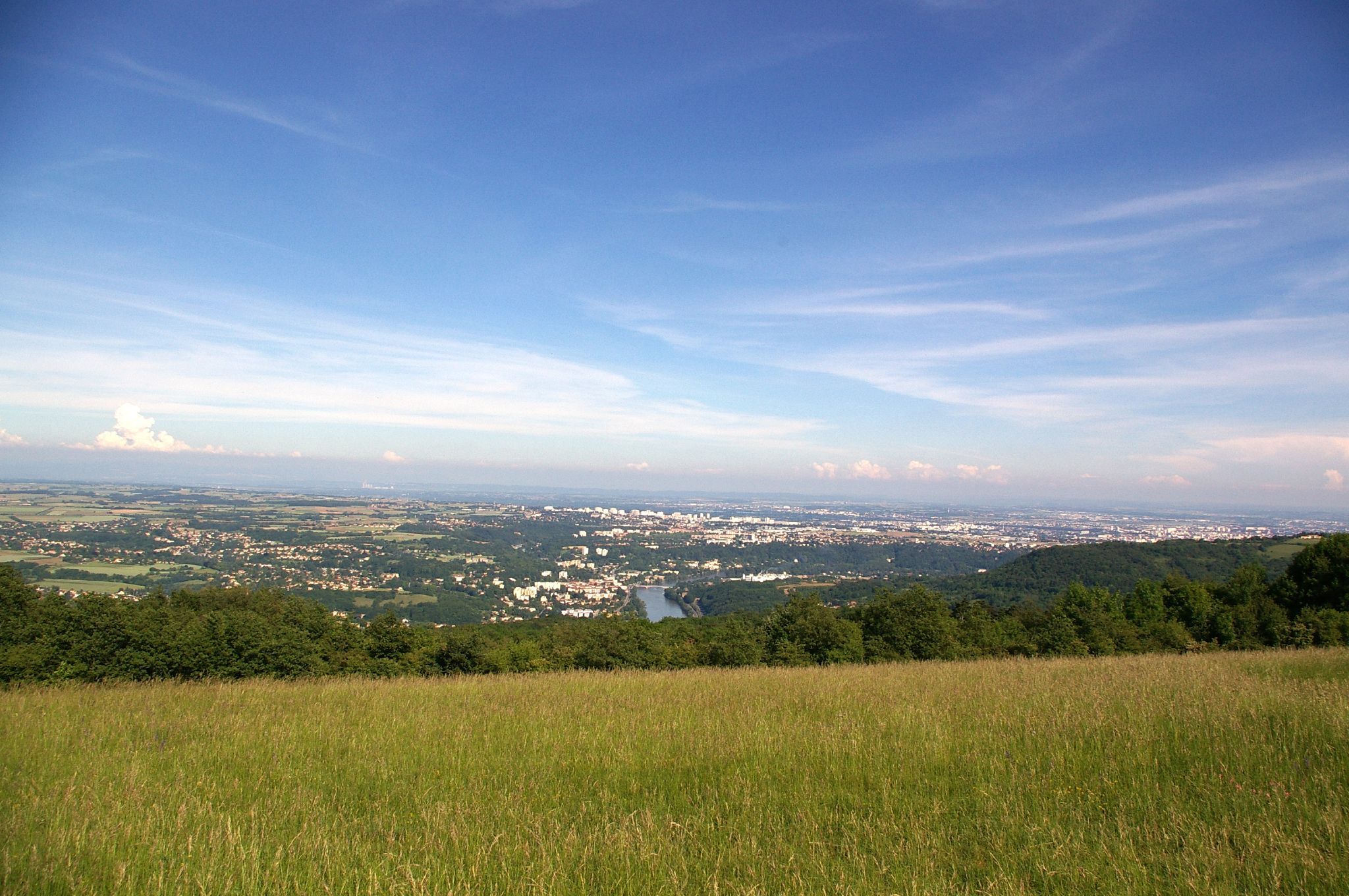
Touring Lyon via the forts (GR 169)
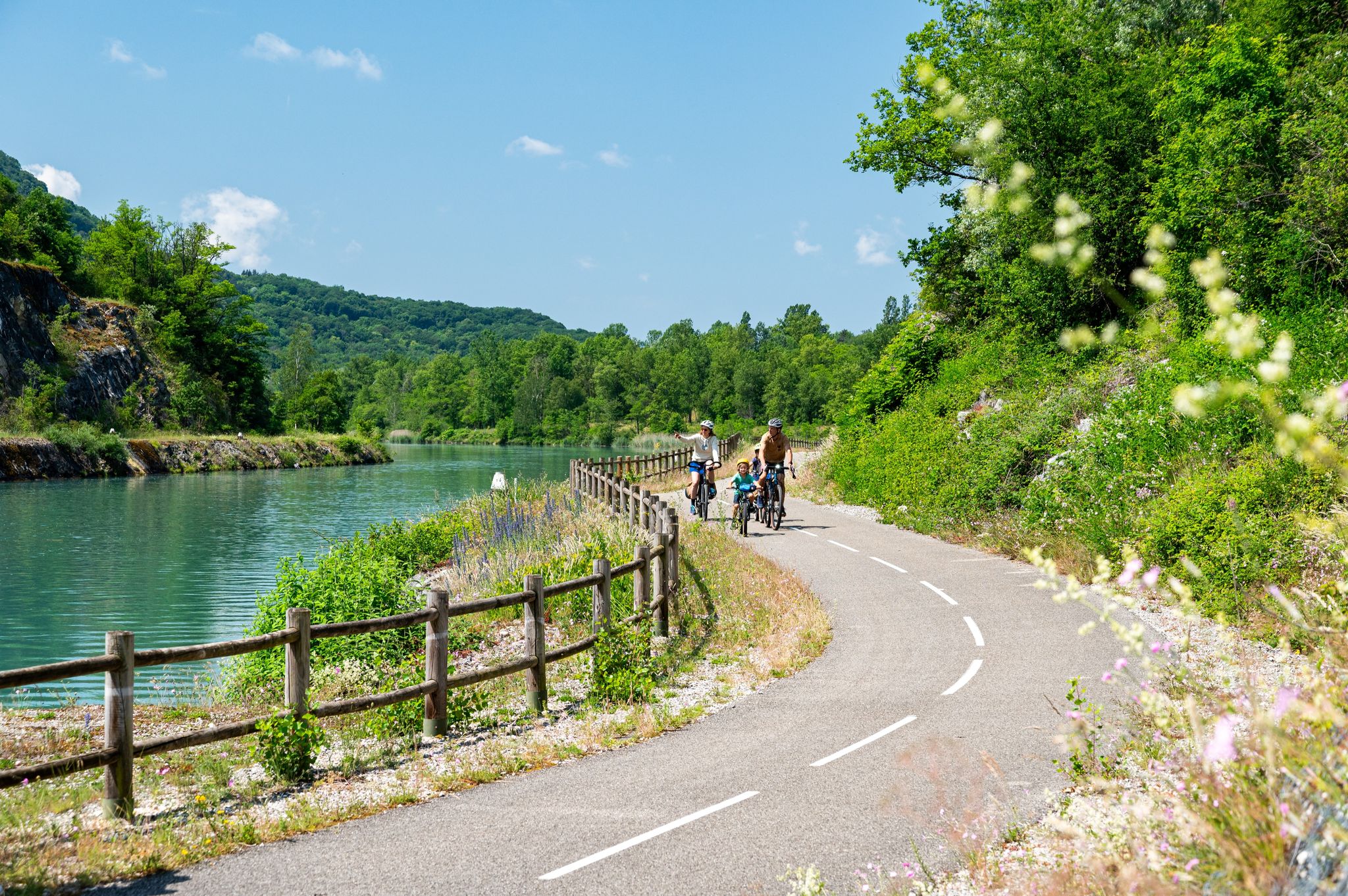
ViaRhôna — ride from the Alps to the Mediterranean
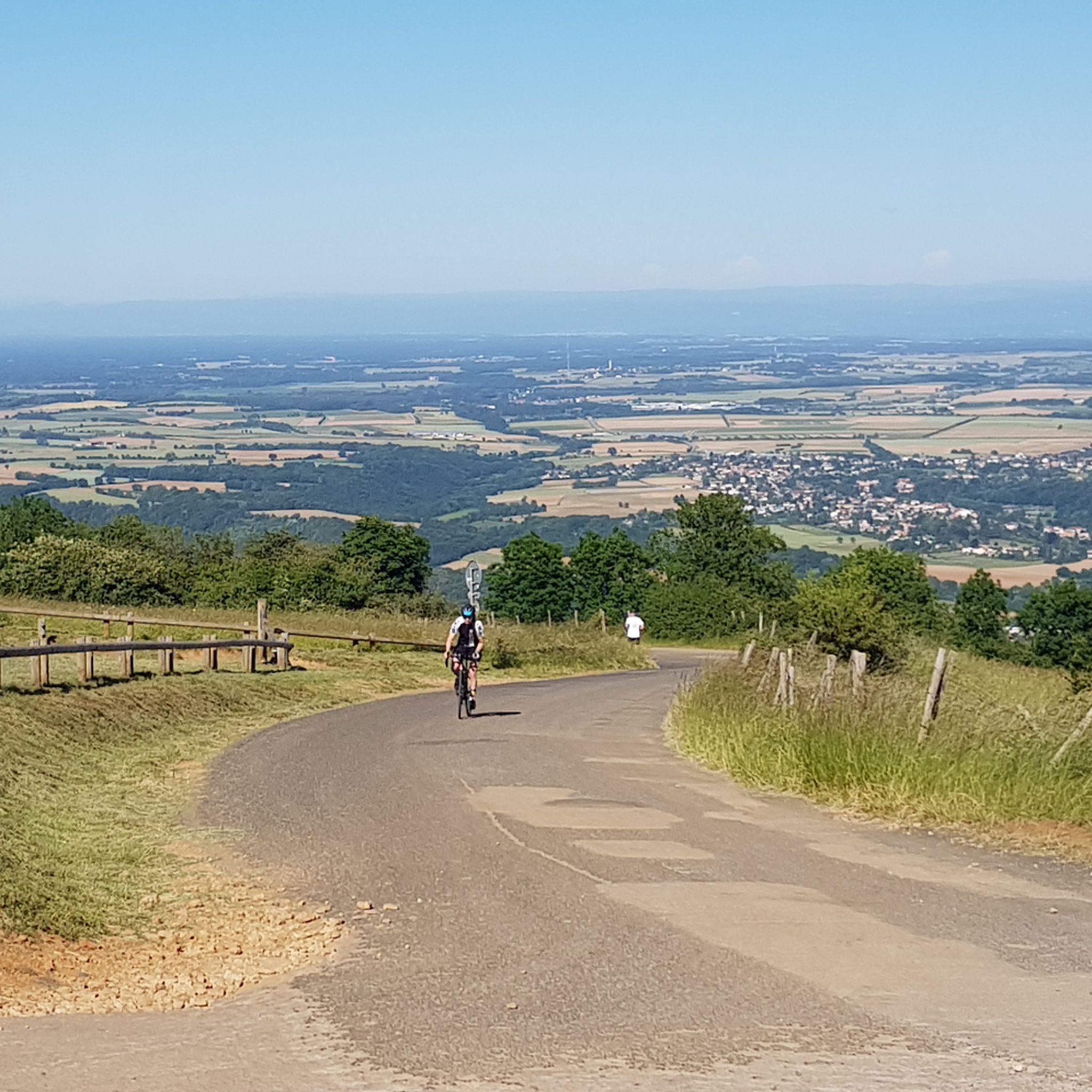
Road Cycling Routes around Métropole de Lyon
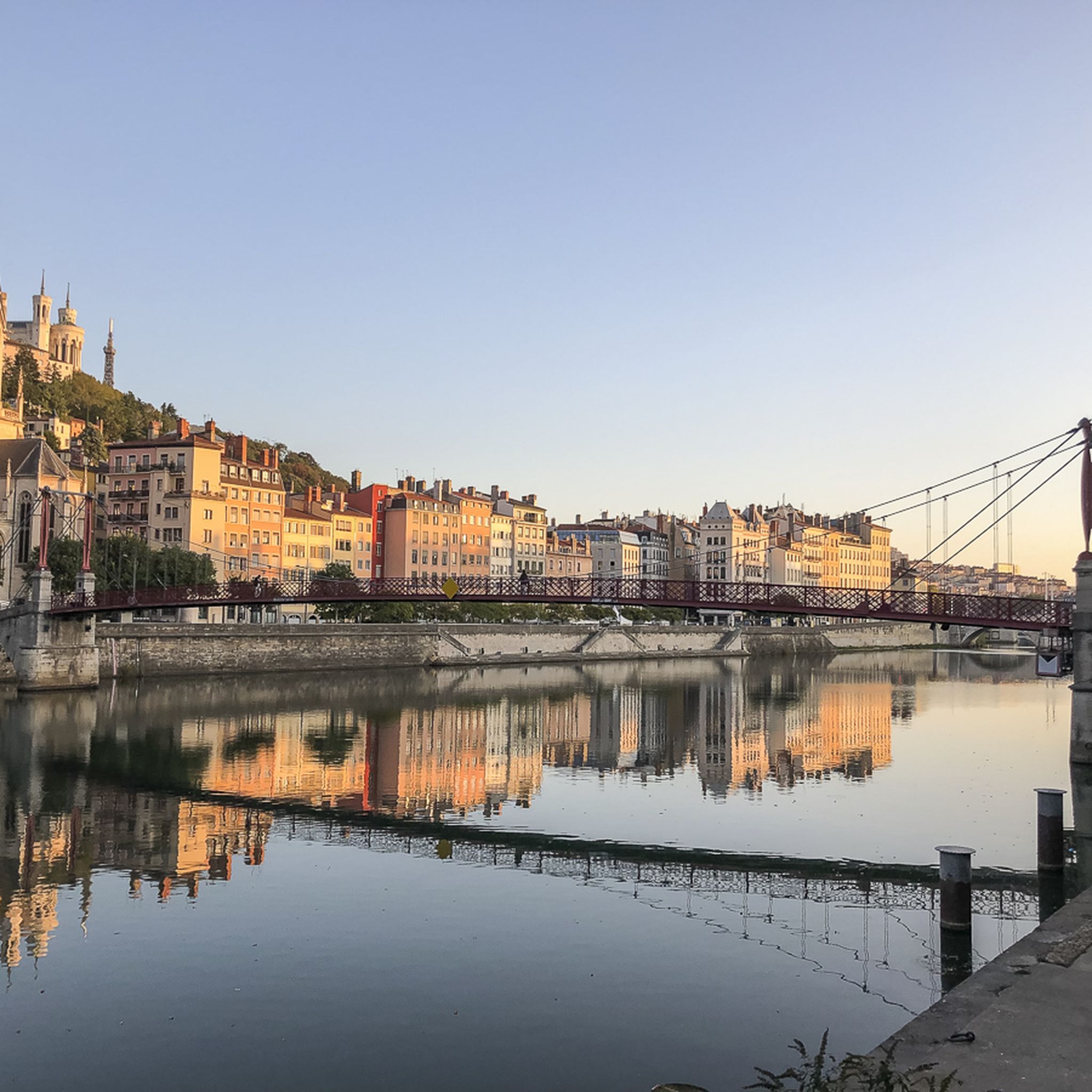
Running Trails around Métropole de Lyon
Hiking around Métropole de Lyon
Other adventures around Métropole de Lyon


Tips from the Community

A large part (3/4) of the hike is on shaded paths and very pleasant pedestrian/bicycle paths. Only the last part (1 good km) is on a narrow road without a sidewalk, less pleasant.
0
0

Built between 1883 and 1886, Fort du Paillet was part of the fortified belt of Lyon. This well-preserved site housed up to 400 soldiers and controlled the strategic routes to Paris. Decommissioned in 1899, it was an internment center during the Second World War. Today, a trail allows you to discover its 35 hexagonal markers and its rich military past. A place combining history and nature, perfect for a break on your trail or hike.
0
0

Nice place, here we enjoy the calm and the sounds of nature (birds singing, rustling leaves in the trees...)
0
0

The Fort du Paillet, located in the Monts du Lyonnais, is a historic site surrounded by nature offering a breathtaking view of the surrounding region. This fort, once strategic, is today a peaceful place where vegetation has regained its rights, creating a unique setting for a walk.
0
0

Built at the highest point of Francheville, this fort made it possible to control the south-west entrances to Lyon. It served as an ammunition depot for the Germans during the Second World War. Today this place has become a living space for artistic creation and host of arts and music festivals.
0
0
Built between 1874 and 1878, Fort de Vancia is part of the second defensive belt of the city of Lyon. Designed by General Séré de Rivières, the 14 forts, including that of Vancia, served to protect the city from Prussian and Italian invasions. The secondary objective was to control the Lyon insurrections such as the revolt of the Canuts.
0
0
Built between 1883 and 1886 as part of the protection of Lyon, this fort could shelter up to 300 men. Today the walk around the fort is most pleasant when the weather is nice.
0
0
The Lacroix-Laval park is 115 hectares large. This vast space provides access to valleys, meadows, ponds and rivers. It has a superb castle. Today it is the largest landscaped green space in the Rhône department.
0
0
Frequently Asked Questions
Which castles around Métropole de Lyon offer a blend of history and modern attractions?
The Rochetaillée-sur-Saône Castle, a 12th-century fortified castle, now houses the Henri Malartre Automobile Museum, showcasing vintage vehicles within its historic walls. Similarly, the Saint-Priest Castle, originally a 14th-century fortified house, has been transformed into a cultural and event center with modern facilities and a French garden.
Are there any ruined castles near Métropole de Lyon for historical exploration?
Yes, the Château de Châtillon d'Azergues, located adjacent to the Métropole de Lyon, is a significant ruined castle dating from the 12th to 15th centuries. While currently closed to the public due to its state, you can still explore its remains and the adjacent 12th-century Chapel of Saint-Barthélémy, which is a classified historical monument.
What are some family-friendly castles or sites to visit in the Métropole de Lyon area?
For a family-friendly outing, consider Lacroix-Laval Park, which features a superb castle within its 115 hectares of valleys, meadows, and ponds, making it the largest landscaped green space in the Rhône department. Additionally, Fort du Paillet and Fort de Bruissin are historical sites with family-friendly categories, offering space for exploration.
Can I find castles that are part of Lyon's historical defense system?
Yes, several forts that were part of Lyon's defensive belt are considered historical sites. These include Fort du Paillet, built between 1883 and 1886, and Fort de Bruissin, which controlled the south-west entrances to Lyon. Another example is Fort de Vancia.
Are there any grand châteaux near Lyon that are open to visitors?
The Château de Fléchères, located about 25 miles north of Lyon, is the largest 17th-century château open to visitors in the wider region. It boasts frescoes by Pietro Ricchi, grand fireplaces, and extensive French and English gardens.
What kind of outdoor activities can I do near these castles?
Many castles are situated in areas perfect for outdoor activities. You can find numerous hiking trails around Métropole de Lyon, including routes like 'Heart of the Monts d'Or Trail' or 'Around the old Lyon'. For cyclists, there are cycling routes such as 'Miribel MTB Circuit #4: The Forest Route'. You can also find running trails, like 'The Monts d’Or'.
Are there any castles that offer luxury accommodation or dining experiences?
Yes, the Château de Bagnols, approximately 40 minutes from Lyon, is an 800-year-old château that has been converted into a 5-star luxury hotel and spa. It features well-preserved architecture, medieval frescoes, opulent rooms, and a Michelin-starred restaurant.
Which castles provide scenic views of the surrounding region?
The Fort du Paillet offers breathtaking views of the surrounding region from its location in the Monts du Lyonnais. Additionally, the Château de Saint Trys, on the edge of the Beaujolais region, provides stunning views of the Saône River and the French Alps.
What is the historical significance of <a href="https://www.komoot.com/highlight/1507384" target="_blank" rel="noopener">La Barollière Castle</a>?
La Barollière Castle is an old fortified castle from the 14th century, located in Limonest. It underwent alterations in the 17th century and is appreciated by visitors for its historical architecture, often admired while climbing towards Mont Verdun.
Can I visit a castle that has been repurposed for contemporary arts or events?
Yes, Fort de Bruissin, once a strategic military fort, has been transformed into a Contemporary Art Center. It now serves as a vibrant space for artistic creation and hosts various arts and music festivals, blending history with modern culture.
Are there any castles that are particularly well-preserved or feature unique architectural elements?
The Château de Rochetaillée-sur-Saône, despite 19th-century alterations, retains a Romanesque door and parts of its original 12th-century structure, along with a 15th-century octagonal tower. The Château de Saint Trys is also notable for its preserved period décor, including frescoes and trompe-l'oeil depictions, with some rooms classified as historical monuments.
Most popular routes around Métropole de Lyon
Most popular attractions around Métropole de Lyon

Get inspired with the komoot mobile app


Didn’t find what you were looking for?
Explore Métropole de Lyon’s best castles region by region:
Explore more
Looking for the best castles somewhere else? Discover other guides around Métropole de Lyon:
